Grinnell Glacier Trail: Boat vs Walk, Bears, and Mileage

Maya Lin
Maya Lin is a travel journalist and outdoor enthusiast who believes the best trips combine rugged adventures with urban comforts. After spending six years backpacking across four continents, she founded Trail & Town Guide to help fellow travelers navigate both hidden mountain passes and bustling city neighborhoods with confidence.
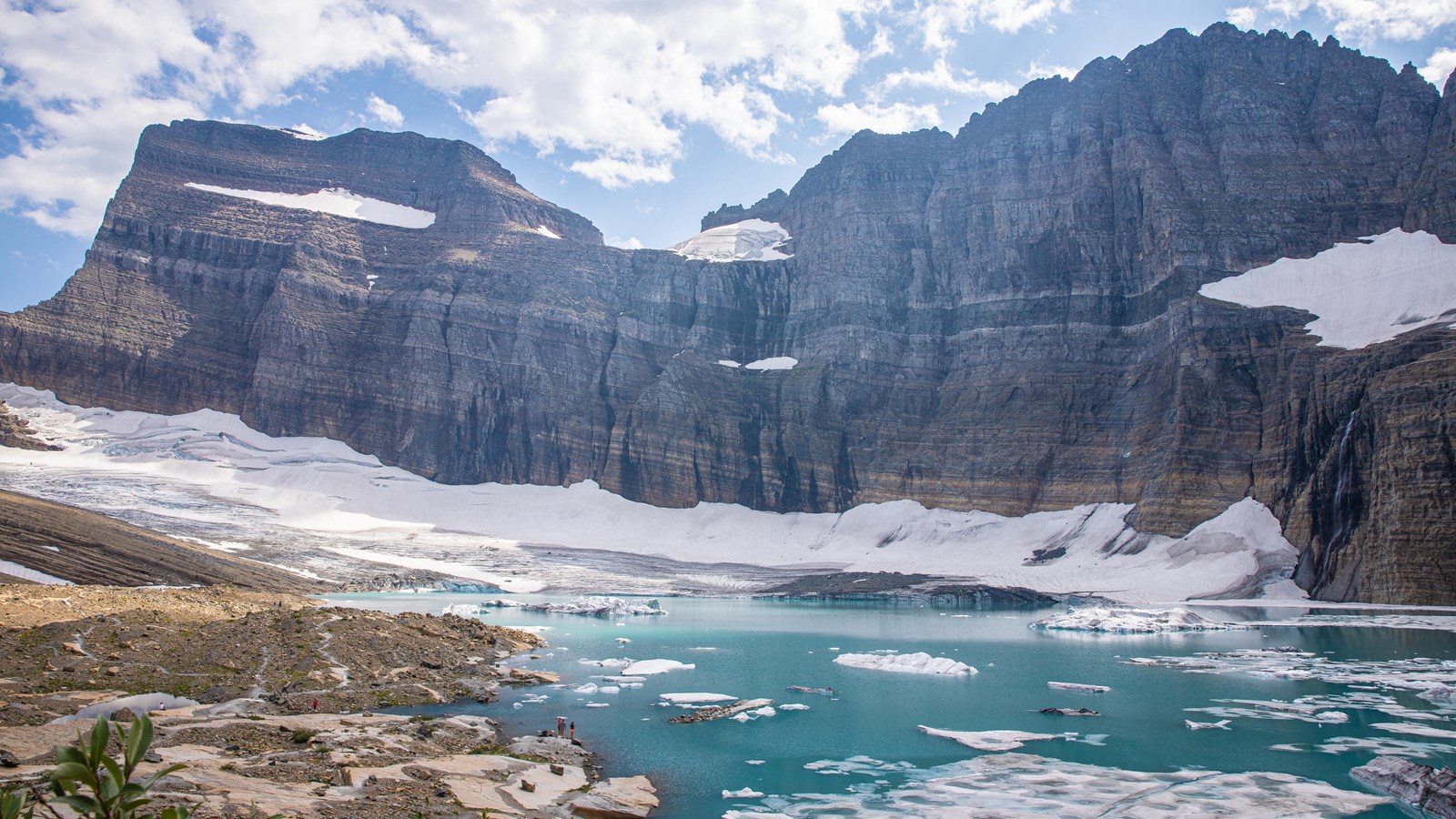
Grinnell Glacier is one of those Glacier National Park hikes that feels like it was designed for people like me: you get a serious, mountain-earned payoff, but you can also start your morning with a boat ride across two jewel-colored lakes instead of pounding the shoreline miles. The choice is not just about saving time. It changes the whole mood of your day, when you need to start, how much water to carry, and how much energy you have left when the trail tilts up into the upper basin.
This guide focuses on the Grinnell Glacier Trail from Many Glacier, including the Many Glacier boat option, realistic mileage ranges (and what they assume), what you will actually see at the end, bear habits I watch for on this corridor, and a conservative weather turnaround plan that has saved me from more than one sketchy afternoon.
Quick facts to plan your day
- Trailhead: Many Glacier area, starting near Many Glacier Hotel and the Swiftcurrent Lake dock or the shoreline trail
- Standard destination: the upper viewpoint near Upper Grinnell Lake and the face of Grinnell Glacier
- Why it is famous: big lake views early, then a dramatic climb into a glacial basin with milky turquoise water and mountain goat terrain
- Two main ways to do it: hike the entire approach or use the boat across Swiftcurrent Lake and Lake Josephine to shorten the day
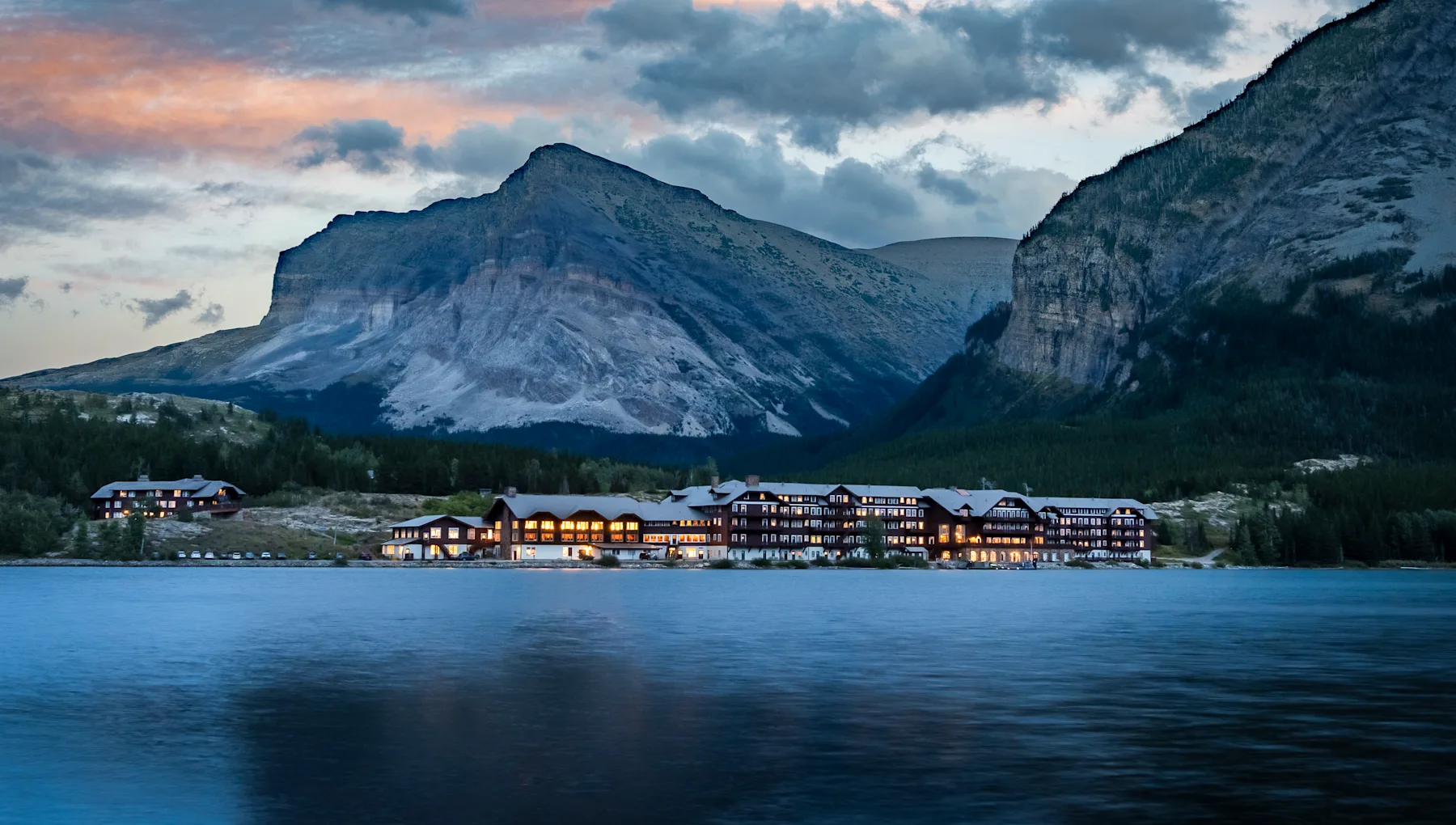
Boat vs full walk
Here is the honest way I frame it. The full walk gives you more time beside the water and a slower build into the day. The boat option turns Grinnell into a more concentrated mountain hike, with less warm-up and more get to the good stuff. If you are traveling carry on only and trying to hike big while still making it back for a shower and dinner, the boat can be the difference between tired happy and why did I do this to myself.
Option A: Take the Many Glacier boat
The boat system in Many Glacier typically shuttles hikers across Swiftcurrent Lake and then Lake Josephine, with a short walk between legs. You still hike a meaningful trail. The boat just trims the lower lake miles and drops you closer to the real climb.
- Best for: hikers who want the glacier payoff with less flat mileage, families with strong older kids, anyone trying to avoid a very long day
- Tradeoffs: you are tied to a schedule, you need to plan for return boat timing, and if boats are full or not running you must be ready to walk
- Reality check: boat operations are seasonal and weather dependent, and popular crossings can sell out on busy days
If you want the most current, bulletproof details, confirm the current-season schedule and ticketing with the official Many Glacier boat concessioner or the park site before you build your entire day around it.
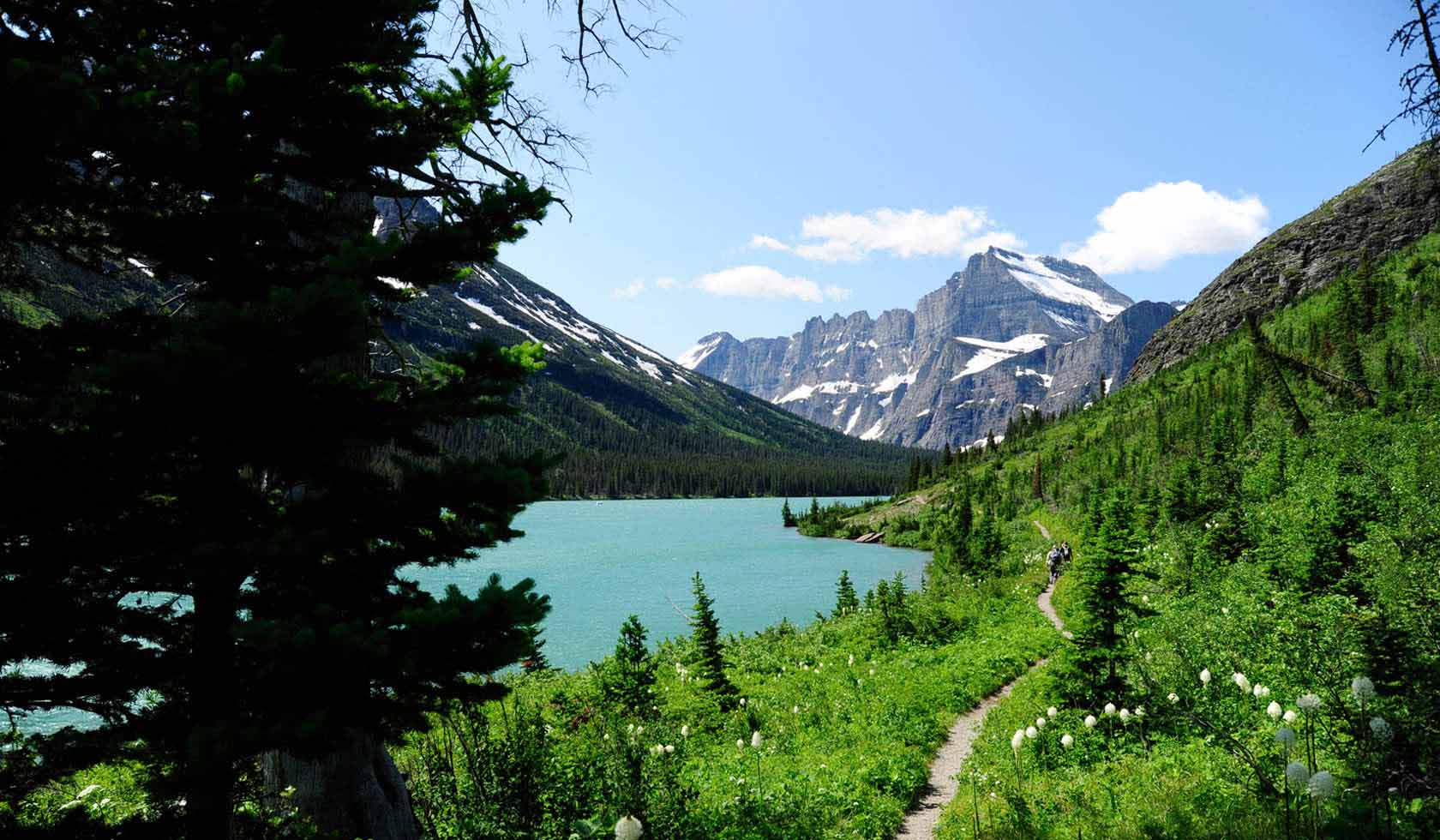
Option B: Walk the whole way
Walking the entire approach gives you flexibility. No watching the clock. No anxiety about missing the last boat. You also get more quiet moments, especially early or later in the day when the dock area is busiest.
- Best for: hikers who prefer full self pacing, photographers who want shoreline light, anyone visiting outside peak boat operations
- Tradeoffs: longer day, more repetitive lake edge mileage, more time spent at lower elevations where afternoon heat can feel surprisingly intense
Mileage and elevation
Mileage varies because your start and finish points can shift based on whether you use the boat one way or both ways, and whether you count walking between the hotel area, the dock, and the shoreline trail. When I quote numbers below, I am talking about the standard Grinnell Glacier Trail from the Many Glacier Hotel and Swiftcurrent Lake dock area to the upper viewpoint above Upper Grinnell Lake and back.
- With the boat both directions: roughly 7 to 8 miles round trip (typical day: about 7.5)
- With the boat one direction only: roughly 8.5 to 10 miles round trip (typical day: about 9.5)
- Walking the full way both directions: roughly 10 to 11.5 miles round trip (typical day: about 11)
Elevation gain is also commonly underestimated because the first section feels easy. Once you leave the lakes and commit to the upper basin, you are in a sustained climb. A safe planning number for the standard trail is about 1,600 feet of gain.
If it feels like more, that is usually not because the trail secretly added hundreds of feet. It is because of conditions: hot sun on the lower miles, cold wind up high, snow or wet rock slowing your pace, or a heavier pack than you meant to carry. That is why I decide based on time on feet, not just mileage. The boat option tends to shave off the lower, flatter miles that still take time and still wear on knees.
Time on trail
Most parties I see (and most days I have) land in the 5 to 7 hour range round trip, depending on breaks and how long you linger at the top. Strong, steady hikers can be faster. If you are walking the full approach or you know you like long photo stops, plan for the longer end so you are not hiking the last miles stressed.
Route overview
If you like to picture the day in chapters, here is the simple version. You start from the Many Glacier Hotel area and follow the lakeshore route, either on foot or by boat across Swiftcurrent Lake and then Lake Josephine.
- Chapter 1: Swiftcurrent Lake shoreline or boat from the Many Glacier dock
- Chapter 2: Lake Josephine crossing (boat) or lakeside hiking to the far end of the lake
- Chapter 3: From the Lake Josephine drop-off area, the trail runs up-valley through forest and openings with expanding views
- Chapter 4: The sustained climb begins as you leave the valley floor and start the steady switchbacks into the upper basin above Upper Grinnell Lake
The destination most hikers mean by Grinnell Glacier Trail is the upper viewpoint above Upper Grinnell Lake, with Grinnell Glacier and meltwater features above it.
What you will see at the end
The final basin is why Grinnell is a standalone day. You pop out into an amphitheater of rock, ice, and water that feels more alpine than Montana. The glacier itself has been shrinking for decades, so the exact shape and extent changes year to year. What stays consistent is the glacial basin experience: stark peaks, cold air pooling in the cirque, and that unreal turquoise water that looks almost backlit.
Upper Grinnell Lake
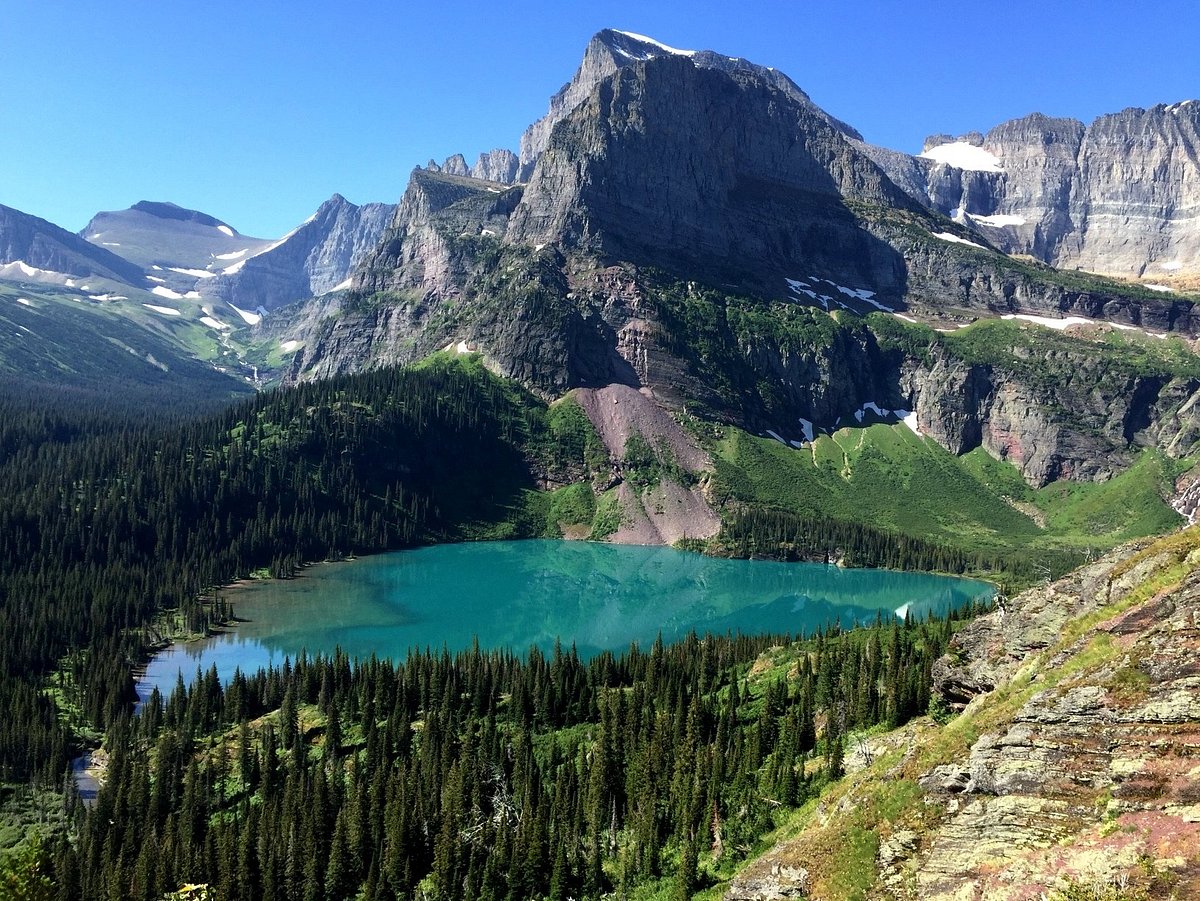
At the top, you look down on Upper Grinnell Lake, a milky turquoise bowl that often holds floating ice early in the season. Even on a warm day lower down, it can feel noticeably colder here because of wind and the proximity to ice.
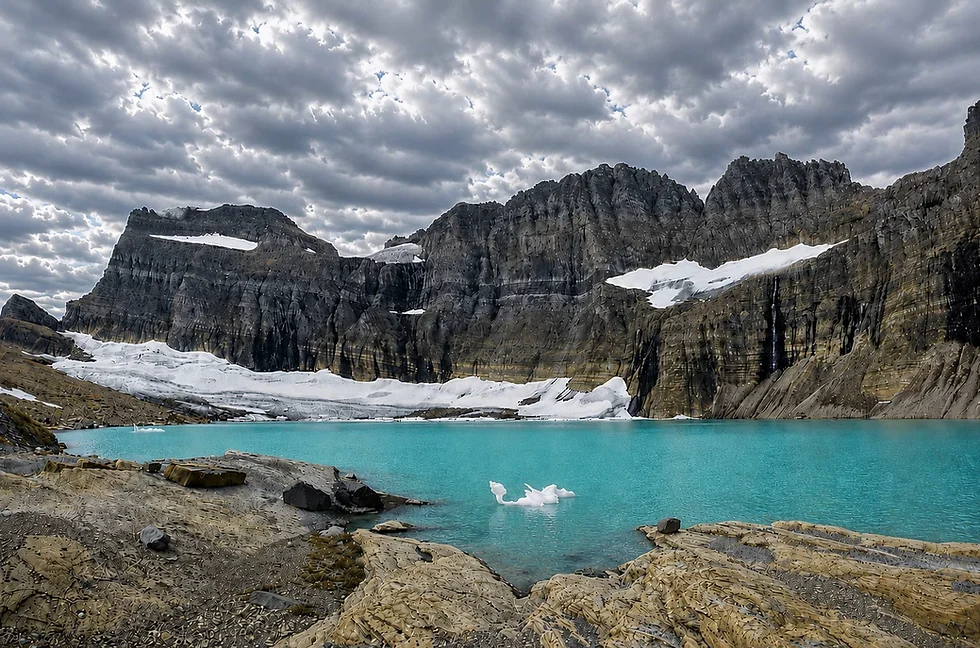
Grinnell Lake below
From higher viewpoints, you also get the layered perspective that makes this trail so photogenic: Grinnell Lake sits below, vivid and opaque, framed by forest and cliffs. If you are used to clear mountain lakes, the glacial silt color is half the magic.
The glacier itself
Some hikers arrive expecting a towering wall of blue ice right at the trail end. What you typically get is a receding glacier on a high bench above the lake, plus meltwater waterfalls and snowfields that can linger well into summer. Think living landscape more than postcard ice cave. It is still powerful, especially when you consider you are watching geology change in real time.
Bears on the trail
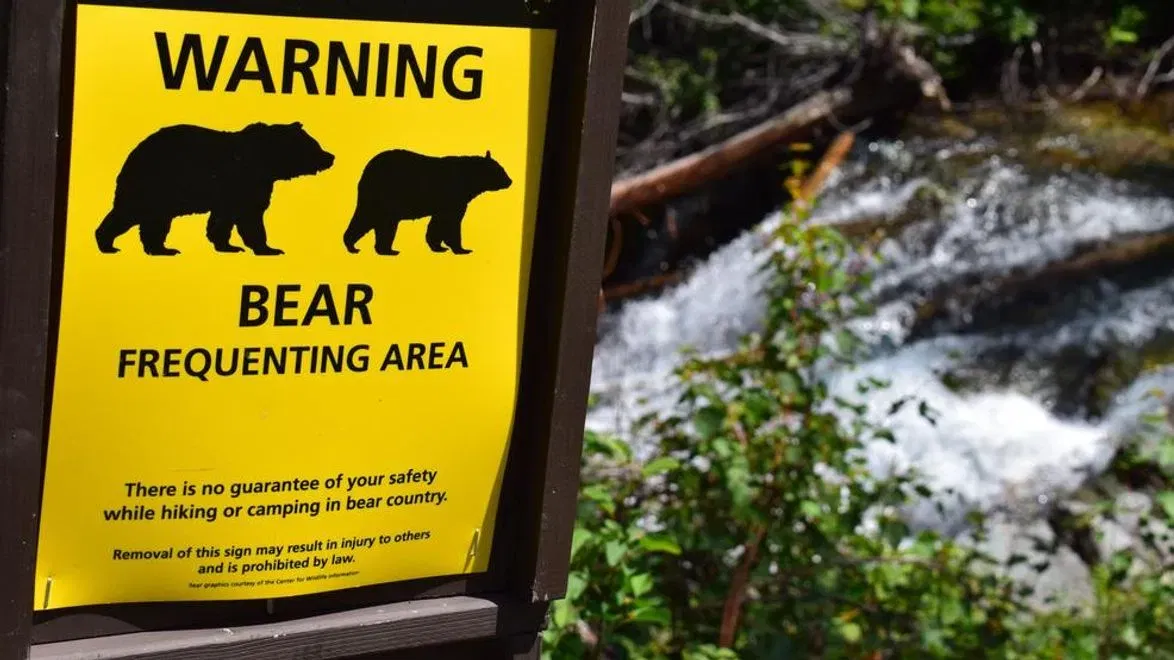
The Many Glacier valley is prime bear habitat. Both black bears and grizzlies use these meadows, berry patches, and trail corridors. I never assume a busy trail is a safe trail. The crowds can help with noise, but bears still cross the trail and feed close to it, especially early and late in the day.
Where I pay attention
- Brushy sections and bends: anywhere you cannot see far ahead, I slow down and make my presence known
- Meadows near creeks: lush areas can mean good forage, and that is exactly where bears like to be
- Berry patches: late summer can increase bear activity near food sources
Bear safety that works here
- Carry bear spray where you can reach it fast, not buried in your pack
- Hike in a group if possible. If you are solo, be extra consistent about making noise in low visibility spots
- Talk out loud rather than relying on a tiny bell. A steady human voice travels
- Do not run if you see a bear. Group up, speak calmly, and give it room
- Back away slowly if it is safe to do so, and do not approach for photos
- Follow closures without debating them. Many Glacier closures are usually about real, recent bear activity
Bear encounters are situational, and the park's recommendations vary based on distance and behavior. I default to this: follow current National Park Service guidance, keep bear spray ready, and avoid surprising an animal in tight visibility. One of the most common mistakes I see is people getting quiet because they want to spot wildlife. On Grinnell, I do the opposite in blind corners, then I pause in clearings to scan with my eyes. You can be wildlife aware without surprising wildlife.
Weather and turnaround
Glacier weather can pivot fast, and the upper part of this hike is exposed enough that you feel every shift. I have started in sunshine at the lakes and finished the day with cold wind and graupel in the upper basin. The goal is not to be fearless. The goal is to be earlier than the weather.
When I start
- Ideal: early morning, especially in peak summer when heat and storms are more likely later
- Boat users: build your day around the boat schedule, but aim for an early crossing so you have buffer time
Turnaround triggers
- Thunderheads building before midday: I treat that as an early warning, not a maybe
- Wind picking up sharply above the lakes: strong, cold gusts can be a sign conditions are changing fast
- Rain shifting to hail or graupel: slippery rock and reduced visibility are a quick reason to turn
- You are behind schedule: if you are racing daylight or racing the last boat, the mountain is already telling you what to do
A simple rule that keeps me honest: turn around before you feel forced to. The best part about Grinnell is that the views build steadily. Even a partial day still delivers.
Season and trail notes
This trail can hold onto snow and ice near the top well into summer, and early season conditions can turn a normal hike into a slow, careful one. Late season can be smoother underfoot, but it is also when berry crops can pull bears closer to the corridor. In Many Glacier, temporary closures are common and usually very specific to recent wildlife activity, so I check for current notices before I commit to the day.
What to pack
This is one of those hikes where being slightly overprepared feels very different from being weighed down. My sweet spot is light, warm, and weather ready.
- Bear spray in a holster or accessible pocket
- Layers: breathable base layer, warm mid layer, and a rain shell
- Food: enough for a long day, plus an emergency snack you do not plan to eat
- Water: start with plenty, and bring a filter or purifier if you are comfortable treating water
- Sun protection: sunglasses and sunscreen. The glare off pale rock and water is real
- Navigation: map app or paper map, especially if visibility drops
- Headlamp: not because you plan to need it, but because boat timing, weather, and slow descents can stack up
If you take the boat, I also bring a tiny bit of patience. Dock logistics can be a little chaotic in peak season. Build slack into your day and it feels like part of the adventure, not a stress test.
Arrival and parking
Many Glacier mornings can feel like a race you did not agree to enter. Parking near the hotel and trail access fills early, and the dock area gets busy fast. If this hike matters to you, treat the start like the hike itself: show up early enough that you are not burning energy on stress before you ever hit the trail.
Boat logistics
Instead of memorizing a schedule that can shift, I plan with three realities: boat operations are seasonal, popular crossings can fill, and weather can interrupt service.
- Arrive early if you want a morning crossing, and budget extra time for lines and boarding
- Know your backup plan if boats are full or not running. That usually means walking
- Watch the return timing so you are not speed hiking downhill because you are afraid of missing the last ride
My favorite way to use the boat when I can: boat in early to maximize cool morning hiking, then decide on the way back whether my legs want the boat or the shoreline walk. Flexibility is the luxury item on this trail.
Etiquette and sustainability
Many Glacier is spectacular and fragile. The best way to keep it that way is small, consistent choices:
- Stay on trail even when the perfect photo angle tempts you into vegetation
- Give wildlife space so they can keep using these corridors without being pushed into dangerous interactions
- Pack out everything, including food scraps
- Keep your group tight in narrow sections so others can pass without stepping off trail
FAQ
Is Grinnell Glacier Trail worth it without the boat?
Yes. The full walk is still gorgeous, and you gain flexibility. Just plan for a longer day and start early enough that you are not rushing the upper basin.
Is the boat required?
No. The boat is an option, not a requirement. You can hike the entire way from the Many Glacier area.
What is the hardest part?
The sustained climb into the upper basin is where most people feel it, especially in sun or wind. The lower lake section can feel deceptively easy, so pace yourself and snack early.
Will I definitely see bears?
No, but you should hike as if you might. Carry bear spray, stay alert in brushy areas, and follow current park guidance and closures.