Staying at the Wawona Hotel

Maya Lin
Maya Lin is a travel journalist and outdoor enthusiast who believes the best trips combine rugged adventures with urban comforts. After spending six years backpacking across four continents, she founded Trail & Town Guide to help fellow travelers navigate both hidden mountain passes and bustling city neighborhoods with confidence.
There are Yosemite stays that feel like a basecamp and others that feel like stepping into a slower era. The Wawona Hotel is firmly the second type. It has porch-swing energy, meadow air that smells like sun-warmed pine, and the kind of evening quiet that makes you forget your phone exists. Until you go hunting for a signal, and remember you are here for something else.
If your Yosemite plans lean toward the park’s south end, especially Mariposa Grove, Wawona can be a very convenient place to sleep inside the park when it is operating and accepting guests, while still getting that classic, historic-national-park-hotel vibe.
Important reality check before you book: Wawona’s operating status has shifted in recent years due to major work and seasonal operations. Before you plan your whole itinerary around staying and dining here, confirm current openings, dates, and what services are running for your trip on the official Yosemite lodging page and the park’s current conditions updates.
What it feels like
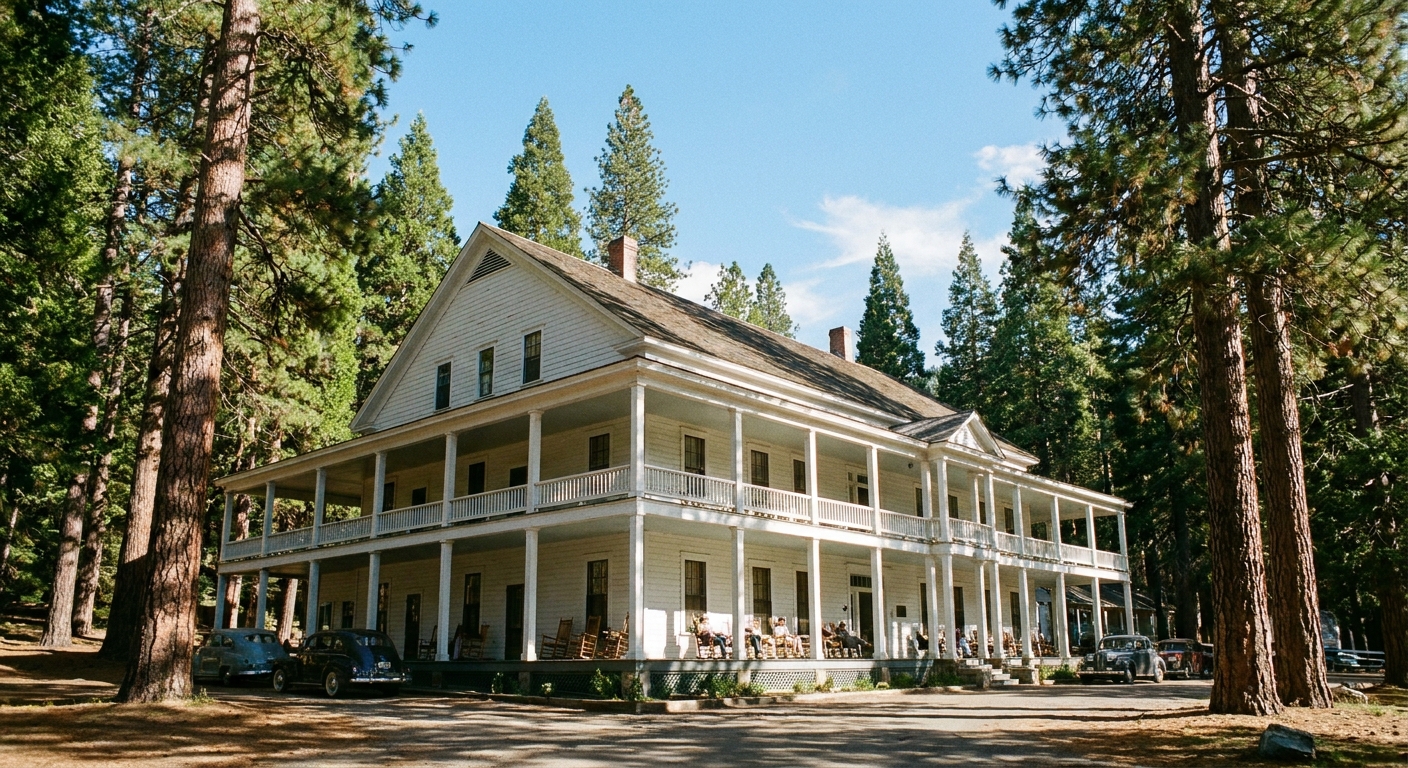
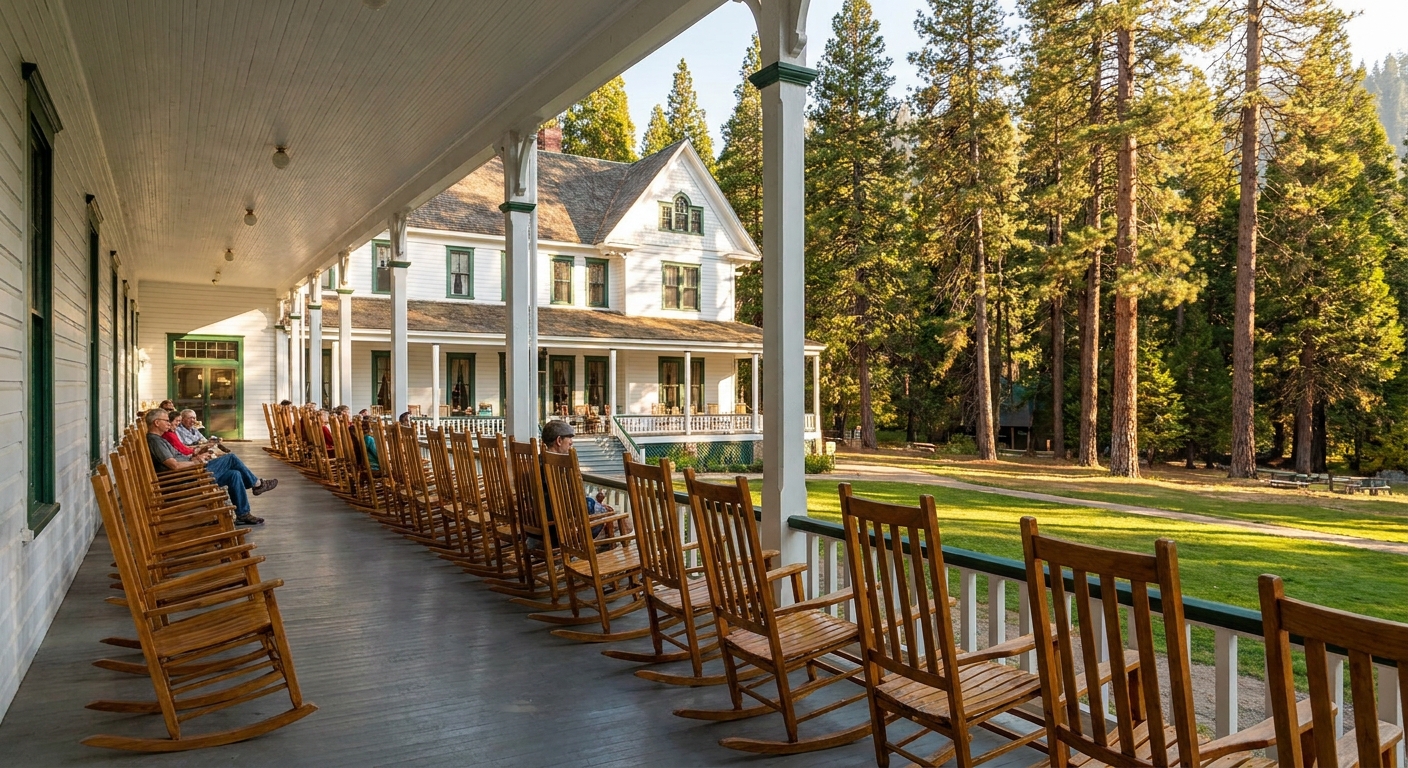
Wawona is one of Yosemite’s classic historic properties, and it reads that way the second you arrive: white clapboard buildings, wide porches lined with rocking chairs, and a layout that feels more like a small, old-fashioned resort village than a single modern lodge.
I grew up hiking the Rockies where “historic” can sometimes mean “drafty and complicated.” Wawona can be drafty in that charming, old-house way, but it is also exactly what many travelers want in Yosemite: a place that feels rooted in the park’s long story.
A little history
The hotel traces its roots to the late 19th century, and it has long been part of the classic Yosemite travel circuit on the south side of the park. You feel that lineage in the creaky-floor authenticity and the porch culture, not in a museum-y, read-every-plaque kind of way.
People stay here for the atmosphere as much as the bed. This is not a shiny, design-forward hotel that tries to compete with the outdoors. It’s a heritage building that quietly reminds you that Yosemite travel existed long before Instagram, and that the best rhythm here is morning light, long walks, and an early dinner.
Rooms: what to expect
Room experiences can vary because historic hotels have quirks and different building layouts. In general, expect simple, traditional furnishings rather than resort-modern finishes. That is part of the charm, but it’s worth going in with the right expectations.
- Temperature swings are real. Nights in the south end of Yosemite can cool off fast, even when the days feel warm. I pack a light base layer to sleep in year-round.
- Think “classic hotel,” not “tech-forward.” Depending on building and season, outlets, cell service, and Wi‑Fi can be limited or inconsistent. I treat Wawona as a recharge-your-own-battery place.
- Bring earplugs if you sleep lightly. Older buildings carry sound differently, and hallways can echo. The tradeoff is waking up in a place that actually feels like Yosemite.
Bathroom note: Because this is a historic property with multiple buildings and room types, bathroom setups can vary. When you book, double-check whether your specific room category has a private bath and what to expect, especially if that is a dealbreaker for you.
My carry-on-only tip: pack one small power strip. It weighs almost nothing and can make a historic-room outlet situation much easier.
Food and dining
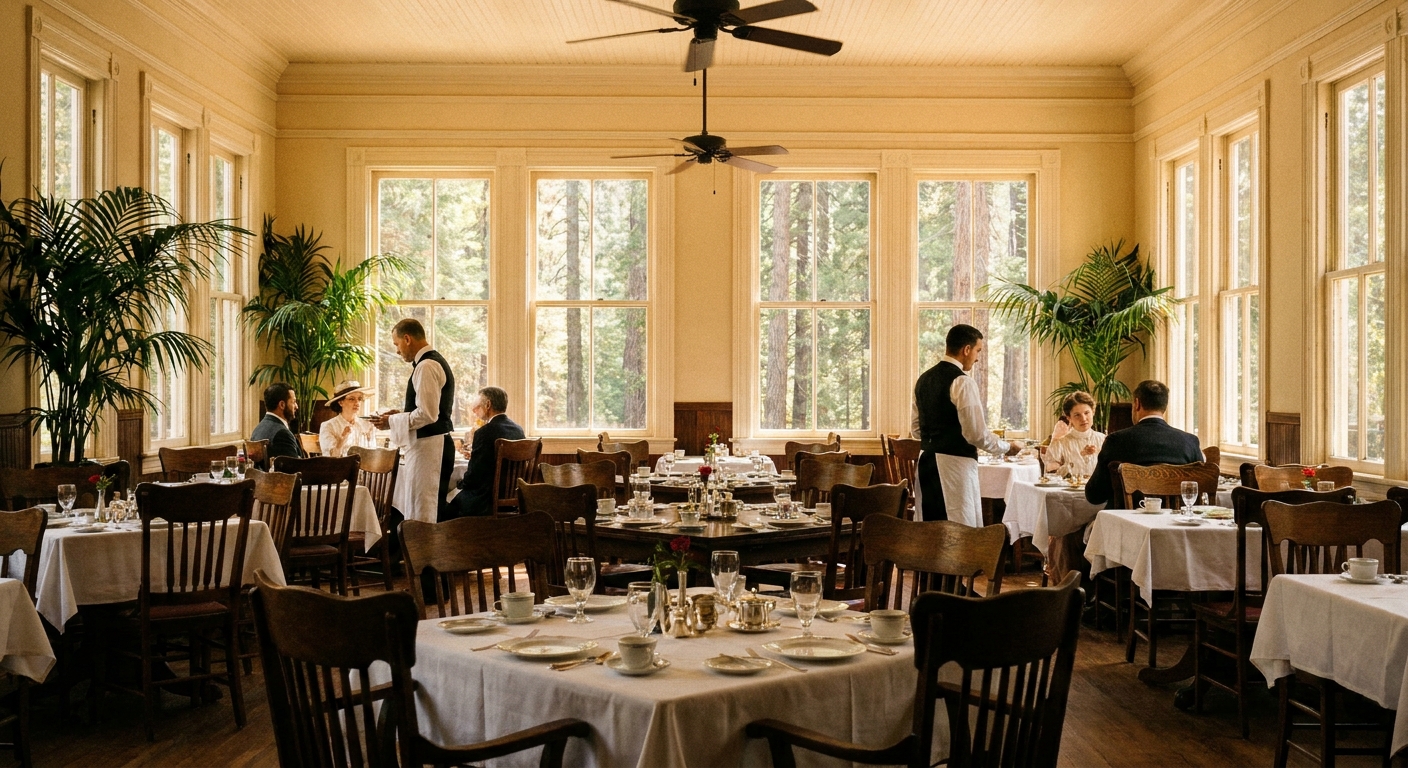
After a day of hiking or walking the grove, the best meal is the one you do not have to drive to. When Wawona’s dining is operating, it is geared toward that exact reality. You can stay close, eat well, and go back outside for golden hour without turning dinner into a logistics exercise.
Because on-site dining operations can be seasonal, limited, or paused, confirm what is open during your travel dates, plus hours and reservations, before you arrive. I do this even on trips where I think I know the park well, because Yosemite loves to keep you humble.
What I like most: the pace
Even when the park feels busy, Wawona tends to feel calmer than the Valley. You can actually hear the people at your table. You can linger a bit. And if you are traveling with someone who loves wilderness mornings but also wants a civilized dinner, this can be one of Yosemite’s easiest compromises when the dining room is open.
Coffee expectations
I am mildly obsessive about local coffee shops, and Yosemite is not exactly built around third-wave espresso counters. Here, I treat coffee as functional fuel, then plan a proper coffee stop when I am back in gateway towns. At Wawona, the real luxury is stepping outside with a warm cup while the meadow is still cool and quiet.
The meadow
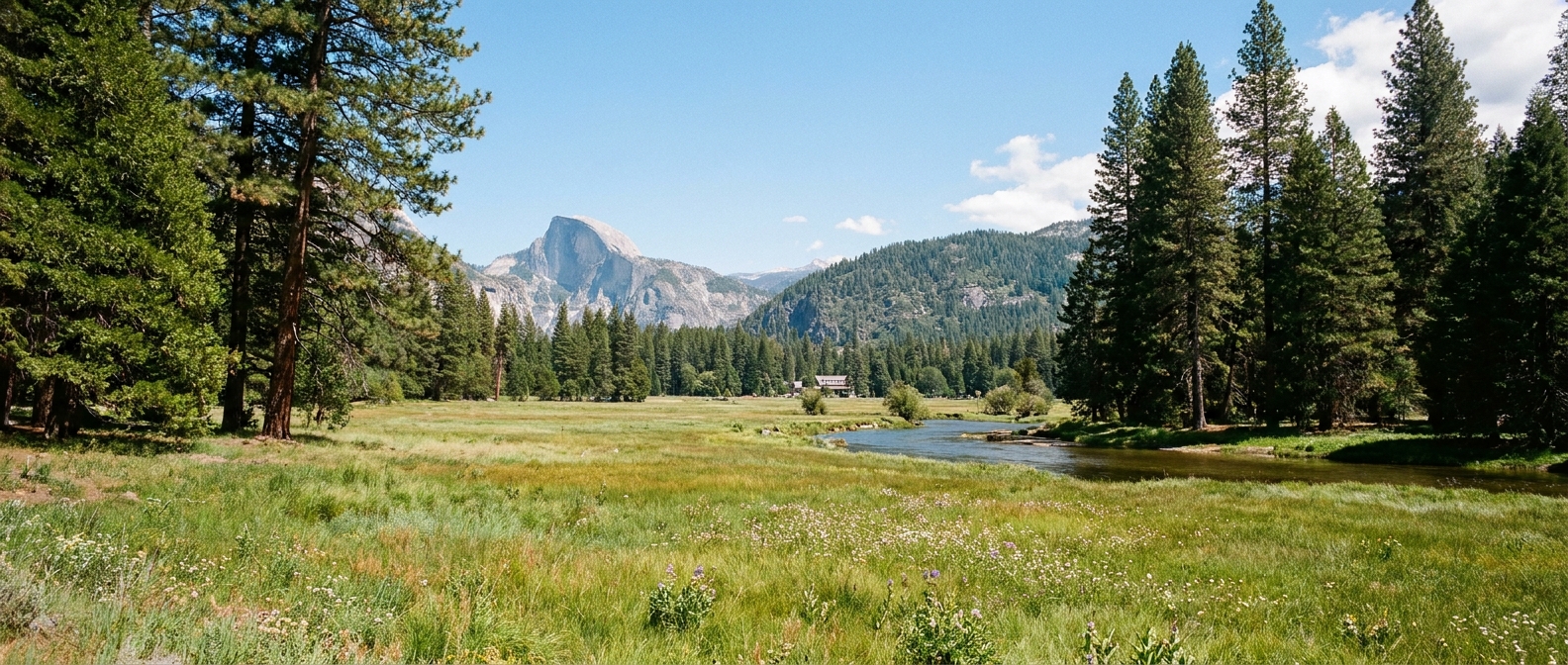
Wawona’s setting is why I recommend it to travelers who want Yosemite to feel spacious. The hotel sits near meadows and pines, with a softer, more pastoral vibe than the dramatic granite theater of Yosemite Valley.
My favorite Wawona moment is early morning, when the light is gentle and the meadow feels like it is still waking up. If you are a “sunrise alarm” person, this is your reward. If you are not, it’s still worth doing once.
- Best time for a meadow walk: early morning or early evening, when the light is good and temperatures are comfortable.
- What to bring: a layer, bug spray in warmer months, and a camera if you like landscapes.
- Leave no trace basics: stay on established paths where present, keep distance from wildlife, and pack out everything.
Mariposa Grove from Wawona
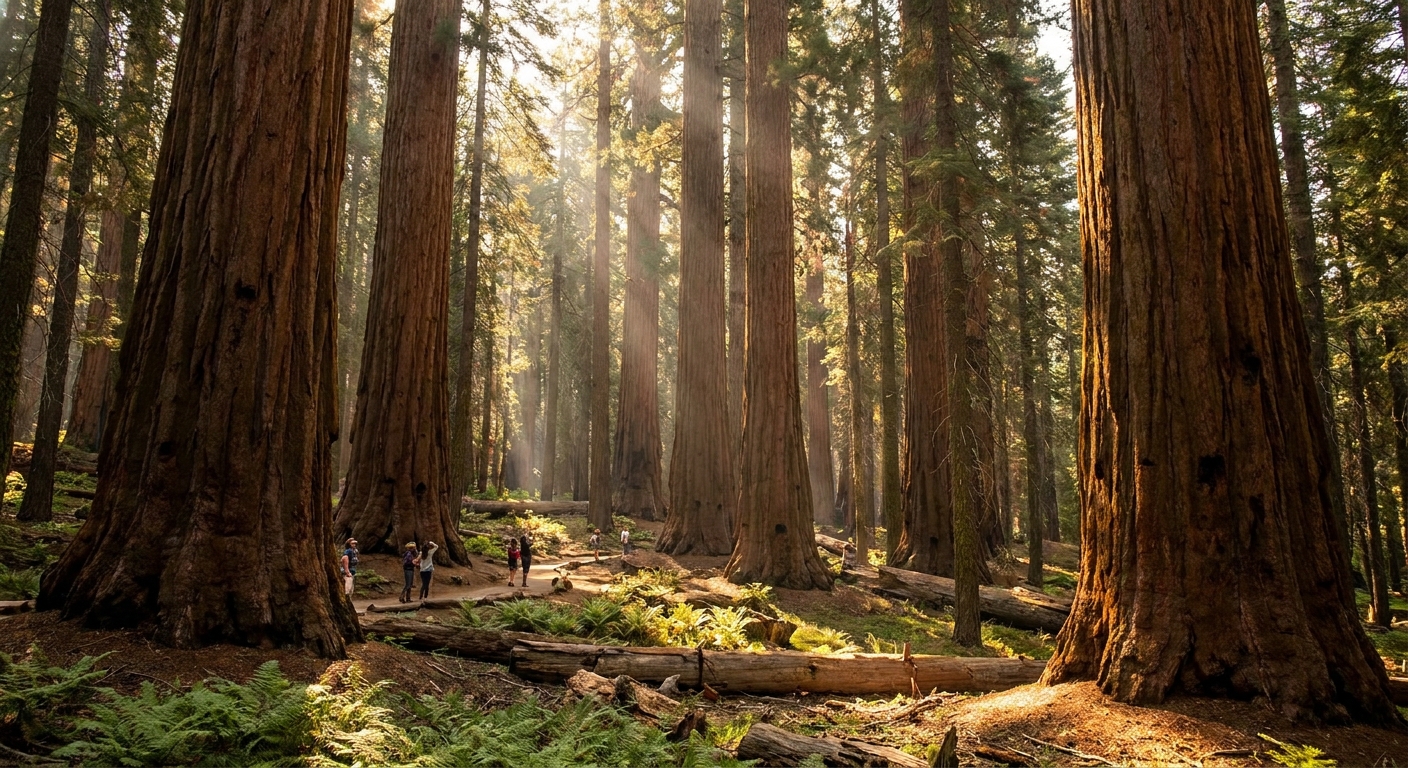
If Mariposa Grove is a main reason you are staying at Wawona, you are making a smart logistics choice. You are already on the south side of the park, which means you can reach the grove area without doing the full Valley commute.
In typical conditions, the drive from the Wawona area to the Mariposa Grove arrival area is short, often around 15 to 25 minutes. That timing can stretch during peak summer weekends, traffic controls, parking demand, or seasonal access changes.
The simple approach
From Wawona, head toward the Mariposa Grove area near the park’s South Entrance and follow the current access plan for reaching the grove. Private vehicle access and parking rules can shift seasonally and during high visitation. Depending on conditions, you may need to park at the Mariposa Grove Welcome Plaza and take a shuttle.
Shuttle operations and timing can change by season and management needs, so check the official Mariposa Grove page right before your visit for the latest details.
Timing advice
- Go early. The grove is most peaceful in the morning, and you will have an easier time with crowds and parking logistics.
- Build in buffer time. Between driving, potential lines, and walking, the grove can take longer than you think.
- Pack layers. Even if your afternoon is warm, the shaded grove can feel cooler.
Practical logistics
This is the unglamorous stuff that makes a historic stay go smoothly, especially when operations are limited or seasonal.
- Parking and walking: Parking is typically on-site, but in historic, spread-out properties, your room may not be right next to the main building. Pack with that possibility in mind, especially if you are arriving after dark or traveling with kids.
- Accessibility: Historic buildings often mean stairs, narrow hallways, and fewer modern accessibility features. If you need an accessible route or an ADA-friendly room setup, confirm availability and specifics before booking.
- Cell service and Wi‑Fi: Treat connectivity as “maybe.” I plan my maps and confirmations ahead of time and consider any working signal a bonus.
- Arrivals and check-in: Because staffing and front desk hours can vary with season and operating status, confirm your check-in details ahead of time, especially if you will arrive late.
If you are trying to split time between the south end and the Valley, Wawona is doable, but not close. In normal traffic, expect roughly 45 to 75 minutes to Yosemite Valley depending on where you are headed and what the roads are doing that day. During peak summer congestion or winter weather and chain controls, plan on longer.
Booking tips
Wawona is a limited-inventory, inside-the-park property. That combination means it often books up far in advance, especially for summer and fall weekends when it is operating.
- Book as early as you reasonably can. If your dates are fixed, lock them in when availability opens up.
- Be flexible on room type. In historic hotels, not every room is identical. Sometimes the best move is grabbing what is available, then focusing on the experience outside your door.
- Weekdays can feel like a different world. If you have any flexibility, Monday through Thursday stays often come with a calmer vibe.
- Have a backup plan. If Wawona is full or not operating for your dates, look at lodging outside the park on the south side, then plan an early start for Mariposa Grove.
One more practical note: because this is Yosemite, policies and operations can shift seasonally. Always confirm current check-in details, dining hours, and what services are available for your travel dates before you arrive.
Best seasons
Wawona shines in shoulder season if you like crisp mornings and fewer crowds, but each time of year has a different personality.
Spring
Expect variable weather. You might get bright sun or lingering cold snaps. It’s a great time for travelers who want quieter trails and do not mind packing layers.
Summer
Peak energy, peak demand. Everything is more competitive, from lodging to dining timing if dining is open. If you love long days and do not mind more people, summer is classic Yosemite.
Fall
My personal favorite for balance. Days can still be beautiful, nights get cozy-fast, and the overall pace often feels more breathable than midsummer.
Winter
Winter in Yosemite is its own kind of magic, but operations and access can change. If you are aiming for a winter stay, confirm what is open and what driving conditions you should be prepared for, including the possibility of chain controls and slower drive times.
Who it’s best for
- Mariposa Grove focused trips: You want to prioritize the giant sequoias and the park’s south end.
- Travelers who love historic character: You would choose charm and atmosphere over ultra-modern finishes.
- Couples and families who want calm evenings: Porch time, meadow walks, and early nights feel like the point.
- Outdoor days with a comfortable base: You want a real bed, a real meal when available, and then you want to be back outside.
If your trip goal is to bounce between multiple Valley trailheads at dawn every day, you might prefer staying closer to Yosemite Valley. But for a south-entrance itinerary that mixes sequoias, scenic drives, and unhurried mornings, Wawona is a rare Yosemite stay that feels both iconic and genuinely restful, when it is open.
Quick FAQ
Is the Wawona Hotel inside Yosemite National Park?
Yes. Wawona is located within Yosemite National Park on the park’s south side, which is a big advantage if you want early access and less commuting.
Is it close to Mariposa Grove?
Yes, it can be a very convenient in-park base for visiting Mariposa Grove when it is operating. Access details can change, so check the official Mariposa Grove page close to your visit.
Is it worth staying here if I also want Yosemite Valley?
It depends on your priorities. Wawona is best when you want the south end experience and a quieter evening vibe. If most of your must-dos are in Yosemite Valley at sunrise, staying closer to the Valley can reduce drive time.