Staying in Yosemite West

Maya Lin
Maya Lin is a travel journalist and outdoor enthusiast who believes the best trips combine rugged adventures with urban comforts. After spending six years backpacking across four continents, she founded Trail & Town Guide to help fellow travelers navigate both hidden mountain passes and bustling city neighborhoods with confidence.
Yosemite West sounds like it should be a “town” with a cute main street and a place to grab a breakfast burrito before you head into the Valley. It is not that. Yosemite West is a small private residential community within Yosemite National Park, accessed from Wawona Road (Highway 41) between Wawona and Yosemite Valley. If you book it with the right expectations, it can be one of the most convenient bases for a Valley-heavy itinerary. If you book it assuming you can run out for ice, coffee, or dinner, it can feel oddly isolated and logistically annoying.
I am a big fan of stays that mix trail time with a little comfort, and Yosemite West can deliver that blend. Think: you wake up in the pines, drive into the Valley for sunrise granite, then come back to a living room and a real kitchen. The trade-off is that you are not staying in a serviced village. You are staying in a neighborhood.
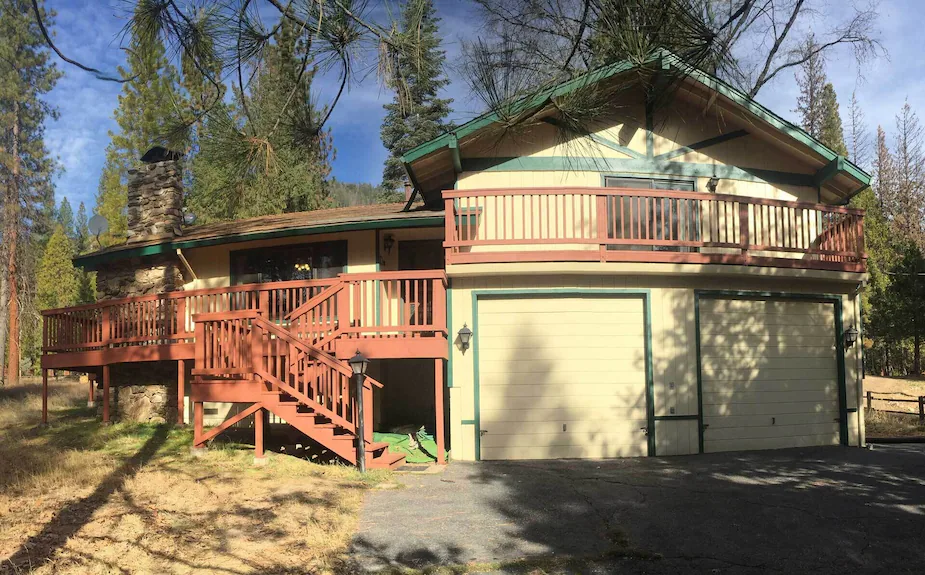
What Yosemite West is
Yosemite West is a residential-style community inside the park boundary, located just off Wawona Road (Highway 41). It is not part of Yosemite Valley, and it is not a lodge complex like Yosemite Valley Lodge or The Ahwahnee. It is also not a gateway town like Fish Camp or Oakhurst.
Most visitors experience Yosemite West as a place to sleep, cook, and reset between days in the Valley, Mariposa Grove, Glacier Point Road (when it is open), and Wawona. You drive in, you park, you settle into your rental, and you head back out again.
Why it feels different from a town
- No commercial core: no grocery store, no coffee shop, no gas station, and no restaurant strip you can walk to.
- Quiet by design: expect dark skies and pine scents, not nightlife.
- Your cabin is the amenity: the kitchen, washer-dryer, fireplace, deck, and extra bedrooms are often the reason people choose it.
The rental reality
Lodging in Yosemite West is overwhelmingly vacation rentals: cabins, condos, and larger homes managed by individual owners and local property management companies. That means the experience can swing from cozy and well-stocked to “this place has exactly three forks.” Read listings carefully and treat the amenities list like a gear checklist.
Common perks
- Kitchens: full fridges and real stovetops are the biggest advantage over many park lodges.
- Space: families and friend groups can spread out, which matters after long days in the Valley.
- Parking at your door: no hauling duffels across a lodge complex.
- Quiet evenings: if your idea of a perfect Yosemite night is a book and a mug of tea, this place gets you there.
Common gotchas
- No front desk: check-in is usually codes and instructions, not a lobby.
- Wi-Fi can be inconsistent: great when it works, frustrating when it does not. Plan to be semi-offline.
- Hot tubs and fireplaces vary: some are amazing, some are seasonal, some are strictly “look, do not touch.”
- Neighborhood rules apply: keep it respectful, and expect others to do the same.
If you are traveling carry-on only like I do, Yosemite West is where that philosophy gets tested. A kitchen helps you pack lighter on food, but the lack of nearby retail means you need a smarter pre-arrival grocery plan. I also download offline maps, save my check-in instructions, and screenshot door codes because I do not like playing “where is the signal” in the dark after a long drive.
Services are basically none
This is the point that saves trips. Yosemite West does not function like a gateway town. In Yosemite West itself, assume you will not be able to:
- buy groceries
- pick up forgotten toiletries
- grab takeout after a late day
- get gas
- rely on cell service for last-minute planning
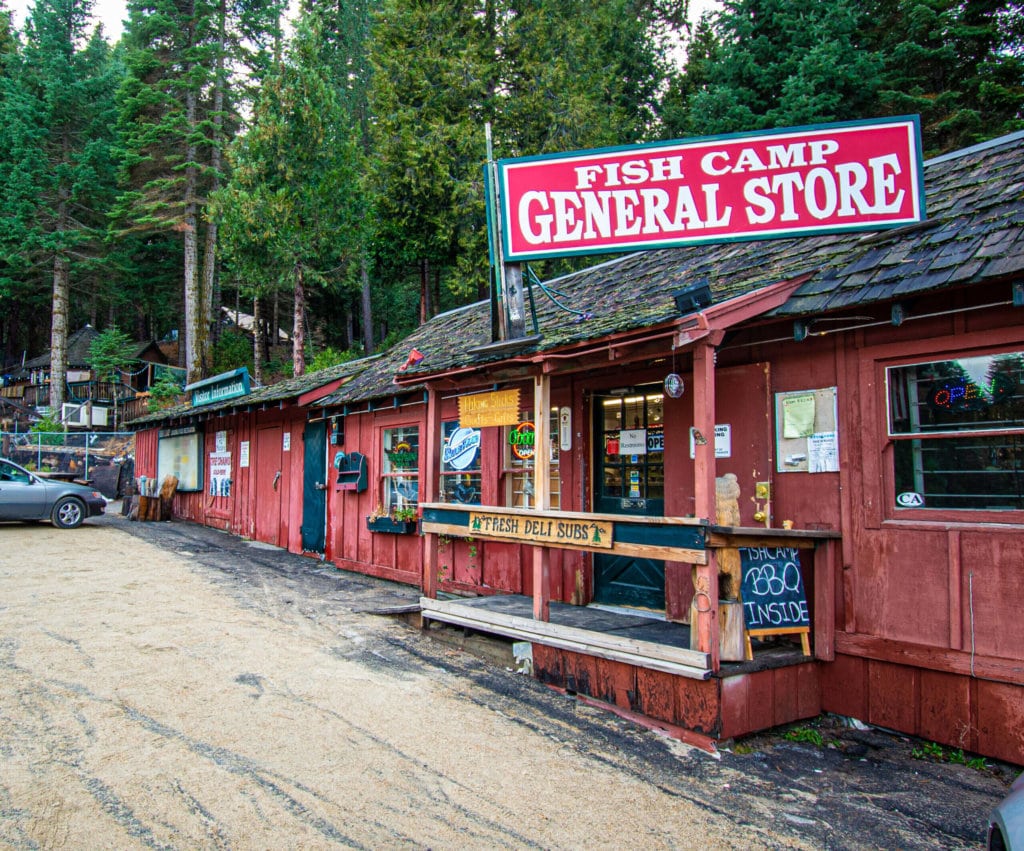
What to do instead: stock up before you drive in. Fish Camp (south of the park entrance) is the most natural last stop on Highway 41, and Oakhurst is the bigger “real errands” hub farther south with more selection. Inside the park, services exist in Yosemite Valley and at Wawona, but they are not next door to Yosemite West and hours can be seasonal.
My “arrive ready” grocery strategy
- Plan two breakfasts and two dinners at the cabin so you are not forced into long drives for every meal.
- Pack a cooler bag for Valley picnic lunches. Yosemite days are better when you are not standing in a long line at 1 pm.
- Bring coffee you actually like plus a simple pour-over or Aeropress. Your future self will thank you at 6 am.
- Bring a few small things rentals often skimp on like a couple of zip-top bags, foil, and the spices you care about.
Winter and elevation
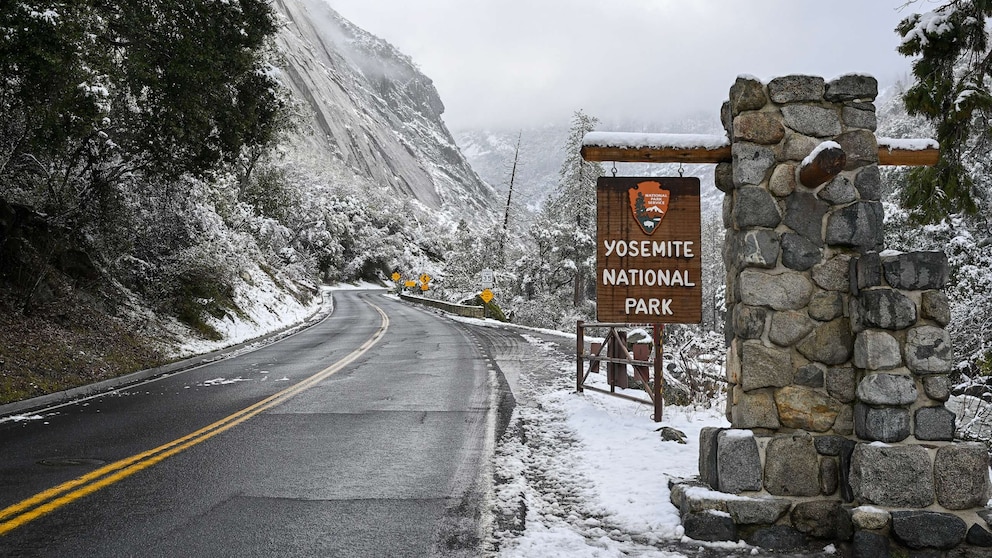
If you are visiting between late fall and early spring, Yosemite West can be a fantastic snowy hideout, but it comes with real winter driving considerations. Yosemite West sits higher than the Valley, so it can be colder and snowier up there even when the Valley floor feels fine. Highway 41 climbs and curves, and chain controls are common during storms.
Key idea: staying in Yosemite West does not insulate you from winter road rules. Yosemite and California can require you to carry chains in winter conditions, even if your specific drive starts out clear. Always check the current National Park Service and Caltrans guidance for your dates and route.
What I recommend
- Carry chains and know how to use them before you need them. Practice at home in daylight.
- Build time buffers for every drive. A 30 minute hop can turn into a slow, careful crawl.
- Keep your cabin stocked so you are not forced into unnecessary trips during weather.
- Check conditions twice in the morning before you leave and again before returning at night. Temperatures drop fast after sunset.
If chain requirements feel stressful, you will likely be happier in a more serviced gateway town where you can stay put for a storm day without feeling stranded.
Drive times
Yosemite West’s whole appeal is location. It sits between the Valley and Wawona on Highway 41, so you can split the difference, but it is still a drive-based stay. Times below are ballpark ranges for decent conditions. Add extra time for snow, chain controls, construction, wildlife, entrance lines, parking, and peak traffic.
To Yosemite Valley
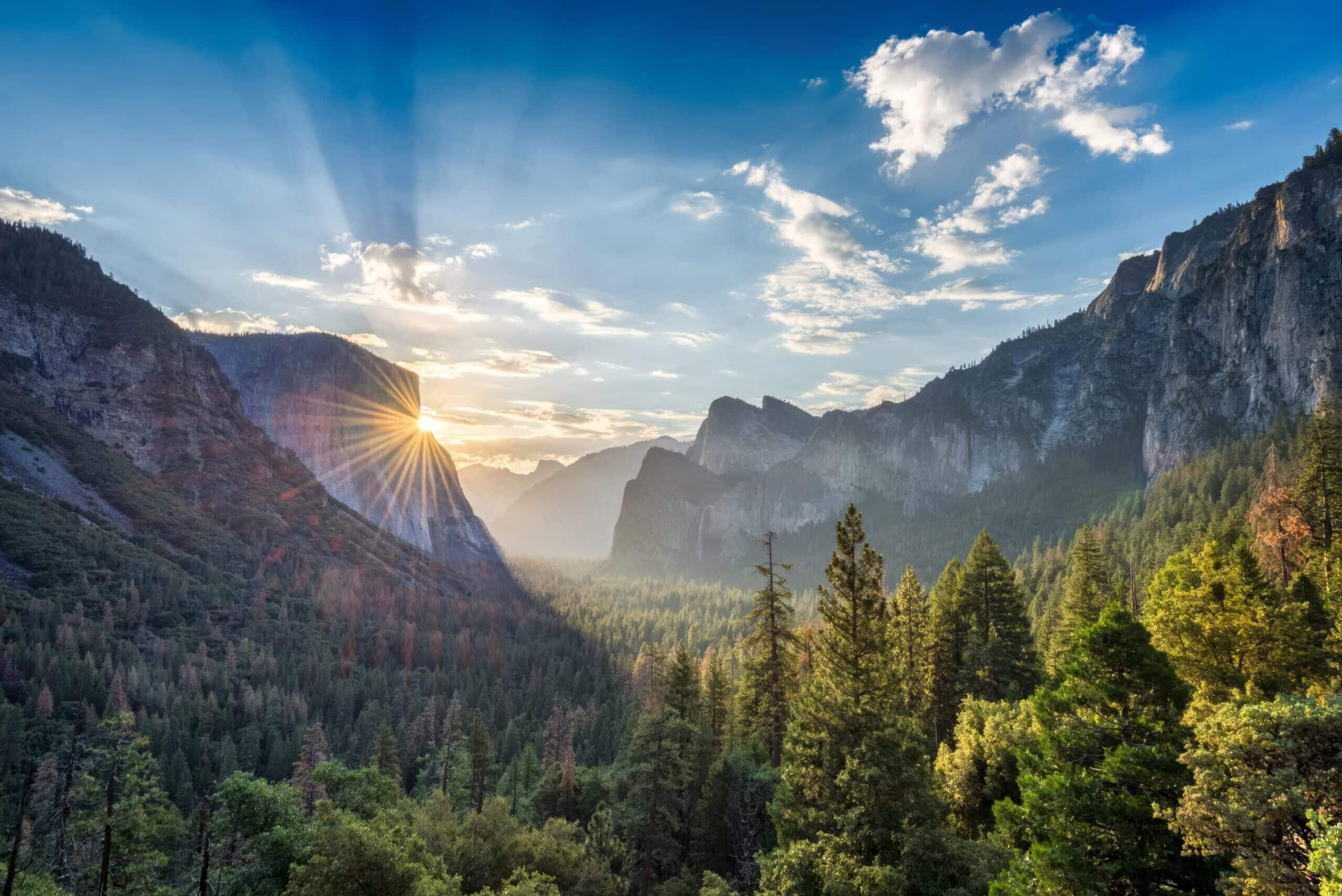
Plan roughly 30 to 50 minutes to reach the Valley floor, depending on where you are headed and traffic. The route drops in elevation and funnels into busy Valley roads. If you are chasing sunrise at Tunnel View or trying to park early and stay put, it is doable from Yosemite West, just set that alarm.
To Wawona
Plan roughly 25 to 45 minutes to reach Wawona. This is convenient for Wawona area history stops and for pairing a Mariposa Grove day with a quieter evening back at your cabin.
To Fish Camp
Plan roughly 15 to 35 minutes to Fish Camp and the South Entrance area, depending on conditions and where in Yosemite West you start. Fish Camp is your most practical last stop for basics on Highway 41 before heading into the park interior.
To Oakhurst
Plan roughly 45 to 75 minutes to Oakhurst. It is not “close,” but it is the place you go when you want the broadest range of groceries, pharmacies, and dining without overpaying for convenience.
Important planning note: drive times in and around Yosemite can swing wildly. Parking delays, entry lines, and seasonal traffic patterns matter as much as miles. When I stay in Yosemite West, I plan fewer, longer blocks in the Valley rather than multiple in-and-out trips each day.
Entry rules and parking
Yosemite changes its reservation and entry systems over time, and the details can vary by season. Before you commit to an itinerary, check the National Park Service site for current entry requirements for your travel dates.
For Valley days, my simplest Yosemite West strategy is: drive in early, park once, and stay parked. When the Valley shuttle is operating, use it. When it is not, plan your day around fewer trailheads and viewpoints so you are not circling for parking over and over.
Who should stay here
Yosemite West works best when your priorities are access and space, and when you are comfortable self-catering.
- Families and groups who want multiple bedrooms, a kitchen, and a living room to decompress.
- Travelers doing multiple Valley days who want to be inside the park boundary but cannot snag Valley lodging.
- Early risers who will actually use that closer location for sunrise or shoulder-season photo light.
- Slow travelers who like cooking a simple dinner, stepping outside, and letting the forest do the entertainment.
If your dream Yosemite trip is half hiking and half cozy cabin nights, Yosemite West can feel like the sweet spot between rugged and comfortable.
When to stay elsewhere
Pick Fish Camp
Fish Camp is a better match if you want at least a little “town support” nearby. It is also a strong choice if you are arriving late and want easier access to basic services before and after park days.
- Best for: quick groceries, simpler logistics, and a slightly more flexible food plan
- Not ideal for: people who want to minimize time outside the park boundary
Pick Big Trees Lodge
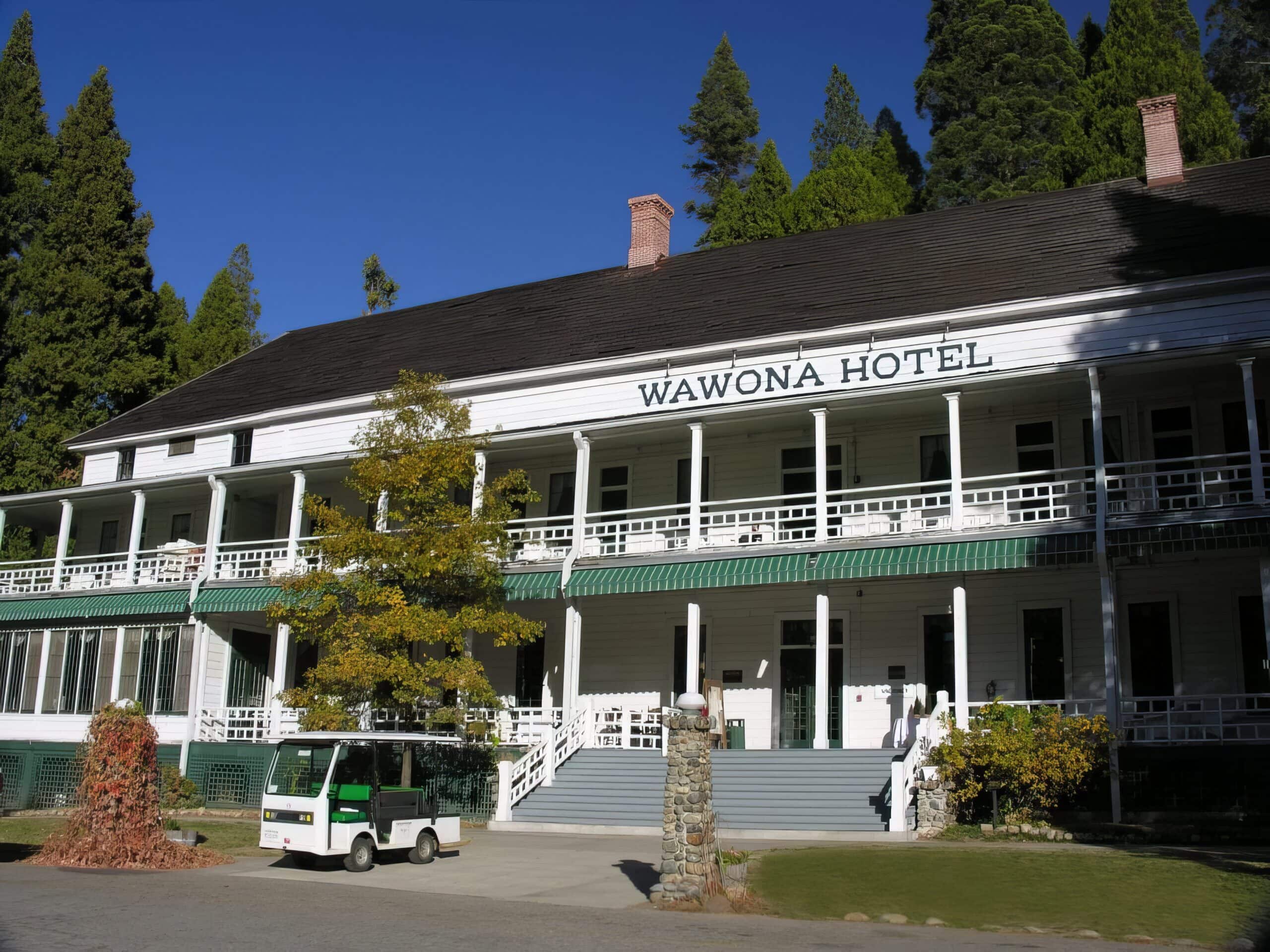
If you love the idea of staying somewhere with a real sense of Yosemite’s past, Big Trees Lodge (formerly the Wawona Hotel) is the more atmospheric, walkable-feeling option. It is also a nice base if your itinerary leans toward Wawona and the south side of the park.
- Best for: historic charm, on-site dining style convenience, slower-paced evenings
- Not ideal for: travelers who want to be closer to the Valley every day
Pick Oakhurst
Oakhurst is my recommendation for travelers who want the most choices: restaurants, supermarkets, coffee shops, and the ability to be spontaneous. You will trade that for longer daily drives into the park.
- Best for: food variety, errands, larger groups who want multiple hotel options, and people nervous about winter driving deeper in
- Not ideal for: maximizing dawn and dusk time inside Yosemite
If you are happiest when every detail is handled for you, Yosemite West can feel like work. If you are happiest when you have your own kitchen, your own schedule, and a quieter base inside the park, Yosemite West can feel like a secret.
Quick checklist
- Choose Yosemite West if you want inside-the-park location, cabin space, and you will grocery shop ahead.
- Choose Fish Camp if you want a last-stop town feel right near the South Entrance.
- Choose Big Trees Lodge if you want historic ambiance and an easier “no kitchen required” stay.
- Choose Oakhurst if you want maximum services, dining choice, and straightforward logistics, and you do not mind the longer drive.
Wherever you land, my favorite Yosemite move is the same: plan one unhurried morning, grab coffee early, and let the park set the pace. Yosemite does not reward rushing.