Upper Pines vs Lower Pines vs North Pines (Yosemite Valley)

Maya Lin
Maya Lin is a travel journalist and outdoor enthusiast who believes the best trips combine rugged adventures with urban comforts. After spending six years backpacking across four continents, she founded Trail & Town Guide to help fellow travelers navigate both hidden mountain passes and bustling city neighborhoods with confidence.
The first time I tried to “wing it” in Yosemite Valley in summer, I learned the hard way that the granite is generous and the campgrounds are not. If your trip includes a sunrise start for the Mist Trail from Happy Isles, where you sleep matters almost as much as what’s in your daypack.
Upper Pines, Lower Pines, and North Pines are the three adjacent “Pines” drive-in campgrounds on the east side of Yosemite Valley. They are close enough that you can bike between them on a short ride, but different enough that the right choice can shave friction off your morning, add river time to your evenings, or make your reservation strategy a little less stressful.
(There are other places to stay in and around Yosemite, including Camp 4 (walk-in) and campgrounds outside the Valley. This guide is focused on the three Pines campgrounds because they are the classic basecamps for a Happy Isles start.)
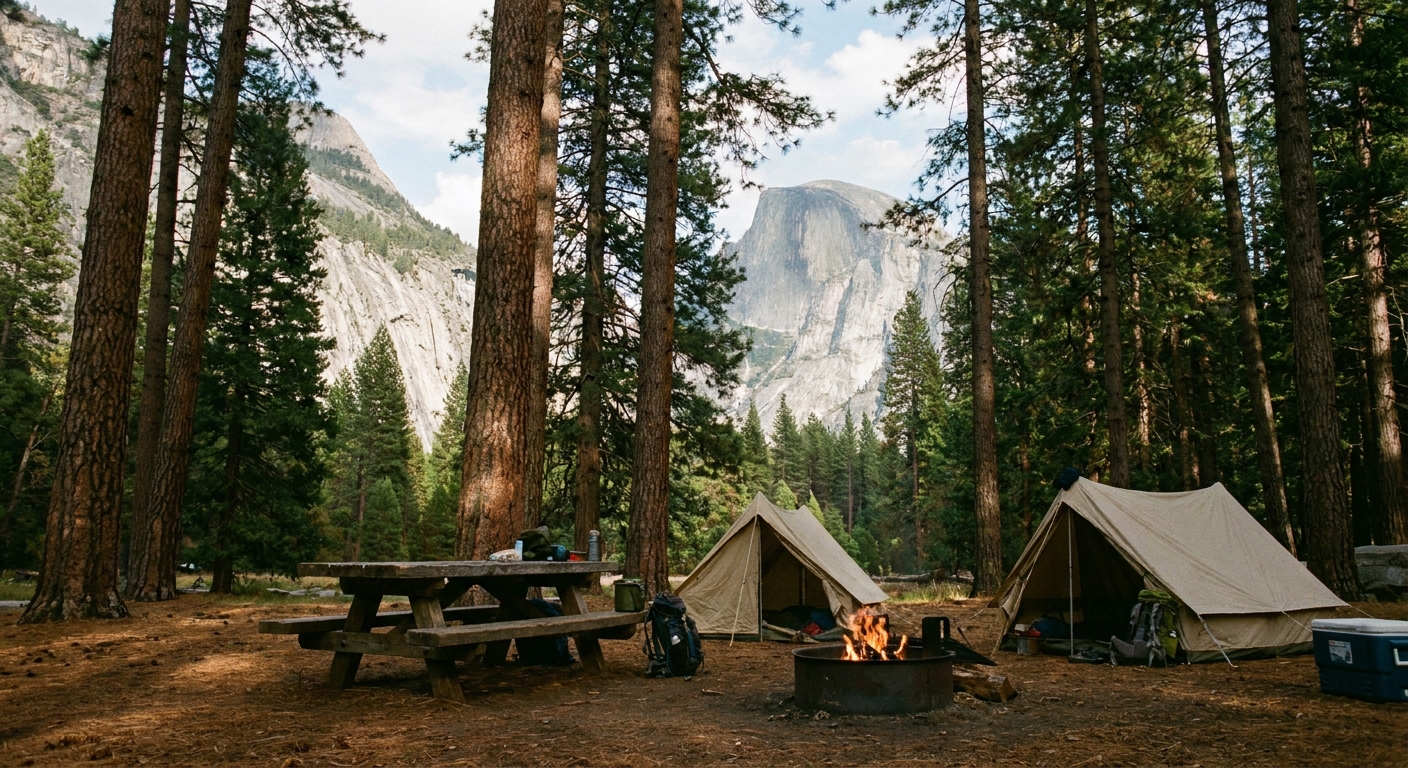
Quick take
- Upper Pines: often the most attainable reservation because it has the most sites, plus convenient access to Curry Village services and nearby Valley shuttle stops.
- Lower Pines: a great blend of walkability and river proximity, with a smaller footprint that can feel a little calmer once you are settled in.
- North Pines: the most river-forward setting overall, with a slightly more tucked-away feel while still being in the Valley.
Location and layout
All three campgrounds sit in the eastern half of Yosemite Valley, roughly in the Curry Village and Happy Isles area. The differences are micro-location: which road you turn off, how close you feel to the Merced, and how quick it is to roll out at dawn when crowds start stacking up.
Upper Pines: central and convenient
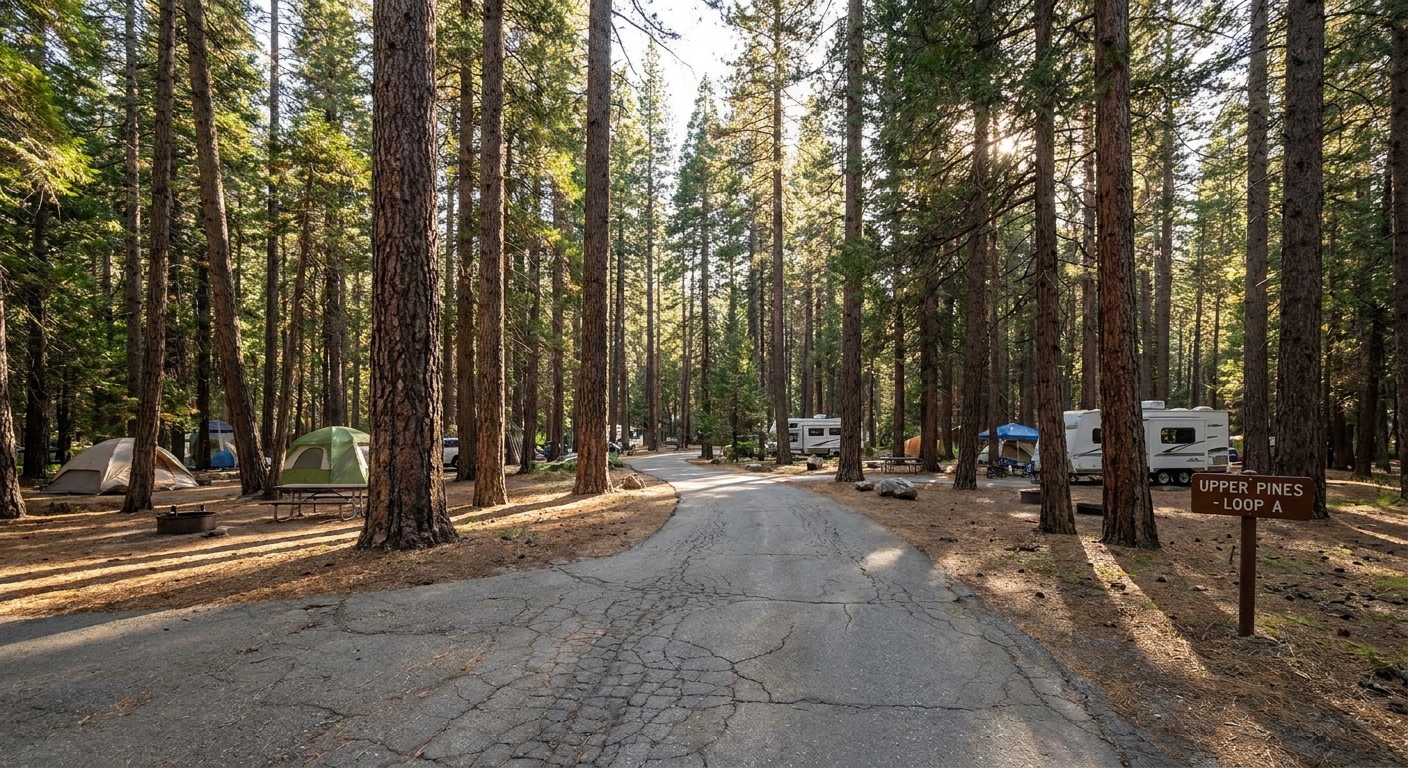
Upper Pines is the largest of the three, set a little back from the river compared with the other two. Think “hub campground” energy: lots of loops, lots of sites, and a steady flow of arrivals. In return, you get convenience. You are close to Curry Village services, Valley shuttle access, and the Happy Isles area. For many people, that translates to fewer moving parts in the morning.
Lower Pines: close to the action
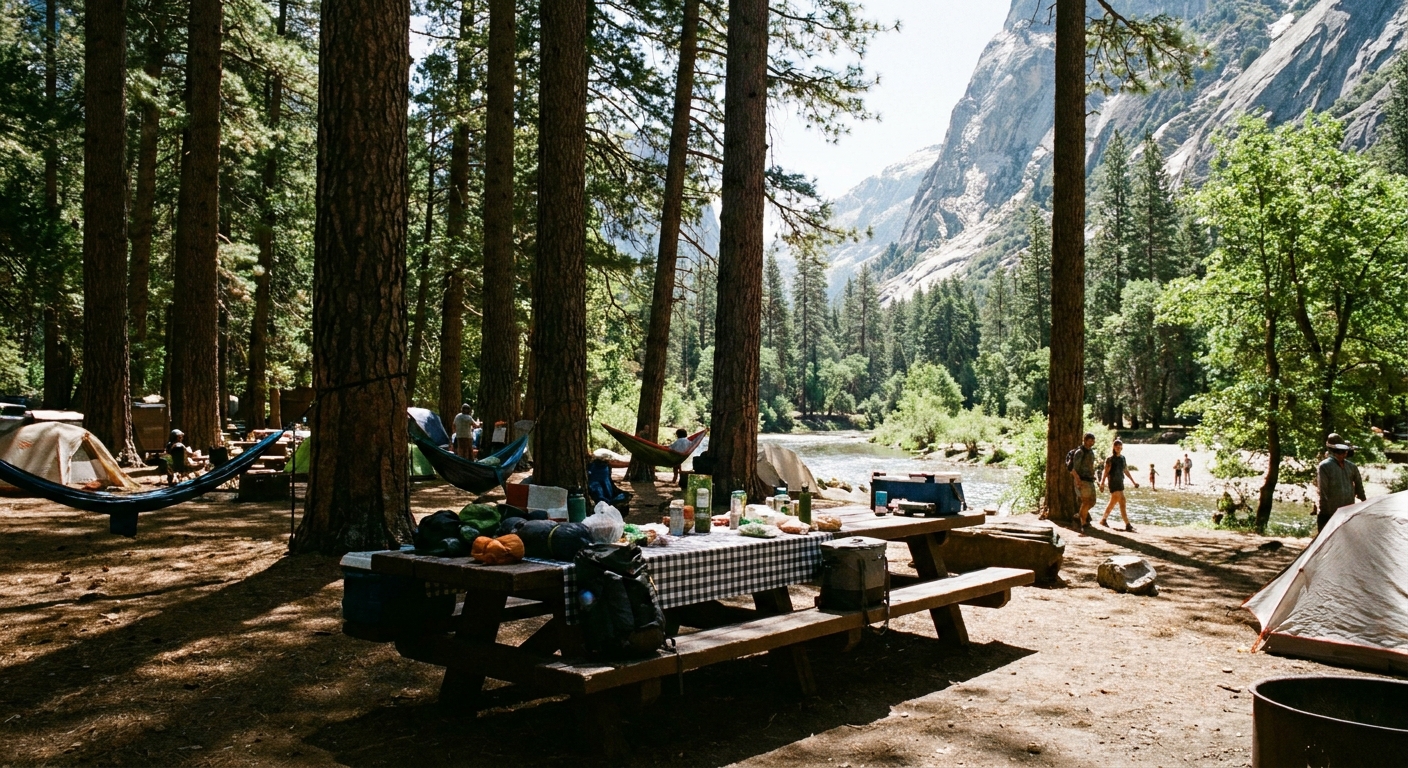
Lower Pines is smaller than Upper Pines and often feels a touch more tucked in. It sits closer to the Merced River than Upper Pines, and some sites lean into that classic Yosemite evening soundtrack: rushing water, wind in the pines, and distant dinner chatter drifting over from Curry Village.
North Pines: best river feel
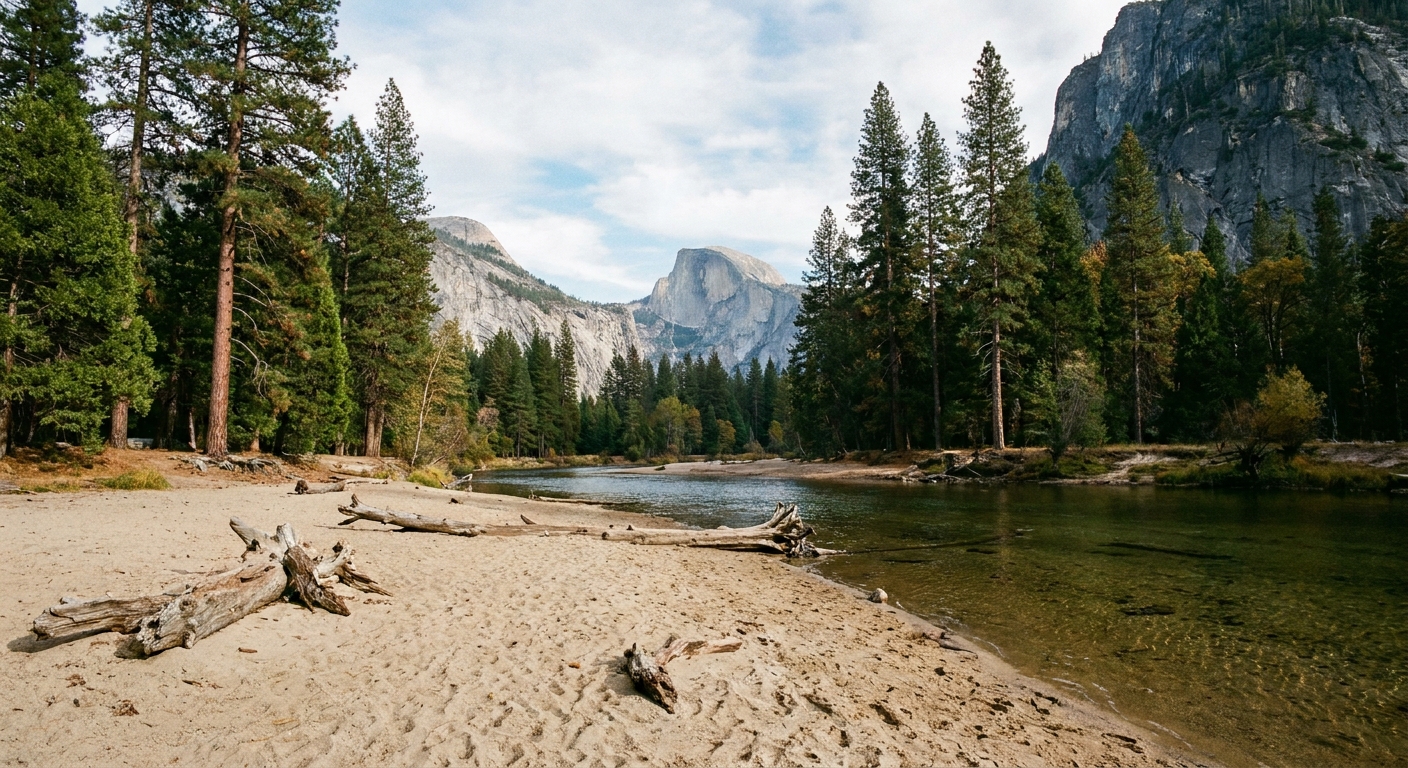
North Pines runs along the Merced River corridor and often wins on pure setting. It can feel a bit more removed from the busiest Valley lanes, even though you are still solidly in the Valley campground core. If your ideal Yosemite day is hike hard, cool off by the river (when conditions allow), then sleep to the sound of water, North Pines fits. It can still be busy in peak season, but the setting does some heavy lifting.
Reservations 101
For summer, treat all three as plan-ahead campgrounds. Reservations are typically handled on Recreation.gov, and the exact release timing and rules can change by season and year. Before you set alarms and build your whole trip around a date, confirm the current booking window and campground operating dates on the official National Park Service site and Recreation.gov.
Reservation pattern
Why Upper Pines is often easier to land
Upper Pines has the most sites overall. More sites does not mean easy, but it does mean more shots when reservations drop and more odds that something will fit your dates, especially midweek.
Why Lower Pines and North Pines can feel tougher
Lower Pines and North Pines have fewer sites, and they get targeted hard by people chasing river proximity and a slightly quieter feel. When reservations open, those advantages tend to vanish quickly.
My strategy for a first-timer summer booking
- Lead with flexibility: if you can travel Sunday through Thursday, your odds improve.
- Rank your non-negotiable: in the Valley, near the river, or closest and simplest for Happy Isles. Decide before booking day.
- Book the campground first, then build the itinerary: the Mist Trail will still be there. The campsite probably will not.
River time and river reality
If you picture Yosemite camping as morning coffee with granite views and an after-hike wander to the Merced, focus on North Pines and Lower Pines first. Just keep one big asterisk in your pocket: the Merced can be dangerously cold and fast, especially in early summer or big snowmelt years. Conditions vary day to day, and some shoreline areas may be signed for restoration or protection. Treat the river like a mountain river, not a swimming pool.
North Pines for river access and ambience
North Pines generally offers the strongest river adjacency overall. Even if you are not directly on the bank, you are often a short walk from sandy spots and calmer edges where people hang out later in the day.
Lower Pines for river plus convenience
Lower Pines can be a sweet spot if you want river proximity and quick access to Curry Village services, plus an easy line toward Happy Isles.
Upper Pines for logistics
You can still reach the river from Upper Pines, but the campground itself is more about central access and reservation availability than it is about stepping out of your tent into a river corridor.
Best for a Happy Isles morning
If your plan is an early start for the Mist Trail to Vernal Fall and Nevada Fall, you want two things: proximity and an easy, low-stress departure. The less you have to coordinate, the more likely you are to hit the trail before the biggest waves of hikers arrive. Keep in mind that distances can feel different depending on your specific loop and where you are within it.
Easiest early start: Upper Pines
Upper Pines is my pick for the simplest Happy Isles morning. Routes are straightforward, and for most sites you can walk or bike to the Happy Isles area without moving your car. It is also practical if someone in your group wants to bail early and head back for a nap or a coffee run.
Trail early, river later: North Pines
North Pines is also excellent for Happy Isles. Biking is the easiest play. Walking is doable, but from some loops it can feel long, especially pre-coffee. If you want your post-hike evening to be more river than road, this is a great home base.
Balanced stay: Lower Pines
Lower Pines sits in a very practical middle ground. You are near Happy Isles, near Curry Village, and often near the river. If you want one campground that minimizes tradeoffs, this is the one.
Noise and shade
Yosemite Valley in summer is lively. Expect neighbors, headlights, kids on scooters, and the occasional bear box slam. Still, the campgrounds have different personalities.
- Upper Pines: more movement, more arrivals, more “campground city.” Great if you like being near everything, less great if you are chasing quiet.
- Lower Pines: can feel slightly more mellow due to its smaller size, with easy access to paths that let you step away from the road quickly.
- North Pines: often feels the most scenic and a bit more removed from the bustle, especially in the loops closest to the river. It is still a busy summer campground, just with a different backdrop.
Getting around without moving your car
One of my favorite Yosemite Valley luxuries is parking once and not touching the car again. All three campgrounds make that realistic, especially if you bring bikes.
- To Happy Isles: biking is easy from all three. Walking is also possible, but plan extra time from farther North Pines loops.
- To Curry Village: very easy by bike from all three, and often doable on foot, but walking time depends a lot on your loop and pace.
- To shuttle stops: all three connect well, with Upper Pines often feeling the most plugged into the Valley transit rhythm.
Know before you go
- Food storage is not optional: each site has a bear locker. Use it for all food and scented items (yes, that includes toiletries and anything smellable) and follow posted rules.
- Quiet hours and generators: Yosemite has specific quiet hours and generator rules, and they can change. Check the current campground regulations before you go, especially if you are arriving late or camping with an RV.
- Showers: do not assume you will have showers in-camp. Many people rely on Curry Village for showers when available. Hours, pricing, and access rules can change, so confirm current details before your trip.
- River safety: the Merced can be cold and swift. Wading and swimming depend on flow, season, and signage. When in doubt, stay out.
- Seasonality: operating seasons can vary. North Pines is commonly seasonal, so double-check dates before you plan around it.
- Site specifics: RV length, driveway fit, and accessible sites vary by individual site. Use the site details and map on Recreation.gov to avoid surprises.
My pick for a first summer reservation
If this is your first Yosemite summer reservation and your trip includes an early start at Happy Isles, book Upper Pines.
It is often the most forgiving to reserve thanks to its size, it keeps you right where you need to be for the Mist Trail, and it makes the Valley feel more manageable on a peak-season weekend. If you score Lower Pines or North Pines, take the win. But if you want the best blend of “actually bookable” and “perfect for that dawn trailhead moment,” Upper Pines is the call.
FAQ
Are any of these walkable to the Mist Trail?
Yes. All three are close enough that you can reach the Happy Isles area without driving. Biking is the easiest from anywhere. Walking time varies by loop and pace, and can be roughly 20 to 45 minutes or more from some sites.
Which one is best for river time?
North Pines is usually the strongest bet for a river-forward feel, with Lower Pines close behind. Always check conditions and follow any posted river and shoreline guidance.
Do I need to stay in Yosemite Valley to hike the Mist Trail?
No, you can day-trip it. But staying in the Valley makes early starts dramatically easier and helps you avoid peak parking headaches.