10 Days in Switzerland: Alps, Lakes, and Cities

Maya Lin
Maya Lin is a travel journalist and outdoor enthusiast who believes the best trips combine rugged adventures with urban comforts. After spending six years backpacking across four continents, she founded Trail & Town Guide to help fellow travelers navigate both hidden mountain passes and bustling city neighborhoods with confidence.
Switzerland is my favorite kind of travel paradox: you can spend the morning sweating up an alpine switchback, then be back in town by late afternoon with a clean shirt, a lakeside promenade, and an espresso that actually tastes like something. This 10-day route is built for that exact rhythm. It uses trains as the backbone, adds a few high-impact mountain days, and finishes with city time that feels earned.
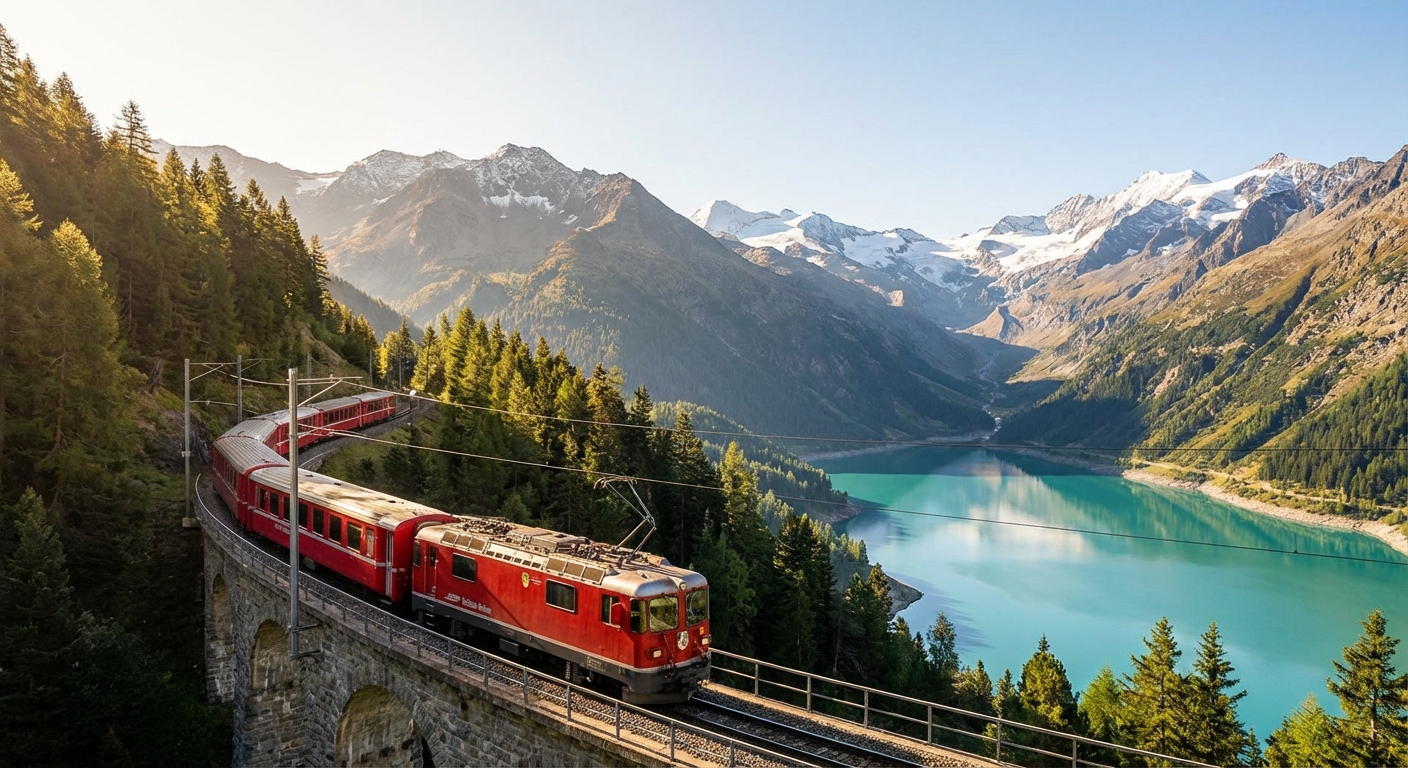
Good to know up front: Switzerland rewards early starts and simple logistics. If you keep your base towns strategic and your pack light, you can hit big scenery without turning your trip into a spreadsheet marathon.
At a glance
- Start: Zurich
- Finish: Zurich (or fly out of Geneva if you swap the ending)
- Core stops: Lucerne, Bernese Oberland (Lauterbrunnen or Wengen), Zermatt, Montreux/Vevey (Lake Geneva), Zurich
- Best for: hikers who also want charming towns, lake time, museums, and zero-car stress
- Trip style: train-based with optional mountain railways and cable cars
- Best season: June to September for higher trails and the widest lift operations; May and October can be great for towns and lower hikes, with more closures up high
Train strategy and passes
Switzerland’s public transport is so reliable it feels a little like cheating. The tradeoff is cost, which is why choosing the right pass matters.
Swiss Travel Pass vs Half Fare Card
- Swiss Travel Pass: unlimited travel on most trains, buses, boats, plus many museums. Mountain railways are usually discounted, not fully covered. Great if you are moving often and taking boats.
- Swiss Half Fare Card: 50% off most tickets, including many mountain lifts. Great if you are price-sensitive, comfortable buying tickets as you go, and planning pricey mountain excursions.
Important reality check: coverage varies by mountain railway and even by segment (some lines are fully covered to a certain point, then discounted beyond). Before you commit, spot-check the exact rides you care about (Pilatus or Rigi, Jungfrau region lifts and trains, Sunnegga/Blauherd, Gornergrat) on the SBB app and the operator sites.
My rule of thumb: if you are doing several long intercity rides plus at least one lake boat day, the Swiss Travel Pass often feels “worth it” in simplicity. If you are doing fewer big transfers but lots of mountain lifts, the Half Fare Card can win.
Seat reservations
On most Swiss domestic trains, you do not need reservations. If you add a panoramic train like the Glacier Express, reservations are required and add up fast. You can still enjoy the same corridor on regular regional trains with very similar views, just without the branded experience, panoramic window setup, and onboard service.
Typical train times
All times below are typical and depend on connections and the exact departure you pick. Switzerland runs like a watch, but your itinerary still runs on transfer math.
Carry-on only packing, Swiss edition
- Trail runners or light hikers that are comfortable on rocky paths (if it is wet, snowy, or you are doing longer ridge walks, sturdier hiking shoes can be worth it)
- A compact rain shell and a warm layer (weather changes fast in the mountains)
- One “town” outfit you actually like wearing
- Refillable bottle and a small tote for groceries and bakery runs
Day 1: Zurich
Base: Zurich
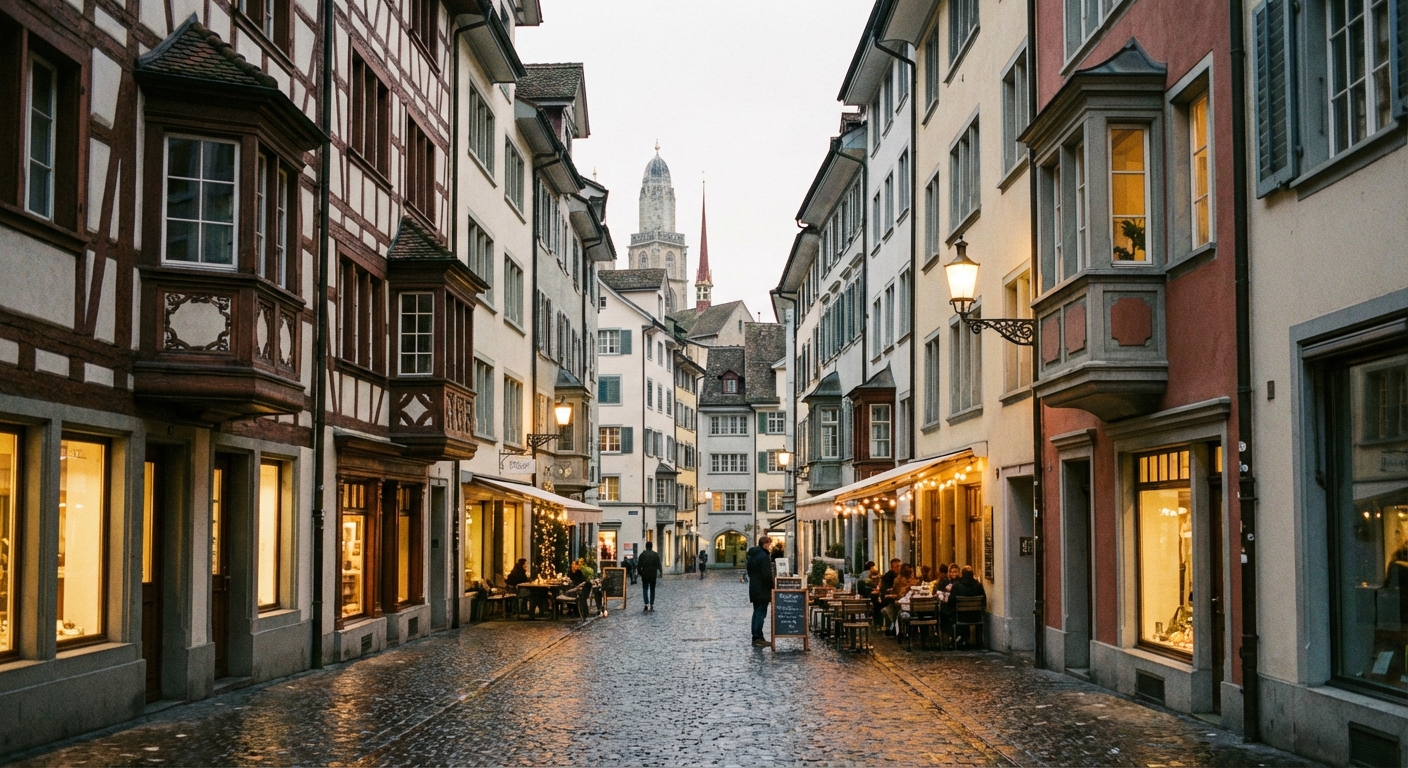
Land, drop your bag, and let Zurich ease you into Switzerland. It is polished, yes, but it is also lake breezes, clean tram lines, and neighborhoods with real personality once you step away from Bahnhofstrasse.
Do
- Walk the Altstadt lanes on both sides of the Limmat River
- Sunset stroll along Lake Zurich (Bürkliplatz area is an easy start)
- If you want culture: Kunsthaus Zürich is a solid use of a rainy afternoon
Eat and drink
- Order a simple coffee and a pastry, then people-watch. Zurich is built for that.
- Try Zürcher Geschnetzeltes if you want a classic local comfort meal.
Day 2: Zurich to Lucerne
Train: Zurich HB to Lucerne, typically 45 to 55 minutes
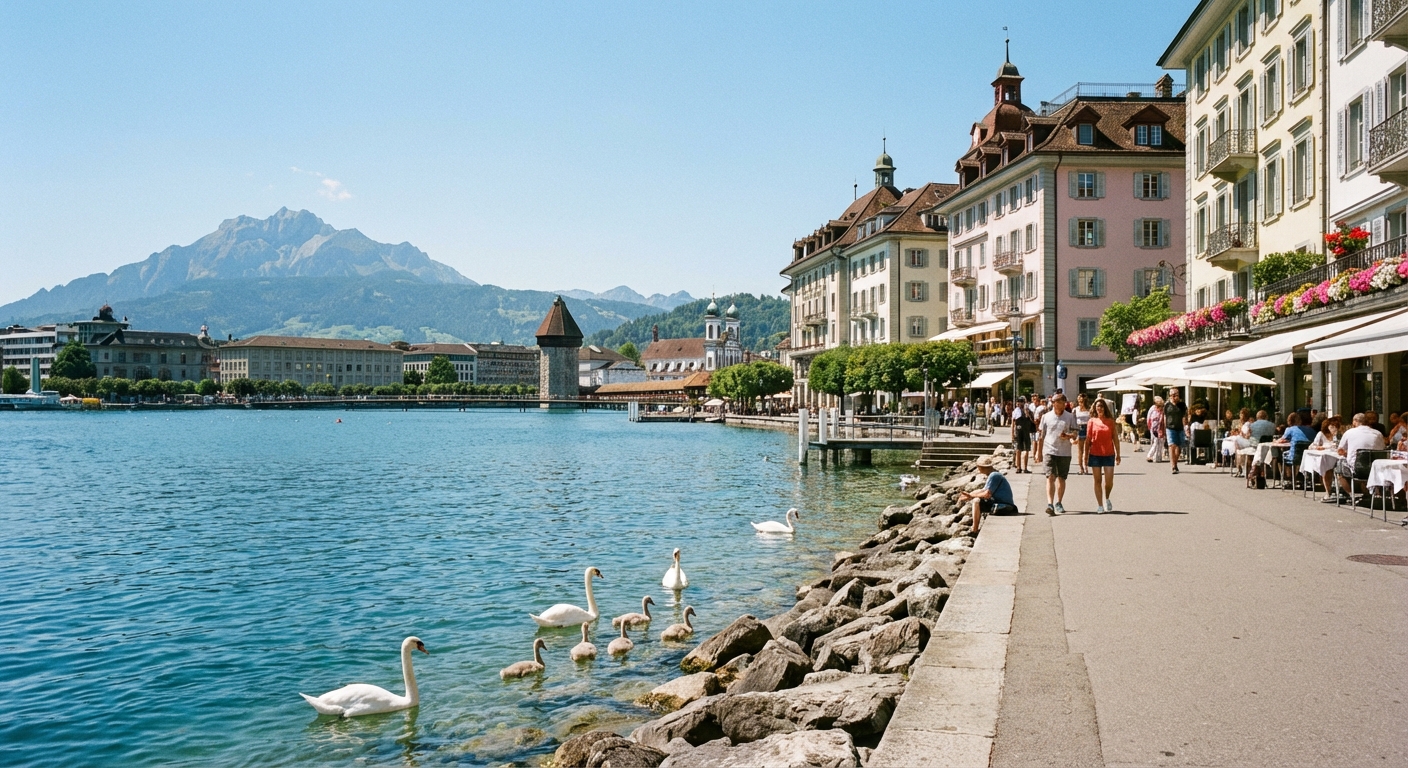
Lucerne is small enough to feel intimate and big enough to stay lively after dinner. It is also the perfect launchpad for your first mountain day.
Do
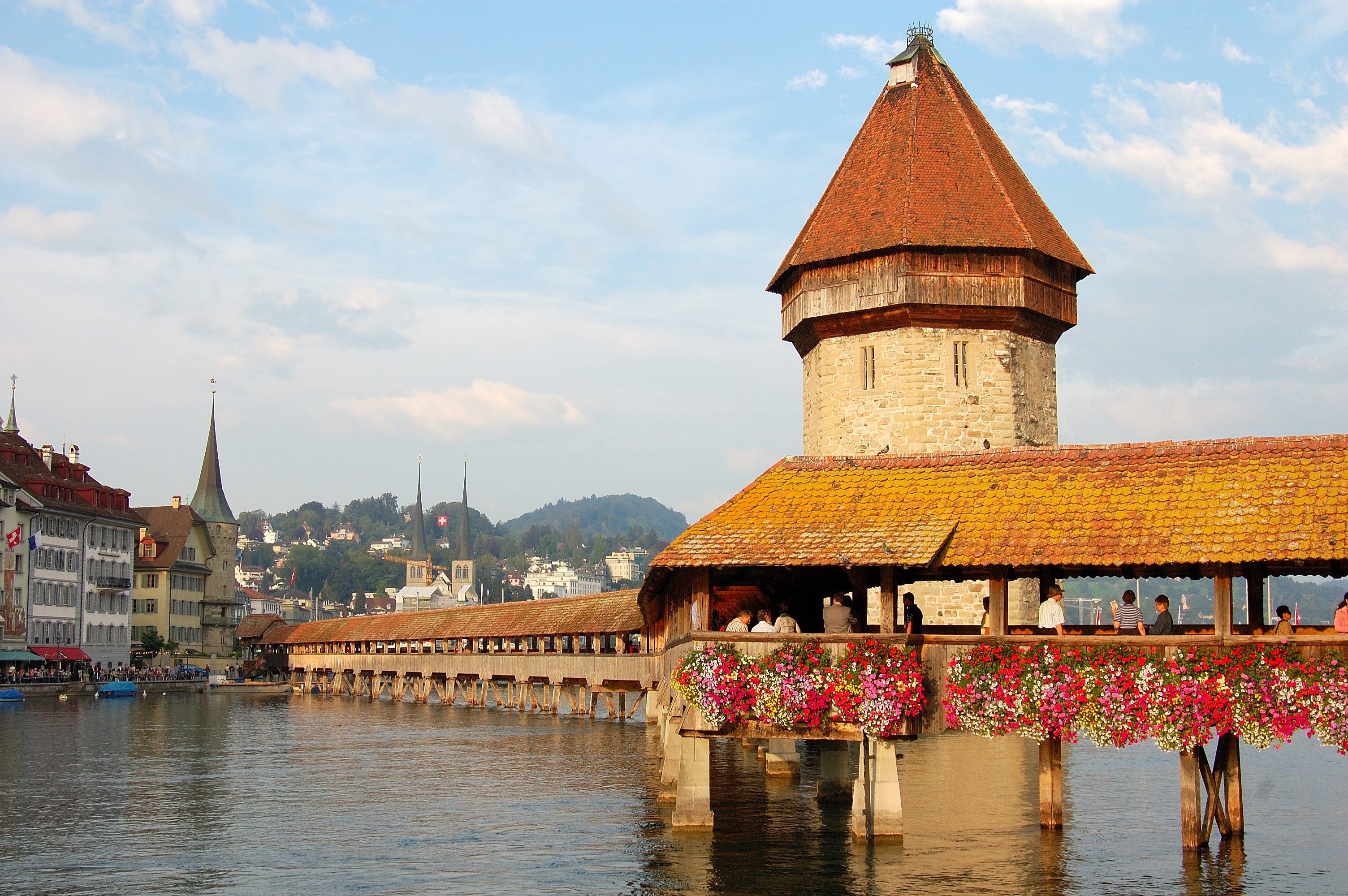
- Walk Kapellbrücke and the waterfront
- Peek into the old town squares and frescoed buildings
- If you want a viewpoint without commitment: ride up to Château Gütsch for a drink with a view
Overnight
Stay near the station or old town so tomorrow’s early start is painless.
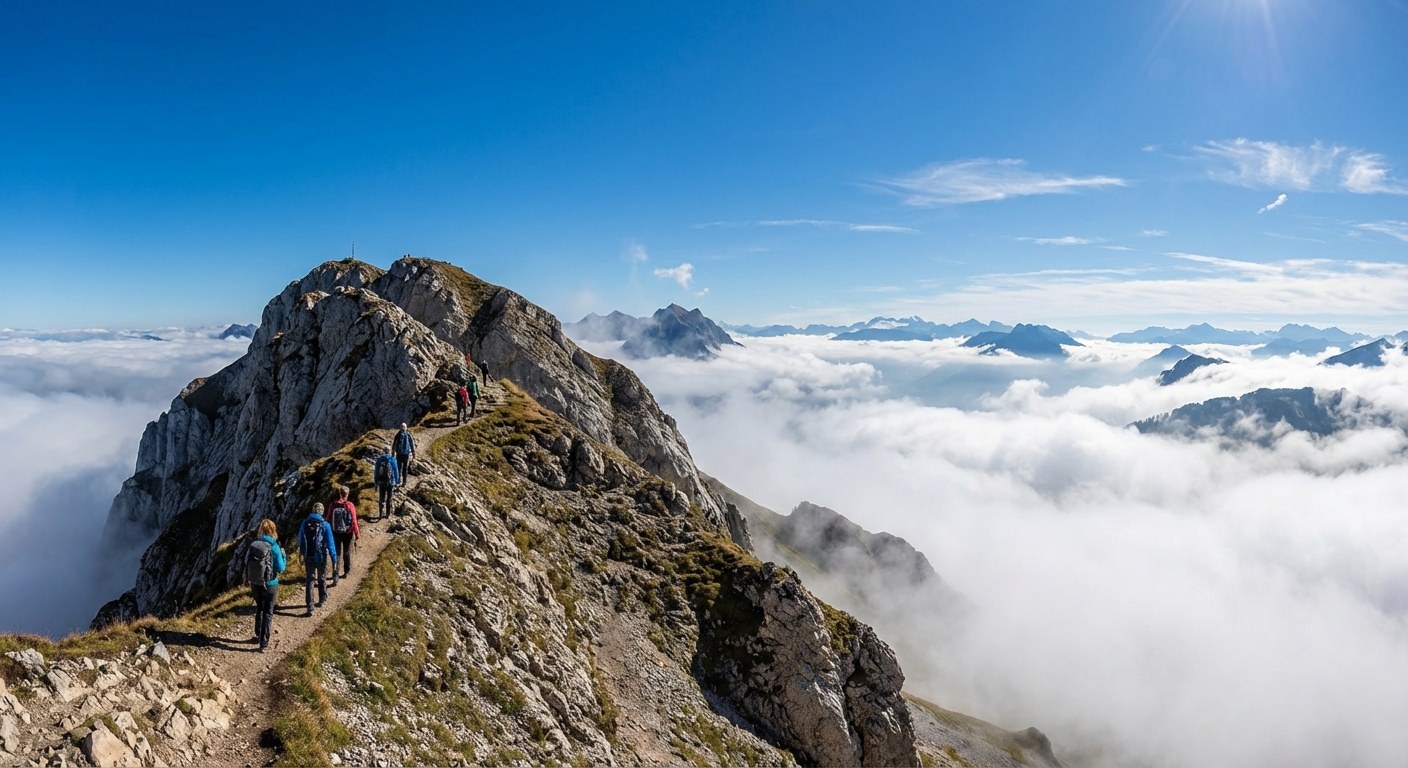
Day 3: Pilatus or Rigi
This is your choose-your-own mountain, depending on weather and how “rugged” you want your morning to feel.
Option A: Pilatus
- Go via boat to Alpnachstad (seasonal) and up by cogwheel railway, then down by cable car to Kriens, or reverse
- Short hikes near the summit offer huge views with minimal navigation stress
Season note: the cogwheel railway and some “round trip” combinations are seasonal and can pause for maintenance. Check the Pilatusbahn schedule before you build your day around it.
Option B: Rigi
- Train to Vitznau or Arth-Goldau, then up by railway
- Easy ridge walking, lots of benches and viewpoints
Town comfort move: return to Lucerne for a lake swim if it is warm. Switzerland does “after-hike swimming” better than almost anywhere.
Budget cue
Pilatus and Rigi are both “paid view” days. Budget roughly CHF 60 to 120 depending on the exact combo of boat, rail, and cable car, and your pass discounts.
Day 4: Lucerne to Bernese Oberland
Train: Lucerne to Interlaken Ost to Lauterbrunnen, typically 2 to 2.5 hours
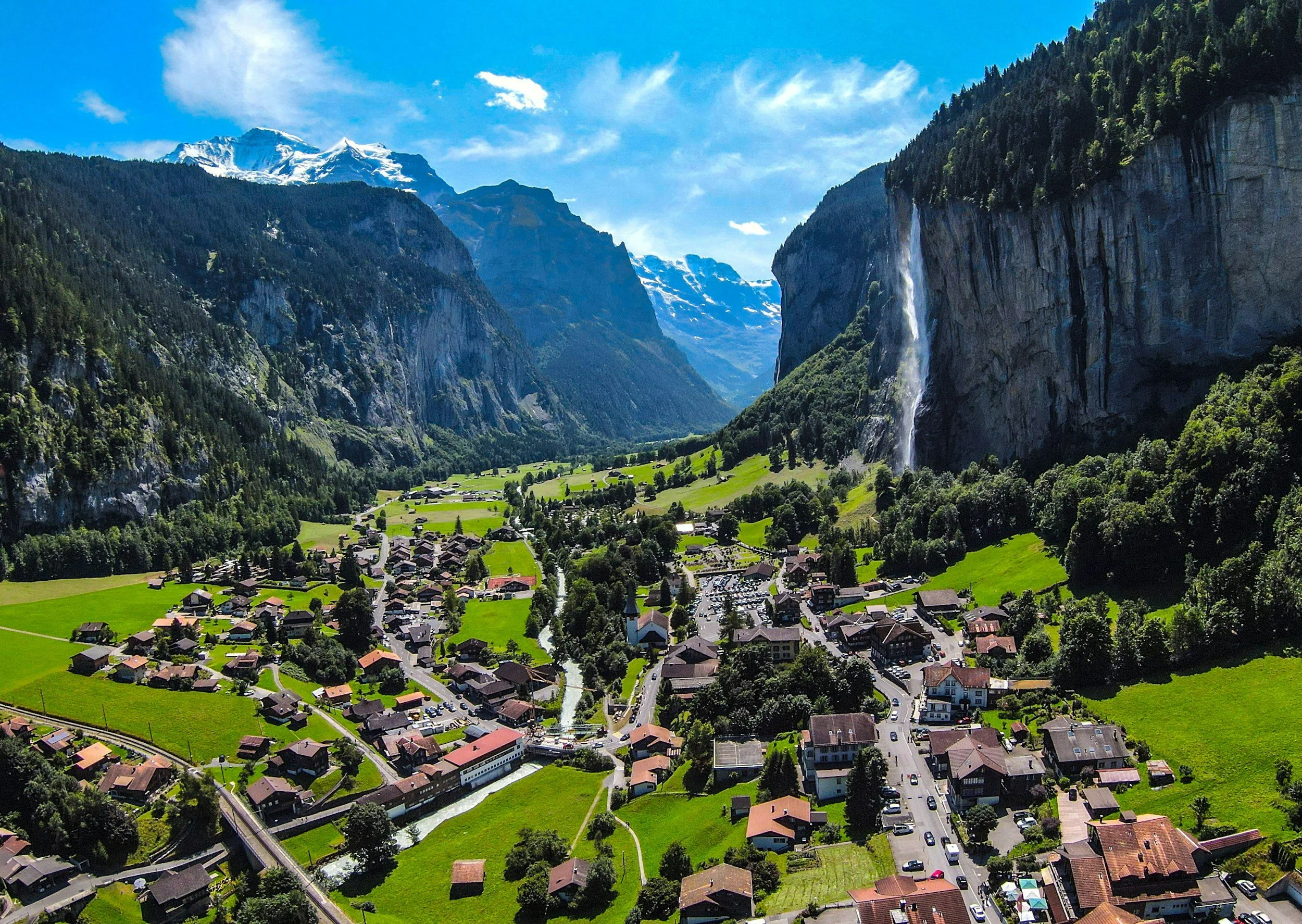
The Bernese Oberland is the Switzerland you have in your head: waterfalls, chalets, glacial valleys, and cable cars doing improbable things. For this itinerary, pick one base and stay put for two nights.
Where to base
- Lauterbrunnen: easiest logistics, valley floor, direct access to trains and buses
- Wengen: car-free, perched views, quieter at night, direct access to mountain trails
Do (arrival day)
- Walk to Staubbach Falls and look up until your neck complains
- If time allows: cable car up to Mürren for sunset views over the valley
Rain plan
- Trümmelbach Falls (inside the mountain, great when it is drizzly)
- Pick a cozy café in Lauterbrunnen or Wengen and let the clouds do their thing
Day 5: Jungfrau hike day
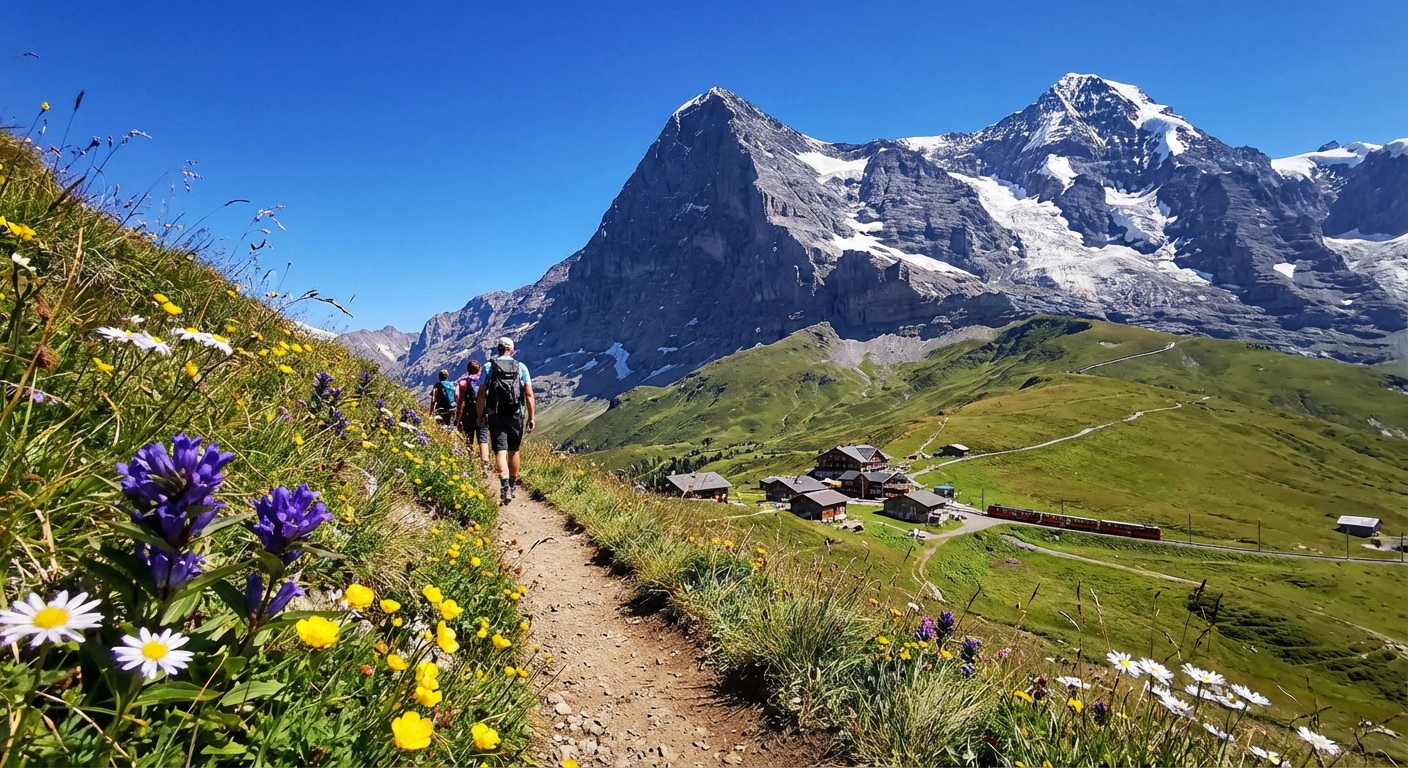
Today is for trails. The goal is a route that feels properly alpine but does not require technical skills.
Option A: Männlichen to Kleine Scheidegg
- Ride up to Männlichen (from Wengen or Grindelwald)
- Hike the high path toward Kleine Scheidegg with nonstop views of Eiger, Mönch, and Jungfrau
- Train back down from Kleine Scheidegg to your base
Typical effort: about 1.5 to 2.5 hours depending on route and stops, moderate, mostly rolling with some uphill. Very high reward per kilometer.
Option B: Mürren to Gimmelwald
- Start in Mürren, walk downhill to Gimmelwald
- Continue to Stechelberg and bus back to Lauterbrunnen
Typical effort: about 1.5 to 3 hours depending on how far you continue, easier overall (downhill bias), great for a “legs are tired but I still want beauty” day.
Trail note: conditions change with snow and shoulder seasons. Check local signage and ask your accommodation what is currently open and safe.
Budget cue
This region can be one of the priciest for lifts and mountain trains. Even with discounts, budget roughly CHF 40 to 120 depending on which lifts you take to start your hike.
Day 6: Bernese Oberland to Zermatt
Train: Lauterbrunnen to Interlaken Ost to Visp to Zermatt, typically 3 to 3.5 hours
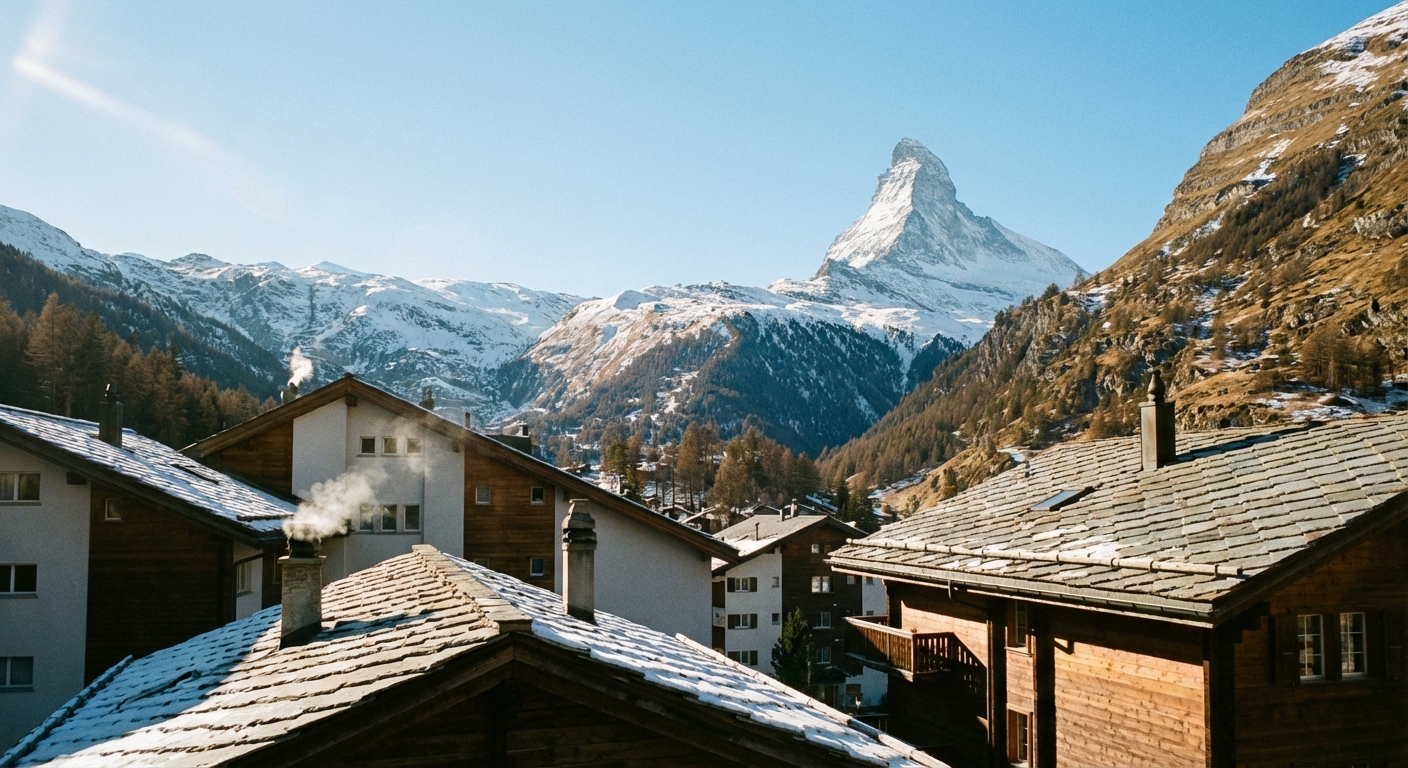
Zermatt is a car-free mountain town with a serious outdoors heartbeat and an equally serious hot chocolate game. Arrive, check in, and take an easy walk so tomorrow’s hike feels good.
Do
- Walk the main street and pop into gear shops if you forgot anything
- Take the short path along the river for a calmer side of town
- If skies are clear, catch your first Matterhorn sighting from town at golden hour
Rain plan
- Matterhorn Museum (small, interesting, and a good storm-day filler)
- Book a spa session at your hotel if you chose a place with wellness facilities
Day 7: Matterhorn hike day
This is your signature alpine day. Choose based on energy, weather, and lift operations.
Option A: Five Lakes Walk (5-Seenweg)
- Ride up to Sunnegga, then take the connecting gondola to Blauherd to officially start the loop
- Expect reflective lake shots of the Matterhorn on calm days
- Moderate effort, big payoff
Typical effort: about 2.5 to 3.5 hours of hiking time, moderate, with a mix of gentle climbs and descents.
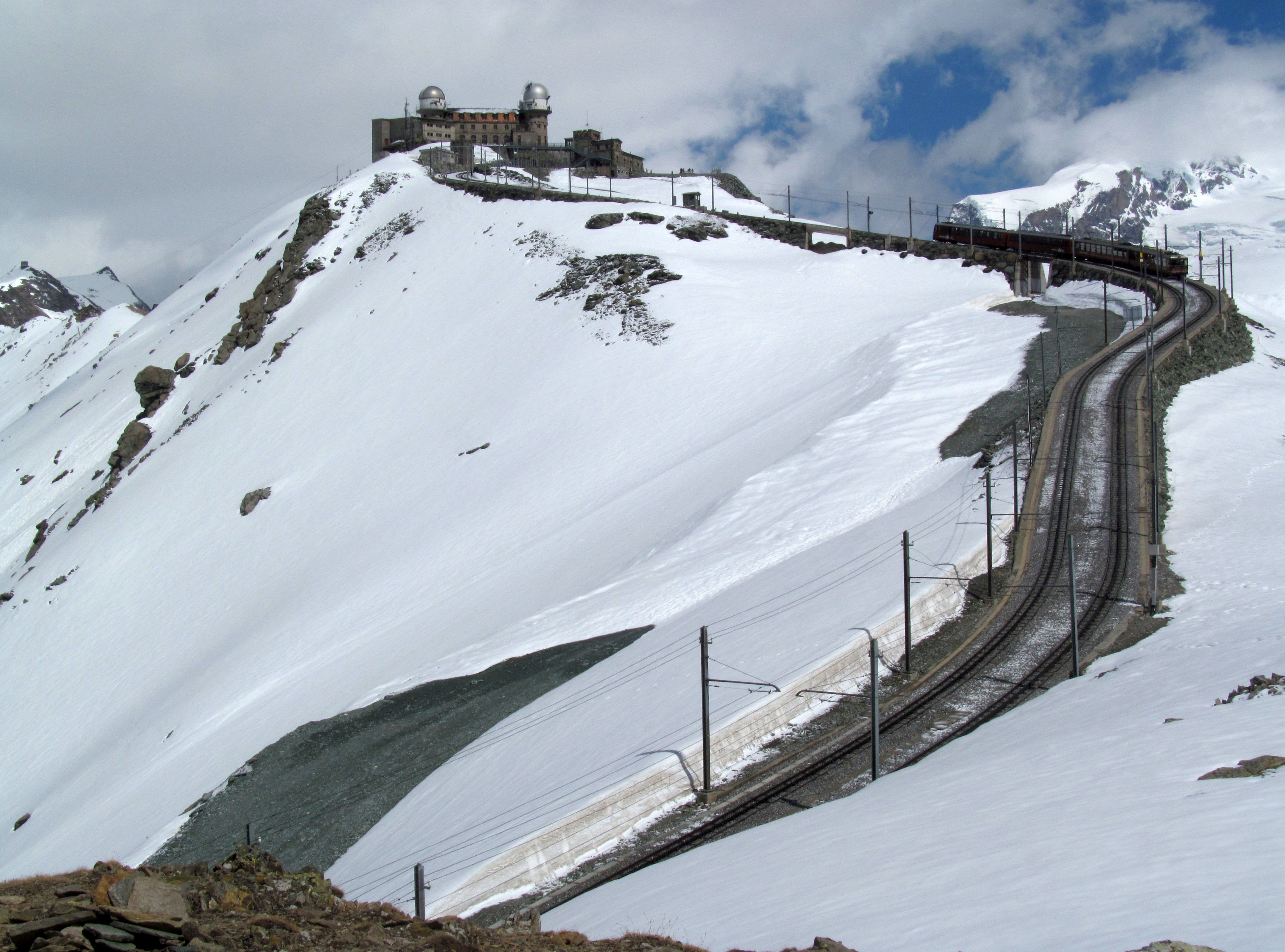
Option B: Gornergrat and ridge walks
- Take the Gornergrat railway up
- Hike sections along the ridges and descend to lower stations as you like
Typical effort: totally scalable. You can keep it mostly viewpoint-based, or turn it into a longer descent hike with glacier views the whole way.
Town comfort move: book a relaxed dinner tonight. After a long mountain day, Zermatt’s cozy restaurants hit different. In peak season, reservations are smart.
Budget cue
Plan for a big-ticket day here: roughly CHF 60 to 140 depending on whether you choose Sunnegga plus Blauherd, Gornergrat, and what your pass covers on that specific line.
Day 8: Zermatt to Montreux or Vevey
Train: Zermatt to Visp to Montreux, typically about 2.5 hours
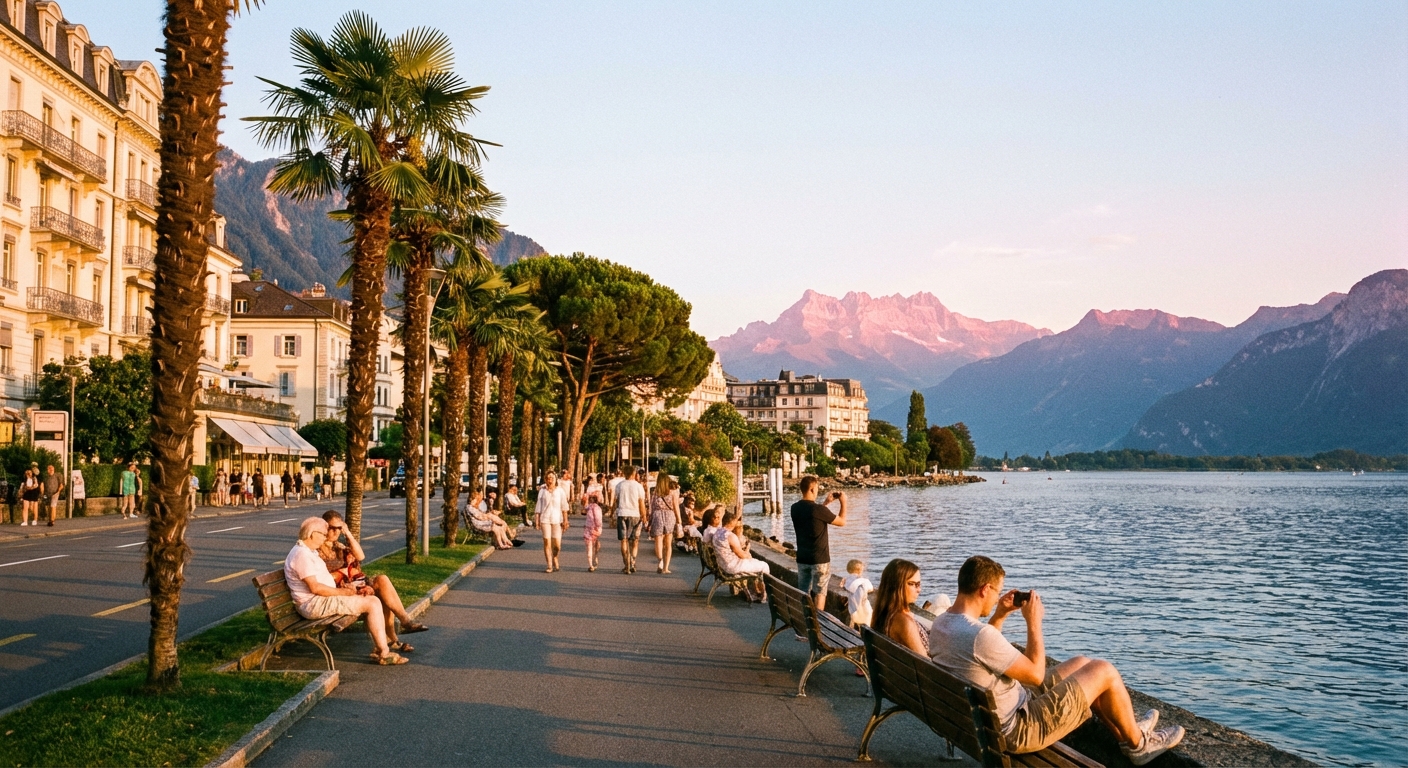
After two mountain bases, Lake Geneva feels like exhaling. Montreux is the classic choice, but I also love Vevey for a slightly slower pace and lovely waterfront.
Do
- Walk the lakeside promenade with views across the water to France
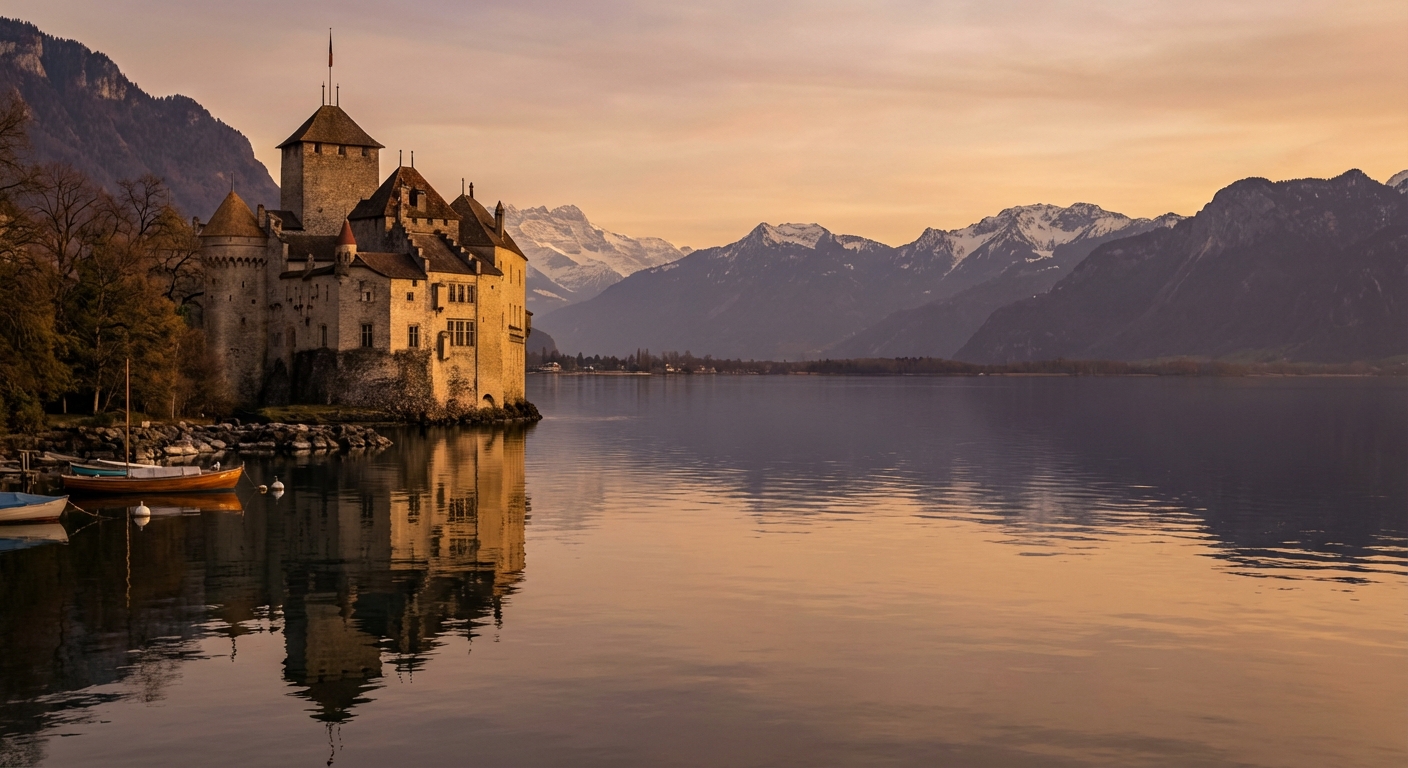
- Visit Chillon Castle (easy by bus, boat, or a scenic walk)
- If you have time: dip into the Lavaux vineyards for a short terraced walk above the lake
Rain plan
- Do Chillon Castle anyway (it still works in moody weather)
- Spend a slow afternoon in Vevey or Montreux with a long lunch and a museum stop
Budget cue
Chillon Castle tickets are reasonable compared to the mountain lifts. If you add boats and tastings in Lavaux, costs climb in a fun, optional way.
Day 9: GoldenPass to Zurich
Today is a transit day that still feels like sightseeing, which is the Swiss superpower.
Option A: GoldenPass route
- Take the train from Montreux to Zweisimmen and continue toward Interlaken
- Pause for a lakeside walk in Interlaken if you want to stretch your legs
- Continue on to Zurich for your final night
Reality check: Montreux to Interlaken to Zurich is typically a 5+ hour travel day once you add connections (and any “just one quick look” stops). It is worth it if you love train views, but plan snacks and patience.
GoldenPass note: the scenic route is a family of services, not always one single continuous panoramic train. Depending on schedules, you may change trains (often at Zweisimmen), and rolling stock varies. Still gorgeous.
Option B: Direct efficiency
- Go Montreux to Lausanne to Zurich if you want maximum time in the city
Overnight: Zurich
Day 10: Zurich and fly out
Keep this day light. Switzerland is not the place I like to sprint through museums while dragging a suitcase. Do one perfect neighborhood stroll, buy your edible souvenirs, and leave time for a calm airport or train station run.
Do
- Choose one: a lake swim, a museum, or a long brunch
- Pick up chocolate from a shop you would actually eat from, not just gift from
- Take the train to the airport with extra buffer time
Small timing note: on Sundays and holidays, some shops run limited hours. If you are souvenir-motivated, buy the chocolate earlier.
Optional swaps
More hiking
- Add a night in Grindelwald for additional trail access
- From Zermatt, add a rest day and do a second hike if weather was mixed
More city
- Swap one mountain night for Bern (UNESCO old town, river swims in summer)
- Swap your final Zurich night for Geneva if you are flying out of GVA after Lake Geneva
Practical tips
Start early, end gently
Morning light is better, trails are quieter, and afternoon weather in the Alps can turn fast. Plan your biggest hikes early and leave evenings for slow town time.
Budget for mountain transport
Even with passes, cable cars and cogwheel trains can be the priciest line item. Pick one or two “wow” mountain excursions per region, then fill the rest with hikes that start from normal transit.
Respect shoulder season
In spring and late fall, some lifts close for maintenance and higher trails can hold snow. Build backup plans that work in the valley or in town.
Stay sustainable without getting preachy
- Bring a bottle and refill (Swiss tap water is excellent)
- Use trains and boats instead of rental cars whenever possible
- Choose locally owned stays and restaurants in smaller towns
Quick booking checklist
- Hotels: book Zermatt and the Bernese Oberland early in summer and during ski season
- Pass: decide Swiss Travel Pass vs Half Fare Card based on your mountain lift plans, and remember coverage varies by line
- Reservations: consider dinner reservations in Zermatt (and Montreux on busy weekends) in peak season
- Weather backup: choose one rainy-day activity per base (museum, spa, castle, lakeside town stroll)
- Trail safety: check daily conditions and carry a light layer even on sunny forecasts
If you follow this route, you will get the Switzerland highlight reel and the Switzerland real life version too: sweaty hikes, clean trains, quiet lakes, and just enough city time to remember you are not only here for the peaks.