10 Most Walkable Mountain Towns in the US

Maya Lin
Maya Lin is a travel journalist and outdoor enthusiast who believes the best trips combine rugged adventures with urban comforts. After spending six years backpacking across four continents, she founded Trail & Town Guide to help fellow travelers navigate both hidden mountain passes and bustling city neighborhoods with confidence.
My favorite mountain towns are the ones where you can land, drop your bag, and immediately switch into trail mode without negotiating a parking lot or playing rental-car Tetris. The best ones feel like a choose-your-own-adventure: a morning hike you can walk to, a local coffee shop that nails the espresso, a gear store that actually stocks what you forgot, and a brewery you can reach on foot when your legs are cooked.
This list focuses on walkability for outdoor enthusiasts. That means a real downtown core, lodging within walking distance of food and supplies, and trail access that is either in town or reachable by a short shuttle or local bus when needed. If you are aiming for a mostly car-light base camp, start here.
Quick reality check: “Walkable downtown” does not always mean “car-free access to every marquee trailhead.” In many places, transit is seasonal, limited, or best used for a few key corridors. The win is that you can do the basics on foot and plan a couple of bigger days with shuttles, tours, or one strategic rideshare.
What I mean by walkable
Walkable mountain towns come in a few flavors, but they share a common pattern: you can comfortably handle the basics on foot and still have easy access to big outdoor days.
- Downtown is compact. You can walk to coffee, groceries, and dinner without needing a ride.
- Trail access is close. Either trails start in town, or there is a reliable shuttle or bus to popular trailheads.
- Outdoor infrastructure exists. Think gear shops, guide services, bike rentals, and a community that is used to visitors heading outside.
- It is realistic without a car. Not perfect, but doable for a long weekend or a week if you plan smart and stay inside the core.
Carry-on-only note: If you are traveling light, prioritize towns with a solid gear shop and a grocery store in the core. You can forget a rain shell and still be fine. Forget snacks and you will be sad.
10 walkable mountain towns for a trail-and-town base
These are listed in no particular order. The best choice depends on whether your dream day is alpine hikes, singletrack, skiing, rafting, or a mix of it all.
1) Aspen, Colorado
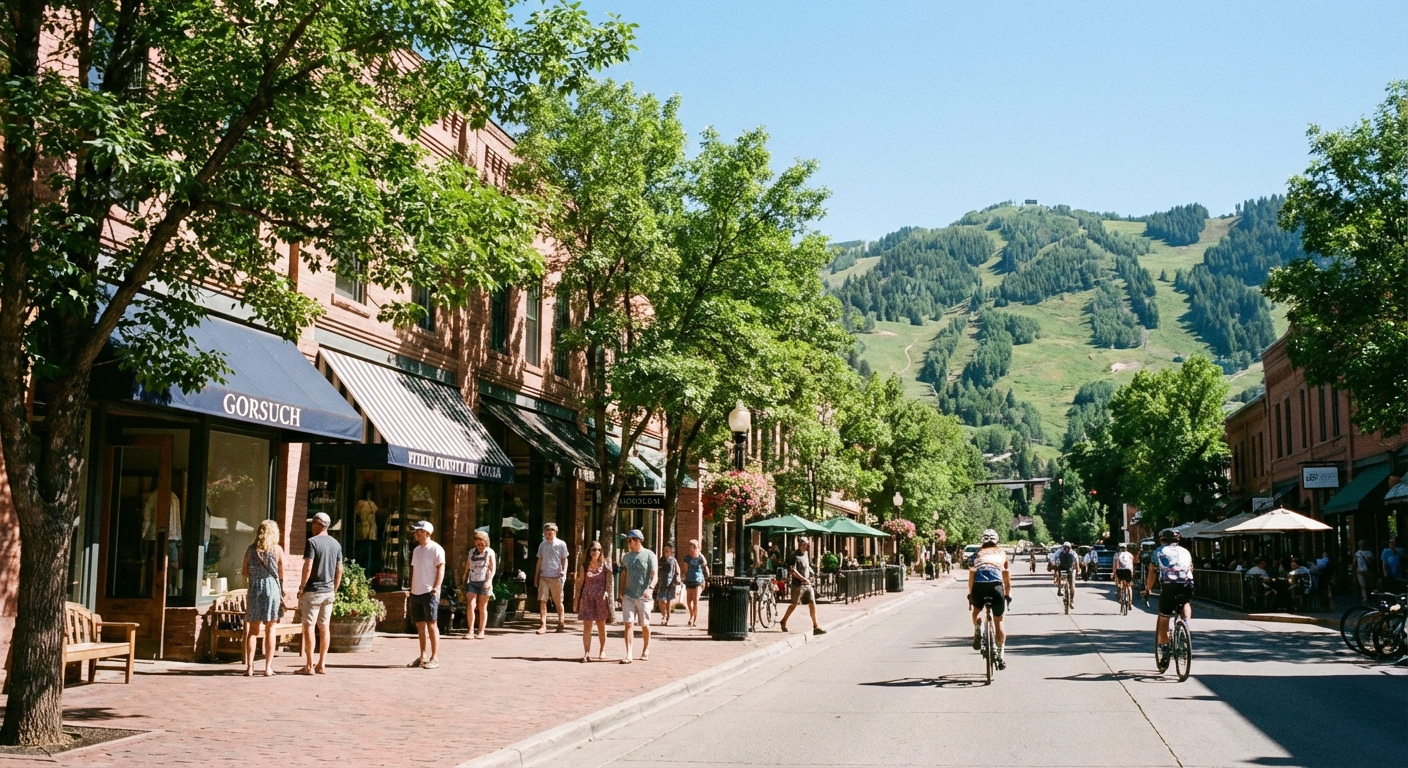
Aspen gets labeled “luxury” and yes, the shopping can be eye-watering. But it is also one of the best walkable outdoor hubs in the country. The core is compact, sidewalks are pleasant, and you can string together hikes, galleries, and a great meal without touching a steering wheel.
- Walk-to-outdoors: The Rio Grande Trail runs right through town. For a quick, scenic win, the Smuggler Mountain route is a classic close-to-town climb.
- When you need a ride: The local bus system (Roaring Fork Transportation Authority) makes car-light day trips realistic up and down the valley.
- Trail-and-town combo: Morning stroll through town, afternoon hike, then a patio drink that feels deserved.
Best for: Hikers who also want museums, design-forward hotels, and strong public transit.
Getting there without a car: Fly into Aspen/Pitkin County Airport (ASE) for the simplest transfer. It is close, and taxis and shuttles make the final hop easy. You can also fly into Eagle (EGE) and use shared shuttles into the valley.
Season note: Transit and walkability are great year-round, but summer and ski season have the most frequent service.
2) Telluride, Colorado
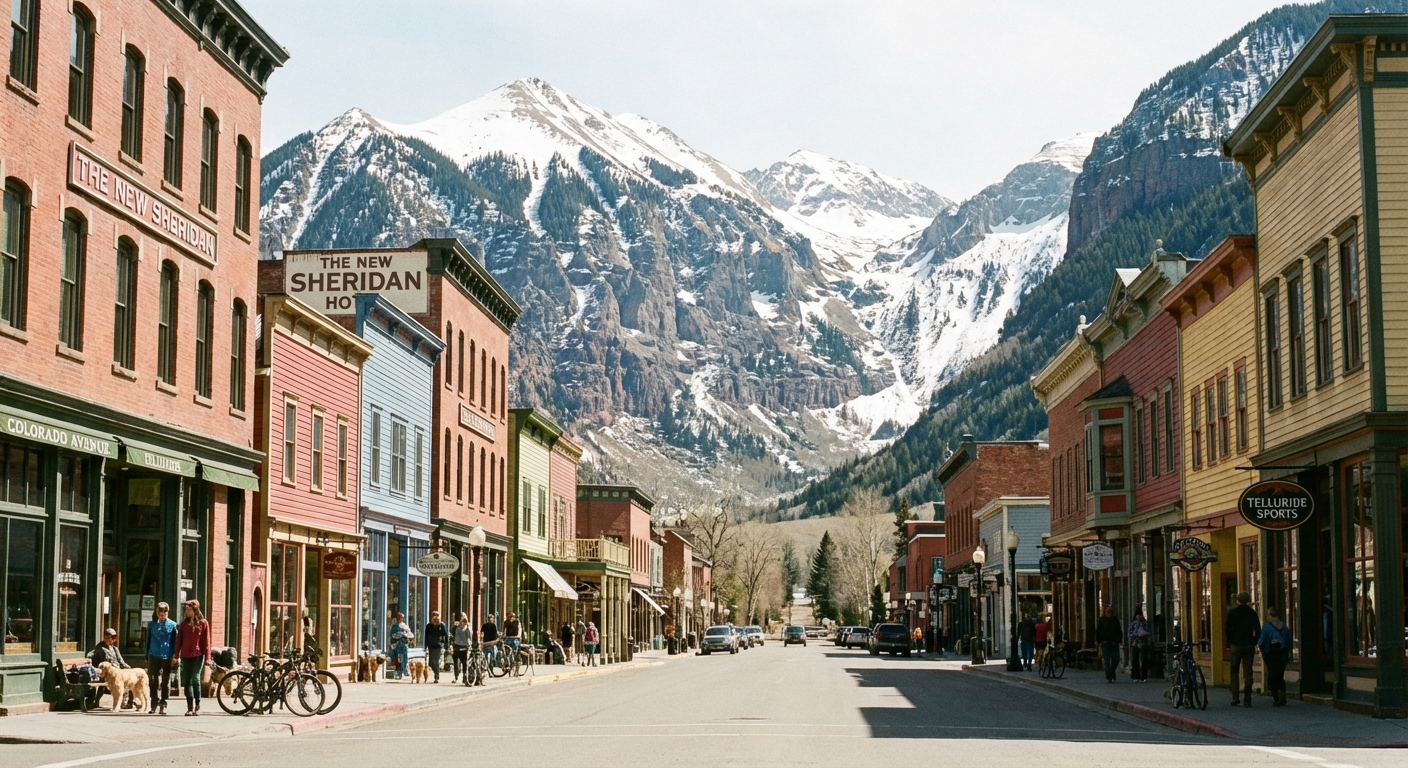
Telluride is the kind of town that makes you stop mid-walk just to stare at the box-canyon walls. It is small, flat, and extremely stroll-friendly, with trail access that feels almost unfair.
- Walk-to-outdoors: Bear Creek Trail is a classic you can access from town for a big, beautiful day. For an easy leg-shake, the River Trail is right there.
- Town-to-town: The free gondola links Telluride and Mountain Village, which expands your car-light radius.
- Trail-and-town combo: A full hike day, then an easy wander to dinner and a low-key nightcap.
Best for: Alpine scenery lovers who want high reward with minimal logistics.
Getting there without a car: The closest airports are Montrose (MTJ) and Telluride Regional (TEX) (TEX is weather-dependent and often limited). From MTJ, book a shared mountain shuttle to Telluride and skip the rental car entirely.
Season note: Summer and ski season are easiest for car-light travel. Shoulder seasons can be quieter but shuttles and gondola schedules may be reduced.
3) Jackson, Wyoming
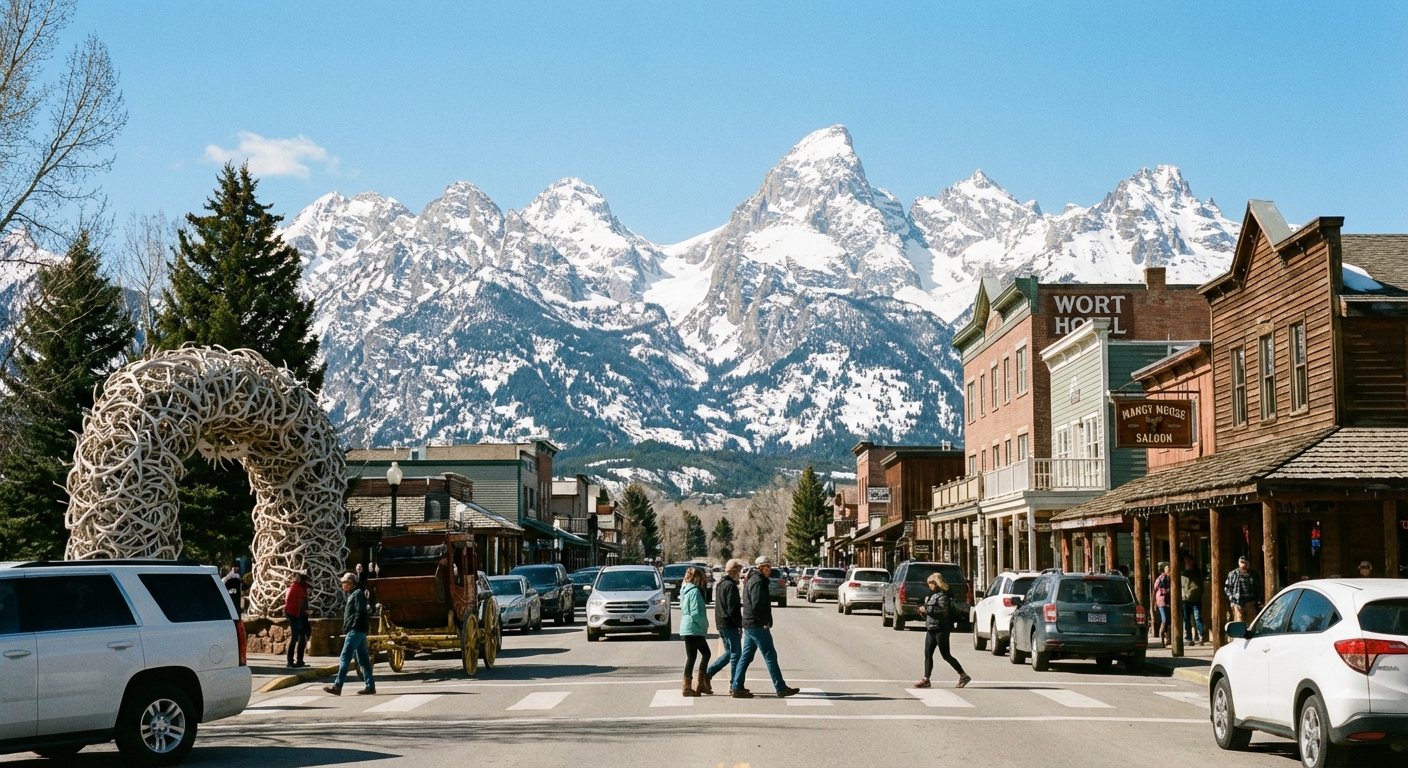
Jackson is more spread out than some towns on this list, but the Town Square area is genuinely walkable. If you choose lodging near the square, you can handle meals, coffee, and basics on foot and keep the whole trip car-light.
Important expectation setter: Grand Teton National Park access without a car is possible, but it is not as plug-and-play as some parks. You can absolutely have a great car-light trip, but you need to be deliberate about where you stay and how you book your park days.
- Walk-to-outdoors: For in-town miles, Jackson has a solid pathway system. For big Teton hiking, you will almost always need a ride to trailheads.
- When you need a ride: Use START Bus for local routes (including service toward Teton Village). For the national park, many travelers rely on guided tours, private shuttles, or a pre-booked rideshare plan. Any seasonal park shuttle options can vary, so confirm current service before you commit.
- Trail-and-town combo: Big scenery day, then an evening that is purely on foot around the square.
Best for: Travelers who want iconic national-park hiking plus a lively Western downtown, and do not mind planning logistics.
Getting there without a car: Fly into Jackson Hole Airport (JAC) and take a taxi or shuttle into town. If you fly into Idaho Falls (IDA), you will typically need a pre-booked shuttle or transfer service to avoid renting a car.
Stay smart: Book lodging as close to Town Square as you can. Jackson sprawls fast once you leave the center.
4) Park City, Utah
Park City feels built for wandering. Historic Main Street is a gentle uphill stroll lined with restaurants, cafes, and gear shops, and the town has strong outdoor options in every season.
- Walk-to-outdoors: For an easy in-town win, walk or ride the Historic Union Pacific Rail Trail and connect into the broader network. In summer, the Mid Mountain area is a local favorite once you are up in the trail system.
- When you need a ride: Park City’s free transit makes it easier to stay car-free than many Western towns.
- Trail-and-town combo: Coffee on Main Street, mid-day trail time, then an easy walk to dinner.
Best for: A no-car long weekend with a mix of trails, shopping, and dining.
Getting there without a car: Fly into Salt Lake City (SLC) and take a direct shuttle to Park City. Once you are in town, the free bus system does a lot of the heavy lifting.
Season note: Walkability is strong year-round. Transit feels especially smooth in winter and peak summer.
5) Breckenridge, Colorado
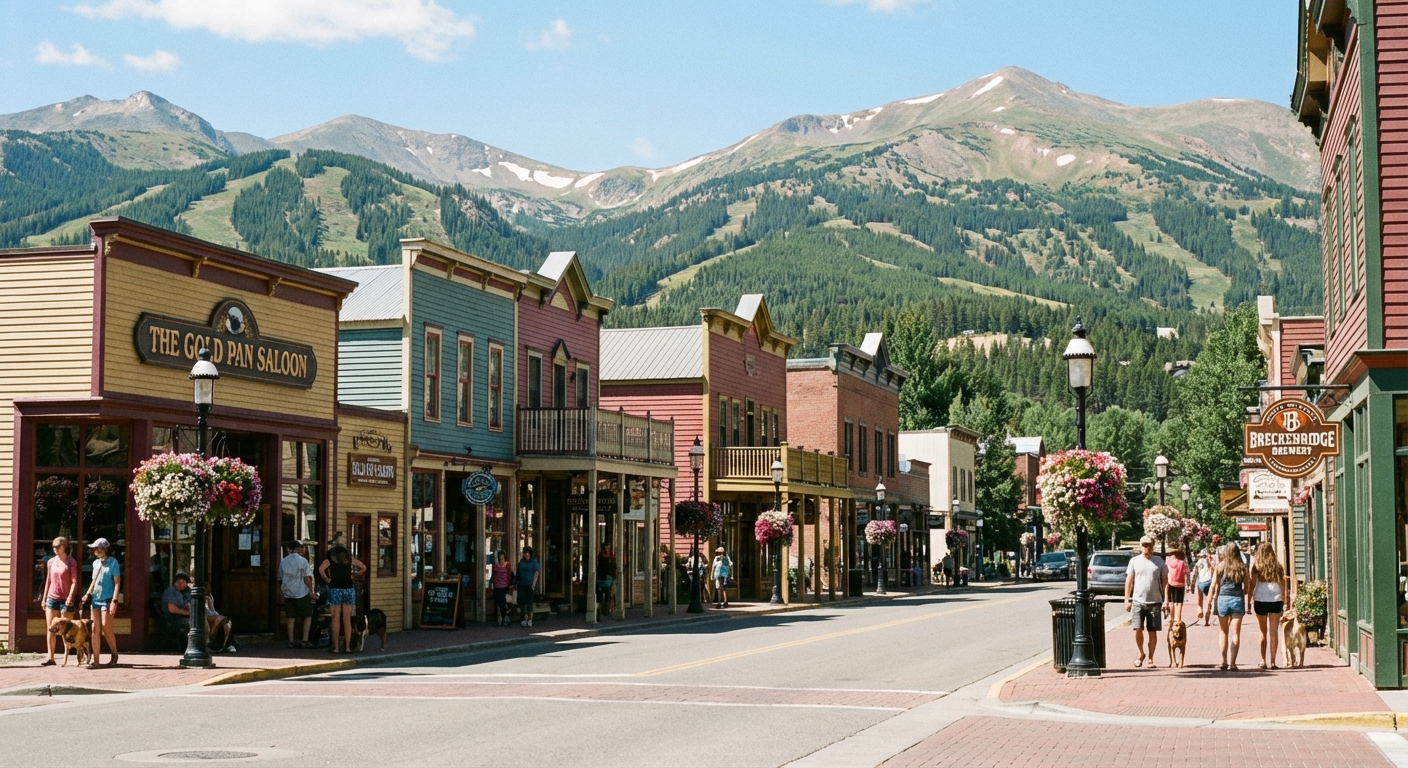
Breckenridge is a strong pick if you want that classic Colorado mountain-town vibe with a walkable grid and a surprising amount of food and drink packed into a small area.
- Walk-to-outdoors: The Blue River Rec Path is an easy starter right near downtown. For a bigger day, the Sawmill Reservoir route is a popular close-to-town hike with a payoff.
- When you need a ride: The Summit Stage bus system supports car-light itineraries across the county.
- Trail-and-town combo: Hike or bike, then refuel with brewery hops without moving your car.
Best for: Groups with mixed priorities: some want big hikes, others want shops and patios.
Getting there without a car: Fly into Denver (DEN) and book a mountain shuttle straight to Breckenridge. Services like Epic Mountain Express are a common choice. Once you are in town, you can walk most places and lean on local buses for the rest.
Season note: Winter and summer have the most frequent shuttle options. Shoulder seasons can be quieter but more limited.
6) Steamboat Springs, Colorado
Steamboat is a rare combo of laid-back Western energy and real walkability. The town has a pleasant core, and the outdoor culture is baked in, from river time to hiking and biking.
- Walk-to-outdoors: The Yampa River Core Trail is an in-town gem for walking, running, and biking. For a short hike with a surprisingly big view, Fish Creek Falls is a classic close by.
- When you need a ride: Local transit and shuttles help connect you to trailheads and the resort area.
- Trail-and-town combo: Sunset walk along the river, then dinner and a soak for the full recovery arc.
Best for: Travelers who want outdoor days plus an easygoing town scene.
Getting there without a car: Fly into Yampa Valley Regional (HDN) and take a shuttle into town. If you fly into Denver (DEN), look for a scheduled bus or shuttle option, but plan ahead because timing can be limited.
Season note: Summer and winter are easiest for car-light travel. Mud season can mean fewer shuttle options.
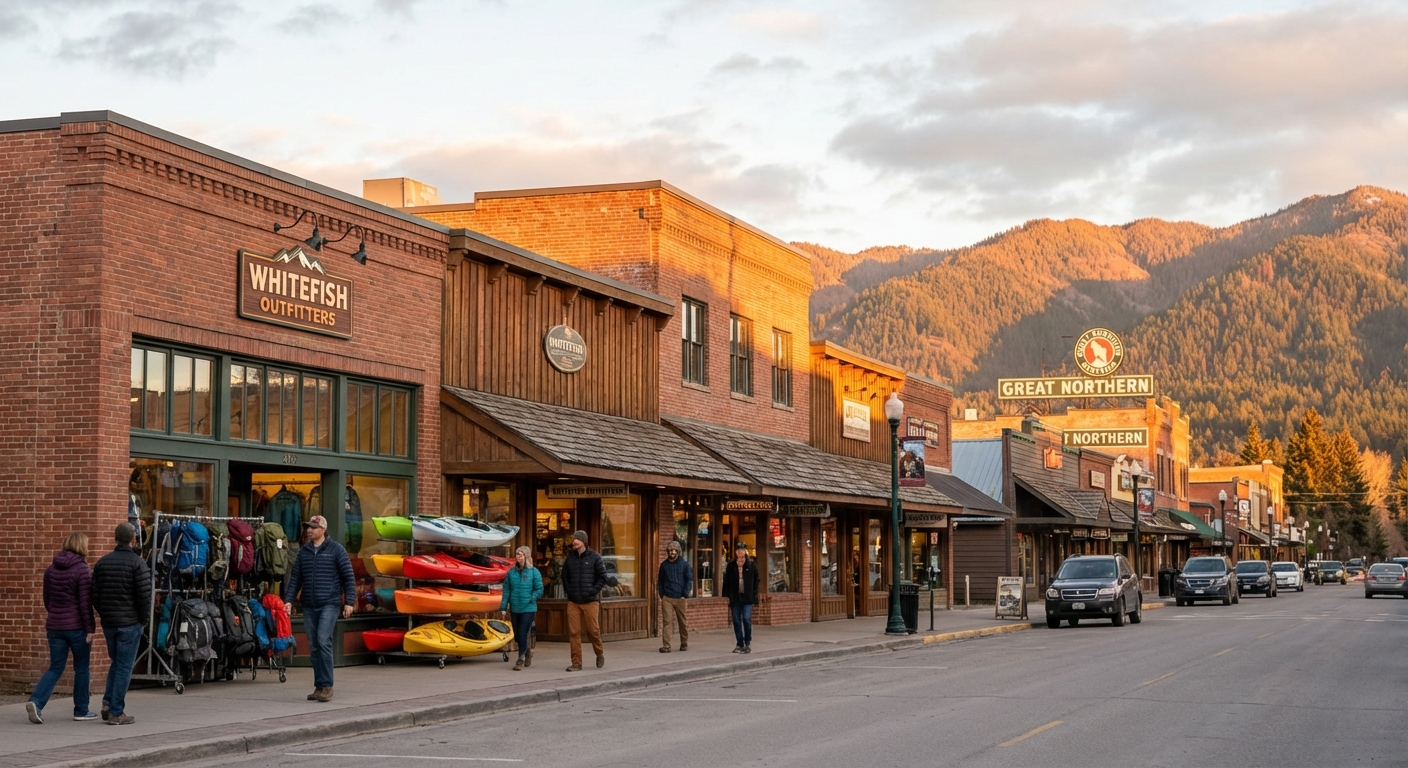
7) Whitefish, Montana
Whitefish is compact, friendly, and a great car-light base for Glacier-adjacent adventures. The downtown is easy to navigate on foot, with plenty of coffee, casual eats, and outdoor shops.
- Walk-to-outdoors: For a close-to-town outing, Whitefish Trail has multiple access points around the area (some are walkable, some are a short ride). The lake is also a reliable low-effort recovery play.
- When you need a ride: Here is the honest version: getting from Whitefish into Glacier National Park without a car usually requires a tour, a pre-booked shuttle, or a strategic rideshare. Inside the park, the Going-to-the-Sun Road shuttle (seasonal) can reduce driving once you are in.
- Trail-and-town combo: Morning café, afternoon lake lap, evening brewery, repeat.
Best for: A relaxed base camp with a strong food and coffee scene and big nature nearby, especially if you are willing to book a tour day for Glacier.
Getting there without a car: Fly into Glacier Park International (FCA). From there, take a taxi or shuttle into Whitefish. If Glacier is your main goal, consider booking a tour that includes transportation.
Season note: Summer is the sweet spot for park access and shuttles. Shoulder season can be beautiful but far less connected.
8) Bend, Oregon
Bend is bigger than a classic “mountain town,” but it nails the walkable neighborhood feel if you stay near downtown or the Old Mill District. It is an outdoor playground with a serious post-adventure food and beer ecosystem.
- Walk-to-outdoors: The Deschutes River Trail (often part of the broader river trail system locals talk about) is excellent for on-foot access to water views and quick miles. For a classic view-and-lava-rock day, Pilot Butte is a straightforward option close to town.
- When you need a ride: For alpine lakes and Cascade trailheads, you will want a shuttle, tour, or a strategic rideshare. Some trailheads are simply not convenient without a car.
- Trail-and-town combo: River walk, brewery hop, then plan tomorrow’s hike over great espresso.
Best for: Trail runners, mountain bikers, and anyone who likes a lively town after a big day.
Getting there without a car: Fly into Redmond (RDM) and take a shuttle, taxi, or rideshare into Bend. If you arrive by train or bus, you can stay downtown and keep most errands on foot.
Stay smart: Bend sprawls. Book lodging in downtown, Old Mill, or the immediate core neighborhoods if walkability is the point.
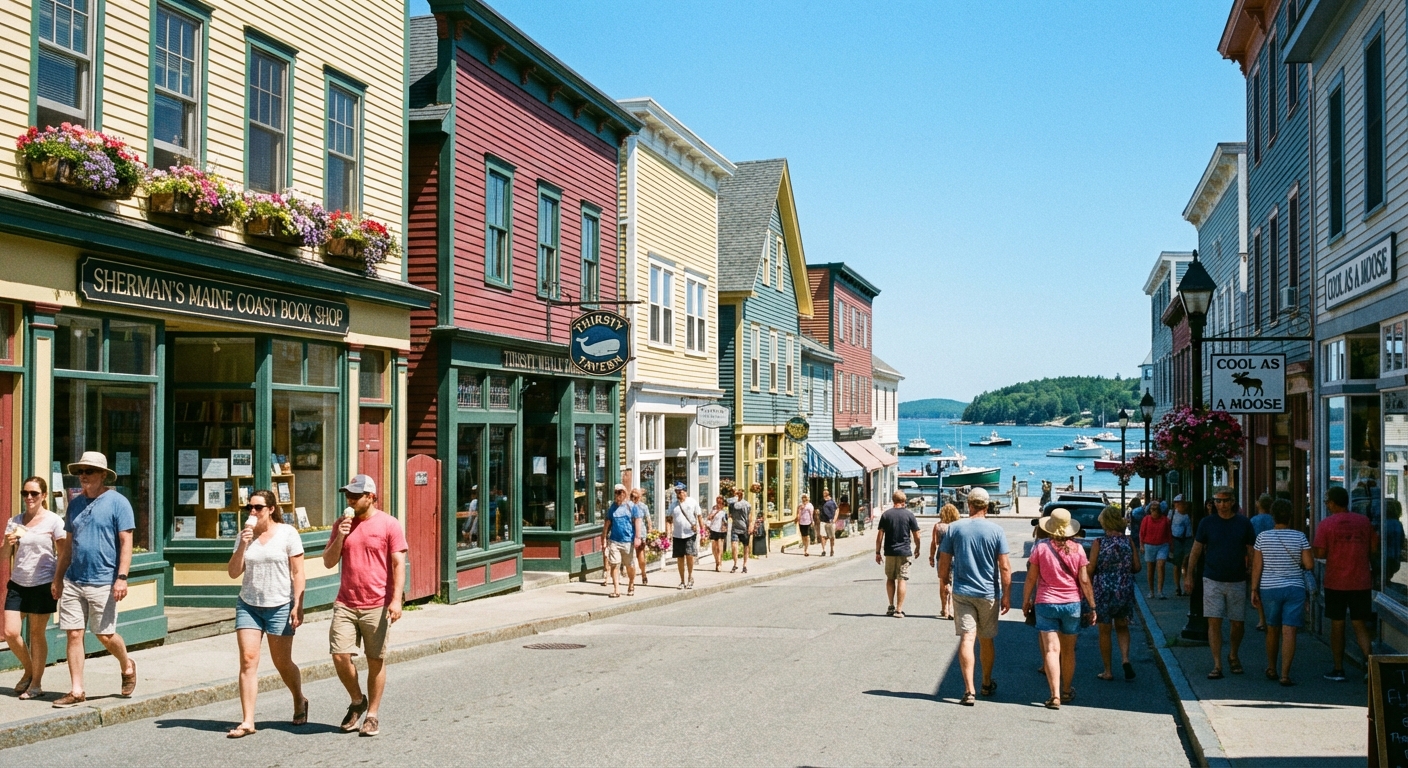
9) Bar Harbor, Maine
Yes, it is coastal. But it is also a gateway to the mountains of Acadia, and it is one of the most walkable adventure bases in the US. You can sleep in town, walk to coffee and dinner, and use the island shuttle system to reach trailheads.
- Walk-to-outdoors: The Shore Path is an easy, iconic stroll right from town. For a quick Acadia hit, you can also target trailheads served by the shuttle network in season.
- When you need a ride: The Island Explorer shuttle (seasonal) can make Acadia days dramatically easier without a car, but routes and frequency vary year to year. Confirm the current schedule and do not assume shoulder-season coverage.
- Trail-and-town combo: Sunrise hike, lobster roll lunch, ocean air evening stroll.
Best for: Hikers who want granite peaks, sea views, and a charming, very walkable town.
Getting there without a car: Fly into Bangor (BGR) and use a bus or shuttle connection toward Mount Desert Island, or book a direct transfer. Once you are in Bar Harbor, you can do a lot on foot in summer and early fall.
Season note: Late spring through early fall is prime for walkability plus shuttle service. Deep shoulder season is quieter but more DIY.
10) Gatlinburg, Tennessee
Gatlinburg can be busy and touristy, but it is undeniably walkable, and it sits right at the doorstep of Great Smoky Mountains National Park. If your priority is waking up near the park and handling meals on foot, it is a practical base.
- Walk-to-outdoors: You are close to the park entrance, and you can access some nearby classics like Gatlinburg Trail. That said, the Smokies are huge, and many marquee trailheads and high-elevation drives are not “quick hops.”
- When you need a ride: Trolleys and local transport options can reduce driving around town, but for deeper park days you may need a tour, rideshare plan, or a one-day rental strategy.
- Trail-and-town combo: Early hike to beat crowds, then an easy walk to a casual dinner.
Best for: Families and first-time Smokies visitors who want convenience and a car-light setup, especially if you plan a mix of near-entrance hikes and one bigger logistics day.
Getting there without a car: Fly into Knoxville (TYS) and book a pre-arranged shuttle or transfer to Gatlinburg. Options vary and can be seasonal, so lock this in before you finalize lodging.
Season note: Fall is beautiful but crowded. If you want an easier, more walkable feel, aim for weekdays or shoulder season.
How to plan a car-light weekend
Choose your walk radius
I prioritize three things within a 10 to 15 minute walk: coffee, groceries, and one good dinner spot. If you nail those, the rest is easy. This matters extra in places that sprawl (looking at you, Jackson and Bend).
Start with airport to town
If the goal is “land and go,” book the transfer first and build the rest around it.
- Mountain shuttles: Common in resort corridors (think DEN to Breckenridge, SLC to Park City, MTJ to Telluride).
- Small local airports: Sometimes the simplest move (ASE for Aspen, HDN for Steamboat, FCA for Whitefish, JAC for Jackson).
- Reality check: If you cannot find a shuttle that matches your arrival time, decide early whether you will do a tour day, one-day rental, or a rideshare plan.
Use shuttles like a local
Many mountain towns have seasonal shuttles, free buses, or resort transit that tourists ignore. Check town transit pages before you arrive and screenshot schedules because mountain service can be spotty. Also, confirm seasonality. A shuttle that runs beautifully in July might be sparse or nonexistent in October.
Pack like you mean it
- Footwear: One trail shoe that can handle dinner, plus blister care.
- Layers: A real rain layer and an insulating mid-layer even in summer.
- Refillables: Bottle and coffee cup to reduce waste and make mornings smoother.
- Micro kit: Sunscreen, electrolytes, and a tiny first aid kit. You can buy them in town, but you will pay mountain-town prices.
Quick picks
- Best walk-straight-to-a-big-hike feel: Telluride
- Best transit for staying car-free: Park City, Aspen
- Best river-walk recovery vibes: Steamboat Springs, Bend
- Best national park gateway with a walkable town: Bar Harbor (Acadia), Jackson (Tetons, with planning)
- Best classic Main Street mountain town energy: Breckenridge, Whitefish
Sustainability and crowds
Walkable towns are a win for the environment and your stress levels, but they can also be fragile. Stay on trail, respect parking restrictions even if you are not driving, tip service workers well, and consider traveling shoulder season when it is kinder to local infrastructure.
If a town makes it easy to go car-light, reward it by actually doing it. Walk the extra ten minutes. Take the shuttle. Spend your money at local spots, not just the shiny chains.
Want help picking a town?
If you tell me your season, fitness level, and whether you want more “alpine sufferfest” or “scenic stroll with a great latte,” I can point you toward the best match from this list and suggest a simple 3-day itinerary.