3 Days in the Pacific Northwest: City Streets to Mountain Peaks

Maya Lin
Maya Lin is a travel journalist and outdoor enthusiast who believes the best trips combine rugged adventures with urban comforts. After spending six years backpacking across four continents, she founded Trail & Town Guide to help fellow travelers navigate both hidden mountain passes and bustling city neighborhoods with confidence.
If you only have three days in the Pacific Northwest, don't force yourself to choose between city energy and mountain air. The sweet spot is two days in town for neighborhoods, coffee, and food you'll still be thinking about on the flight home, then one committed day outside on a classic trail where the scenery does all the talking.
This itinerary is built for a weekend. It works whether you base in Seattle or Portland. Pick one city plan for Days 1 and 2, then pick one mountain day for Day 3. Everything is designed around realistic timing, easy logistics, and a carry-on-friendly approach.
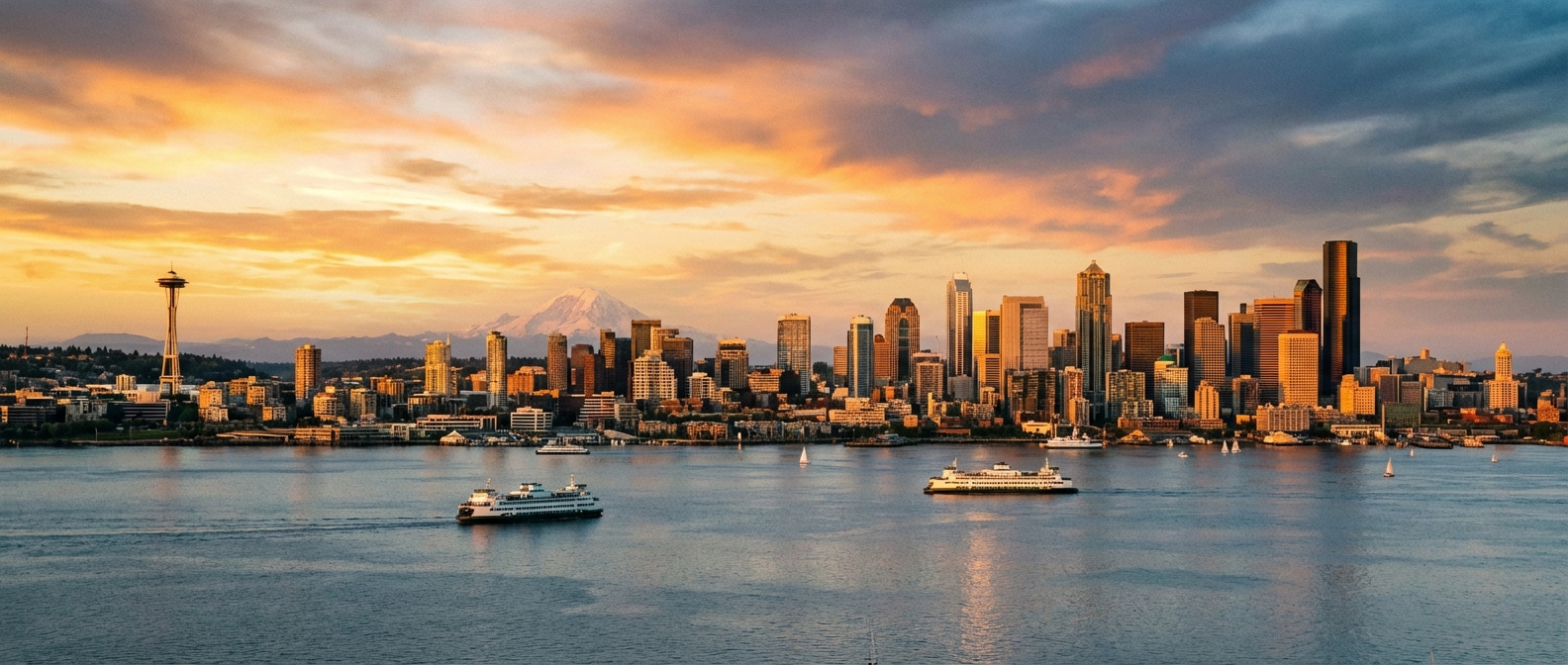
Quick decision: Seattle or Portland?
- Choose Seattle if you want big-city buzz, waterfront walks, museums, and strong day trips to Mount Rainier and the Snoqualmie Pass area.
- Choose Portland if you want a laid-back, neighborhood-first vibe, obsessive coffee culture, and a quick escape to the Columbia River Gorge or Mount Hood.
Quick reality check: The North Cascades are spectacular, but they're a longer push for a 3-day weekend (often 2.5 to 3+ hours each way depending on where you're headed). If you have an extra day, absolutely consider them.
Where to stay: Aim for a neighborhood that lets you walk to breakfast and transit. In Seattle, look at Belltown, Capitol Hill, or South Lake Union. In Portland, look at the Pearl District, Northwest, or the close-in Eastside around Buckman and Belmont.
Before you go: the weekend plan
Best time of year
July to early October is easiest for clear mountain views and reliable trail access. May, June, and October can be gorgeous, but expect lingering snow at elevation and more variable weather. In winter and early spring, keep the city portion and choose low-elevation hikes unless you have snow travel skills.
How to get around
- In the city: Use transit and rideshare. Parking is the quickest way to turn a fun morning into a logistical sport. If you do bring a car, pick a hotel with a garage and plan to leave it there.
- For Day 3: A rental car makes life simple. If you don't want to drive, book a reputable day tour, especially for Mount Rainier or winter Mount Hood.
Reservations and permits to check
- National parks and popular corridors: Timed entry, parking reservations, and seasonal access rules change year to year. Check the current program and alerts for Mount Rainier and the Columbia River Gorge the week of your trip.
- Popular trailheads: Arrive early. In the PNW, “early” often means before 8:00 am on summer weekends.
My rule: plan one “must-eat” and one “must-see” per day, then leave breathing room for the unexpected. The PNW rewards wandering.
Day 1: City day
Seattle Day 1: waterfront + neighborhoods
Morning: Start at Pike Place Market early, ideally before the crowd crush. Skip the temptation to treat it like a checklist and instead do a slow loop: watch fish fly, browse produce stands, then grab something warm and handheld for a waterfront stroll.
Late morning: Walk down to the Seattle Waterfront and follow it toward the Olympic Sculpture Park. On a clear day, this is one of the best “Seattle is really here” views, with ferries cutting across Elliott Bay.
Afternoon: Head to Capitol Hill for bookstores, record shops, and a neighborhood lunch. This is a great spot to build in museum time too, depending on your interests.
Evening: Do sunset in Kerry Park if visibility is good. If it's not, go for cozy: find a low-lit dinner spot and end with a walkable dessert stop.
Rainy-day swap: Go museum-heavy (SAM, MOPOP, or the Aquarium) and make it a coffee crawl between neighborhoods.
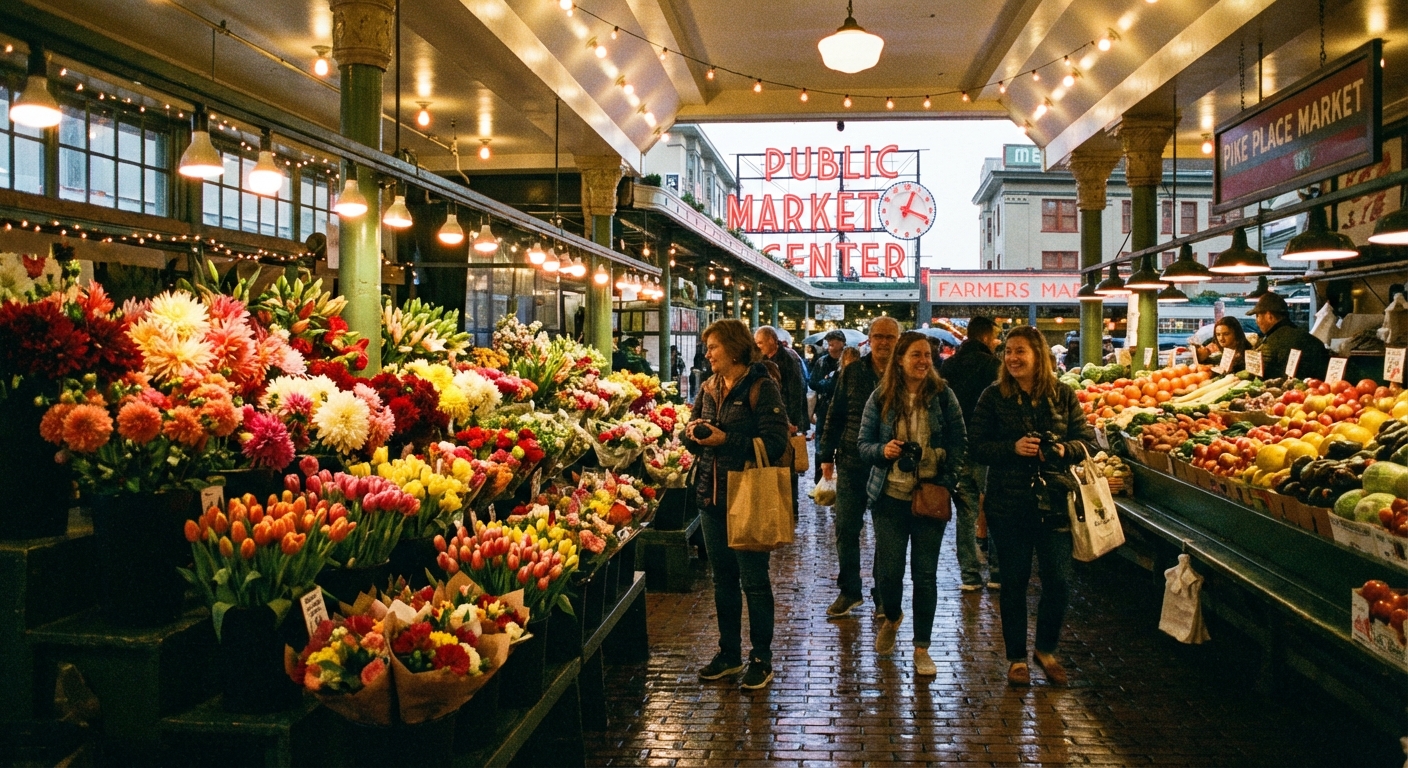
Portland Day 1: Pearl + riverfront
Morning: Begin with a proper Portland coffee stop, then walk the Pearl District and nearby streets where old warehouses now hold galleries, boutiques, and bakeries. If you like to start trips with a little culture, this is your zone.
Late morning: Make time for Powell’s City of Books. Even if you're a “carry-on only” traveler, you can still browse like you're moving in. The trick is buying one slim book and letting it be the souvenir.
Afternoon: Wander toward the Willamette River for a long, flat walk. If the weather is doing its moody PNW thing, the riverfront still feels cinematic.
Evening: Plan dinner around a neighborhood you want to see after dark. Portland shines in small moments: a corner bar, a food cart line that moves fast, a late-night pastry window.
Rainy-day swap: Lean into the classics: Powell’s, a long lunch, then an afternoon of tasting flights (coffee, chocolate, or local beer) without leaving close-in neighborhoods.
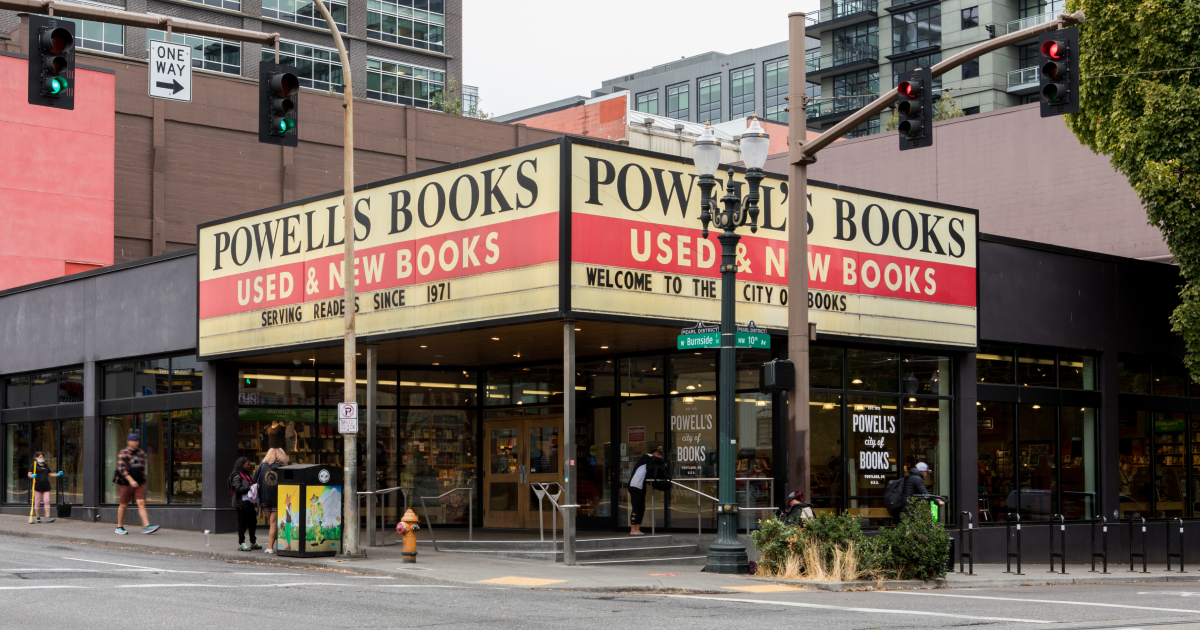
Day 2: City day
Seattle Day 2: parks + ferry
Morning: Start with coffee and something baked, then aim for Discovery Park or Green Lake depending on your mood. Discovery feels like you left the city without leaving the city. Green Lake is great for an easy loop and people watching.
Midday: Take a Washington State Ferries round trip to Bainbridge Island. Walk-ons are easy and you don't need a car. Sit outside if you can, even if it's chilly. The wind is part of the experience. Once on the island, stroll, snack, and keep it simple.
Afternoon: Back in Seattle, pick one focused stop: a museum, a neighborhood wander in Ballard or Fremont, or a second market run for edible gifts.
Evening: Eat somewhere that feels distinctly Seattle, then pack for tomorrow's early start. Future you will be grateful.
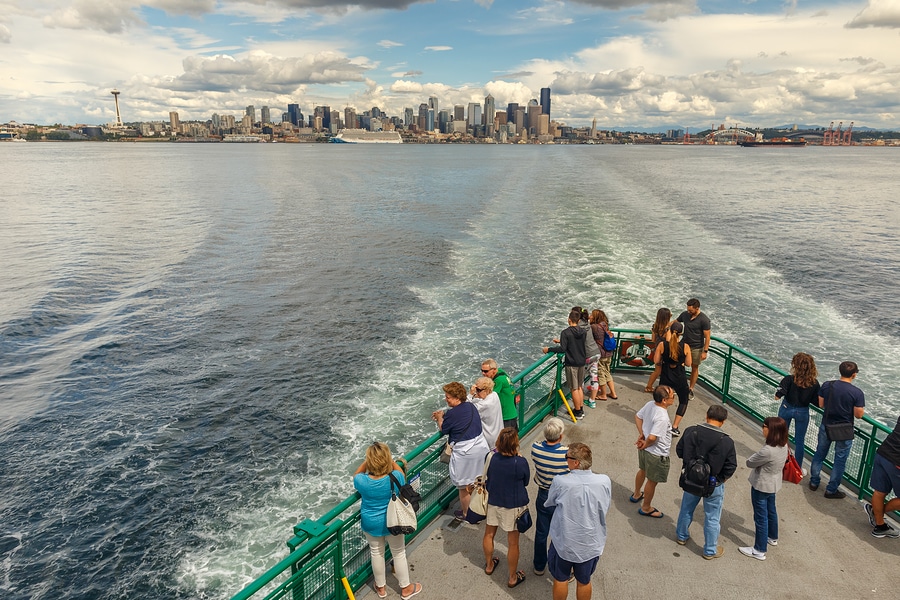
Portland Day 2: parks + food carts
Morning: Spend the first half of the day in Washington Park. You can pair the International Rose Test Garden with a forested walk in Forest Park if you want a taste of trail time before the big hike tomorrow.
Afternoon: Cross to the Eastside for a neighborhood hop. Walk Hawthorne or Belmont, pop into a couple shops, and grab a second coffee. Portland is a city where “just one more block” turns into the best part of your day.
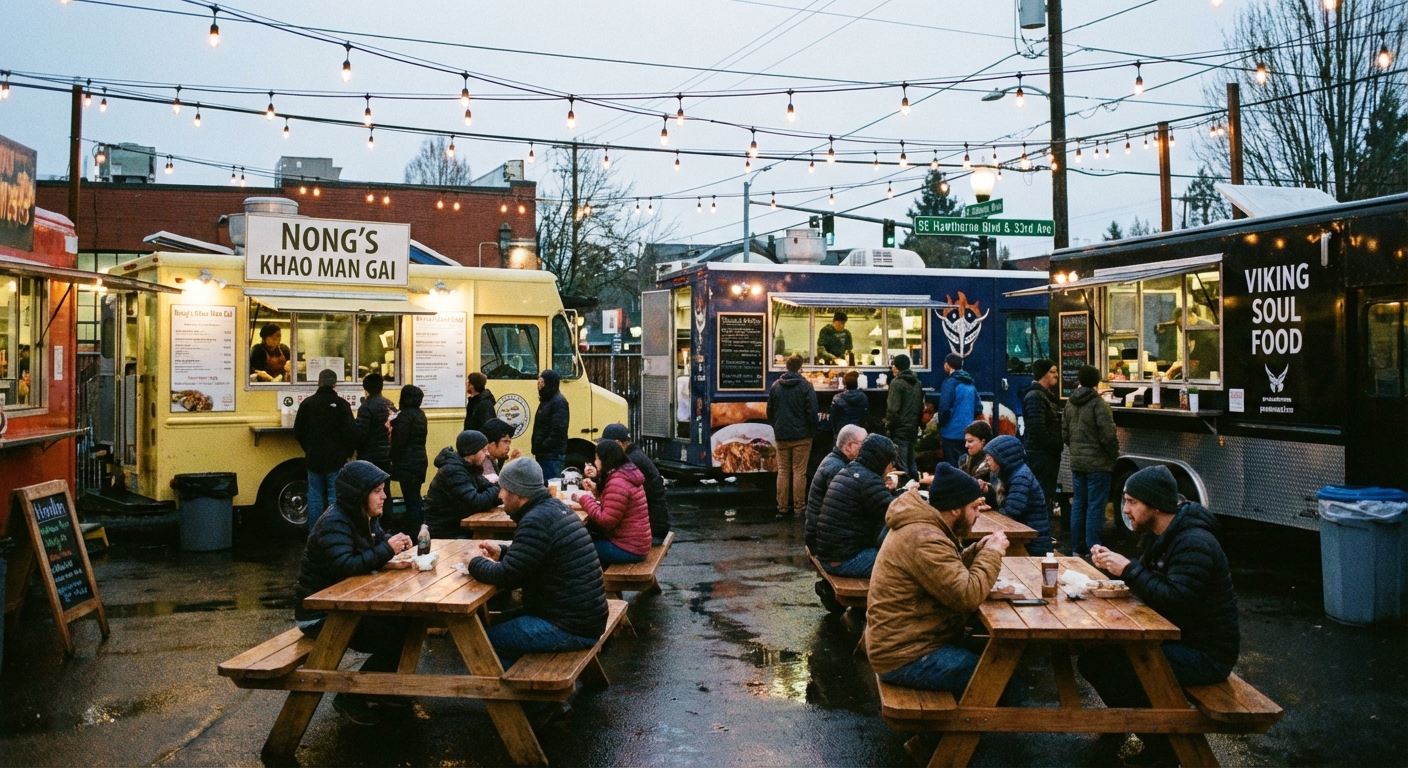
Evening: Do a food cart dinner. Go with a group strategy even if you're traveling solo: order one thing you know you'll like, and one thing you've never tried.
Day 3: Mountain day
Day 3 is the payoff. Start early, bring layers, and don't underestimate how long it takes to get out of the city and onto the trail. The PNW is close to wilderness, but it's still real wilderness.
Start times and drive-time reality
- Seattle to Mount Rainier: Often about 2 to 2.5+ hours each way depending on entrance and traffic. On summer weekends, try to leave by 6:00 am.
- Portland to the Columbia River Gorge (Waterfall Corridor): Often about 40 to 60+ minutes each way depending on your stop. Leave by 7:00 am if you want parking without drama.
- Portland to Mount Hood (Timberline and nearby trailheads): Often about 1.5 to 2 hours each way. Leave by 7:00 am.
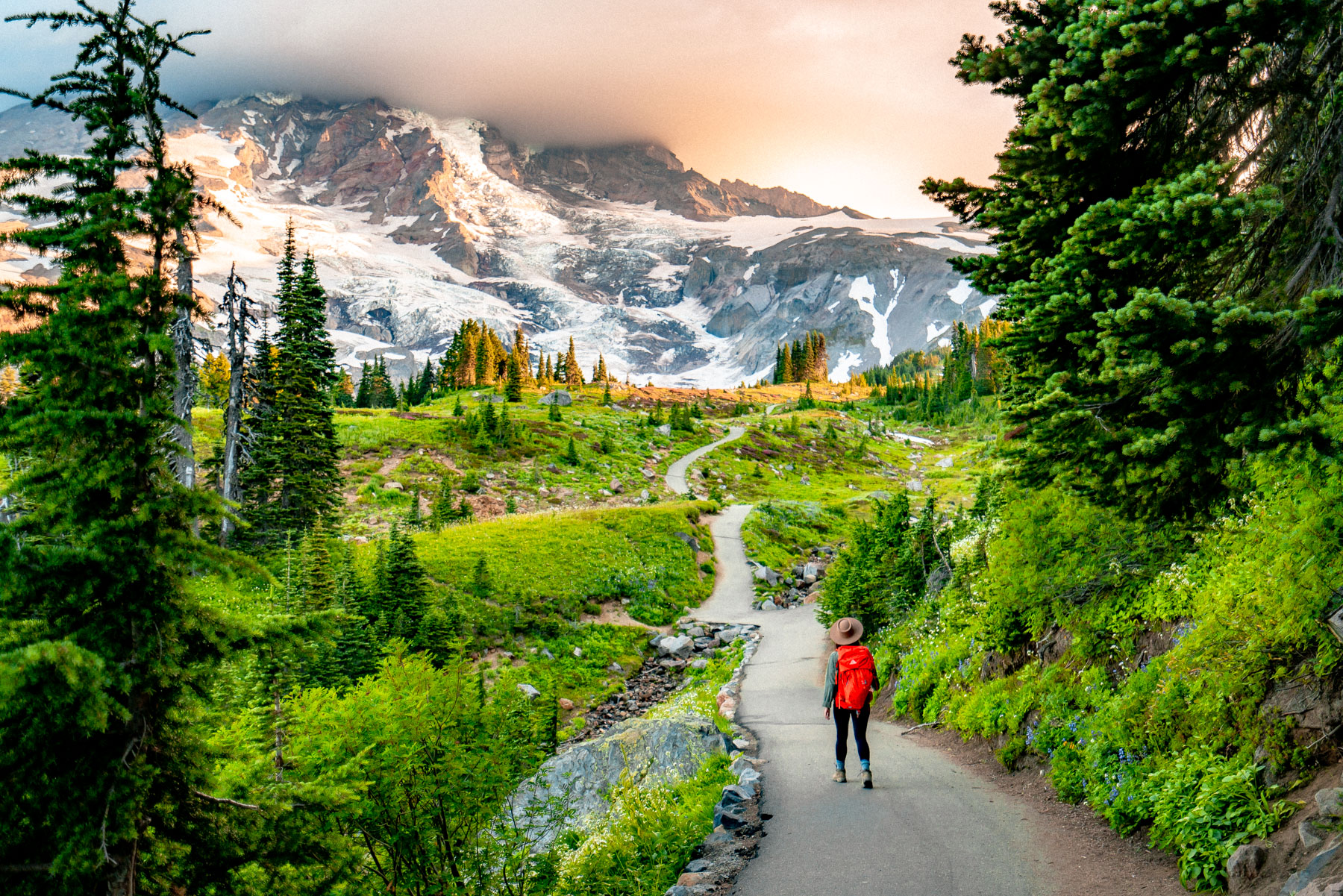
Option 1: Seattle to Mount Rainier
Why go: Subalpine meadows, big volcano views, and the kind of air that makes you breathe deeper without thinking about it.
Best for: First-time visitors who want a signature PNW mountain day.
- Go-to areas: Paradise is the classic, reliably accessible summer hub. Sunrise is iconic too, but it's highly seasonal and often only open in summer into early fall (snow and road conditions decide the schedule).
- Hike menu (pick one):
- Easy to moderate: 3 to 5 miles, rolling elevation, big views if the weather cooperates.
- Moderate: 5 to 8 miles, more climbing, more space as you get away from the main viewpoints.
- Big day: 8 to 11 miles, early start required, best when trails are snow-free.
- Plan it: Choose one main hike and one short viewpoint walk. It keeps the day satisfying without turning it into a sufferfest.
Trail tip: If clouds are hanging low, commit anyway. Rainier reveals itself in pieces, and those dramatic breaks can be the most memorable moments.
Permits note: Entry and parking systems can change. Check the current Mount Rainier access rules and alerts before you go.
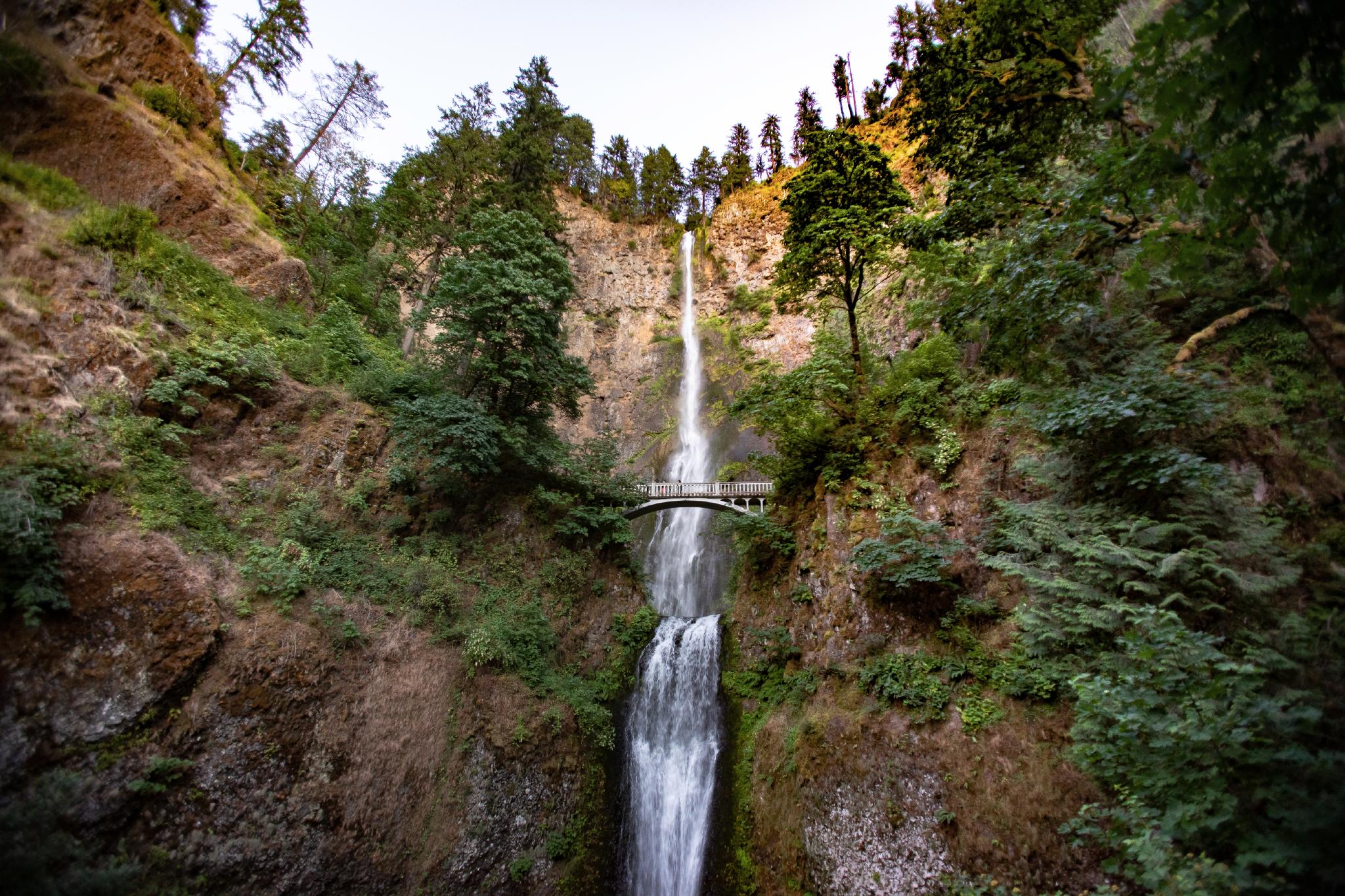
Option 2: Portland to the Columbia River Gorge
Why go: Waterfalls, basalt cliffs, and some of the biggest scenery per mile you can get on a day trip.
Best for: Travelers who want moderate hikes, lush forests, and waterfall payoff.
- Classic stops: Multnomah Falls is famous for a reason, but pair it with a longer trail or a quieter nearby hike for balance.
- Hike menu (pick one):
- Easy: 1 to 3 miles, mostly for waterfall viewing and short forest walks.
- Moderate: 3 to 7 miles with elevation for viewpoints above the crowds.
- Longer payoff: 7 to 10 miles if you want a full day that feels like you earned dessert back in Portland.
- Access note: Some seasons bring corridor permits, timed-use systems, and parking restrictions along the Historic Columbia River Highway area. Check current rules and closures before you go.
Leave-no-trace reminder: Stay on trail near waterfalls. The edges are fragile, slippery, and not worth the photo.
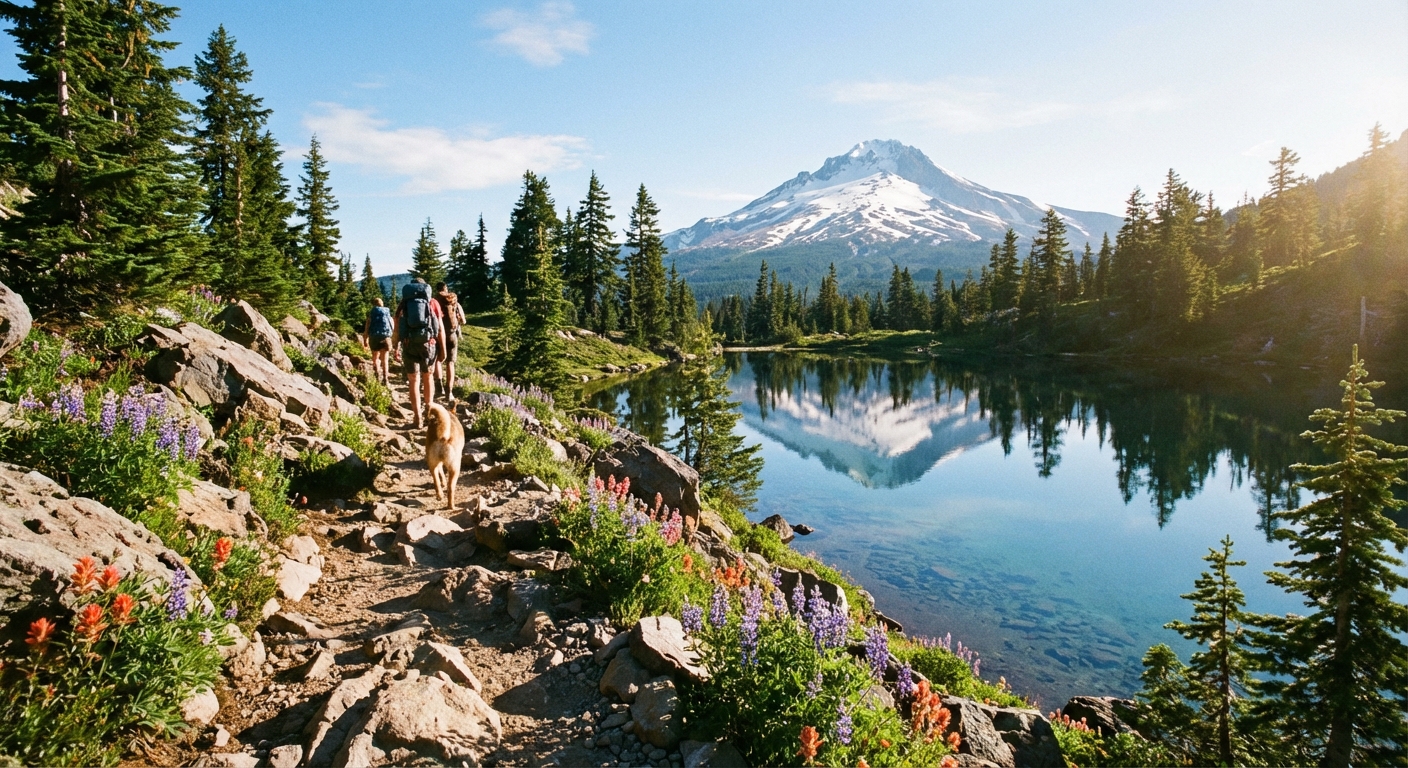
Option 3: Portland to Mount Hood
Why go: A true mountain vibe close to the city, with alpine lakes, forest trails, and snowy peaks that look painted on clear days.
Best for: Travelers who want a mountain-lake hike in summer or snow play in winter.
- Summer hike menu (pick one):
- Easy to moderate: 2 to 5 miles to a lake or viewpoint with classic Hood scenery.
- Moderate: 5 to 8 miles for bigger views and fewer people once you get past the first mile or two.
- Winter note: Carry traction, check road conditions, and don't treat mountain weather like a city forecast.
Mountain-day safety and etiquette
- Think “10 essentials”: You don't need to be hardcore, but you do need the basics (layers, water, food, light, and a way to navigate).
- Download offline maps: Service drops fast once you're out of town.
- Set a turnaround time: Pick one before you start, especially if you arrived later than planned.
- Wildlife space: Admire from a distance. Your zoom lens is braver than you are.
- Trail courtesy: Stay on trail, yield smartly, and keep noise low near viewpoints so everyone gets their moment.
What to pack
The PNW is a layering masterclass. You can go from sunny to drizzle to windy viewpoint in one hike, then back to a restaurant with a dress code that is really just “clean shoes preferred.”
- Shell jacket: Waterproof or at least highly water resistant.
- Midlayer: Fleece or light puffy.
- Trail shoes: Grippy soles. Trails can stay muddy even in summer.
- Daypack essentials: Water, snacks, small first aid kit, headlamp, sun protection, and a portable charger.
- Navigation: Offline maps on your phone, plus a battery plan (portable charger counts).
- City comfort: One outfit that feels a little nicer, plus a pair of socks you actually want to walk in all day.
Coffee shop vibes
My unofficial metric is simple: good espresso, natural light, and enough seating that you don't feel guilty taking ten minutes to map tomorrow's trail.
- Seattle: Look around Capitol Hill, Pioneer Square, and Ballard for independent spots with serious beans. You will also notice a certain PNW minimalism: clean design, quiet confidence, and very good pastry.
- Portland: The Pearl and the Eastside are full of cafes that treat coffee like craft and service like a friendly ritual. Micro-roasters are everywhere, and it is completely normal to have strong opinions about them.
Sustainable travel tips
- Stay central: You'll walk more and rideshare less.
- Pick one big nature day: It reduces driving while still delivering the wilderness payoff.
- Pack reusables: Water bottle, tote, and a small utensil set if you love food carts and markets.
- Support local: Buy snacks at neighborhood grocers, tip well, and choose locally owned shops for souvenirs.
3-day snapshot
If you base in Seattle
- Day 1: Pike Place, waterfront, Capitol Hill, sunset viewpoint
- Day 2: Park morning, Bainbridge ferry, neighborhood dinner
- Day 3: Mount Rainier day trip and a well-earned burger on the way back
If you base in Portland
- Day 1: Pearl District, Powell’s, riverfront, neighborhood night
- Day 2: Washington Park, Eastside wander, food carts
- Day 3: Columbia River Gorge waterfalls or Mount Hood alpine day
Final notes
The biggest mistake I see on PNW weekends is trying to do too much. Two strong city days give you texture: neighborhoods, conversations, the weird little shops that make a place feel like itself. One strong mountain day gives you perspective. Put them together and you get the full Pacific Northwest story in 72 hours, with enough calm built in that you still feel like a human on Monday.