48 Hours in New Orleans

Maya Lin
Maya Lin is a travel journalist and outdoor enthusiast who believes the best trips combine rugged adventures with urban comforts. After spending six years backpacking across four continents, she founded Trail & Town Guide to help fellow travelers navigate both hidden mountain passes and bustling city neighborhoods with confidence.
New Orleans is one of the few American cities where a weekend trip can actually feel like you lived a whole chapter of life. The trick is to let the city’s natural rhythm do the planning for you: mornings for quiet streets and coffee, afternoons for shade and museums, nights for music. This 48-hour route blends classic hits in the French Quarter with a slower, oak-lined reset in the Garden District, plus a food timeline that will not leave you sprinting between reservations with powdered sugar on your shirt.
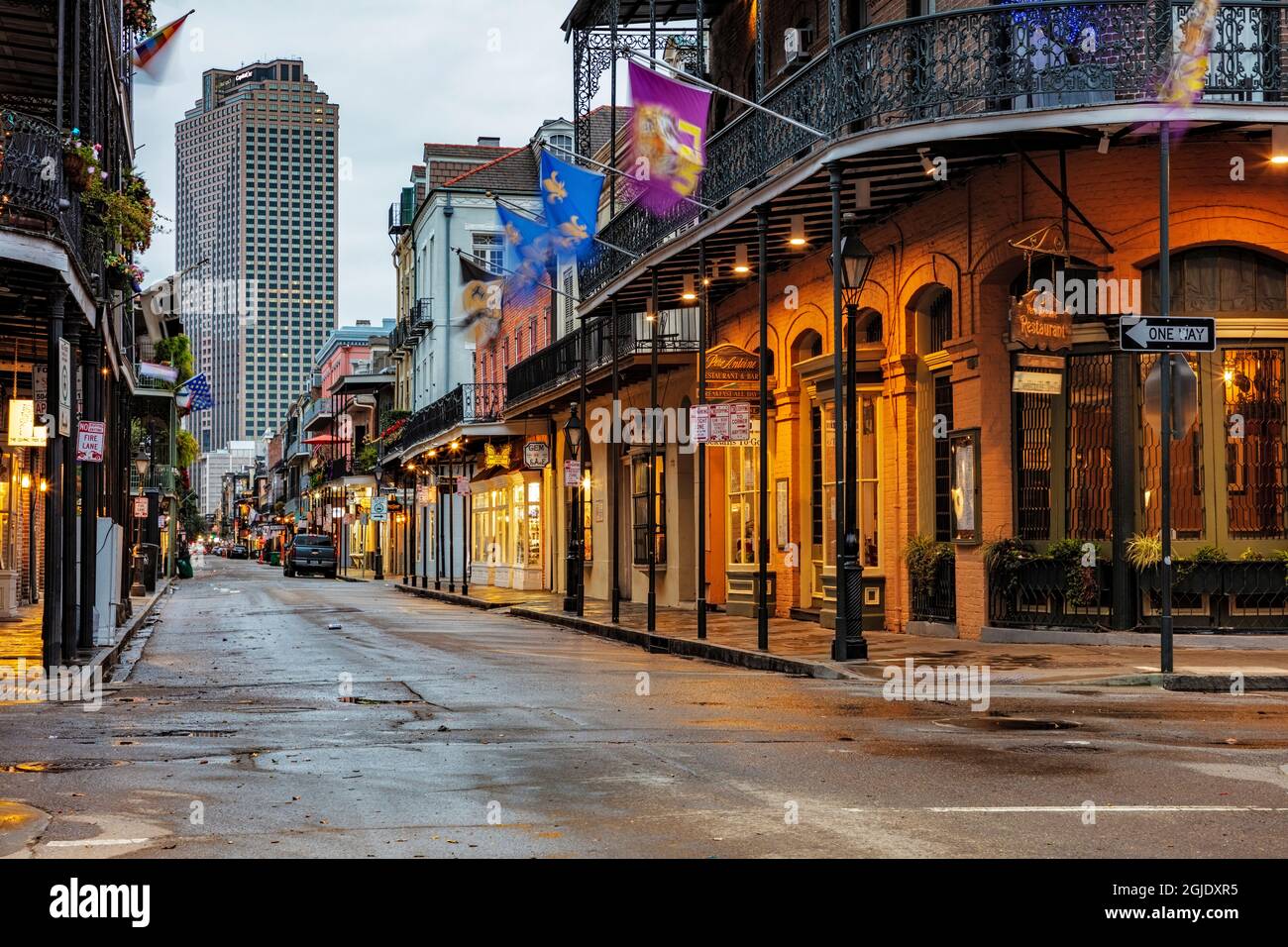
Maya’s weekend rule: In New Orleans, you do not fit it all in. You pick two neighborhoods, eat on purpose, and leave room for the best part: the unexpected band, the courtyard you wander into, the late-night bowl of gumbo that saves you.
Where to stay
For a 48-hour itinerary, location is everything. You want to be close enough to walk home at night, but far enough away to sleep.
Best base for this itinerary
- French Quarter edges: Look near Esplanade Avenue (the quieter, leafy side) or the lower Quarter near French Market. You can walk to the action and retreat when you need quiet.
- Central Business District (CBD) / Warehouse District: A strong choice if you want larger hotels, easier rideshare pickup, and quick access to both the Quarter and the Garden District. Nights are calmer, mornings are easier.
If you want porch-swing energy
- Garden District / Lower Garden District: Beautiful, relaxed, and great for an early night. You will rideshare or streetcar into the Quarter for nightlife, but you will wake up feeling human.
Crowd-avoidance tip: If your dates overlap with a major festival, book a base outside the French Quarter but on the same side of the river (CBD, Warehouse District, Lower Garden District). Crossing the river to sleep looks close on a map, but it adds friction when your feet are tired.
Before you go
Getting around
- On foot: The French Quarter is compact and best experienced walking.
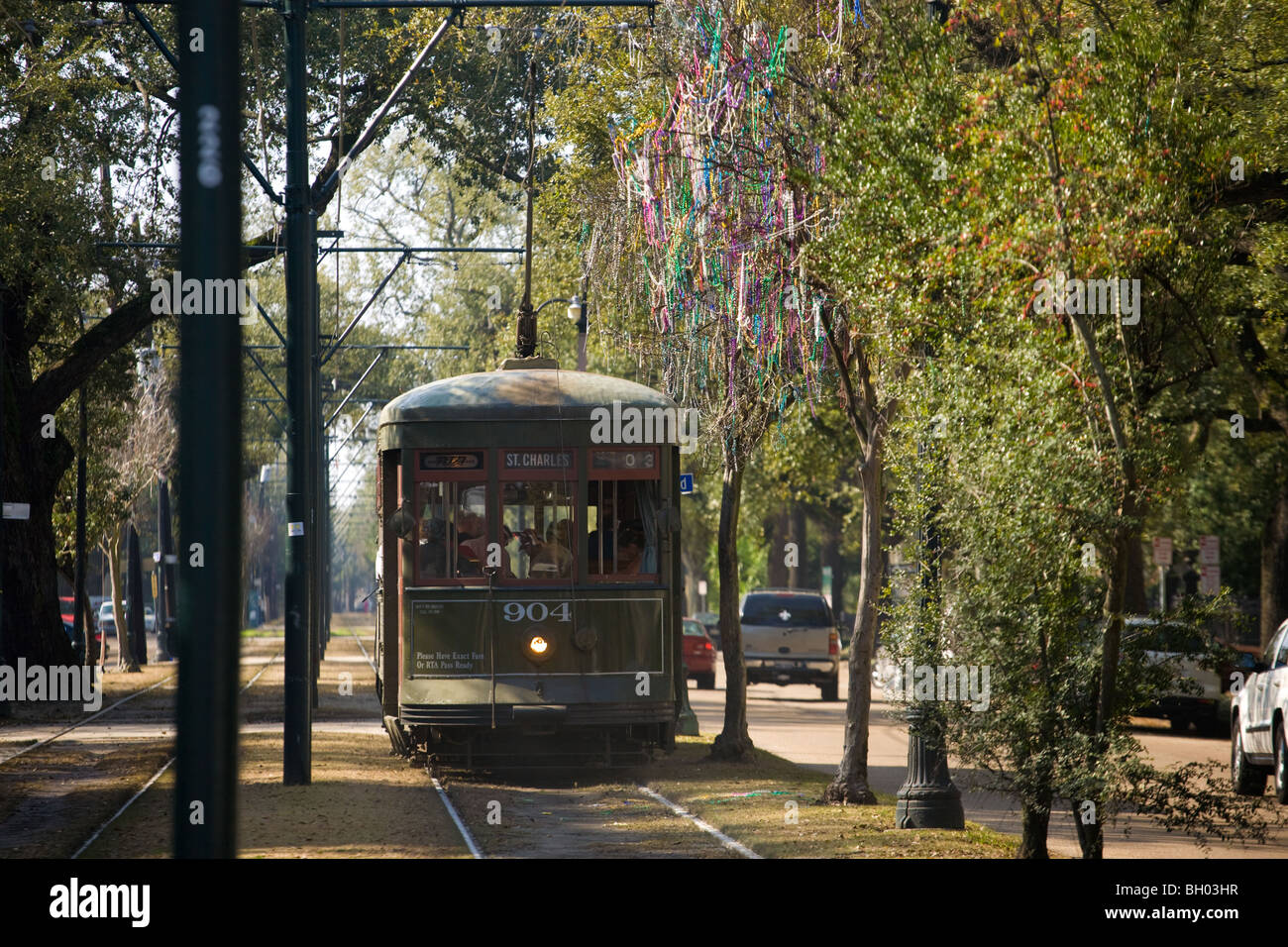
- Streetcar: Take the St. Charles Streetcar for the Garden District. It is scenic and often slower than rideshare in peak traffic, in a good way.
- Rideshare: Useful late at night or if it is brutally humid. Pickup in the Quarter can get chaotic on weekend evenings, so walking a few blocks toward Canal Street often makes it easier.
Carry-on packing, New Orleans edition
- Comfortable closed-toe shoes for uneven sidewalks and surprise rain.
- Light rain jacket (umbrella-friendly city, but wind and crowds happen).
- Refillable water bottle and electrolytes if it is warm.
- A slightly nicer top for a jazz club or classic dinner spot.
Seasonality notes
- Summer: Plan extra indoor breaks. Humidity is not a personality trait you can out-walk.
- Late summer and early fall: Peak heat plus hurricane season. Keep plans flexible and consider travel insurance if you are booking far ahead.
- Winter and spring: The easiest weather, but also the busiest stretch with parades, festivals, and higher hotel prices. Book earlier and lean on off-peak meal times.
Late-night basics
- Keep it simple: Carry what you need, keep valuables secure, and stick to well-lit streets when walking late.
- Have a pickup point: For rideshare, choose a specific cross street a few blocks off the busiest part of the Quarter.
Day 1 (Saturday): French Quarter
8:00 AM: Coffee, then beignets
Start with a real coffee before you commit to powdered sugar. The Quarter has plenty of strong options, and the goal is simple: caffeine + a calm walk before the streets turn into a parade of brunch lines.
Then go for beignets. If you want the iconic experience, go early. If you want the pastry without the queue, pick an off-peak time when you can.
- Iconic pick: Café Du Monde (go early, embrace the chaos).
- Also solid: Café Beignet (multiple locations, often a bit calmer).
- Order: Beignets plus café au lait.
- Reality check: You will wear powdered sugar. Dark shirts are brave.
9:30 AM: French Quarter loop
Here is a walking order that keeps you ahead of the biggest clusters and lets the Quarter reveal its details.
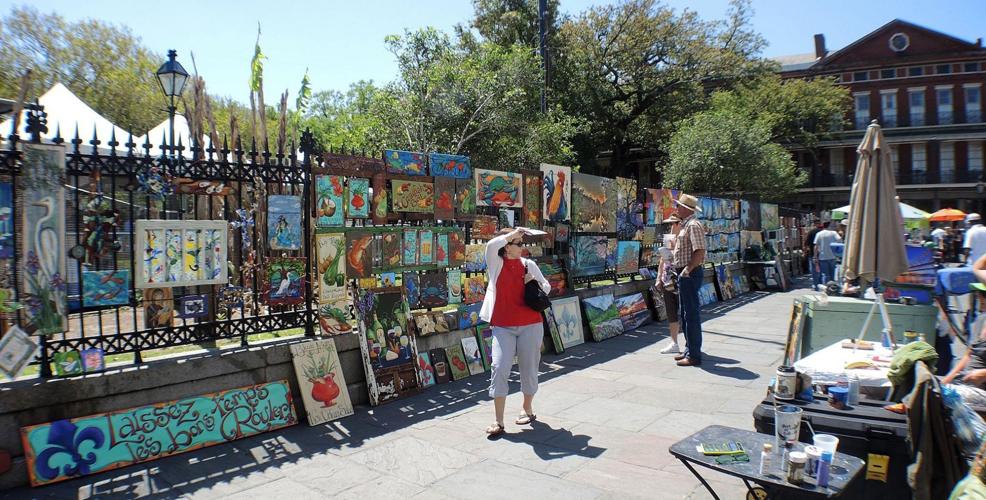
- Jackson Square while it is still relatively calm. Look for the small moments: artists setting up, the light on the cathedral, the slow morning pace.
- Chartres Street for architecture and courtyards. Dip into any open gate that looks inviting, as long as signage allows it.
- Royal Street for galleries and historic facades. This is one of the prettiest walks in the neighborhood.
- French Market area for a more open-air feel and an easy transition toward lunch.
Timing tip: Bourbon Street is more fun as a quick peek in daylight and a people-watching stroll later at night. In between, it is often just loud.
12:00 PM: Po’boy lunch
A po’boy is not just a sandwich, it is a whole New Orleans mood: crusty French bread, fried or roast filling, shredded lettuce, tomato, pickles, mayo, and hot sauce if you like a little heat.
- Classic choices: Fried shrimp, fried oyster, roast beef with gravy.
- How to order: If you are torn, pick fried shrimp for crunch or roast beef for messy comfort. Either way, grab extra napkins.
- Easy, reliable names: Parkway Bakery and Tavern (worth the short ride), or Verti Marte (great if you want something fast and casual in the Quarter).
- Timing: Aim for noon or 2:00 PM to miss the lunch wave.
1:30 PM: Cool-down break
New Orleans heat and humidity can sneak up on you, even in milder months. Give yourself a mid-day indoor break. This is also when the city feels less like a sprint and more like a weekend.
- Good options nearby: The Historic New Orleans Collection (easy and close), or the New Orleans Jazz Museum if you want a music-forward stop.
- If you want bigger museum energy: The National WWII Museum is excellent, but plan a longer block and book tickets in advance on busy weekends.
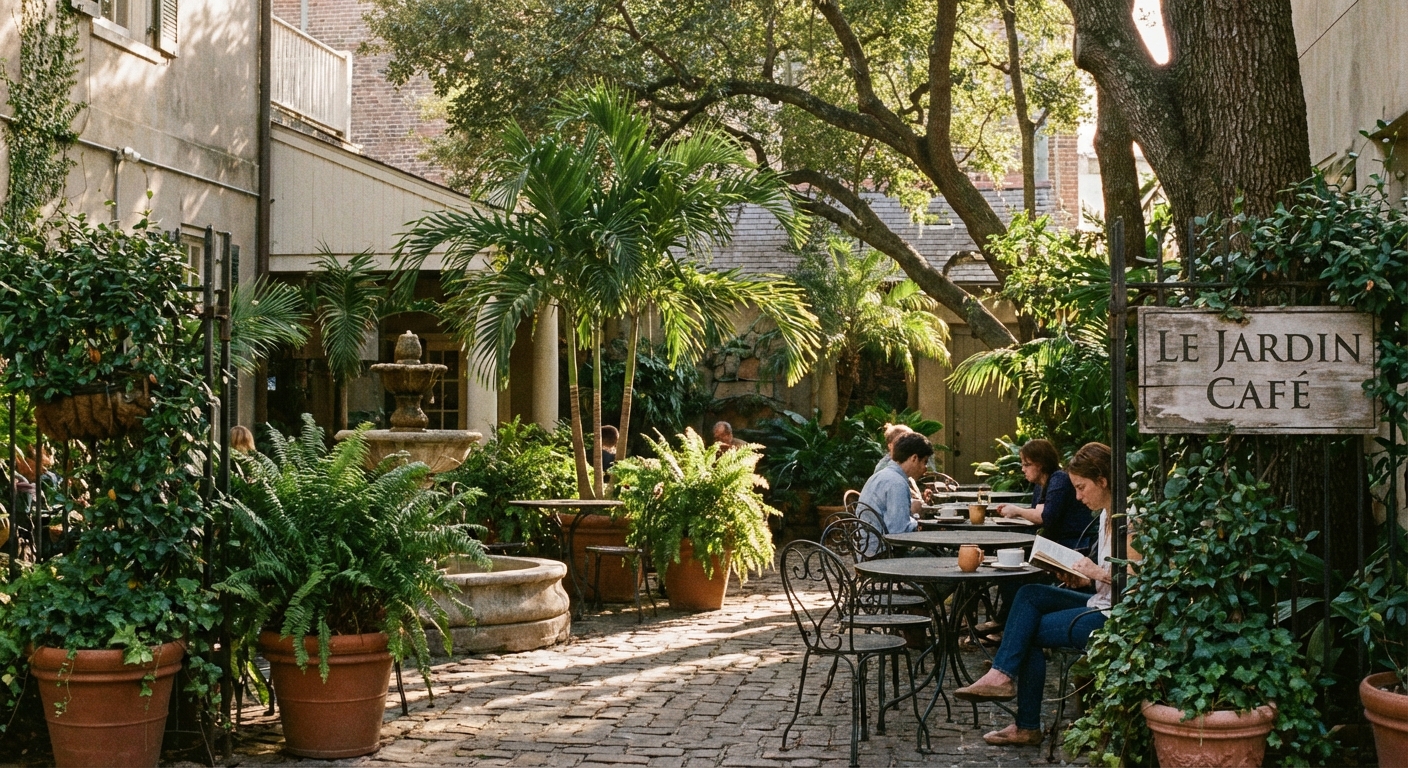
- Low-effort option: A shaded courtyard sit with iced coffee and zero guilt.
3:30 PM: Cemeteries, respectfully
New Orleans cemeteries are iconic, but they are also sacred places and, in many cases, actively maintained by families and communities. A little etiquette goes a long way.
- Check current access rules: Some cemeteries restrict entry or require guided tours. Look up the latest status before you go and respect posted signage and staff direction.
- Stay on paths: Do not step on tombs or climb for photos.
- Keep it quiet: Treat it like a place of remembrance, not a set.
- Leave no trace: Do not leave coins, trinkets, or offerings. When in doubt, leave nothing.
- Photography: If you take photos, keep them respectful. Avoid posing on graves or treating markers as props.
Planning note: From the Quarter, the most common choice is St. Louis Cemetery No. 1, which often has specific entry rules. If access is limited during your visit, swap this slot for City Park’s sculpture garden, a longer Quarter wander, or an extra museum stop. The weekend still works.

6:00 PM: Creole dinner
New Orleans menus can feel like a culinary history lesson in the best way. Here is the simplest, useful distinction:
- Creole: City cooking with layered influences from the port and generations of home kitchens. You will often see more sauces and a broader mix of ingredients. Tomatoes show up in some classics, but they are not a rule.
- Cajun: Rural Louisiana roots, hearty comfort, and a love for one-pot dishes. Bold seasoning, deep flavor, and plenty of smoked and stewed goodness.
For your first night, go Creole. It matches the French Quarter mood and sets the tone.
- Great first-night orders: Gumbo (ask what style they do), shrimp Creole, red beans and rice (often a Monday tradition, but you will see it), étouffée, or turtle soup if you are feeling classic.
- Reservation tip: Book for 6:00 to 6:30 PM. You beat the late rush and leave room for music after.
8:00 PM to late: Live music
New Orleans is a music city, but the experience changes block by block.
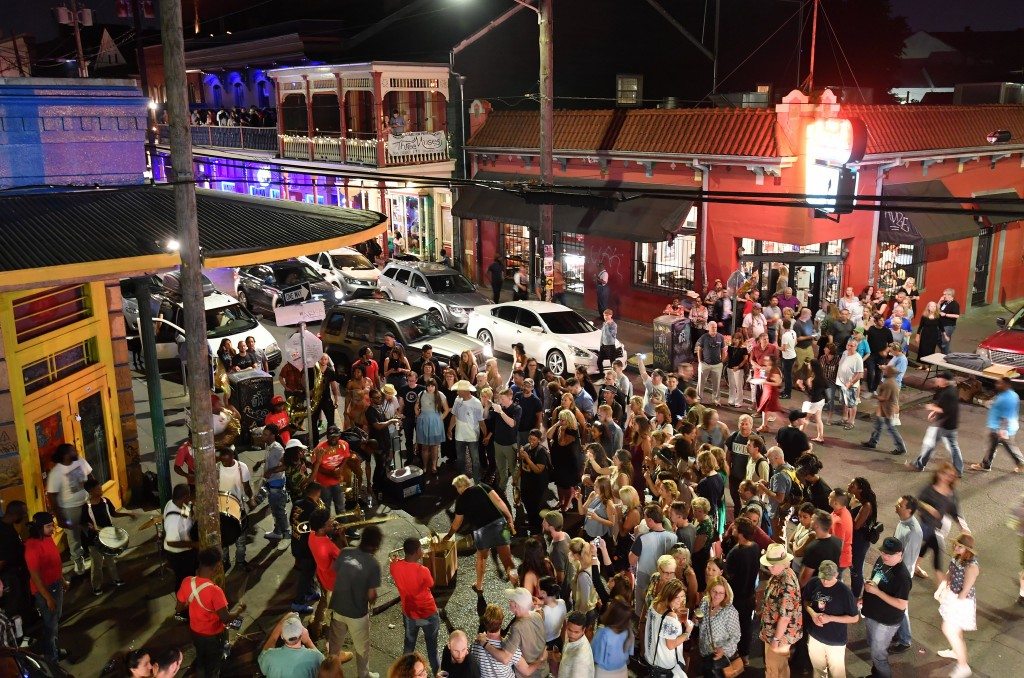
- Frenchmen Street: A concentrated strip with multiple venues. Easy for bar-hopping without over-planning. A reliable starting point is The Spotted Cat if you want a classic, lively room.
- French Quarter jazz rooms: Look for smaller spaces where the focus is the band, not the spectacle.
- CBD and Warehouse District venues: Often great sound, slightly less chaos, and easier logistics if you are staying nearby.
Logistics tip: If you want a seat and a good view, show up before peak time. In New Orleans, we will just pop in often means standing in a doorway for two sets.
Day 2 (Sunday): Garden District
8:30 AM: Streetcar to St. Charles
Take the St. Charles Streetcar in the morning when it feels almost meditative. This is your reset after a late night, and it is one of the most classic New Orleans experiences that still feels local.
9:15 AM: Garden District loop
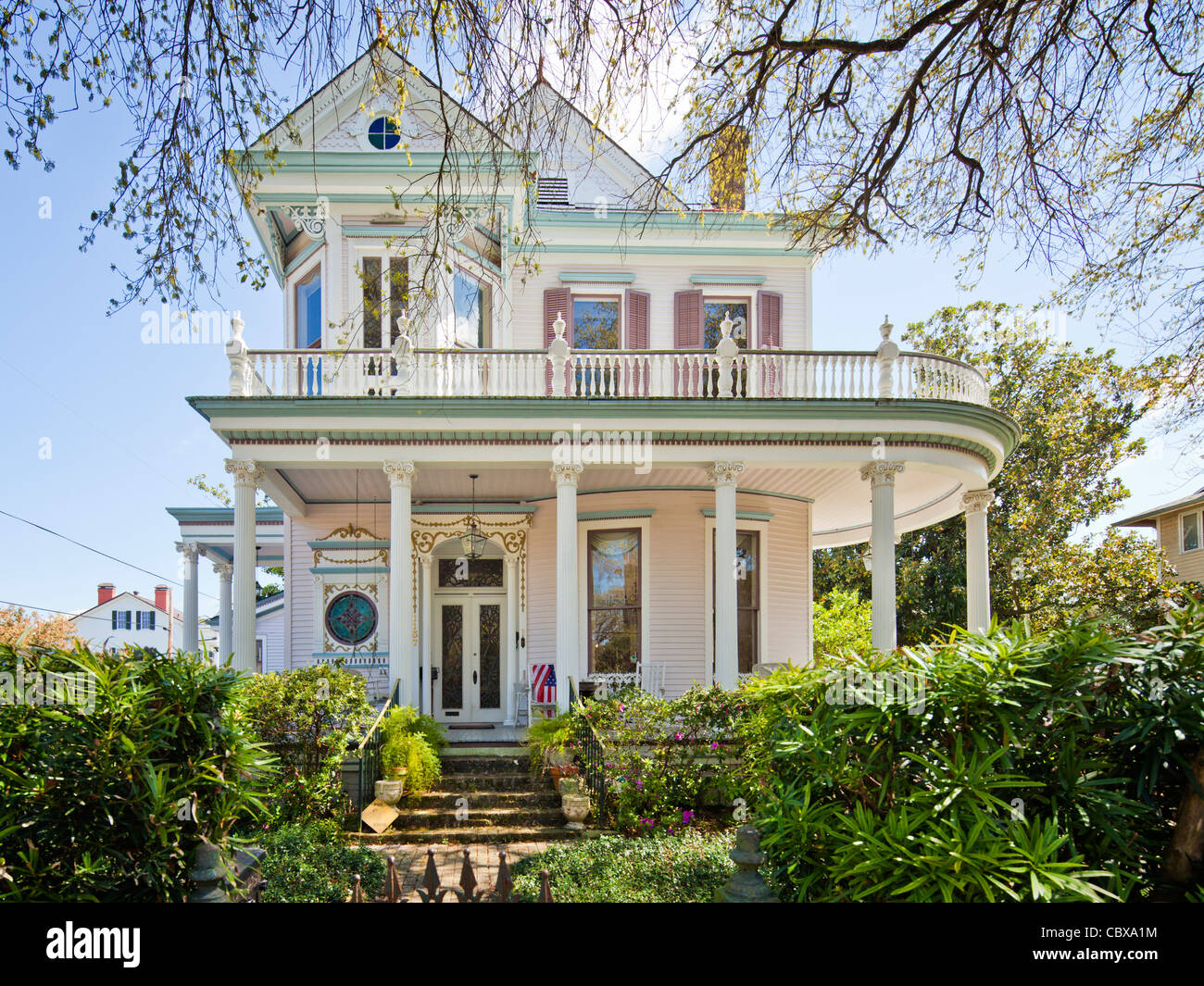
The Garden District is best as a slow walk with plenty of stops for photos and porch envy. Here is a simple loop:
- Start near St. Charles Avenue and walk inward on the residential streets.
- Lafayette Cemetery No. 1 area (status can change). Check current access in advance. If it is closed, treat it like permission to keep strolling.
- Magazine Street for boutiques, small galleries, and snack breaks.
Neighborhood note: These are people’s homes. Keep voices down, do not step onto porches or private property for photos, and treat it like a place you might actually live.
11:00 AM: Brunch
Sunday brunch in New Orleans is famous and busy. If you want to avoid losing half your day in a line, pick one of these strategies:
- Go early: Arrive right when places open.
- Go late: Brunch at 1:00 PM feels rebellious and is often easier.
- Go simple: Café breakfast and a pastry, then a bigger early dinner.
Order something that feels New Orleans without tipping into food-coma territory. You still have walking to do.
1:00 PM: Sunday afternoon (choose one)
- Option A: Magazine Street linger for shopping, local design, and a second coffee.
- Option B: Audubon Park for a green reset that actually makes sense geographically from St. Charles. Big oaks, open paths, and a calmer pace.
- Option C: Back to the Quarter for any landmarks you skipped on Day 1, now that you know the layout.
3:30 PM: One last sweet stop
If beignets were your morning, make your afternoon something different: pralines, a scoop of ice cream, or a slice of pie from a bakery. This is also an ideal time for one more slow coffee shop sit, a perfect way to end a trip.
Your food timeline
Here is a simple schedule that keeps you from stacking heavy meals back-to-back.
- Saturday breakfast: Coffee, then beignets.
- Saturday lunch: Po’boy.
- Saturday dinner: Creole classic plus a cocktail if you want it.
- Late Saturday: Something small if needed, like gumbo or a snack near music venues.
- Sunday breakfast or brunch: One standout meal, early or late to avoid lines.
- Sunday afternoon: A sweet or light snack.
- Sunday early dinner (optional): If you have time, go for a dish you missed, often Cajun or seafood-forward, then head out.
Creole vs Cajun cheat sheet
- If you want city-classic flavors: Choose Creole restaurants and dishes like shrimp Creole, redfish preparations, and rich sauces.
- If you want country-comfort energy: Look for Cajun staples like boudin, jambalaya, and smoky, slow-cooked flavors.
French Quarter crowd strategy
- Walk early: 8:00 to 10:00 AM is the magic window for photos and calmer streets.
- Eat off-peak: Lunch at 11:30 AM or after 2:00 PM, dinner at 6:00 PM.
- Use side streets: Royal and Chartres often feel more breathable than Bourbon.
- Plan one anchor per half-day: One big sight, one big meal, one music block. Everything else is bonus.
Mini add-ons
- Sunset riverfront walk: Great light, easy pace.
- A second neighborhood dip: Bywater for color and creativity, or the Warehouse District for museums and galleries.
- One more live set: Early evening jazz on Sunday is a perfect final note.
If you take nothing else from this plan, take this: New Orleans rewards travelers who leave space. Follow the music, drink water between cocktails, and let your weekend be two days of vivid moments instead of a checklist.