48 Hours in Seattle

Maya Lin
Maya Lin is a travel journalist and outdoor enthusiast who believes the best trips combine rugged adventures with urban comforts. After spending six years backpacking across four continents, she founded Trail & Town Guide to help fellow travelers navigate both hidden mountain passes and bustling city neighborhoods with confidence.
Seattle is my favorite kind of weekend city: you can do a serious amount of walking, eat extremely well, and still catch salt air and mountain views in the same day. The trick is to plan like a local who knows the weather will change its mind. This 48-hour route keeps you mostly on foot, with light rail, buses, and ferries filling the gaps. I built it for carry-on travelers, coffee people, and anyone who wants downtown highlights without feeling like they spent the whole trip in a rideshare.
Before you go
Where to stay (so you walk more and commute less)
- Downtown core (Pike Place, Belltown): Best for first-timers who want sunrise market strolls and easy waterfront access. Expect hills.
- Capitol Hill: Great for nightlife, cafés, and a neighborhood feel while still being light-rail close to downtown.
- South Lake Union: Convenient for the Seattle Center area and lakefront walks, with easy transit connections. It is close-ish to the Space Needle, but plan on a 20 to 30 minute walk or a short bus ride depending on where you start.
Getting around without a car
- Link light rail: The most useful line for airport connections and moving between downtown and Capitol Hill.
- Buses: Your best tool for Ballard, Fremont, and quick hops when you want to save your legs for the good walks.
- Ferries: A ferry ride doubles as an attraction. It is also your easiest “escape” option without a car.
- Streetcar (optional): Useful in small pockets (South Lake Union and First Hill). It is not essential for this specific 48-hour loop unless you are staying along its route.
Paying for transit: Tap to pay works on most transit, and an ORCA card (physical or digital) keeps things simple if you plan to ride more than once.
Seattle weather, packed like a carry-on pro
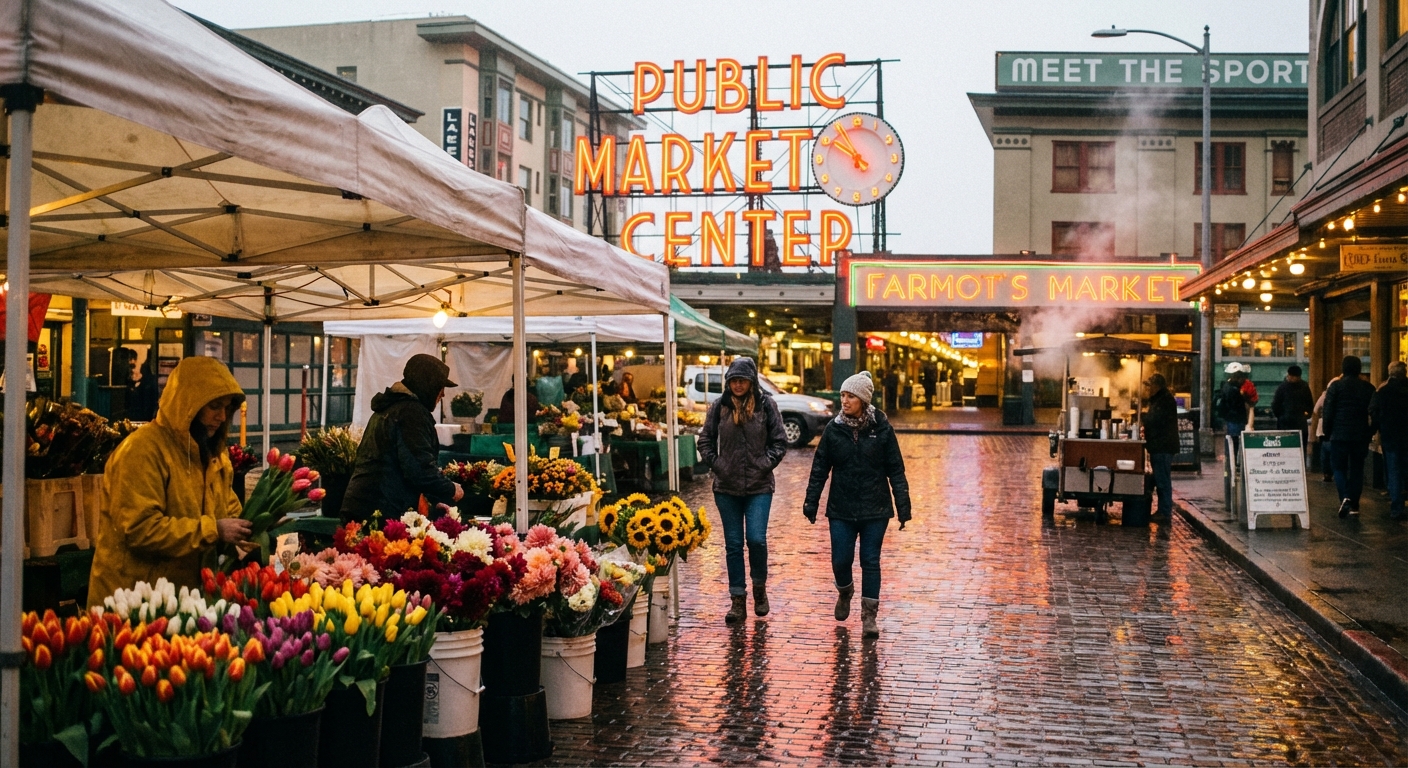
Seattle’s secret is not constant rain. It is fast-changing micro-weather, plus breezy waterfront air that can feel cooler than the forecast. Pack for layers, not for drama.
- Light waterproof shell with a hood (skip bulky umbrellas on crowded sidewalks)
- One warm mid-layer (fleece or thin puffer)
- Comfortable walking shoes with decent tread (wet brick and steep sidewalks can be slick)
- Quick-dry pants or jeans you can actually walk hills in
- Small day bag that fits a jacket, water, and market snacks
Accessibility and hills: Seattle elevation is real. If steep climbs are a barrier, use light rail, buses, and elevators where available, then focus your walking on flatter stretches like the waterfront and parks.
Heads up: The waterfront has ongoing changes and occasional detours. If something looks blocked, follow posted pedestrian routes and give yourself a few extra minutes.
Day 1: Pike Place, waterfront, sunset
Morning: Pike Place Market, done right
Start early, even if you are not an early person. Pike Place feels most magical before the crowds, when the produce stacks look freshly arranged and the first coffee orders are being shouted over the grinder. Enter from the upper level, wander down, and let your nose do some of the navigation. Give yourself about 2 hours if you like browsing, tasting, and taking photos.
- Game plan: Do a quick first lap without committing. Then come back for the things you actually want to carry.
- What to try: Fresh fruit in season, smoked salmon, a warm pastry, and something you have never cooked with before.
- Practical tip: If you buy anything breakable or messy, ask vendors about packing it for travel.
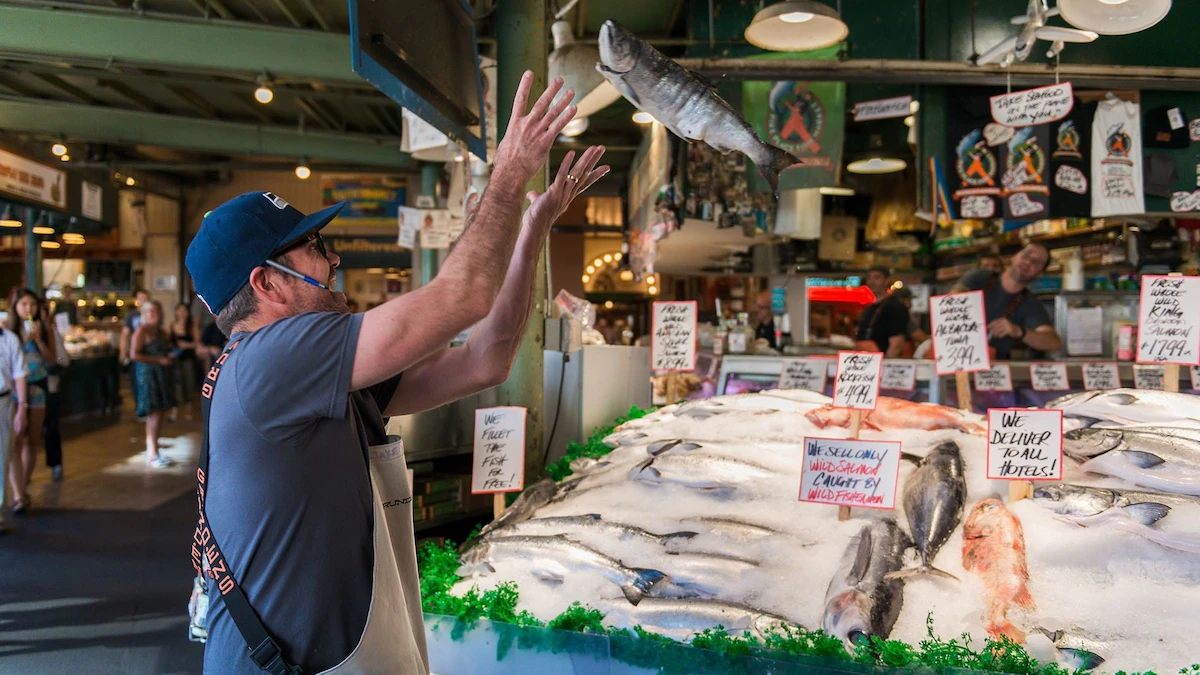
If you are traveling sustainably, this is a great place to build a low-waste lunch. Bring a reusable water bottle and say yes to items that do not require extra packaging.
Late morning: Stroll the waterfront
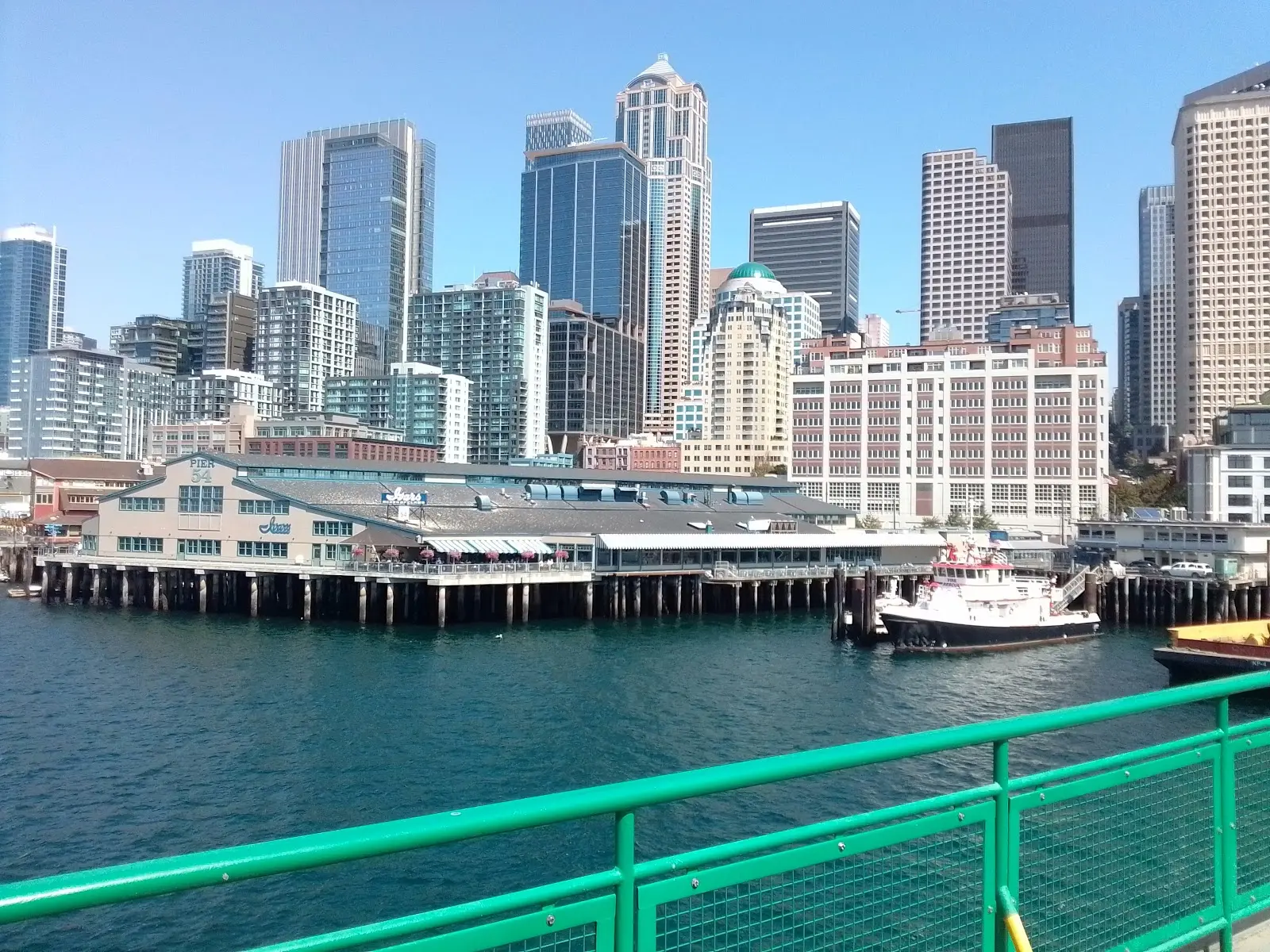
From Pike Place, walk downhill toward the waterfront. The reward is big: salt air, ferries gliding in, and a classic Seattle view of cranes, piers, and the Olympics in the distance on a clear day. Budget 60 to 90 minutes if you are stopping for photos and wandering the piers.
- Easy add-on: Pop into the Seattle Aquarium if the weather turns moody.
- Photo moment: Look back toward the hillside for that layered “city rising from the water” feel.
Lunch: keep it simple and local
My favorite lunch move is to eat like a market snacker: a few small bites that add up. If you want a sit-down reset, aim for something warm and comforting, because the bay breeze can sneak up on you even in summer.
- Market graze: Build a mini spread from counters inside Pike Place, then take it to a nearby perch.
- Warm and easy: Chowder or a hot bowl of something comforting hits the spot near the water.
- Concrete starting point: Try Post Alley for a short, scenic wander and a cluster of options when you want to commit to a table.
Afternoon: pick one area
Pick one area and commit, instead of trying to “do Seattle” all at once.
- Belltown: Good for dining, bars, and artsy corners like venues and occasional gallery stops, plus an easy walk back toward the water.
- Seattle Center area: Best if you want the Space Needle and nearby museums in one cluster.
- Pioneer Square: Historic architecture and a different texture than the shinier downtown blocks.
Evening: sunset views, then dinner
Seattle delivers at golden hour. Go for a viewpoint that matches your energy level: a paid observation deck if you want easy, or a park if you want relaxed and local.
- Classic: Space Needle, especially if visibility is good.
- Park views: Kerry Park for the postcard skyline, or Gas Works Park for a more casual, hang-out-and-watch feel. Bring a warm layer.
For dinner, stay in the same neighborhood you chose for the afternoon. Seattle is a city where a “quick bite” turns into a very long conversation over excellent food, and you should lean into that.
Day 2: Coffee, parks, neighborhoods
Morning: coffee first
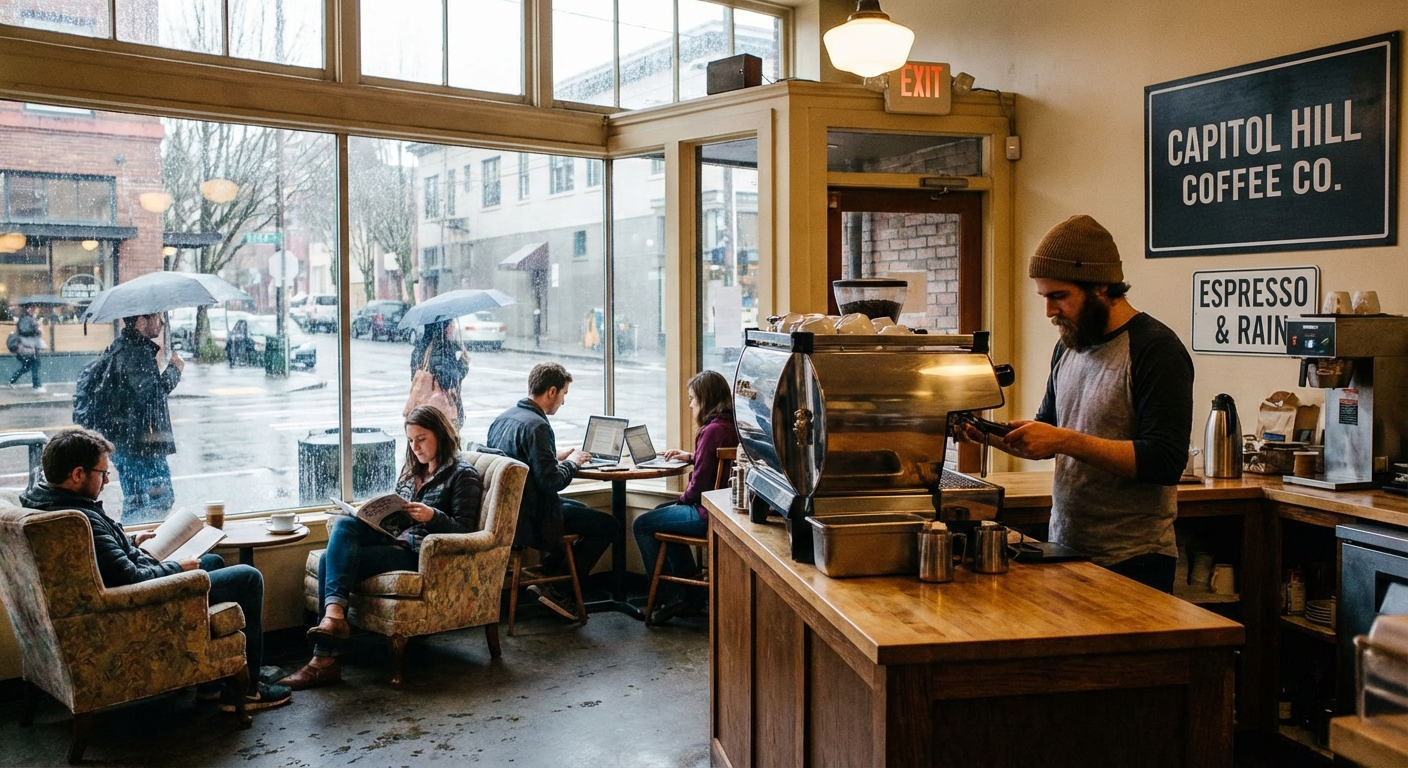
Seattle runs on coffee, but it is not just caffeine culture. It is community culture. Find a neighborhood café, linger, people-watch, and treat it like your anchor point for the morning.
- Order tip: Try something you would not normally get at home. Let the barista guide you.
- Carry-on move: If you buy beans, choose a small bag and keep it sealed for travel.
Late morning to afternoon: Capitol Hill and a park loop
Capitol Hill is a great “city texture” neighborhood: bookstores, murals, and people actually living their weekend. Mix in a park stop to keep the day balanced.
- Park picks: Volunteer Park for a longer green reset, or Cal Anderson Park if you want something central and shorter.
- What to do: Browse independent shops, grab an easy lunch, and let the neighborhood do the entertaining.
- Museum backup (rain plan): Swap park time for Seattle Art Museum (downtown) or head to Seattle Center for MoPOP or Chihuly Garden and Glass if you are already in that direction.
Optional afternoon: Ballard or Fremont
If you have the energy, hop to one more neighborhood and give yourself permission to wander without a checklist. Just note: from Capitol Hill, Ballard and Fremont are bus territory, not light rail. Budget about 30 to 45 minutes each way depending on traffic and transfers.
- Ballard: Maritime feel, good eating, and a slower pace.
- Fremont: Playful and artsy, ideal for an unplanned stroll.
Evening: a last waterfront walk
Wrap your weekend where Seattle shines: near the water. Even if the sky is gray, the city feels sharp and beautiful at dusk. Take one more walk, grab dinner near where you will be transiting from tomorrow, and call it a win.
Optional half-day escape
If you can tack on a third half-day, this is where Seattle flexes. The goal is not to conquer mileage. It is to get a true Pacific Northwest hit of salt air or alpine energy, then get back in time for your flight or an easy afternoon in town.
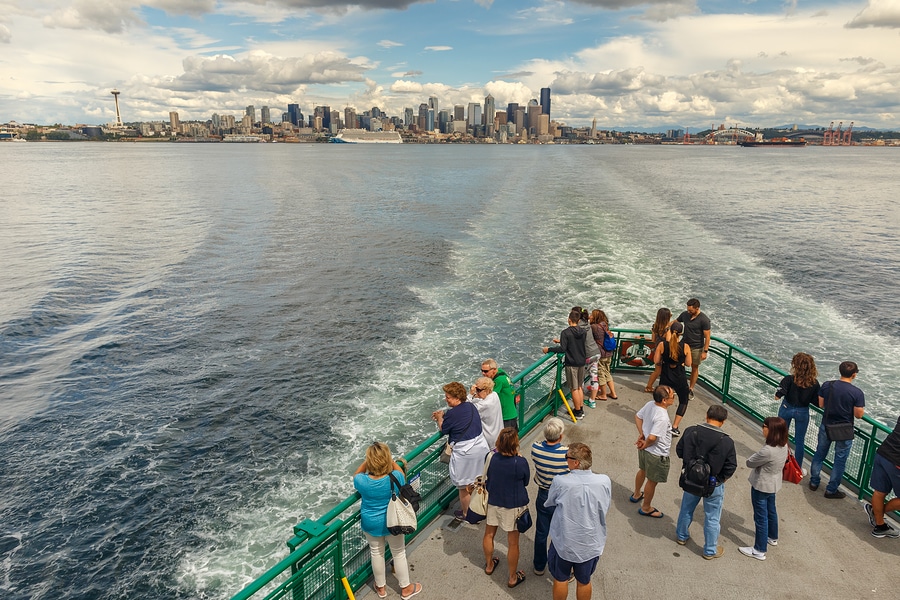
Option A: Bainbridge Island by ferry
- Why it works: No car needed, great views, low planning stress.
- Half-day outline: Walk-on ferry from downtown (about 35 minutes each way), short stroll to town, coffee or brunch, wander shops and shoreline paths, then ferry back.
- Reality check: Check sailing times and give yourself buffer. Lines and boarding can take time on busy weekends.
Option B: mountain views with a real plan
- Best move: Book a guided half-day tour if you want mountain scenery with the least stress.
- If you want transit: Look for seasonal Trailhead Direct service (when running) for popular trail areas. It is designed for hikers and avoids the “no service, no ride back” problem.
- What not to rely on: A rideshare pickup from a remote trailhead. Cell service can be spotty and cancellations happen, which is a fun way to become a cautionary tale.
- Easy, realistic targets: Snoqualmie Falls (big payoff, minimal effort) or a short, conditions-aware lake or viewpoint stop in the Snoqualmie area. In colder months, expect snow and closures. Pick one main stop, not a greatest-hits list.
If you are tempted to squeeze in a long hike, I get it. Just remember: the most sustainable and enjoyable choice is often the one you can complete comfortably, without racing daylight or taking risks in unpredictable conditions.
Quick recap
- Day 1: Pike Place Market in the morning, waterfront walk midday, one neighborhood in the afternoon, sunset viewpoint and dinner.
- Day 2: Coffee and Capitol Hill, Volunteer Park or Cal Anderson (or a museum if it rains), optional Ballard or Fremont by bus, final waterfront stroll.
- Optional half-day: Bainbridge ferry wander, or a guided mountain viewpoint outing (or Trailhead Direct when available) with realistic timing.
Traveler notes
- Plan for hills: Seattle’s elevation changes add up. Comfortable shoes matter more than you think.
- Eat in layers too: Market snacks, a warm lunch, a real dinner. This city rewards grazing.
- Leave space: The best Seattle moments are unplanned: a street musician near the market, a perfect cappuccino, a sudden glimpse of mountains between buildings.