Aasgard Pass From Colchuck Lake: Exposure and the Turnaround

Maya Lin
Maya Lin is a travel journalist and outdoor enthusiast who believes the best trips combine rugged adventures with urban comforts. After spending six years backpacking across four continents, she founded Trail & Town Guide to help fellow travelers navigate both hidden mountain passes and bustling city neighborhoods with confidence.
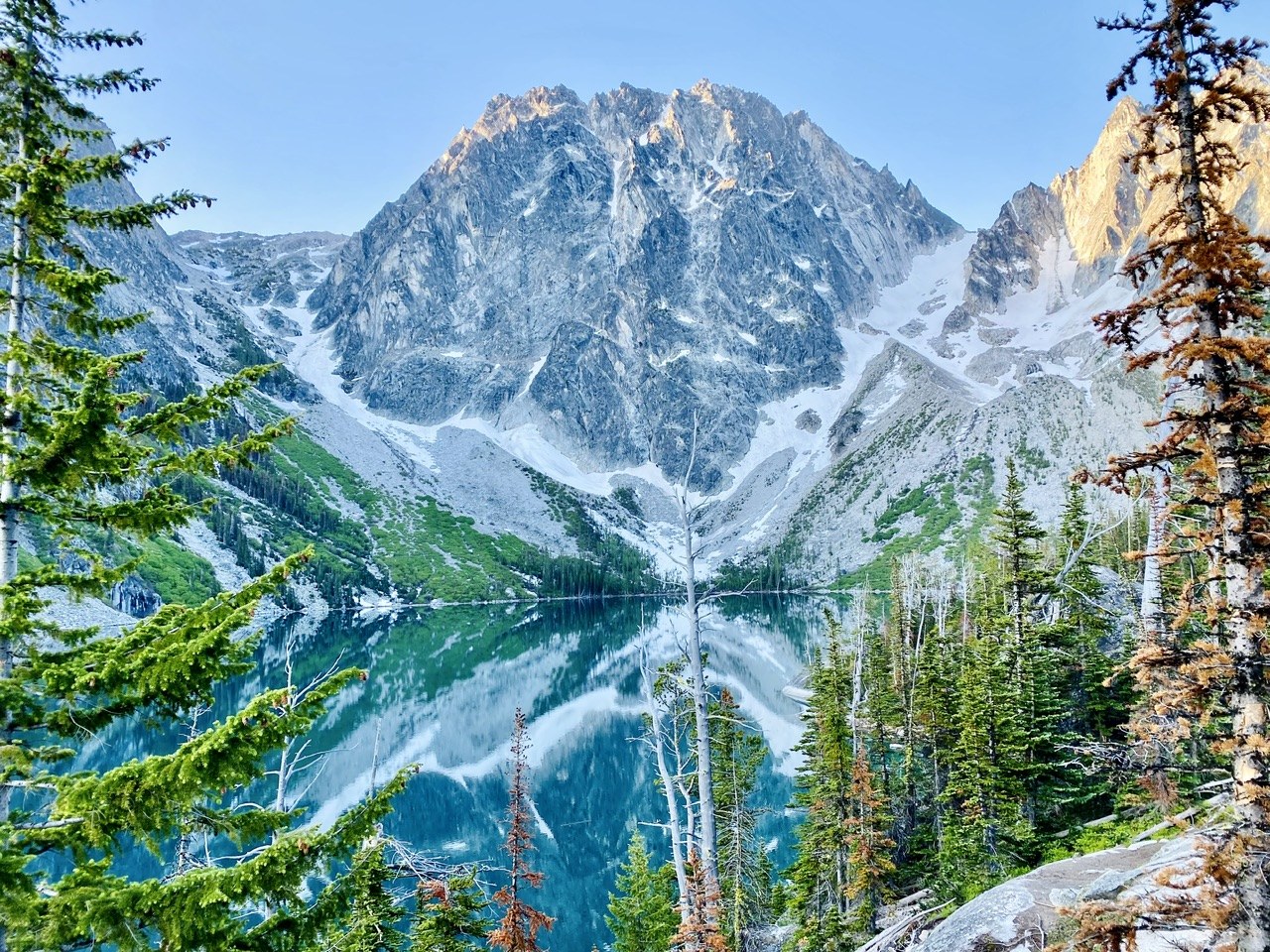
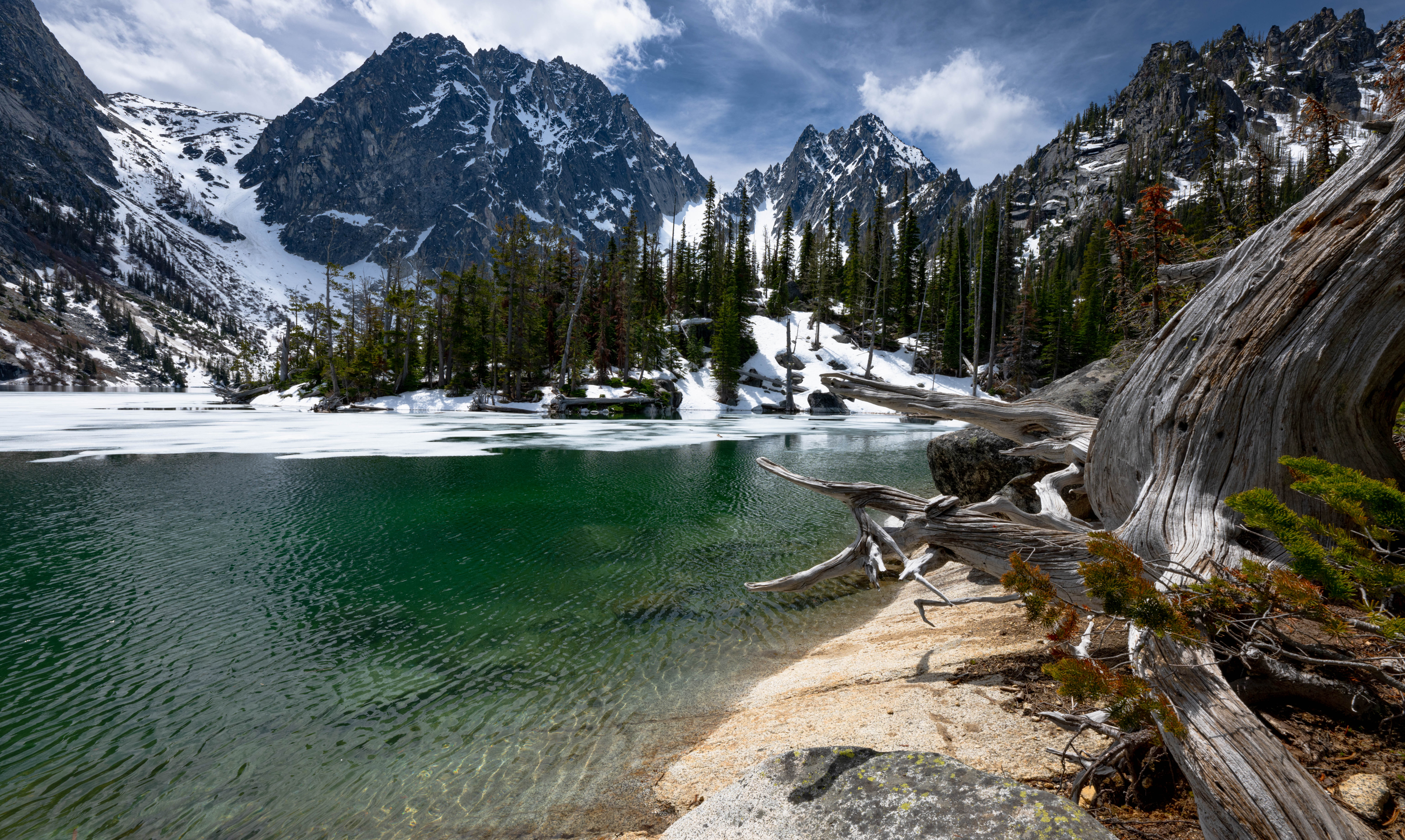
Colchuck Lake has a way of convincing you that you’re basically already in the Enchantments. The water is unreal, Dragontail and Colchuck Peak look close enough to touch, and you can hear the hush of alpine granite all around you. Then you look up at the headwall and see the line to Aasgard Pass.
That climb is not a continuation of the lake hike. It is a different sport for a couple thousand vertical feet. Unroped, steep, often loose, and mentally taxing in a way a forest trail rarely is. This is what to expect from the Colchuck shoreline to the pass, what the exposure actually feels like, how long it typically takes, and exactly when I would call it and head back down.
First, what it is and is not
Aasgard Pass is the steep, rocky gateway between Colchuck Lake and the Upper Enchantments. It is not technical climbing for most late summer and early fall conditions, but it is steep enough that a slip can have serious consequences, and the footing can be frustratingly unstable.
If you have only hiked to Colchuck Lake before, it helps to reframe the next section as a sustained talus and scree climb where you are picking your line, not following a friendly tread the whole time. The “trail” exists, but it braids, fades, and reforms as people chase the least awful rocks. In clear weather, it is usually not a big navigation problem so much as a constant series of micro-choices within a broad gully, often following boot paths and the occasional cairn.
How steep and loose is it?
Steepness
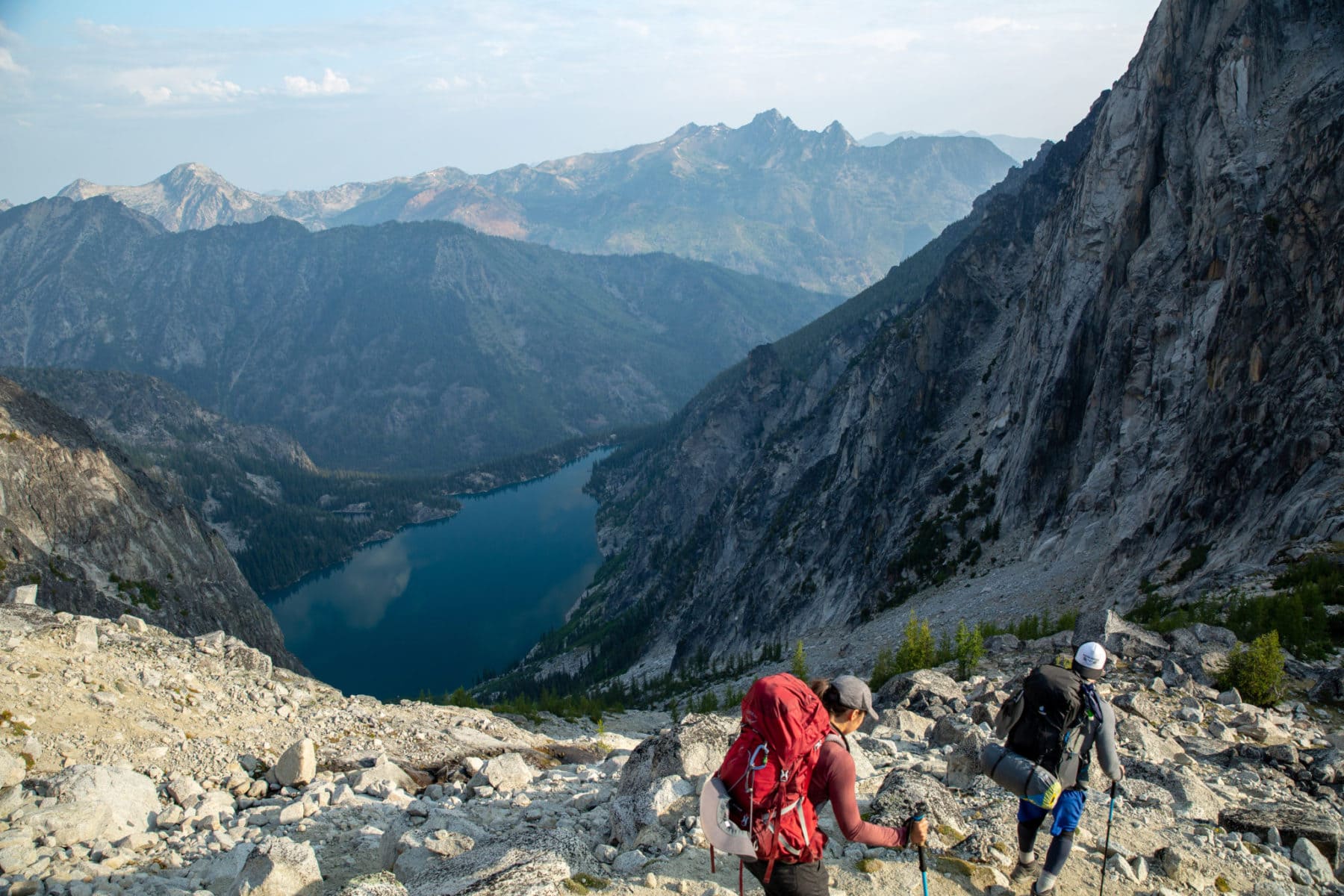
From the lake to the pass you gain roughly 2,100 to 2,300 feet in about a mile, depending on where you start measuring and what you count as the top. Translating that into feel: it is the kind of steep where you stop not because you are sightseeing, but because your calves want a meeting. You will likely use your hands occasionally for balance, especially on bigger step-ups or when the rocks start moving underfoot.
Loose rock
“Loose” on Aasgard is not one uniform texture. It comes in layers:
- Lower section: Larger boulders and blocks with in-between gravel. You can find stable rock, but you have to be picky.
- Middle section: More talus mixed with sandy, ball-bearing grit. This is where people start sliding a half step up, a quarter step back.
- Upper section: Often smaller rock and scree where the line braids. It can feel like climbing a rocky escalator that is turned off.
The real hazard is not that every rock moves, it is that enough rocks move that your confidence erodes. A foot that lands on a wobbler is fine if you react quickly. A foot that lands on a wobbler when you are tired, rushed, or next to other hikers kicking things down is where the day can go sideways.
What the exposure feels like
People use “exposure” to mean different things. On Aasgard, it is less about a knife-edge ridge and more about consequence on steep terrain.
- You are often on a slope that would turn a stumble into a long slide. Not necessarily a clean freefall, but a tumble over rock, which is its own brand of bad.
- The chute is wide. That can feel comforting because you are not pinned to a ledge, but it also means there are lots of loose lines and lots of people above you.
- Rockfall exposure is real. If a group is climbing directly above you, you might hear the click of rock-on-rock before you see anything move.
Mentally, the exposure shows up as constant decision-making: Where do I step next? Is that rock keyed in? Should I move left to avoid the group above? Can I reverse this exact line if I need to go down?
If you have hiked to Colchuck Lake and felt totally comfortable, that is a good sign for the approach. It does not automatically translate to comfort on Aasgard, because the climb is more like a long scramble on shifting talus than a maintained trail.
Typical time from lake to pass
Times vary wildly because conditions and crowds matter, but for fit, steady hikers in dry summer conditions, a common range is:
- 1.5 to 3 hours from Colchuck Lake shoreline to Aasgard Pass.
- 3 to 5+ hours is not rare if you are route-finding a lot, letting faster parties pass, dealing with rockfall traffic jams, moving cautiously, or grinding in heat or snow.
One practical note: going down Aasgard often takes nearly as long as going up for cautious hikers, and sometimes longer. Descending loose rock demands focus, and fatigue magnifies every misstep.
Why it feels so hard
Even when it is “just hiking,” Aasgard can feel disproportionately difficult because it stacks several stressors at once:
- Unstable footing: You are constantly stabilizing with ankles, calves, and core.
- Route uncertainty: You might be ten feet from another line that is much better or much worse.
- Crowd dynamics: Passing and being passed on loose slopes is awkward and can be risky.
- No easy bailout: Once you are committed halfway up, turning around means descending steep, loose rock while you are already tired.
In other words, the difficulty is not only the grade. It is the combination of physical grind plus decision fatigue.
Gear and conditions basics
This is not a full packing list, but it is the stuff I see make the biggest difference on Aasgard, especially on the descent:
- Footwear: Shoes or boots with real lugs. Slick soles turn the “ball bearings” into a comedy sketch you do not want to star in.
- Trekking poles: Optional on the way up, often gold on the way down for balance and controlled stepping.
- Helmet: I often see helmets here, especially when it is crowded, and it is not hard to understand why once you hear rocks ticking down the chute.
- Hands: Light gloves can be nice if you like using hands on rough rock, but they are personal preference.
- Traction: If there is lingering snow, microspikes can be useful. If it is steep, firm snow, an ice axe can be the right tool, but only if you know how to use it.
- Sun and water: It is a solar oven on a clear day. Start early, carry more water than you think, and do not let “almost there” talk you into rationing.
Rockfall and trail etiquette
Most Aasgard drama is not personal, it is physics plus crowds. A few habits make it calmer for everyone:
- Do not climb directly beneath another group if you can avoid it. Give yourself space, even if it means slowing down.
- When you need to pass, do it deliberately in a spot where both parties can stand on more stable rock. Passing in the loosest stuff tends to create more loose stuff.
- Call “Rock!” loudly if you dislodge something. It is simple, it is old-school, and it works.
- Don’t hang out in the fall line below other hikers for breaks. Take breaks off to the side on stable blocks when you can.
Clear signs to turn around
I love ambitious days, but I love boring rescues more. Here are the cleanest, least negotiable turnaround signals on Aasgard when you are climbing unroped.
1) You cannot confidently reverse your last 10 minutes
This is my favorite gut-check because it is immediate. If you look down and think, “I do not want to go back that way,” that is the mountain giving you feedback. A safe ascent should be matched by a descent you can execute.
2) Rockfall is increasing, especially from above
One pebble is normal. Frequent clattering, or seeing rocks moving below other parties, is not. If you cannot maintain spacing, or you are stuck directly beneath a group, the risk jumps fast.
3) Snow covers the route and you do not have the skills and gear
Early season and, some years, well into summer, snow can linger in the chute and near the top. If you are on hard snow without traction and you are not comfortable with self-arrest, treat that as a hard stop. Also, this is not the place to learn snow travel. Self-arrest only helps if you have practiced it and can do it on instinct.
4) Weather is building and you are above the lake with no margin
Darkening clouds, rising wind, and distant thunder are your cue to bail early. The Enchantments are spectacular, but they are also high and exposed. Aasgard is not where you want to learn what graupel feels like on granite.
5) Your pace is collapsing
If it took you far longer than expected to reach Colchuck Lake, or you are already cramping and bonking at the shoreline, assume the pass will magnify that. A slow pace is not shameful, but it is data. Past the lake, everything costs more energy and more time.
6) Anxiety is driving your decisions
There is a difference between healthy caution and fear that makes you rush, freeze, or choose sketchy shortcuts. If you notice tunnel vision, shaking legs, or a strong urge to “just get it over with,” it is usually safer to call it while you are still in control.
Smart commitment points
If you are unsure about Aasgard, I like using mini decision points rather than one big dramatic yes or no.
- At the Colchuck shoreline: Eat, drink, and look up at the entire line. If you feel dread rather than nerves, consider keeping the lake as your summit for the day.
- After the first steep rise: You should feel like you have a system, slow steps, solid placements, spacing from others. If it already feels chaotic, it rarely gets easier higher up.
- Mid-chute: Check the sky, your water, and your legs. If you are burning through water faster than expected, the top will be worse because it is fully exposed to sun.
- Before the final push: If you are relying on other hikers to show you where to go, pause. You want to be able to choose a safe line independently, especially for the descent.
Go or no-go from the lake
Go for Aasgard from the lake if:
- You are comfortable on steep, loose terrain and have done long talus climbs before.
- You can keep three points of contact when needed and you stay calm when footing shifts.
- Conditions are dry, visibility is good, and you have enough daylight to descend slowly.
- You are willing to turn around early without negotiating with yourself.
No-go if your Colchuck Lake hike is your biggest alpine outing so far and:
- You have not practiced moving on scree or talus with a pack.
- Heights or loose footing spike your anxiety.
- There is lingering snow on the route and you do not carry traction and know how to use it.
- You are already exhausted at the lake or you are chasing a tight turnaround time.
If you are in the middle, my honest recommendation is to treat Aasgard as a separate goal day with the right start time, weather window, and mindset, not as an impulsive add-on just because you made it to the lake. Colchuck is a perfect destination on its own. Aasgard is incredible, but it asks you to earn it in focus and humility.