Altitude Sickness Signs While Hiking and What to Do

Maya Lin
Maya Lin is a travel journalist and outdoor enthusiast who believes the best trips combine rugged adventures with urban comforts. After spending six years backpacking across four continents, she founded Trail & Town Guide to help fellow travelers navigate both hidden mountain passes and bustling city neighborhoods with confidence.
Altitude can sneak up on you even if you are fit, experienced, and “doing everything right.” One minute you are cruising a ridgeline, the next you cannot shake a pounding headache or you are oddly clumsy on simple steps. The key is knowing what is normal “hard hike” discomfort and what your body is asking: a change in plan.
This guide covers the three major altitude illnesses and exactly what to do on trail. It is practical, not dramatic. But it is also direct: HACE and HAPE are emergencies, and the safest treatment is usually the simplest one. Go down.
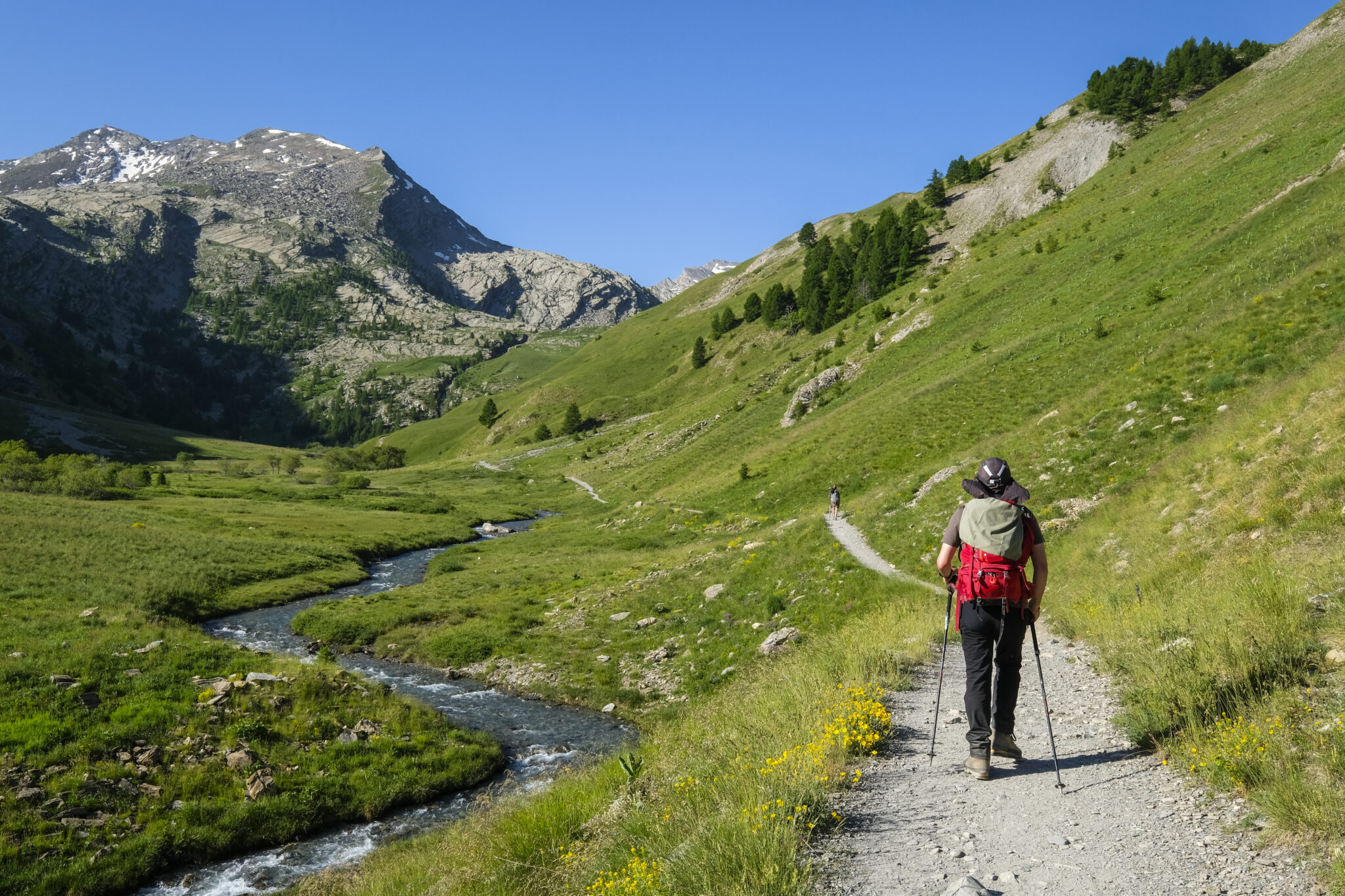
First, a quick reality check
This is common, and it is not about toughness
Acute altitude illness can affect anyone, including marathon runners. The biggest risk factors are usually ascending too fast and sleeping too high too soon, not your fitness level.
When it becomes a risk
Altitude illness is more common once you are above roughly 2,500 meters (8,200 feet), but it can happen lower in susceptible people or with rapid ascent.
When altitude sickness typically shows up
- AMS (Acute Mountain Sickness) often starts 6 to 24 hours after gaining altitude, but it can appear sooner.
- HACE (High-Altitude Cerebral Edema) and HAPE (High-Altitude Pulmonary Edema) can develop from AMS or appear more abruptly, especially with rapid ascent. HAPE can occur without AMS, so do not assume you are “safe” just because you do not have a headache.
Important: This article is educational and cannot diagnose you. If you are unsure, treat symptoms seriously, err on the side of descent, and seek medical help.
The big three: AMS, HACE, HAPE
These conditions are related, but they do not always progress in a neat, linear order. Think of them as a spectrum of severity that can overlap. AMS is common and often mild. HACE and HAPE are less common but life-threatening. The line between “mild” and “not mild” can blur fast at elevation.
Simple rule: Do not go higher with symptoms. If symptoms worsen or you see red flags, go down and get help.

AMS (Acute Mountain Sickness)
What it feels like
AMS is the classic “altitude sickness” most hikers have heard about. It is your body struggling to adjust to thinner air, and it often feels like a hangover you did not earn.
Common AMS symptoms to watch for
- Headache at altitude (often throbbing, worse with exertion)
- Nausea, loss of appetite, or vomiting
- Dizziness or lightheadedness
- Unusual fatigue that does not match your effort
- Poor sleep or frequent waking
- Shortness of breath with exertion more than expected
Immediate on-trail actions for suspected AMS
- Stop and assess. Take 10 to 20 minutes. Eat a small snack and sip water. Do a quick symptom check with your group.
- Do not go higher with symptoms. The safest default: no more ascent until symptoms improve.
- Rest at the same elevation. Mild AMS often improves with rest and time.
- Keep warm. Cold stress makes everything worse and can mask what is going on.
- Avoid alcohol and sedatives. This includes sleep aids, especially anything that can depress breathing.
When to rest vs. when to descend with AMS
Consider resting at the same elevation if symptoms are mild and improving, you can keep food and fluids down, and everyone can safely wait.
Descend if any of the following are true:
- Symptoms are worsening over an hour or two
- Headache is severe or not responding to rest and hydration
- You have repeated vomiting or cannot keep fluids down
- You feel weak to the point of stumbling
- You are far from help, weather is moving in, or you cannot safely delay
Even a small descent can help. A practical target is at least 300 to 500 meters (1,000 to 1,600 feet) lower if feasible, and more if symptoms are not improving. Any meaningful drop that improves symptoms is progress.
Medication note (use only with proper guidance)
Some hikers use acetazolamide (often known as Diamox) for prevention and sometimes treatment under medical guidance. Pain relievers may help headache symptoms, but they do not treat the underlying altitude problem. If meds make you feel “fine,” you can still be getting worse. Let symptoms, not summit goals, drive decisions.
HACE (High-Altitude Cerebral Edema)
What it is
HACE is dangerous brain swelling related to altitude. It is rare compared to AMS, but it is a true emergency. HACE can follow worsening AMS or show up quickly after a rapid ascent.
Red-flag HACE symptoms
- Ataxia: loss of coordination, stumbling
- Confusion, unusual irritability, personality changes, poor decision-making
- Severe headache, often with worsening nausea or vomiting
- Drowsiness, difficulty staying awake
- Vision changes or hallucinations
If someone seems “drunk” without alcohol, treat it as HACE until proven otherwise.
What to do immediately on trail for suspected HACE
- Start an urgent descent. Do not wait to see if it improves. Do not continue upward.
- Do not leave the person alone. Assign a buddy and keep them upright and supported.
- Call for rescue if you have service, satellite messenger, or radio. Use clear language: “suspected HACE, altered mental status, needs urgent descent and medical care.”
- Supplemental oxygen if available can help while you descend, but it is not a substitute for descent.
- Keep them warm and protected from wind, because hypothermia complicates everything.
Do not attempt to “sleep it off” at the same elevation. Overnight deterioration is a classic bad story in the making.
Expedition-only tools (awareness)
In guided or expedition contexts, clinicians may use medications like dexamethasone and tools like a portable hyperbaric bag. These can buy time, but they do not replace descent and medical evaluation.
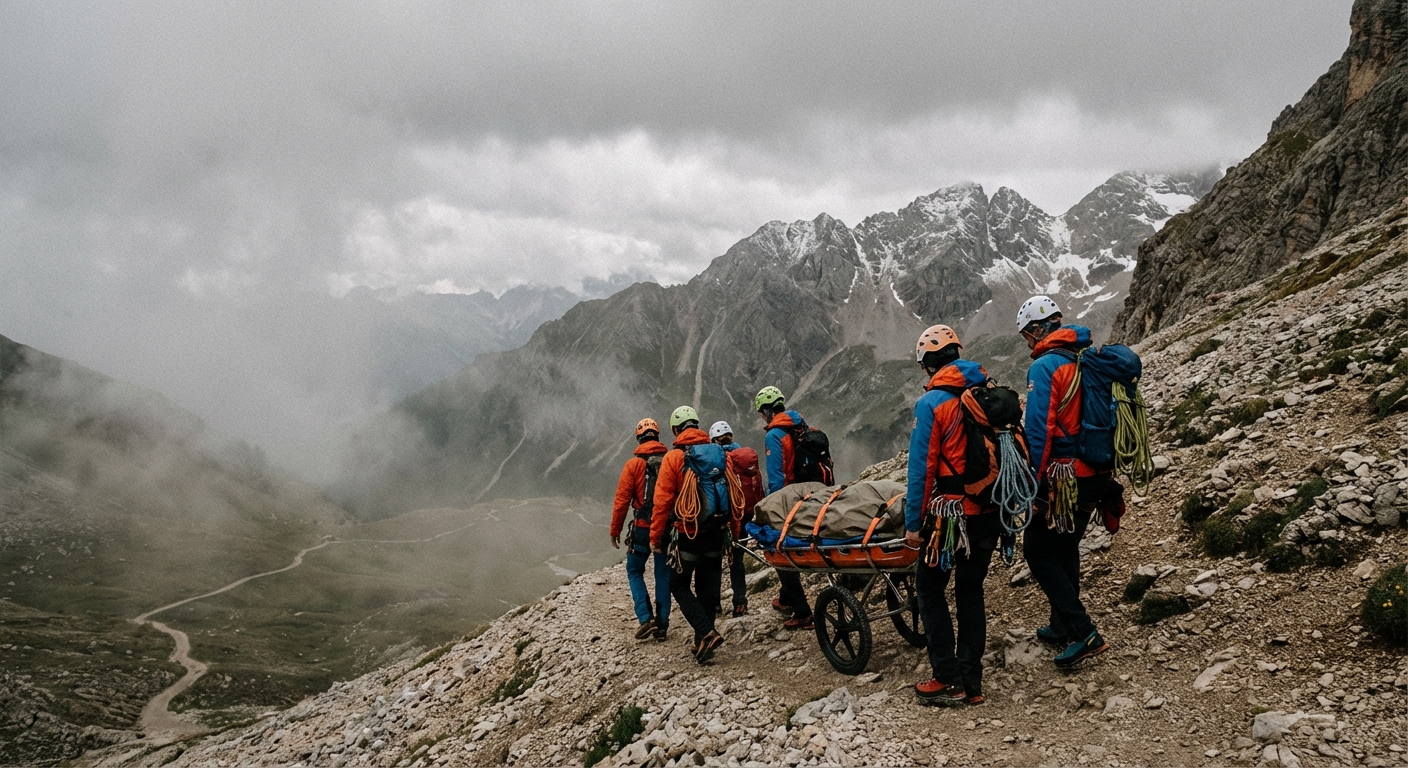
HAPE (High-Altitude Pulmonary Edema)
What it is
HAPE is fluid buildup in the lungs at altitude. It can occur with or without AMS symptoms and is one of the most dangerous forms of altitude illness. People often try to push through because it can start as “just” breathlessness.
HAPE symptoms hikers should take seriously
- Shortness of breath at rest (not just when climbing)
- Persistent cough, especially if it becomes wet or frothy
- Chest tightness or chest congestion
- Marked drop in performance: suddenly cannot keep up at an easy pace
- Blue or gray lips/fingertips (late sign)
- Crackling sounds in the lungs (if someone can hear it while breathing)
How HAPE differs from being “out of breath”
Normal exertion breathlessness improves quickly when you stop. With HAPE, the person may still be struggling while standing still, and symptoms often worsen at night or when lying down.
Immediate on-trail actions for suspected HAPE
- Begin descent right away. This is not a “wait and see” situation.
- Minimize exertion. Slow pace, frequent stops, redistribute gear to lighten the load.
- Supplemental oxygen if available can be lifesaving while descending or awaiting rescue.
- Call for help early. HAPE can deteriorate fast.
- Keep the person warm and sitting upright if possible.
If the person cannot walk safely under their own power, treat it as a rescue situation.
Expedition-only tools (awareness)
In some settings, clinicians may use medications like nifedipine for HAPE under medical direction. For hikers, the priority remains the same: oxygen if you have it, and get lower.
Altitude sickness vs. normal hiking fatigue
This is the part most of us get wrong in the moment, especially on a big day with summit fever. Use these checkpoints.
Normal exertion fatigue usually looks like
- Heavy breathing that improves quickly after a short rest
- Leg burn and general tiredness that matches your pace, pack weight, and elevation gain
- Hunger and thirst that improve with a snack and water
- Mood and coordination stay normal
Altitude illness usually looks like
- Headache plus one or more symptoms (nausea, dizziness, unusual fatigue) at altitude
- Symptoms that persist despite rest, food, and hydration
- Worsening symptoms with continued ascent
- Coordination or mental changes at any level of exertion
- Breathlessness at rest or a new, persistent cough
If you are debating whether it is “just tired,” do a simple test: rest for 20 minutes. If you feel significantly better, it may be exertion. If you feel the same or worse, treat it like altitude and change the plan.
A quick note on look-alikes
Dehydration, low blood sugar, migraine, viral illness, asthma, hyponatremia, and other problems can mimic altitude illness. You do not need a perfect diagnosis to make a good decision. If symptoms are significant or trending the wrong way at elevation, act conservatively.
On-trail decision checklist
Use this if someone in your group feels off
- Stop in a safe spot out of wind and exposure.
- Check symptoms: headache, nausea, dizziness, unusual fatigue, cough, chest tightness, confusion, coordination.
- Check timeline: how fast did you gain elevation, and how long since arrival?
- Do a coordination check (only if safe): can they walk heel-to-toe in a straight line? Any new loss of coordination is a red flag.
- Decide: no ascent if symptomatic, rest if mild and improving, descend if worsening or any red flags.
- Communicate: make the call as a group, but prioritize the symptomatic hiker. Avoid splitting the group unless you have a solid safety plan.
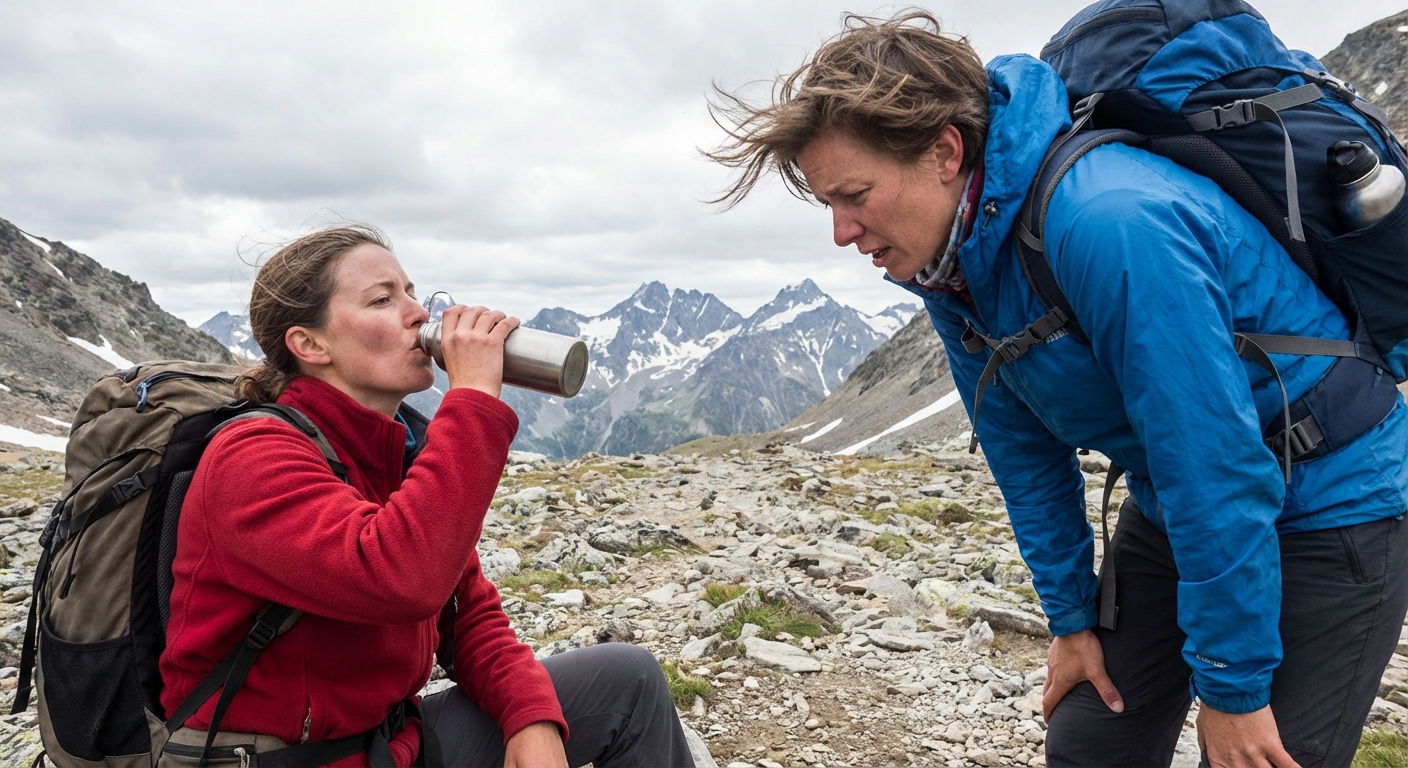
Prevention that actually works
Most altitude illness prevention is boring. That is good news, because boring is repeatable.
Climb high, sleep low
If you can, hike higher during the day and return to a lower elevation to sleep. Sleeping altitude matters most because your body has hours to either acclimate or struggle.
Raise sleeping elevation gradually
A commonly used guideline is to limit increases in sleeping elevation to about 300 to 500 meters (1,000 to 1,600 feet) per night once you are above roughly 2,500 meters (8,200 feet), and add an extra acclimatization day every few days. Real itineraries are messy, but “slow down” is still the best tool.
Hydration and fueling
- Drink consistently, but do not force excessive water. Clear or pale yellow urine is a decent rough check.
- Eat carbs regularly. Many people lose appetite at altitude, which makes fatigue and nausea worse.
Start easy, even if you feel amazing
Day one at altitude is not the day to prove anything. Keep intensity low, especially if you flew in from sea level.
Know your personal risk factors
- Previous altitude illness increases your risk on future trips.
- Rapid ascent, hard exertion, dehydration, and cold stress increase risk.
- Respiratory infections can make HAPE-like symptoms more dangerous at altitude.
Talk to a clinician before your trip
If you have a history of altitude illness, heart or lung conditions, or you are planning rapid ascents, a travel medicine clinic can advise on a plan, including whether preventive medication is appropriate for you.
When to get urgent medical care
Get urgent help or call emergency services if you suspect:
- HACE: confusion, ataxia, inability to walk straight, altered consciousness
- HAPE: shortness of breath at rest, worsening cough, chest tightness, blue lips
- Severe AMS: persistent vomiting, severe headache, worsening symptoms despite rest
If you are in a remote area, use your satellite communicator early. Waiting until someone cannot walk is how “manageable” turns into “evacuation in bad weather.”
Remember this at 13,000 feet
AMS means stop and do not go higher.
HACE or HAPE means get lower now and get help.
Mountains will still be there tomorrow. Your brain and lungs need you to be smarter than your summit goals today.