Alum Cave Trail to Mount LeConte: Day Hike Timing and Ice Risk

Maya Lin
Maya Lin is a travel journalist and outdoor enthusiast who believes the best trips combine rugged adventures with urban comforts. After spending six years backpacking across four continents, she founded Trail & Town Guide to help fellow travelers navigate both hidden mountain passes and bustling city neighborhoods with confidence.
Alum Cave Trail to Mount LeConte is one of the Smokies classics for a reason: big views, dramatic rock features, and a summit payoff that feels like you earned it. It is also a hike where timing and conditions matter more than most. The same route that feels like a steady, scenic climb in October can turn into a slow, nerve-wracking ice puzzle in January, especially around the log bridges and the steeper step sections.
This guide focuses on one question I hear often around Gatlinburg coffee shops and trailhead parking lots: Is Alum Cave to LeConte realistic in a day, and what is the real ice risk? You will also find conservative turn-around checkpoints, plus a quick note on LeConte Lodge so you can enjoy the summit area without needing an overnight reservation.
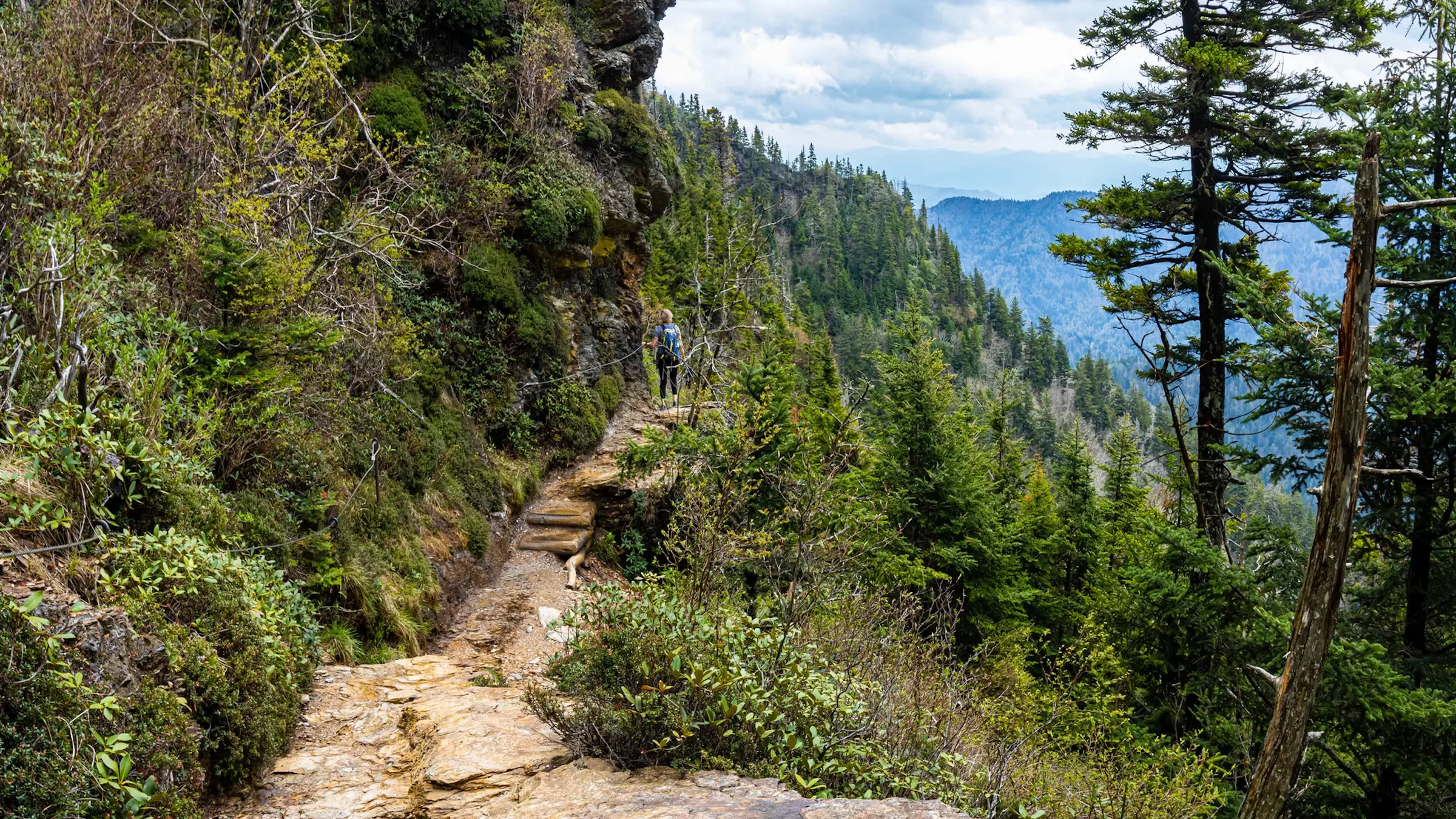
Quick stats
Route: Alum Cave Trailhead to the Mount LeConte summit area (near LeConte Lodge) and back, out-and-back.
- Round-trip distance: roughly 10.8 to 11.2 miles, depending on which short summit spur you add near the top.
- Elevation gain: roughly 2,700 to 3,000 feet (sources vary slightly by map and endpoint).
- Typical hiking time: 6 to 9+ hours total depending on pace, stops, crowds, and conditions.
On paper, 11 miles is not outrageous. In reality, this trail stacks up difficulty in three ways: sustained climbing with few truly flat breaks, high foot traffic that can polish snow into ice on shaded sections, and a few spots where a slip can have real consequences (especially on icy steps, wet rock, and log bridges). The “hard” part is not usually the altitude. It is the combination of grade, footing, and winter traction surprises.
Which spur is worth it? If you only add one viewpoint, I recommend Cliff Tops for the best overall views with minimal extra effort. Myrtle Point is also excellent if you have time and the trail is not icy.
Day hike timing
For most fit day hikers in three-season conditions, Alum Cave to LeConte is absolutely a day hike. The question is whether it is a comfortable day hike inside your daylight window and energy budget.
Conservative time planning (my go-to)
- Uphill: 3.5 to 5.5 hours
- Summit time: 20 to 60 minutes (more if you picnic or add a viewpoint spur)
- Downhill: 2.5 to 4 hours
If you are a slower hiker, hiking with kids, or carrying winter traction and extra layers, plan toward the longer end. Downhill can be deceptively slow when the trail is icy, crowded, or both.
Suggested start times
- Spring through fall: aim to start by 8:00 am (earlier on weekends for parking).
- Winter or shoulder-season with freeze-thaw: start at first light. You want maximum daylight buffer if traction slows you down.
Reality check: If you begin after late morning in winter, you are stacking risk. You may still reach the top, but the descent can happen during the coldest, iciest part of the day when shadows lengthen.
Ice risk hotspots
Ice on Alum Cave Trail is not just a “higher elevation” issue. It is a shade and water issue. Anywhere seepage crosses the trail or a north-facing slope stays cold, you can get slick, glassy patches that last long after Gatlinburg feels mild.
Common ice hotspots
- Log bridges near streams and wet crossings. These can freeze into skating rinks, especially early morning.
- Stone steps and step sections where water runs down the trail and refreezes overnight.
- Under Alum Cave Bluff and other shaded rock features, where sun exposure is limited and meltwater refreezes.
- Upper switchbacks near the top where snow compacts, then turns to hard ice with foot traffic.
What makes the Smokies tricky is the freeze-thaw cycle. A sunny afternoon can soften snow, then temperatures drop and lock everything into a smooth, uneven ice layer by morning. You can have dry trail at the trailhead and full traction conditions a few miles up.
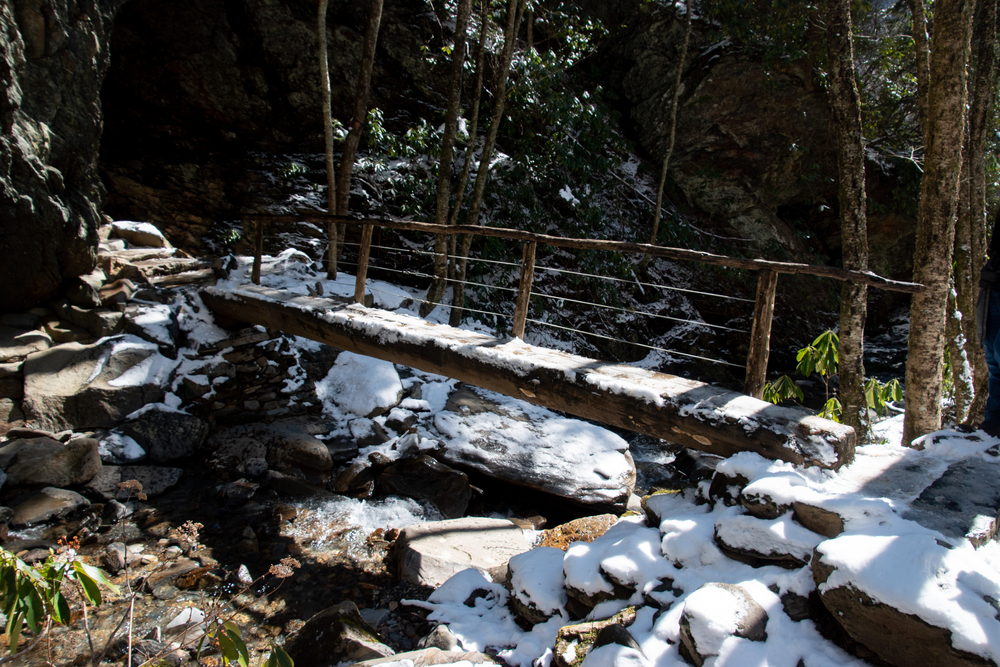
Traction and gear
If there is any chance of ice, bring traction. This is one of those trails where “we will see how it looks” often ends with an early turn-around or a sketchy descent.
- Microspikes: the most useful for firm snow and ice. If you own one traction item, make it this.
- Trekking poles: help with balance on bridges and step sections.
- Warm layers you can vent: the climb is sweaty, the summit is windy. Hypothermia can happen from wet layers plus wind.
- Headlamp: even if you plan not to use it. Time estimates drift.
Skip relying on: running shoes with minimal tread, or light coil traction for hard ice. They can help a little, but Alum Cave is not the place to learn that your traction is not enough.
Winter self-check: If you do not have traction, do not have a headlamp, or you are uncomfortable moving slowly on slick surfaces, this is not the day to “see how far you get.” Pick a lower elevation hike and come back when conditions improve.
Turn-around checkpoints
My favorite turn-around rule is simple: turn around when your buffer is gone, not when you are already in trouble. A great summit is not worth an anxious descent.
A practical time rule
Set a hard turn-around time based on daylight, not just how you feel. Use your ascent time as a reality check. If it took you X hours to get up, plan on at least 0.75X to 1X to get down in decent conditions, and longer if it is icy or crowded. Add a 60 to 90 minute daylight buffer you refuse to spend.
Useful checkpoints on Alum Cave Trail
- Arch Rock area: an early read on conditions. If steps and wet rock are icy here, it often gets worse higher up.
- Alum Cave Bluff: a natural snack and decision stop. If you are behind schedule here, LeConte may become a long day.
- Upper switchbacks: if you are postholing or sliding even with traction, it is okay to call it. Those conditions often slow the descent more than the climb.
Ice-specific guidance: If log bridges are icy and you do not have traction, I would treat that as a hard stop. Falls on wood can be sudden and unforgiving.
LeConte Lodge notes
Mount LeConte is special because it feels like a mountaintop neighborhood. LeConte Lodge is a historic backcountry lodge complex near the summit area, and yes, reservations are competitive. But here is what matters for day hikers: you do not need a booking to hike to LeConte and enjoy the summit area.
As a day hiker, you can:
- Reach the lodge area and take a break nearby (be respectful of lodge operations and guests).
- Visit the nearby viewpoint spurs, then head back down Alum Cave the same day.
- Enjoy the high-elevation forest atmosphere without treating the lodge as your destination “endpoint.”
Etiquette: Do not enter cabins, do not crowd doorways, and keep voices and breaks low-key around the lodge zone.
Water note: Do not assume water is available at the top. Water sources and access can be seasonal and may be limited for day hikers. Carry what you need and treat any refill as a bonus, not a plan.
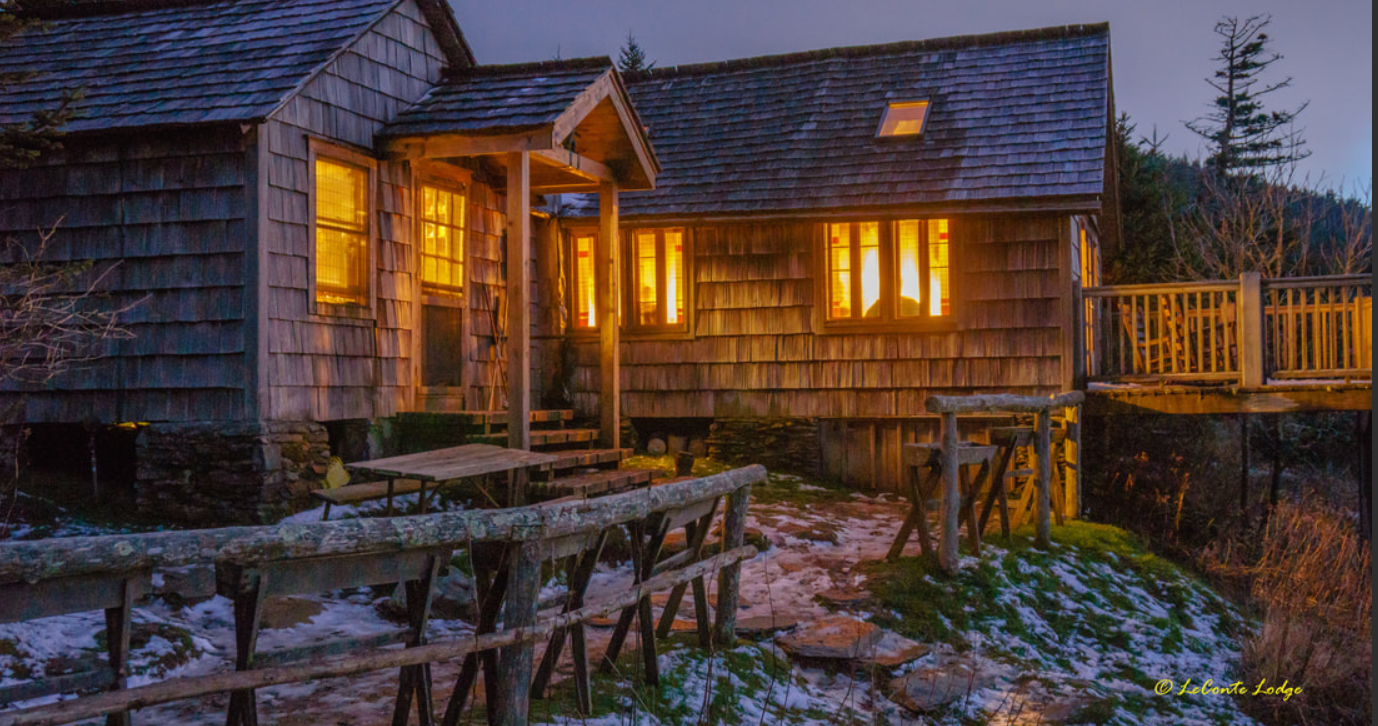
What the route feels like
If you like a quick mental map, here is the flow most day hikers experience: trailhead climb through forest, tricky footing around Arch Rock, a steady push to Alum Cave Bluff, then higher switchbacks that can turn wintry fast. Near the top you reach the lodge area, and from there you can add a short spur to a viewpoint like Cliff Tops or Myrtle Point before heading back down.
Season expectations
Spring
Cool mornings, wet trail, and occasional late cold snaps. Expect muddy sections and slick rock after rain. Carry a light insulating layer for the top.
Summer
Early starts help you beat heat and crowds. Afternoon storms happen. The climb can feel humid and relentless, so bring more water than you think you need.
Fall
Prime conditions and peak traffic. Parking can be the hardest part of the day. Crisp air makes the uphill more comfortable but also tempts you to under-pack layers for the summit.
Winter
This is where planning matters most. The Smokies often see mixed conditions, meaning wet lower trail and icy upper trail. Microspikes and a headlamp turn a “maybe” into a safer yes.
Trailhead logistics
This hike pairs naturally with a Gatlinburg base, but it is a different day than a Cades Cove loop. Cades Cove is a slow, scenic commitment with traffic patterns. Alum Cave is a start-early, hike-hard, recover-later kind of day.
Getting there
- Trailhead: Alum Cave Trailhead off Newfound Gap Road (US-441).
- Drive notes: morning travel from Gatlinburg is usually straightforward, but weekends and peak leaf season can add delays.
- Parking: fills early. If you arrive late morning on a busy weekend, you may spend your best hiking hours hunting a space.
- Required parking tag: Great Smoky Mountains National Park requires a Park it Forward parking tag for vehicles parked for longer than 15 minutes (implemented in 2023). Buy it ahead of time or day-of if available, and display it as instructed.
Post-hike comfort plan (my favorite part)
Build in a gentle landing back in town: a hot meal, a good local coffee, and a low-key evening. Your legs will thank you. If you are trying to stack big days, put Cades Cove on a separate, lighter day where driving and stops are the main event.
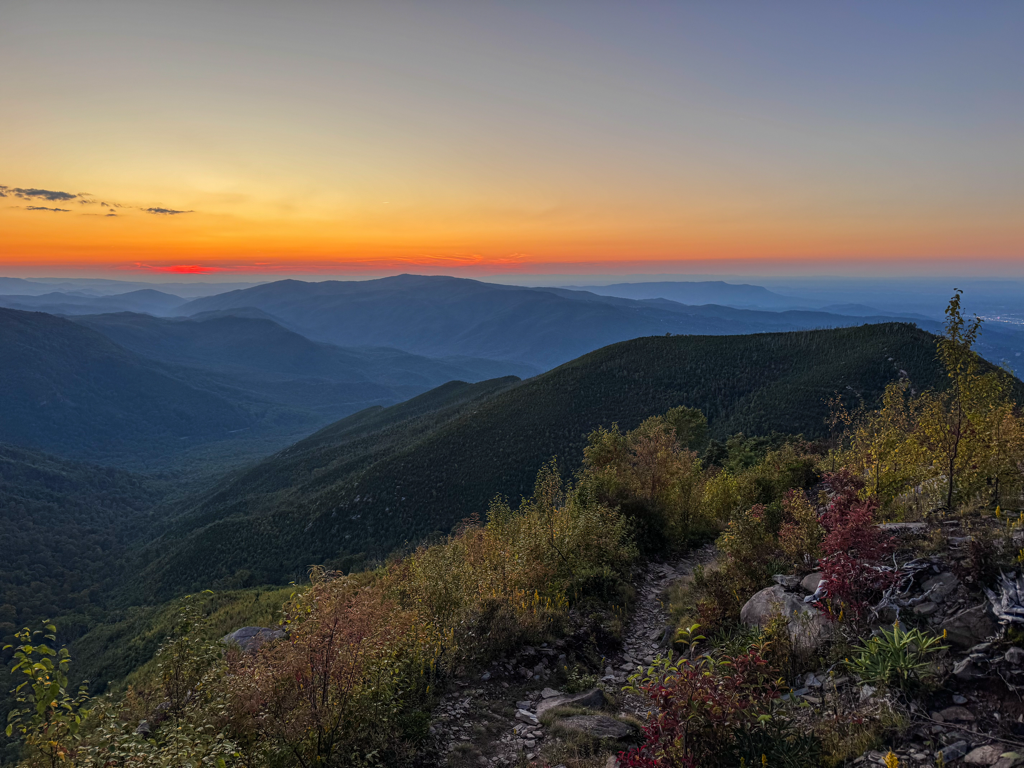
Safety basics
- Check current conditions: Smokies weather changes fast by elevation. Trail conditions can differ drastically between the trailhead and the top.
- Plan for limited cell service: do not assume you can call or navigate easily once you are a few miles in.
- Share a plan: tell someone your route and when you expect to be back.
- Do not let summit fever override traction reality: turning around is a win if it keeps the day fun and controlled.
- Plan for the descent: most slips happen when people are tired and rushing to beat darkness.
- Leave no trace: stay on trail, pack out everything, and be mindful around sensitive high-elevation areas.
If you remember one thing: Alum Cave to LeConte is not just a climb. It is a timing puzzle. Start early, carry traction when temperatures flirt with freezing, and choose a turn-around time you can live with.