America the Beautiful Pass vs Pay-As-You-Go: When It Saves Money

Maya Lin
Maya Lin is a travel journalist and outdoor enthusiast who believes the best trips combine rugged adventures with urban comforts. After spending six years backpacking across four continents, she founded Trail & Town Guide to help fellow travelers navigate both hidden mountain passes and bustling city neighborhoods with confidence.
I love a big-sky road trip as much as anyone raised in Colorado, but I love it even more when I am not accidentally paying extra at every gate. The America the Beautiful Pass (officially the America the Beautiful The National Parks and Federal Recreational Lands Pass) can be a steal, or it can be a feel-good purchase that never quite earns its keep.
This page is about the money math and the real-life scenarios, not the mechanics of how to book permits or timed entry. Think of it as the quick way to decide: annual pass, or pay as you go?
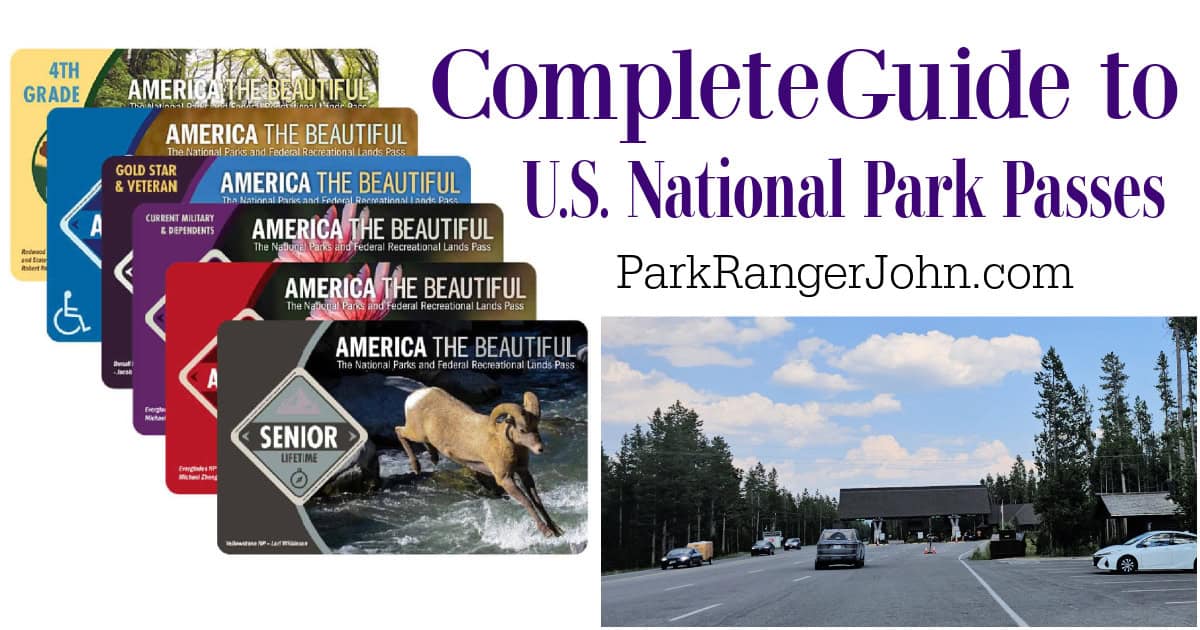
What the pass covers and what it does not
It covers entrance and standard fees
The annual America the Beautiful Pass costs $80 and is valid for 12 months from the month of purchase. It generally covers:
- Entrance fees at national parks and many federal recreation sites (NPS, USFS, BLM, USFWS, and more).
- Standard amenity fees at some federal sites (for example, day-use fees at certain national forests, reservoirs, and recreation areas).
It does not cover extras
Even with the pass, you may still pay separately for:
- Timed entry reservations (the reservation itself may be required even if entrance is covered).
- Per-vehicle parking fees that are not structured as entrance fees (varies by site).
- Camping, lodging, and most tours.
- Concessionaire charges (private operators running shuttles, boat rides, etc.).
- Special recreation permits (backcountry permits, river permits, lottery fees), depending on the park.
If it feels like a “service” rather than “access,” assume the pass does not cover it and confirm on the specific site’s fee page.
The break-even math in 30 seconds
Most national parks charge $30 to $35 per vehicle for a 1 to 7 day entry pass. A few are lower (often $20 to $25), and a handful are higher or structured differently.
Quick rule
- If your trip includes 3 parks with $35 entrance fees, you are basically at break-even: 3 x $35 = $105, which beats $80.
- If you will visit 2 parks that charge $35, paying as you go may be cheaper: 2 x $35 = $70.
- If you will visit many federal day-use areas that charge $5 to $15, the pass can still win, but you will need more stops.
Simple formula
Break-even visits = $80 ÷ (average fee you would otherwise pay)
- Average fee $35: break even at about 3 visits
- Average fee $30: break even at about 3 visits (2.7, rounded up)
- Average fee $20: break even at 4 visits
- Average fee $10: break even at 8 visits
One important nuance: most park entrance fees are valid for several days. So if you plan to linger in one park for a week, the pass does not magically multiply value there. It helps when you are stacking multiple fee sites into a 12 month window.
Examples where the pass wins
Itinerary A: Southwest loop
This is the classic “I have a week off and a rental car” itinerary. Typical entrance fees are $35 per vehicle at many parks.
- Zion National Park: $35
- Bryce Canyon National Park: $35
- Arches National Park: $35
- Canyonlands National Park: $35
Pay-as-you-go total: $140
With annual pass: $80
Outcome: Pass saves about $60, plus it stays valid for the rest of the year.
Examples where paying is smarter
Itinerary B: One park weekend
Say you are doing a long weekend in Grand Teton or Yosemite, then heading home.
- One park entrance fee: typically $35 per vehicle
Pay-as-you-go total: $35
With annual pass: $80
Outcome: Pay as you go, unless you already know you will add at least two more fee visits in the next 12 months.
Itinerary C: Cities plus one park day
If your trip is primarily urban, the pass rarely pencils out unless you are threading in multiple federal recreation sites.
- One park day: $30 to $35
- Maybe one day-use fee elsewhere: $5 to $15
Outcome: Usually cheaper to pay individual fees.
Family and group rules
Per vehicle vs per person
At many national parks, entrance is charged per private vehicle (covering everyone inside). Some sites charge per person (more common for walk-in, bicycle entry, or certain recreation areas).
The annual pass generally covers:
- One private vehicle (noncommercial) and all passengers at sites that charge per vehicle.
- Pass holder plus up to 3 adults (16 and older) at sites that charge per person. Kids under 16 are typically free at many national parks.
If you are traveling with a second car, you may need two passes or you will pay an additional fee for that extra vehicle. The pass is not “unlimited cars at once.”
Who can sign and use it
As of recent policy updates, the standard $80 annual pass is intended to be signed by one pass holder and has one signature line. Translation: it is not designed for casual sharing among friends who arrive separately. If you are trying to split a road trip caravan, plan on paying for the extra vehicle(s) one way or another.
Discount and free options
Senior passes
If you are a U.S. citizen or permanent resident age 62+, you may qualify for a Senior Pass (annual and lifetime options exist). This can change the math dramatically because the cost is lower than the standard annual pass and it can include discounts on some camping or amenities at certain sites.
Best move: if you qualify, do not buy the standard $80 annual pass without comparing senior options first.
Military passes
There are free or discounted pass options for current U.S. military members and dependents and also for veterans (availability and eligibility can vary by program updates). If you have a military ID or veteran status, it is worth checking the latest federal pass page before buying anything.
Access pass (permanent disability)
U.S. citizens or permanent residents with a permanent disability may qualify for a free Access Pass. This is a big one for households that would otherwise buy an annual pass every year.
Every Kid Outdoors (4th graders)
If you have a 4th grader, the Every Kid Outdoors program can provide free access for the student and accompanying passengers in a private vehicle at many federal sites during the program period. In practical terms, one 4th grader in the family can turn your “maybe we should buy the pass” year into a “we definitely do not need to” year.

Timed entry and the pass
This is the most common confusion I see in comment threads and at coffee shops near park gates: timed entry is not the same thing as an entrance fee.
Two systems, one park
- Entrance fee: the pass can cover this.
- Timed entry reservation: the pass usually does not replace this requirement.
In other words, you might still need to book a timed entry slot even if your entrance cost is $0 at the gate.
Does timed entry cost money
Sometimes the timed entry system has a small processing fee. If so, the annual pass typically does not waive that fee. Plan for it as a separate line item, like a convenience fee.
Important note: policies change seasonally. Always check the official park website for the year you are traveling.
Buying and upgrading tips
Where to buy the pass
If you are pretty sure you will buy the pass, one of the easiest moves is buying it at your first park gate or staffed fee station. You walk out with it in hand, and you avoid the “shipping fees and will it arrive in time” stress that comes with ordering online. Not every site sells passes, but many big parks do.
The receipt upgrade trick
If you are on the fence, consider this: many parks let you apply your entrance fee receipt toward the $80 annual pass if you decide to upgrade within your entrance pass window (often the same 7 day period your receipt is valid). In plain English, you can pay $35 today, see how your trip is unfolding, and then convert that $35 into part of the $80 instead of paying twice.
Two caveats: policies vary by site, and you typically need to upgrade in person with your receipt. Ask at the entrance station or visitor center when you pay.
Edge cases
One park, many visits
If you live near a park and go many times in a season, the annual pass can be worth it even with just one park, because each entry would otherwise require another pass purchase when your previous multi-day entry expires.
Mostly non-park federal sites
Some national forests, recreation areas, and federal lands charge day-use fees that add up quietly. If your travel style is lots of trailheads, lakes, and scenic byways, the pass can pay off even without a stack of big-name national parks.
Shuttles and walk-ins
If you are entering by foot, bicycle, or shuttle, your fee structure might change, and some parks charge per person. The pass can still help, but the break-even number could shift depending on your group size.
Decision checklist
- Count your fee sites for the next 12 months, not just this one trip.
- Estimate entrance fees: assume $35 for many national parks unless you confirm otherwise.
- Are you traveling in one vehicle? If not, factor the extra car.
- Do you qualify for senior, military, Access, or 4th grader programs?
- Will you need timed entry anyway? If yes, budget for the reservation separately.
- Are you a linger traveler? If you spend 5 days in one park and nowhere else, pay as you go often wins.
- Are you on the fence? Consider starting with a regular entrance fee, then asking about upgrading your receipt to the annual pass during your valid entry window.
My take
Buy the $80 annual pass if you fit one of these profiles:
- You will visit 3 or more $30 to $35 fee sites in the next 12 months.
- You are planning a road trip with multiple national parks in one swing.
- You live near federal lands and will do repeat day trips that rack up fees.
Pay as you go if:
- This is a single park trip and you do not have more fee sites planned.
- You qualify for Every Kid Outdoors, an Access Pass, or a senior or military option that already covers you better.
If you want, tell me the parks and recreation areas you are hitting and whether you will be in one car or two, and I can sanity-check the break-even math like a friend with a spreadsheet and a strong coffee.