Apostle Islands Sea Caves and Bayfield Kayaking

Maya Lin
Maya Lin is a travel journalist and outdoor enthusiast who believes the best trips combine rugged adventures with urban comforts. After spending six years backpacking across four continents, she founded Trail & Town Guide to help fellow travelers navigate both hidden mountain passes and bustling city neighborhoods with confidence.
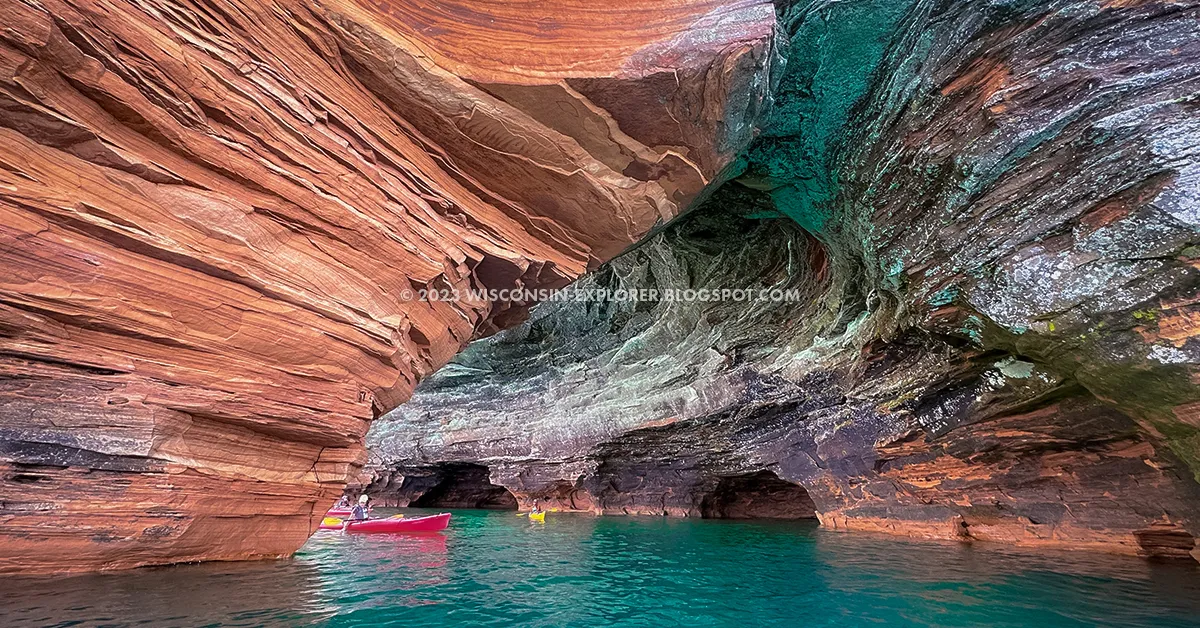
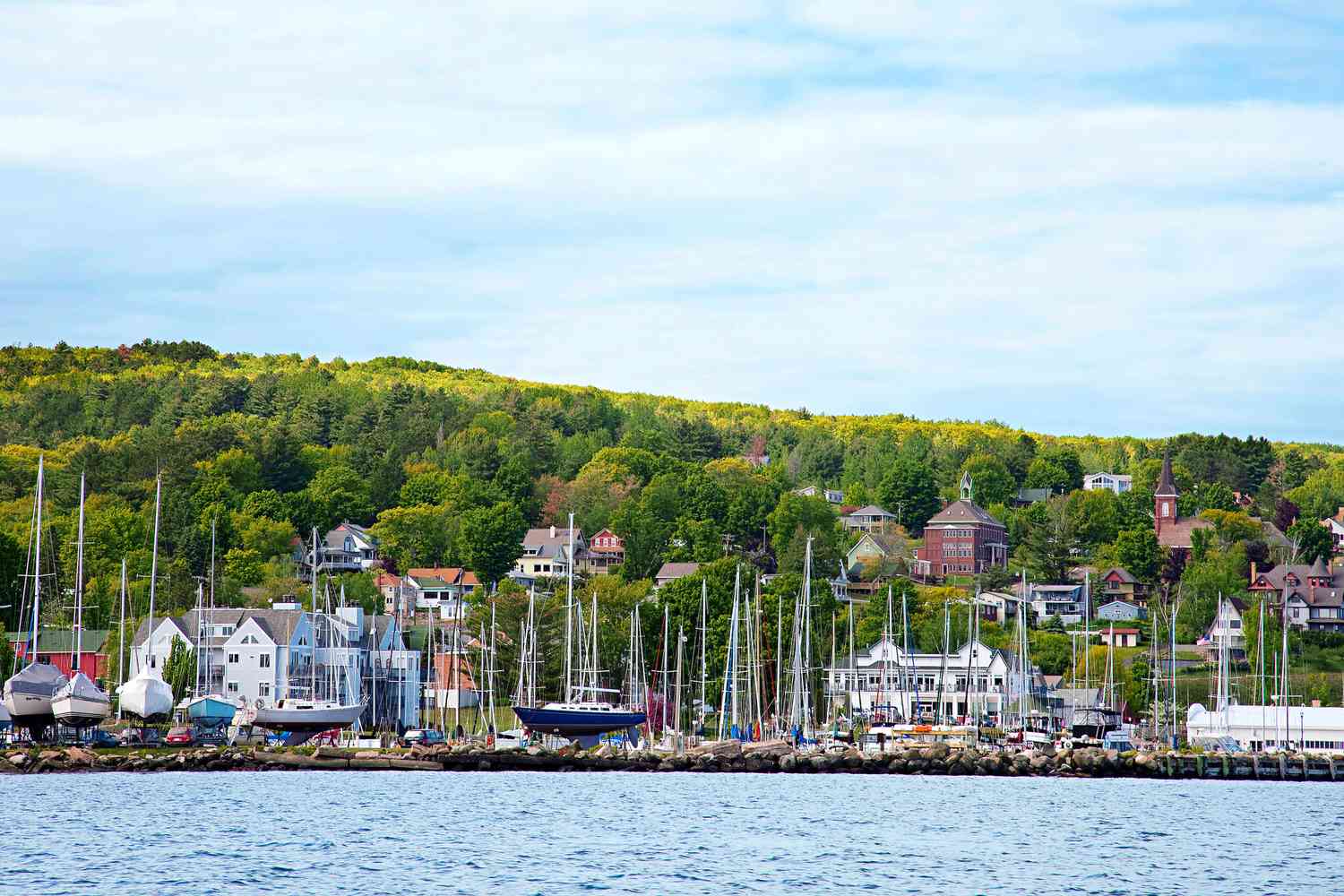
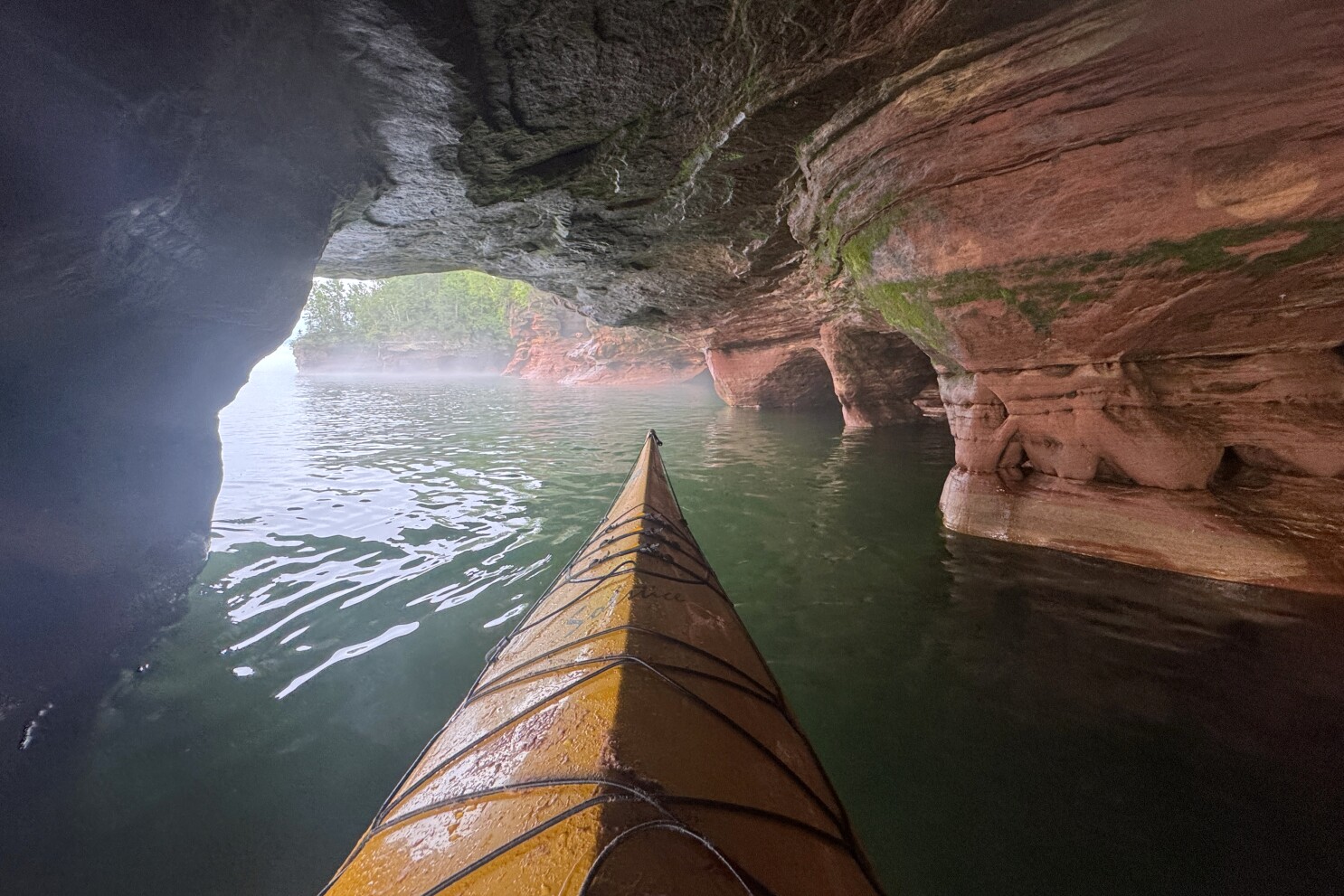
Apostle Islands National Lakeshore feels like the Midwest answering a question nobody asked out loud: what if the shoreline was dramatic enough to rival an ocean coast, but your post-paddle reward was a warm latte and a casual fish fry in town? Based out of Bayfield, Wisconsin, you can spend the morning weaving through sandstone sea caves and the afternoon strolling a harborfront that still looks like it runs on lake weather and cherry season, with tour boats and the Madeline Island ferry coming and going like punctuation.
This page is built for the real planning moments: when to come for open-water sea caves versus the elusive ice caves, whether you should book a guided kayak tour or rent and go, what “weather-dependent” actually means on Lake Superior, and exactly how to structure a half-day or full-day outing from Bayfield.
Bayfield basics: what to know before you plan
Bayfield is the classic small-port launchpad: easy to park, easy to walk, and close to the mainland sea caves. It is also one of the most convenient places to book tours, grab last-minute gear, and check conditions before you commit to being on the water.
- Where the famous sea caves are: Most first-timers mean the mainland sea caves near Meyers Beach, up the shoreline toward Cornucopia. Many tours stage and launch from Meyers Beach rather than Bayfield proper, even if you booked in town.
- What “Apostle Islands” includes: The archipelago is commonly described as 21 islands, and the National Lakeshore includes many of those islands plus portions of the mainland shoreline. For current boundaries and closures, check the NPS site before you go.
- Cell service and logistics: Expect patchy coverage outside town. Download maps, tour meeting info, and parking details ahead of time.
- Leave No Trace matters here: The caves are fragile sandstone and the water is sensitive. Stay off closed areas, pack out everything, and do not carve or scratch the rock.
Getting to Meyers Beach
If your goal is the mainland sea caves, plan your day around Meyers Beach logistics. It is not hard, but it is the difference between a smooth morning and a stressed one.
- Drive time: Bayfield to Meyers Beach is roughly 25 to 35 minutes depending on where you are staying and summer traffic.
- Parking reality: On peak summer weekends, the lot can fill. Earlier is easier, especially for morning tours.
- Meet-up specifics: Some outfitters meet in Bayfield for paperwork and then caravan up, others meet at or near the beach. Confirm the exact location the day before so you are not guessing on a two-lane road with limited service.
Seasons: sea caves, ice caves, and the ice road
Open-water sea caves: best windows
If your dream is to paddle into arched caves and trace the scalloped shoreline up close, plan for late spring through early fall. The “best” time depends on what you value most, and what Lake Superior decides to do that week.
- Late spring to early summer (roughly May to June): Fewer crowds and crisp visibility, but the water is still very cold. Tours and rentals can be more limited in May, and conditions can be rougher. This is prime for guided trips because safety margins matter.
- High summer (July to August): The most reliable for warmer air and comfortable post-paddle downtime in Bayfield. Also the busiest, so book tours early and arrive early for parking.
- Early fall (September into early October): Gorgeous light, fewer people, and often calmer vibes in town. Tours may reduce schedules as it gets colder, and conditions can flip quickly.
Ice caves: magical, unpredictable, not guaranteed
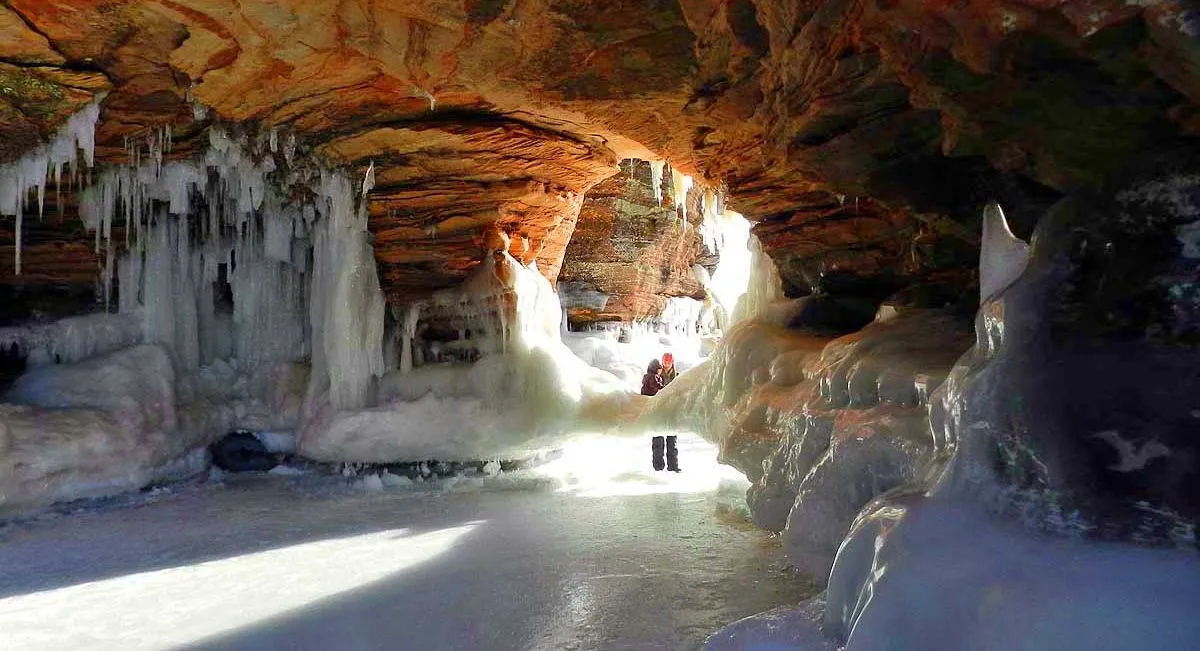
The famous Apostle Islands ice caves are not an annual event you can pencil in like a festival. They require a specific mix of prolonged cold and safe ice formation. Some winters they are accessible for a short window, other winters they are not safely accessible at all.
Plan with flexibility: if ice caves are your main goal, build a broader winter weekend around Bayfield area snow sports, cozy food, and scenic drives so your trip still feels like a win even if the caves do not open.
The ice road: what it is (and what it is not)
People often lump winter access into one idea: “We will just take the ice road.” In reality, the well-known ice road here is the Madeline Island Ice Road, which connects Bayfield to Madeline Island (La Pointe) when conditions allow.
That road is not the way you access the ice caves at Meyers Beach. Ice cave access (when it exists) is a separate shoreline and ice-safety situation entirely. Also, the ice road is condition-dependent and can open late, close early, or be restricted. Check current local announcements and official updates before you travel, and do not assume drivable ice access will be available just because it is February.
Guided tour vs kayak rental
The Apostle Islands are not a casual “any lake will do” paddle. Lake Superior is cold, conditions change quickly, and the cave zone adds navigation and surge considerations. The good news is that you can absolutely do this safely with the right choice for your skill level and the day’s forecast.
Choose a guided kayak tour if you want
- Local decision-making: Guides read wind, swell, and shoreline protection in a way visitors cannot replicate on a short trip.
- Better cave access on marginal days: Guides can pivot routes to protected segments when exposed sections are unsafe.
- Safety systems built in: Group management, rescue skills, radio communication, and known exit points.
- Less gear headache: Many tours provide appropriate boats, PFDs, sprayskirts when needed, and sometimes wetsuit or drysuit guidance depending on season.
Consider a rental or self-guided paddle if you are
- Experienced in big, cold water: Comfortable with wind, chop, and making conservative calls.
- Prepared with proper gear: PFD, appropriate thermal protection for water temperature, communication plan, and a clear turn-around time.
- Willing to skip the caves if conditions are wrong: The win is getting home safely, not forcing the route.
A practical rule of thumb: If you are traveling for a short weekend and you “really want the caves,” a guided tour is usually the most reliable way to actually see them. Rentals are fantastic when you are flexible and already confident in Lake Superior-style decision-making.
Self-guided safety: quick reality check
If you are paddling without a guide, be honest about what you can do in cold water, not just what you can do on a warm inland lake.
- Skills that matter: Wet exit comfort, basic self-rescue or assisted rescue, and the judgment to turn around early.
- Boat choice matters: Sea kayaks are built for open-water conditions. Some recreational sit-on-tops and short rec kayaks can be fine on very calm days, but they reduce your margin when wind and chop pick up.
- Know your forecast sources: Use the NWS marine forecast for Lake Superior and watch for wind shifts. “Nice in town” does not equal “safe at the caves.”
Weather cancellations: what they mean
On the Great Lakes, cancellations are not drama. They are judgment. The cave coastline can funnel wind, and swell can rebound off rock walls in ways that make entrances and exits feel sketchy even for strong paddlers.
Common reasons trips get canceled or rerouted
- Wind speed and direction: Offshore and onshore winds can both create risk depending on the route.
- Wave height and swell period: Longer-period swell can surge into cave openings.
- Thunderstorms: Lightning risk on open water is an automatic no.
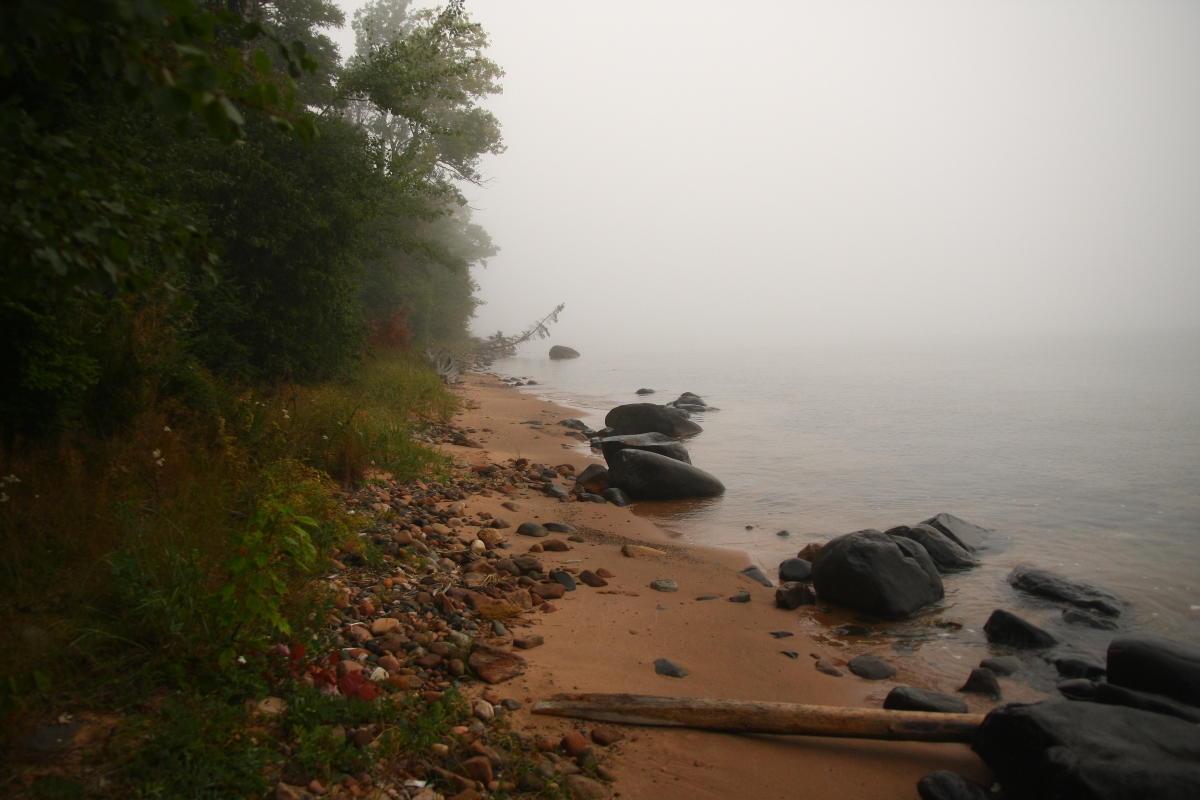
- Fog and reduced visibility: Navigation becomes harder and boat traffic risk rises.
- Cold-water safety thresholds: Early and late season air can be pleasant while the water is still dangerously cold.
How to make cancellations less painful
- Book early in your trip: If you have two days in Bayfield, schedule kayaking on day one so you have a buffer day.
- Choose operators with alternate plans: Many guides can switch to a more protected paddle, a shorter route, or a different activity.
- Build a land-based backup list: Town wandering, coffee, a shoreline hike, a museum stop, or a scenic drive can salvage the day.
- Pack like a local: Wind layer, warm hat even in summer, and dry clothes in the car. Superior loves a surprise, especially after you get soaked.
Check conditions before you go
- NWS marine forecast: Look up the Lake Superior nearshore marine forecast for the Apostle Islands area.
- NPS alerts: Check Apostle Islands National Lakeshore alerts and current conditions for closures and safety notices.
- Your outfitter: If you booked a tour, treat their call as the final word. They are watching real-world conditions, not just an app.
Half-day itineraries from Bayfield
Half-day is the sweet spot if you want a signature experience but also want time for Bayfield’s town comforts. Here are two realistic ways to do it.
Option A: Morning sea caves tour, afternoon in town
- 7:30 to 8:30 am: Coffee and a real breakfast in Bayfield. Eat like you mean it, paddling burns more than you think.
- 9:00 am to 1:00 pm: Guided mainland sea caves kayak tour near Meyers Beach (timing varies by operator and conditions).
- 1:30 pm: Late lunch back in Bayfield, then harbor walk and bookstore browsing.
Option B: Shoreline hike plus a sunset paddle (if it stays calm)
- Late morning: Easy hike or beach time near the lakeshore for a first look at conditions.
- Afternoon: Light town wandering, snacks, and checking an updated marine forecast.
- Early evening: Short, conservative paddle or guided trip timed for golden hour when the sandstone glows. Keep in mind late-day winds can build, so sunset plans are often the first to get rerouted or canceled.
Carry-on-only tip: Bring a compact dry bag and a lightweight base layer you can change into after paddling. Being warm and dry is the difference between “cute harbor stroll” and “why am I shivering in a souvenir shop.”
Full-day itineraries from Bayfield
If you have a full day, you can combine a bigger on-water objective with the classic Bayfield rhythm: coffee, adventure, comfort food, sunset.
Option A: Sea caves plus an islands cruise
- Morning: Kayak the mainland sea caves with a guide for the highest chance of optimal routing.
- Mid-afternoon: Clean up and grab an early dinner.
- Late afternoon or evening: Take an Apostle Islands boat cruise for a broader sense of the archipelago without committing to a long, exposed paddle.
Option B: Conservative self-guided day (experienced paddlers only)
- Early morning: Start as early as you can for calmer water and easier parking.
- Late morning: Paddle a pre-planned out-and-back route with clear turn-around rules.
- Afternoon: Keep it flexible. If the wind builds, call it and move to town-based exploring.
Option C: Weather day that still feels like a trip
If the lake says no, you can still do an Apostle Islands style day from Bayfield:
- Morning: Coffee crawl and a slow harbor walk.
- Midday: Scenic drive along the lakeshore for overlooks and short walks.
- Afternoon: Local museum or gallery stop, then warm food and an early night.
Permits and rules
Most day paddles and day trips do not require a special permit, but the National Lakeshore does have rules that can affect your plans.
- Camping: Island camping often requires reservations and following designated campsite rules.
- Closures and seasonal restrictions: Shoreline areas can close for safety or resource protection.
- Best move: Check the NPS Apostle Islands National Lakeshore website for current regulations before you go, especially if you are planning an island landing.
What to pack for sea caves
Lake Superior is famous for being cold, even when the air feels friendly. You do not need to pack your entire gear closet, but you do need to respect the basics.
- On-water essentials: PFD, sun protection, water, snacks you can eat with wet hands, and a small dry bag.
- Warmth: A windproof layer and an insulating layer for after paddling. Even in July, the harbor can feel chilly after time on the water.
- Footwear: Closed-toe water shoes or sandals with secure straps.
- After: Dry socks, a towel, and a full change of clothes in the car.
If you are going early or late in the season, talk to your outfitter about wetsuits or drysuits. Cold shock is real, and “toughing it out” is not a safety plan.
Quick planning checklist
- Pick your priority: Open-water sea caves (most reliable) vs ice caves (never guaranteed).
- Decide guided vs rental: Base it on experience and how badly you want to see the caves.
- Plan for Meyers Beach: Confirm your launch location, arrival time, and parking strategy.
- Build a backup plan: Assume one forecast shift and you will feel like a genius.
- Start early: Calmer water, fewer people, and more flexibility if conditions change.
- Leave room for Bayfield: The whole point is rugged shoreline plus town comforts.
Bayfield makes it easy to chase the best version of the Apostle Islands on any given day. Let the lake set the terms, keep your plans flexible, and you will come home with the kind of stories that start with “I cannot believe that is in Wisconsin.”