Banff vs. Jasper: Which Base Town Is Right for You?

Maya Lin
Maya Lin is a travel journalist and outdoor enthusiast who believes the best trips combine rugged adventures with urban comforts. After spending six years backpacking across four continents, she founded Trail & Town Guide to help fellow travelers navigate both hidden mountain passes and bustling city neighborhoods with confidence.
Banff and Jasper both sit in the kind of mountain scenery that makes you forget your inbox exists. But as base towns, they feel wildly different. Banff is the glossy gateway with easy amenities and big energy. Jasper is the quieter, north-of-the-icefields town where the nights are darker, the streets are calmer, and the trailheads can feel closer than the crowds.
Important 2024 update before you plan: Jasper was hit by devastating wildfires in July 2024. A significant portion of Jasper town and park infrastructure was damaged or destroyed, and the recovery is ongoing. That means lodging, dining, services, and trail access can look very different than “classic Jasper,” and conditions can change season to season. If Jasper is on your shortlist, build flexibility into your plans and check Parks Canada for current closures, access updates, and safety notices.
If you are deciding between them, here is the comparison I wish I had the first time I tried to plan a Canadian Rockies trip with limited days, a realistic budget, and a very unrealistic wishlist.
At a glance
Use this as your quick gut check, then keep scrolling for the details that actually matter once you start booking.
- Pick Banff if you want maximum convenience, more dining and shopping, iconic day trips with shuttles and tours, and you do not mind crowds or higher prices.
- Pick Jasper if you want a calmer town, easier access to quiet trails, darker skies for stargazing, and a more low-key Rockies feel. Right now, that also means you are comfortable planning around wildfire recovery and possible closures.
- Pick both if you have 6 to 10 days and can do the Icefields Parkway in between. It is one of the most scenic drives on the planet, and it deserves time, not a rushed dash.
Town vibe
Banff
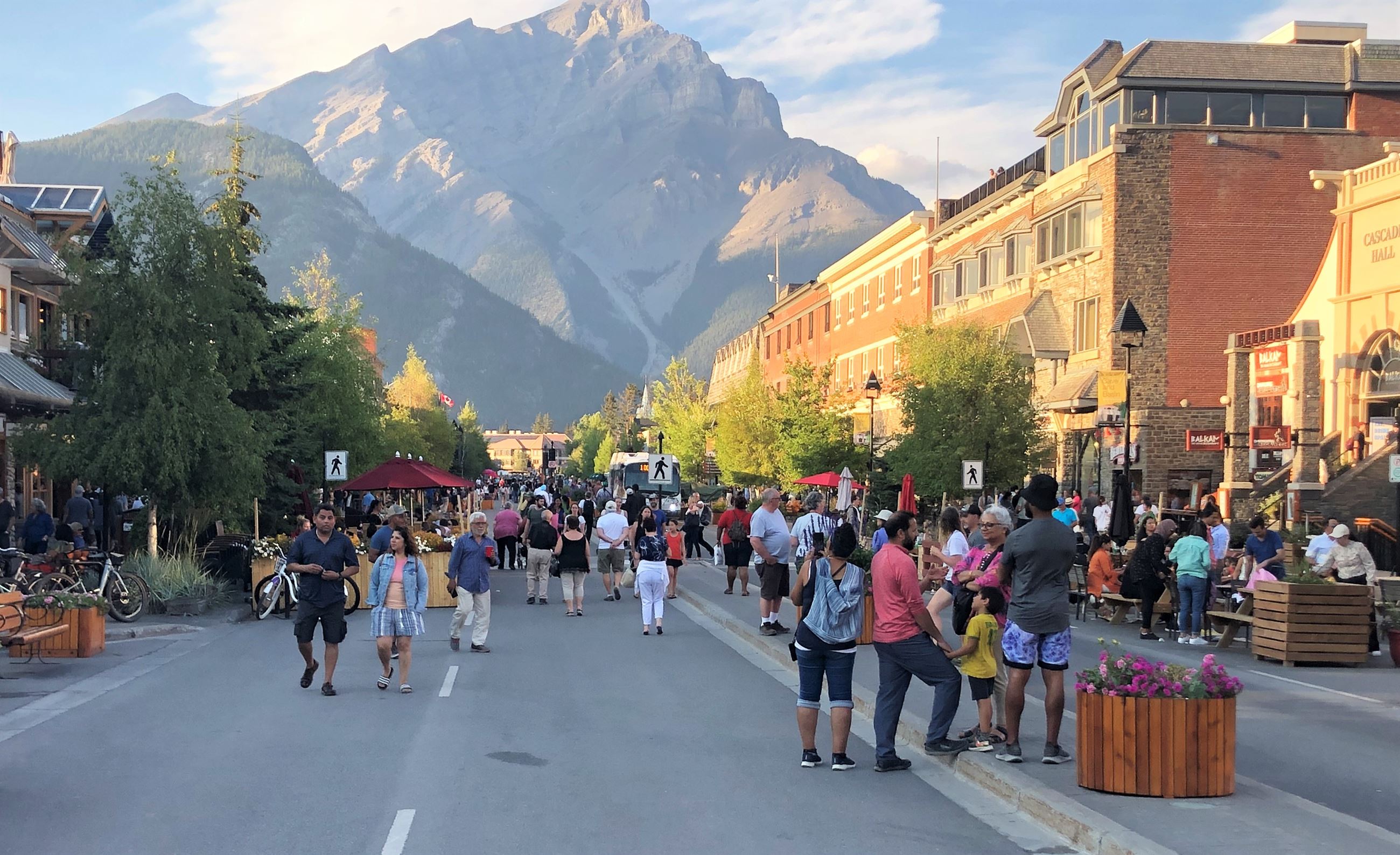
Banff is compact, polished, and busy in peak season. Think lively patios, tour buses, boutique gear shops, and a main street where the mountains frame everything like a movie set. It is easy to be a spontaneous traveler here because there are more options for food, tours, spas, and last-minute logistics.
If you like ending a big hike with a great meal and a walkable town, Banff is your place. If you crave quiet, you may find yourself escaping to trails early just to beat the midday wave.
Jasper
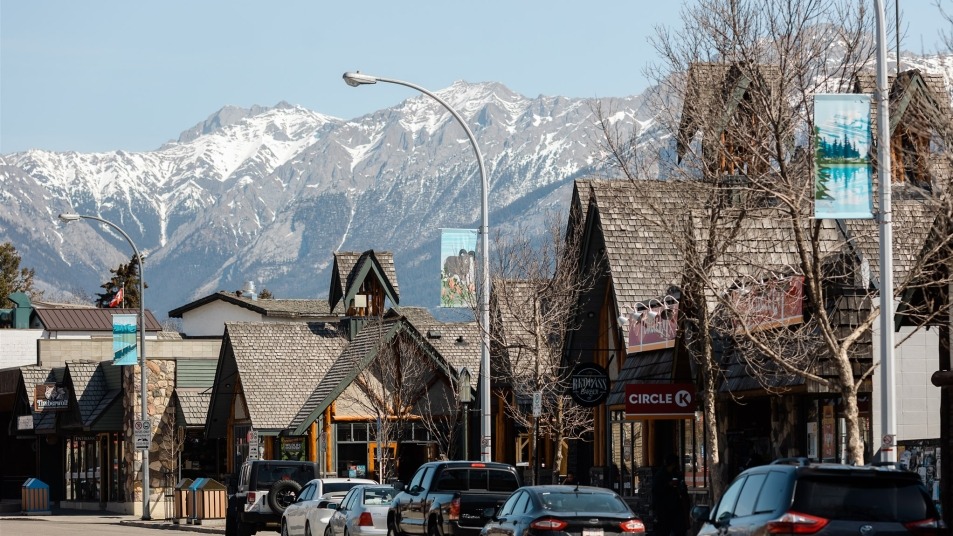
Jasper traditionally feels like a real mountain town that happens to be inside a national park. The pace is slower, the streets are less glossy, and it is easier to find moments where you can actually hear the wind in the trees. Nights can be truly dark, which is not just romantic, it is part of what makes Jasper special for stargazing.
Post-2024 wildfire reality: Expect a town in recovery. Some areas and services may be limited, some favorite businesses may be closed or operating differently, and availability can be tight. The upside is that visiting responsibly, when the community is welcoming visitors, can support the rebuild. The key is to plan with care, confirm what is open, and treat “flexible itinerary” as a feature, not a compromise.
Budget
Both towns are in national parks, so neither is a bargain. But the sticker shock is usually sharper in Banff, especially in summer and on weekends.
Do not forget the Park Pass: You will need a Parks Canada pass to enter and use the parks. For most visitors, that means a daily pass or a Discovery Pass. It is not the biggest line item compared to lodging, but it is mandatory, and it adds up across multiple days.
Banff costs
- Lodging: Typically higher, with many upscale hotels and high demand close to town.
- Food: More variety, but it is easy to spend a lot if you eat out for every meal.
- Getting around: You can reduce driving stress with shuttles and transit, but popular lake shuttles and parking strategies still require planning.
Jasper costs
- Lodging: Often a bit more reasonable, though it spikes in peak season too. Wildfire recovery note: lodging supply can be reduced and prices can fluctuate due to limited inventory, so book early and double-check cancellation terms.
- Food: Fewer choices, usually slightly easier to keep it simple. Availability may vary during rebuild periods.
- Getting around: Many trailheads are close, which can save time and fuel, but you may rely more on your car for certain highlights. Road and area closures can shift after wildfire impacts.
Money-saving tip that works in both: Book midweek, travel shoulder season (late May, September), and choose one “splurge” day (like the gondola or a fancy dinner) instead of trying to do everything.
Crowds and timing
This is the part people underestimate. The Rockies are not just popular. They are internet-famous. Banff absorbs the brunt of that fame.
Banff crowd reality
In summer, iconic spots like Lake Louise and Moraine Lake can feel like peak-hour city transit unless you go early or plan transport. Banff itself can be packed midday.
Jasper crowd reality
Jasper gets busy too, but the baseline is usually calmer. Wildfire recovery note: closures and reduced access can concentrate visitors into fewer open areas, which can make some places feel busier than you expect for “quiet Jasper.”
My timing rule: Do your headline attraction early (sunrise to 9 am), do a hike that starts from a less obvious trailhead mid-morning, then save town wandering for late afternoon.
Hiking access
Both bases deliver world-class hiking. The difference is what is easiest to reach and how much you want to share it.
Banff area hiking highlights
- Lake Agnes Tea House: A classic, steep-ish, highly popular hike with a rewarding finish.
- Plain of Six Glaciers: Glacial views with an iconic teahouse stop.
- Johnston Canyon: Short and stunning, but expect crowds.
- Sulphur Mountain: Hike up or gondola, easy access from town.
Banff is great if you love a mix of half-day hikes and easy logistics, plus the option to add a spa or a nice dinner without leaving the bubble.
Jasper area hiking highlights
- Valley of the Five Lakes: Colorful lakes, family-friendly, close to town (confirm conditions and any seasonal restrictions).
- Bald Hills (Maligne Lake area): Big views and alpine feel (check road access and trail status).
- Edith Cavell area trails: Dramatic mountain scenery and glaciers, but access can be highly variable. Wildfire recovery note: this area is one of the places travelers should specifically verify for closures and reopening timelines.
- Tonquin Valley (multi-day): A legendary backpacking route for serious hikers. Wildfire recovery note: backcountry access, permits, bridges, and campgrounds can be affected, so confirm current status before you build an itinerary around it.
Jasper shines for hikers who want more solitude and are happy to drive a bit for trail variety. It is also a strong base if you are flirting with the idea of a backpacking trip, as long as you plan around current conditions.
Quick honesty: If your dream is specifically Moraine Lake and Lake Louise, Banff is the simpler base. If your dream is quiet lakes, big wilderness, and unhurried mornings, Jasper can feel like a relief, when the areas you want are open and safe to visit.
Scenery
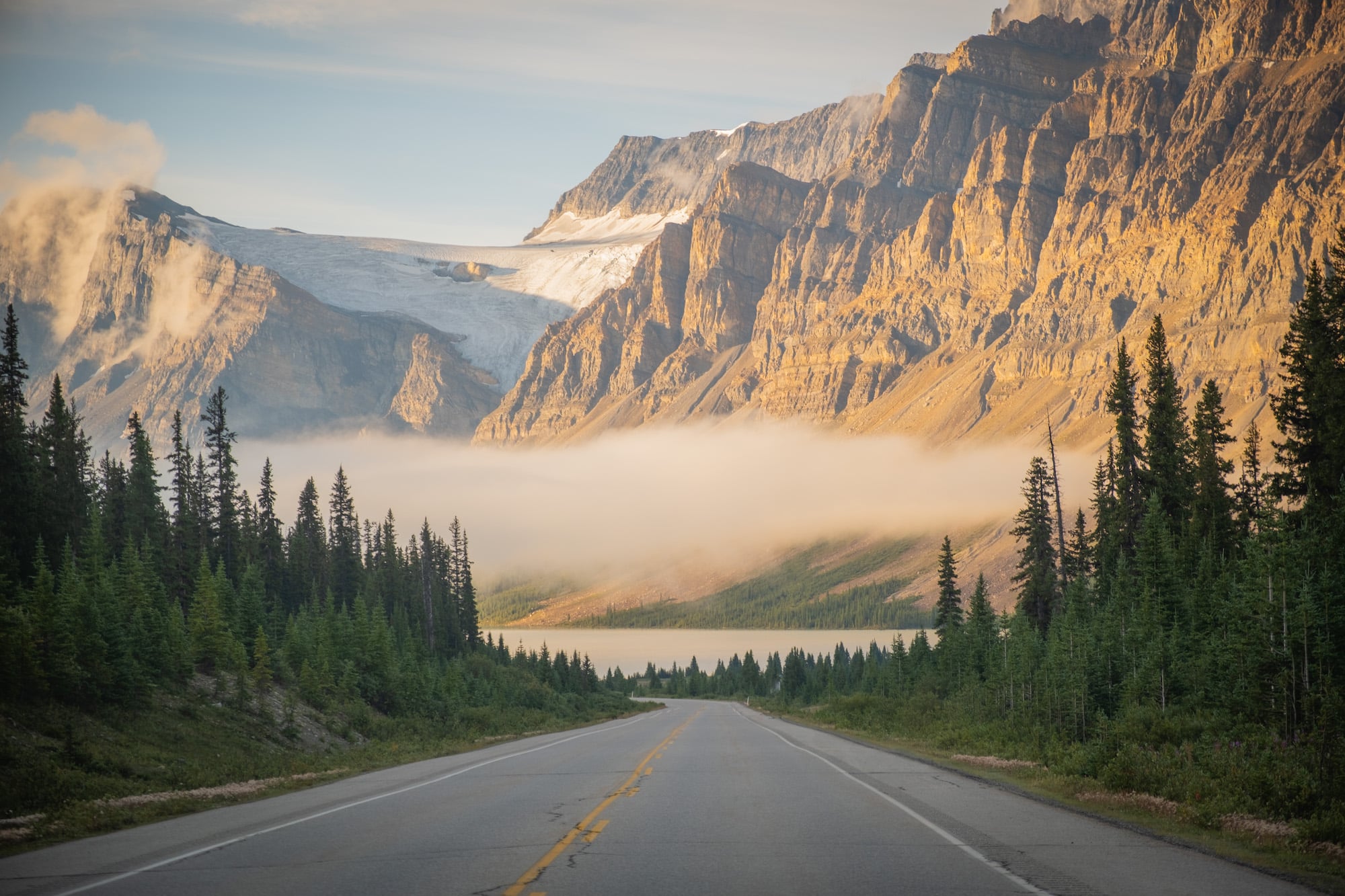
Banff’s landscapes are bold and immediately iconic: turquoise lakes, sharp peaks, and postcard viewpoints you have seen a thousand times. Jasper’s beauty is broader and wilder: long valleys, big skies, and a sense of scale that creeps up on you.
Banff scenery strengths
- Lake Louise and Moraine Lake levels of “is this real?” color
- Easy access to dramatic viewpoints and gondolas
- More curated, high-impact stops close together
Jasper scenery strengths
- Wider, quieter landscapes and a more remote feel
- Excellent chances for dark-sky experiences
- Massive alpine vistas without always needing a crowd-friendly platform
Wildfire recovery note: Jasper’s landscapes are also changing in real time. Burned areas can look stark, but they are part of the Rockies’ natural cycle, and the regrowth story is real. The practical takeaway is still the same: confirm which roads, trails, and viewpoints are open before you go.
Wildlife
You can see wildlife in both parks, but Jasper often feels like it has more frequent, more casual sightings simply because the region is less built-up and less busy.
- Banff area: Expect opportunities for bighorn sheep, elk, and occasional bears, especially early and late in the day. You will also see plenty of humans.
- Jasper area: Elk sightings are common, and the park’s quieter roads and trails can increase your odds of seeing bears and other wildlife responsibly from a distance.
Wildlife safety note: Carry bear spray where recommended, hike in groups when possible, make noise on quieter trails, and never approach or feed animals. A “good” wildlife encounter is one where the animal keeps behaving like it did before you showed up.
Getting there and getting around
Banff logistics
Banff is closer to Calgary and generally simpler for short trips. If you are flying in and want a quick drive to your base, Banff wins for convenience.
- Closest major airport: Calgary International Airport (YYC)
- Best for: Weekend to 5-day trips, travelers who want tours and transit options
Jasper logistics
Jasper is farther, which is exactly why it feels quieter. It works best if you have enough time to justify the extra travel. Many travelers combine Jasper with Banff via the Icefields Parkway rather than treating Jasper as a quick add-on.
Wildfire recovery note: confirm road conditions, services, and what is actually open in town before you commit to long driving days.
- Closest major airport: Edmonton International Airport (YEG) is often used, though route planning varies
- Best for: 5 to 10-day trips, slower itineraries, hikers who want space and are comfortable planning around closures
Car vs. no car: You can do Banff with limited driving if you plan shuttles and stay central. Jasper is more comfortable with a car, especially if you want to explore beyond town. In a rebuild period, a car also helps you adapt if your first-choice area is closed.
Food and comforts
This is Town Wander, so yes, we are talking about the town part too.
Banff
Banff has more of everything: cafes for laptop mornings, bakeries, cocktail bars, and restaurants that feel like you dressed up on purpose. After a long day outside, you can pivot into urban comforts fast.
Jasper
Jasper has enough to keep you happy, just fewer choices. Post-2024 wildfire reality: options may be more limited than you expect, and hours can be shorter. Plan a little, then roll with it. That mindset will save you a surprising amount of stress.
My carry-on-only packing note: In either town, pack one “town” layer that still works outdoors. A clean merino tee, a light fleece, and a simple shell can take you from a windy viewpoint to dinner without looking like you just crawled out of a backpack.
Itineraries
2 to 3 days
- Choose Banff. Less transit time means more trail time.
- Do one iconic lake day and one hike closer to town.
4 to 5 days
- Choose based on your style: Banff for convenience and variety, Jasper for quieter hiking.
- If you choose Jasper, commit to it and do not try to squeeze in Banff too. Also commit to checking closures and being flexible.
6 to 10 days
- Do both. Split nights between Banff and Jasper.
- Drive the Icefields Parkway with stops, not as a single rushed push.
10+ days
- Use both towns, then add a slower layer: Canmore for a less touristy base near Banff, or extra Jasper nights for longer hikes and stargazing, as conditions allow.
So, which one?
Choose Banff if you are:
- Traveling without a lot of days and want the easiest access from Calgary
- Prioritizing Lake Louise and Moraine Lake style iconic scenery
- Into a livelier town with more restaurants, shops, and tours
- Comfort-first, with hiking as a big part of the trip but not the only focus
Choose Jasper if you are:
- Chasing quieter trails and a less hectic home base
- Excited about wildlife, dark skies, and a more remote feeling park experience
- Comfortable driving for trail variety and scenic roads
- Planning longer hikes or even a backpacking trip, and willing to plan around post-wildfire closures and recovery timelines
If you are the kind of traveler who wants rugged mornings and a good cappuccino by afternoon, both towns deliver. Banff makes the comfort part effortless. Jasper makes the rugged part feel more real, especially when you travel with awareness of what the community has been through.
If you tell me your season, number of days, and whether you will have a car, I can suggest a simple Banff-based, Jasper-based, or split itinerary that matches your hiking level and budget. And if Jasper is in the mix, I will help you build a Plan B that still feels like the Rockies if your first-choice area is closed.