Best Day Hikes in Grand Teton National Park

Maya Lin
Maya Lin is a travel journalist and outdoor enthusiast who believes the best trips combine rugged adventures with urban comforts. After spending six years backpacking across four continents, she founded Trail & Town Guide to help fellow travelers navigate both hidden mountain passes and bustling city neighborhoods with confidence.
Grand Teton National Park is the rare place where a big-mountain day starts with a latte and ends with alpenglow. The Tetons rise straight out of the valley like a stage backdrop, and the hiking is wonderfully choose-your-own-adventure: quick lakeside strolls, steep grunt-fests to turquoise water, and long canyon days that feel like you walked into a nature documentary.
Below are my favorite day hikes in Grand Teton, chosen for big scenery and realistic logistics. I am Maya, a longtime “early alarm, strong coffee, hiking boots by the door” kind of traveler, and you will see my personal tips throughout. If you are pairing the Tetons with Yellowstone, this list also works as a perfect “rest day that still feels epic” between geysers and wildlife drives.
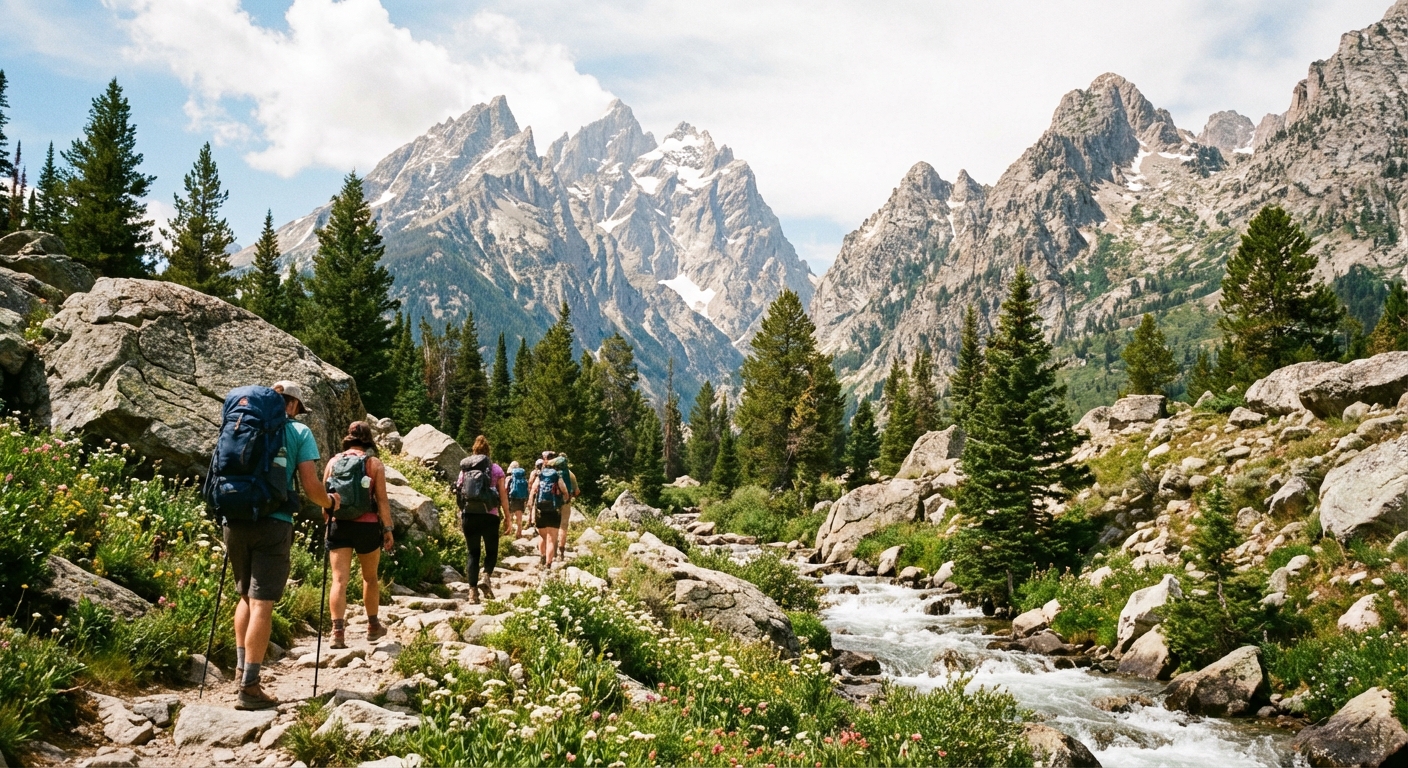
Before you hike: logistics that matter
Park access and timing
Grand Teton is extremely popular in summer and early fall. Parking lots at classic trailheads can fill early, especially near Jenny Lake. If you want a calm start and a guaranteed spot, aim to arrive before 8:00 a.m., earlier on weekends.
- Entrance fees: Grand Teton charges a park entrance fee. An America the Beautiful annual pass can be a great value if you are also visiting Yellowstone on the same trip.
- Season notes: Snow can linger on higher trails well into early summer. By fall, shorter days and early storms are real. Always check current conditions on the official NPS site before you commit to a longer canyon hike.
Bear safety 101 (this is bear country)
You are hiking in both black bear and grizzly bear habitat. The goal is not to be fearless, it is to be predictable and prepared.
- Carry bear spray where you can reach it fast (hip belt or chest strap, not buried in a pack). Choose EPA-registered bear spray and learn how to use it before you hike (release the safety clip, aim low, short bursts). Do not “test spray” in the park.
- Hike in groups when possible and make noise in brushy areas and near water.
- Give wildlife space. NPS guidance is typically 100 yards from bears and wolves and 25 yards from other wildlife. If an animal changes its behavior because of you, you are too close.
- Know the rules: Some areas have temporary closures for wildlife activity. Respect them, even if it ruins your plan.
What to pack (carry-on-only mindset, trail edition)
- Water and a way to refill or treat if you will be out for hours
- Layers: morning chill plus midday sun is common
- Rain shell, even on bluebird forecasts (thunderstorms happen)
- Snacks or lunch with enough calories for elevation gain
- Bear spray, sunscreen, hat, and a small first-aid kit
- Ten Essentials basics: map/offline navigation, headlamp, extra food, extra layers, and an emergency plan
Permits
For these day hikes, you typically do not need permits. Backcountry camping is a different story and requires planning and permits. When in doubt, double-check the specific trail area on the NPS site.
1) Taggart Lake
If you only have a half day, start here. Taggart Lake is the “welcome to the Tetons” hike: approachable mileage, big payoff, and a front-row view of the peaks reflected in calm water.
Quick facts
- Distance: about 3.8 miles round trip (common loop route)
- Elevation gain: about 350 feet
- Time: 1.5 to 3 hours
- Difficulty: easy to moderate
- Why go: classic Teton lake-and-peaks scenery without a huge climb
Trailhead logistics
Start at the Taggart Lake Trailhead off Teton Park Road. This lot is popular because the hike is short and family-friendly, so early is still your friend.
Maya tip: If you want a little more solitude and variety, link Taggart to Bradley Lake via the connecting trail and turn it into a longer morning.

2) Delta Lake
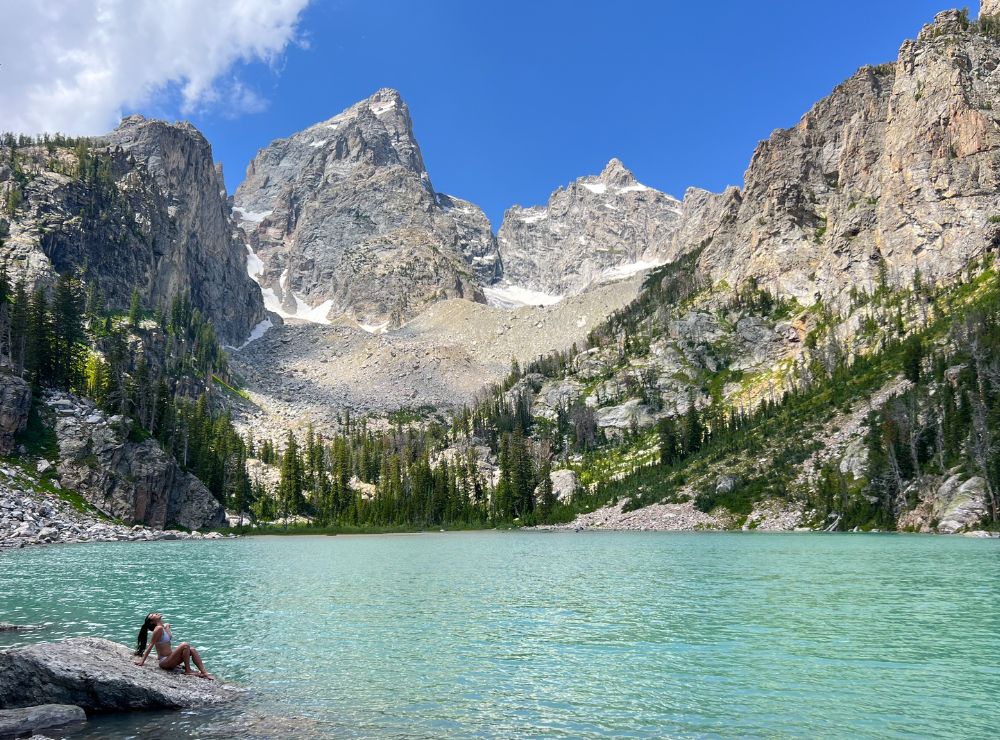
Delta Lake is the hike people whisper about in coffee shops in Jackson. It is steep, rocky, and not as straightforward as the park’s signed classics, but the reward is a shockingly blue glacial lake tucked beneath dramatic granite walls.
Quick facts
- Distance: about 7 to 9 miles round trip (varies by exact route and conditions)
- Elevation gain: about 2,300 to 2,700 feet
- Time: 5 to 8 hours
- Difficulty: strenuous
- Why go: intense color, big drama, and a true “earned it” feeling
Know before you go
This is not an official, signed NPS trail all the way to the lake. Most people follow maintained trails toward Surprise and Amphitheater Lakes, then branch onto an unmaintained climber’s path with route-finding, loose footing, and boulder hopping. Think steep dirt, slick roots, talus, and the occasional “where did the path go?” moment.
- Terrain hazards: loose scree, wet slabs near creek crossings, and ankle-eating rocks. Early season snowfields and lingering ice can make this route legitimately dangerous.
- Be conservative: If you are not comfortable with steep, loose footing and navigation, choose a maintained trail like Taggart Lake or Cascade Canyon instead.
Trailhead logistics
Most hikers begin from the Lupine Meadows Trailhead. Parking can fill very early, especially on peak summer weekends. Conditions and the exact “best” route can change with weather, washouts, and use, so check recent trip reports and current conditions.
Bear safety note: This area sees wildlife traffic. Keep your bear spray accessible and avoid hiking alone if you can.
3) Cascade Canyon
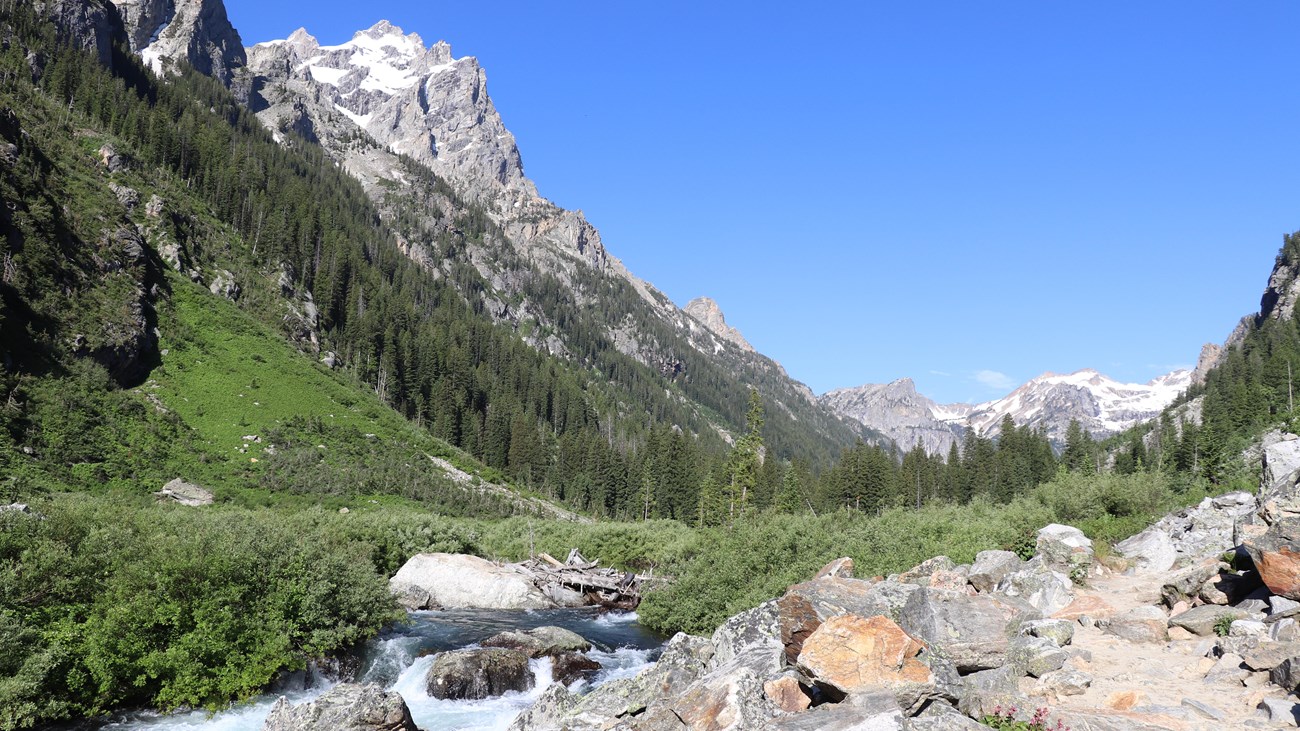
Cascade Canyon is the kind of hike that makes you forget to check your phone. The trail moves through airy forests and along a wide valley floor, with waterfalls, side peaks, and that constant sense that something massive is always just around the next bend.
Quick facts
- Distance: about 9 to 14 miles round trip (varies by turnaround point and whether you take the boat)
- Elevation gain: about 800 to 1,500 feet (varies with turnaround and route)
- Time: 4 to 7 hours
- Difficulty: moderate to strenuous
- Why go: a long, scenic canyon walk with flexible turnaround options
Trailhead logistics (Jenny Lake is the key)
Most routes begin near Jenny Lake, and first-timers get tripped up here because there are a few ways to stitch the day together. The classic corridor into Cascade Canyon is typically: Jenny Lake area to Hidden Falls, then past Inspiration Point, then on into the canyon.
You have two main options:
- Jenny Lake Shuttle Boat: In season, the boat can save time and some walking. It is seasonal, ticketed, can have lines at peak times, and can be weather-dependent. Check operating dates and the last return time.
- Walk the lakeshore: Adds mileage but can be quieter early or late in the day.
Plan for crowds: This is one of the most beloved corridors in the park. If you want the canyon to feel wild, start early and commit to going past the first few scenic stops.
4) Lake Solitude (via Cascade Canyon)
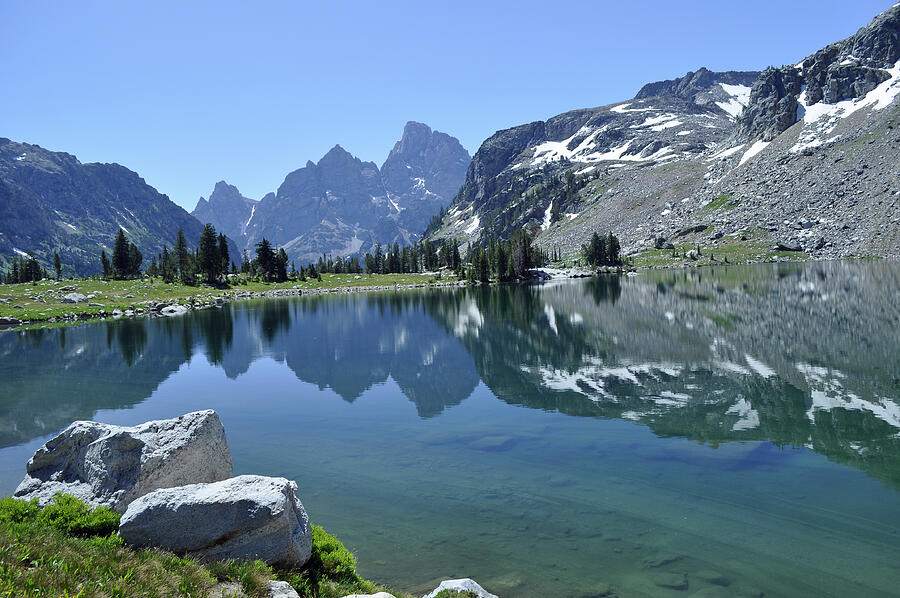
Lake Solitude is the “keep going” prize at the back of Cascade Canyon. The last stretch climbs more, the air gets cooler, and suddenly you are standing at a high lake that looks like it belongs in a different latitude.
Quick facts
- Distance: about 14 to 16 miles round trip (often shorter with the Jenny Lake boat, longer if you walk the shoreline)
- Elevation gain: about 2,200 to 2,500 feet
- Time: 7 to 10 hours
- Difficulty: strenuous
- Why go: a classic big day with a high-alpine finish
Trailhead logistics
Use the same starting logistics as Cascade Canyon (Jenny Lake area via Hidden Falls and Inspiration Point, unless you choose the lakeshore approach). If you plan to use the shuttle boat, check operating dates and the last return time so you do not accidentally add a surprise evening walk around the lake.
Maya tip: Pack a real lunch, not just snacks. Lake Solitude is a perfect sit-and-stare spot, and you will want time to enjoy it without racing your legs back down.
5) Paintbrush Canyon
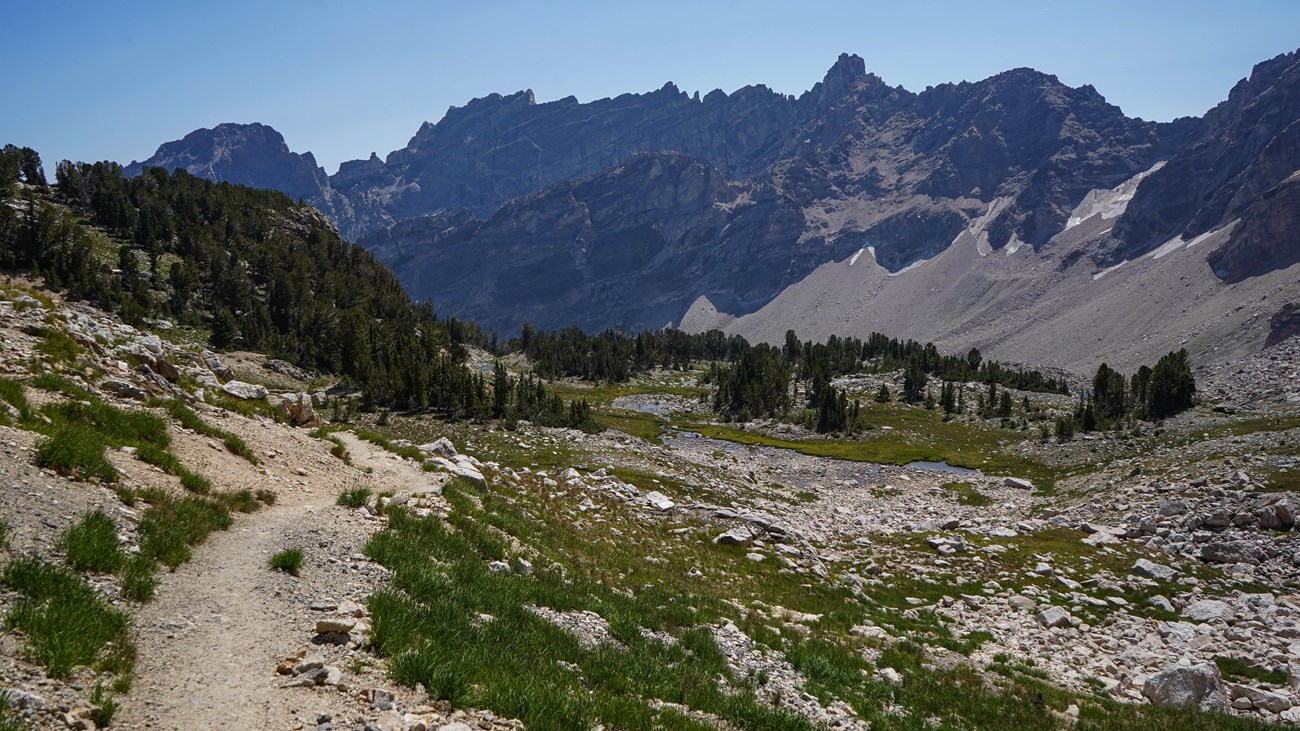
Paintbrush Canyon is for hikers who want the full alpine theater: steeper climbs, high-country views, and a sense of leaving the lakeside crowds behind. Done as an out-and-back, it is a strong day hike. Done as a loop with Cascade Canyon, it becomes one of the park’s iconic all-day adventures, but that is a bigger commitment than many visitors realize.
Quick facts
- Distance: out-and-back varies by turnaround (the full Paintbrush to Cascade loop is longer)
- Elevation gain: out-and-back varies; the full loop is commonly around 3,000 to 4,000 feet
- Time: out-and-back 4 to 7 hours; full loop often 8 to 12 hours
- Difficulty: strenuous
- Why go: high-elevation scenery and a wilder feel
Trailhead logistics
Most hikers start from the String Lake Trailhead (also signed for Leigh Lake access). Parking can be tight in peak season. If you are aiming for higher elevations, start early enough to avoid afternoon storms and to give yourself a generous safety buffer.
Bear safety note: As you get into quieter terrain, your responsibility goes up. Travel with bear spray ready, keep your group close, and be extra vocal around blind turns and vegetation.
Choosing the right hike
If you are deciding in the parking lot with coffee in hand, here is the simple way I match hikes to energy levels:
- Short on time: Taggart Lake
- Want a big classic day with flexibility: Cascade Canyon (turn around when you feel satisfied)
- Chasing a high-alpine goal: Lake Solitude
- Want a tough, famous challenge: Delta Lake (route-finding required)
- Want steeper, wilder vibes: Paintbrush Canyon
If you are visiting both parks, consider hiking Grand Teton on the day you want movement and scenery, then use Yellowstone for slower wildlife watching and geothermal stops.
One easy option
If your group wants a truly mellow day, consider a Jenny Lake lakeshore stroll (out-and-back from the Jenny Lake area) or an easy String Lake shoreline walk. You still get water, peaks, and that “how is this real?” backdrop, without committing to major elevation gain.
Jackson Hole: the common gateway
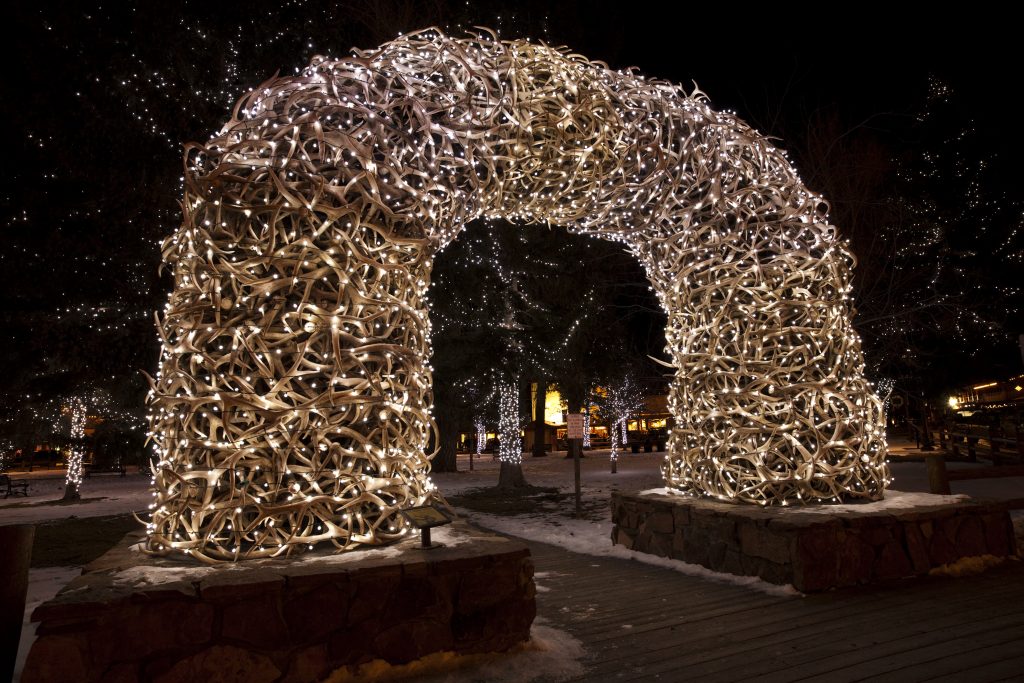
For many visitors, the most common gateway town is Jackson and the wider Jackson Hole valley (even though you will likely drive through Moose and the Teton Park Road corridor to reach key trailheads). It is polished, yes, but it is also deeply outdoorsy in a way that makes hiking days easier. You can buy last-minute fuel (snacks, bear spray, blister care), get a solid meal, and still be in bed early.
My favorite post-hike rhythm
- Refuel: Go for something hearty and salty. Your legs will thank you the next morning.
- Find a great coffee shop: I love a town where you can talk trail conditions over an espresso without feeling out of place in dusty boots.
- Keep it slow: If you are doing Yellowstone too, do not overbook nights. Jackson is a good place to sleep in a real bed, do laundry, and reset.
Final reminders
- Stay on trail to protect fragile vegetation and reduce erosion.
- Pack out everything, including food scraps.
- Respect wildlife distance and never feed animals.
- Watch the sky: thunderstorms build fast, especially at higher elevations.
- Check closures and conditions the morning you hike.
- Tell someone your plan if you are hiking a longer route.
If you are stitching together a multi-park road trip, Grand Teton pairs naturally with Yellowstone. Build your itinerary so you have at least one early start in the Tetons, and you will understand why so many people come for a day and end up rearranging their whole trip.