Best Day Hikes in Rocky Mountain National Park

Maya Lin
Maya Lin is a travel journalist and outdoor enthusiast who believes the best trips combine rugged adventures with urban comforts. After spending six years backpacking across four continents, she founded Trail & Town Guide to help fellow travelers navigate both hidden mountain passes and bustling city neighborhoods with confidence.
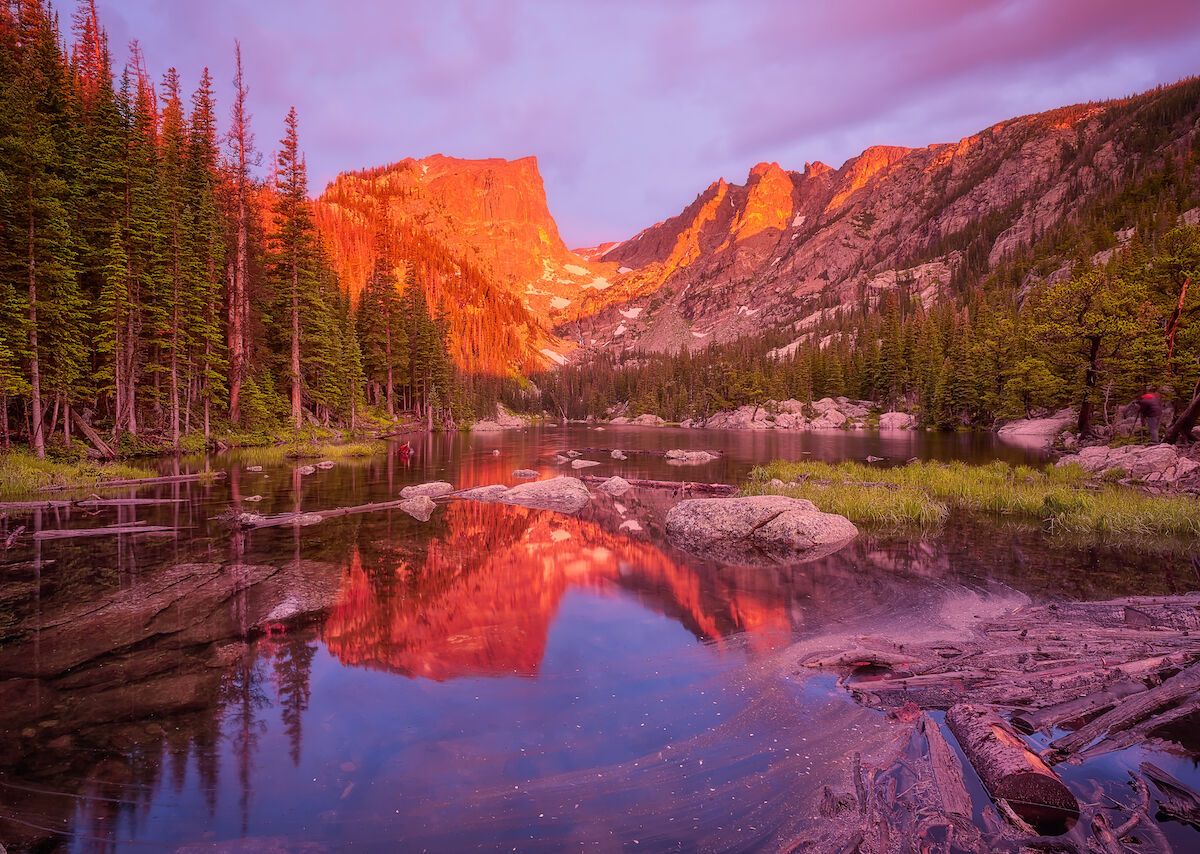
Rocky Mountain National Park is the kind of place that makes you feel both tiny and wildly alive. One minute you’re sipping coffee in Estes Park, the next you’re above treeline watching clouds drag their shadows across tundra like slow-moving ships.
The best part: you don’t need a backpacking permit or a week off work to get the full RMNP experience. These are my favorite day hikes in Rocky Mountain National Park, organized from easy, lakeside classics to lungs-on-fire alpine climbs. I’ll also walk you through Trail Ridge Road access, timed entry reservations, and how to handle altitude so your “dream hike” doesn’t turn into a headache with a view.
Before you hike: entry, roads, and altitude
Timed entry reservations (check this first)
RMNP uses a timed entry system in peak season, but the details can change year to year (names, hours, and release times). Before you build a whole day around a trailhead, check the official NPS RMNP timed entry page for the current season’s rules and daily windows.
When timed entry is active, there are usually two options:
- Park access that includes the Bear Lake Road corridor (the busiest trailhead zone)
- Park-wide access without Bear Lake Road (often labeled something like “Rest of Park”)
If you want Bear, Nymph, Dream, Emerald, or anything starting from Glacier Gorge, plan around the Bear Lake option.
- Book early if you can. Summer and fall weekends fill fast.
- If you miss a slot, keep checking for releases and cancellations, and have a backup hike outside the Bear Lake corridor (I list several below).
- Timing tip: arrive with enough buffer so you can enter at the start of your window and still reach the trailhead without rushing.
Timed entry reminder (quick and clean):
- Bear Lake corridor hikes in this guide: Bear Lake, Sprague Lake, Nymph/Dream/Emerald, Alberta Falls, Mills Lake, The Loch, Sky Pond, Flattop Mountain (and Hallett add-on)
- Rest of Park hikes in this guide: Gem Lake (Lumpy Ridge), Chasm Lake (Longs Peak area), Longs Peak Keyhole Route
Trail Ridge Road basics
Trail Ridge Road is the famous high alpine highway connecting the Estes Park side of the park to the Grand Lake side. It’s also a hiking cheat code because it drops you near tundra viewpoints and quick high-elevation trailheads.
- Dates vary: opening and closing dates change a lot with snowpack, and short-notice closures happen.
- Start early: parking at overlooks and short trailheads gets competitive by mid-morning.
- Weather turns fast: above treeline, thunderstorms and wind can show up with very little warning. Bring layers even on bluebird days.
Altitude: the quiet factor that makes or breaks your day
Many RMNP trailheads start around 8,000 to 9,500 feet, and several hikes climb well above 11,000. If you’re coming from sea level, treat altitude like part of the itinerary, not an afterthought.
- Hydrate early and often, and eat more than you think you need.
- Plan a “warm-up hike” your first day like Bear Lake to Emerald Lake or Sprague Lake.
- Watch for symptoms like headache, nausea, dizziness, or unusual fatigue. If they worsen, descend. Views are optional, breathing is not.
- Afternoon storms are real in summer. For high routes, aim to be heading down by early afternoon.
My carry-on-only day hike packing list
- Water (at least 1.5 to 3 liters, more for longer hikes)
- Refills: don’t count on potable water on trail. If you plan to refill from streams or lakes, bring a filter or purifier.
- Sun protection: hat, sunglasses, sunscreen (UV is intense at elevation)
- Wind and rain layers (a light shell goes a long way)
- Warm layer (even in July, it can feel chilly above treeline)
- Snacks and lunch
- Navigation: downloaded offline map plus a paper map backup if you have it
- Headlamp (yes, even for day hikes)
- Traction in shoulder seasons (microspikes can be a game changer)
Easy day hikes (lakes, views, minimal stress)
If you want big scenery with small effort, RMNP delivers. These are ideal for families, first-timers, and anyone who wants an early hike followed by an afternoon in Estes Park with a pastry and a patio.
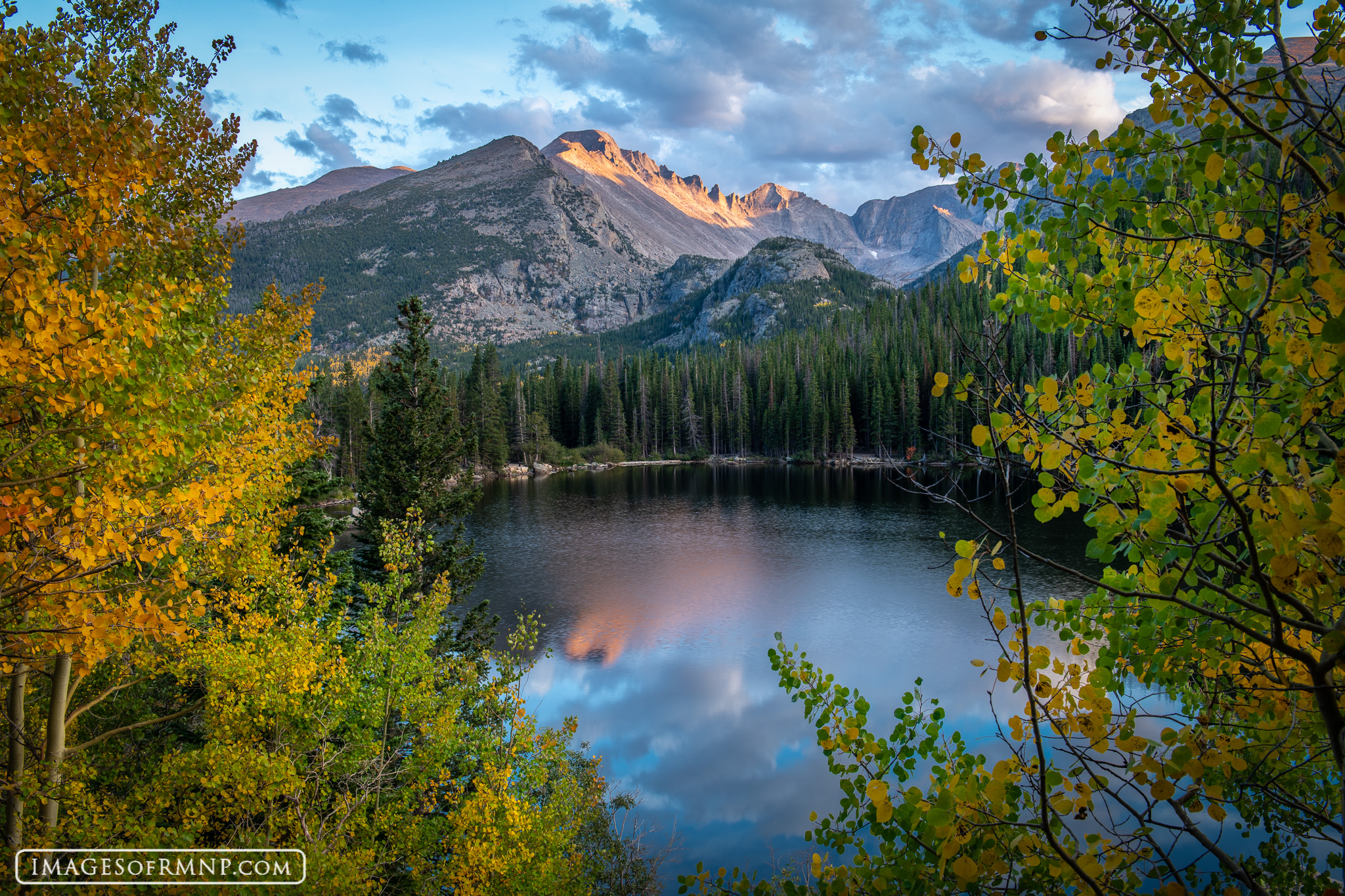
Bear Lake
Why it’s worth it: A short loop with immediate mountain drama. Bear Lake is the classic “I can’t believe this is so accessible” RMNP moment.
- Distance: ~0.6 mi round trip
- Elevation gain: ~50 ft
- Start: Bear Lake Trailhead (Bear Lake Road corridor)
- Expect: crowds, especially after 8 am
- Pro tip: sunrise here is calm and glassy, and parking is easier
Sprague Lake
Why it’s worth it: An easy loop with excellent reflections and a “quietly wow” vibe. It’s also a great acclimatization stroll if you’re feeling the altitude.
- Distance: ~0.8 mi round trip
- Elevation gain: ~30 ft
- Start: Sprague Lake parking area (Bear Lake Road corridor)
- Expect: mostly flat trail, frequent wildlife sightings
- Accessibility note: Sprague Lake is known for being one of the more accessible, stroller-friendly options in the park. Always confirm current conditions and accessibility details on the NPS site before you go.
- Pro tip: go in the evening for softer light and fewer people
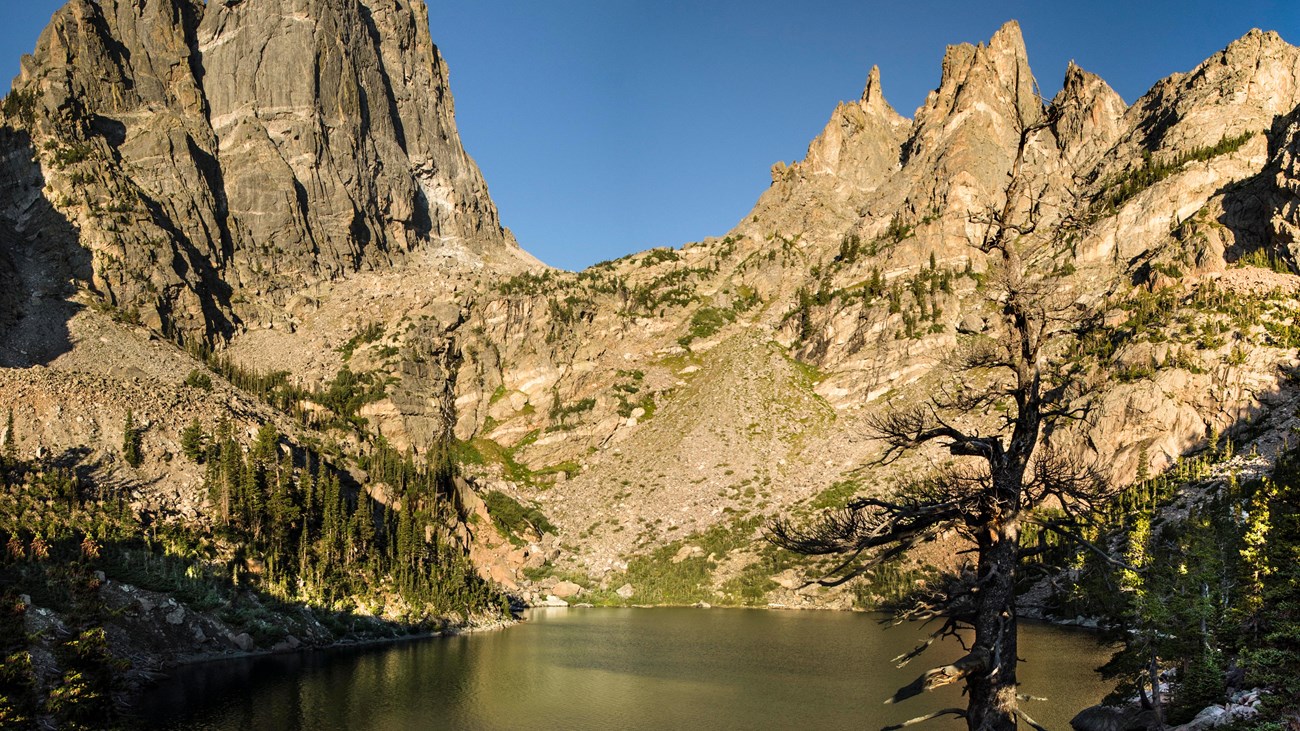
Nymph, Dream, and Emerald Lakes
Why it’s worth it: This is the greatest hits playlist. Each lake feels like a new chapter: lily pads and little cascades, then a classic alpine basin, then a bigger, bolder finale at Emerald.
- Distance: ~3.6 mi round trip (to Emerald Lake)
- Elevation gain: ~650 ft
- Start: Bear Lake Trailhead (Bear Lake Road corridor)
- Effort: moderate inclines but very manageable for most hikers
- Pro tip: Emerald Lake is gorgeous in the morning before the wind picks up
Moderate favorites (more payoff, still doable)
These hikes are where RMNP starts to feel like you earned your view. Expect more elevation gain, longer mileage, and the kind of scenery that makes you stop mid-sentence.
Alberta Falls (and beyond)
Why it’s worth it: A short, satisfying waterfall hike from Glacier Gorge that can be extended in multiple directions. If you’re hiking with a mixed group, this is a great “choose your own adventure” trail.
- Distance: ~1.7 mi round trip
- Elevation gain: ~200 ft
- Start: Glacier Gorge Trailhead (Bear Lake Road corridor)
- Extend it: continue toward The Loch or Mills Lake for a bigger day
- Pro tip: traction can be helpful in spring and fall when the trail is icy
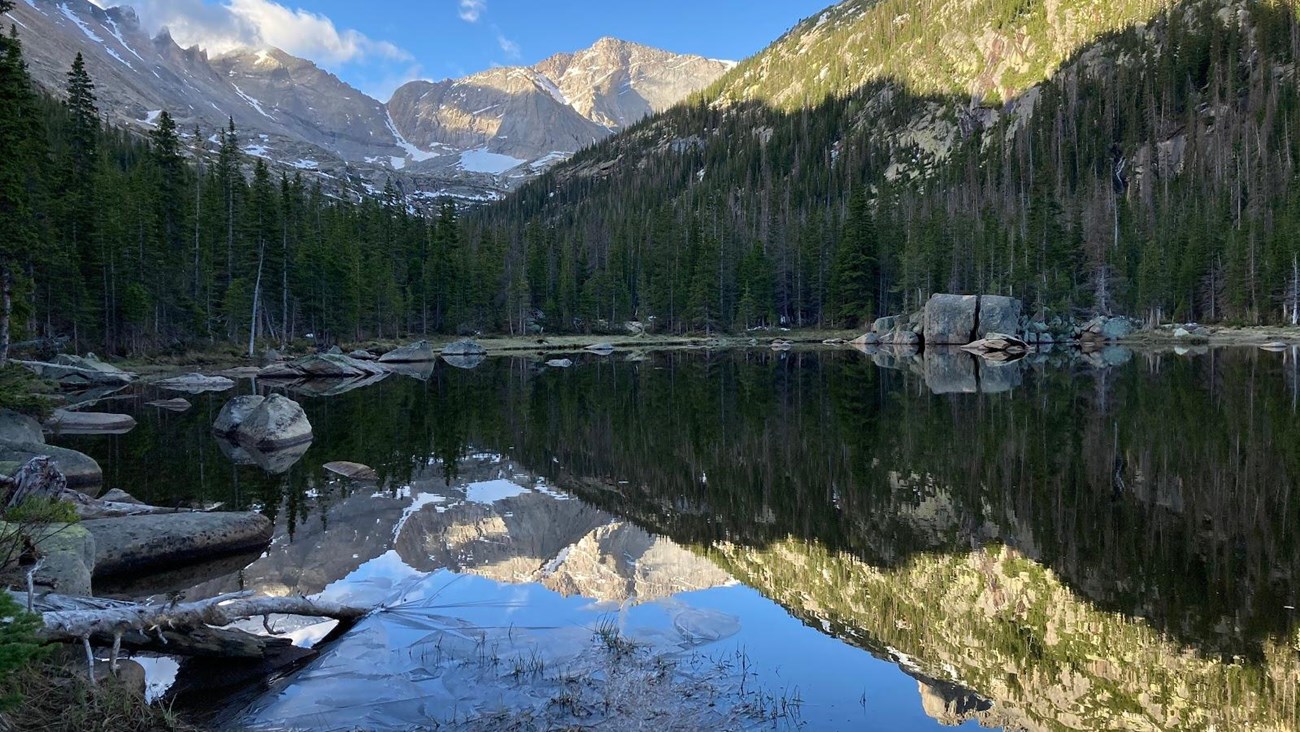
Mills Lake
Why it’s worth it: One of the best moderate lake hikes in the park. The lake sits under dramatic peaks, and the final approach feels like stepping onto a postcard.
- Distance: ~5.6 mi round trip
- Elevation gain: ~800 ft
- Start: Glacier Gorge Trailhead (Bear Lake Road corridor)
- Expect: steady climbing, a lively trail, and strong photo ops
- Pro tip: pack a warm layer for the lakeshore, it can feel cooler there
Gem Lake (from Lumpy Ridge)
Why it’s worth it: A less crowded option near Estes Park with fun rock formations and a small lake tucked into the granite. It feels like an outdoor bouldering gym with views.
- Distance: ~3.4 mi round trip
- Elevation gain: ~1,000 ft
- Start: Lumpy Ridge area trailheads (check current access and parking)
- Expect: rocky footing and excellent scenery early on
- Pro tip: go earlier in the day, parts of the trail can be sunny and warm
Strenuous day hikes (alpine lakes, big climbs)
These are the hikes that make you fall asleep before your head hits the pillow. Start early, bring more food than you think you need, and don’t be shy about turning around if storms build.
Sky Pond
Why it’s worth it: This is the “how is this real?” hike. You pass Alberta Falls, then The Loch, then Timberline Falls, and finally reach Sky Pond backed by rugged spires. It’s a full alpine progression in one day.
- Distance: ~8.6 to 9.0 mi round trip
- Elevation gain: ~1,700 to 1,800 ft
- Start: Glacier Gorge Trailhead (Bear Lake Road corridor)
- Key feature: a steep section near Timberline Falls where you may need to use hands for balance
- Season note: snow and ice can linger into late spring, and it can get slick fast after an overnight freeze. If the rock is wet or icy, be conservative.
- Pro tip: if the rocks are wet or icy, be conservative. Conditions can change quickly here
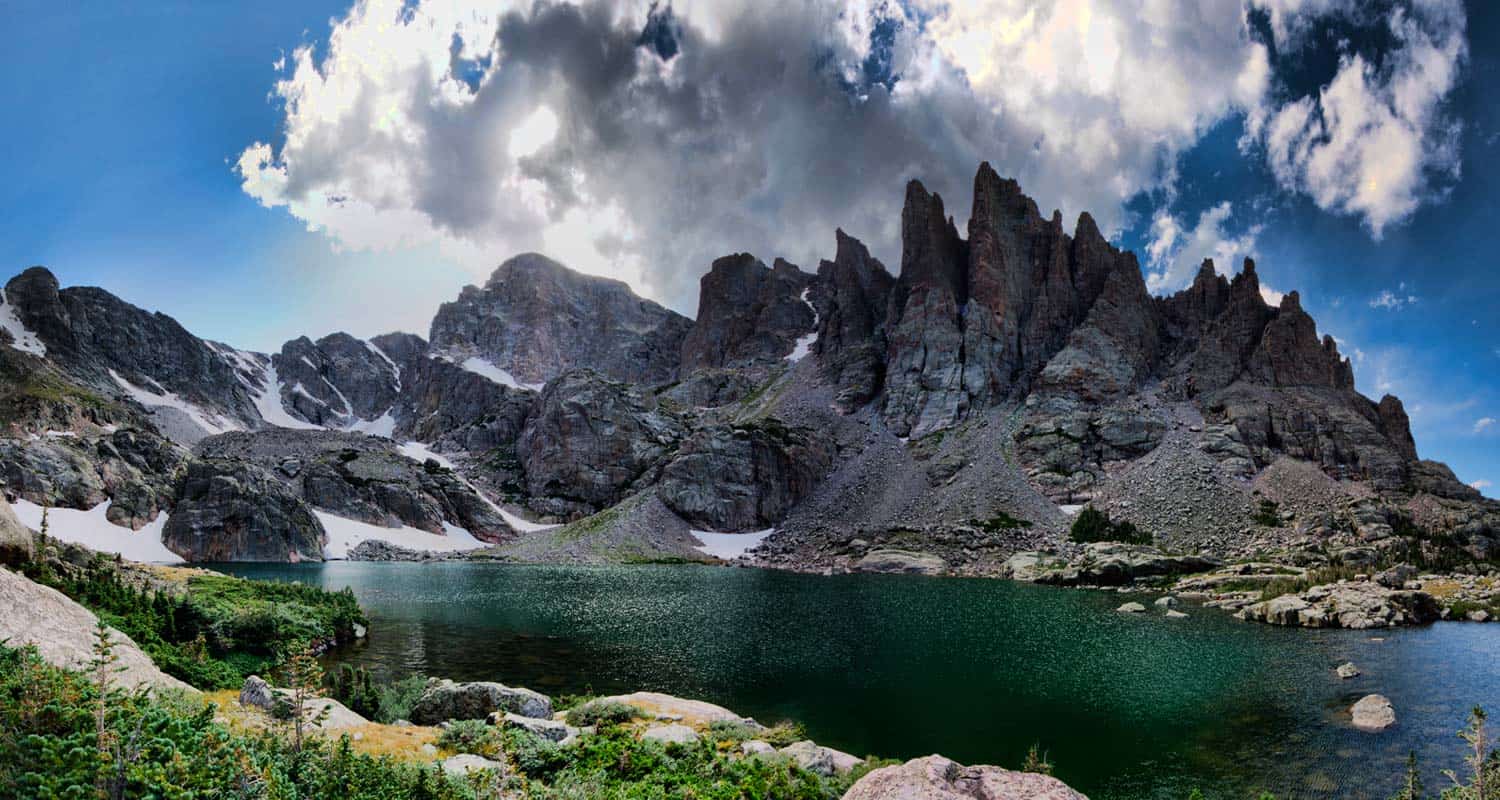
The Loch
Why it’s worth it: A shorter, slightly less intense option than Sky Pond that still feels deeply alpine. The Loch has that classic cirque setting where you want to sit quietly for a while.
- Distance: ~5.9 mi round trip
- Elevation gain: ~1,050 ft
- Start: Glacier Gorge Trailhead (Bear Lake Road corridor)
- Expect: steady elevation gain and cooler temperatures near the lake
- Season note: expect packed snow or ice in shoulder seasons. Traction is often the difference between fun and frustrating.
- Pro tip: early morning is best for calmer water and fewer people
Flattop Mountain (and optional Hallett Peak)
Why it’s worth it: One of the best “quick access to high elevation” hikes in RMNP. The trail is well-traveled, but the views open up beautifully as you climb. Strong hikers can tack on Hallett Peak for a more rugged finish.
- Distance: ~8.8 mi round trip (Flattop Mountain)
- Elevation gain: ~2,850 ft
- Optional add-on: Hallett Peak makes it ~10.0 to 10.4 mi round trip with ~3,200 to 3,400 ft gain total (varies by exact track)
- Start: Bear Lake Trailhead (Bear Lake Road corridor)
- Terrain: long uphill, then exposed sections near the top
- Season note: above treeline, wind and weather are the headline. Plan an early start and keep an eye on building clouds.
- Pro tip: bring wind protection. Even on warm days, it can be brisk up high
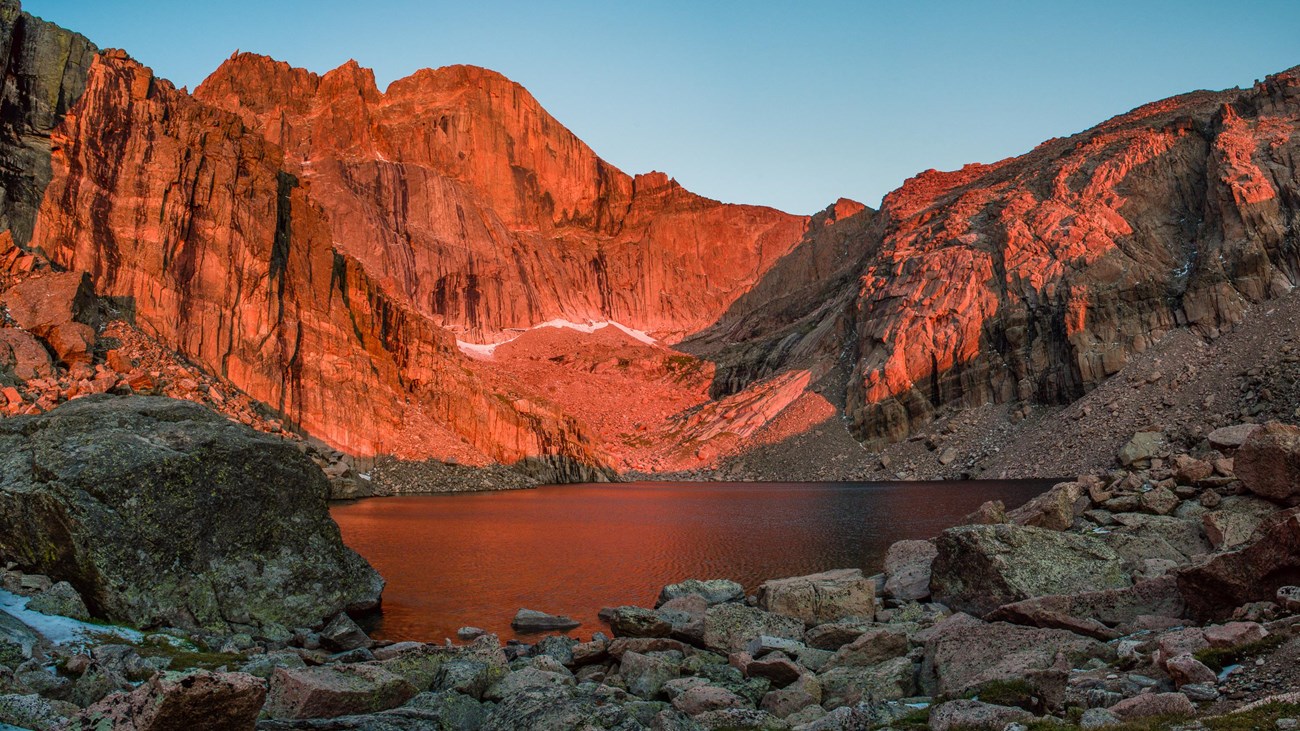
Chasm Lake (Longs Peak area)
Why it’s worth it: A big, rugged basin hike with front-row views of Longs Peak’s dramatic east face. This is a classic “alpine without the technical climbing” day for strong hikers.
- Distance: ~8.4 mi round trip
- Elevation gain: ~2,500 ft
- Start: Longs Peak Trailhead (outside the Bear Lake corridor)
- Expect: early start, significant elevation gain, and exposure to weather
- Season note: the upper basin can hold snow well into early summer. Wind also tends to hit harder up here than you expect.
- Pro tip: the approach is long. Pace yourself and keep snacking
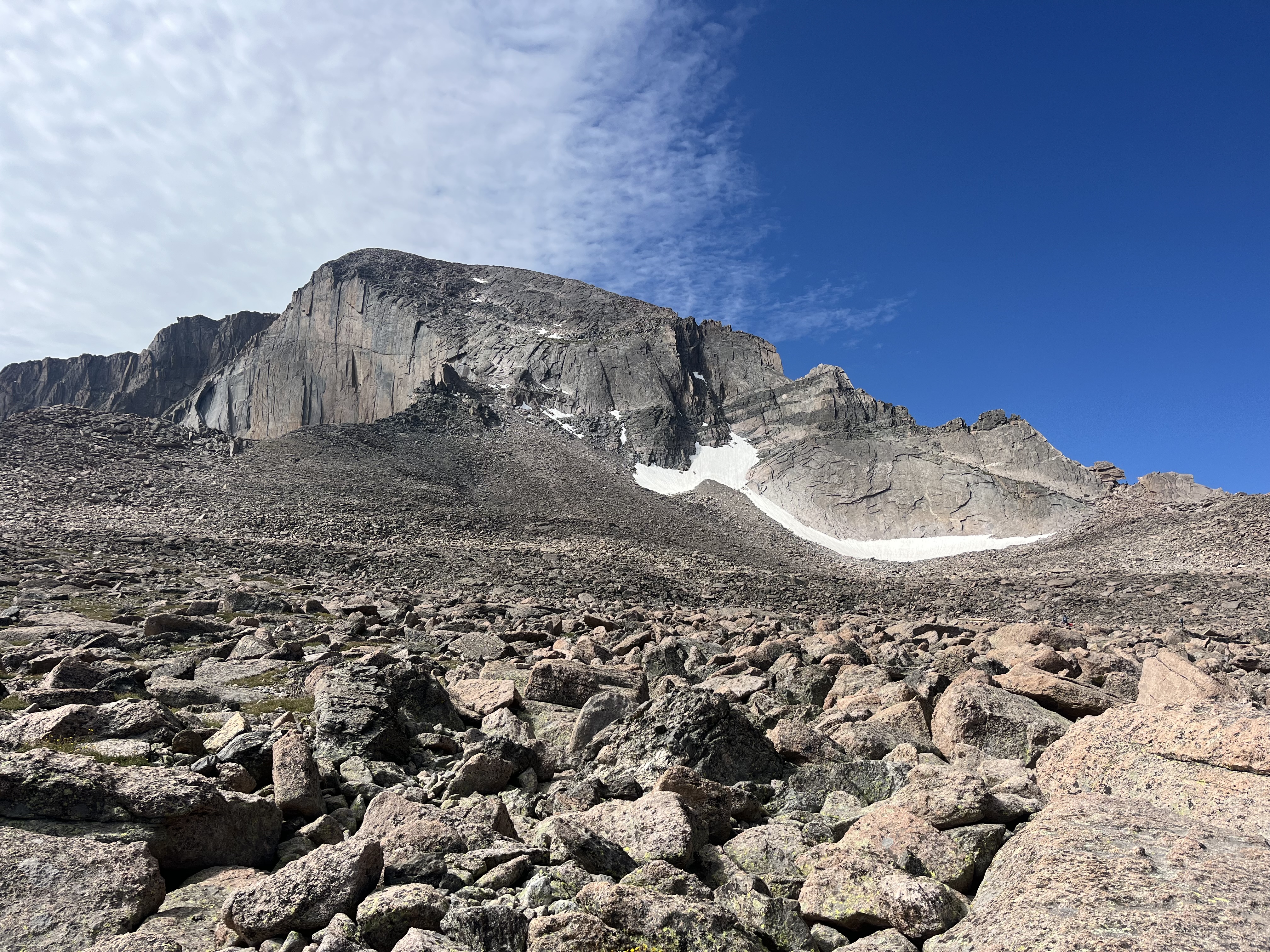
Longs Peak Keyhole Route (only if you’re ready)
Longs Peak is iconic for a reason. It’s also not “just a hard hike.” The Keyhole Route is a serious alpine objective with exposure, route-finding, and fast-changing weather. Many accidents happen because people underestimate the combination of altitude, distance, and scrambling.
What to know before you go
- Distance: ~14.5 to 16.0 mi round trip (varies with exact track and conditions)
- Elevation gain: ~4,800 to 5,100 ft
- Start extremely early: most hikers begin well before dawn to be past the most exposed sections before storms.
- Conditions matter: snow and ice can linger. When it’s not summer-dry, the route becomes much more serious and may require mountaineering gear and experience.
- Know your comfort with exposure: there are airy sections where a fall would be catastrophic.
- Turnaround discipline: set a hard turnaround time and stick to it.
If you’re set on Longs but unsure about the Keyhole, consider building up with hikes like Chasm Lake or Flattop Mountain first, then reassess with current conditions and your own experience.
Trailhead and logistics tips
Pick your base
- Estes Park is best for quick access to Bear Lake Road and many of the most popular trailheads.
- Grand Lake is quieter and pairs well with Trail Ridge Road days, especially if you want a slower pace.
Parking and shuttles
The Bear Lake corridor is famous for parking filling early. On summer weekends, aim for before 7 am if you want the least stress (later can work too, but you’re rolling the dice).
In peak season, shuttles can help a lot, but routes, hours, and pickup locations can change. Check the NPS RMNP shuttle page for the current season’s details, then build in extra time for lines and the last shuttle back.
Wildlife and Leave No Trace
- Give wildlife space: elk and moose aren’t photo props, and they can be unpredictable.
- Stay on trail: alpine tundra is fragile and takes a long time to recover.
- Pack out everything, including food scraps and tissues.
Quick choose-your-hike list
If you want the fastest way to decide, use this:
- Best easy classic: Bear Lake (0.6 mi, ~50 ft)
- Best easy and peaceful: Sprague Lake (0.8 mi, ~30 ft)
- Best bang-for-your-buck lake combo: Emerald Lake (3.6 mi, ~650 ft)
- Best moderate “earned it” lake: Mills Lake (5.6 mi, ~800 ft)
- Best big day with a storyline: Sky Pond (~9 mi, ~1,700 to 1,800 ft)
- Best high-elevation view hike: Flattop Mountain (8.8 mi, ~2,850 ft, add Hallett if strong)
- Best rugged Longs Peak taste without summiting: Chasm Lake (8.4 mi, ~2,500 ft)
A simple altitude-friendly weekend
If you’ve got a weekend and want to feel great instead of wrecked, here’s a simple approach I love:
- Day 1 (acclimate): Sprague Lake or Bear Lake to Emerald Lake, early morning, easy afternoon in town.
- Day 2 (go big): Sky Pond or Flattop Mountain, start early, afternoon nap optional but encouraged.
However you do it, remember: RMNP rewards slow travel. Drink water, look up often, and let the park set the pace.