Best Day Hikes in Sequoia and Kings Canyon

Maya Lin
Maya Lin is a travel journalist and outdoor enthusiast who believes the best trips combine rugged adventures with urban comforts. After spending six years backpacking across four continents, she founded Trail & Town Guide to help fellow travelers navigate both hidden mountain passes and bustling city neighborhoods with confidence.
Sequoia and Kings Canyon National Parks sit back-to-back in the southern Sierra Nevada like a two-for-one deal: you get skyscraper-sized trees and granite viewpoints in Sequoia, then swap to thundering rivers and big canyon drama in Kings Canyon. The trick is that the road network is slower than it looks on a map, trailheads fill early, and elevation can humble even fit hikers.
Below are the day hikes I’d send my best friend on, the ones that deliver maximum wow without requiring an overnight permit. I’ll cover the classics you asked for (Moro Rock, Tokopah Falls, Big Trees Trail, Mist Falls, Rae Lakes as a day option, plus the General Sherman Tree walk), and I’ll also show you how to stitch both parks into one efficient trip.
Before you go: logistics
What’s where
Think of these as two parks that share one big mountain system and are jointly managed. In practice, one entrance pass or receipt is valid for both (always confirm current fee rules on the official NPS site).
- Sequoia highlights: Giant Forest (General Sherman, Big Trees Trail), Moro Rock, Crescent Meadow, Tokopah Falls (via Lodgepole).
- Kings Canyon highlights: Grant Grove area (giant sequoias), and the scenic drive into Cedar Grove for Mist Falls and access toward the Rae Lakes corridor.
Road time reality check
Roads are mountainous, winding, and slow. Times below are typical summer conditions and can change fast with construction, congestion, rockfall, snow, or closures.
- Giant Forest to Lodgepole: roughly 15 to 25 minutes.
- Giant Forest to Grant Grove: roughly 45 to 75 minutes depending on traffic and stops.
- Grant Grove to Cedar Grove (Kings Canyon): roughly 60 to 90 minutes one way, longer with construction or summer congestion.
Season and closure notes
- Late spring to early summer: waterfalls run strong, trails can still have snow at higher elevations.
- Mid-summer: great access, but hot in the canyon and busy everywhere. Start early.
- Fall: crisp hiking weather and fewer crowds, but waterfalls can be smaller. Wildfire smoke and fire restrictions are common some years.
- Winter: expect snow travel in the high country and limited access in places.
- Moro Rock access: the road can close in winter, and in some summer periods there may be traffic controls or shuttle operations depending on the year.
- Cedar Grove access: the road into Cedar Grove can have seasonal closures (winter or spring storm and rockfall impacts). Check NPS before committing a day to it.
Daypack packing list
- 2 liters of water minimum per person (more for Mist Falls and any Rae Lakes corridor attempt)
- Sun protection: hat, sunglasses, sunscreen (granite reflects)
- Layers: mornings are chilly at elevation even when afternoons are warm
- Headlamp (even for day hikes, because delays happen)
- Snacks plus a real lunch (you’ll want it)
- Traction if shoulder-season snow is possible
Permit note: Most hikes listed are straightforward day hikes without wilderness permits. Any overnight trip in the Rae Lakes wilderness area requires a wilderness permit, and rules can change. For day hiking only (no camping), a wilderness permit is typically not required, but always verify current regulations and parking guidance.
Sequoia: best day hikes
Moro Rock
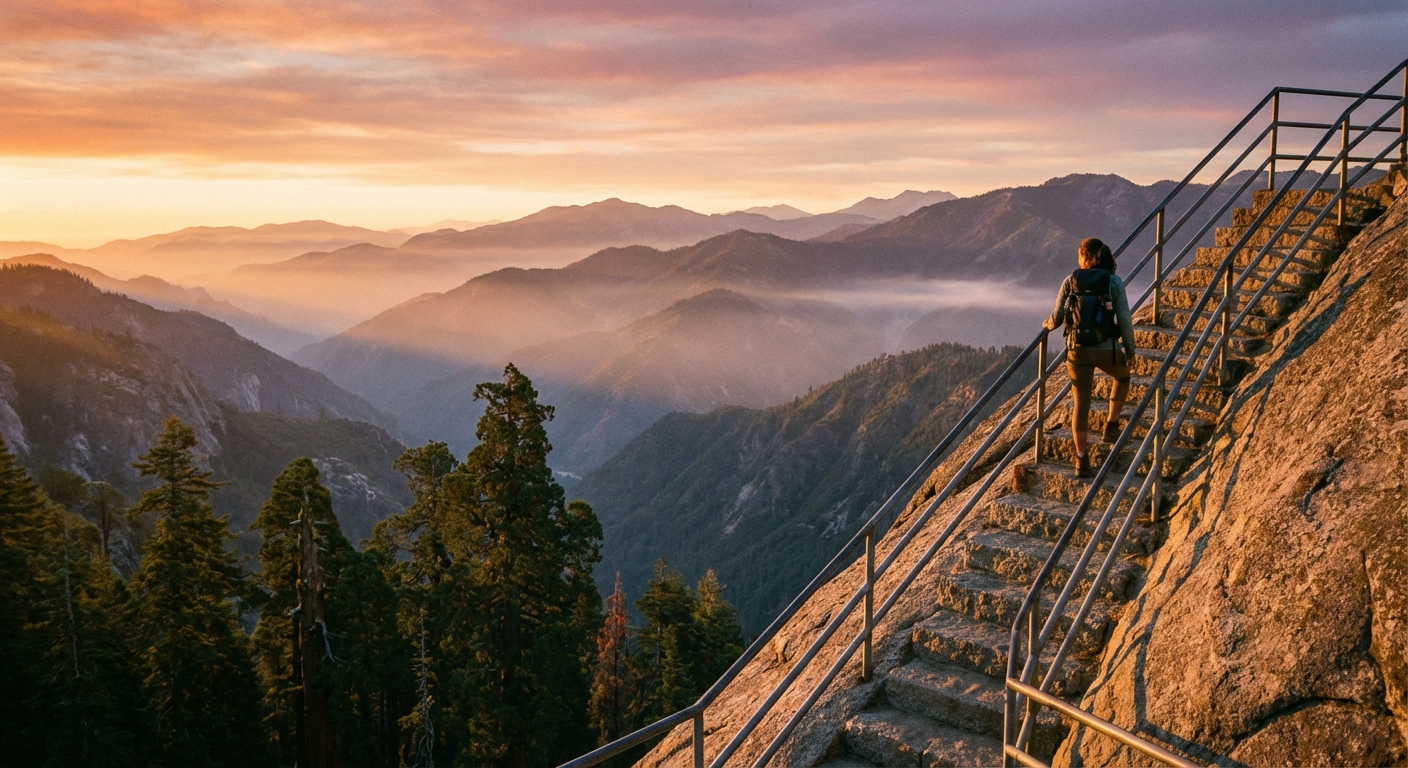
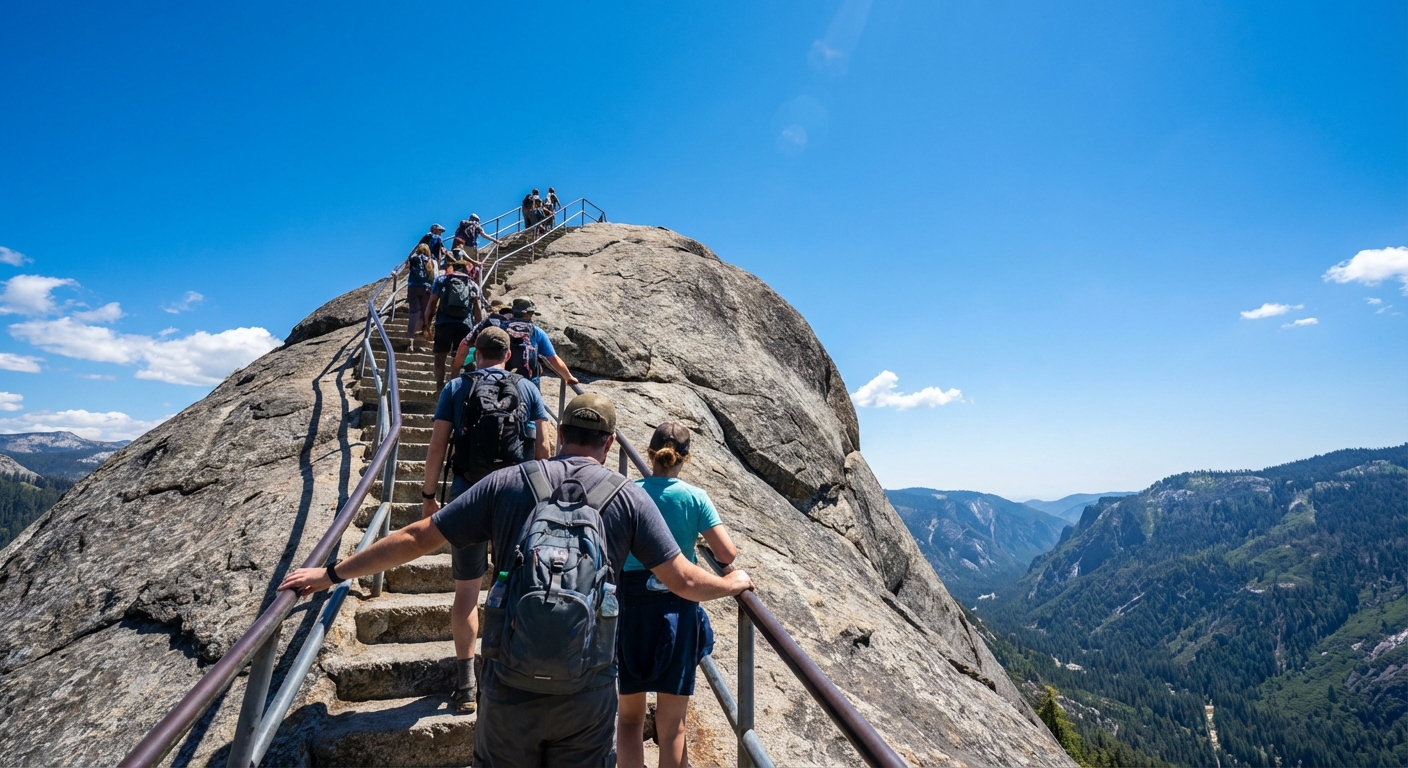
Why it’s worth it: A short, stair-heavy climb to one of the best panoramic views in either park. If you only have time for one iconic “I’m in the Sierra” moment, this is it.
- Distance: about 0.5 miles round trip
- Elevation gain: about 250 to 300 feet
- Time: 30 to 60 minutes (longer with crowds)
- Type: Out-and-back
- Effort: Short but steep, lots of steps (roughly 350 steps)
- Trailhead: Moro Rock parking area or shuttle stop when in operation
- Good for: Sunrise or late afternoon light, quick win between bigger hikes
- Tips: Go early for parking and cooler temps. If you’re not into heights, take it slow and step aside for faster hikers on the narrow sections.
Tokopah Falls
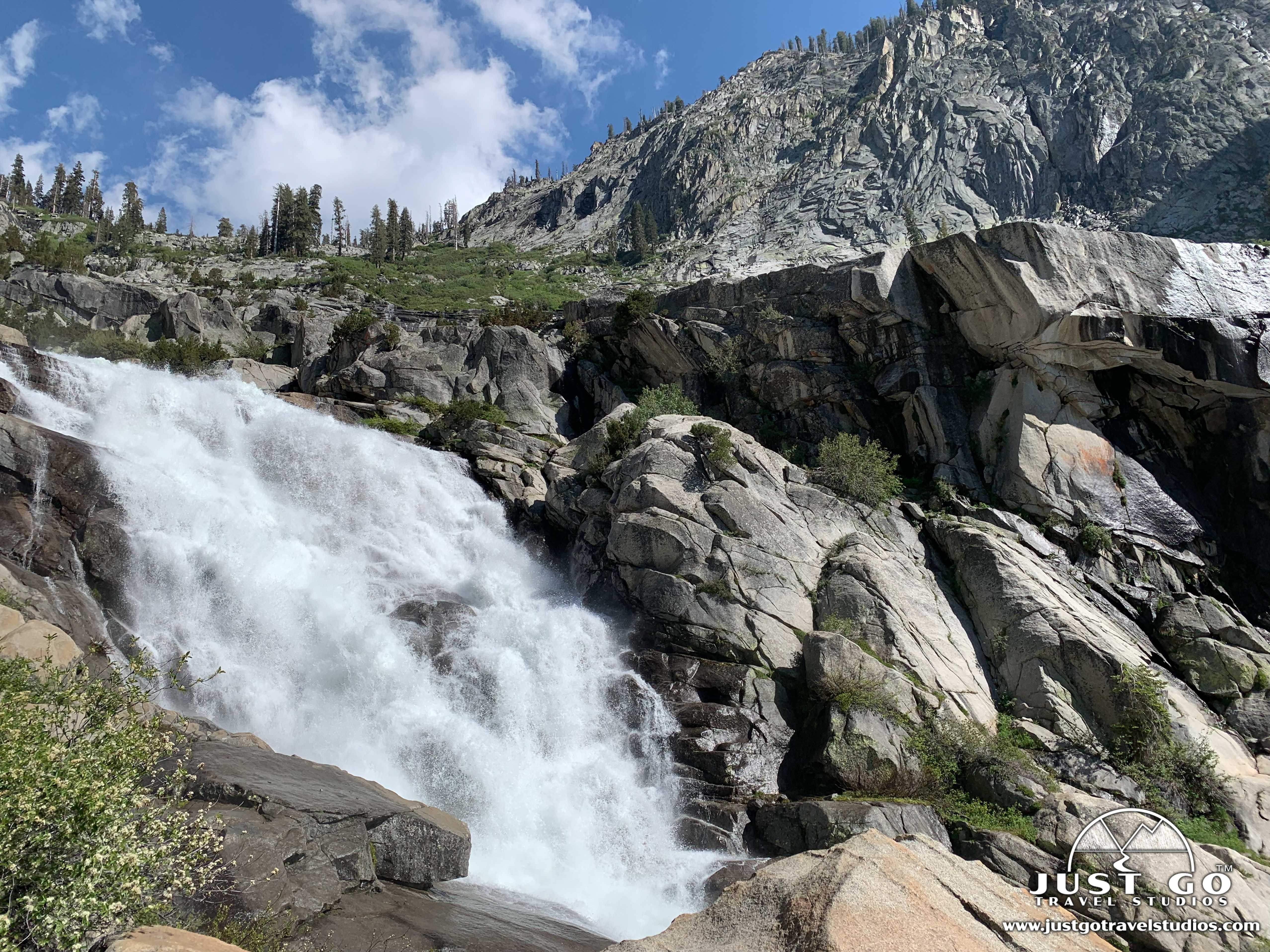
Why it’s worth it: This is the kind of trail that makes you feel like you’re walking into a granite postcard. You follow the Marble Fork Kaweah River from Lodgepole, with views opening to an amphitheater of cliffs. In early season, the falls are the headline. In late summer, the river and canyon scenery still carry the day.
- Distance: about 3.4 miles round trip
- Elevation gain: about 500 to 650 feet
- Time: 2 to 3.5 hours
- Type: Out-and-back
- Effort: Moderate, steady grade
- Trailhead: Lodgepole Campground area (Tokopah Falls Trail)
- Good for: Families with older kids, hikers who want a longer stroll without a brutal climb
- Tips: Pack bug spray in early summer and consider trekking poles if you like extra stability on the return.
Big Trees Trail (Giant Forest)
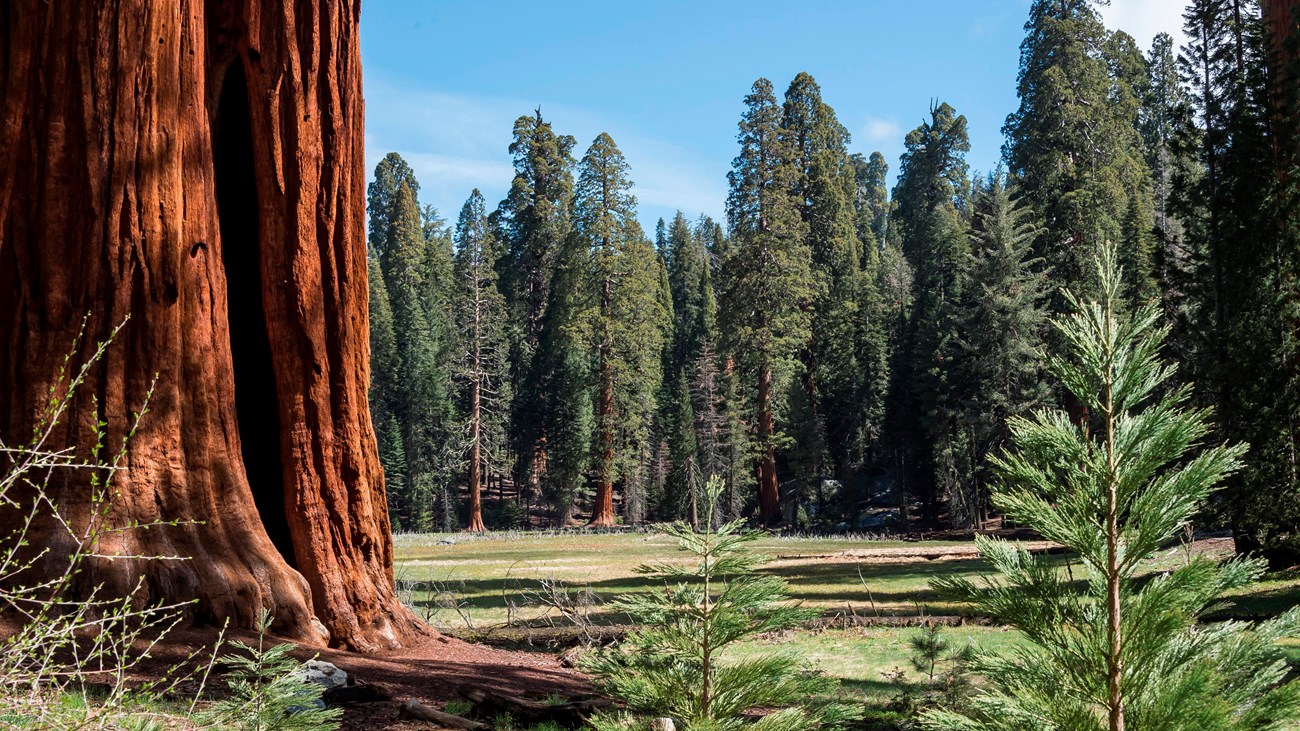
Why it’s worth it: If you want maximum giant sequoia payoff with minimal effort, this is the loop. It’s a gentle, accessible way to understand just how enormous these trees are without committing to a long hike.
- Distance: about 1.2 miles loop
- Elevation gain: minimal (roughly 50 to 100 feet)
- Time: 30 to 60 minutes
- Type: Loop
- Effort: Easy
- Trailhead: Giant Forest Museum area
- Good for: First-timers, recovery day, traveling with mixed abilities
- Tips: Go in the morning for quieter trail vibes and softer light through the grove.
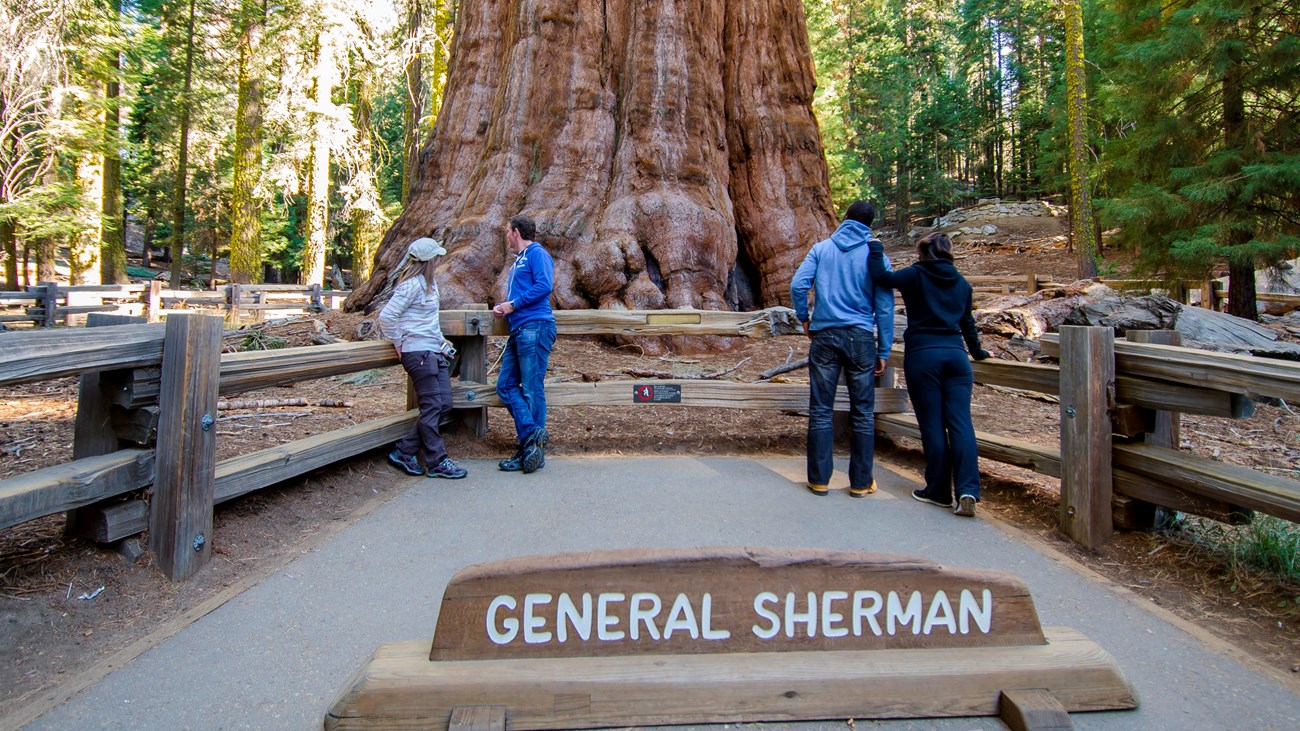
General Sherman Tree walk
Why it’s worth it: The General Sherman Tree is the world’s largest tree by volume, and seeing it in person resets your sense of scale. The walk is short, but plan for crowds.
- Distance: about 0.8 to 1.2 miles total, depending on parking and route
- Elevation gain: about 150 to 250 feet (includes stairs and a steady return climb)
- Time: 30 to 60 minutes (longer in peak crowds)
- Type: Short walk, out-and-back or small loop options
- Effort: Easy to moderate
- Trailhead: General Sherman Tree parking area (or shuttle stop when in operation)
- Good for: Everyone, especially if you’re balancing hiking with sightseeing
- Tips: Arrive early or late. If you can, pair this with Big Trees Trail for a deeper grove experience that still feels low-effort.
Kings Canyon: best day hikes
Mist Falls (Cedar Grove)
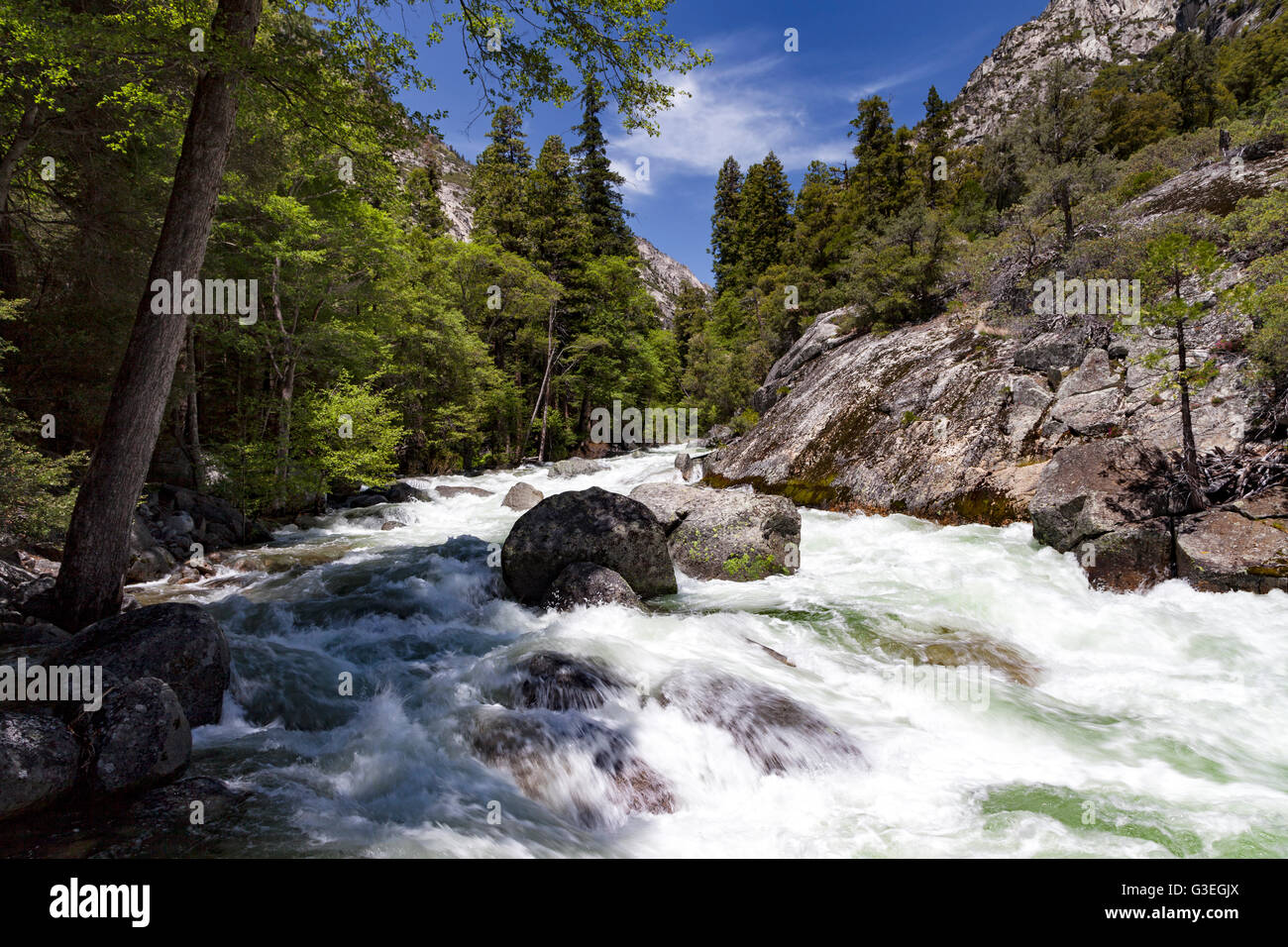
Why it’s worth it: This is the waterfall hike in Kings Canyon. You follow the South Fork Kings River through canyon scenery that feels more like Yosemite’s wilder cousin. In strong flow, the mist near the falls is a full sensory experience. You’ll hear it before you see it.
- Distance: about 8.7 miles round trip
- Elevation gain: about 800 to 900 feet
- Time: 4 to 6.5 hours (heat and flow change the feel a lot)
- Type: Out-and-back
- Effort: Moderate to strenuous depending on heat and season
- Trailhead: Road’s End in Cedar Grove (near the end of the Kings Canyon Scenic Byway)
- Good for: Strong day hikers, anyone who wants big payoff in Cedar Grove
- Tips: Start early. Cedar Grove can get hot, and shade is not constant. Bring extra water and electrolytes. If the river is roaring, keep a respectful distance near slick rocks.
Rae Lakes corridor as a day hike (choose a turnaround)
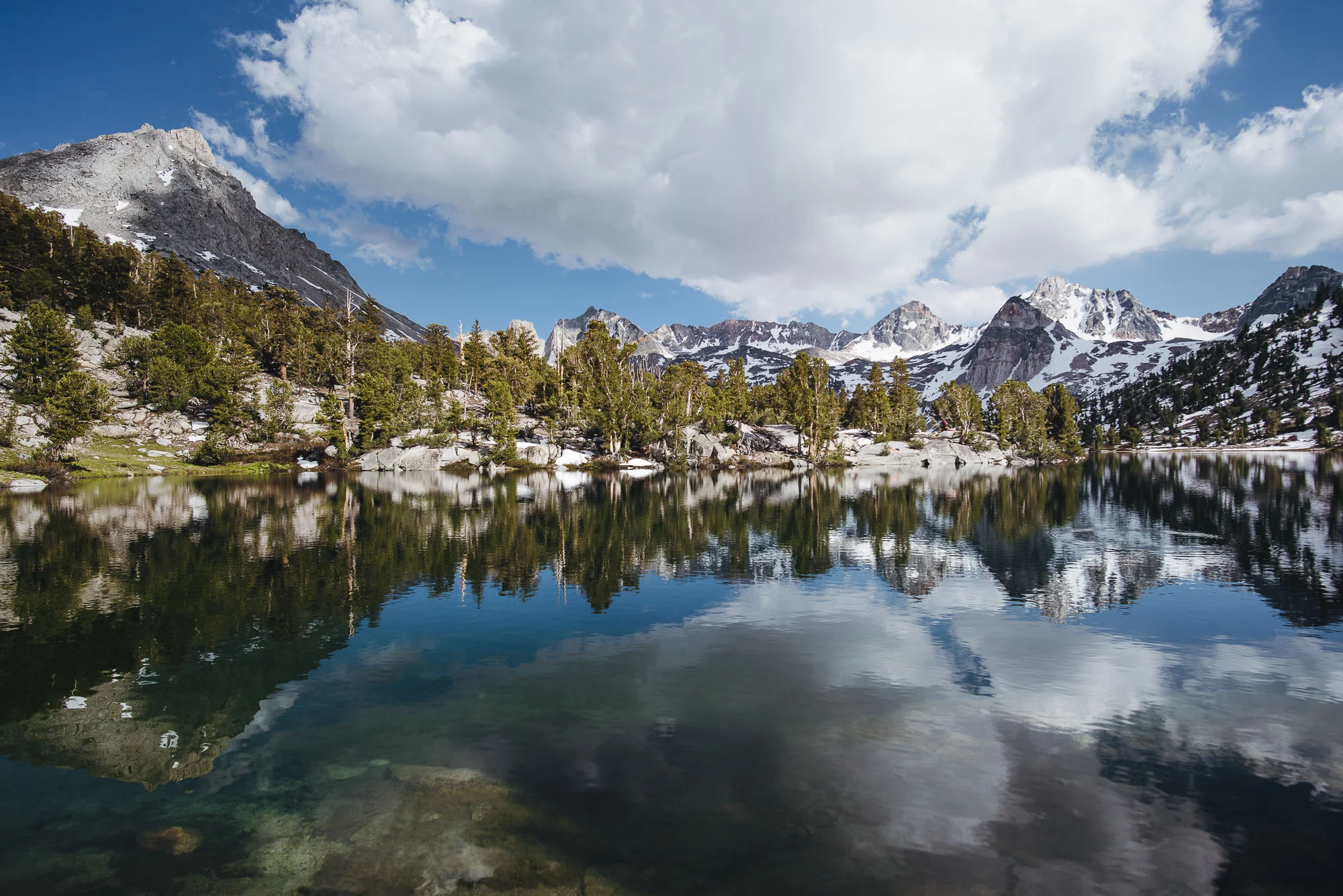
Why it’s worth it: Rae Lakes is famous as an overnight loop, but as a day hike you can sample the canyon and river scenery without committing to backpacking. The key is treating this as a Rae Lakes corridor day hike with a clear turnaround, not a casual “do the loop” plan.
Important guardrail: Reaching Rae Lakes and returning in a single day is an ultra day for most people due to distance, elevation, heat, and time. Most day hikers do better choosing a landmark and calling it a win.
- Type: Out-and-back
- Trailhead: Road’s End in Cedar Grove (same area as Mist Falls). Parking fills early.
- Effort: Strenuous if you go far, and it gets harder fast
- Tips: Set a strict turnaround time (for example, halfway through your available daylight). Bring more food than you think you need. Consider a filter as a backup water strategy. If you find yourself racing daylight, turn around. The canyon will still be there tomorrow.
Smart day-hike turnarounds (approximate):
- Mist Falls (as your turnaround): about 8.7 miles round trip, about 800 to 900 feet gain, typically 4 to 6.5 hours.
- Upper Paradise Valley area: roughly 10 to 14 miles round trip depending on where you turn around, roughly 1,000 to 1,600 feet gain, typically 5 to 8 hours.
- Woods Creek suspension bridge area: roughly 15 to 16 miles round trip, roughly 1,500 to 2,000 feet gain, typically 7 to 10+ hours.
- Rae Lakes (not recommended as a standard day hike): roughly 40+ miles round trip with very large elevation gain and a long time on feet. This is a specialist objective, not a normal vacation day plan.
Bonus if you skip Cedar Grove: Grant Grove walks
If the Cedar Grove road is closed or you just do not want a long canyon drive, Kings Canyon still delivers. The Grant Grove area has easy, high-reward sequoia walks that are perfect as a “connector” day.
- General Grant Tree: short, mostly flat loop (about 0.7 miles) with big-tree payoff.
- North Grove Loop: a quiet sequoia stroll (about 1.5 miles) that feels calmer than the headline stops.
How to do both parks
If you’re only here for a day, pick one park and do it well. If you have two or three days, you can absolutely do both without spending half your vacation in the car.
One-day plan (ambitious)
- Early: Moro Rock for views before the crowds.
- Mid-morning: General Sherman Tree walk, then Big Trees Trail loop.
- Afternoon: Drive toward Kings Canyon. If Cedar Grove is open and you have the time and energy, head down for Mist Falls. If not, do Grant Grove walks and scenic viewpoints and save Cedar Grove for another day.
Two-day plan (best balance)
- Day 1, Sequoia: Moro Rock + Tokopah Falls (or Big Trees Trail if you want it easy) + sunset stroll in Giant Forest.
- Day 2, Kings Canyon: Drive early to Cedar Grove + Mist Falls. If you still have gas in the tank, add a short out-and-back beyond the Mist Falls junction into Paradise Valley, then turn around.
Three-day plan (slow and good)
- Day 1: Giant Forest (General Sherman + Big Trees Trail) and picnic downtime.
- Day 2: Tokopah Falls plus extra grove exploring.
- Day 3: Cedar Grove day for Mist Falls and a Rae Lakes corridor out-and-back segment with a conservative turnaround.
Where to base yourself
- For Sequoia day hikes: Stay near Three Rivers for access to Sequoia entrances, or in-park lodging and camping if you can snag it.
- For Kings Canyon Cedar Grove hikes: Consider lodging or camping closer to Grant Grove or Cedar Grove to avoid long pre-dawn drives.
Sustainable travel note: These parks are under real pressure from visitation. Simple choices help: pack out all trash, stay on trail in fragile meadow and river areas, and consider a “one big hike, one short stroll” day to reduce congestion at trailheads.
Trail tips
Start earlier than you think
In summer, an early start is the difference between peaceful switchbacks and a midday parking-lot scavenger hunt. Parking and shuttle pressure is most noticeable around Giant Forest, General Sherman, and the Moro Rock area, plus Road’s End in Cedar Grove.
Expect elevation to slow your pace
Even easy mileage feels harder at Sequoia elevations. Build buffer time into your hike plans, especially if you’re coming from sea level.
Waterfall timing matters
Tokopah Falls and Mist Falls are best in late spring and early summer. By late summer, flows can drop, but the trails are still excellent for scenery and river sound.
Smoke and heat are real variables
On hot days, Mist Falls can feel twice as hard as the numbers suggest. In late summer and fall, check air quality and fire restrictions. If smoke rolls in, swap to a short sequoia walk and call it a smart pivot.
Coffee shop reality check
My ideal world includes a perfect local espresso after every hike. These parks are more “pack your own” than “cute cappuccino.” If coffee is part of your ritual, bring a small thermos or a simple camp setup and make it a trailhead treat.
Quick picks
- Only time for one short hike: Moro Rock (about 0.5 miles round trip)
- Best easy sequoia immersion: Big Trees Trail + General Sherman Tree walk
- Best moderate scenic walk: Tokopah Falls (about 3.4 miles round trip)
- Best waterfall payoff: Mist Falls (about 8.7 miles round trip)
- Big challenge day: Rae Lakes corridor out-and-back from Road’s End with a defined turnaround (Paradise Valley or Woods Creek area depending on your fitness, heat, and daylight)
If you tell me your travel month, your fitness level, and whether you’re staying closer to Three Rivers or Grant Grove, I can map these into a tight, realistic itinerary that doesn’t feel like a road trip endurance test.