Best Day Hikes in Yellowstone National Park

Maya Lin
Maya Lin is a travel journalist and outdoor enthusiast who believes the best trips combine rugged adventures with urban comforts. After spending six years backpacking across four continents, she founded Trail & Town Guide to help fellow travelers navigate both hidden mountain passes and bustling city neighborhoods with confidence.
Yellowstone is famous for headline acts like Old Faithful and the Grand Prismatic Spring. But the park makes the most sense on foot, when the boardwalk crowds fade behind you and the landscape starts showing its quieter details: the mineral scent hanging in the air, the hiss of steam in the trees, the way a ridge can turn a “busy” park into wide-open sky in ten minutes.
These are my favorite day hikes in Yellowstone National Park for travelers who want a real trail experience without committing to a multi-day backpack. I’m mixing in a few short, high-reward walks near the big sights (perfect if you are traveling with non-hikers) and a few earn-it climbs for when you want to feel your lungs.
Before you hike
Conditions and seasons
Yellowstone trails are highly seasonal. Higher elevation routes like Mount Washburn often hold snow into early summer, and muddy sections can linger after storms. Some routes also close temporarily for wildlife activity, trail work, or bear management.
- Best overall window: late June through September for most hikes.
- Shoulder season: May and October can be incredible, but expect snow, icy mornings, and more closures.
- Afternoon storms: common in summer. Start early, especially on exposed ridges.
Quick habit that pays off: check the official Yellowstone (NPS) trail conditions page the morning you hike. It is the fastest way to catch bear management closures, construction impacts, and sudden area restrictions.
Wildlife safety
Yellowstone is wild in a way that surprises first-timers. You are in prime habitat for bison, elk, wolves, and both black and grizzly bears. Most problems happen when people get casual.
- Carry bear spray on your belt or pack strap, not buried in your bag. Know how to use it.
- Hike in groups when possible and make noise in brushy areas or around blind corners.
- Give animals distance: at least 25 yards from bison and elk, and 100 yards from bears and wolves (and other large predators).
- Stay on boardwalks in thermal areas. The ground can be thin and dangerously hot.
Food and car safety: secure all food, trash, and scented items (think snacks, drinks, toothpaste, and cooking gear). Keep your vehicle closed and locked at trailheads, and follow posted food storage rules and bear-resistant storage options when provided.
Best time of day
If you only adopt one Yellowstone habit, make it this: start early. Sunrise to mid-morning gives you the calmest trails, the best wildlife-viewing odds, and the easiest parking at popular trailheads.
- For crowds: begin before 9:00 a.m. in peak season.
- For wildlife: early morning and evening are prime, but plan for cooler temps and carry layers.
- For photos: morning light is excellent in the Canyon area and around Old Faithful.
Permits and rules
For the hikes below, you generally do not need a permit for a standard day hike. You do need to follow the basics: stay on marked trails and boardwalks, respect closures, and leave no trace. Drones are not allowed for recreational use in national parks.
Top day hikes in Yellowstone
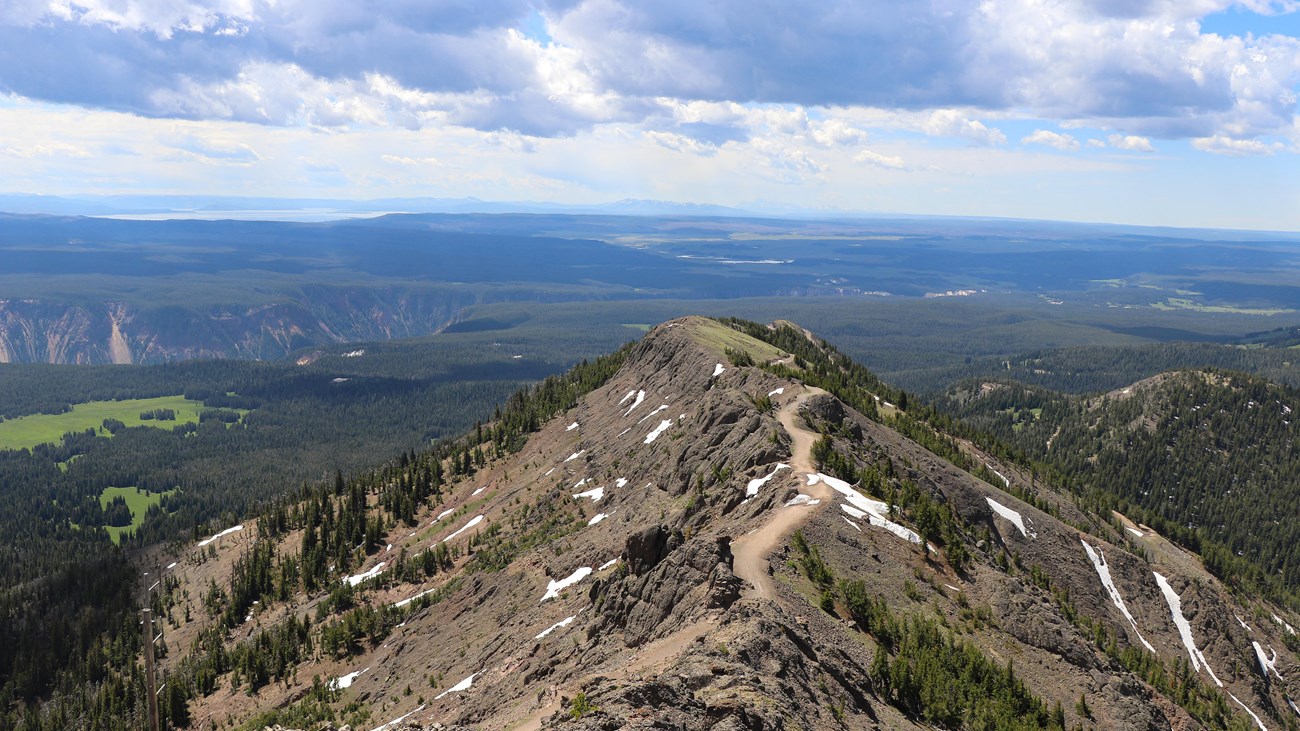
Mount Washburn
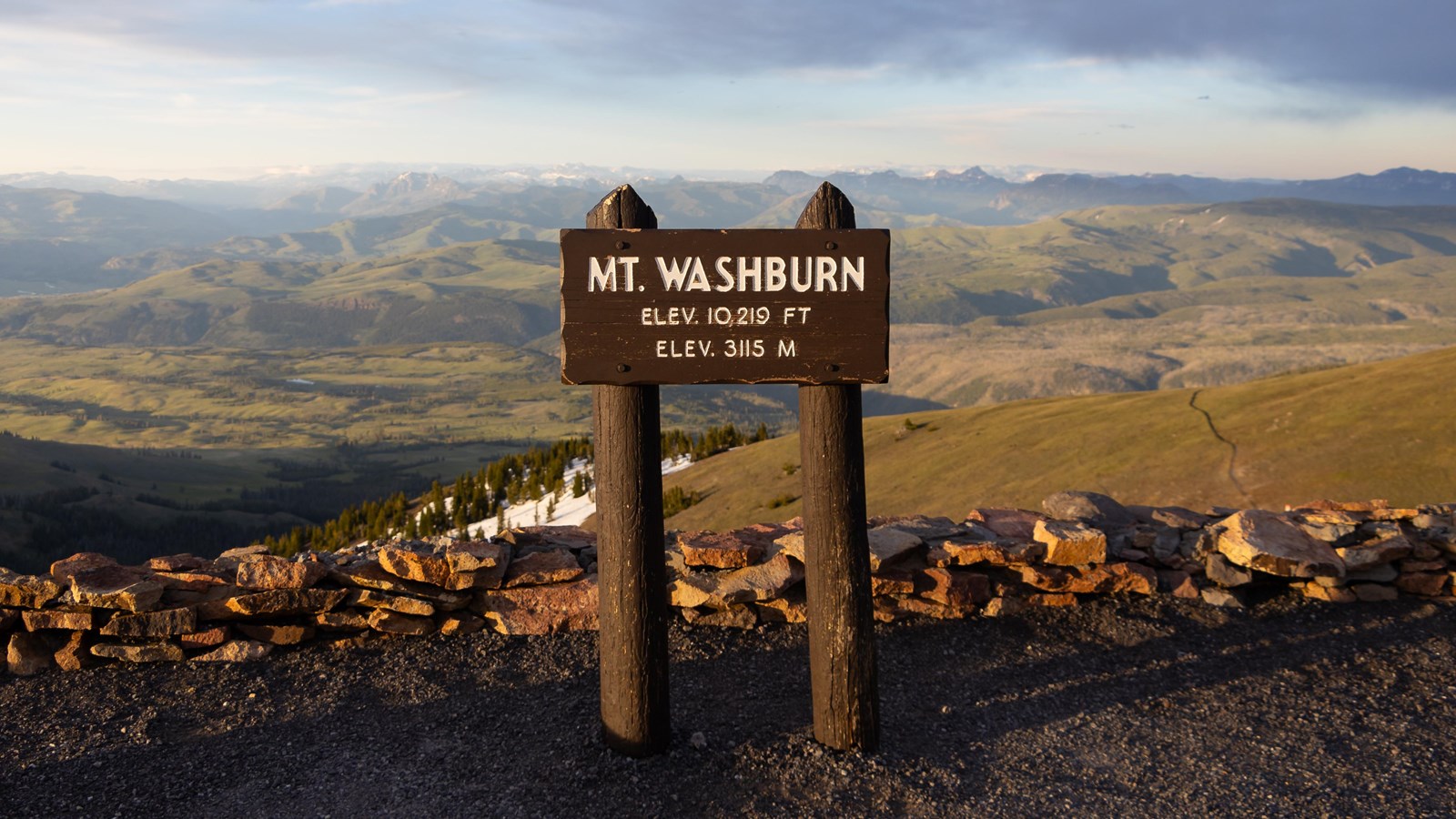
Why go: If you want one “classic” Yellowstone summit with huge payoff, this is it. Mount Washburn sits in the heart of the park and delivers panoramic views that make Yellowstone feel like an entire continent.
- Distance: about 6.0 miles round trip via Dunraven Pass (when open), or about 7.0 miles round trip via Chittenden Road
- Elevation gain: roughly 1,400 feet (varies by route and trailhead)
- Time: 3 to 5 hours
- Difficulty: moderate to strenuous (steady uphill, exposed near the top)
- Highlights: big sky views, bighorn sheep sightings are possible, wildflowers in summer
- Trail note: expect wind and cooler temps on the summit even on hot days
Best time to go: morning, both for parking and to beat afternoon thunderstorms on the exposed upper sections.
Fairy Falls (plus Grand Prismatic overlook)
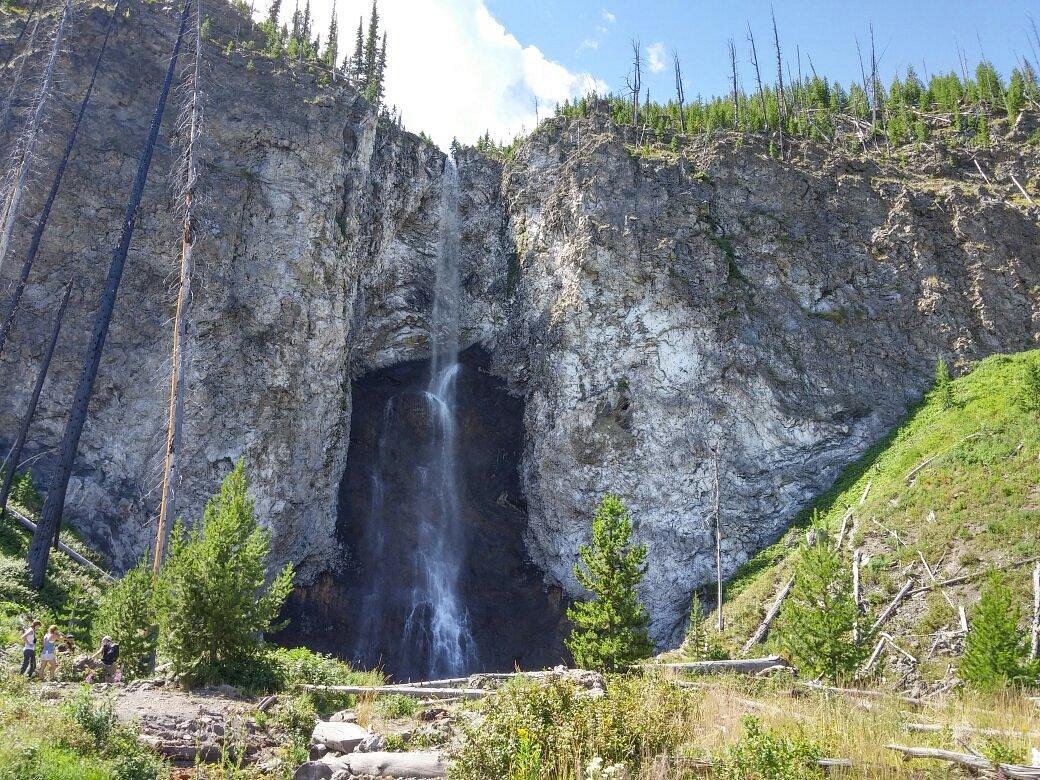
Why go: Fairy Falls is one of the best effort-to-reward hikes in the park: an easy, family-friendly trail through lodgepole pine that ends at a graceful waterfall. If you add the overlook, you get one of the best elevated views of Grand Prismatic Spring without spending your whole day on boardwalks.
- Distance: about 5 miles round trip to the falls from the Fairy Falls trailhead; add roughly 1 to 1.5 miles round trip for the overlook spur (exact mileage can vary based on current access and parking patterns)
- Elevation gain: about 200 to 300 feet to the falls; more if you add the overlook
- Time: 2 to 4 hours depending on add-ons and crowds
- Difficulty: easy to moderate (mostly flat, can be dusty or muddy)
- Highlights: waterfall payoff, optional sweeping view of Grand Prismatic
- Trail note: this area can have bear management closures. Check current status before you go.
Best time to go: early morning for quieter trails, or later afternoon if you want warmer light over the thermal colors (but expect more people).
Bunsen Peak
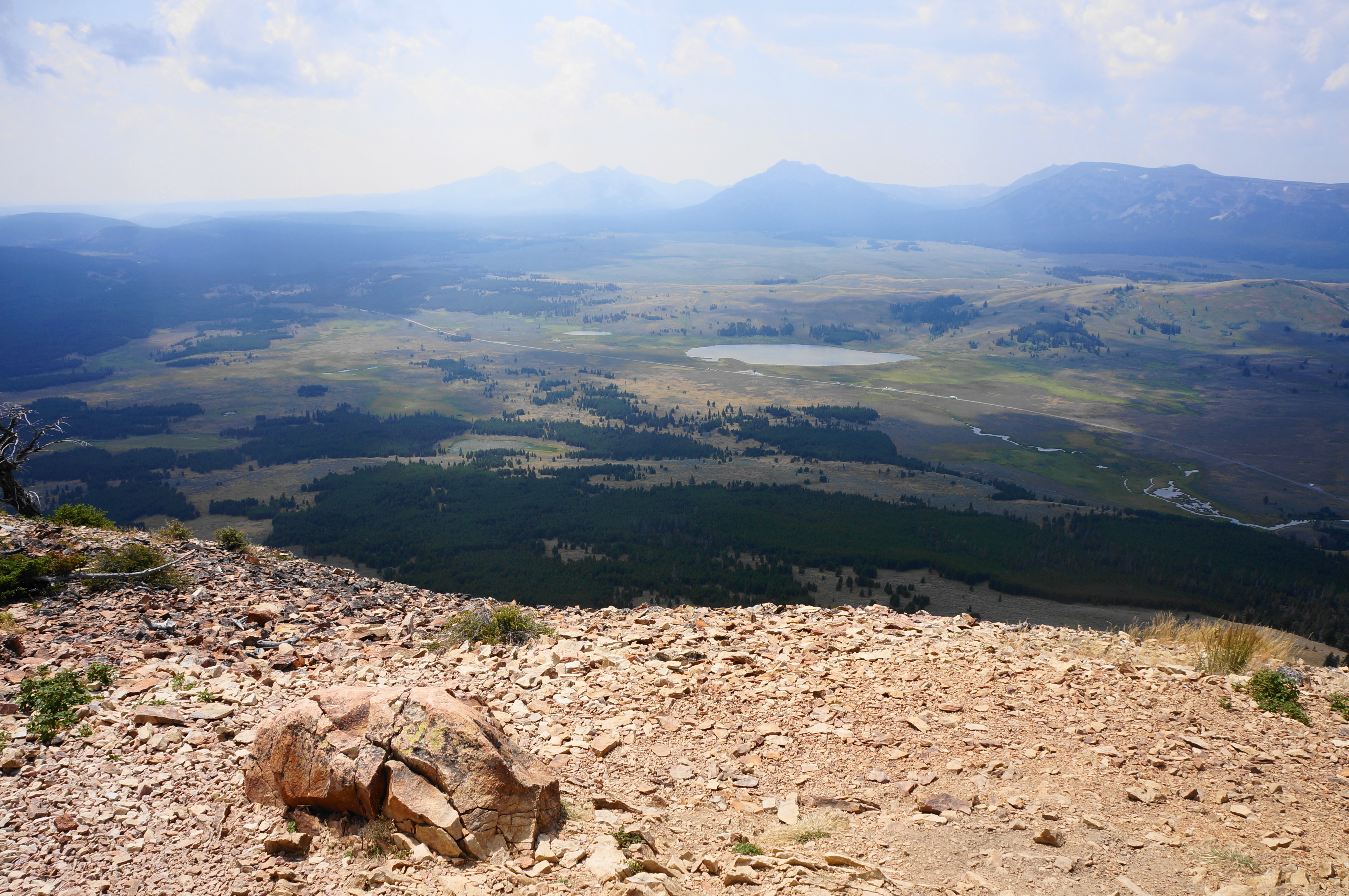
Why go: Bunsen Peak is a quick, satisfying climb with a big view and fewer people than the park’s most famous trailheads. It is a great pick if you want a “real hike” that still leaves you time for a lodge dinner or a long soak in a gateway-town hot tub.
- Distance: about 4 miles round trip
- Elevation gain: roughly 1,300 feet
- Time: 2 to 3.5 hours
- Difficulty: moderate (short but uphill)
- Highlights: views over Mammoth Hot Springs area and the surrounding ridges
- Trail note: can be hot and sunny. Bring more water than you think you need.
Best time to go: morning or late afternoon to avoid harsh sun and to improve wildlife-viewing chances.
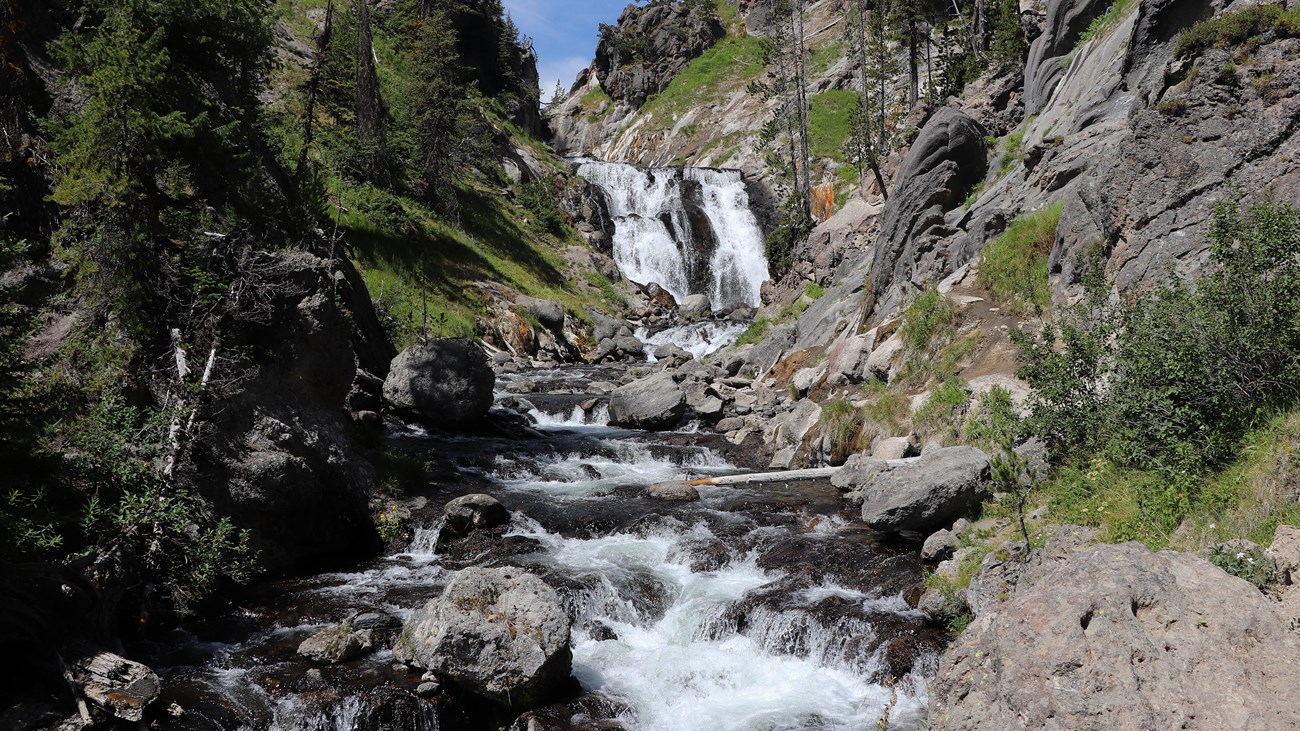
Mystic Falls
Why go: This is a Yellowstone crowd-pleaser that still feels like a real hike. You get steamy geothermal scenery right out of the gate, then a forested climb to a waterfall that is legitimately loud in early season. If you want extra payoff, the loop option adds big views over the Upper Geyser Basin.
Important update (July 2024): Biscuit Basin experienced a major hydrothermal explosion and the area has had closures. Access to Mystic Falls can change.
- Check the NPS site the day you plan to hike for the current status of Biscuit Basin and the Mystic Falls trail access.
- If access is closed, swap in Lone Star Geyser (below) for a similar half-day outing with a geothermal payoff.
- Distance: commonly about 3.5 miles as a loop when accessed from the usual Biscuit Basin area route and when open (options vary)
- Elevation gain: roughly 500 to 700 feet depending on route
- Time: 2 to 3.5 hours
- Difficulty: moderate (steady climb, then an easier descent)
- Highlights: waterfall, mixed terrain, occasional basin views
- Trail note: start early for parking and quieter trail time. Like many Yellowstone trails, it can close temporarily for bear management.
Best time to go: morning, especially in peak season.
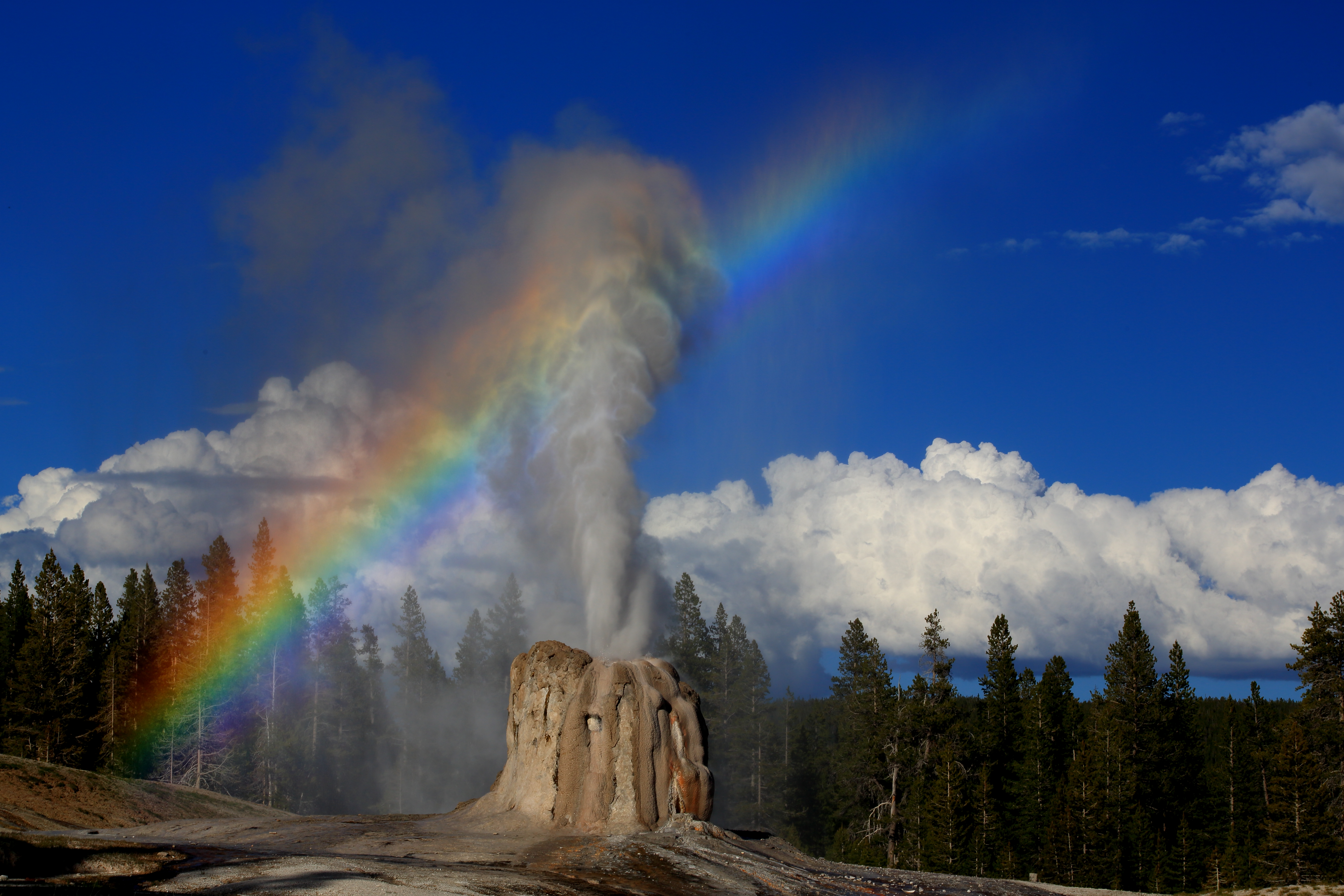
Lone Star Geyser
Why go: If you want a legit trail day with a geothermal payoff, Lone Star is an easy favorite. It feels quieter than the main Old Faithful boardwalks, and the geyser eruptions (when you catch one) are the kind of Yellowstone moment that sticks.
- Distance: about 5 miles round trip
- Elevation gain: roughly 150 to 250 feet
- Time: 2 to 3.5 hours (longer if you wait for an eruption)
- Difficulty: easy
- Highlights: a backcountry-feeling geyser, riverside walking, fewer crowds
- Trail note: check posted eruption predictions at the trailhead if available and always stay on the established route around thermal ground.
Best time to go: early or late, when the walk feels cooler and calmer.
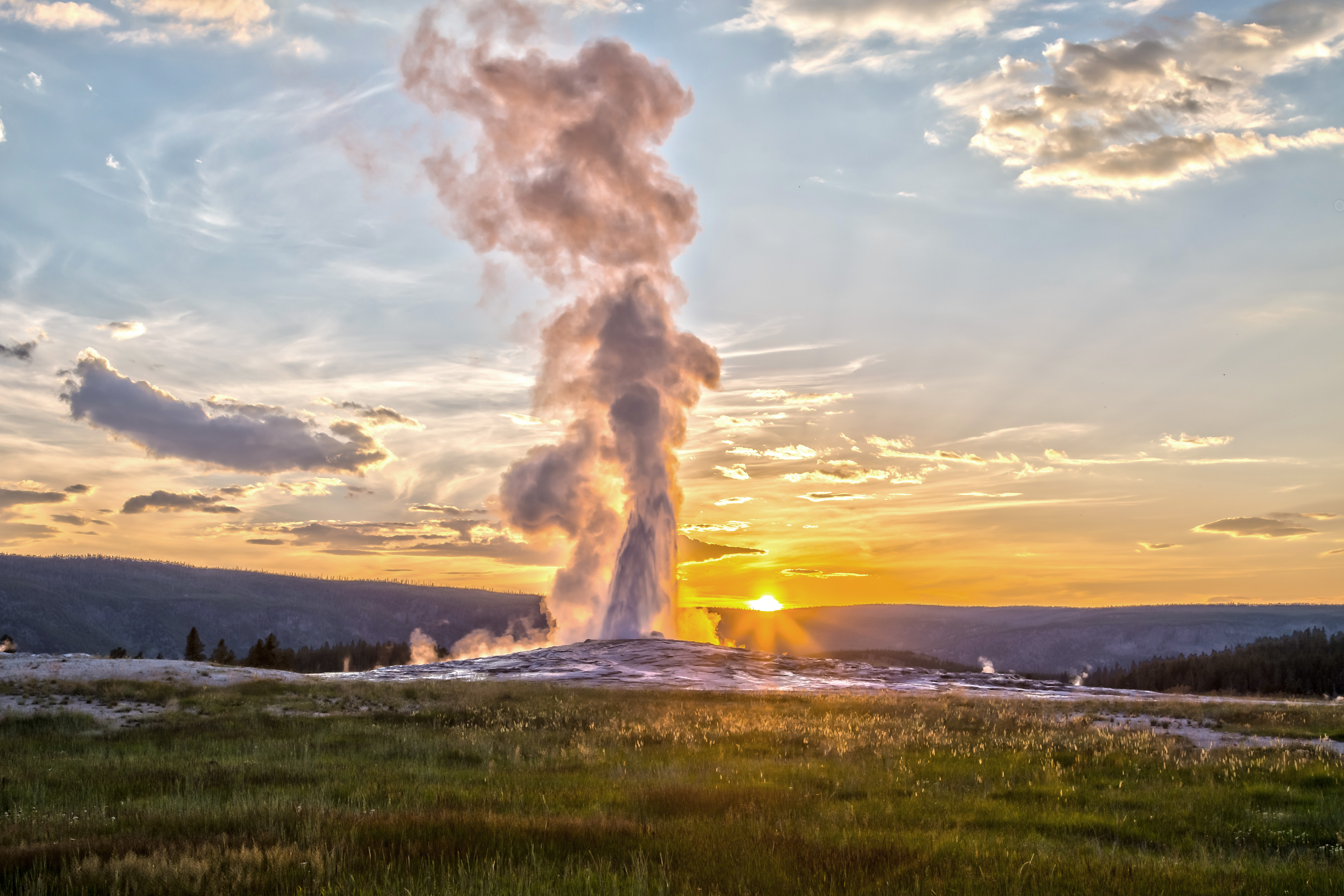
Old Faithful area walks
Why go: Old Faithful is busy for a reason, but you do not have to stop at the viewing benches. The surrounding geyser basins have several excellent short trails that quickly feel more spacious than the main loops, especially if you time them between eruption crowds.
- Distance: variable, from 1 to 6+ miles depending on the route you link together
- Elevation gain: mostly minimal
- Time: 1 to 4 hours
- Difficulty: easy (mostly boardwalk and packed paths)
- Highlights: thermal features, steam vents, surprising quiet if you go early
- Safety note: stay on designated paths in thermal areas at all times. Keep kids close.
Suggested half-day plan: watch one Old Faithful eruption early, then string together a longer walk through nearby geyser basin trails before the midday peak.
Grand Canyon rim trails
Why go: If you like hikes that feel scenic the entire time, the Canyon area delivers. Rim trails let you dial in your own mileage while keeping the river roar and canyon colors as a constant backdrop.
- Distance: flexible, from short viewpoint walks to longer point-to-point day hikes
- Elevation gain: rolling, with occasional steep connectors depending on what you link
- Time: 1 to 4 hours
- Difficulty: easy to moderate
- Highlights: multiple overlooks, canyon color layers, frequent photo spots
Best time to go: morning for softer light and fewer people at overlooks. If you hike later, plan around parking and add extra time.
Bonus: easiest option
If you want one low-stress walk that still feels like Yellowstone, pick a short boardwalk loop in a geyser basin (like the Old Faithful area). It is the best fit for families, mixed-ability groups, and anyone who wants big scenery with minimal mileage. Stick to the boardwalks in thermal areas, every time.
What to pack
Yellowstone weather swings fast, and the “easy” hikes still deserve real prep. Here is my no-drama checklist.
- Bear spray plus quick-access carry method
- Water: at least 1 to 2 liters per person for shorter hikes, more for exposed climbs. Do not drink untreated water unless you filter or treat it.
- Layers: light insulation and a rain shell, even on sunny mornings
- Sun protection: hat, sunscreen, sunglasses (high elevation sun hits hard)
- Food: salty snacks plus something substantial
- Navigation: offline map or paper map, especially if cell service drops
- Footwear: grippy shoes or boots. Mud, grit, and loose volcanic sand are common.
Planning notes
In summer, Yellowstone’s biggest challenge is often logistics, not mileage. Popular trailheads fill early, and road construction can change drive times.
- Start early: it solves 80 percent of parking problems.
- Plan by region: pick one main area (Canyon, Old Faithful, Mammoth, etc.) and hike there rather than crisscrossing the park.
- Stay in or near a gateway town: it can make dawn starts realistic and reduce long evening drives.
If you are still deciding where to base yourself, be sure to check out Town Wander’s guide to Yellowstone gateway towns so you can match trail days to the entrance you will actually use and the kind of trip you want (early starts, quieter nights, or more services).
FAQ
Do I need bear spray for day hikes in Yellowstone?
Yes. Yellowstone is active bear country and bear spray is a standard safety tool. Carry it where you can reach it quickly and know how to use it.
Which Yellowstone hike is best for first-timers?
Fairy Falls is a great first hike: straightforward trail, strong payoff, and the option to add the Grand Prismatic overlook if you want more.
Which hike has the best views?
Mount Washburn is the standout for big, expansive views. Go early and bring layers for wind.
Are the Old Faithful trails only boardwalks?
Many are boardwalks and packed paths, but you can link them into longer walks that feel surprisingly “trail-like,” especially early in the day.
Is Mystic Falls open?
Access can change due to closures in the Biscuit Basin area following the July 2024 hydrothermal explosion, plus routine bear management. Check the official Yellowstone (NPS) trail conditions before you go and have a backup hike (like Lone Star Geyser) ready.