Best Hikes in Mount Rainier National Park

Maya Lin
Maya Lin is a travel journalist and outdoor enthusiast who believes the best trips combine rugged adventures with urban comforts. After spending six years backpacking across four continents, she founded Trail & Town Guide to help fellow travelers navigate both hidden mountain passes and bustling city neighborhoods with confidence.
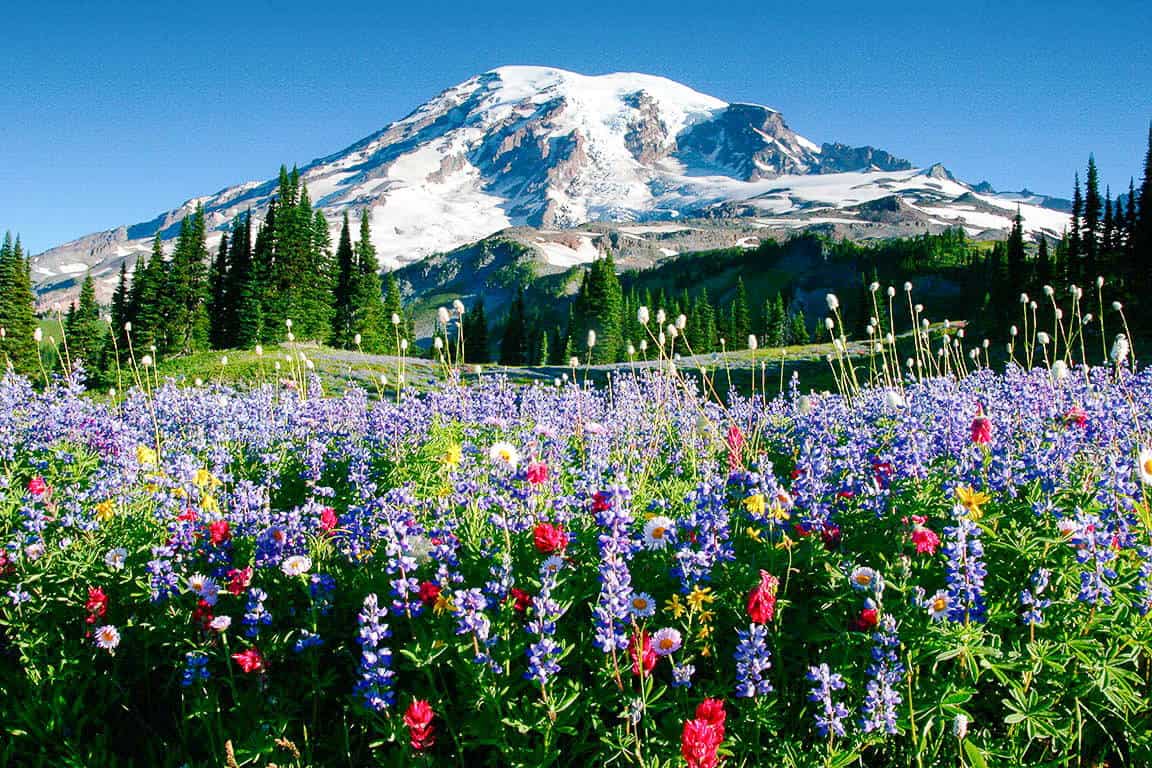
Mount Rainier has a way of making even seasoned hikers go quiet for a minute. One turn in the trail and the mountain fills the whole sky: glaciers draped like folded linen, waterfalls spilling off cliffs, and subalpine meadows that look almost too bright to be real.
If you have a day in the park and want maximum payoff, these are the hikes I’d plan around: iconic views from Paradise, big open ridgelines at Sunrise, and a few quieter trails that still deliver that classic Rainier magic.
Before you pick a trail
Paradise vs Sunrise
Rainier is basically two different day-trip parks depending on where you enter and which visitor area you hike from.
- Paradise (south side): The most famous meadows and the most reliable wow factor even on shorter hikes. Typically melts out earlier than Sunrise. Expect crowds, especially on weekends.
- Sunrise (northeast side): Higher elevation, sweeping ridgelines, and that “I can see forever” feeling. Because it’s higher, trails can hold snow later. The drive is longer for most Seattle and Tacoma visitors but the hiking is phenomenal.
Wildflower timing
Wildflower timing changes every year based on snowpack and heat. As a rule of thumb:
- Paradise: peak bloom is usually late July through mid August.
- Sunrise: peak bloom often hits early to late August, sometimes slipping toward late August in big snow years.
If you show up early (June to early July), you’ll likely see more snow than flowers, but you get roaring waterfalls and fewer people. If you come later (September), you trade blooms for crisp air, golden huckleberry leaves, and clearer mornings.
Access and logistics
- Timed entry and road status can change. Always check the park’s current alerts before you commit to a side of the mountain.
- Start early for parking at Paradise and Sunrise. On peak weekends, “early” means arriving around sunrise.
- Carry layers. A warm morning in Ashford can turn into wind and near-freezing temps on the ridgeline.
- Bring traction if shoulder season. If you’re hiking in early summer or fall, microspikes can be the difference between turning around and having a great day.
The best day hikes in Mount Rainier
Skyline Trail (Paradise)
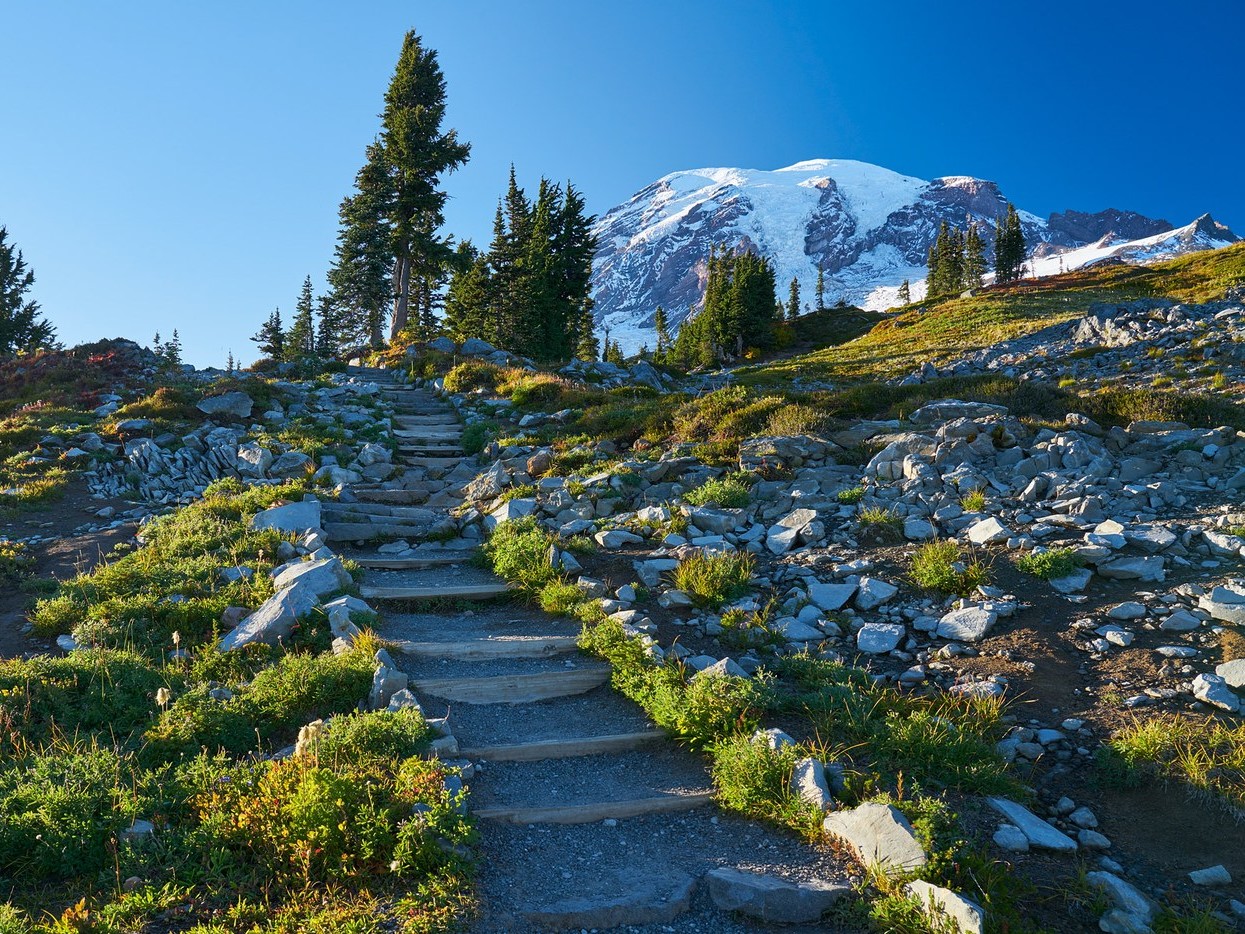
This is the hike that makes people fall in love with Mount Rainier. You walk straight into the postcard: wildflower meadows, glacier views, and the kind of scenery that feels almost staged. Most people loop it, and you can tweak the route depending on snow and energy.
- Why it’s worth it: Big mountain views nearly the whole time, especially around Panorama Point.
- Good for: First-timers to Rainier, wildflower chasers, photographers.
- Tips: Go early or go late. Midday on a summer Saturday feels like a slow-moving parade. If snow is lingering, ask rangers about conditions near the higher sections.
Burroughs Mountain (Sunrise)
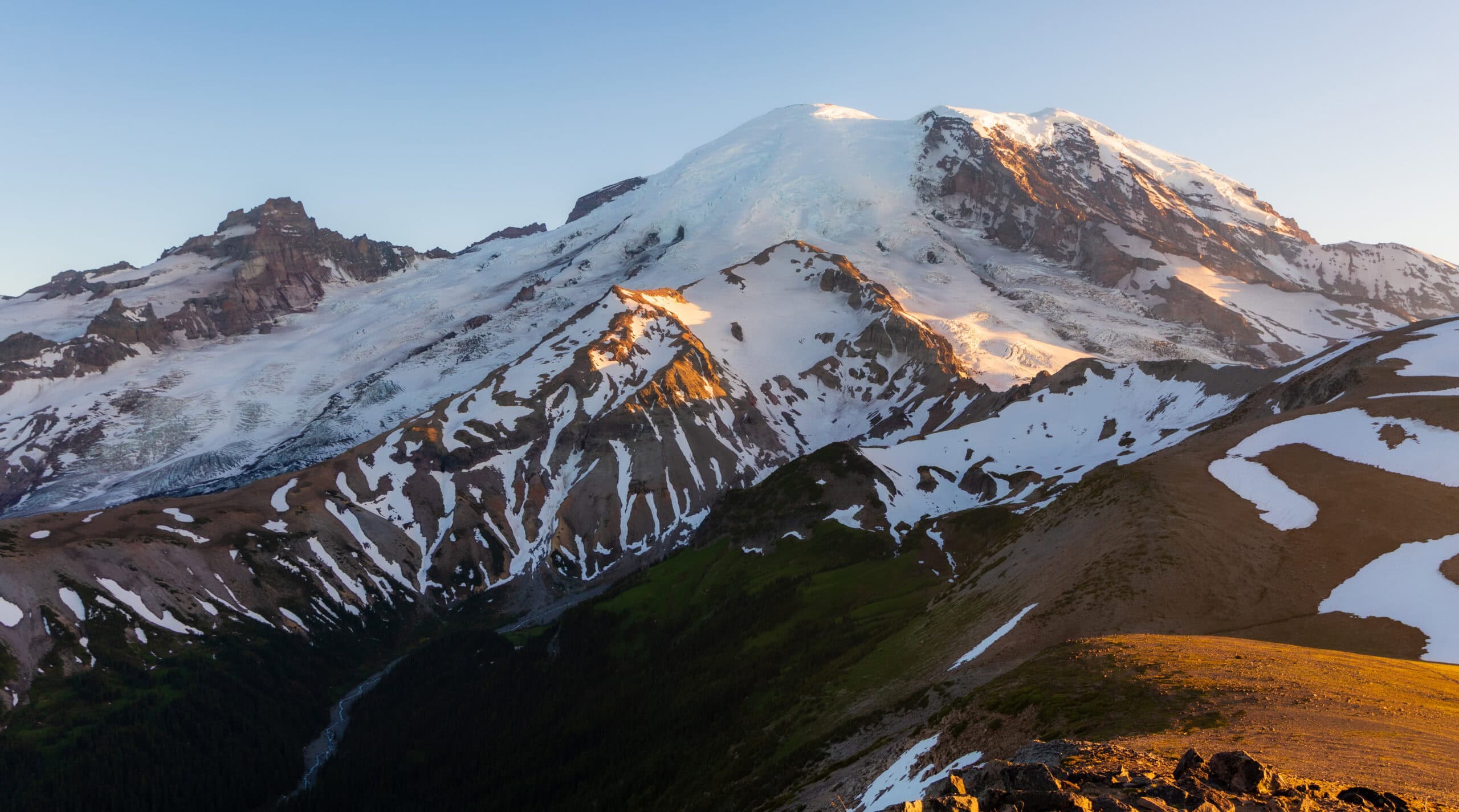
If you like hikes that feel high, open, and a little dramatic, Burroughs is your move. The trail starts near the Sunrise area and climbs toward broad views of Rainier’s north side, with a real sense of scale as you look across to glaciers and rugged rock.
- Why it’s worth it: Ridgeline walking with some of the most direct, in-your-face Rainier views in the park.
- Good for: People who want big scenery without technical terrain.
- Tips: Sunrise sits high. Even in August, mornings can be cold and windy. Pack a shell and a warm layer you can actually hike in.
Spray Park (Mowich Lake area)
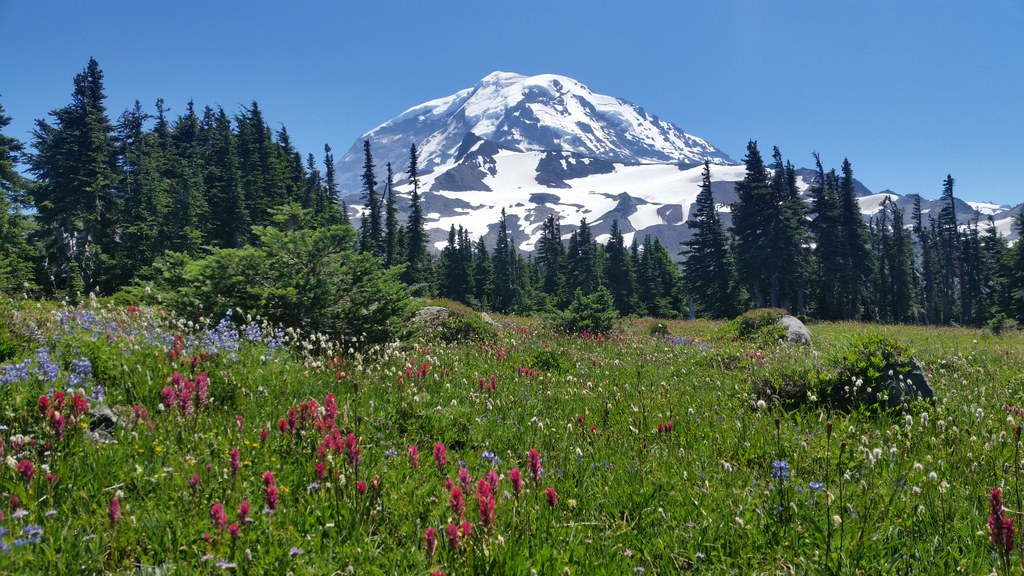
Spray Park is the hike I recommend to friends who want meadow payoff with a little more breathing room. The route is known for wildflowers, views, and that satisfying feeling of being slightly off the main tourist track. Access starts near Mowich Lake, and road conditions can be seasonal, so check current status before you drive.
- Why it’s worth it: Meadow walking, mountain views, and a quieter vibe than Paradise.
- Good for: Repeat visitors, wildflower lovers, anyone chasing a less-crowded classic.
- Tips: Mosquitoes can be intense in peak summer. Bring repellent, and consider long sleeves if you are mosquito-magnet-adjacent.
Silver Falls Loop (Ohanapecosh)
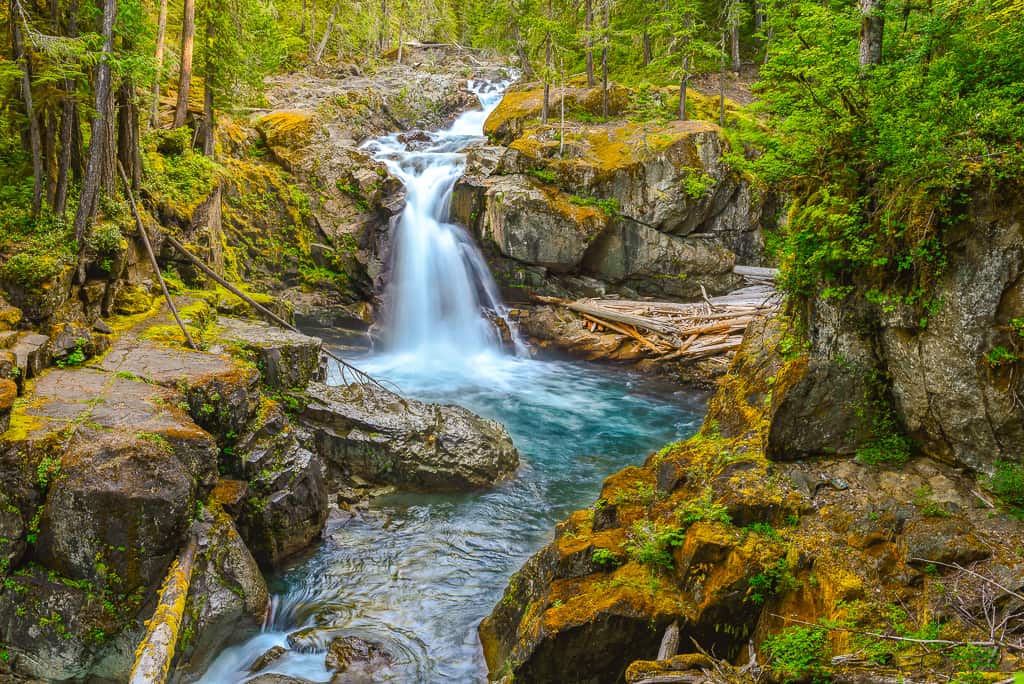
For a totally different Rainier mood, head to the park’s southeast corner near Ohanapecosh. This is where you get old-growth giants, deep green shade, and the sound of the river, with a waterfall finish that feels like a secret even when you pass a few people.
- Why it’s worth it: Lush forest, big trees, and a legit waterfall, all in a cooler, quieter corner of the park.
- Good for: Families, hot afternoons, rainy-day plans, and anyone who wants a break from open sun and steep climbs.
- Tips: This area has seen flood impacts in recent years, so always check current park alerts for any reroutes or closures before you go.
Note: You might see the Grove of the Patriarchs recommended elsewhere, but it has been closed since late 2021 after flood damage to the suspension bridge and has remained closed for the long term. Silver Falls is my go-to substitute in the same general area for that mossy, old-growth vibe.
Build your perfect Rainier day
Classic Rainier day
- Morning: Skyline Trail from Paradise (or a shorter out-and-back to a viewpoint if you are short on time).
- Midday: Picnic lunch at Paradise with a mountain view if the weather cooperates.
- Afternoon: Drive toward Reflection Lakes for an easy leg-stretch and one more iconic perspective.
Ridgelines and fewer crowds
- Morning: Burroughs Mountain from Sunrise.
- Afternoon: Stop in a nearby town for a real coffee and a sit-down meal. Your knees will thank you.
Meadows without the main-entrance intensity
- All day: Spray Park. Plan extra time for the drive and for lingering in the flowers, because you will.
Where to stay
The right base town depends on which side of Rainier you want to hit early. Because at Rainier, early is the whole game: better parking, better light, and often better weather.
Ashford
Best for: Paradise and the park’s south side.
- Closest town to the Nisqually Entrance, which makes it ideal for a pre-dawn start.
- Good mix of cabins, lodges, and low-key places to crash after a long hike.
- If you like an easy morning routine, Ashford is your friend.
Packwood
Best for: Ohanapecosh area and exploring the southeast side, plus flexibility for Sunrise via a longer drive.
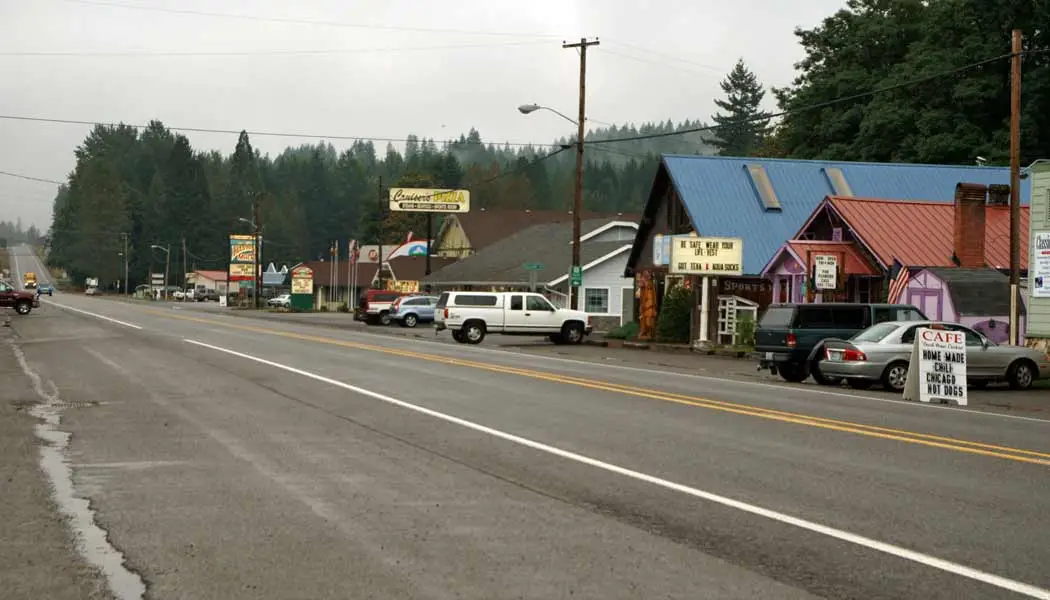
- A bit more of a small-town hub feel, especially in summer.
- Great if you want forest hikes and rivers, or you’re pairing Rainier with other nearby outdoor stops.
- Ideal for travelers who want more dining choices than a tiny gateway village.
What to pack
My carry-on-only brain loves a tight packing list, but Rainier demands a little respect. Weather shifts fast, and even “easy” trails can feel serious if clouds roll in.
- Layers: breathable base layer, warm midlayer, and a waterproof shell
- Footwear: sturdy shoes with grip, plus wool socks
- Navigation: offline map downloaded or a paper map
- Sun and bug protection: sunscreen, sunglasses, hat, and bug spray
- Food and water: more than you think you need, especially on sunny ridge days
- Just-in-case: small first aid kit and a headlamp
Hike responsibly
Rainier’s meadows are incredibly fragile. If you take one thing seriously here, make it this: stay on the trail, especially in wildflower season. A single shortcut can widen into a new path that lasts for years.
- Keep distance from wildlife and never feed animals.
- Pack out everything, including food scraps.
- If trails are muddy, walk through the mud, not around it. It protects the plants.
Town Wander tip: If you want that dreamy wildflower photo, step back and zoom in rather than stepping off trail. Your future self and the meadow both win.
Quick checklist
- Pick Paradise for iconic meadows and Skyline Trail, or Sunrise for ridgelines and Burroughs Mountain.
- Aim for late July to mid August for peak Paradise blooms, and August for Sunrise.
- Base in Ashford for early Paradise access, or Packwood for southeast trails and a more spread-out home base.
- Check current road and trail updates before you drive.
If you tell me when you’re visiting and whether you’re more “meadows and coffee after” or “ridgeline and snacks in my pocket,” I can help you pick the best side of the park for your exact day.