Best Hikes in Organ Pipe Cactus National Monument
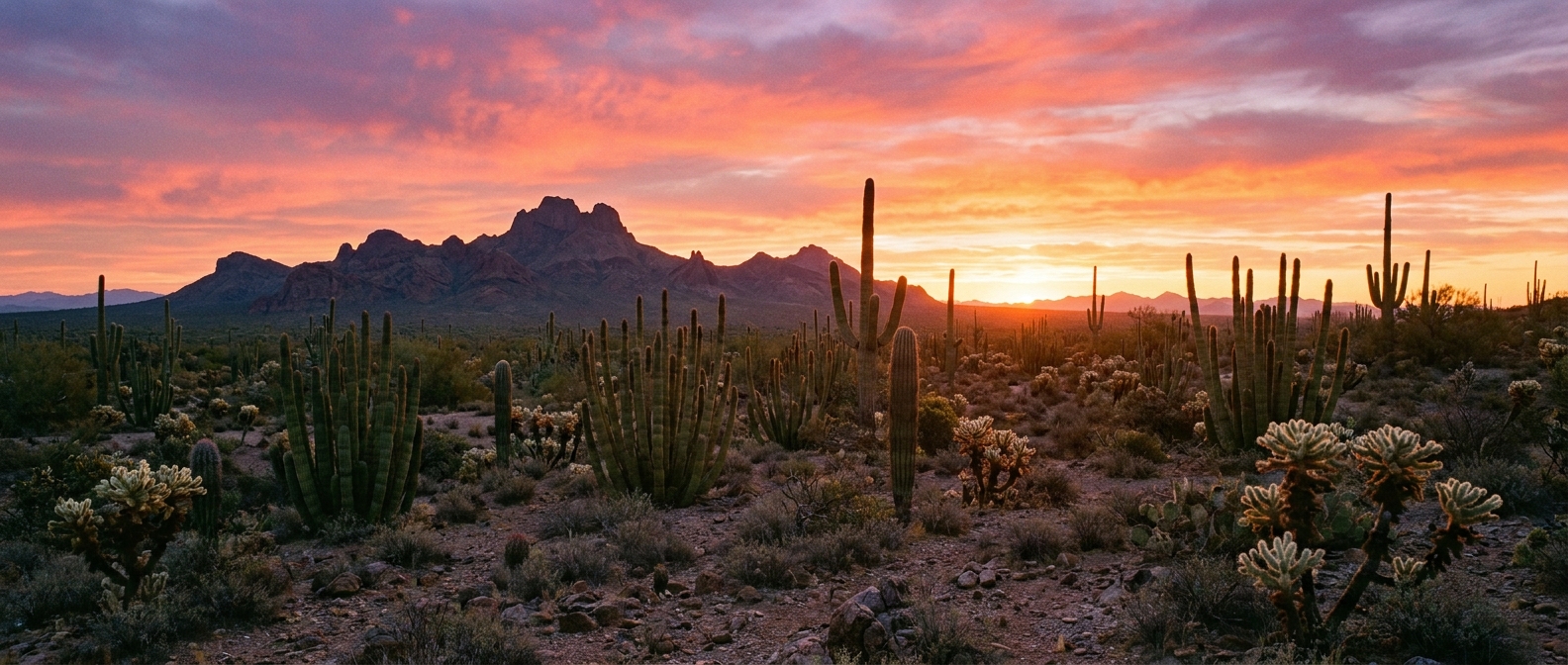
Organ Pipe Cactus National Monument is the Sonoran Desert at full volume: organ pipe cacti lifting their arms, purple-gray mountains catching late light, and a border-country stillness that feels earned. It is also a place where planning matters more than bravado. Distances look manageable on a map, but heat, exposure, and limited services change the math fast.
This guide focuses on the best hiking routes for a half-day or full-day visit, with practical notes on seasonal closures, water and heat rules, and how to be respectful and safe near the international boundary. If you are also driving the scenic loop, treat this as your hiking add-on. Our Ajo Mountain Drive page covers the road-side highlights, pullouts, and how the loop fits into a day, so we will not repeat it here.

Before you choose a trail
Know what makes Organ Pipe different
- Exposure is constant. Many hikes have long stretches with no shade and radiant heat from rock.
- Water is not a suggestion. There are limited, unreliable natural water sources and you should not count on any in the backcountry.
- Closures can change with the season. Heat-related trail advisories and temporary closures are common in the warmer months.
- Border-country context matters. You may see evidence of cross-border travel. You might also encounter law enforcement activity. Stay calm, stay observant, and stay on your plan.
Quick planning checklist
- Check current conditions with the National Park Service before you drive out. Trail and road closures in this region can change quickly.
- Start early. In warm seasons, aim for dawn trailheads. Treat late-morning starts like a red flag, not a vibe.
- Tell someone your plan. Cell service is limited. Leave your route and return time with a friend or at your lodging.
- Carry more water than you think. For desert hikes, many experienced hikers plan roughly 1 liter per hour in hot conditions, plus extra for delays. Your needs may be higher depending on body size, pace, and temperature.
- Bring electrolytes and salty snacks. Plain water alone can backfire if you are sweating hard.
- Footwear matters. Expect rock, sand, spines, and rough trail tread. Closed-toe shoes with a sturdy sole are ideal.
- Sun protection is nonnegotiable. Wide-brim hat, sunglasses, long sleeves, and sunscreen. Reapply.
Best half-day hikes
If you have one morning or an afternoon window, these routes deliver the signature Organ Pipe feel without demanding an all-day commitment.
Alamo Canyon Trail (classic half-day)
Alamo Canyon is the hike I recommend most often when friends ask for “one good Organ Pipe trail.” It threads into a rugged desert canyon with a payoff that feels earned, not manufactured. The route is straightforward, but the terrain and heat are real, so it still deserves respect.
- Distance: About 2.0 miles round trip
- Elevation gain: About 250 feet
- Best for: Visitors who want a memorable canyon walk with a natural destination
- Time: Half-day for most hikers, depending on pace and temperatures
- What it feels like: A gradual transition from open desert into tighter canyon walls, with lots of opportunities to pause, scan for birds, and take in geology
My notes: Start early and bring more water than you would for a similar-mileage hike in a cooler climate. The canyon can act like a heat trap later in the day. Keep an eye out for rockfall zones and watch where you place hands and feet.
Numbers note: Mileage and elevation are approximate and can vary by map source and how far you explore beyond the signed end. NPS maps typically list this hike at 2.0 miles round trip.
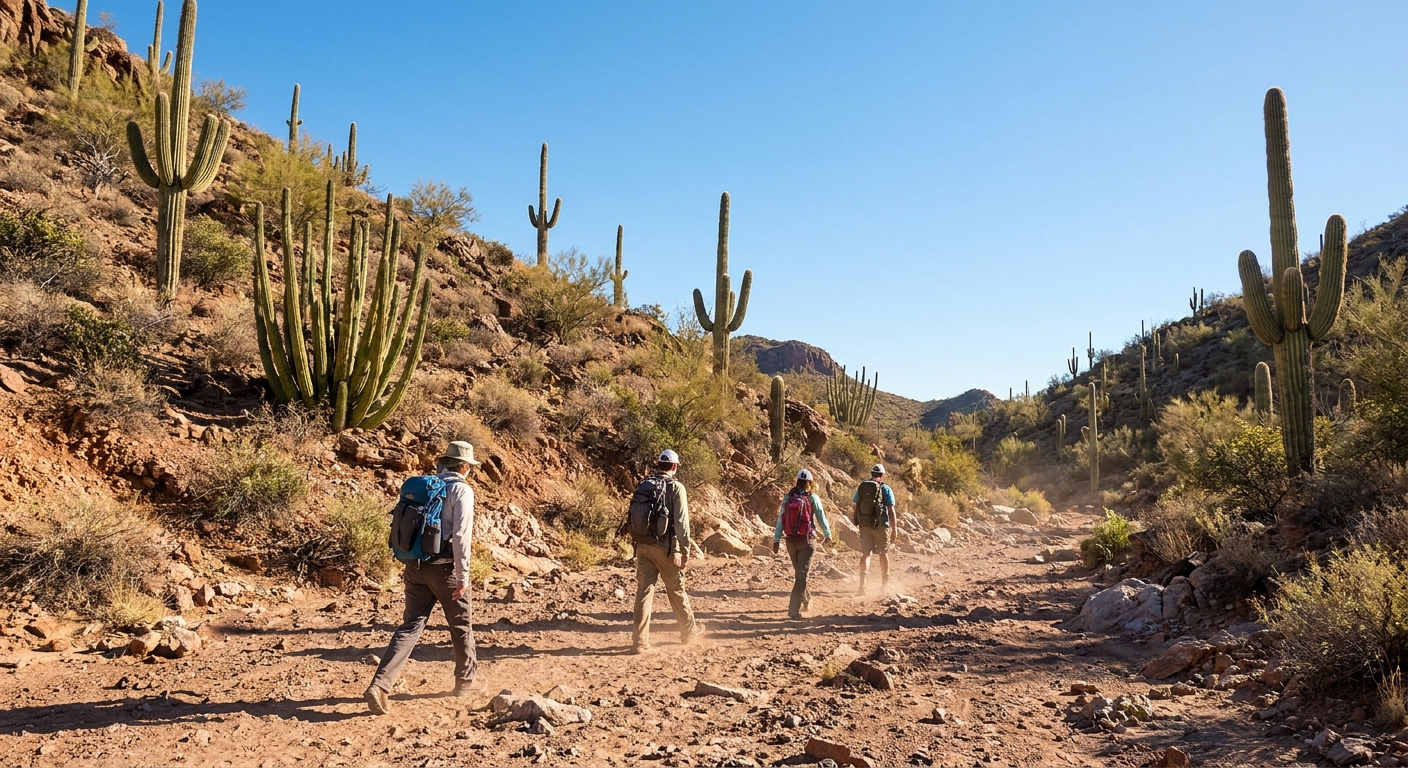
Victoria Mine Trail (history walk)
If you want a walk with a side of history, the Victoria Mine Trail is a great fit. You get that wide-open desert atmosphere, plus a sense of how tough this landscape has always been for people trying to make a living from it.
- Distance: About 4.4 miles round trip
- Elevation gain: Modest overall, with rolling ups and downs
- Best for: A half-day hike with history, big views, and classic Sonoran Desert scenery
- Time: 2 to 4 hours for most hikers, depending on temperatures and stops
- What it feels like: Quiet desert walking with long sightlines and scattered mining-era remnants
My notes: Treat old mining features with caution. Do not climb on structures. Look, photograph, learn, and leave things exactly where they are. If you are starting from Twin Peaks Campground, this is the standard route most visitors mean when they say “Victoria Mine Trail.”
Desert botany strolls (easy add-on)
When temperatures are borderline or you are arriving later than planned, shorter nature walks near developed areas can still be worthwhile. You can slow down, look closely, and catch the small stuff that is easy to miss on bigger objectives: tracks, birds, flowers after rains, and the way different cacti claim different microhabitats.
- Distance: About 0.5 to 1.5 miles round trip, depending on the loop
- Elevation gain: Minimal
- Best for: Hot days, families, recovery days, and sunset strolls
- Time: 30 to 90 minutes
- What it feels like: A desert “museum walk” where the details are the attraction
Best full-day hikes
For a full day, Organ Pipe rewards hikers who start early, pace steadily, and plan conservatively. This is where you earn those sweeping views and quiet, high-country desert moments that stick with you for years.
Mount Ajo via Estes Canyon and Bull Pasture (big day)
If you are choosing one “full commitment” hike, make it the classic Mount Ajo route using the Estes Canyon and Bull Pasture Trails. On maps you will see those trail names rather than a single “Ajo Mountain Trail,” and that detail matters when you are navigating, pacing, and setting turnaround times.
- Distance: About 8.2 miles round trip
- Elevation gain: About 2,700 to 2,800 feet
- Best for: Fit, experienced desert hikers who are comfortable with long exposure
- Time: Full day for most people
- What it feels like: A sustained mountain hike in a desert setting, with huge views and a sense of being very far from shade
My notes: This is not a casual summer objective. If there is any doubt about heat, do it in a cooler season or choose Alamo instead. Start at dawn, carry extra water, and consider turning around earlier than planned if you are overheating. In Organ Pipe, “summit fever” is just another way to get in trouble.
Numbers note: Mileage and gain are approximate and can vary slightly depending on GPS tracks and whether you tag the summit area. For planning and safety, default to the official NPS figures.
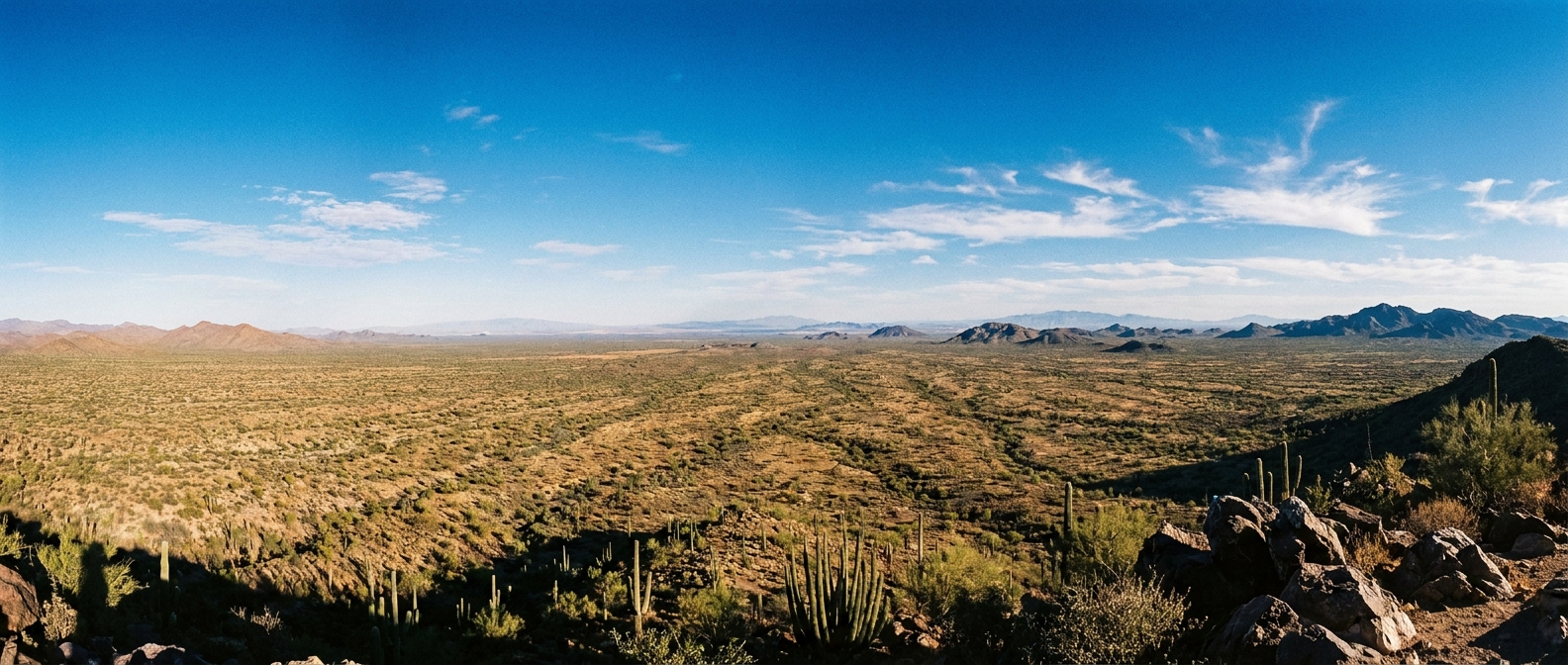
Full-day option: Short hike plus scenic drive
If you want a full day that is demanding but not all on foot, combine a shorter hike with the scenic loop. This is the sweet spot for travelers who want both trail time and the best road-accessible viewpoints.
- Good combos: A morning in Alamo Canyon, then an afternoon drive with short stops and viewpoints
- Why it works: You get variety, you manage heat better, and you still feel like you “did” Organ Pipe
Tip: Treat the drive as a buffer for recovery and hydration, not as an excuse to under-pack water on the hike.
Closures and ranger notes
Organ Pipe is not the place to wing it based on what a blog said three years ago, including this one. Heat, road conditions, and resource protection closures are all part of the reality.
- Heat-related trail closures or advisories: Some trails may close seasonally or have strong warnings in the hottest months. Always check the monument’s current conditions page before your visit.
- Monsoon season considerations: Summer storms can cause flash flooding in washes and canyons. A dry wash at noon can be a moving river at 3 pm.
- Resource protection closures: Short-term closures may protect sensitive habitat, cultural resources, or wildlife.
If a ranger tells you a route is a bad idea for the day, believe them. In this landscape, “probably fine” is how rescues happen.
Water, heat, and safety
How much water should you carry?
There is no universal number, but desert hikers often plan on about 1 liter per hour in hot conditions, plus extra. If that sounds like a lot, it is because dehydration is expensive here. You do not want to be rationing water on the walk out.
Electrolytes and food
Bring electrolytes and salty snacks. Muscle cramps, headache, nausea, and fatigue can be heat illness warning signs, not just “being out of shape.” Eat before you are hungry.
Timing is your best gear
- Dawn starts: Your easiest win for comfort and safety.
- Turnaround times: Set one before you start and honor it.
- Shade breaks: Take them when you find them, even if you feel fine.
Watch for heat illness
If someone in your group becomes confused, stops sweating, or cannot keep fluids down, treat it as an emergency. Cool them aggressively, get help, and do not push deeper into the backcountry.
Respect the boundary
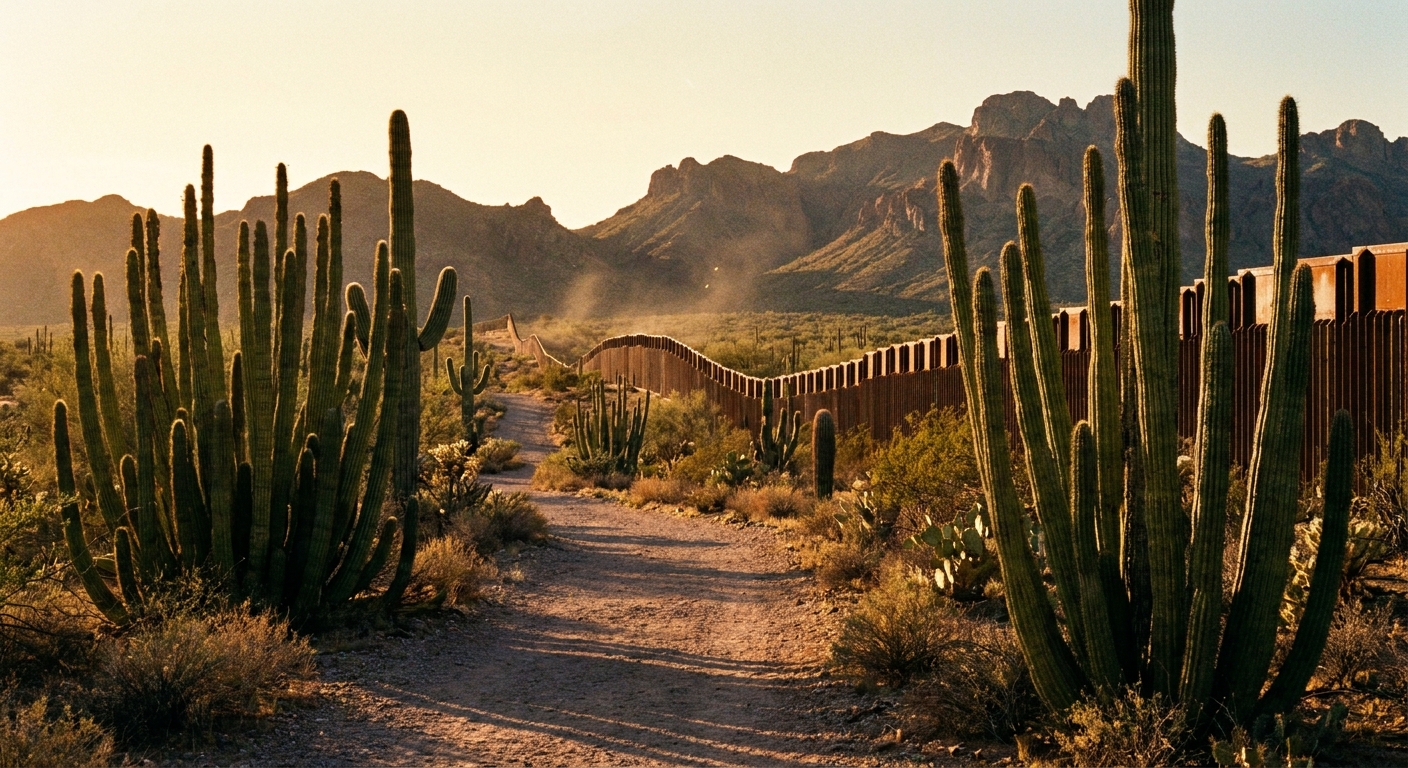
Organ Pipe sits along the U.S. Mexico border, and hiking here comes with a few extra responsibilities. Most visitors have a peaceful trip, but situational awareness matters.
- Do not cross the boundary. It should go without saying, but it is worth saying.
- Stay on established routes. This protects fragile soil crusts and reduces the chance you wander into restricted areas or difficult terrain.
- If you see suspicious activity: Do not approach. Move away calmly and report concerns to park staff when you are safe to do so.
- If you find items left on the landscape: Do not touch. Note the location and tell a ranger.
The goal is not to be fearful. It is to be prepared, respectful, and aware.
Leave No Trace
This is a living desert, and it is easy to damage without realizing it.
- Stay on trail and durable surfaces. Biological soil crust can take decades to recover once crushed.
- Give wildlife space. Especially during hot periods when animals are stressed.
- Do not pick plants or collect rocks. Even “small” souvenirs add up fast.
- Pack out everything. Including fruit peels and nut shells. They do not belong here.
Sample itineraries
Half-day morning: Alamo Canyon
- Early morning: Start the hike at first light
- Mid-morning: Return, hydrate, snack, and cool down
- Late morning: Short nature walk near developed areas if temperatures allow
Full day: Mount Ajo or hike plus drive
- Dawn: Begin Mount Ajo via Estes Canyon and Bull Pasture (or your chosen longer hike)
- Late morning to early afternoon: Finish and recover in shade, eat a real meal
- Afternoon: Scenic drive with stops, keeping an eye on heat and storms
- Sunset: Short, easy stroll for golden light photography if you still feel good
What to pack
- Water capacity that matches your plan (bladder plus backup bottle is smart)
- Electrolytes
- Salty snacks and a substantial lunch for full-day hikes
- Wide-brim hat, sunglasses, sunscreen
- Light long sleeves and breathable pants for sun and cactus protection
- Map downloaded offline, plus a physical map if you have one
- Headlamp (even for day hikes, delays happen)
- Small first aid kit, blister care, and tweezers for spines
- Emergency layer for cool-season mornings or wind on ridges
If you are a carry-on-only traveler like me, this is the kind of park where I happily make room for an extra soft flask and a sun shirt. Desert comfort is earned in ounces.
Final call
Organ Pipe is spectacular when you meet it on its terms. Pick Alamo Canyon when you want a high-reward half-day. Save Mount Ajo for cool weather and an early start, when the desert gives you a safe window to go big. And if conditions are questionable, pair a short hike with the scenic drive and call it a win. In this monument, smart choices are part of the adventure.