Best Hikes in Saguaro National Park

Maya Lin
Maya Lin is a travel journalist and outdoor enthusiast who believes the best trips combine rugged adventures with urban comforts. After spending six years backpacking across four continents, she founded Trail & Town Guide to help fellow travelers navigate both hidden mountain passes and bustling city neighborhoods with confidence.
Saguaro National Park is the rare place where a classic desert hike and a post-trail iced coffee in town feel like the same trip. Split into two districts bracketing Tucson, the park serves up cactus forests, warm rock canyons, and, if you head higher in the Rincons, cooler mountain air and longer, wilder miles.
This guide rounds up the best hikes in Saguaro National Park with practical notes on where to go, what you will actually see, and how to plan around heat, water, and time of day.
Before you pick a trail
East vs West: which side should you hike?
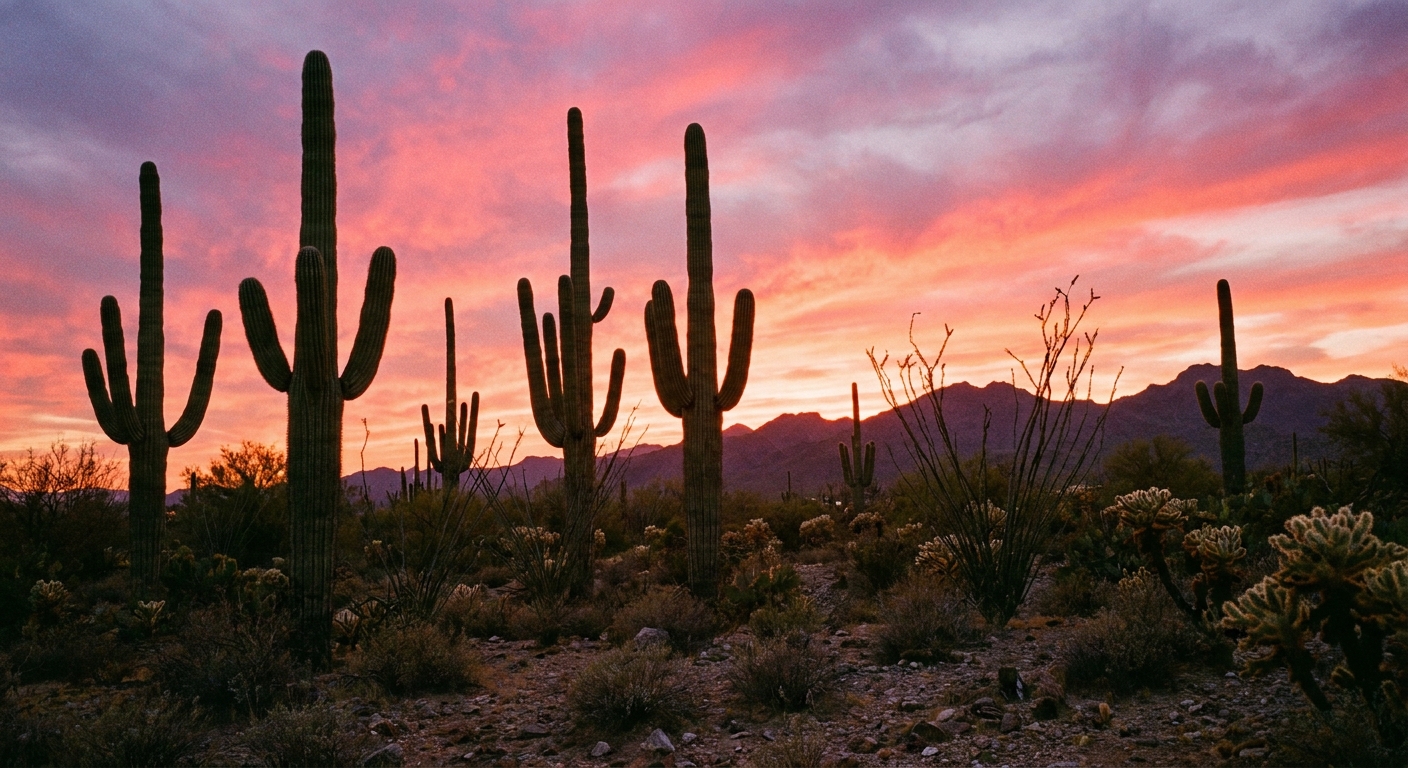
Saguaro West (Tucson Mountain District) is lower, warmer, and packed with iconic saguaro scenery right away. Trails here are fantastic for sunrise and short-to-moderate loops with big views.
Saguaro East (Rincon Mountain District) starts in the cactus zone near the visitor center but climbs toward higher elevations if you go far enough, including big days toward Tanque Verde Ridge and even Mica Mountain. This side is a great fit if you want longer routes, more solitude, and the feeling of hiking into the mountains.
Timing and heat
- Best seasons: Fall through spring for comfortable hiking. Summer is possible but demands early starts and conservative mileage.
- Best time of day: Sunrise is the desert cheat code. You get cooler temps, softer light, and more wildlife activity.
- Monsoon notes: In summer, storms can build fast. Avoid washes when rain threatens, watch for flash floods (even if it is raining miles away), and take lightning seriously on exposed ridges and summits.
Water and safety basics
- Carry more water than you think you need, especially on exposed West-district loops.
- Rule of thumb: In mild weather, many hikers do well with about 0.5 to 1 liter per hour. In heat, plan closer to 1 liter per hour and bring electrolytes. If you are unsure, bring extra and turn around early.
- Wear sun protection you will actually keep on: wide-brim hat, sunglasses, and breathable long sleeves.
- Stay on trail. Desert soils are fragile, and some areas include biological soil crusts that take a long time to recover.
- Pack tweezers for cactus spines, and consider tape for tiny glochids (those hair-like prickles that feel invisible until they are not). Watch footing around cholla and prickly pear.
- Wildlife basics: Give rattlesnakes space (do not try to hop past), and keep your distance from javelina and coyotes.
Logistics that matter
- Visitor centers: Red Hills Visitor Center (West district) and Rincon Mountain Visitor Center (East district).
- Scenic drives: Bajada Loop Drive (West) and Cactus Forest Drive (East). Both are perfect for pairing with a short hike.
- Driving between districts: Plan roughly 45 to 60 minutes depending on traffic and where you start in Tucson.
- Parking: Popular trailheads can fill on weekends and peak season mornings. Arrive early if you have a must-do hike.
- Water and restrooms: Expect limited services once you leave the visitor center area. Do not assume water at trailheads.
- Pets: Pet rules in national parks are strict and can change by area. Check Saguaro NP’s current pet policy before you go. Plan on leaving pets at home for most trails.
Best hikes in Saguaro West (Tucson Mountain District)
If your mental image of Saguaro is a postcard cactus forest with a mountain backdrop, start here. Most trails are gently rolling, highly scenic, and easy to combine into loops.
Valley View Overlook Trail
Why it is great: A short, high-reward walk to a rocky overlook that is pure golden-hour magic. It is one of my go-to suggestions for first-timers or anyone arriving in Tucson with just a free afternoon.
- Stats: ~0.8 mile round-trip, ~50 to 100 feet elevation gain, ~20 to 40 minutes
- Best for: Sunset, quick intro hike, photography
- Expect: Desert scrub, saguaros, a viewpoint over the Tucson Mountains
- Planning tip: Go early or late. Midday sun here is intense.
King Canyon to Wasson Peak
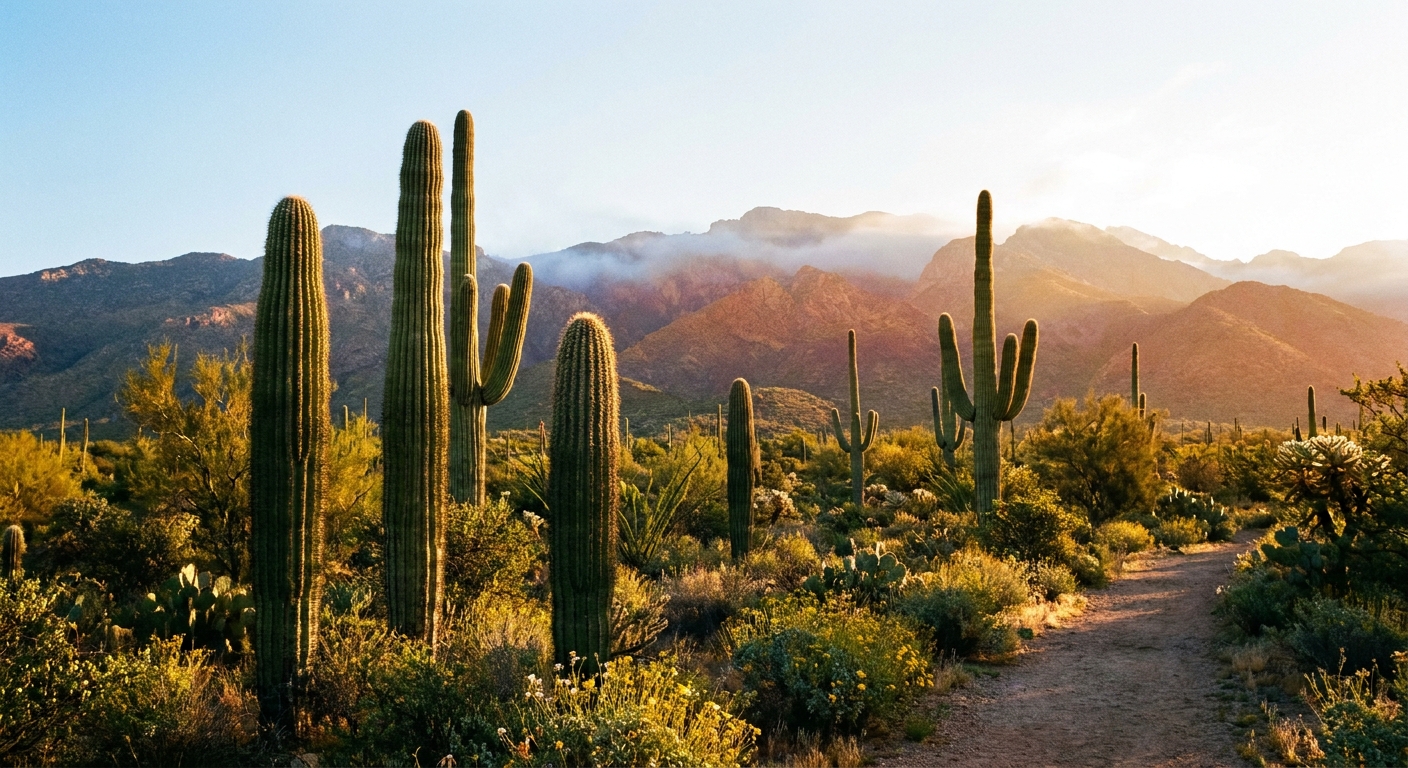
Why it is great: If you want one classic summit hike in the West district, make it Wasson Peak. The top delivers a wide-open panorama over Tucson, Avra Valley, and layered desert ranges.
- Stats: ~7.0 to 8.0 miles round-trip (route-dependent), ~1,700 to 1,900 feet elevation gain, ~4 to 6 hours
- Best for: Big views, a satisfying workout
- Expect: Long, steady climbing on rocky trail, very little shade
- Planning tip: Start at dawn and bring extra water. This route is popular for a reason, so early also means fewer crowds.
Hugh Norris Trail (out-and-back or partial)
Why it is great: This trail strings together scenic ridgelines and cactus-dense valleys. You do not have to do the whole thing to have a great day. Even a partial out-and-back gives you that “deep in the desert” feel without committing to a full-day push.
- Stats: Full out-and-back is ~9.8 miles, ~1,000 to 1,200 feet elevation gain, ~4 to 6 hours. Partial options: 3 to 6 miles is still a great time.
- Best for: A longer day hike in the West district, quiet miles
- Expect: Rolling terrain, broad views, plenty of saguaros
- Planning tip: Turn around when your water says you should, not when your ambition says you can.
Desert Discovery Trail (near the visitor center)
Why it is great: A short loop that is ideal for families and anyone who wants a quick nature fix before driving the scenic loop.
- Stats: ~0.5 mile loop, minimal elevation gain, ~15 to 30 minutes
- Best for: Kids, first-time desert visitors, easy morning walk
- Expect: Up-close saguaros and interpretive-style desert scenery
- Planning tip: Parts are relatively smooth and gentle compared to backcountry trails, but accessibility details can change. Check current conditions with the park if you need a fully accessible route.
Best hikes in Saguaro East (Rincon Mountain District)
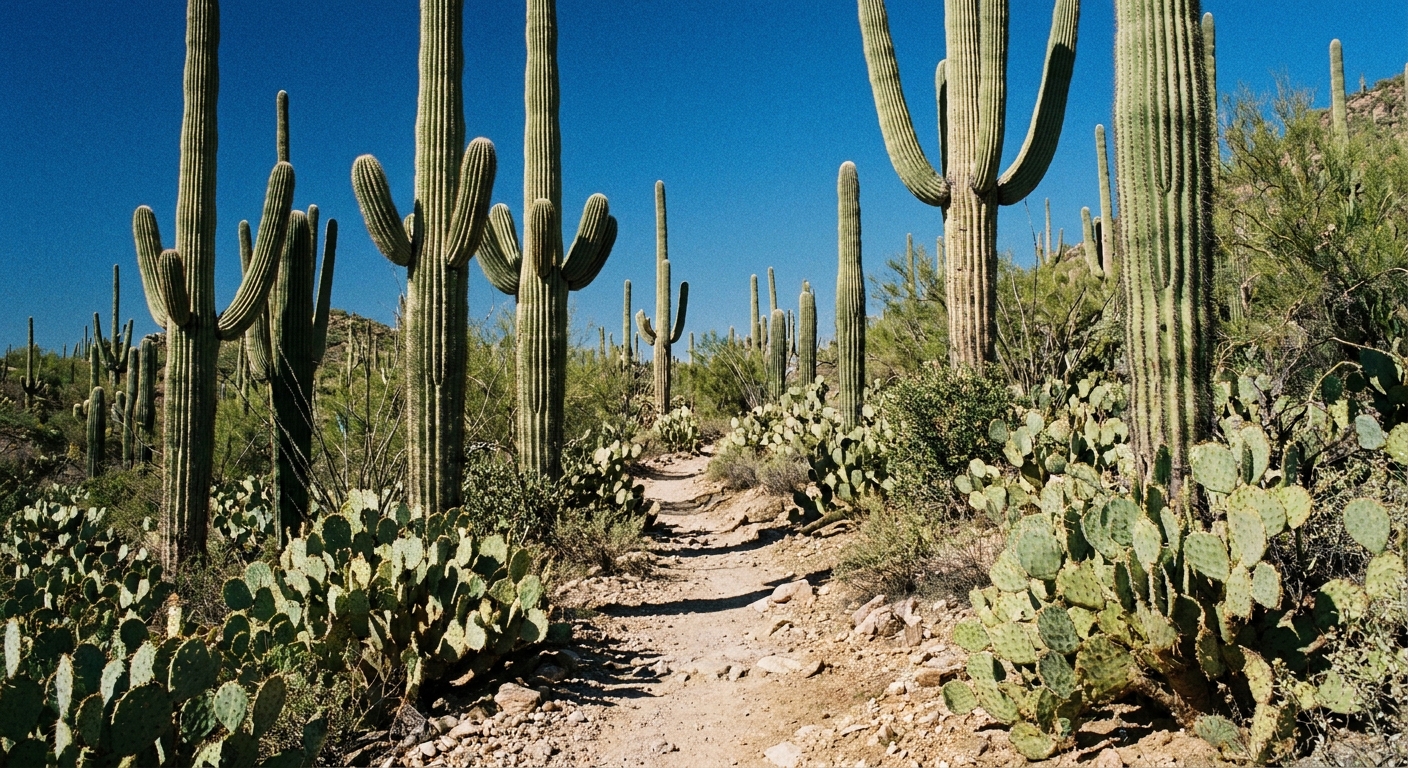
Saguaro East is where you can start in classic cactus country and, with enough miles, transition toward higher terrain. The front-country trails are approachable, but the longer routes feel wilder fast.
Freeman Homestead Trail
Why it is great: A mellow, story-rich hike that mixes desert scenery with a small slice of human history. It is an easy win if you want something short that still feels meaningful.
- Stats: ~1.0 mile round-trip, minimal elevation gain, ~30 to 45 minutes
- Best for: Families, history lovers, low-key mornings
- Expect: A well-traveled path through cactus habitat with interpretive stops
Loma Verde Loop (via multiple connectors)
Why it is great: One of the best ways to build a choose-your-own-adventure loop in Saguaro East. You can keep it moderate or stitch in extra mileage depending on your energy and the season.
- Stats: Common versions run ~3.0 to 6.0 miles, ~200 to 600 feet elevation gain, ~1.5 to 3.5 hours
- Best for: A flexible half-day hike, repeat visits
- Expect: Classic Sonoran Desert scenery with lots of saguaros and open views
- Planning tip: Bring a map and confirm junctions at trailheads. The East district has many interlacing trails, which is fun until it is confusing.
Douglas Spring (out-and-back)
Why it is great: A solid longer hike that pushes you beyond the busiest front-country feel. It is a good choice when you want more effort and more quiet, without committing to an all-day summit.
- Stats: ~6.0 to 7.0 miles round-trip (depending on start point), ~1,200 to 1,500 feet elevation gain, ~3.5 to 5.5 hours
- Best for: Intermediate hikers, a longer desert day
- Expect: Steady climbing, broad vistas back toward Tucson
- Planning tip: Despite the name, Douglas Spring is often seasonal and can be dry. Do not count on it. Treat this as a carry-all-your-water hike.
Tanque Verde Ridge (big East-district option)
Why it is great: This is where Saguaro East starts cashing the “mountain-forward” promise. You climb out of the cactus zone and onto a ridge with long, airy views. It is a bigger commitment, but it is the kind of day that makes the iced coffee afterward feel earned.
- Stats: ~10 to 12+ miles round-trip to a turnaround point on the ridge, ~2,500 to 3,500 feet elevation gain, ~6 to 9 hours (choose your turnaround wisely)
- Best for: Strong hikers, a full-day challenge, bigger scenery
- Expect: Long climb, changing vegetation with elevation, fewer people the farther you go
- Planning tip: Start early, carry plenty of water, and turn around based on time, weather, and energy. Check trail conditions and any advisories before committing.
Quick picks by vibe
If you only have 2 hours
- West district: Valley View Overlook Trail (~0.8 mile RT, ~20 to 40 minutes) for a fast payoff.
- East district: Freeman Homestead Trail (~1.0 mile RT, ~30 to 45 minutes) for easy scenery and a bit of history.
Best sunrise hike
- Short: Desert Discovery Trail (West, ~0.5 mile, ~15 to 30 minutes) for soft light on the cactus forest.
- Longer: Start early on King Canyon toward Wasson Peak (West, ~4 to 6 hours) for a sunrise climb with expanding views.
Best hike for big views
- Wasson Peak (West) is the crowd favorite for a reason.
- Tanque Verde Ridge (East) is the pick when you want your views with a longer, mountain-style effort.
Best for families
- Desert Discovery Trail (West)
- Freeman Homestead Trail (East)
How to plan a perfect half-day
Option A: West-district classic
- Start: Early hike to Valley View Overlook (easy) or a longer push toward Wasson Peak (bigger morning).
- Drive: Cruise Bajada Loop Drive for pullouts and quick photo stops.
- Town comfort: Head back into Tucson for a cold drink and a long lunch. Your legs will feel pleasantly worked.
Option B: East-district loop builder
- Start: Freeman Homestead as a warm-up, then build a longer loop in the Loma Verde area.
- Drive: Roll Cactus Forest Drive for classic saguaro scenery with minimal effort.
- Town comfort: Find a local cafe in Tucson for an iced coffee and an air-conditioned debrief.
What to pack for Saguaro hikes (carry-on only energy)
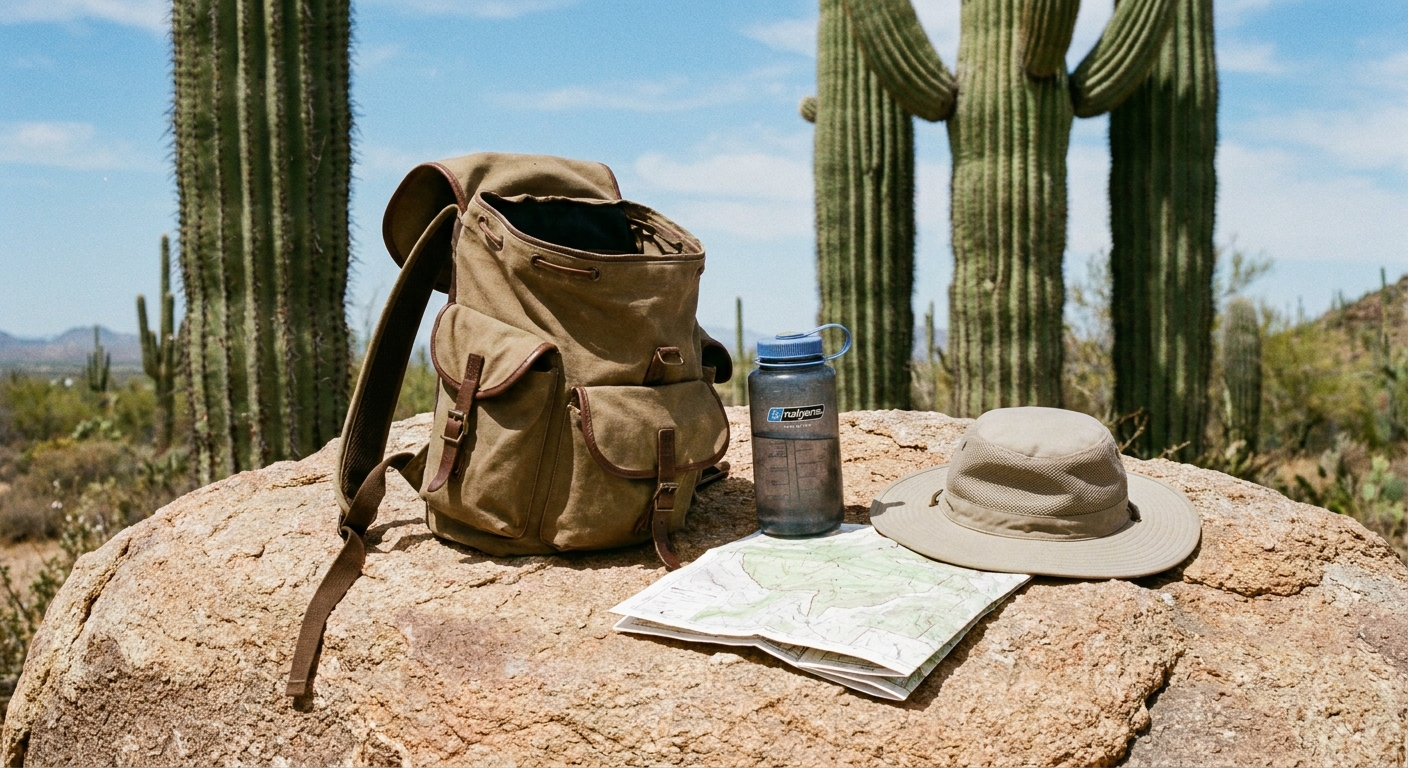
- Water: More than you think you need, plus electrolytes if it is warm.
- Sun protection: Hat, sunglasses, sunscreen, and a light long-sleeve layer.
- Footwear: Grippy shoes. The rock can be slick, and the trail can be loose.
- Navigation: Download offline maps. Junctions can be easy to miss.
- Safety: Small first aid kit, tweezers for spines, and tape for glochids.
- Leave no trace: Pack out everything, including food scraps.
Desert hiking is not about proving toughness. It is about moving smart. Start earlier, carry more water, and save the bravado for the after-hike tacos.
FAQ
Do I need reservations to hike Saguaro National Park?
Most day hikes do not require reservations as of May 2026. You will need to pay the park entrance fee or use a valid pass. Always check the official National Park Service site for current alerts, closures, construction impacts, and any changes to entry rules. Also note that parking can fill at popular trailheads on weekends and peak season mornings.
Is Saguaro National Park good for beginners?
Yes. Both districts have short, approachable trails with immediate scenery. The key is heat management. Beginner-friendly in winter can become risky in summer midday.
Which district has more saguaros?
Both have plenty, but Saguaro West often feels more instantly dense and dramatic right from the roadside. Saguaro East shines when you want to combine cactus scenery with longer routes and a more mountain-forward backdrop.
Is there water on these hikes?
Plan as if there is no reliable water on trail. Even named springs can be seasonal. Carry what you need, and do not count on a refill unless the park specifically confirms availability.