Best Lake Hikes in US National Parks

Maya Lin
Maya Lin is a travel journalist and outdoor enthusiast who believes the best trips combine rugged adventures with urban comforts. After spending six years backpacking across four continents, she founded Trail & Town Guide to help fellow travelers navigate both hidden mountain passes and bustling city neighborhoods with confidence.
There is a specific kind of magic to a mountain lake hike. You start in the shade of pine needles and damp dirt, climb into thin air and sharp views, and then suddenly the trail opens to a bowl of water that looks almost unreal, like someone turned the saturation up on purpose.
These are my favorite lake hikes across US national parks (plus one iconic “nearby” trail in Washington’s Central Cascades that pairs perfectly with a Leavenworth-style mountain town day). Each one has the scenery factor, but also the practical stuff you actually need: trail stats, when to go, and a few notes I wish someone had told me before I laced up.
Quick comparison
If you are choosing based on effort, timing, or crowd levels, this table will get you oriented fast. Distances and elevation are approximate and can vary slightly by GPS track, snow detours, or route choices.
| Hike | Park (or nearby) | Distance | Elevation gain | Typical difficulty | Best season |
|---|---|---|---|---|---|
| Emerald Lake | Rocky Mountain | 3.2 mi round trip | ~650 to 700 ft | Moderate | June to October |
| Lake Solitude | Grand Teton | ~15 to 19 mi round trip | ~2,400 to 2,600 ft | Strenuous | July to September |
| Iceberg Lake | Glacier | ~9.6 mi round trip | ~1,200 to 1,500 ft | Moderate | July to September |
| Mirror Lake | Yosemite | 2 to 5 mi round trip | Minimal | Easy | April to June, October |
| Colchuck Lake | Washington Central Cascades (Alpine Lakes Wilderness) | 8.0 to 9.0 mi round trip | ~2,200 to 2,400 ft | Strenuous | July to October |
1) Emerald Lake (Rocky Mountain National Park, Colorado)
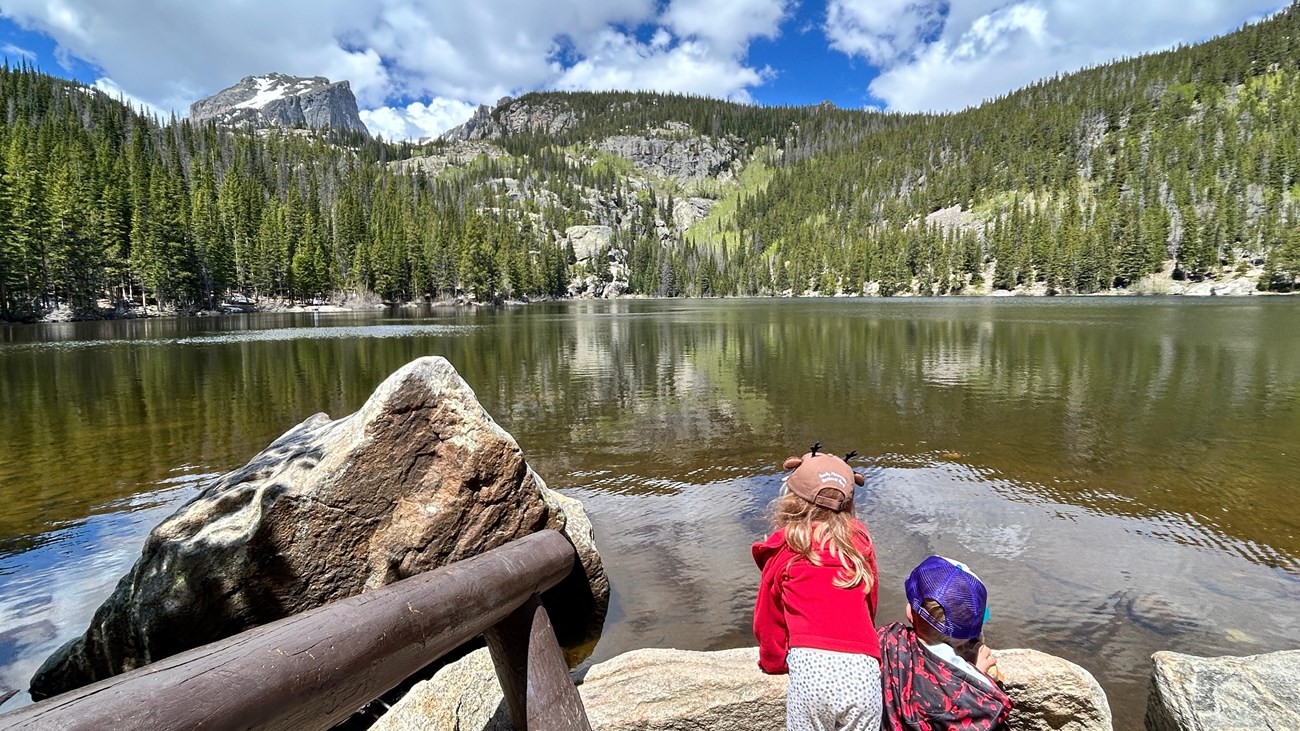
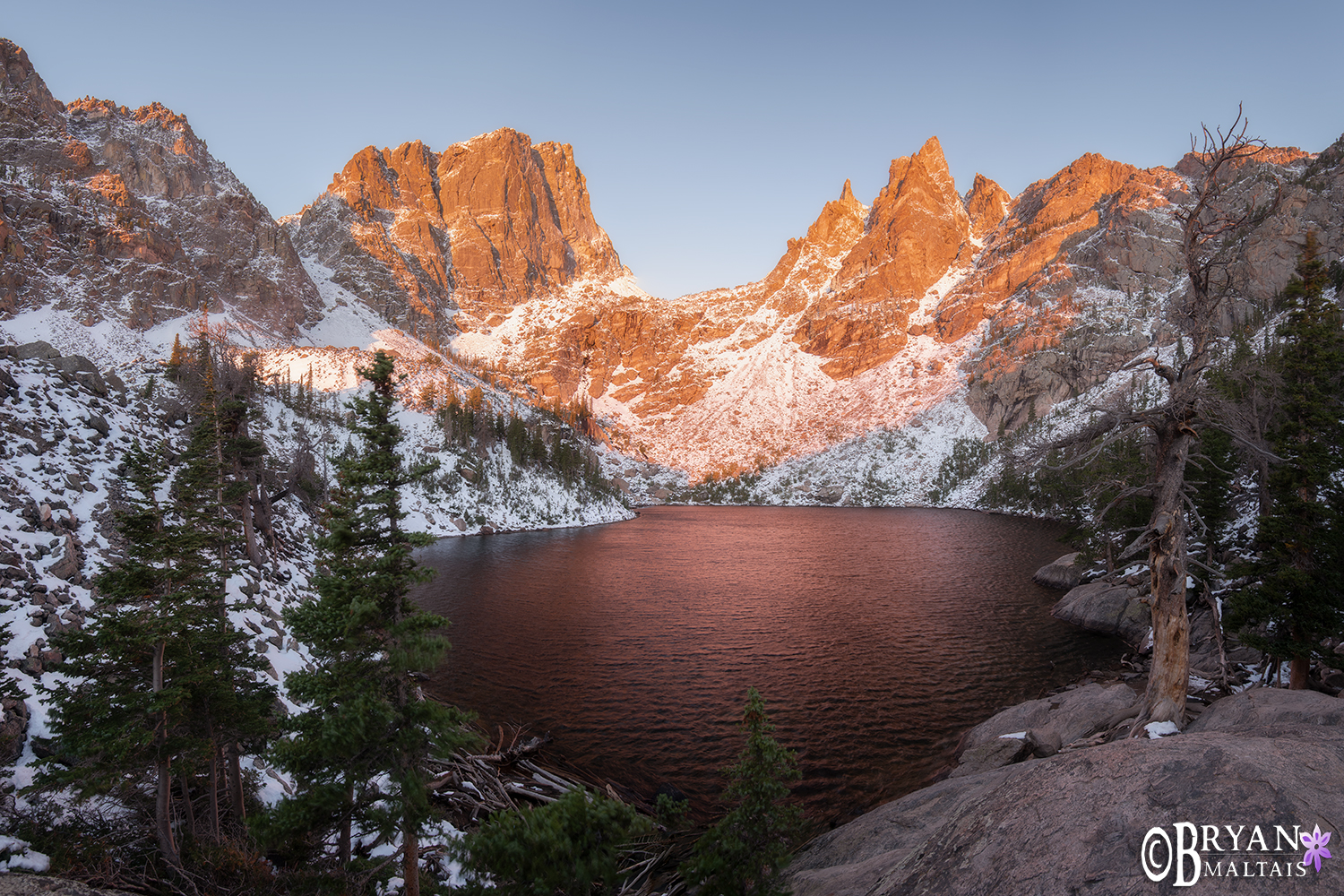
This is the classic Rocky Mountain lake payoff: a steady climb through lodgepole forest, a string of smaller lakes that keep motivation high, and then Emerald Lake tucked beneath rugged walls like a secret. In the morning, the water can look glassy enough to double the whole scene.
Trail stats
- Route: Bear Lake Trailhead to Nymph Lake, Dream Lake, then Emerald Lake
- Distance: ~3.2 miles round trip
- Elevation gain: ~650 to 700 feet
- Time: 2 to 3 hours
- Difficulty: Moderate (altitude makes it feel spicier)
Best season
June to October is the sweet spot for mostly snow-free trail. Shoulder season can mean lingering snowfields and early ice in shady spots, especially in the morning.
What to know before you go
- Timed entry: Rocky Mountain National Park often uses timed entry in peak season, and requirements can be corridor-specific (for example, Bear Lake Road versus other areas). Rules also change year to year, so check the official NPS page before you drive up.
- Altitude basics: Hydrate, take the first mile slow, and do not be surprised if you feel a little more winded than the stats suggest.
- Early is easier: Bear Lake parking fills fast. Sunrise starts also get you calmer water and fewer people.
- Carry-on-only tip: My minimalist packing philosophy is simple: I keep it light, but I never skip the layer that prevents me from getting cold and cranky at the lake. A wind shell earns its spot here.
- Weather: Summer afternoons can bring thunderstorms in the Rockies. If clouds start building, turn around earlier than your ego wants.
2) Lake Solitude (Grand Teton National Park, Wyoming)
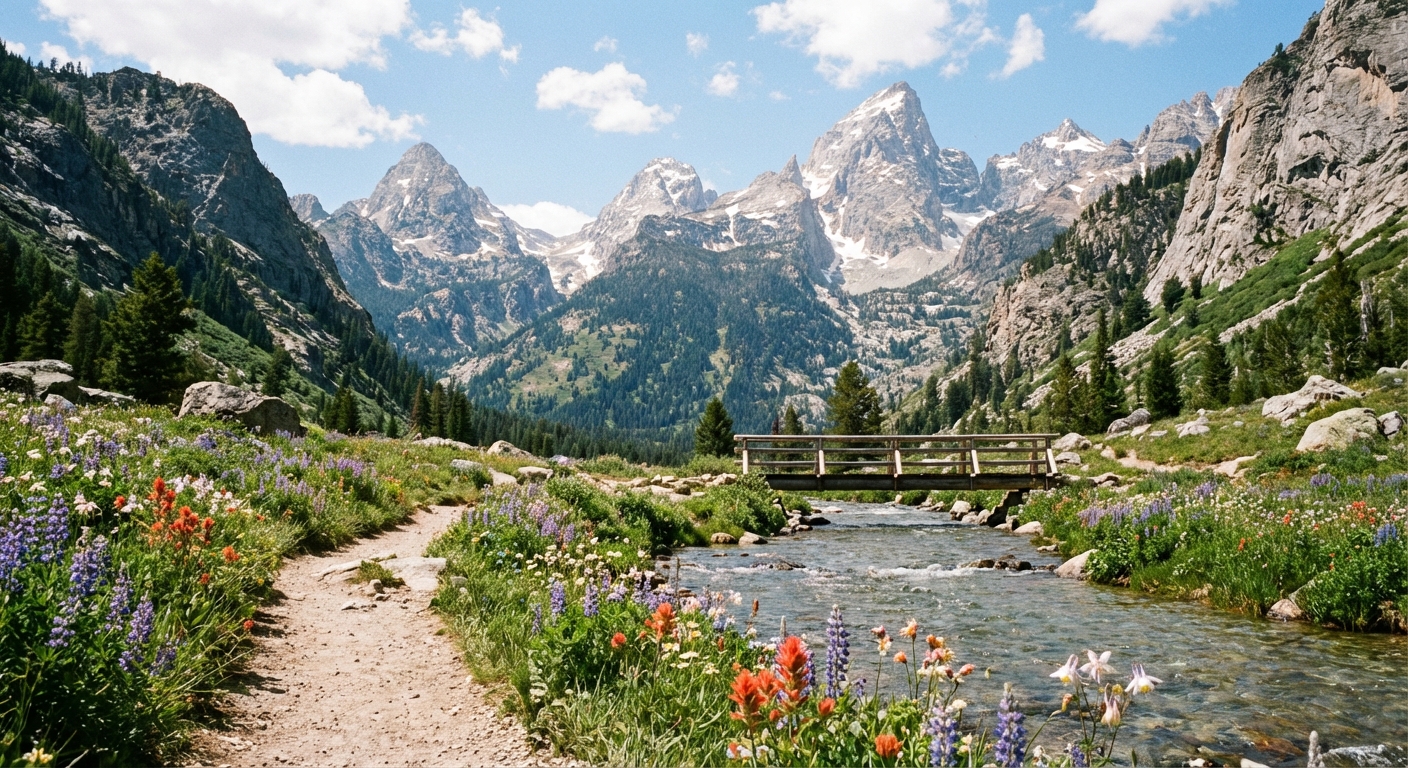
Lake Solitude is the kind of name that feels like a promise, and on a weekday morning it can deliver. The hike follows Cascade Canyon, which is basically a masterclass in Tetons scenery: peaks with sharp edges, wide meadows, and a river that keeps you company almost the entire way.
If you only have time for one big day in Grand Teton, this is a strong contender.
Trail stats
- Route: Jenny Lake area to Cascade Canyon, then up to Lake Solitude
- Distance:
- With Jenny Lake boat shuttle: ~15 to 16 miles round trip
- Without boat: ~18 to 19 miles round trip
- Elevation gain: ~2,400 to 2,600 feet
- Time: 7 to 10 hours (longer without the boat, or if you linger, which you will)
- Difficulty: Strenuous
Best season
July to September for the best odds of a mostly snow-free route all the way to the lake. Early summer can hold snow in the upper canyon, and mosquitoes can be enthusiastic during peak runoff.
What to know before you go
- Boat shortcut: The Jenny Lake shuttle can save both time and mileage. It is seasonal, can have lines, and the last boat back matters if you are counting on it, so check hours and plan accordingly.
- Wildlife: This is prime bear country. Carry bear spray and know how to use it.
- Start smart: Morning starts help you dodge heat, crowds, and that classic afternoon weather pivot.
- Bonus nearby: After the hike, Jackson has excellent coffee and dinner options. My ideal combo is trail grime plus a real chair and a proper meal.
3) Iceberg Lake (Glacier National Park, Montana)
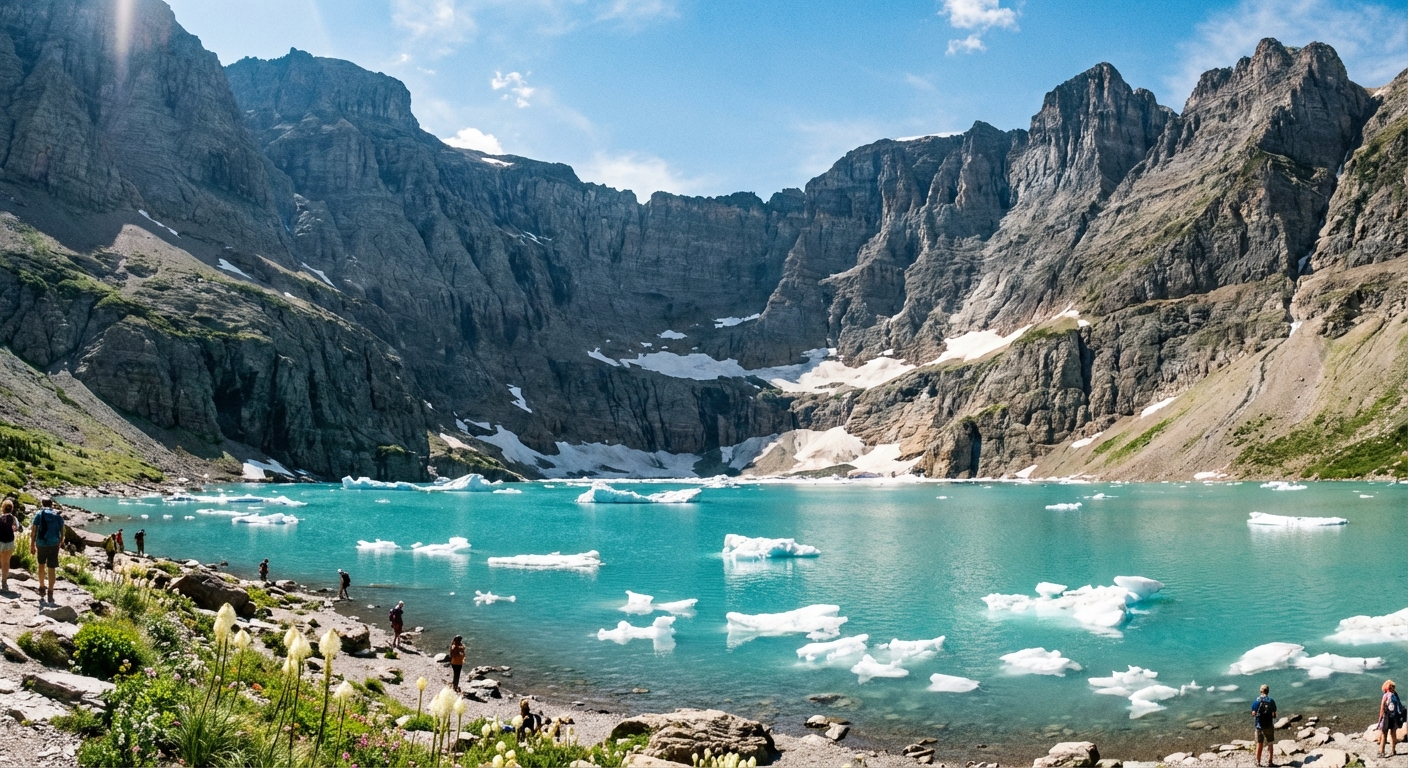
Iceberg Lake is a crowd favorite for a reason. You walk through open country with huge views, then you round a corner and the amphitheater appears, with cliffs stacked high above a lake that can still hold floating ice well into summer. It feels cinematic, but it is also very real, and very cold.
Trail stats
- Route: Iceberg-Ptarmigan Trail from Many Glacier area
- Distance: ~9.6 miles round trip
- Elevation gain: ~1,200 to 1,500 feet
- Time: 4 to 7 hours
- Difficulty: Moderate
Best season
July to September for access and the best odds of clear trail. Earlier can mean snow and muddy sections, and late season can bring smoky skies or closures depending on wildfire conditions.
What to know before you go
- Reservations and access: Glacier’s entry requirements can vary by year, season, and corridor (including the Many Glacier area). Check the official NPS site close to your travel dates so you do not get surprised at the gate.
- Timing: Parking fills early, and afternoon storms are a thing. Aim for a morning start if you can.
- Pack smart: Bring extra layers. Even on a hot trail day, the lake basin can be windy and cold.
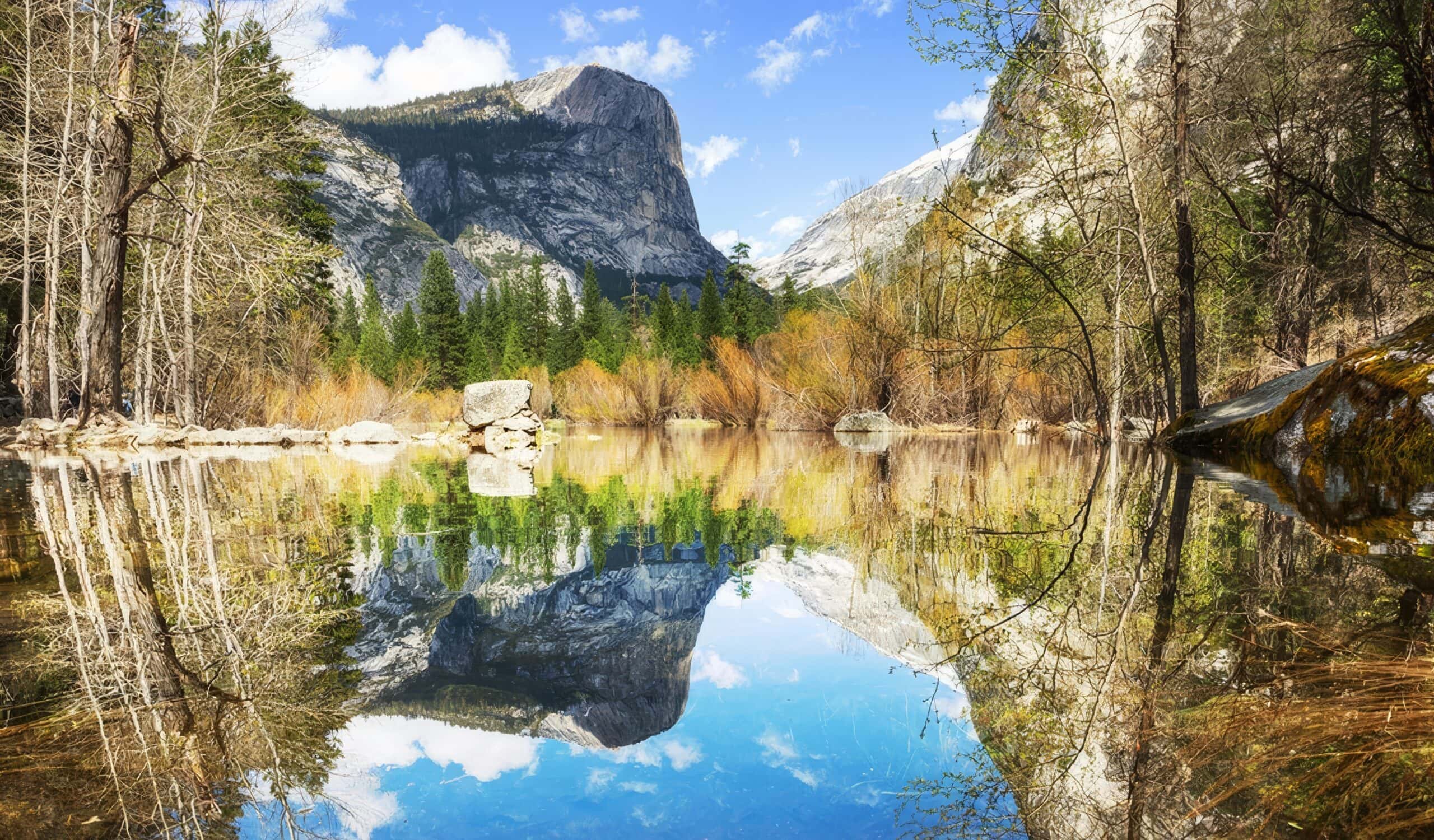
4) Mirror Lake (Yosemite National Park, California)
Mirror Lake is the “yes, you can still have a lake moment today” hike. It is short, accessible, and a classic for a reason: when conditions line up, the reflections of Half Dome look like someone carefully placed them there. It is also a great option if you are traveling with mixed-energy friends or you want a low-key morning before an afternoon exploring Yosemite Valley.
Trail stats
- Route: Mirror Lake Trail from Yosemite Valley (paved and unpaved options)
- Distance: ~2 miles round trip to the lake, or ~5 miles for the loop around it
- Elevation gain: Minimal
- Time: 1 to 2.5 hours
- Difficulty: Easy
Best season
April to June for higher water and better reflections. In late summer, it often shrinks dramatically and can be mostly dry in drought years. October can be lovely for cooler temps and fewer crowds, but water levels vary year to year.
What to know before you go
- Reflections are a morning thing: Calm air and softer light make a difference.
- Valley logistics: Yosemite Valley parking can be a puzzle in peak season. If you can, use shuttles and plan around busy midday hours.
- Most mobility-friendly option here: The paved route makes this the easiest pick for strollers, many wheelchairs, and anyone craving a gentler day.
- Leave no trace: Stay on trails and respect restoration areas near the water.
5) Colchuck Lake (Alpine Lakes Wilderness, Washington)
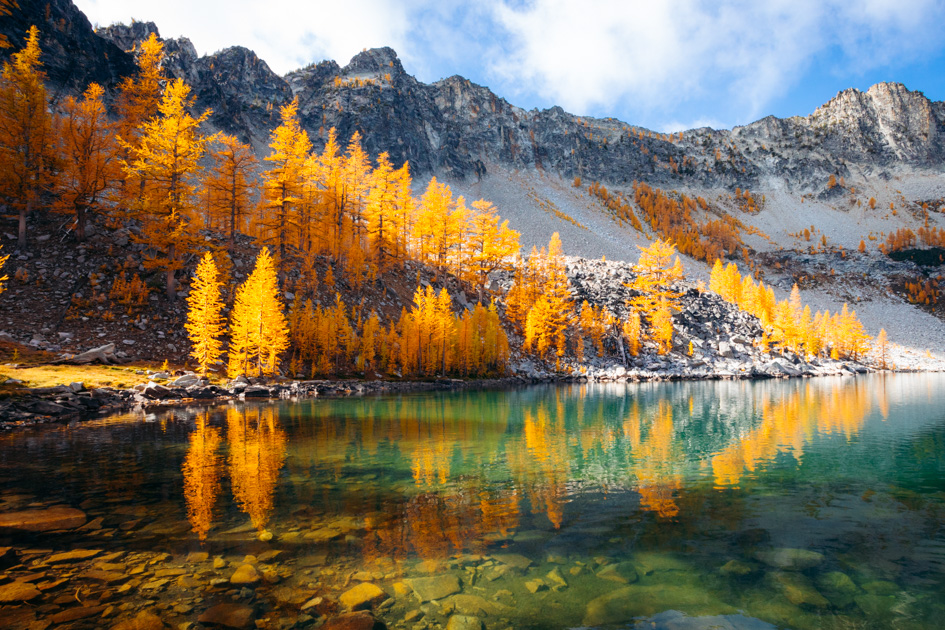
Colchuck Lake sits in Washington’s Central Cascades near Leavenworth, and it is one of those hikes that makes you feel like you earned your view. The trail climbs steadily through forest, then breaks out into granite and larch country (in fall), and finally drops you at a lake so blue it looks edited. Dragontail Peak and Colchuck Peak loom above the water like two stone guardians.
This one is not inside North Cascades National Park boundaries, and it is not a quick add-on from the North Cascades. Think of it as its own destination in the Central Cascades, or as a perfect anchor hike for a Leavenworth area trip.
Trail stats
- Route: Stuart Lake Trailhead to Colchuck Lake (Enchantments access trail)
- Distance: ~8.0 to 9.0 miles round trip
- Elevation gain: ~2,200 to 2,400 feet
- Time: 5 to 8 hours
- Difficulty: Strenuous
Best season
July to October. Peak larch color is typically late September into October, but timing changes with weather each year. Early season snow can linger, and late fall can bring icy conditions fast.
What to know before you go
- Parking passes: The Stuart Lake Trailhead typically requires a parking pass (often a Northwest Forest Pass). Requirements can change, so confirm current rules before you go.
- Permits: Day hiking usually does not require the Enchantments overnight permit, but wilderness rules can shift. Double check current Forest Service guidance if you are unsure.
- Footing matters: The final approach gets rocky and can be slick when wet.
- Timing: Weekend parking fills very early. A pre-coffee early start helps.
How to pick the right lake hike
- Want the biggest scenery per mile: Emerald Lake or Mirror Lake.
- Want a full-day classic: Lake Solitude.
- Want dramatic geology with a reasonable grade: Iceberg Lake.
- Want a challenge with a serious payoff: Colchuck Lake.
Lake-hike essentials
I am a carry-on-only traveler, but I never skimp on the basics that keep a lake hike safe and enjoyable. Minimalist, yes. Underprepared, no. Here is what consistently earns space in my pack:
- Layers: A light insulating layer plus a wind shell. Lakes create their own weather.
- Water and filtration: Bring enough water and consider a filter for longer routes.
- Sun protection: Sunglasses, sunscreen, and a hat. Alpine sun hits harder than you expect.
- Traction in shoulder season: Microspikes can turn “sketchy” into “fine” on lingering snow or early ice.
- Bear spray where appropriate: Especially in Grand Teton and Glacier. Know local guidance.
- Weather and closures: Build flexibility for thunderstorms, wildfire smoke, and temporary trail closures. It is not dramatic, it is just modern trip planning.
- Leave No Trace: Pack out everything, keep distance from wildlife, and stay on durable surfaces near shorelines.
If you are torn between two options, choose based on your timing. The best lake hike is the one you can start early enough to enjoy without racing daylight, weather, or parking.
Save this list
These five hikes span the country and a wide range of effort levels, which is exactly why I love them. You can chase a quick reflection in Yosemite Valley, commit to a Tetons canyon day, or earn that granite-and-turquoise moment in Washington.
If you are planning a trip around one of these parks, build in time for the town side too. A post-hike shower and a great local coffee shop are not “extra.” They are part of the experience.