Best National Park Lakes for Swimming

Maya Lin
Maya Lin is a travel journalist and outdoor enthusiast who believes the best trips combine rugged adventures with urban comforts. After spending six years backpacking across four continents, she founded Trail & Town Guide to help fellow travelers navigate both hidden mountain passes and bustling city neighborhoods with confidence.
I love a big alpine lake as much as the next trail person. But if you have ever hauled a swimsuit up a switchback only to find a “No Swimming” sign, or a shoreline that is basically a boulder field, you know the truth: not every gorgeous national park lake is a good swimming lake.
This list is for the lakes where you can realistically get in. That means swimming is generally allowed, access is straightforward, and you can find an actual beach, dock, or gentle entry point instead of an ankle-breaking scramble. I will also tell you what the water usually feels like and what restrictions to check before you commit.
Before you jump in: what to know
Rules vary by lake, not just by park
One lake may allow swimming while a nearby reservoir or marina area prohibits it. The reasons are usually drinking water protection, boating conflicts, fragile shorelines, or wildlife management. Always check the park’s official “swimming” or “water recreation” page and any signs at the trailhead or beach.
Temperature is the real gatekeeper
Even in July, many mountain lakes are fed by snowmelt and stay startlingly cold. I plan for “cold plunge” conditions unless the lake is low elevation, shallow near shore, or known as a designated swim beach. If you want to actually swim, not just scream-laugh your way through a 20-second dip, pick lakes with broad, sunny shallows.
Cold-water safety, simplified
- Enter slowly. Cold shock can steal your breath fast, especially if you leap in.
- Stay close to shore. Many lakes drop off suddenly, and footing can disappear in one step.
- Watch wind. Afternoon gusts can turn a calm lake into choppy water quickly.
- Skip long swims in remote areas. No lifeguards, limited cell service, and slow rescue response is the norm.
- Bring traction-friendly footwear. Water shoes are not fashion, they are ankle insurance on rocky entries.
Swim beach basics (Leave No Trace edition)
Park lakes are not pools, and a little care goes a long way. Pack out every scrap of trash, keep food out of the waterline, and skip washing anything in the lake. If you are using sunscreen or bug spray, give it a minute to soak in before you get in.
National park lakes you can swim in
All of these are known for having practical access and a genuine swim culture in season. Conditions still change day to day, so treat this as a shortlist to research, not a permission slip.
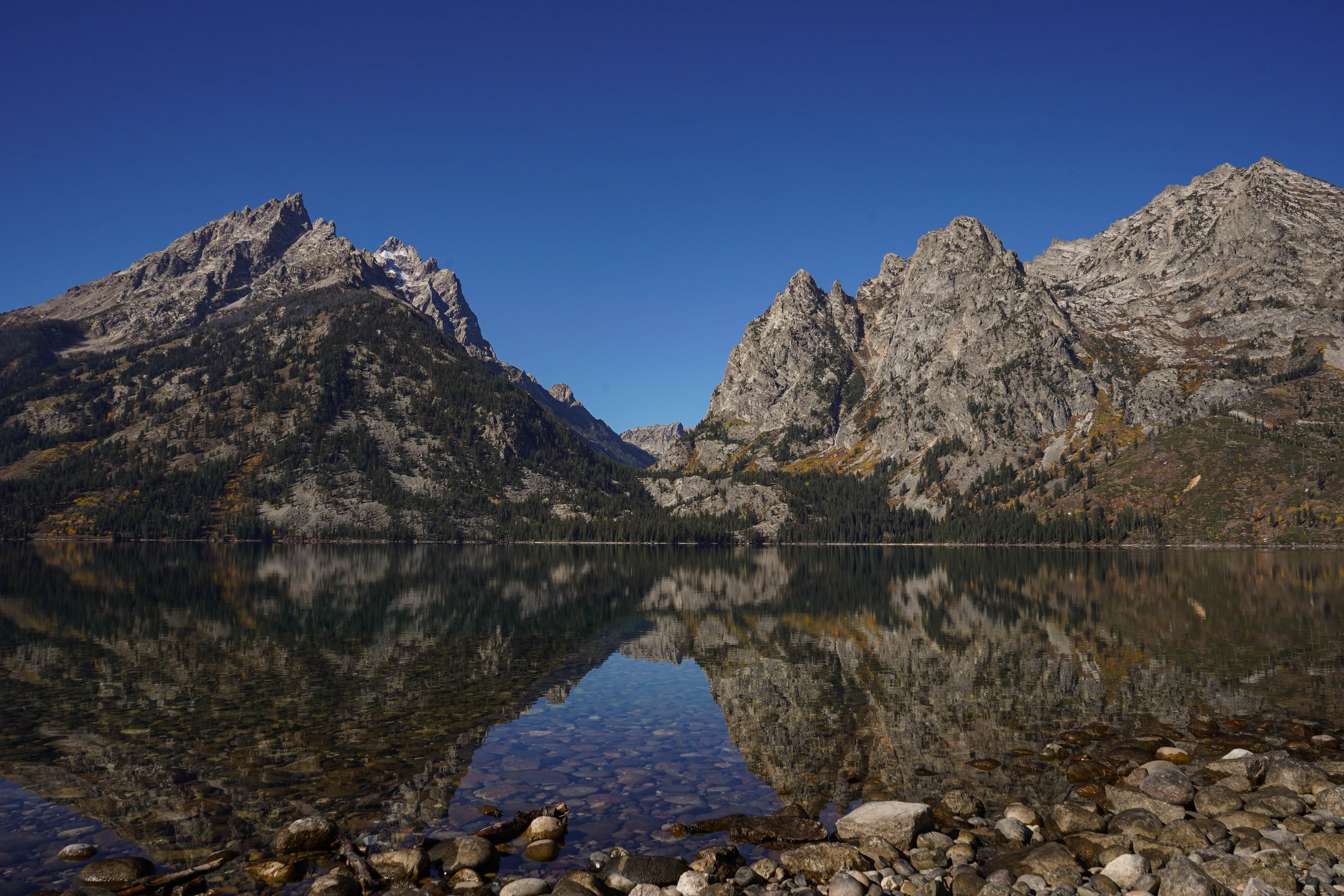
Jenny Lake (Grand Teton, Wyoming)
Why it works: Jenny Lake gives you the wow factor of the Tetons without a brutal approach hike. It is a realistic “swim after a scenic stroll” kind of spot, with shoreline access that does not require a talus-field audition.
- Best for: A classic mountain-lake dip with a view
- Water feel: Cold to very cold, even in summer. Think brisk plunge, then short swim.
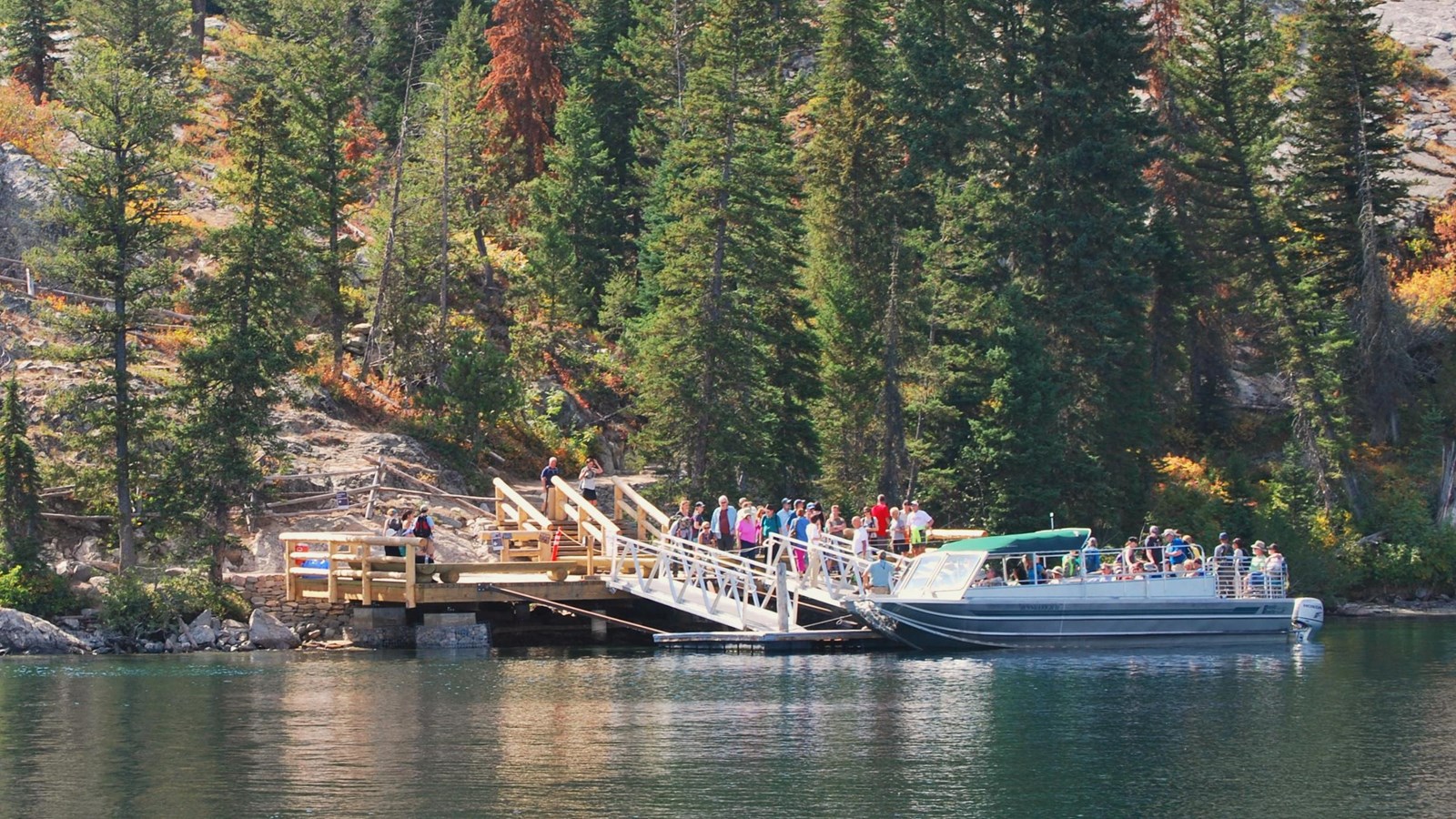
- Access: There is not one single official “swim beach” here, and most entries are pebbly with quick depth. For a practical wade-in, look around the South Jenny Lake shoreline away from the boat dock and shuttle landing. Pick a mellow, low-angle spot and take your time.
- Restrictions to check: Give docks, boat launch areas, and high-traffic tour boat routes a wide berth. Follow posted signs for no-swim zones and temporary closures.
- Safety note: Sudden depth changes are common. Wade first, then decide.
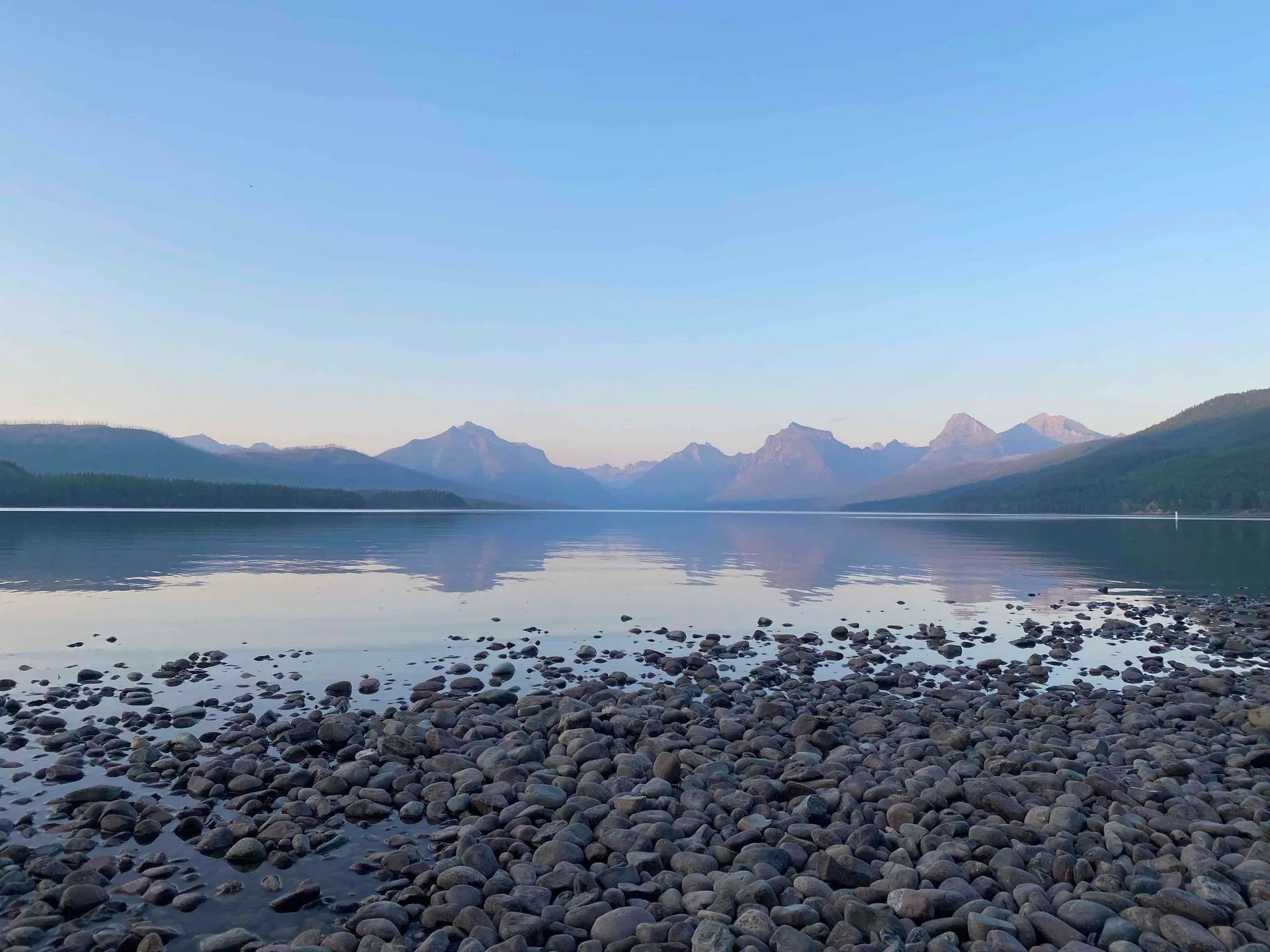
Lake McDonald (Glacier, Montana)
Why it works: Easy access, plenty of shoreline, and the kind of clear water that makes you forget your name for a second when you first step in. It is one of Glacier’s most practical “I actually swam” lakes.
- Best for: Wading, floating, and quick swims off pebbly beaches
- Water feel: Cold. On hot days it is heavenly, on mild days it is a dare.
- Access: The most straightforward, no-drama option is Apgar Beach, where you can walk right in. You can also find quiet pull-offs along Going-to-the-Sun Road, but the best swim spots are typically the ones that look obviously meant for lingering, not launching.
- Restrictions to check: Avoid swimming in active marina, dock, and boat launch areas near Apgar and lodge zones, and watch for posted no-swim signage or temporary advisories.
- Safety note: Wind can build fast on big lakes. Stay close to shore.
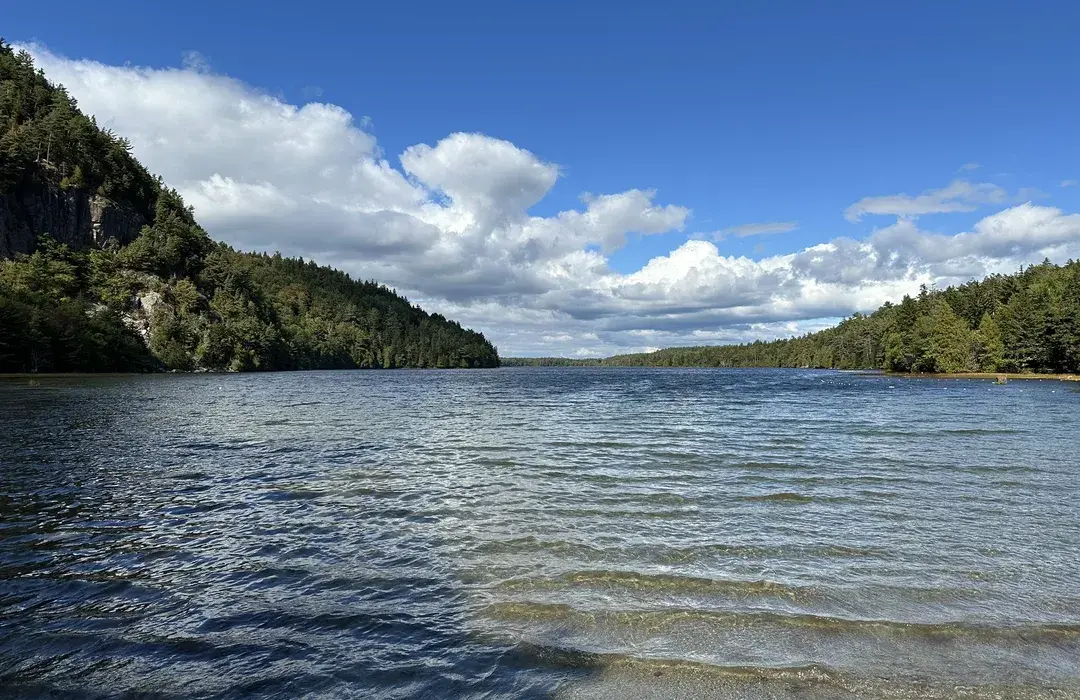
Echo Lake (Acadia, Maine)
Why it works: Acadia has a legitimate, designated swimming lake, and Echo Lake is the one people actually use for that purpose. It has a real beach vibe by national park standards, meaning you can get in without doing the slippery rock ballet first.
- Best for: An actual beach entry and a swim that feels doable, not just symbolic
- Water feel: Cool to cold. Still Maine, still brisk, just more swim-friendly than the ocean.
- Access: Head to Echo Lake Beach and you are basically there. This is as close as you get to a plug-and-play swim stop in Acadia.
- Restrictions to check: Check for current water quality advisories and any seasonal operations updates, including lifeguard coverage, beach hours, and temporary closures.
- Safety note: Even with a beach, it can get deep faster than you expect. Ease in and keep an eye on kids.
Important Acadia note: Jordan Pond is a public water supply and swimming is prohibited. It is gorgeous for a walk and a view, not a dip.
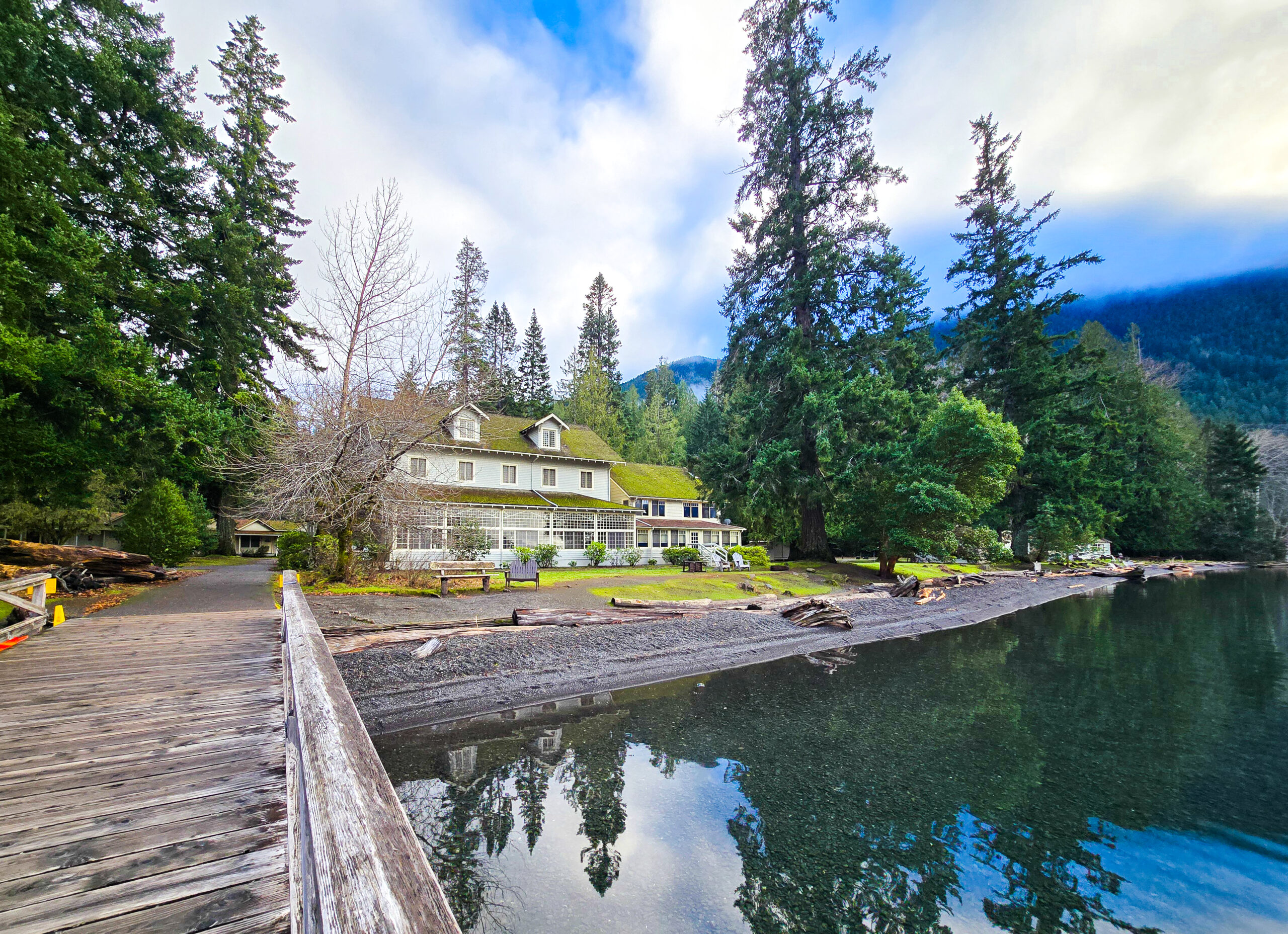
Lake Crescent (Olympic, Washington)
Why it works: Lake Crescent is deep, clear, and famously beautiful, and it has developed access points that make swimming plausible rather than theoretical.
- Best for: Shoreline swims near developed areas and post-hike cooldowns
- Water feel: Cold. Refreshing on warm days, shocking on cloudy ones.
- Access: Look around public-use shoreline areas near Lake Crescent Lodge and other signed day-use pull-offs along the lakeshore. If you can stroll to the water in sandals, you are in the right zone.
- Restrictions to check: Some docks are private or posted for no swimming, no jumping, or no access. Always follow local signage and stay clear of boat traffic patterns.
- Safety note: This lake is deep. Sudden drop-offs are normal.
Crater Lake (Crater Lake, Oregon)
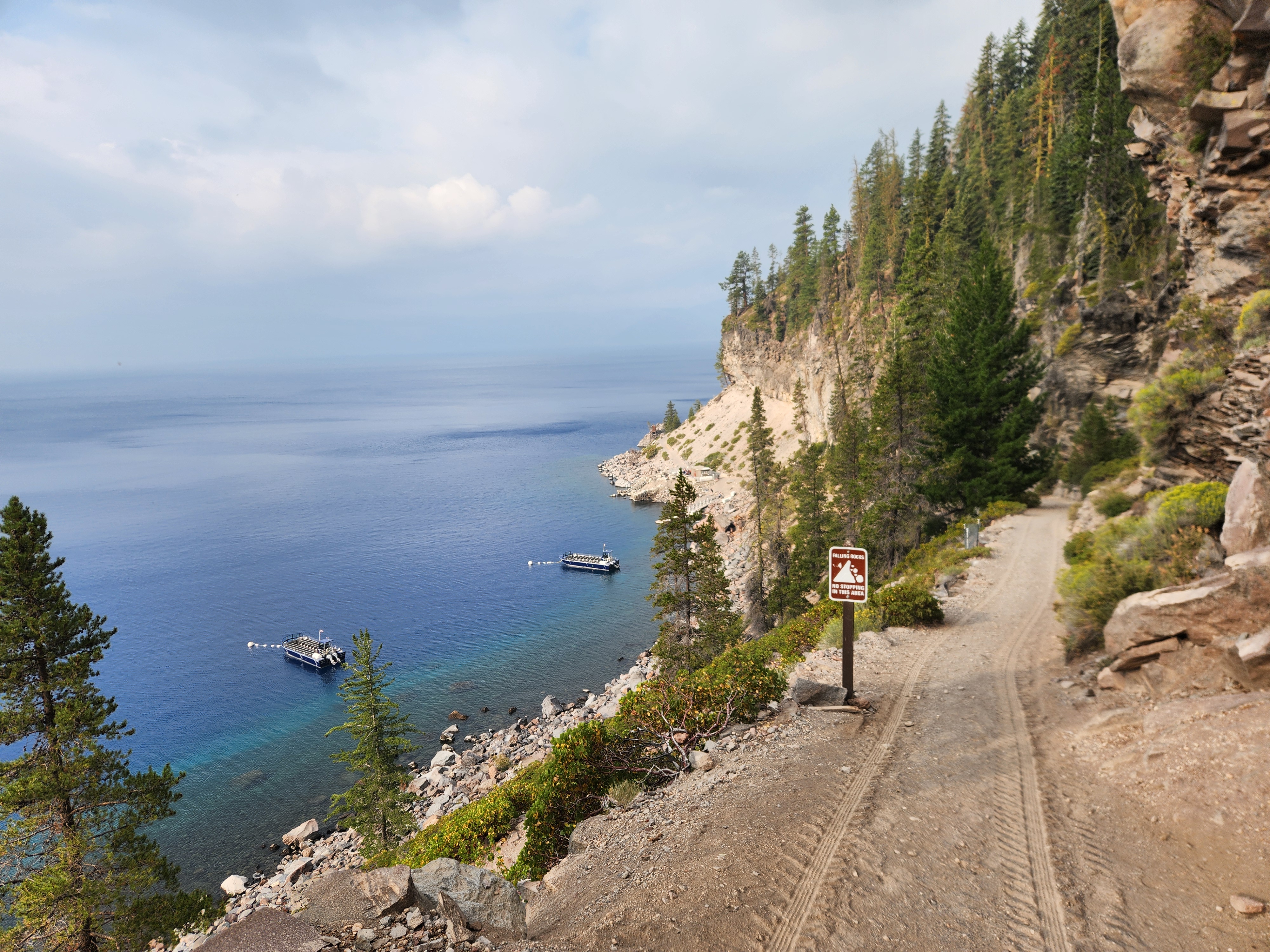
Why it works: Crater Lake is iconic, and if you can access the water at all, it is a memorable, very cold swim. This is not a casual beach day, and it is absolutely a check-current-conditions situation.
- Best for: Bragging-rights cold plunge in an unforgettable setting
- Water feel: Very cold. Crystal clear and instantly sobering.
- Access: The Cleetwood Cove Trail is effectively the only legal public access for reaching the lake surface when it is open. It is steep and strenuous on the way back up.
- Restrictions to check: Trail status and any temporary closures. If Cleetwood Cove is closed, swimming is effectively off the table for most people.
- Safety note: Cold water plus a steep climb out is a serious combo. Keep it short, and save enough energy for the hike back.
Bonus swim spots (not national parks)
If your trip is more “I want to swim for real” than “I only want national park boundaries,” these are two excellent, swimming-forward options. They are managed by public land agencies and have strong water recreation infrastructure, but they are not lakes inside a national park.
Blue Mesa Reservoir (Curecanti NRA, Colorado)
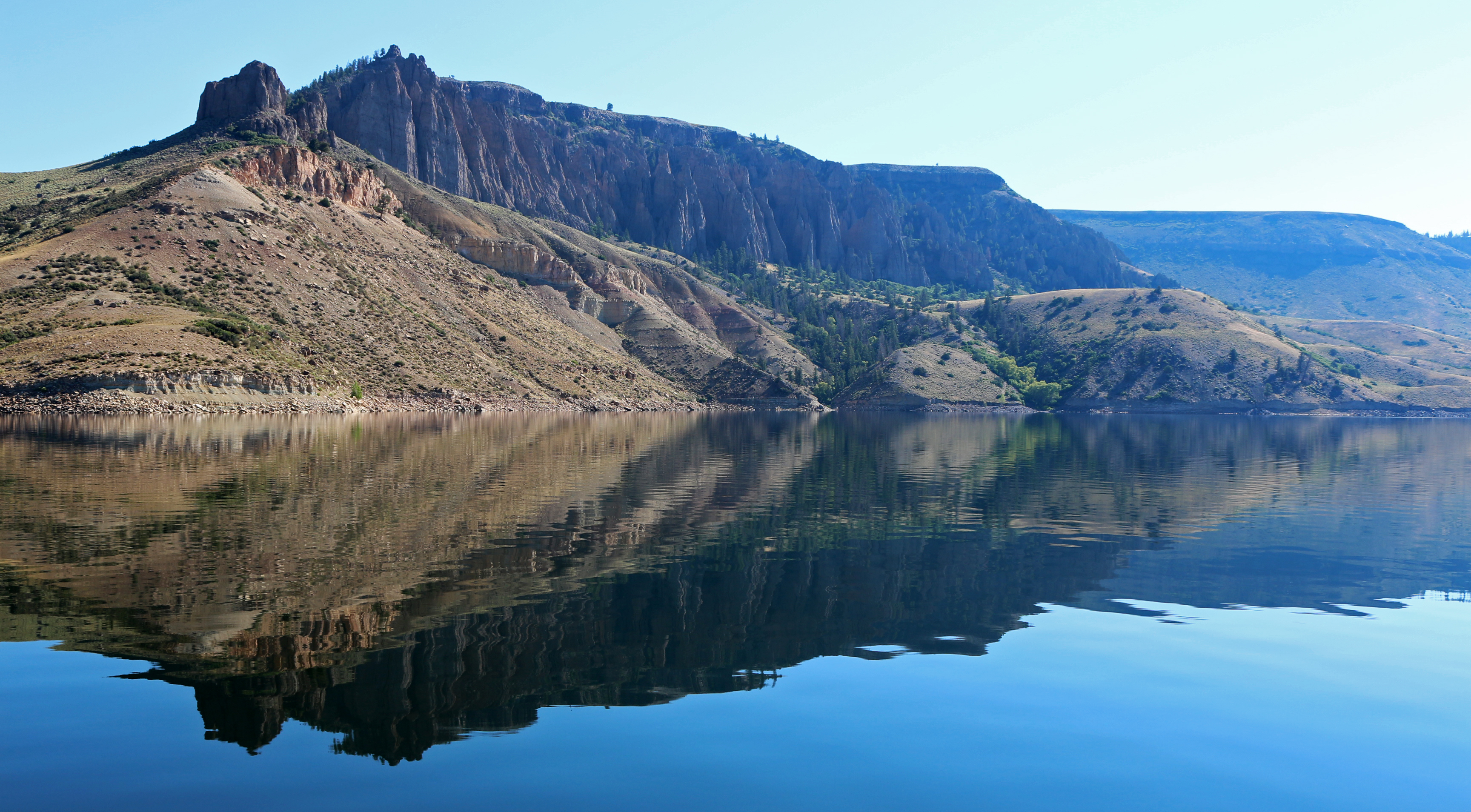
Why it works: If you want an NPS-managed place where water recreation is part of the point, Blue Mesa makes that easier. It sits in Curecanti National Recreation Area, which is a National Park Service site near Black Canyon of the Gunnison.
- Best for: Families and travelers who want a swim day that is not a sufferfest
- Water feel: Cool to cold, warming later in summer in shallower areas
- Access: Reservoir-style access with multiple shoreline spots depending on where you go. You can usually find gentler entries than you get at steep alpine lakes.
- Restrictions to check: Boating zones, marina rules, and water level related hazards.
- Safety note: Reservoir shorelines can hide sudden drop-offs and submerged obstacles. Enter cautiously.
Lake Tahoe (Tahoe Basin, national forest lands)
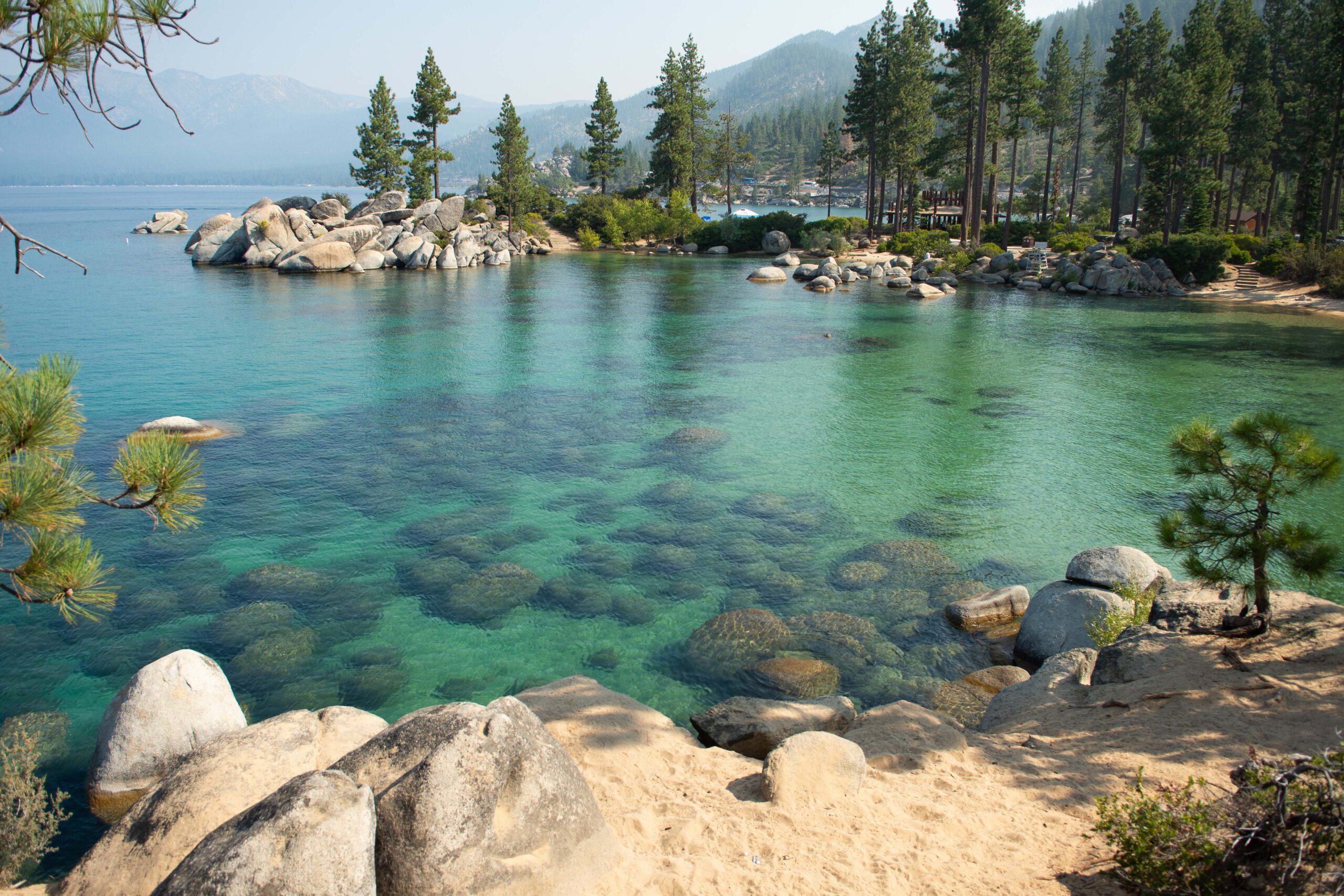
Why it works: Tahoe is one of the best “mountain lake you can truly swim in” destinations in the US, with plenty of beaches and warm-season infrastructure. It is not a national park lake, but it is the one I mention when someone says, “I want the views, but I also want a real swim.”
- Best for: Long swims, beach days, and clear-water floating
- Water feel: Cool early season, more comfortable in late summer, still crisp compared to lowland lakes
- Access: Numerous beaches, including sandy entries like Sand Harbor
- Restrictions to check: Beach rules, parking limits, and watercraft zones
- Safety note: Afternoon winds can make conditions rough. Plan mornings for calmer water.
Quick checklist: confirm this first
- Swimming allowed? Confirm on the official park website or signage. Do not rely on social media.
- Where is entry safest? Look for beaches, signed swim areas, or gradual shorelines.
- Is there motorboat traffic? Swim in calmer coves and away from launches.
- Any water quality advisories? Algae blooms and bacteria advisories can happen anywhere in hot weather.
- Do you have the right gear? Water shoes, a warm layer for after, and a towel you can pack out.
Safety notes I wish everyone heard
Most national park lakes are not lifeguarded, and many are remote enough that “help” is a long time away. Cold water is not just uncomfortable, it can be disabling. The two most common issues I see are people underestimating cold shock and people stepping from shallow to deep water unexpectedly.
If you want to swim smart, do this: pick a lake with a real beach or an obvious, mellow entry, get in slowly, keep your first swim short, and save the long-distance laps for places with warmer water and a controlled environment.
FAQ
Are you allowed to swim in national park lakes?
Often yes, but not always. Swimming rules can change lake by lake, even within the same park. Always check official park guidance and posted signs at the shoreline.
What is the warmest time to swim in national park lakes?
Late summer is typically warmest, especially for lower-elevation lakes and reservoir-style bodies of water. High alpine lakes often stay cold all season.
Do I need a wetsuit?
For a casual dip, no. For longer swims in very cold lakes, a wetsuit can be a game changer for comfort and safety. If you are debating it, you probably want it.
What should I do if a lake looks swimmable but feels sketchy?
Trust that instinct. Swap to a shoreline wade, skip the swim, or choose a more developed swim area. National parks are not the place to test your limits alone.