Best Short Hikes in Haleakalā National Park

Maya Lin
Maya Lin is a travel journalist and outdoor enthusiast who believes the best trips combine rugged adventures with urban comforts. After spending six years backpacking across four continents, she founded Trail & Town Guide to help fellow travelers navigate both hidden mountain passes and bustling city neighborhoods with confidence.
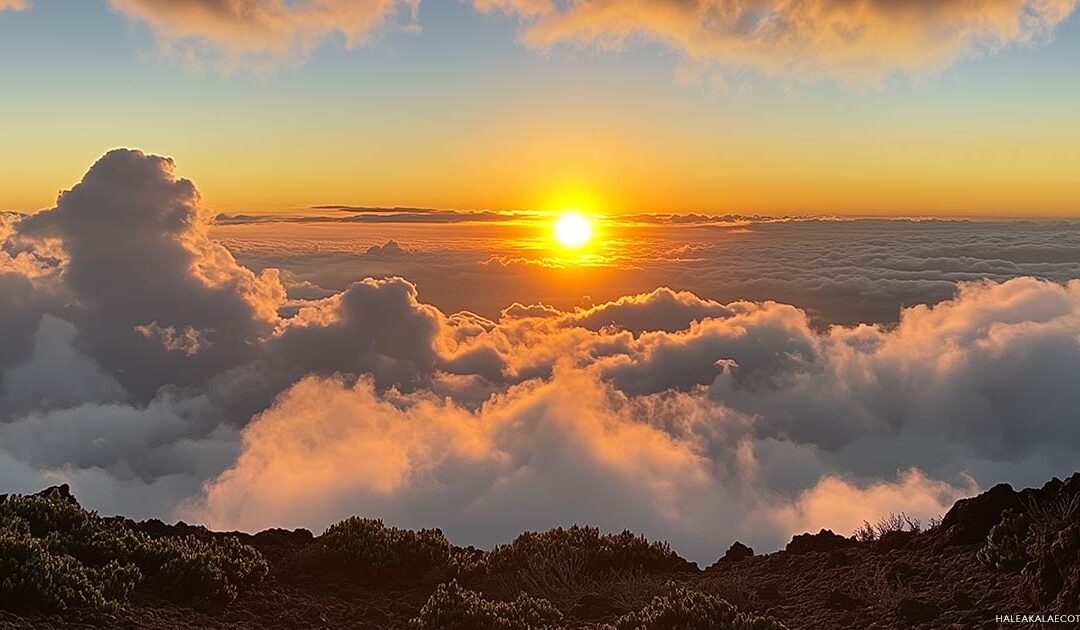
Haleakalā National Park is one of the rare places where you can watch dawn spill over a cloud ocean, then spend the same day walking through a rust-red summit basin that feels like a different planet. The catch is that the summit is high, the weather is moody, and sunrise is regulated. This guide covers the real-world logistics, plus the best short hikes for average fitness so you can pick a half-day wander or a full crater adventure without getting in over your head.
Haleakalā basics
- Summit elevation: about 10,023 ft (3,055 m) near the summit area (often cited around Red Hill). Altitude affects people who feel totally fine at sea level.
- Temperature: it can be near freezing at the summit before sunrise any month of the year. Wind makes it feel colder.
- Two main areas: Summit District (sunrise, crater trails) and Kīpahulu District (ʻOheʻo Gulch and the Pīpīwai Trail, not covered here).
- Road and services: the summit road is steep and curvy. There is no food for purchase, no water for purchase, and no gas available inside park boundaries. Fill up before you climb and do not count on cell service.
Sunrise reservations
To enter the Summit District for sunrise, you need two things: a valid park entrance pass and a sunrise reservation for your vehicle. If you show up during the restricted hours without the reservation, you will be turned around.
Where to book
Sunrise reservations are booked on Recreation.gov (search for Haleakalā National Park Sunrise Reservations). Inventory is limited and peak dates go fast.
Release schedule
- Main release: 60 days in advance.
- Second chance release: a smaller batch is released 2 days in advance at 7:00 AM HST.
- Pro tip: if sunrise is the centerpiece of your trip, pick two or three possible mornings and try for all of them, then cancel extras according to Recreation.gov rules.
Restricted entry hours
The sunrise reservation is required for vehicles entering the Summit District during the restricted window, which is typically 3:00 AM to 7:00 AM. (Always confirm the current hours on Recreation.gov and the park site, since policies can change.) If you are aiming for sunrise, arrive at the entrance station early enough to clear it and still have time to drive to the summit parking areas.
ID requirement
The person who booked the sunrise reservation must be present and should expect to show a matching photo ID at entry.
Where to watch sunrise
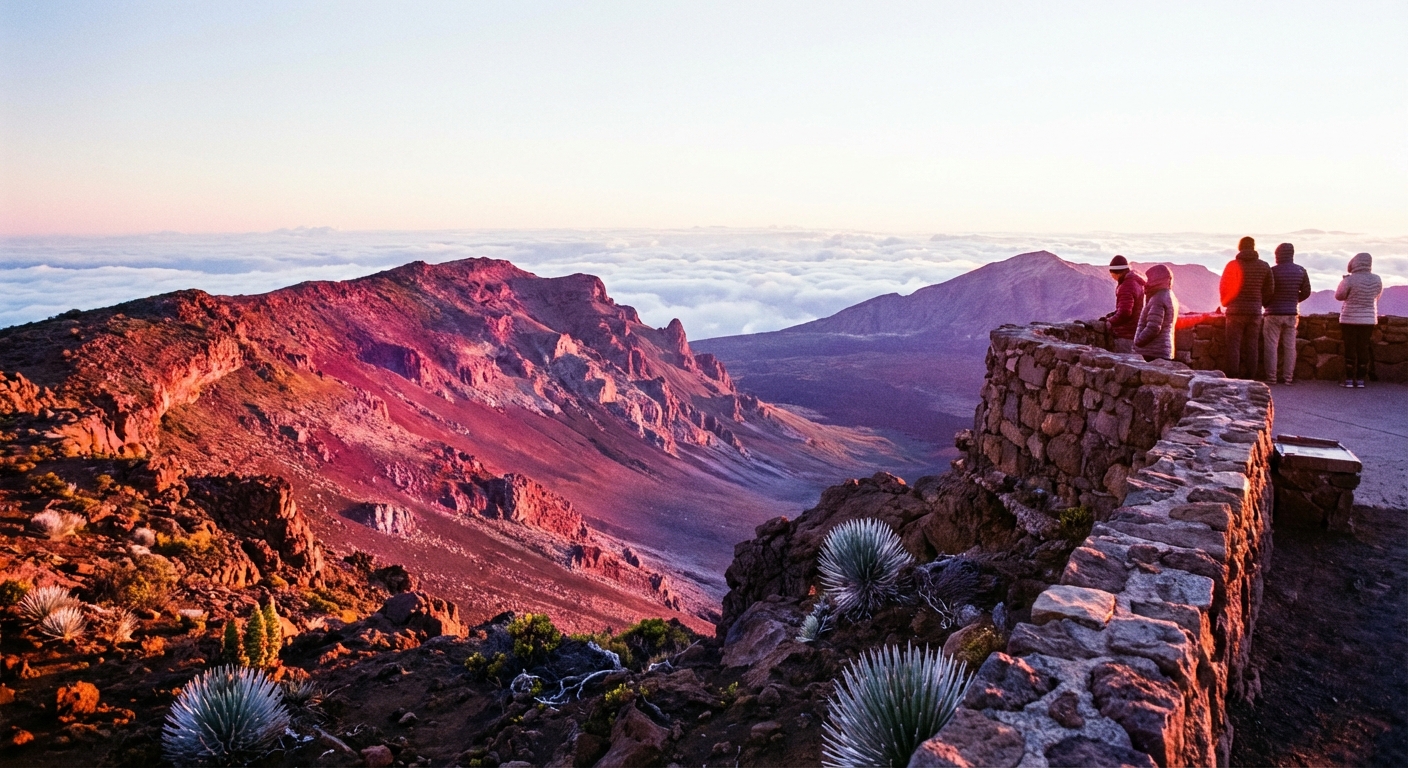
- Summit viewing areas: near the top, with the broadest views and the biggest crowds.
- Kalahaku Overlook: a little lower, often less chaotic, still spectacular.
Entrance fees and passes
You will pay the park entrance fee separately from the sunrise reservation. Entrance passes are typically valid for multiple days and America the Beautiful passes are usually accepted, but fees and validity periods can change. Check the official Haleakalā National Park fees page before your visit so you know exactly what to expect.
What to wear
I have watched people in flip-flops shiver through sunrise and then try to hike the crater with numb fingers. Haleakalā is Hawaiʻi, but the summit behaves like a mountain.
Wear this
- Base layer: lightweight long-sleeve or thermal top.
- Mid layer: fleece or light insulated jacket.
- Outer layer: windproof shell. Wind does the most damage up there.
- Bottoms: long pants. Add tights or leggings underneath if you run cold.
- Hands and head: beanie and thin gloves go a long way.
- Shoes: closed-toe with grip, especially if you plan to hike after sunrise.
Pack this for crater hikes
- Water: at least 1.5 to 2 liters per person for a short crater outing, more for longer routes. There is no reliable water on the trails.
- Snacks: quick carbs plus something salty.
- Sun protection: sunscreen, sunglasses, hat. The UV is intense at elevation.
- Rain layer: weather changes fast. Even when it is clear at the summit, clouds can roll in.
- Headlamp: if you hike near dawn, sunset, or linger later than planned.
Altitude and closures
Haleakalā’s summit elevation is high enough to trigger headaches, nausea, or lightheadedness, especially if you raced up from sea level on little sleep.
- Go slower than you think: take breaks at overlooks, sip water, eat something.
- Know when to bail: worsening headache, vomiting, confusion, or severe dizziness are not “push through it” symptoms. Turn around and descend.
- Closures happen: high winds, dense fog, and occasional ice (uncommon, but possible) can lead to temporary closures or limited access. Check official park alerts and conditions before you drive up.
If the summit is socked in, pivot to a lower-elevation Maui plan for the morning and return later. The crater is gorgeous in changing light, not just at sunrise.
Restrooms and basics
Plan for minimal infrastructure. There are restrooms in the Summit District near the main visitor areas, but do not assume you can buy what you forgot once you are inside the park. Pack your water, snacks, and layers from the start.
Best short hikes
These Summit District hikes give you the biggest “Haleakalā wow” for the least logistical complexity. Distances vary slightly by turnaround and exact trail segment, so treat these as approximate and confirm at the trailhead sign.
1) Keoneheʻeheʻe (Sliding Sands) out-and-back
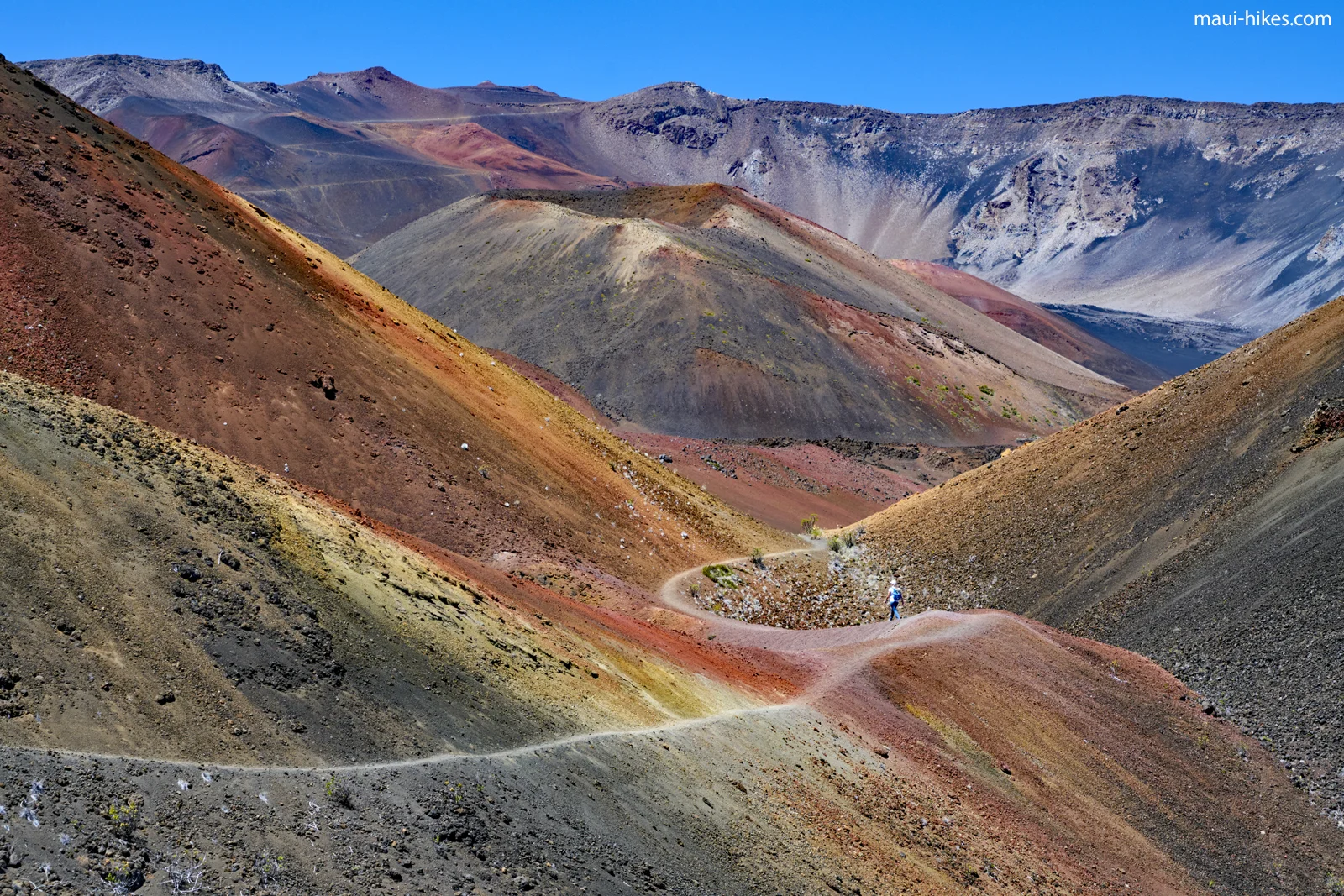
If you only do one crater walk, make it Keoneheʻeheʻe (Sliding Sands). You start high on the rim and descend into a palette of cinders and lava formations that looks like Mars with better light.
- Start: Keoneheʻeheʻe (Sliding Sands) Trailhead
- Distance: choose-your-own out-and-back (a great short version is 2 to 4 miles round trip)
- Time: about 1 to 3 hours depending on turnaround
- Vibe: dramatic, otherworldly, classic crater descent
- Reality check: easy going down, a workout coming back up, and altitude makes it feel steeper
How to keep it short: go down for a set amount of time, then turn around no matter how good you feel. The climb out is the price of admission.
2) Halemauʻu to the viewpoint (short option)
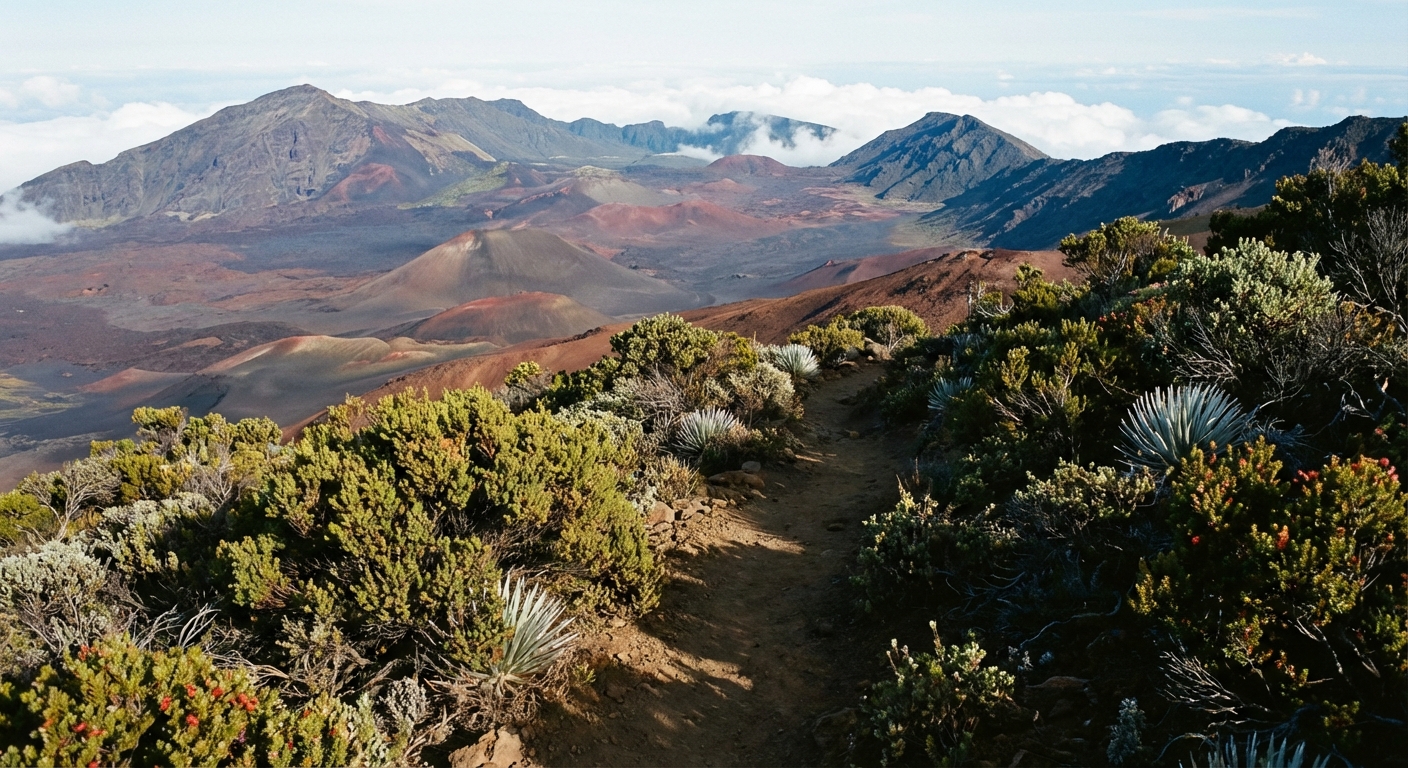
Halemauʻu is famous for big crater views and, in longer versions, a point-to-point traverse. The short option keeps things simple: hike in to a scenic viewpoint and return the same way.
- Start: Halemauʻu Trailhead
- Distance: about 2 to 4 miles round trip to a main viewpoint (varies by turnaround)
- Time: about 1.5 to 3 hours
- Vibe: airy views, sweeping rim scenery, less “deep crater” than Sliding Sands
- Reality check: exposed and windy in spots, and conditions shift quickly
How to keep it short: aim for the main viewpoint section and turn around while you still feel fresh. If the wind is ripping, this is often the first place you will feel it.
3) Pā Kaʻoao (White Hill) Trail
This is the quick-hit hike for people who want a big view without a big time commitment. The trail is short, the scenery is immediate, and it is a great acclimatization walk before you tackle a longer crater route.
- Start: near the Haleakalā Visitor Center area (follow signs for Pā Kaʻoao)
- Distance: about 0.5 miles round trip
- Time: 20 to 40 minutes
- Vibe: fast and scenic, ideal for sunrise or early morning light
- Reality check: it is still at high elevation, so walk slower than you normally would
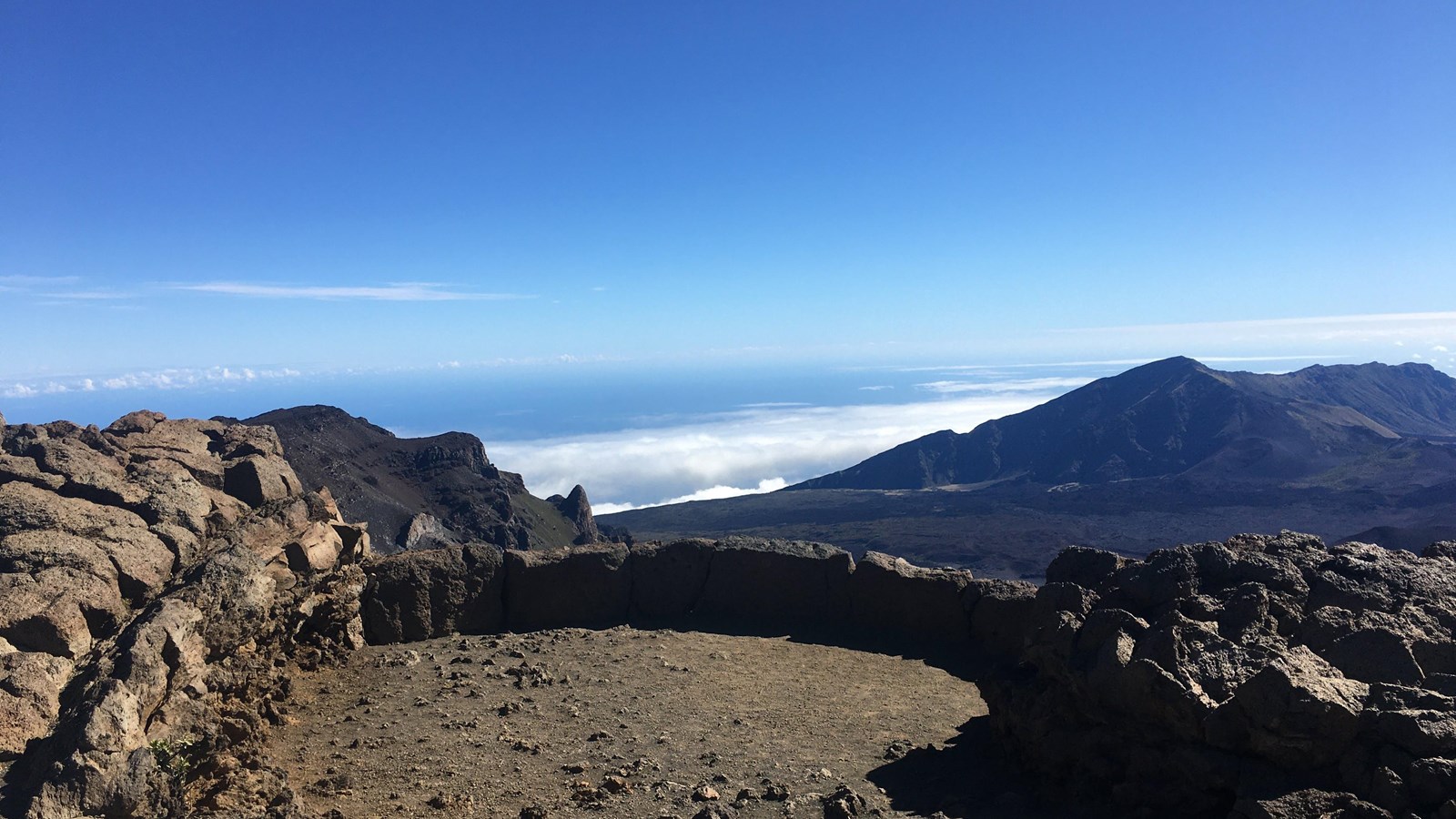
4) Leleiwi Overlook
Not every great Haleakalā moment requires a long hike. Leleiwi Overlook gives you a wide-angle crater perspective that is especially striking when clouds pour over the rim.
- Walking: minimal, mostly viewpoint-style
- Vibe: minimal effort, maximum view
- Reality check: do not underestimate windchill here
Half-day vs full day
The crater is deceptively vast. What looks like a casual stroll from the rim can turn into a long, sun-exposed grind back to the trailhead. Use this quick decision guide.
Pick half-day if
- You are visiting Haleakalā the same day you flew in or you are feeling the altitude.
- You want to pair sunrise with breakfast and a shorter walk.
- Forecast calls for high winds, fast-moving clouds, or limited visibility.
- Your group has mixed fitness levels.
Great half-day combos: sunrise plus Pā Kaʻoao, or a shorter Keoneheʻeheʻe out-and-back with a firm turnaround time.
Pick full day if
- You have stable weather and clear visibility.
- You can start early and are comfortable spending most of the day outdoors.
- You have enough water, food, and layers for a long exposed hike.
- You are prepared for the climb out and the way altitude amplifies effort.
If you want a true crater feel without committing to a multi-day backpack, look into longer out-and-back variations on Keoneheʻeheʻe or longer Halemauʻu options. Be honest about turnaround times and keep a buffer for weather.
Sunrise day plan
Option A: Sunrise + short hike
- Pre-dawn: drive up with extra time for the entrance station and parking. Be realistic about drowsy driving after an early alarm.
- Sunrise: watch from the summit area or Kalahaku Overlook.
- Warm up: drink something warm if you brought it, then adjust layers.
- Hike: Pā Kaʻoao or a short Keoneheʻeheʻe out-and-back.
- Late morning: descend to Upcountry for breakfast or coffee.
Option B: Skip sunrise, hike rested
- Morning: arrive after the sunrise rush.
- Hike: longer Keoneheʻeheʻe or a Halemauʻu variant.
- Afternoon: linger at overlooks when the light changes.
I am a big fan of Option B if your trip includes a lot of active days. You trade the early alarm for more energy on the trail, and you can still catch epic crater light.
Sunset notes
Sunset is a strong alternative if you missed sunrise reservations. Arrive early for parking, bring the same cold-weather layers, and pack a headlamp. The drive down is fully dark, so take it slow and use lower gears to save your brakes.
Quick tips
- Start with a short walk: even 10 minutes helps you gauge altitude impact before you commit to a crater descent.
- Turnaround times beat mileage goals: set a hard time to head back, no matter how good you feel going down.
- Stay on trail: fragile alpine and volcanic landscapes recover slowly. Give cinder cones a wide berth.
- Respect wildlife: if you see nēnē, give them space and do not feed them.
- Pack out trash: wind loves loose wrappers, and facilities are limited at elevation.
- Drive down carefully: brakes get a workout. Use lower gears and take your time.
Town Wander rule of thumb: if the summit feels cold enough to make you rush, you are underdressed. Add one more layer before you leave the car.
Planning checklist
- Sunrise reservation secured on Recreation.gov (if doing sunrise)
- Reservation holder has matching photo ID
- Park entrance pass ready
- Warm layers, windproof shell, gloves, beanie
- 2 liters of water per person for crater hikes (more for longer routes)
- Sun protection at altitude
- Headlamp if starting early or staying for sunset
- Checked official park alerts for closures and weather
- Full tank of gas before the climb (none in the park)
If you tell me your travel month, where you are staying on Maui (for example Kīhei, Wailea, Pāʻia, or Kā‘anapali), and whether you want a true crater descent or mostly viewpoints, I can suggest the cleanest half-day route and timing.