Best Time to Visit National Parks and Gateway Towns

Maya Lin
Maya Lin is a travel journalist and outdoor enthusiast who believes the best trips combine rugged adventures with urban comforts. After spending six years backpacking across four continents, she founded Trail & Town Guide to help fellow travelers navigate both hidden mountain passes and bustling city neighborhoods with confidence.
National parks do not exist in a vacuum. The best trips I have ever taken were a two-part harmony: big days outside, then a hot shower, a solid meal, and a walkable main street in the gateway town right after. The catch is that parks and towns peak at the same time, and that is exactly when trails feel like group projects and dinner reservations disappear.
This guide breaks down the year by season so you can time your trip for better weather on the trails and calmer energy in the neighboring towns. Think of it as planning for both your hiking boots and your coffee shop cravings.
One quick reality check: seasons shift with latitude and elevation. “Spring” in the desert can mean February. “Spring” in the mountains can mean June. Use the calendar as a starting point, then sanity-check it against your park’s typical snowmelt, first-snow dates, and road opening windows.
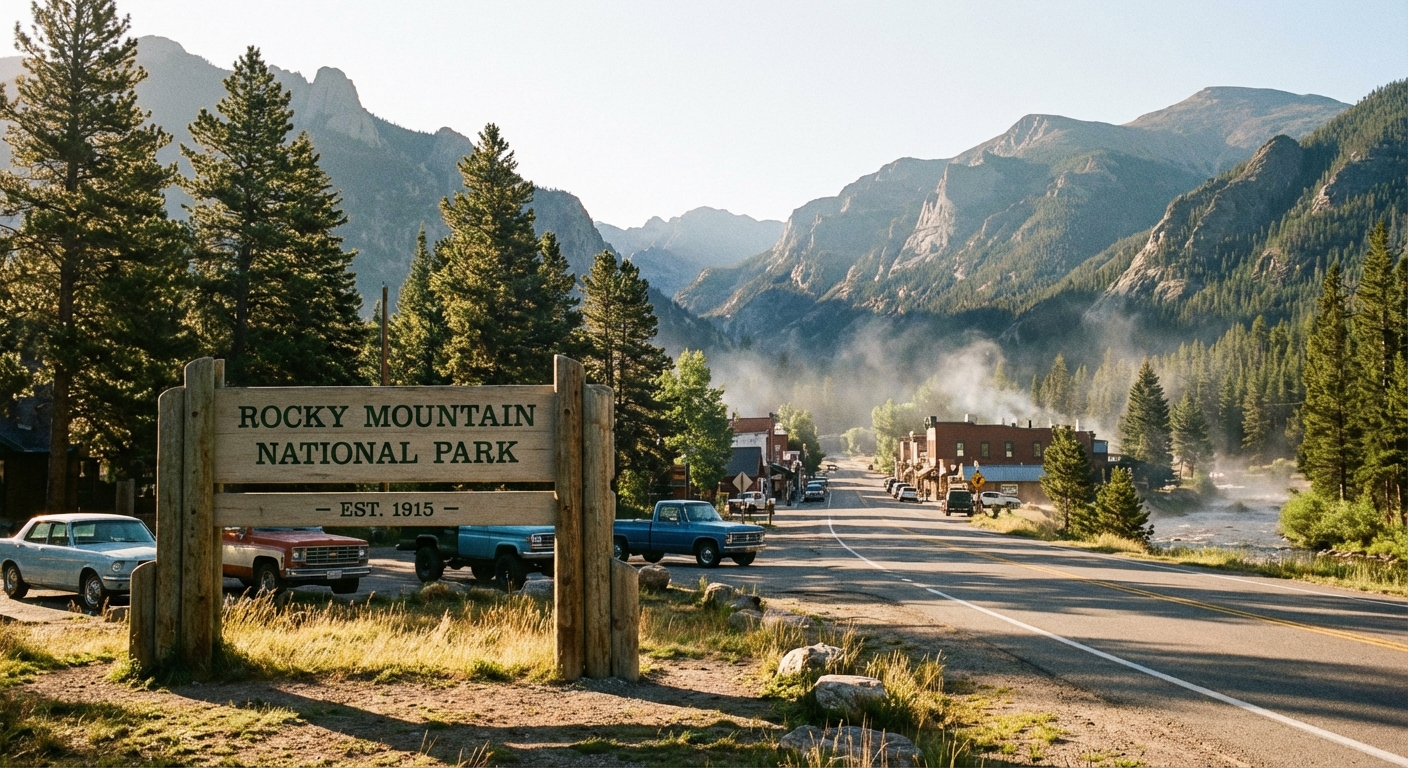
How to use this guide
Start with the season you can realistically travel, then match it to the type of park you are targeting. A desert park in July is a very different plan than an alpine park in July. Each season below includes:
- Best for: the park types that shine most
- Trail conditions: what your feet will actually deal with
- Gateway town vibe: what lodging, restaurants, and parking feel like
- Book it or wing it: realistic timelines for permits and beds
Quick rule that almost always works: aim for shoulder season around the park’s core months, meaning the period with the best access and the biggest crowds. For many mountain parks, that is often late September. For many desert parks, it is often late February or early March. (Check typical first-snow dates and high-road closing dates for your specific park, because some years do not read the memo.)
Spring (March to May)
Best for: deserts, canyons, and wildflowers
Spring is when a lot of parks feel generous. Desert temperatures are finally humane, waterfalls wake up, and some towns are still in their pre-summer rhythm. The tradeoff is variability: snowmelt can close high roads, rivers run loud, and weather swings can be dramatic.
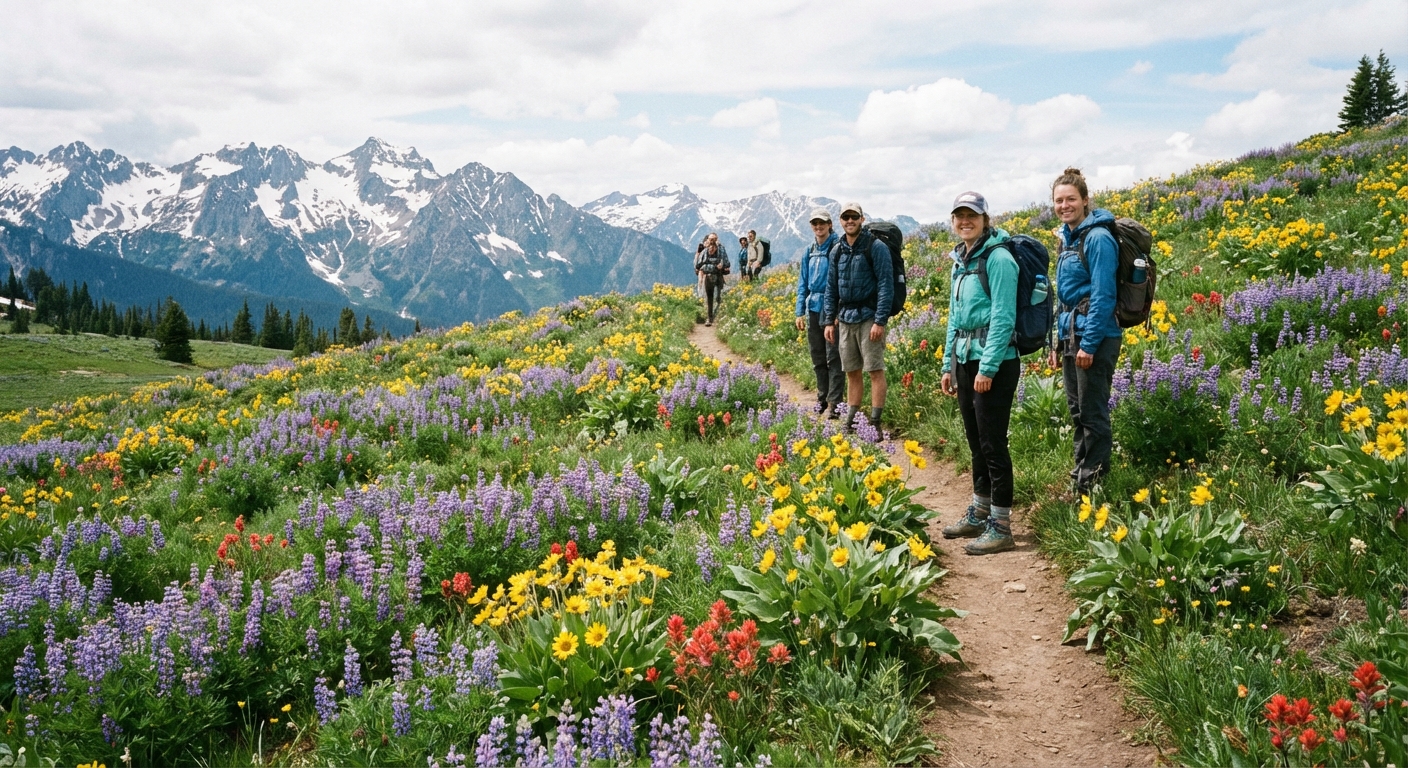
Trail conditions
- Desert and canyon parks: prime hiking weather, but carry more water than you think you need and confirm water sources on your route. Sun is already intense.
- Mountain parks: lower elevation trails open first; higher routes can stay snowbound through May or later. Expect mud during thaw.
- Coastal parks: moody weather, fewer people, and excellent tidepooling if you time low tide.
Gateway town vibe
Spring can be the sweet spot for towns: cafés have tables out, hotels are not fully summer-priced, and you can sometimes walk into a popular restaurant without strategizing like a chess player. Around spring break and holiday weekends, that calm can vanish quickly.
Book it or wing it
- Desert hotspots: book lodging 2 to 4 months out for March and April if the town is small.
- Mountain towns: often 4 to 8 weeks out works, unless inventory is limited or there is a major event.
- Permits: if the park uses timed entry, day-use reservations, or lottery permits, start checking 3 to 6 months ahead. Systems vary and they change year to year.
Spring planning tip: choose one high-commitment day (a permit hike, a sunrise shuttle, a guided trip), then leave the rest flexible for weather.
Summer (June to August)
Best for: alpine access and long days
Summer is when the highest, most scenic parts of many mountain parks finally open up. It is also when crowds are at their loudest and gateway towns feel like they double in population overnight. If you are traveling with kids, tied to school calendars, or chasing peak alpine access, you can still make summer work. You just need a crowd strategy.
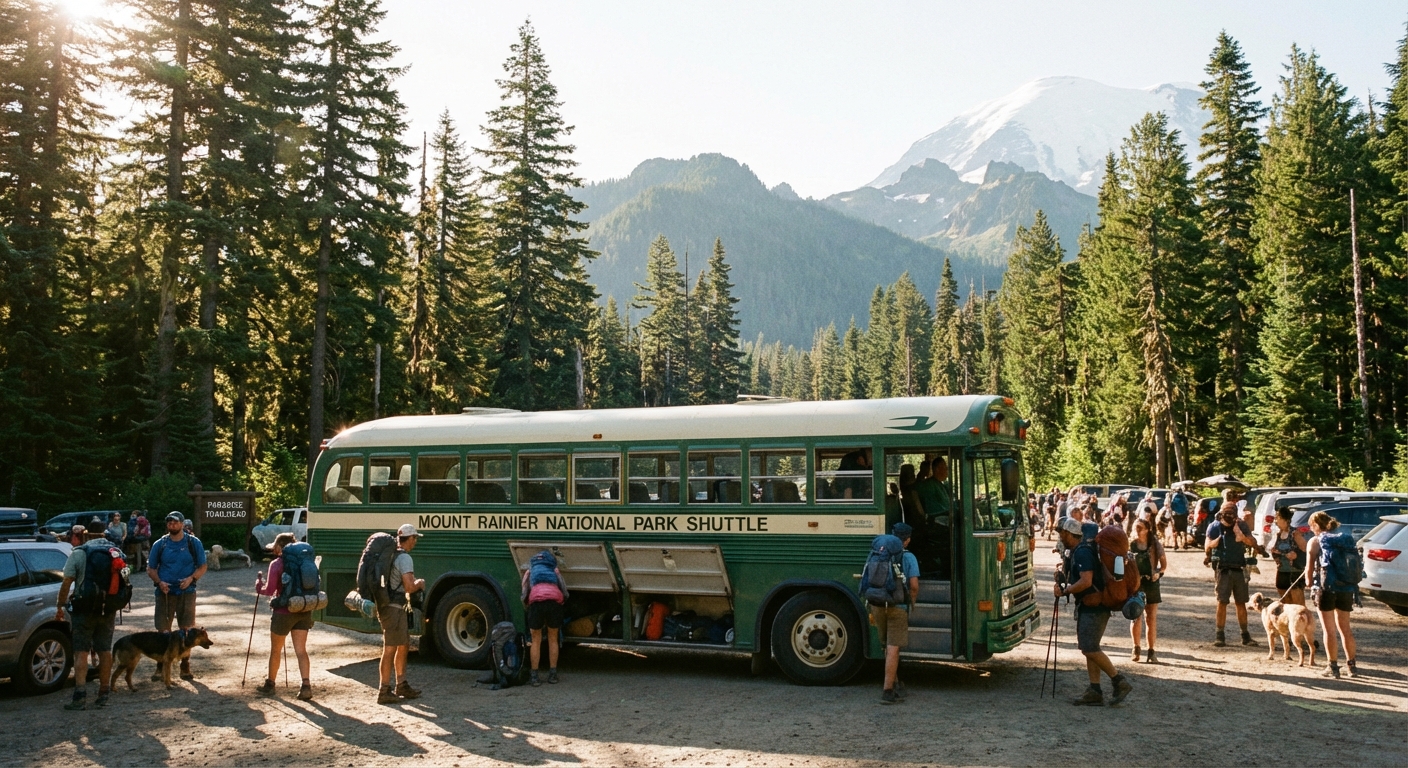
Trail conditions
- Mountain parks: best access to high trails, but afternoon thunderstorms are common in many ranges. Start early and plan to be below exposed ridgelines by early afternoon.
- Desert parks: often unsafe for long hikes during the day. Plan sunrise hikes, short interpretive walks, and spend afternoons indoors.
- Popular trailheads: parking lots can fill before 8 a.m., sometimes earlier.
Gateway town vibe
In summer, gateway towns are fun but full. Think longer waits for brunch, packed sidewalks, and limited parking. The upside is that everything is open, including seasonal tours, farmers markets, and late-night food. If you love a lively town scene, summer delivers.
Book it or wing it
- Lodging: book 4 to 8 months out for small towns near marquee parks. For larger towns, 2 to 4 months can still be smart.
- Campgrounds: many sites use a rolling 6-month window on Recreation.gov, but not all. Some are first-come/first-served, some have shorter windows, and some use seasonal releases. Check your specific campground early.
- Timed entry and shuttles: learn the reservation system before you arrive so you do not spend your first morning refreshing your phone.
Make summer calmer
- Stay one town farther out: a 30 to 60 minute drive can cut lodging costs and crowd stress.
- Hike early, town late: sunrise trailhead, midday rest, golden-hour stroll in town.
- Pick B-list trailheads: ask a ranger for alternatives that match your mileage and elevation goals.
Fall (September to November)
Best for: balance and quiet towns
If I had to pick one season to recommend to almost anyone, it is fall. Early fall often keeps summer’s access but drops summer’s chaos. Many gateway towns still have full services, and trails feel like you can actually hear yourself think.
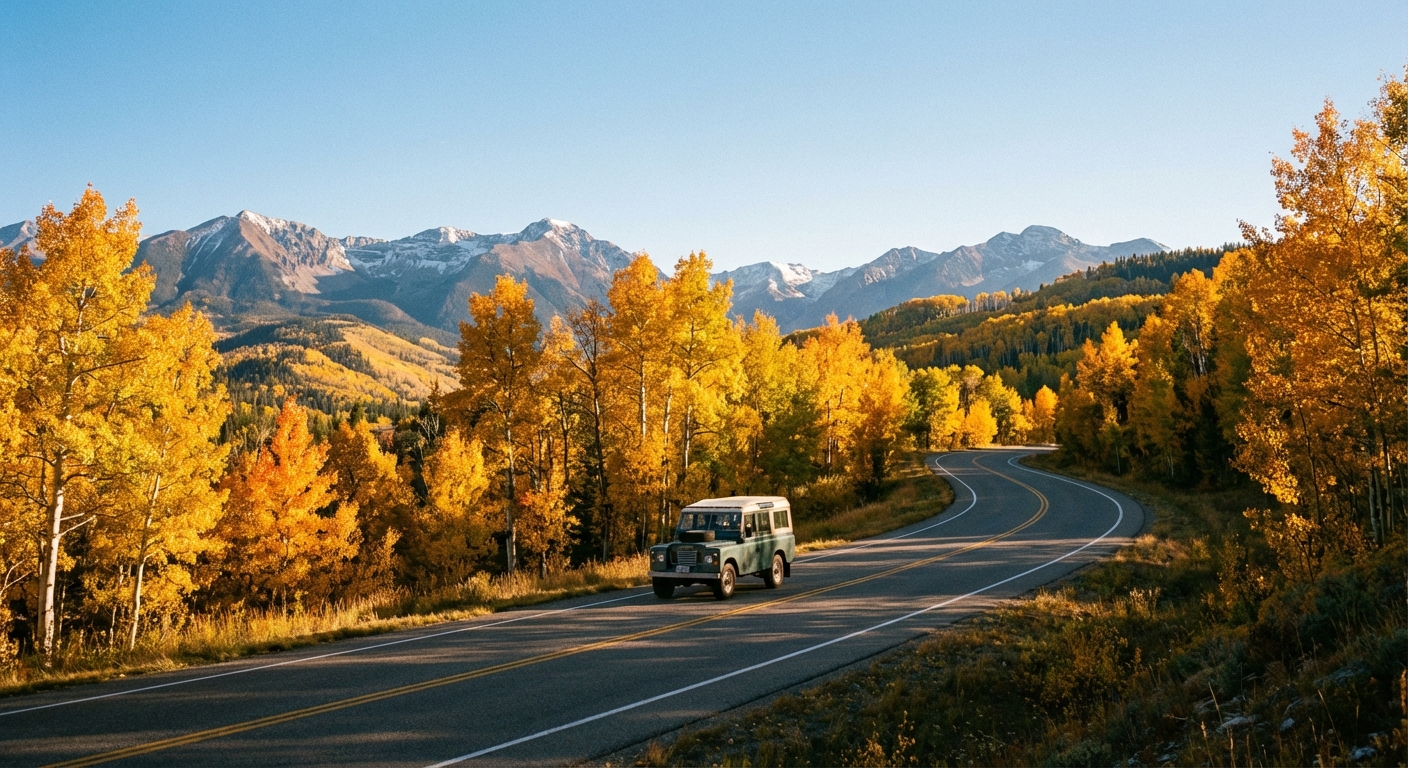
Trail conditions
- September: often the best balance of stable weather and open roads in many mountain regions, but some areas can see early snow. Check typical first-storm timing.
- October: crisp mornings, excellent hiking, and peak foliage in many areas. Shorter days mean tighter timing.
- November: transitional. Some high roads close, some towns go quiet, and you may need winter layers even for easy hikes.
Gateway town vibe
Fall is when the town side of the trip really shines. Restaurants are easier to get into, coffee shops have seats again, and you are more likely to chat with locals who are not in peak-season survival mode. In some places, late fall brings reduced hours, so confirm what is open if you are arriving in November.
Book it or wing it
- September weekends: still busy. Book lodging 2 to 4 months ahead in small gateway towns.
- Midweek in October: often easier. You can sometimes plan 3 to 6 weeks out.
- Special events: foliage festivals and harvest weekends can spike prices. Check town calendars before you book.
Fall planning tip: build in one weather buffer day for shorter hikes, museums, scenic drives, or a long café morning if rain rolls in.
Winter (December to February)
Best for: quiet trails and cozy stays
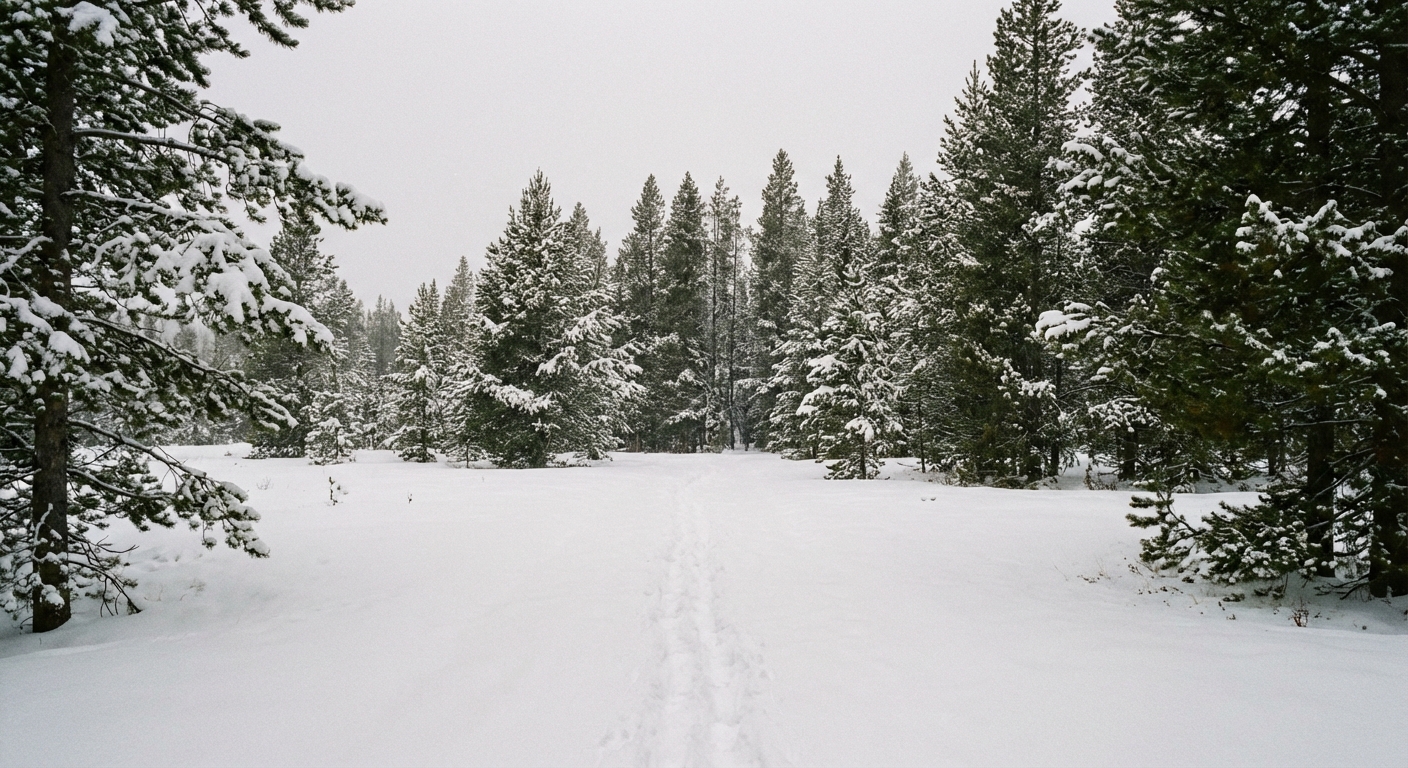
Winter is the season many people skip for many parks, which is exactly why it can be wonderful. Some places become hushed, sculpted versions of themselves. Gateway towns shift from tour-bus energy to fireplaces, bookstores, and slow breakfasts. The tradeoff is access. You will need to plan around road closures, limited daylight, and real winter safety. Also, a reminder: some parks are busiest in winter (hello, desert parks and ski-adjacent areas), so “winter” does not automatically mean “empty.”
Trail conditions
- Snow and ice: traction devices can turn a sketchy viewpoint walk into a safe stroll.
- Road access: many scenic roads close seasonally or during storms. Some areas require chains or snow tires, and rules vary by state, park, and rental-car policy. Always check park alerts and local DOT updates.
- Desert parks: winter can be peak season because temperatures are ideal. Book accordingly.
Gateway town vibe
Winter towns range from sleepy to ski-busy. A ski-adjacent gateway town might be at full capacity, while a hiking-focused gateway can feel like you rented the place out. Expect shorter restaurant hours in quieter towns and plan a few meals you can do without relying on late-night options.
Book it or wing it
- Ski regions and holiday weeks: book early, often 3 to 6 months out for December and February.
- Quieter winter parks: you can sometimes book last-minute, but confirm which lodges, shuttles, and tours run year-round.
- Rental cars: reserve in advance if you need AWD or winter tires, especially for mountain gateways.
Match season to park type
Not sure where to start? Use this quick matching framework. It is not a hard rule, but it will steer you away from the most common misery combos.
- Desert parks (canyons, red rock, low elevation): late fall to early spring is usually best. Summer is for early mornings and short hikes only. Examples: Arches, Joshua Tree, Big Bend.
- High-alpine parks (big peaks, high passes): mid-summer through early fall for access. Early summer can still mean snow at elevation. Examples: Glacier, Rocky Mountain, Mount Rainier.
- Coastal parks: spring and fall for fewer crowds, summer for the most reliable weather. Winter can be dramatic and beautiful if you are okay with rain. Examples: Olympic, Acadia, Redwood.
- Swamp and subtropical parks: winter is often the most comfortable, with fewer bugs and lower humidity. Examples: Everglades, Biscayne, Congaree.
Gateway town strategy
1) Pick your base smart
The closest town to the entrance is not always the best base. Look for a second-ring town with more lodging inventory, better groceries, and fewer bottlenecks. You trade a bit of driving for calmer mornings and more options at dinner.
2) Use towns for what they do best
- Before the park: groceries, fuel, and a real breakfast.
- After the park: showers, laundromats, local beer or tea, and a proper meal.
- Rest day: museums, markets, walking neighborhoods, and a slow coffee shop hour that makes you feel like you actually traveled, not just transited.
3) Sleep like a carry-on traveler
Minimize stuff and maximize flexibility. If you pack light and stay loose, you can pivot when weather changes. Book cancellable stays when possible, especially in shoulder seasons. It is the simplest way to protect your trip from a surprise storm or an unexpected road closure.
Reservations change fast
Modern park trips often come with extra layers: timed entry, day-use permits, shuttle reservations, parking reservations, and trail-specific quotas. The exact rules vary by park and can change year to year. Before you lock in flights or lodging, do a quick sweep of the official park site for:
- Current reservation requirements (entry, shuttles, parking, permits)
- Key release dates (when reservations open and what time zone they use)
- Road and trail alerts (seasonal closures, construction, wildfire impacts)
Planning timelines
Here is the timeline I use when I want both great trails and a comfortable town base, without paying the last-bed-in-town price. (Always verify your specific park, because policies vary.)
- 12 to 13 months out: iconic in-park lodges at marquee parks. Many open about a year ahead and can sell out quickly.
- 6 to 8 months out: peak summer trips, the smallest gateway towns, and popular campgrounds with long booking windows.
- 3 to 6 months out: most summer lodging, popular fall weekends, and any trip requiring permits, timed entry, or hard-to-get campgrounds.
- 4 to 8 weeks out: many spring and fall midweek trips, especially if you stay in a larger town.
- 1 to 2 weeks out: winter trips outside holidays, or shoulder-season trips where you are comfortable adapting plans to conditions.
What to pack by season
I am a carry-on only person, which means I pack for versatility rather than just in case. The trick is to pack for temperature swings and surfaces, not for vibes.
- Spring: light rain layer, quick-dry base, traction if thaw conditions are icy, and a dry bag for electronics.
- Summer: sun protection, a reliable water system, and a warm layer for alpine mornings.
- Fall: insulating layer, hat and gloves, and a headlamp because daylight disappears fast.
- Winter: traction, warm accessories, and an insulated bottle that makes cold trail days feel less spartan.
Safety and etiquette
- Heat: in desert summer, start at dawn, carry more water than you think you need, and turn around early if you feel overheated.
- Lightning: if storms build on alpine days, get off ridgelines and exposed overlooks early.
- Wildlife and Leave No Trace: give animals space, stay on trail, pack out trash, and do not feed anything with eyes.
Choose your best season
If you are optimizing for trail conditions and a pleasant town experience, shoulder seasons win more often than not. Spring is generous in deserts and coastal zones. Fall is an all-around favorite for balance. Summer is unbeatable for high-alpine access if you plan early and hike early. Winter is quietly incredible if you build your itinerary around daylight and road access.
Pick the season that matches your park type, then choose a gateway town that supports the way you actually travel. The goal is not to avoid people at all costs. It is to spend your time on the trail and in town doing what you came for, not waiting in lines for it.