Black Canyon South Rim: Best Overlooks and Short Walks

Maya Lin
Maya Lin is a travel journalist and outdoor enthusiast who believes the best trips combine rugged adventures with urban comforts. After spending six years backpacking across four continents, she founded Trail & Town Guide to help fellow travelers navigate both hidden mountain passes and bustling city neighborhoods with confidence.
Black Canyon of the Gunnison is one of those parks that rewards you fast. You can drive the South Rim Road, step out at a few paved viewpoints, and feel that stomach-drop perspective in minutes. The canyon is narrow, steep, and shockingly dark in places, which makes the overlooks feel like you're standing at the edge of a secret.
This guide is built for day visitors and “let’s stretch our legs” travelers: ranked paved overlook stops that are kind to tripods and lenses, a handful of easy rim walks (some with guardrails), and the honest truth about inner-canyon permits if you're only here for the day. We'll also pair it all with Montrose, the most convenient base for sleeping somewhere comfortable after you've chased light along the rim.
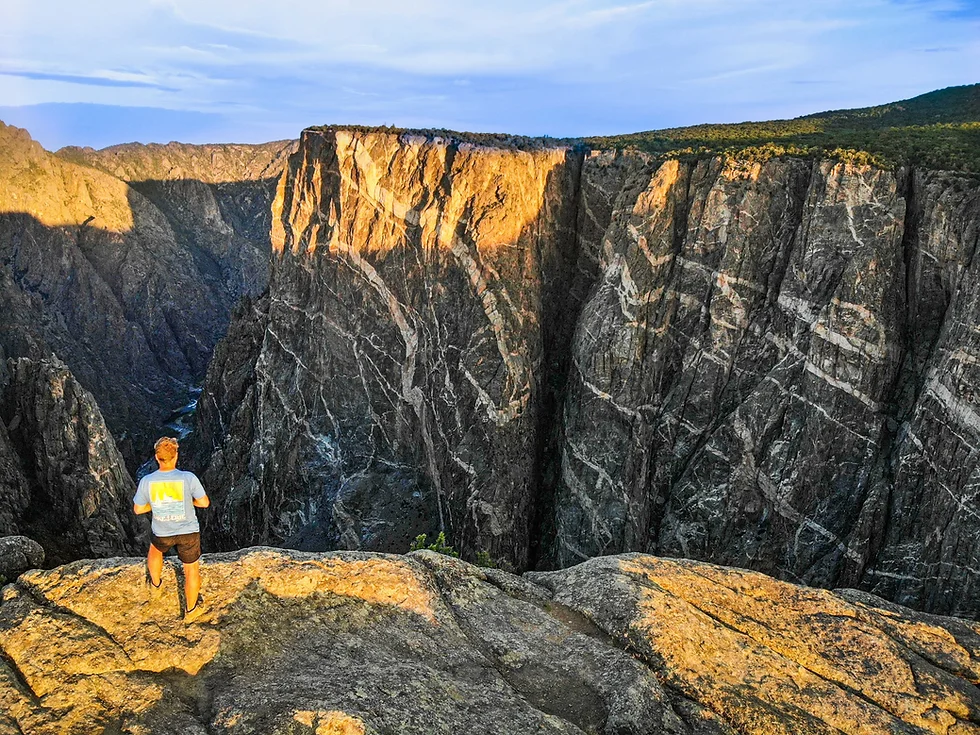
Quick South Rim logistics (so you don't waste the good light)
- Best time for photographers: Early morning for crisp air and quieter overlooks, plus late afternoon into sunset for warm rim light. Midday can be harsh and contrasty, which is dramatic but tricky.
- Entrance fee and passes: You'll need a park entrance fee or an accepted pass (like an America the Beautiful pass). If you're not sure what's current, check the park site before you go so you're not fumbling with payment when the light's perfect.
- Drive basics: The South Rim Road is the main scenic drive with multiple paved parking areas and short paths to overlooks. Plan on 2 to 4 hours for a highlights loop with stops, longer if you add walks.
- Accessibility and surfaces: Several of the most popular overlooks are reached via paved paths. Others are short dirt paths that are still easy in good weather.
- Safety: The rim is real, not a theme park. Even at paved overlooks, stay behind railings where they exist and keep kids close. Wind can be sneaky strong.
Best paved overlooks for photographers (ranked)
These are my go-to stops when you want maximum payoff with minimal walking. Rankings prioritize: (1) dramatic composition options, (2) ease of access, (3) how well the view works in changing light.
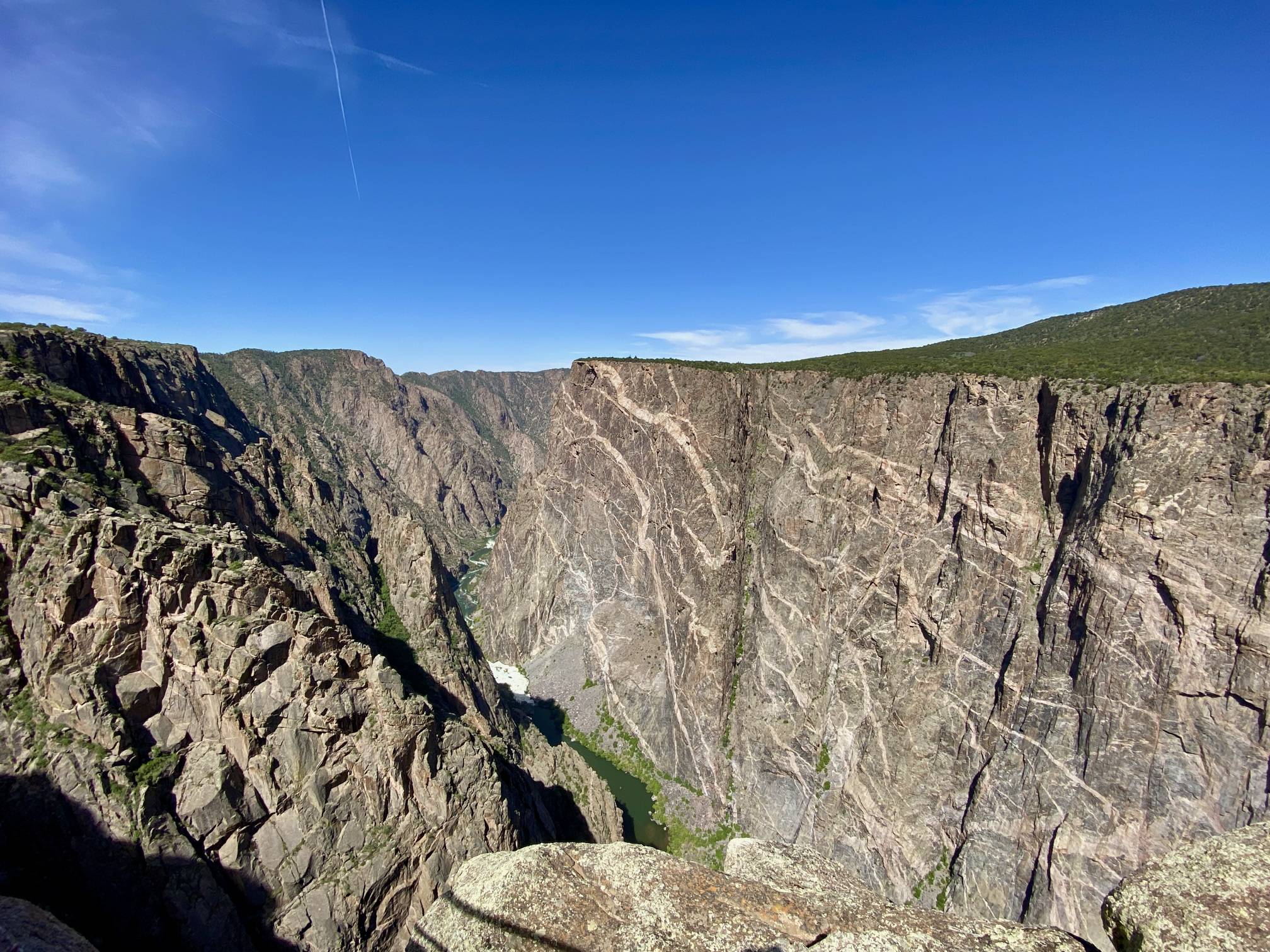
1) Painted Wall View
If you only stop once, make it here. Painted Wall is the park’s signature sheer cliff face, and it photographs beautifully because you can frame vertical drama without losing scale. Look for diagonal shadows crawling across the rock texture as the sun moves.
- Why it works: Huge subject, strong textures, and a clear “wow” edge-of-the-world feeling.
- Photo tip: Bring a longer lens to compress layers and isolate cliff details, then switch to wide to include the full plunge.
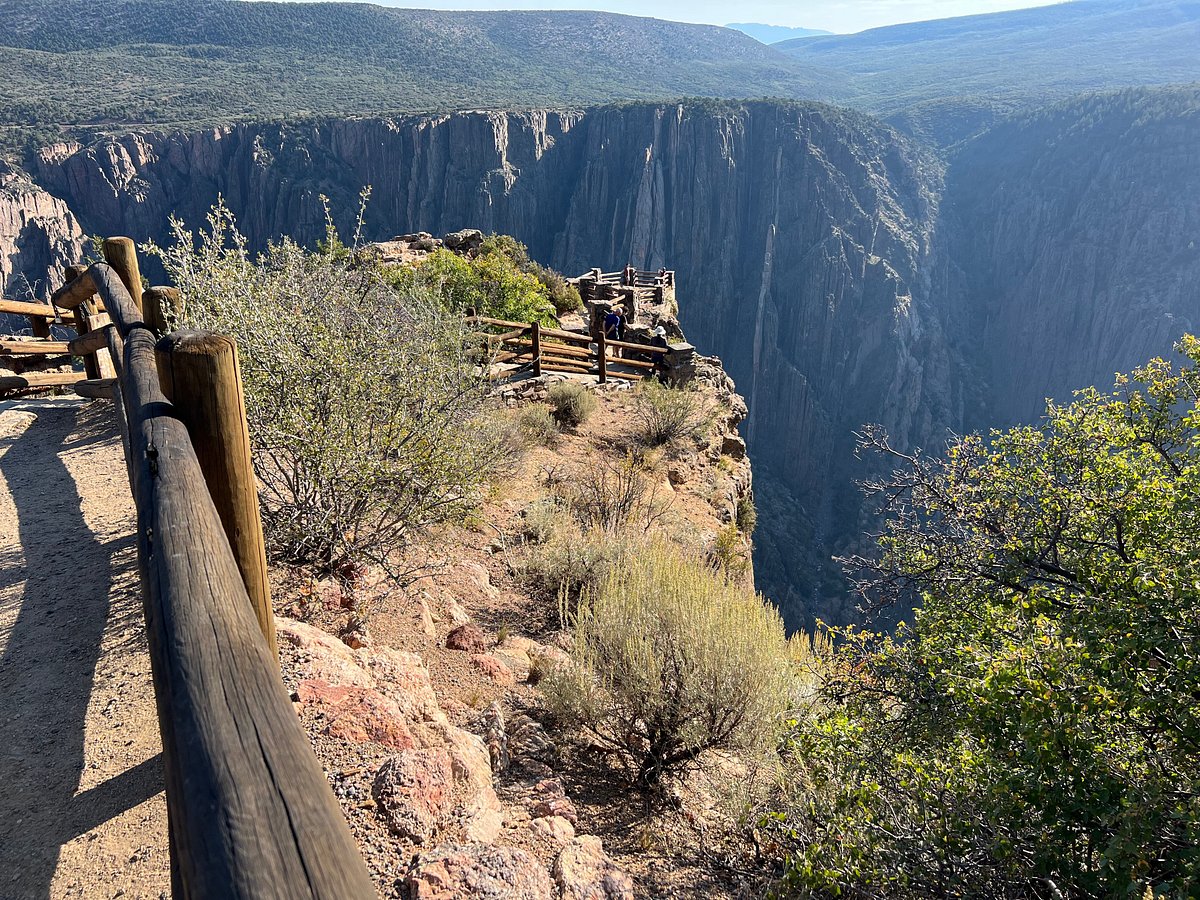
2) Gunnison Point
This is the classic “first look” for many South Rim visitors because it's convenient and delivers an instant panorama. It's also right at the South Rim Visitor Center, which makes it an ideal starting point for your day. The view feels open, and you can often find a clean foreground line for depth.
- Why it works: Big sweeping view with flexible compositions.
- Photo tip: If the canyon is very dark, expose for highlights and let shadows go moody. The contrast is part of the story here.
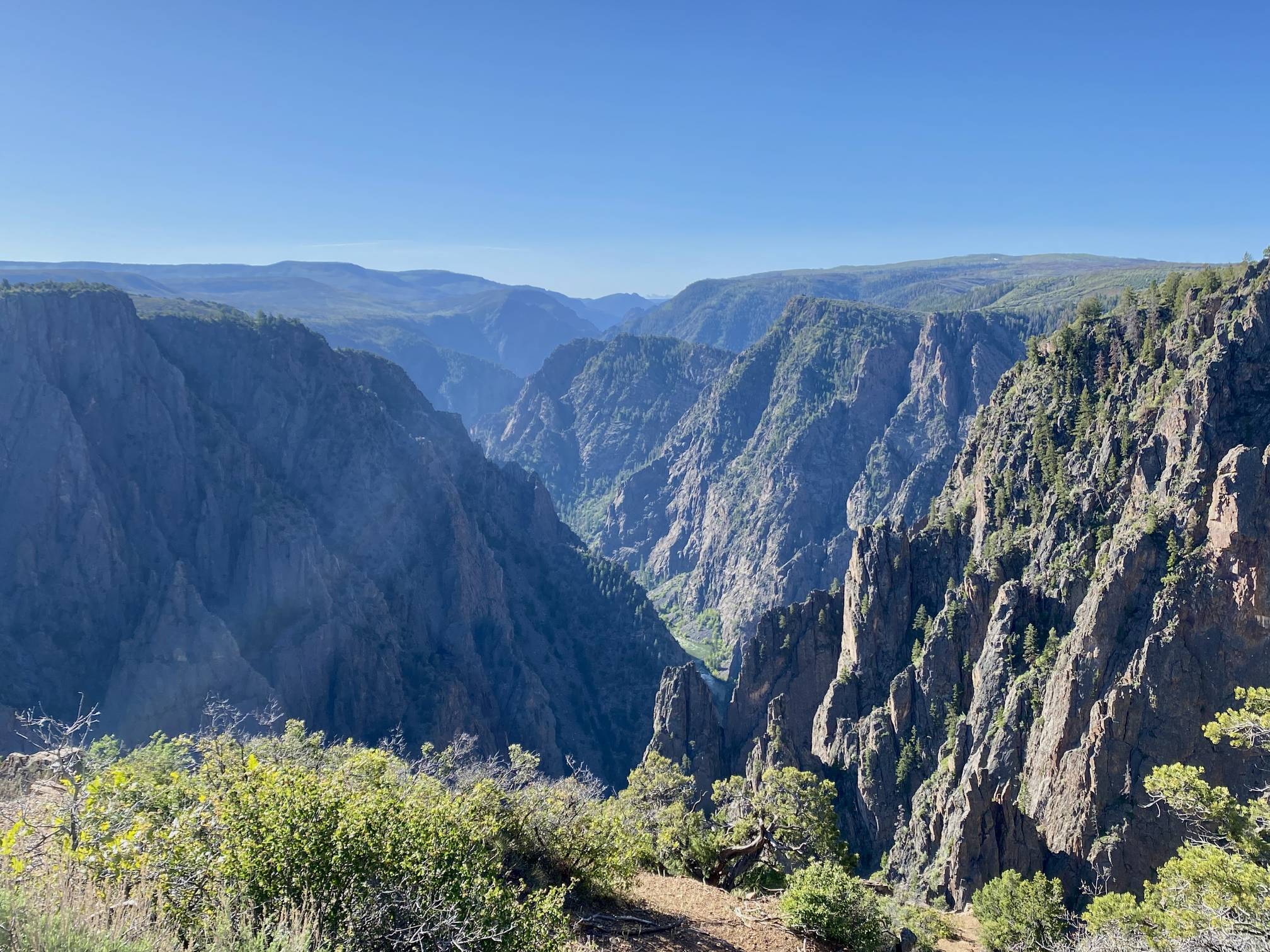
3) Chasm View
Chasm View leans into the canyon’s defining feature: narrowness. The drop feels immediate, which makes it a favorite for anyone who likes bold vertical compositions and dramatic negative space.
- Why it works: Strong sense of depth and scale.
- Photo tip: Try a portrait orientation to emphasize the plunge.
4) Sunset View
It's not just a name. This is a smart stop when you're timing your drive for late-day color. You can catch warm light on the rim while the inner canyon turns inky and mysterious.
- Why it works: Reliable golden-hour payoff.
- Photo tip: Arrive early, claim a spot, and watch how the shadows reshape the canyon every few minutes.
5) Pulpit Rock Overlook
Great for structure and scale. Rock formations give you natural “anchors” for composition, which helps when the canyon feels almost too vast to frame.
- Why it works: Distinct rock forms and layered depth.
- Photo tip: Use a mid-range focal length to balance foreground shapes with the depth behind them.
Easy leg-stretch walks on the rim (low commitment, high reward)
These are the walks I recommend when you want more than a parking-lot viewpoint, but you're not trying to turn your day into an endurance event. Conditions change seasonally, so always check current trail status at the visitor center.
Rim Rock Nature Trail (best short-hike payoff)
This loop is the South Rim’s friendliest way to get movement in without losing the views. Expect frequent peeks into the canyon, a bit of pinyon-juniper character, and enough variety to feel like you did something.
- Vibe: Quick nature immersion with multiple viewpoints.
- Good for: Families, casual hikers, travelers adjusting to altitude.
Short overlook connectors (guardrails, easy footing)
Several of the most popular viewpoints are linked by short, straightforward paths. If you’ve got someone in your group who wants guardrails and predictable surfaces, focus on the developed overlooks like Gunnison Point and nearby viewpoints, where the park infrastructure is designed for frequent foot traffic.
- How to use this: Park once, then walk between a couple of close overlooks to avoid the “drive 2 minutes, park, repeat” rhythm.
- Comfort tip: Even on easy paths, wear shoes with grip. Rim dust plus sand can feel like ball bearings.
Inner-canyon permit reality check (what day visitors should know)
It's tempting to look down and think, “We could totally go to the river today.” The reality: inner-canyon routes at Black Canyon are serious, steep, and often require permits. This isn't a casual add-on between lunch and your next overlook.
- Permits: Many inner-canyon routes are managed with a permit system and capacity limits. Availability can be seasonal and fills quickly.
- Difficulty: Routes are steep and can be loosely marked or rugged, with big exposure and complex footing.
- Best move for most day visitors: Treat the inner canyon as a future trip. Enjoy the rim today, then come back with the right planning, gear, and time buffer.
If your schedule is tight, you'll get more “Black Canyon magic” by chasing light along the South Rim overlooks than by rushing an inner-canyon attempt you aren't fully prepared for.
A simple half-day South Rim itinerary
Option A: Sunrise to late morning (quiet, crisp photos)
- Start: Gunnison Point at the South Rim Visitor Center for a wide establishing shot.
- Next: Painted Wall View for cliff texture as the light builds.
- Stretch: Rim Rock Nature Trail loop.
- Finish: Chasm View for depth and drama before you head out.
Option B: Afternoon to sunset (best warm light)
- Start: Pulpit Rock Overlook for structure and scouting.
- Next: Painted Wall View as shadows deepen.
- Stretch: Short connector walks between developed overlooks.
- Finish: Sunset View, staying through the last color shift.
Where to stay: pair the South Rim with Montrose
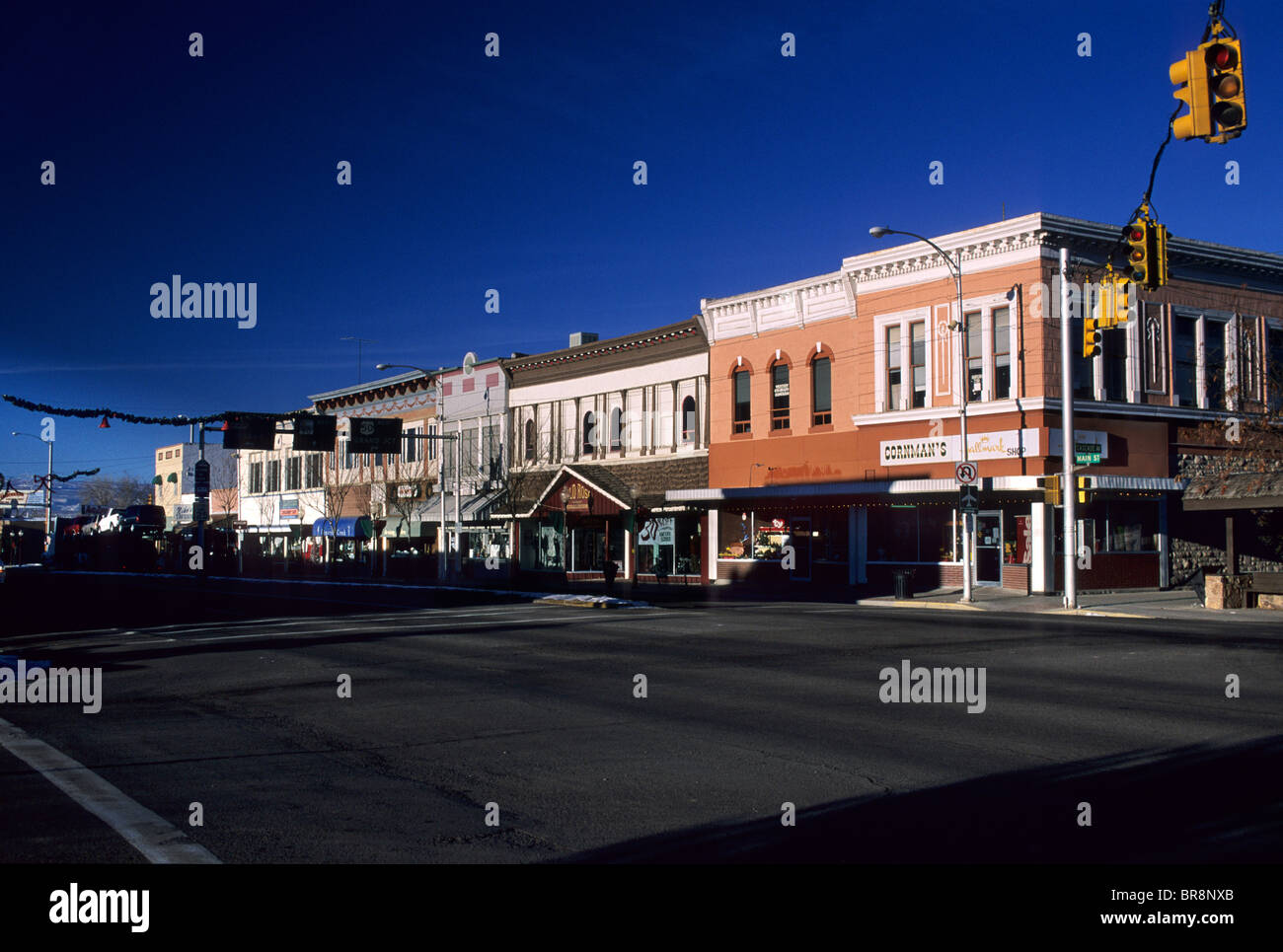
If you're visiting the South Rim as a day trip, Montrose is the easiest “town comfort” base: more lodging options, more food choices, and a smoother logistics plan than trying to force everything into one long day from farther away.
- Why Montrose works: You can do sunrise or sunset in the park without feeling like you're driving half the state in the dark.
- Town perks: Stock up on snacks, grab a solid dinner, and reset for a second park visit or another Western Slope adventure.
- My personal ritual: Plan a coffee stop in the morning and a real sit-down meal after the canyon. Black Canyon has big energy, and you'll want the decompression.
What to pack for short overlooks and rim walks
- Layers: The rim can be windy and cooler than Montrose, even on sunny days.
- Water and snacks: Easy walks still feel drier at elevation.
- Sun protection: Hat and sunscreen, especially midday.
- Photography basics: A wide lens for canyon scale, a mid-to-tele for cliff details, and a polarizer if you like deeper skies. A tripod is helpful for sunrise, sunset, and low-light canyon shadows.
- Safety for families: Keep hands free at overlooks. Skip dangling cameras around kids near edges.
One last note on sustainable visiting
Black Canyon is dramatic because it's intact. Stay on designated paths at overlooks, pack out your trash, and give wildlife space. If you're traveling carry-on only like me, this is the perfect park for a light, simple kit: solid shoes, a warm layer, and enough patience to watch the shadows move.
If you’ve got time for only a few stops, prioritize Painted Wall View and Gunnison Point, then add the Rim Rock Nature Trail for that satisfying “we actually walked” feeling before you roll back into Montrose for dinner.