Black Elk Peak Trail
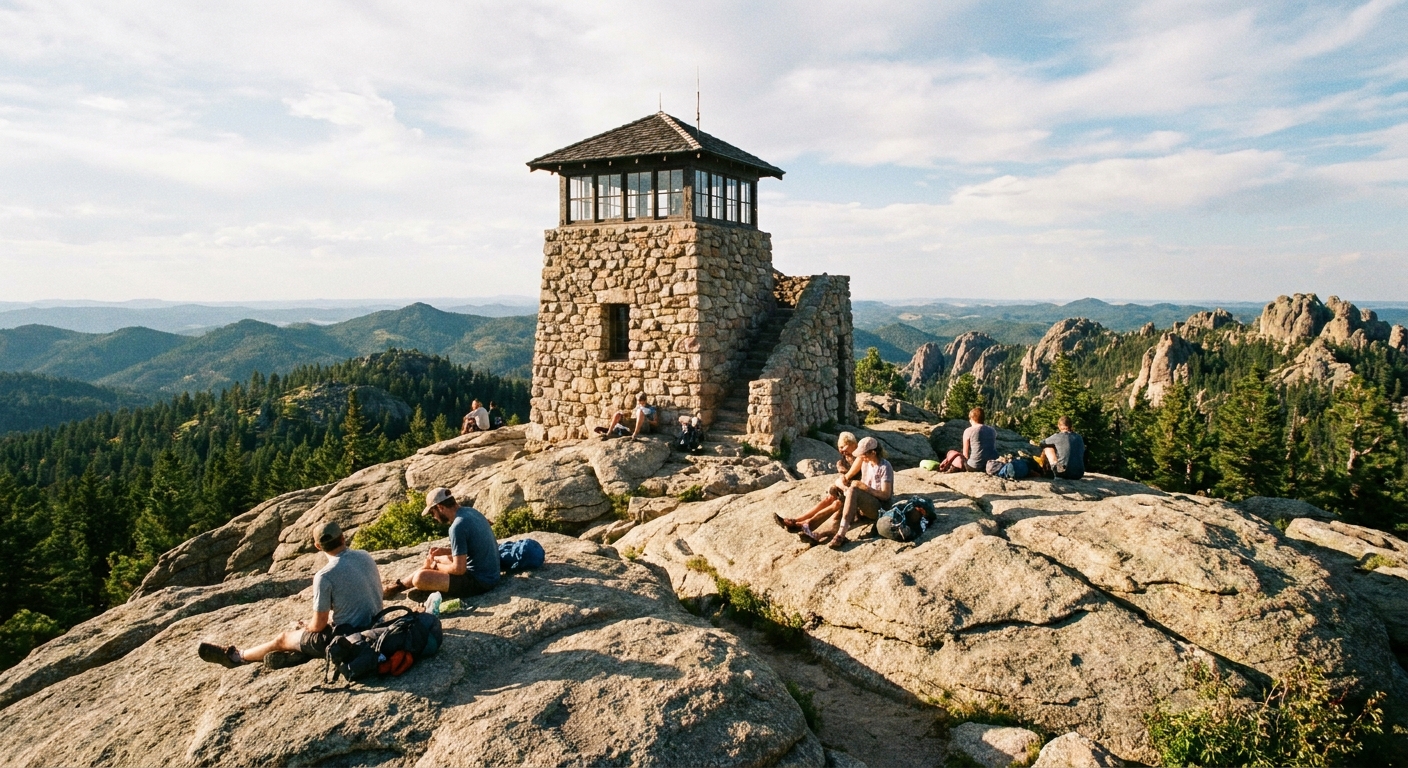
If you want one hike that captures the Black Hills in a single outing, make it Black Elk Peak. You get granite spires, pine-scented forest, a classic stone fire tower on the summit, and big-sky views that feel wildly out of proportion to the mileage. The best part: it’s close enough to Mount Rushmore and Custer State Park that you can stack it into a packed South Dakota day without feeling like you are sprinting through your trip.
Black Elk Peak is South Dakota’s high point at 7,242 feet, set inside the Black Elk Wilderness near Sylvan Lake and the Needles. It is a marquee trail for a reason, but it also comes with real safety considerations, especially lightning exposure near the top, plus wilderness-area rules that are easy to miss if you only hike national park trails.

Quick facts
- Summit: Black Elk Peak (7,242 ft), South Dakota’s high point
- Region: Black Hills, near Custer State Park, Sylvan Lake, and Needles Highway
- Typical time: 3 to 6 hours depending on route and crowds
- Difficulty: Moderate, with rocky footing and a steeper finish on summit stairs
- Best seasons: Late spring through fall; summer brings the biggest lightning risk
Mileage varies because there are several excellent ways to connect the summit. Think of Black Elk Peak as a choose-your-own loop hike that starts near Sylvan Lake and can optionally tag Little Devils Tower.
Choosing a trailhead
Most hikers access Black Elk Peak from the Sylvan Lake area. It is popular because it is scenic, easy to navigate, and lets you build a loop with the best views. The alternative is to make Little Devils Tower a bigger part of your day by using connector trails from the same general area, turning a straightforward summit hike into a spire-to-summit double feature.
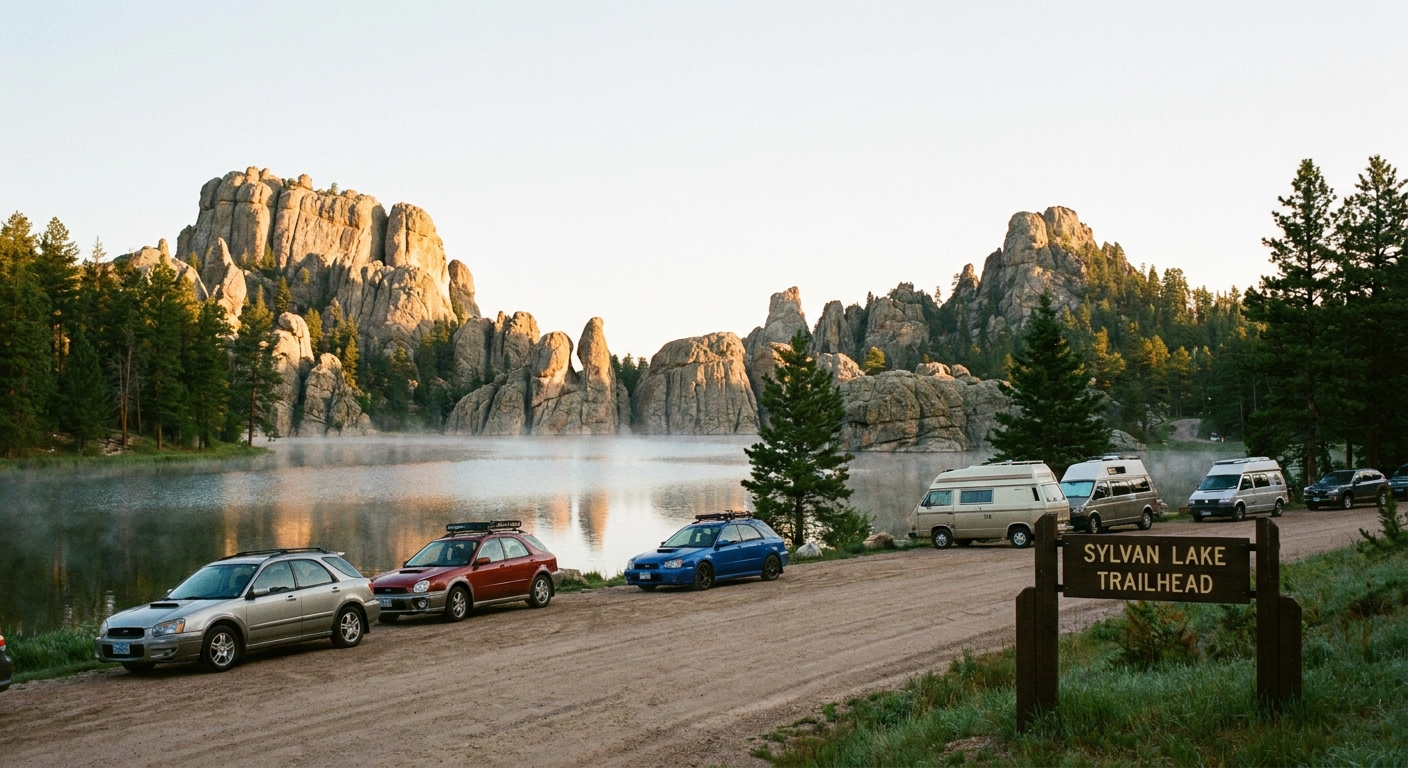
Sylvan Lake start (most popular)
This is the classic choice for good reason. You begin with a lake framed by granite domes, then climb through lodgepole pine, past granite outcrops, and into a more open, wind-exposed summit zone. Parking can fill early in summer, and midday crowds are common near the summit tower.
- Main trail numbers to know: Trail #9 (Sylvan Lake to Black Elk Peak) and Trail #4 (a common return option to form a loop)
- Why choose it: Easiest logistics, strong scenery from minute one, great for first-timers
- Tradeoffs: Busy, especially on weekends and in peak summer
Little Devils Tower connectors (add a dramatic side quest)
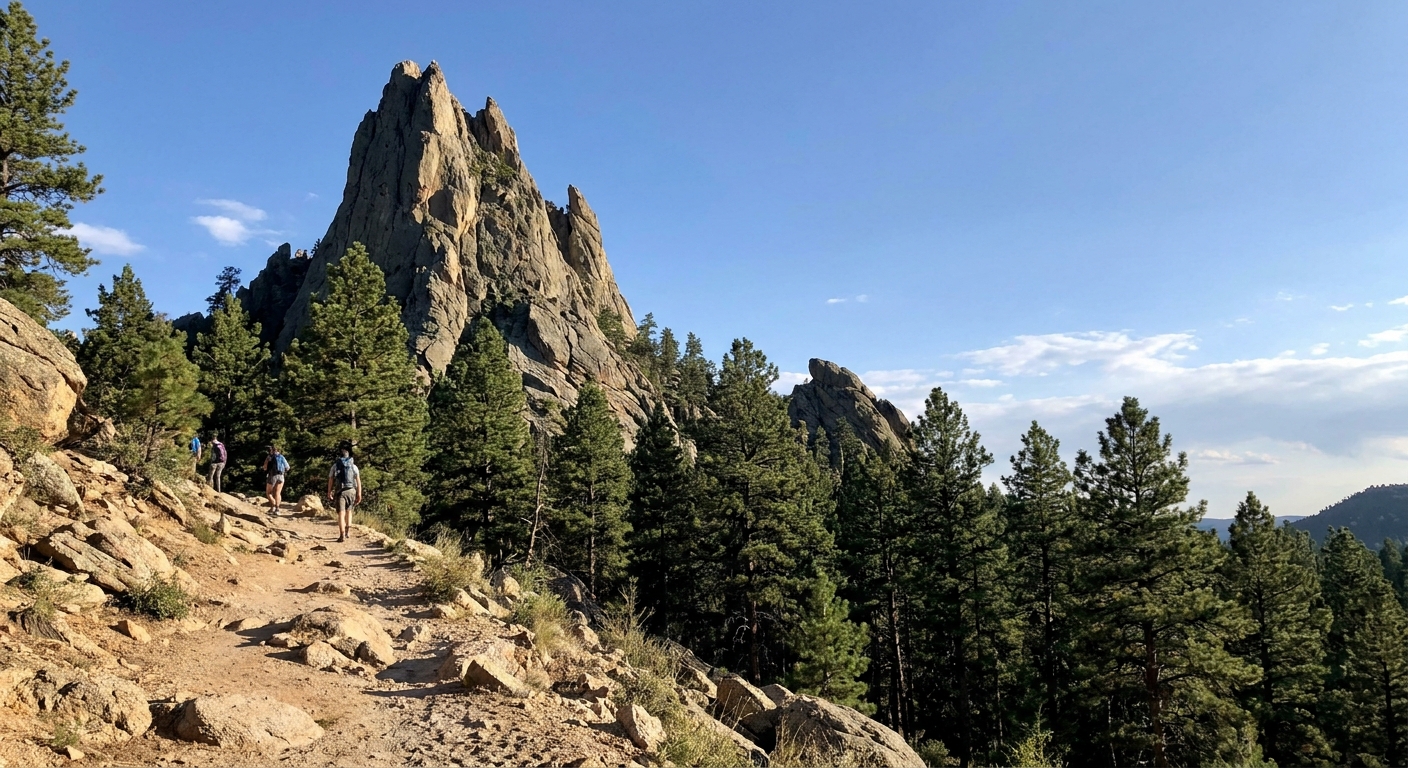
Little Devils Tower is the jagged granite spire you see in so many Black Hills photos. It is not the highest point, but it might be the most cinematic. You can reach it on a spur and then continue to Black Elk Peak via connector trails, or you can hike Black Elk Peak first and hit Little Devils Tower on the way back if the weather holds.
- Why choose it: Adds a wow-factor viewpoint and makes your day feel like a full Black Hills sampler
- Tradeoffs: More elevation changes, more time, and more exposure if storms build
If you are visiting in summer, I prefer Little Devils Tower earlier rather than later. The spur is exposed, and it is the kind of place you do not want to be when the sky starts popping with thunder.
Suggested routes
Trail systems here are well-signed, but there are multiple junctions. The simplest approach is to choose one of these route templates and then follow posted signs accordingly. Always confirm your exact mileage, elevation gain, and junctions with current maps from Custer State Park, the Forest Service, and on-site trail signage.
Option A: Classic out-and-back (Trail #9)
- Best for: First-time visitors, families with older kids, anyone short on time
- Baseline distance: About 7.1 miles round trip
- Baseline elevation gain: About 1,500 feet
- What it feels like: Steady climb, summit tower reward, return the same way
Option B: Loop from Sylvan Lake (Trails #9 and #4)
- Best for: People who hate repeating trails and want varied scenery
- What it feels like: More continuous interest, better flow, usually less mental fatigue
Option C: Peak plus Little Devils Tower (connectors)
- Best for: Stronger hikers, photographers, and anyone chasing the best granite drama
- What it feels like: A bigger day with extra viewpoints and more exposure
My personal rule: If the forecast mentions thunderstorms after noon, choose the simplest route and start early. Save the spire add-on for a calmer weather day.
Wilderness etiquette
Once you enter the Black Elk Wilderness, you are in a protected area with specific rules designed to keep it wild. Even if the trail feels busy, the goal is to reduce impact on soils, water, and wildlife in a high-use zone.
Leave No Trace basics
- Stay on durable surfaces: Granite looks tough, but vegetation between rocks is fragile. Avoid cutting switchbacks and widening the trail.
- Pack out everything: Yes, including orange peels, sunflower seed shells, and “biodegradable” wipes.
- Bathroom strategy: Use restrooms at trailheads when available. If nature calls mid-hike, follow standard backcountry practices and stay well away from water sources.
- Dogs: Follow posted regulations and use a leash when required. Even friendly dogs can stress wildlife and other hikers.
- Yielding on narrow trail: Uphill hikers typically have the right of way, but use common sense. Step onto rock when possible to avoid trampling plants.
This is also a culturally significant landscape. The peak is named for Black Elk (Heȟáka Sápa), an Oglala Lakota holy man, and the area holds deep meaning for many Indigenous communities. Treat the summit and surrounding trails with extra care and respect.
Lightning and exposure
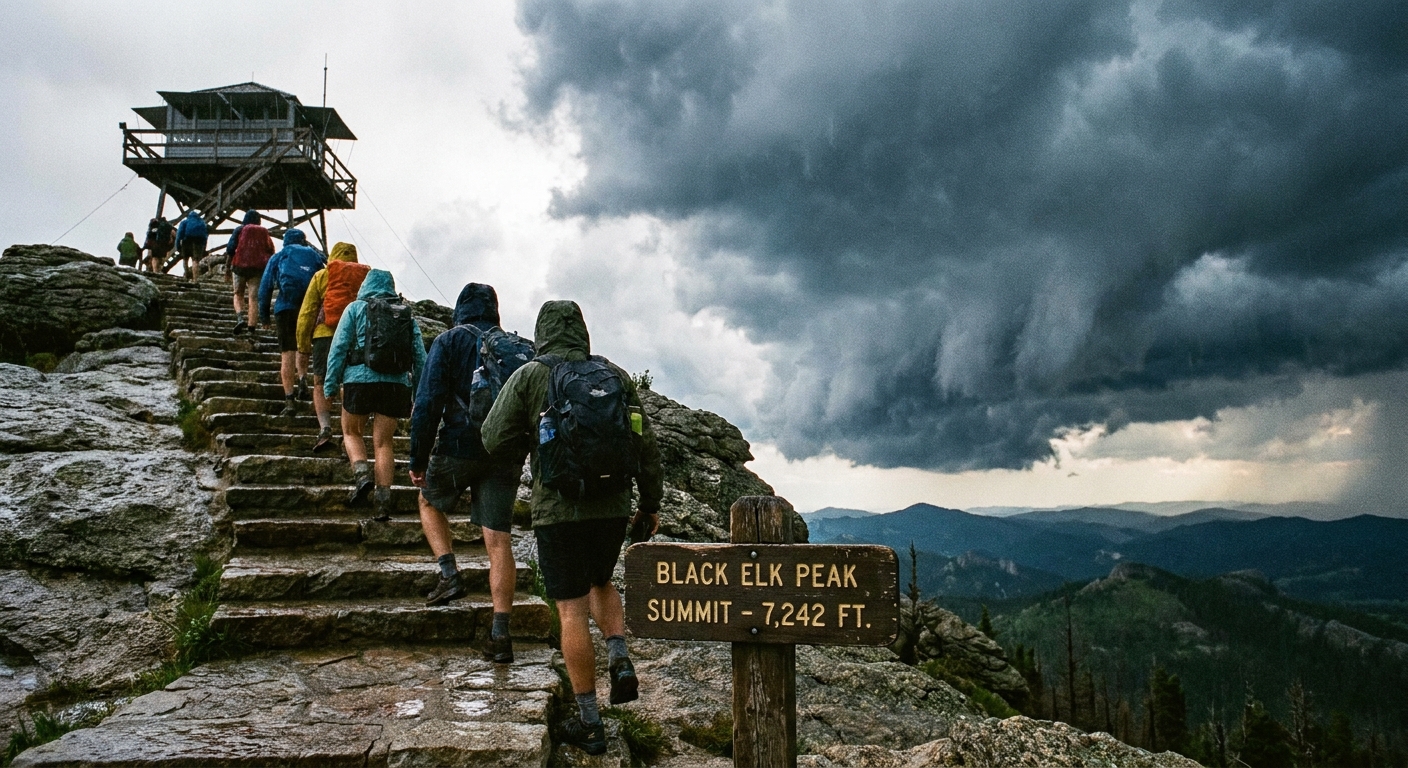
The final approach to Black Elk Peak is famous for its stone stairs and the tower at the top. It is also the section that turns into a lightning magnet when summer weather rolls in. You are high, exposed, often surrounded by other people, and standing on rock. That combination is not where you want to gamble.
What to watch for
- Forecasts calling for afternoon thunderstorms, even “scattered” ones
- Darkening clouds building quickly over the hills
- Wind shifts and temperature drops
- Distant thunder, even if the sky above you looks fine
What to do
- Start early: Sunrise to mid-morning is your safest summit window in summer.
- Turn around sooner than you think: If you can hear thunder, you are within striking distance. Do not push to “just tag the tower.”
- Avoid lingering on the stairs and summit rock: Move efficiently through exposed sections.
- Know your bailout: On busy days, decide at a major junction what your turnaround time is and stick to it.
The goal is not to fear the mountain. It is to hike it like a local who knows that the Black Hills can flip from sunshine to full drama fast.
When to go and what to pack
Best times
- Late spring: Cooler temps, fewer crowds, watch for wet or slick rock
- Summer: Long days, busiest season, highest thunderstorm risk
- Fall: Crisp air and golden color, shorter daylight, generally great hiking
Carry-on-only packing list
- 1 to 2 liters of water per person (more on hot days)
- Snacks with real calories, not just “cute” trail mix
- Light rain layer and a warm layer, even in summer
- Sun protection: hat, sunglasses, sunscreen
- Good traction shoes, the granite can be slick when wet
- Offline map or a paper map photo saved to your phone
- Small first-aid kit and blister care
If you are hiking early, toss a thermos of coffee in the car for post-hike Sylvan Lake sipping. This is a peak that earns a slow, satisfied second breakfast.
Pair it with Rushmore or Needles
This is where the Black Hills shine: you can hike hard in the morning, then pivot to an iconic scenic drive or a landmark in the afternoon. Here are combinations that feel ambitious but not miserable.
Combo 1: Black Elk Peak + Needles Highway
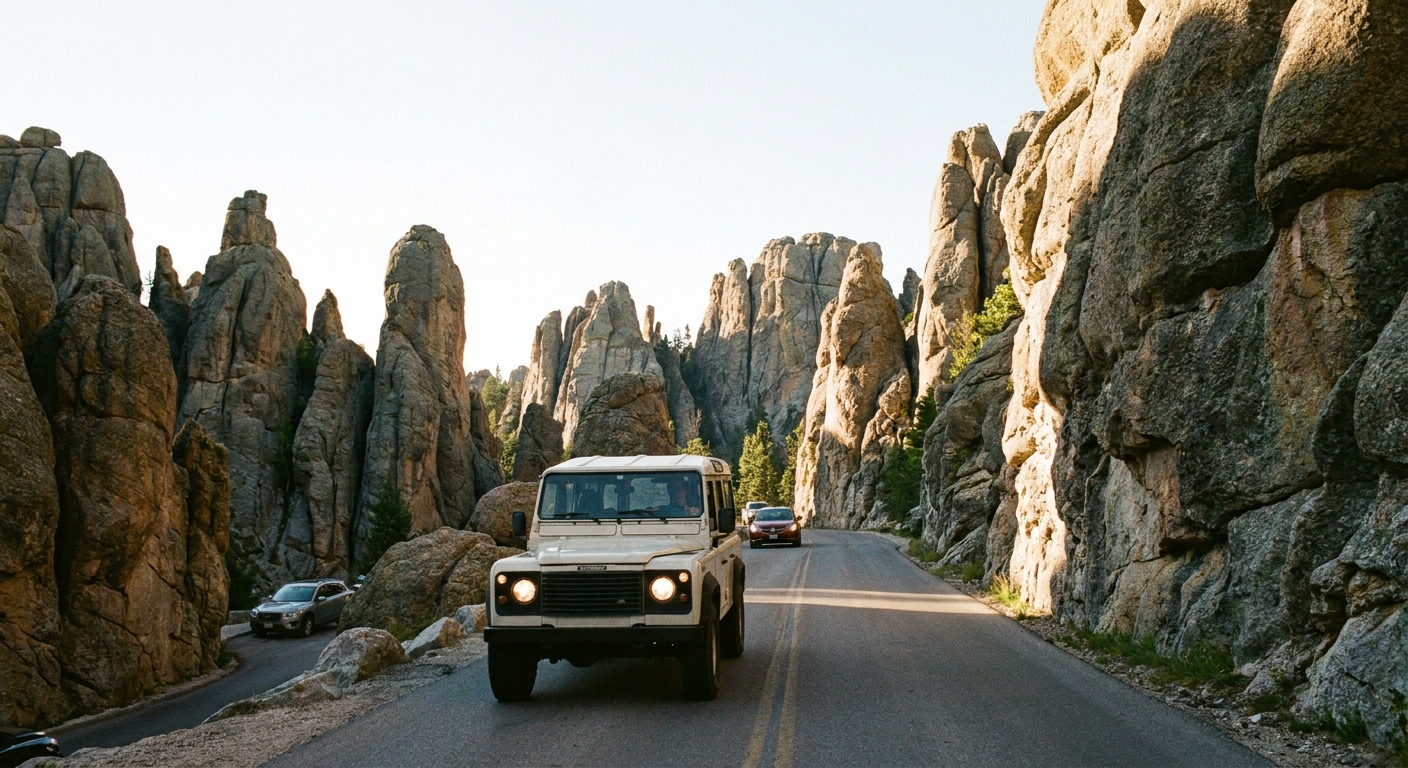
Hike early from Sylvan Lake, then drive Needles Highway when your legs are tired but your eyes are still hungry. The tunnels, spires, and pullouts feel like a reward lap. If you have time, add a short stroll at one of the viewpoints rather than another big hike.
Combo 2: Black Elk Peak + Mount Rushmore
Do the summit hike at dawn or early morning, then head to Mount Rushmore in the afternoon or early evening. Rushmore can be surprisingly pleasant later in the day, and the lighting often improves for photos.
Combo 3: Rushmore sunrise + Black Elk Peak
If you love empty viewpoints, catch Rushmore early, then drive to the Sylvan Lake area and hike late morning into early afternoon, but only if the forecast is stable. This is the version I recommend in shoulder seasons when storms are less likely.
Where to refuel
My favorite post-hike rhythm in the Black Hills is simple: a salty snack in the car, then a real sit-down meal in Custer or Hill City. Both towns are convenient bases for mixing trail time with walkable main streets, local shops, and that classic mountain-town feeling without the altitude.
- Custer: Great for casual comfort food and easy access back into the park roads.
- Hill City: A fun stop if you are looping toward Keystone or continuing toward Rushmore.
If you are traveling sustainably, try to cluster your activities by area. Do your Sylvan Lake and Needles days together, then shift lodging or base plans to reduce back-and-forth driving.
FAQ
Is Black Elk Peak good for beginners?
Yes, for active beginners who are comfortable hiking a few hours with some climbing and rocky footing. Start early, take breaks, and choose a simpler out-and-back or a well-marked loop from Sylvan Lake.
Do I need a permit?
Yes, plan on two quick logistics items. Parking at Sylvan Lake requires a Custer State Park entrance pass. Also, entering the Black Elk Wilderness requires a free, self-issued wilderness permit (typically completed at the trailhead kiosk). Rules and kiosk details can change, so check current Custer State Park and Black Hills National Forest updates before you go, especially in peak season.
Is the summit tower open?
Access can vary with maintenance and seasonal conditions. Even if you cannot go inside, the summit views are still worth it.
How crowded is it?
Expect crowds on summer weekends and holidays, especially near the summit. If you want quieter trail time, hike on a weekday and start early.
Make it your anchor hike
If you only lace up once in the Black Hills, Black Elk Peak is the hike that makes the whole region click. You get the granite, the forest, the wide horizon, and the kind of summit finish that feels like you earned it. Start early, respect the wilderness rules, keep a sharp eye on the weather, and you will have a day that pairs beautifully with a Needles drive or a Rushmore visit, rugged adventure and easy comforts in one clean, satisfying loop.