Budget a Two-Week Trail + City Trip

Maya Lin
Maya Lin is a travel journalist and outdoor enthusiast who believes the best trips combine rugged adventures with urban comforts. After spending six years backpacking across four continents, she founded Trail & Town Guide to help fellow travelers navigate both hidden mountain passes and bustling city neighborhoods with confidence.
I love a trip that starts with dirt under your nails and ends with a hot shower and a truly unnecessary pastry. The good news is a two-week itinerary that blends outdoor adventure and a city escape can be surprisingly affordable if you plan the budget like you pack a carry-on: intentional, flexible, and ruthless about what you actually use.
This guide gives you realistic cost ranges, a simple way to split your money between trail days and city days, and the sneaky “small” expenses that usually blow things up.
Quick note on numbers: All prices below are in USD and are meant as planning ranges. Entry fees, transit pricing, and taxes vary wildly by country, season, and whether fees are per person, per vehicle, per day, or timed-entry. Convert to your destination currency and expect exchange rates to move.
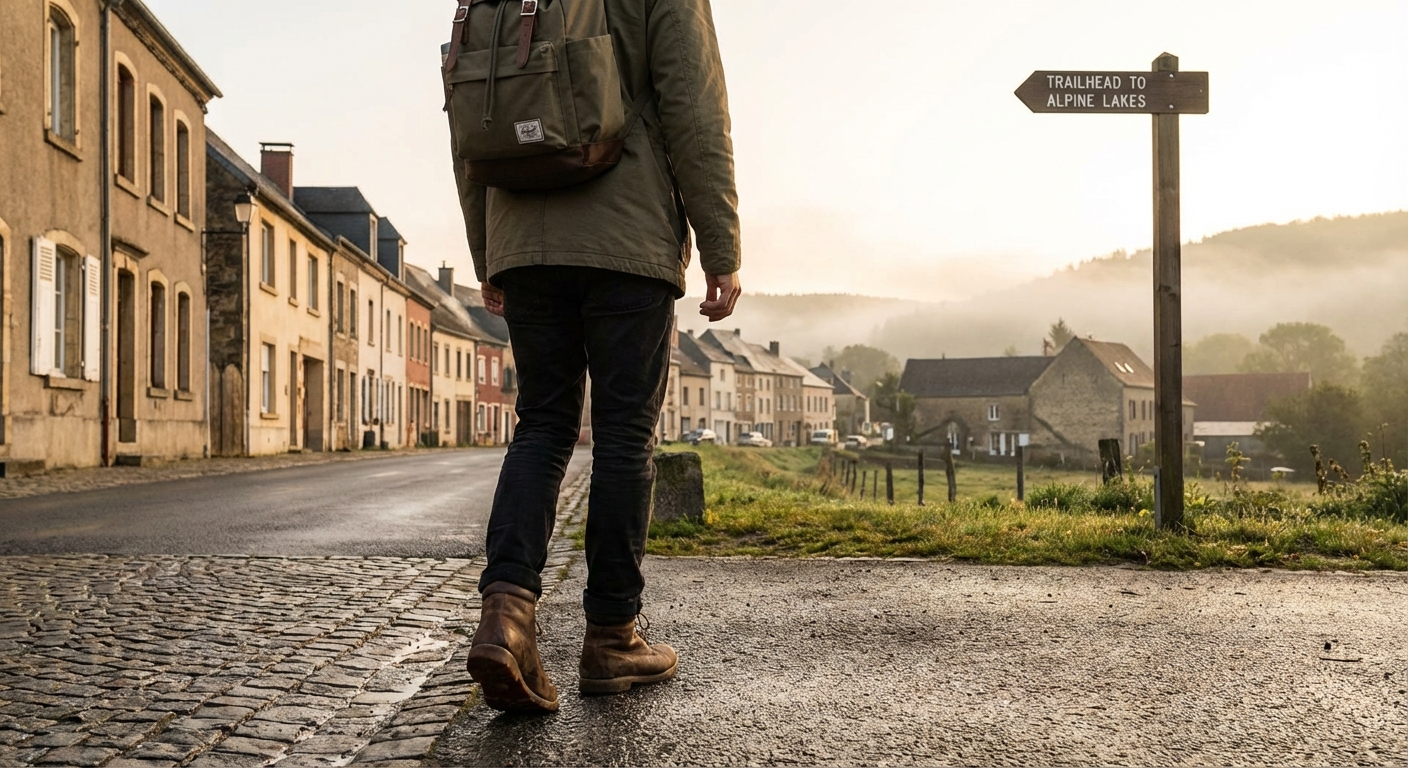
Start with the big three
For most two-week trips, these categories decide whether you come home feeling smug or slightly haunted by your credit card statement.
- Transportation: flights or long-distance trains, plus local transit, occasional taxis, and the infamous “last mile” to trailheads.
- Lodging: city nights cost more, but outdoor nights can add up too if you are using huts, cabins, or booking popular park gateways.
- Food: groceries help on trail days, while city days tend to invite cafes, street food, and the “we should try this” spiral.
Everything else is negotiable once those are set.
Typical total ranges (two weeks)
Budgets vary wildly by country and season, but these ranges work well as a planning baseline for a two-week trip that includes roughly 7 to 9 outdoor-focused days and 5 to 7 city-focused days.
| Budget style | Estimated total (per person) | What it looks like |
|---|---|---|
| Lean | $1,200 to $2,200 | Shoulder season, hostels or budget rooms, lots of grocery meals, public transit, mostly free hikes, limited paid attractions |
| Mid-range | $2,200 to $4,200 | Mix of private rooms and a few splurges, occasional taxis, 2 to 4 paid attractions, a guided day or gear rental |
| Comfort | $4,200 to $7,500+ | Boutique hotels, frequent dining out, multiple paid attractions, private transfers, guided tours, premium trail lodging |
Note: If your destination requires an expensive flight (or you are traveling in peak summer), transportation will push you toward the higher end of your chosen range.
A budget split that works
If you are mixing trail days and city days, I recommend a three-bucket approach. It keeps your spending aligned with how the trip will feel day to day.
1) Fixed costs (45 to 60%)
These are the non-negotiables you commit to before you leave.
- Flights or long-distance trains
- Core lodging (especially city stays)
- Travel insurance (trip + medical as needed)
- Park passes you know you will need
2) Daily life costs (30 to 40%)
What you spend just by being alive somewhere else.
- Food and groceries
- Local transit
- Water, coffee, and drinks (yes, it counts)
- Laundry, toiletries, phone data
3) Experiences (10 to 20%)
The fun stuff that makes the trip memorable and also tends to multiply in cities.
- Paid museums, landmarks, city passes
- Guided hikes, climbing days, rafting, ski lifts
- Gear rental
- Shows, tastings, special meals
Trail days are often “cheap by default” but can get expensive fast when you add transfers, huts, and rentals. City days are the opposite: easy to overspend, easy to rein in with a plan.
Line-item costs (ranges)
Use these as building blocks. You do not need to match them perfectly. You just need to be honest about what you will actually do. Labels below are per person unless noted.
Transportation
- Round-trip flight or long-distance rail (per trip): $150 (short-haul deals) to $1,200+ (long-haul or peak season)
- Local transit (per day): $5 to $20 depending on city, pass structure, and how walkable your plans are
- Airport transfers (per ride): $0 to $60 (public transit versus rideshare)
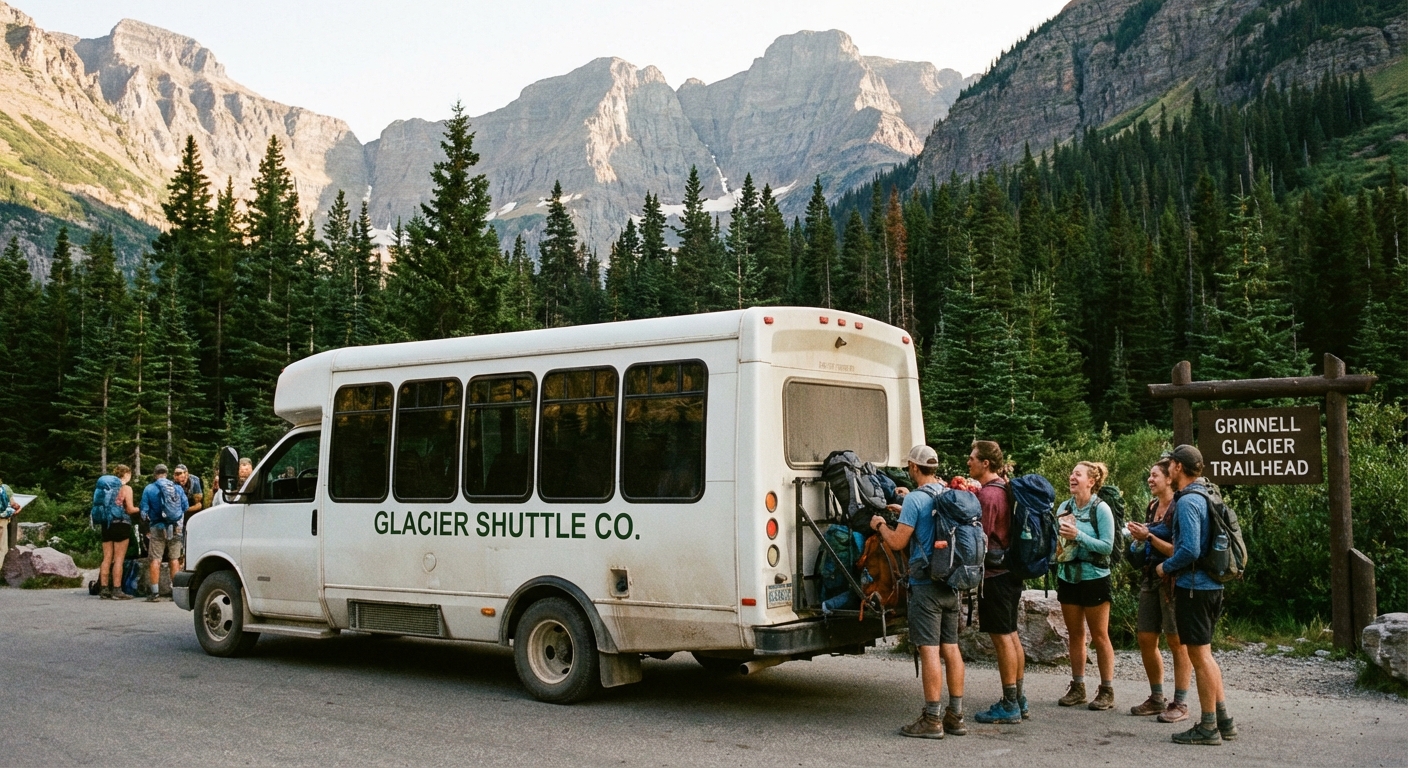
- Trailhead transfers (round trip): $20 to $200 (shuttles, shared taxis, rental car day)
- Rental car (per day, optional): $40 to $120 plus fuel, parking, tolls, and the occasional “how is parking this much” moment
Lodging
- City hostel bed (per night): $25 to $80
- City budget hotel or private room (per night): $70 to $180
- Mid-range city hotel (per night): $180 to $350+
- Camping (per night): $10 to $35 (sometimes more in high-demand parks)
- Huts, refuges, cabins (per night): $45 to $160 (often extra for dinner and breakfast)
Reality check: Even if hikes are free, gateway towns near popular parks can price like resort areas. Booking early matters here more than almost anywhere else.
Food
- Grocery breakfast + trail lunch (per day): $6 to $15
- Budget dinner (per meal): $10 to $25
- Sit-down dinner (per meal): $25 to $60+ (higher in major cities)
- Coffee habit (per cup): $3 to $7 (multiply accordingly)
Outdoor fees and gear
- Park entry (varies): $0 to $35 per day is common in some regions, but many parks charge per person, per vehicle, or via weekly and multi-day passes at very different price points
- Reservations and timed entry (varies): $0 to $10+ and can be separate from entry fees in popular parks
- Permits (varies): $0 to $50+ (can be higher for limited-entry treks)
- Gear rental (per day, per item): $5 to $25 (trekking poles, microspikes, bear canister)
- Guided day (per person): $80 to $250+
City attractions
- Museums and landmarks (each): $10 to $35
- City pass (per pass): $60 to $160 (only worth it if you truly will use it)
- Food tours (per person): $60 to $120
Sample budget (mid-range)
Here is a realistic example for one person, assuming a mix of private rooms and a few hostel nights, lots of public transit, free hikes, and a handful of paid attractions. It also assumes modest alcohol and no big nightlife tab.
| Category | Estimated cost | Notes |
|---|---|---|
| Long-distance transportation | $450 | Flight or rail booked early |
| Local transit + trail transfers | $260 | Metro passes + 2 shuttle days |
| Lodging (14 nights) | $1,400 | Average $100/night mix of city and outdoor base |
| Food | $650 | Groceries for breakfasts and trail lunches, 6 to 8 meals out |
| Parks, permits, reservations, rentals | $200 | Entry and permits plus basic rental (poles or spikes) |
| City attractions | $180 | 3 to 5 paid sights |
| Insurance + misc | $130 | Insurance, laundry, toiletries |
| Total | $3,270 | Solid comfort without constant splurging |
If you want a cleaner number to aim for, round up and build in a buffer: $3,500 is a stress-reducing target for this style of trip.
Save without feeling cheap
Book the city first
City lodging is the fastest-moving piece. Once you lock those nights, you can choose outdoor bases and trails that fit the remaining budget.
Use expensive nights strategically
I like to splurge on one night when it changes the trip:
- A hotel with laundry and a real shower right after multi-day hiking
- A location upgrade that saves daily transit time
- A mountain hut night that replaces the need to carry a heavier camping setup
Make lunches boring, make dinners memorable
Trail lunches are about function, not romance. Save your appetite and your cash for city dinners, street food crawls, or a special meal that actually feels like a cultural experience.
Pick one paid outdoor hero
One guided day can be worth it for access or safety (glacier walks, canyoning, via ferrata). Three guided days can start to feel like you accidentally booked a package tour.
Walk the city like a trail
If you treat city wandering as your daily hike, you will naturally cut transit costs and discover the good stuff: neighborhood bakeries, small galleries, river paths, local markets.

Budget traps
- The last mile to nature: the park is free, but the shuttle is not. Always price trailhead access.
- Weather pivots: a surprise rain day becomes a museum day. Build a small city-attraction cushion.
- One-off gear purchases: $12 gloves, $18 headlamp, $9 blister care, and suddenly you spent a full day’s food budget. Pack and check before you go.
- Currency conversion fog: small taps add up when you stop translating prices. Set a daily cap in your phone notes.
- Airport food: it is the least satisfying way to spend $22. Bring snacks.
Often-forgotten costs
These are not dramatic, but they are powerful.
- Taxes, resort fees, and cleaning fees: common with hotels and short-term rentals and often added at checkout
- Tips and service charges: highly country-specific, but they can be a real line item
- Alcohol and nightlife: the biggest budget swing in many cities
- Connectivity: eSIM or SIM, plus roaming if you forget to turn it off
- Baggage fees: budget airlines can charge for carry-on and seat selection
- ATM and card fees: avoid death by a thousand withdrawal cuts
- Travel medical vs trip insurance: you may need both depending on your country, activities, and existing coverage
Before you leave
Build a two-week kit
Outdoor plus city trips tempt you into packing for two separate vacations. You do not need two wardrobes. You need a smart layering system.
- Neutral base layers that work under a fleece on trail and under a jacket in town
- One pair of trail shoes or boots, plus one city-friendly shoe that packs small
- A compact rain shell that looks normal in a city
Price-check seasons
Shoulder season is the sweet spot for this kind of trip because:
- Trails are quieter and permits are easier
- Hotels drop prices
- City attractions are more pleasant without peak crowds
Automate savings
Take your estimated total and divide by weeks until departure. Set an automatic transfer for that amount, then forget about it.
Example: $3,270 over 26 weeks is about $125 per week.
Copy this worksheet
Open a notes app or spreadsheet and plug in your best guess for each line. Add a buffer at the end. That buffer is what keeps you from making miserable decisions on day 10.
- Long-distance transportation (per trip): ____
- Lodging (city nights, per night): ____
- Lodging (outdoor nights, per night): ____
- Local transit (per day): ____
- Trail transfers (per transfer or round trip): ____
- Food (groceries, per day): ____
- Food (meals out, per meal): ____
- Parks and entry fees (varies): ____
- Reservations and timed entry (varies): ____
- Permits (varies): ____
- Rentals or guided day (per day): ____
- City attractions (per sight or pass): ____
- Insurance (trip and medical): ____
- Misc (laundry, SIM, pharmacy, fees): ____
- Buffer (10 to 15%): ____
My rule: If the buffer feels annoying to add, you probably need it.
Allocation by travel style
If you want an easy default plan, this is a strong starting point:
- 55% fixed costs (transportation + lodging + insurance)
- 30% daily life (food + transit)
- 15% experiences (paid attractions + one outdoor splurge)
Then tweak based on how you travel:
- Camping-heavy: more budget to trail transfers, food, and gear. Lodging drops, but transport can rise.
- Hut-to-hut: more budget to lodging and food (many huts bundle meals). Less to groceries, sometimes less to gear.
- Hotel-only: more budget to lodging and neighborhood location upgrades, especially in cities.
Final check
A two-week trip that mixes free hikes with paid city attractions is not about spending the least. It is about spending on the pieces that change your experience: the right base, the right transfer, the right meal, the right one or two paid moments that you will remember.
If you tell me your destination region, the month you are going, and whether you prefer camping, huts, or hotels, I can help you rough out a more precise line-by-line budget.