Budget Travel Gear That Actually Lasts

Maya Lin
Maya Lin is a travel journalist and outdoor enthusiast who believes the best trips combine rugged adventures with urban comforts. After spending six years backpacking across four continents, she founded Trail & Town Guide to help fellow travelers navigate both hidden mountain passes and bustling city neighborhoods with confidence.
I love a good deal as much as the next carry-on-only traveler, but I've learned this the hard way: cheap gear is only “budget” until it fails halfway through a trip. When you're standing in the rain outside a bus station with a zipper that just gave up, you suddenly understand the true cost of saving $30.
This is my practical, city-to-trail breakdown of what to splurge on for longevity (and sanity), what you can safely buy on a tight budget, and how to spot quality fast in a store or online listing. The goal isn't to buy the most expensive version of everything. The goal is to build a kit that survives real travel: cobblestones, overhead bins, hostel hooks, dusty switchbacks, and too many coffees carried one-handed.
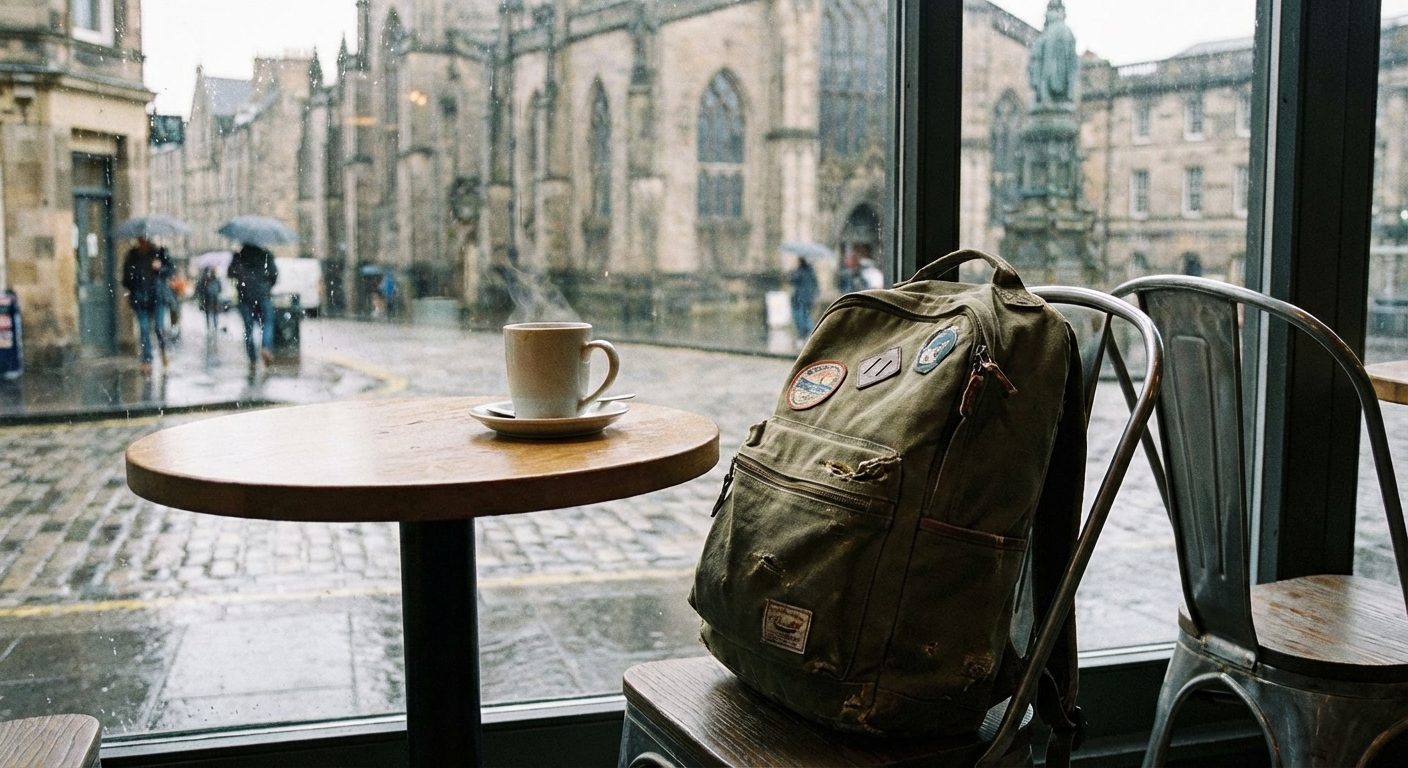
The rule I use: pay for failure points
When I'm deciding whether to spend or save, I ask one question: What happens if this fails on day three? If the answer is “my trip becomes miserable, unsafe, or expensive to fix,” I invest.
- Splurge when failure is costly: safety, support, waterproofing, theft risk, critical electronics.
- Save when failure is annoying but manageable: basic layers, small accessories, most toiletries, many packing aids.
- Split the difference when fit matters but the tech doesn't: mid-range is often the sweet spot.
Splurge: the gear that pays you back
1) Your main bag: backpack or suitcase
If you buy one “grown-up” piece of gear, make it your primary bag. It gets dragged, tossed, rained on, wedged into tuk-tuks, and yanked off luggage belts by strangers who swear it's theirs. A durable bag also protects everything inside it, which is the real value.
What to look for:
- Strong zippers (YKK is a good sign), with smooth pulls that don't snag.
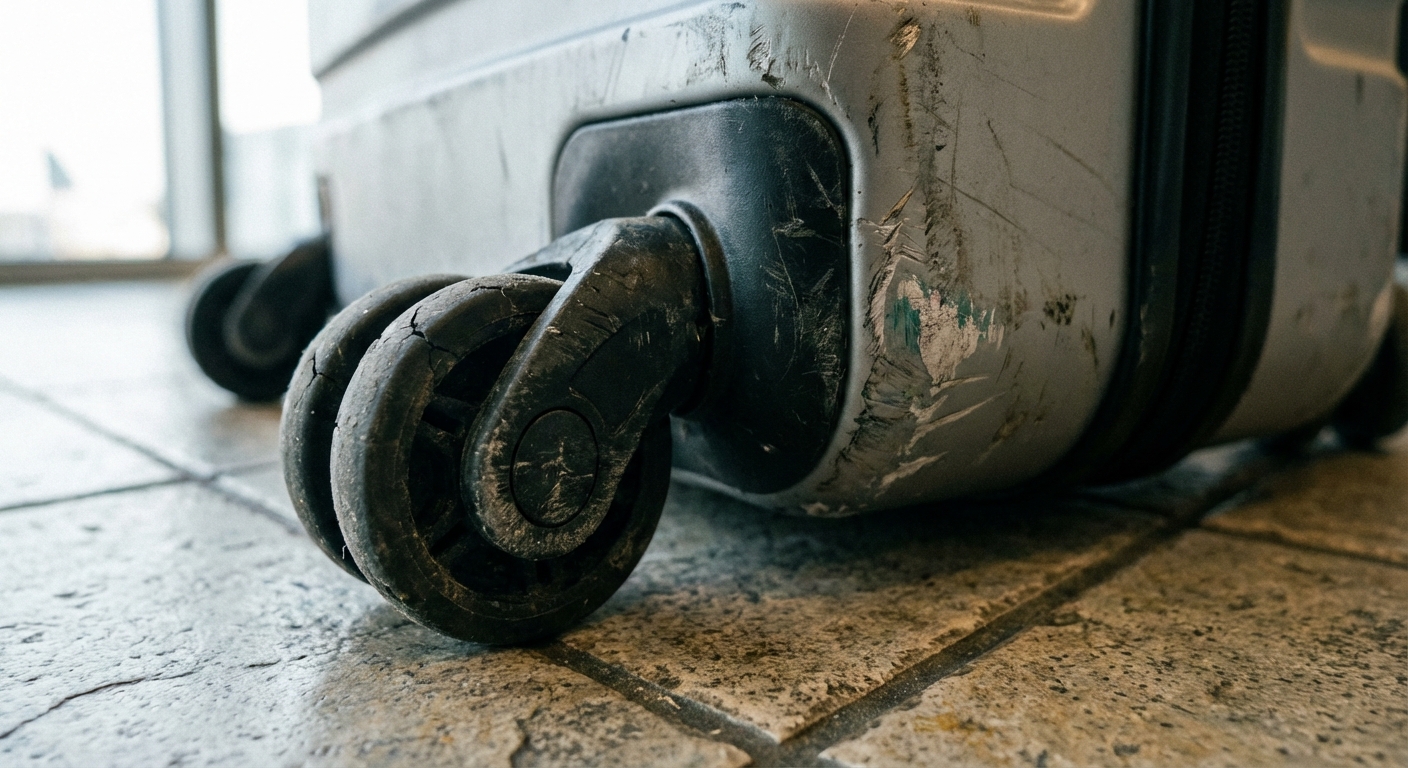
- Stitching and reinforcement at stress points: top handle, shoulder strap anchors, corners, and wheels if it's a roller.
- Comfort if you carry it: supportive harness, hip belt (for larger packs), breathable back panel.
- Repairability and warranty. A solid warranty can be a real safety net for manufacturing defects, but it usually won't cover theft, airline abuse, or normal wear. Register your bag if required and keep proof of purchase.
Where to invest: If you do both cities and trails, consider a travel backpack with a clamshell opening and a proper harness, or a two-bag combo: a small 2-wheel roller plus a daypack. For pure city travel, a quality spinner can be worth it, but remember the tradeoff: spinner wheels are more exposed and tend to take a beating on rough sidewalks and cobblestones.
2) Footwear: walking shoes or trail runners
If you want one piece of advice from a Denver kid who's walked too many cities “just one more neighborhood” past sunset: invest in your feet. Blisters and sore arches don't just hurt. They reroute your itinerary.
What to look for:
- Fit first. No amount of “good reviews” beats a shoe that matches your foot shape.
- Outsole grip for wet pavement and uneven trails.
- Breathability for urban days, plus a quick-drying upper if you get caught in rain.
- Replaceable insoles if you need support.
Smart splurge tip: Buy last season's colorway or look for lightly used options from reputable resale platforms. Just be picky: midsoles compress over time, so check for uneven wear, a dead-feeling foam, and tread that's already rounded off.
3) Rain protection that actually works
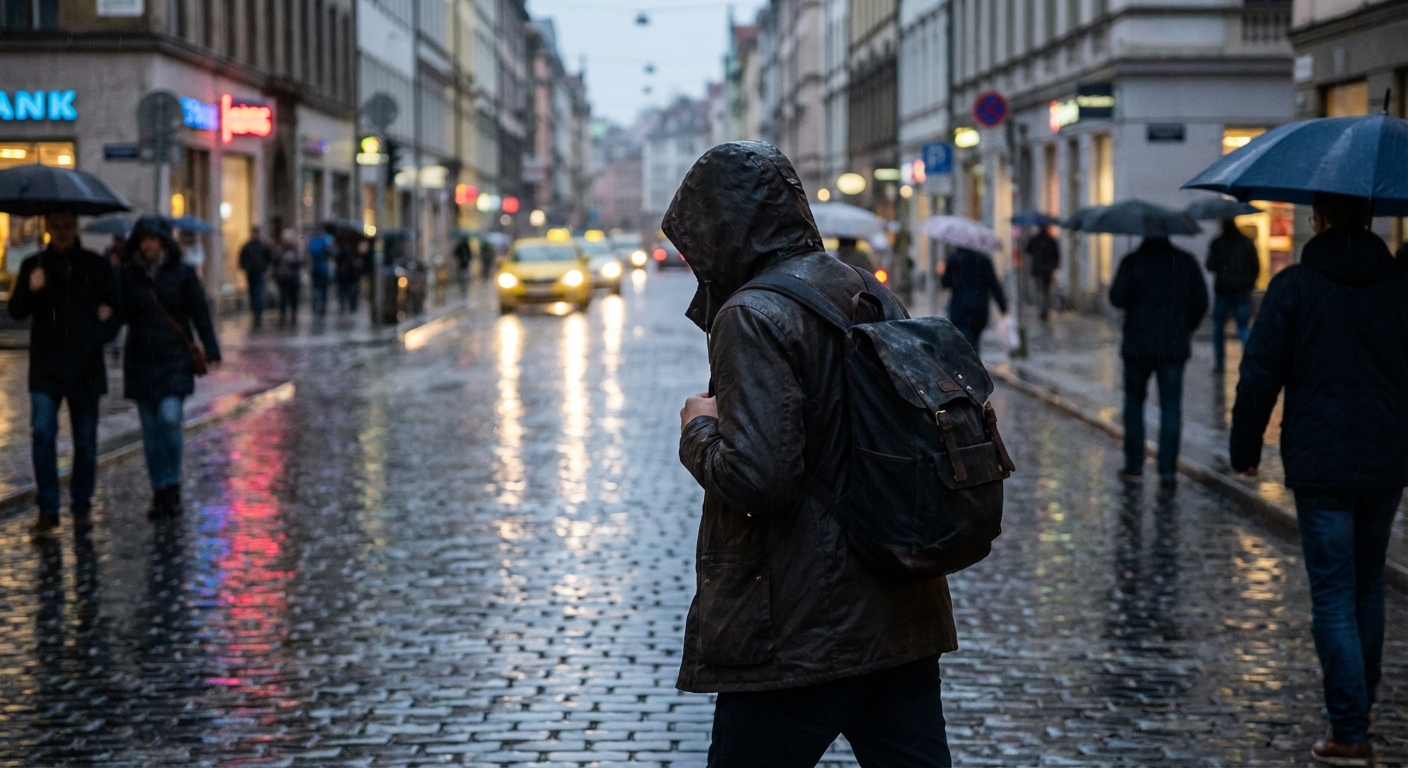
A $15 poncho can be fine for a quick dash across town. But if you travel in shoulder seasons, hike at elevation, or spend long days outside, real rain gear is worth it.
Best places to spend:
- Rain jacket with taped seams and a stated waterproof rating. As a practical rule of thumb, look for a hydrostatic head rating around 10,000 mm or higher for steady rain. If you run warm, pit zips are a huge quality-of-life upgrade.
- Pack cover or rain liner if you carry a backpack (keeping your stuff dry matters more than keeping your jacket cute).
What to skip: “Water-resistant” marketing that never mentions seam taping or a waterproof rating. If it’s basically a DWR-coated shell with unsealed seams, it may handle drizzle but it tends to wet out in sustained rain.
4) Sleep system basics (if you use them)
If your travel includes huts, hostels, overnights, or red-eye flights where you're trying to become a functional human the next day, don't cheap out on sleep.
- For outdoors: a quality sleeping pad is often a better comfort upgrade than a pricier sleeping bag. Cold ground steals heat fast.
- For hostels: a good sleep mask and earplugs are small but life-changing. If you're sensitive, upgrade to moldable silicone earplugs and a contoured mask that doesn't press on your eyelids.
5) Core electronics: power bank and charger
Budget electronics can be fine, but bargain-bin power banks are the definition of “failure point.” You're trusting them with heat, lithium batteries, and the device that holds your maps, tickets, and bank apps.
Splurge on:
- A reputable power bank from a known brand with clear capacity specs.
- A fast wall charger with multiple ports if you carry phone, headphones, and a camera.
- A durable cable with reinforced ends.
Travel reality check: Airlines limit lithium batteries. The common baseline is 100 Wh max per battery without airline approval (roughly 27,000 mAh at 3.7 V), and 100 to 160 Wh often requires approval. Spare batteries generally must go in your carry-on, not checked luggage. Always confirm your airline's policy, but don't buy a mystery-capacity brick and hope for the best.
Save: the items you can buy cheap without regret
1) Packing cubes (and most organizers)
Expensive packing cubes are nice, but budget ones can do the job for years if the stitching is decent. The main benefit is organization, not high tech performance.
What to look for: smooth zippers, simple seams, and a fabric that doesn't feel paper-thin. If you want one upgrade, choose cubes with a handle and a slightly structured shape.
2) Basic base layers and T-shirts
Merino is wonderful, but you don't need a full merino wardrobe to travel well. For city travel and mild climates, affordable synthetic or cotton blends can be totally fine.
- Save on: plain tees, sleep shorts, and “backup” layers.
- Spend selectively on: one odor-resistant top if you travel hot, move a lot, or wash clothes in sinks often.
3) Toiletry bottles and travel containers
Buy the cheap refillable bottles. Replace them when they start to smell, warp, or leak. The key is preventing spills, not owning heirloom shampoo containers.
Tip: Put liquids in a small zip bag even if the bottles claim to be leak-proof. I've never regretted double containment.
4) Laundry kit
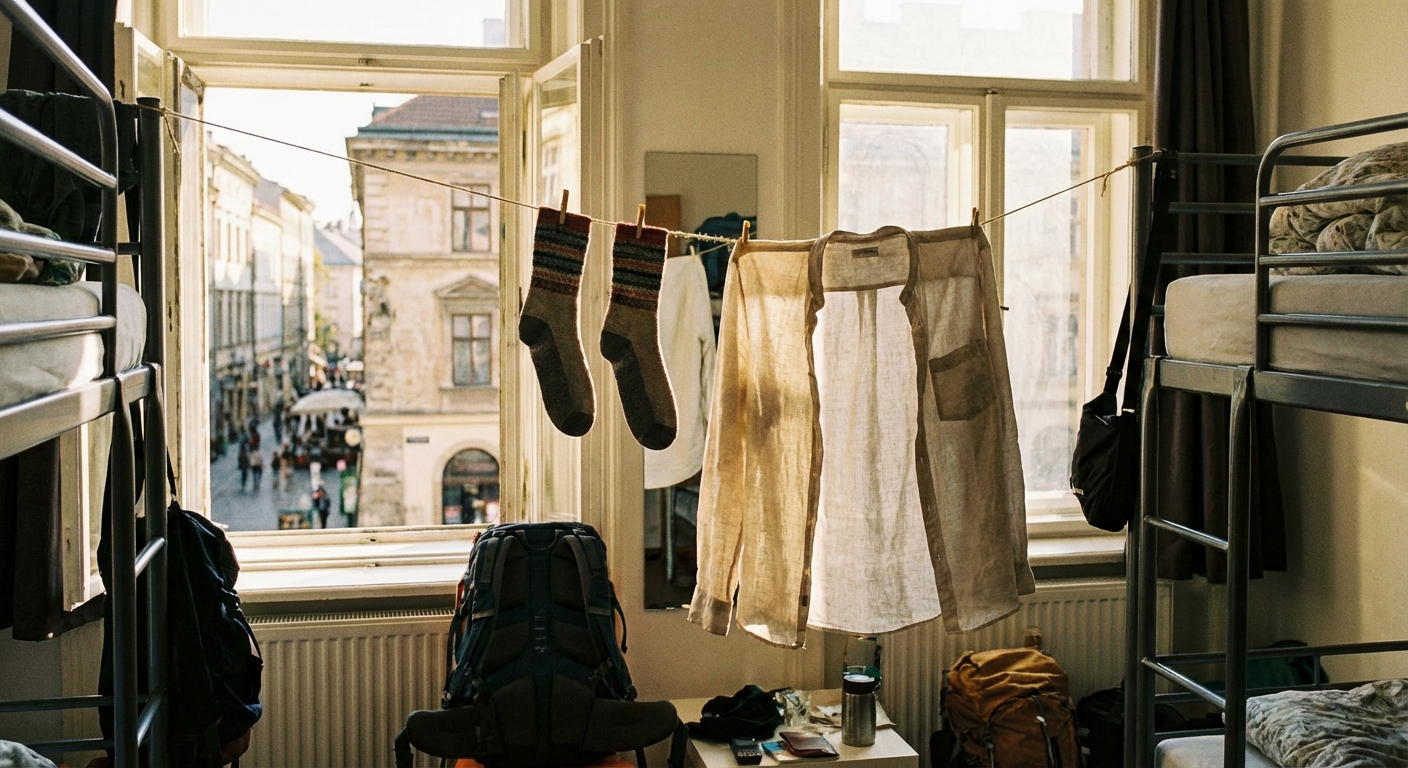
A budget clothesline, a few safety pins, and a small packet of detergent sheets can handle a lot. You don't need fancy gadgets to wash socks in a sink.
5) Small comfort items
Neck pillows, compact blankets, and “travel slippers” are deeply personal. I save here because my preferences change and I don't want to feel locked into a pricey version of something I might stop using.
Middle ground: spend a little, skip the premium
1) Daypack
Your daypack matters, but you usually don't need an expedition-grade model for museums, markets, and a short hike. Aim for a comfortable mid-range pack with decent zippers and a supportive back panel.
Worth paying for: comfort, water bottle pockets that actually hold a bottle, and a shape that sits close to your back on crowded transit.
2) Water bottle
A reliable bottle supports sustainable travel and saves money, but you don't need a luxury one. Pick something easy to clean, not too heavy, and sized for your day.
Where I spend a bit more: if it fits in a pack side pocket well and doesn't leak. Leaks are the silent trip-ruiners.
3) Travel towel
Skip the cheapest microfiber towels that feel like they're polishing your skin. You also don't need the most expensive. A mid-range quick-dry towel that packs small and dries overnight is the sweet spot.
Often-forgotten high ROI items
These don't always look exciting in a cart, but they save trips.
- Socks and underwear: A couple of genuinely good pairs (especially walking socks) can be the difference between “fine” and blister city. You don't need a drawer full, just a few that fit well and dry fast.
- Blister kit: A few blister pads, a small roll of athletic tape, and a tiny tube of antiseptic. Cheap, light, and wildly useful.
- Simple security: You don't need a slash-proof superhero backpack for most trips, but you do want smooth zippers, a bag you can keep close, and a way to secure it in transit. A small lock can be useful for hostel lockers (and to deter casual snooping), but it's not a magic force field.
How to spot quality fast (even on a budget)
When you're staring at 47 options online, here are quick signals that usually correlate with durability.
- Zippers: smooth, sturdy pulls. If the product photos hide the zippers, that's suspicious.
- Stitching: tight, even seams. Reinforcement at corners and strap anchors.
- Materials: clear fabric names and denier ratings for bags. Vague “premium fabric” language isn't helpful.
- Waterproof claims: look for taped seams and a stated waterproof rating (often shown in mm). If there's no spec, assume it's rain-resistant at best.
- Warranty: a real policy with clear terms, plus easy-to-find repair info. If a brand stands behind defects and offers repairs, it usually lasts longer.
- Weight vs durability: ultralight can be amazing, but it often costs more. If you're buying budget, a slightly heavier item can be a smarter choice.
A sample smart budget kit
If you want a simple way to allocate money, here's a framework I've used for years:
- Invest: main bag, shoes, rain jacket, power bank and charger.
- Mid-range: daypack, water bottle, travel towel, one versatile insulating layer.
- Budget: packing cubes, toiletry bottles, laundry kit, small comfort items.
That combination holds up for both a long weekend in a city and a few rugged days in the mountains, without turning your credit card into a campfire.
My final test: can you get home if it breaks?
If an item fails and you can replace it in any decent town, save your money. If failure strands you, costs a full day of your trip, or risks your health, splurge.
Travel is already unpredictable. Your gear doesn't need to add plot twists.