Camp 4 Yosemite: Reservations and Who It Fits

Maya Lin
Maya Lin is a travel journalist and outdoor enthusiast who believes the best trips combine rugged adventures with urban comforts. After spending six years backpacking across four continents, she founded Trail & Town Guide to help fellow travelers navigate both hidden mountain passes and bustling city neighborhoods with confidence.
Camp 4 is the Yosemite Valley stay I recommend when someone tells me, “I want to wake up under granite, meet other climbers, and I do not need a manicured campsite with my car parked next to the picnic table.” It is iconic, social, and wonderfully no-frills. It is also not everyone’s idea of relaxing.
If you have only heard about the Pines campgrounds, Camp 4 can feel confusing because it runs on a different system and a different set of expectations. This is the Camp 4 primer I wish I had the first time I tried to stay here, tired from a long drive, holding a bear canister like it was a golden ticket.
What Camp 4 is
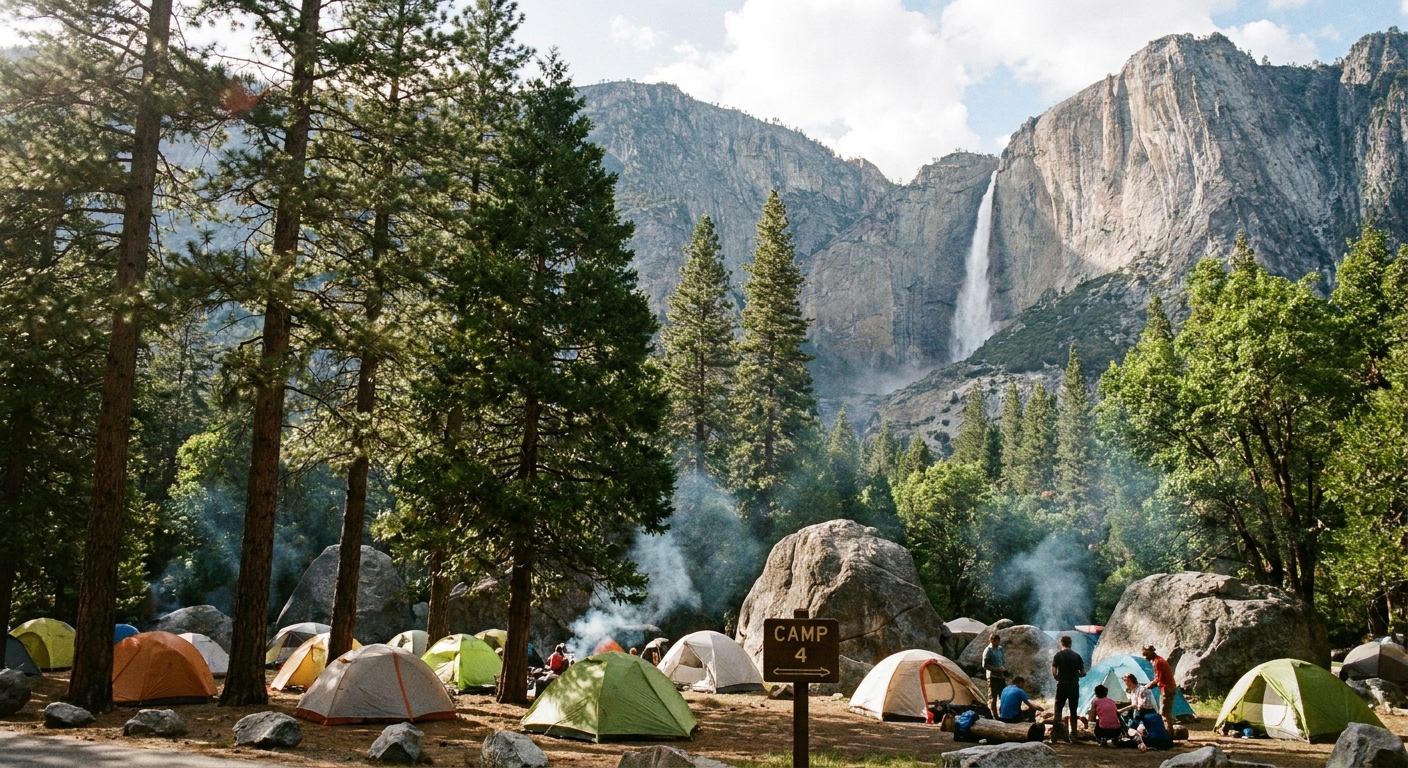
Camp 4 is a walk-to campground in Yosemite Valley with a long history tied to climbing culture. Think: communal energy, people sorting racks at picnic tables, early alarms, and conversations that start with “What are you getting on today?” and end with beta scribbled on a napkin.
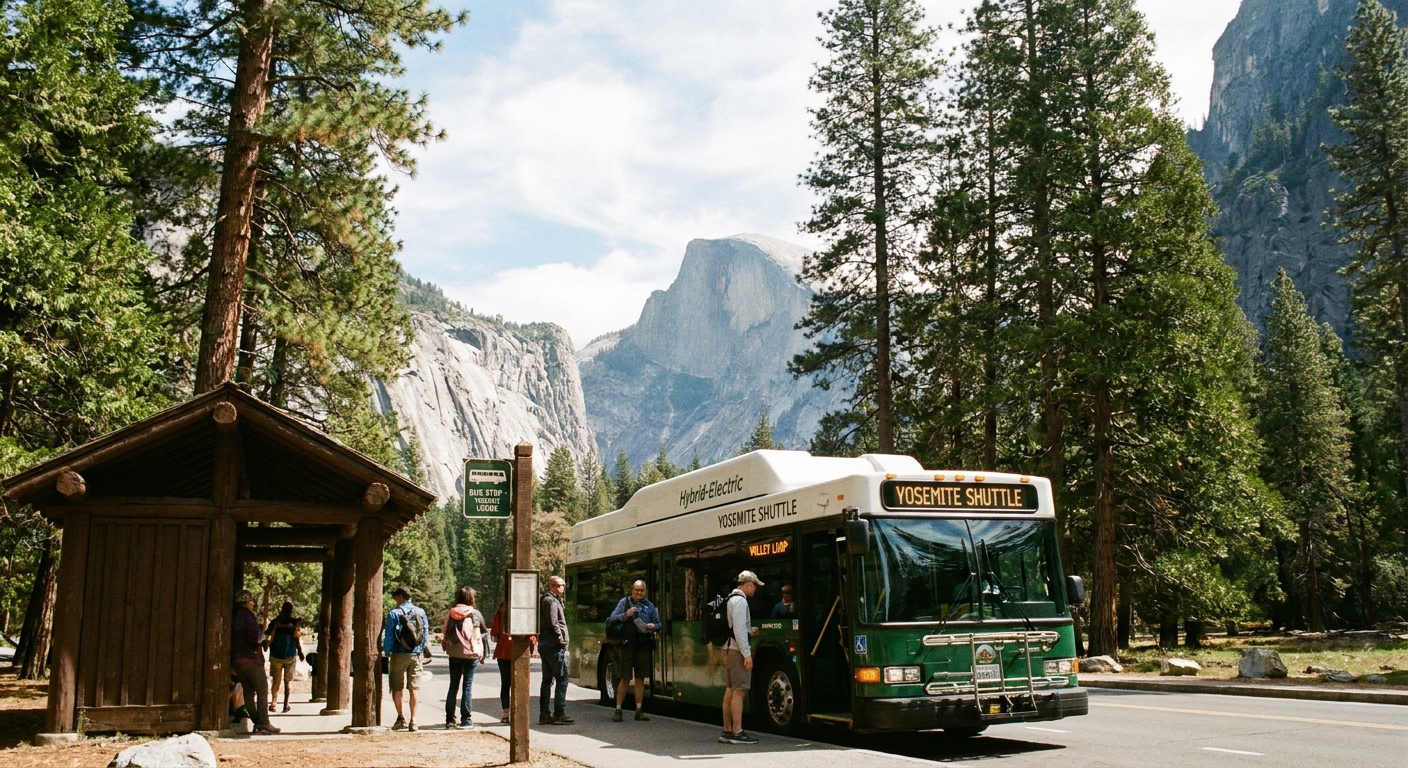
Even if you are not a climber, the location is hard to beat for Valley access. You are close to major day-use areas and the Valley shuttle route, and you get that classic Yosemite feeling of being right in the action.
If you are trying to visualize it, picture a compact camping area where multiple parties camp in the same general zone. Tents end up closer together than they would at a typical drive-in campground, and you should assume your “neighbors” are part of the deal.
Walk-to means walk-to
You park first, then carry your gear to your camping area. There is no cart service, and you should plan for a short gear haul on foot between your car and where you sleep. This is why I always pack for Camp 4 like I am flying carry-on only: fewer pieces, fewer loose bags, and a setup you can move in one trip.
How it differs from drive-in camping
- No car at your tent: You will park, lock up, and haul your stuff in.
- Shared setup is common: Camp 4 is not the “private site with your own boundaries” experience most people mean when they say car camping.
- Simple infrastructure: Functional facilities, limited personal space, and lots of people cycling through.
Reservations
Camp 4 does not operate like typical “pick a site on a map” campgrounds, and the exact reservation details can change. Before you plan your whole trip around it, check the current Camp 4 listing on Recreation.gov and read it like you mean it. Yosemite tweaks rules and seasons, and Camp 4 is the kind of place where small operational changes matter.
What you are reserving
Use the official terms from the current Recreation.gov listing, because that is what governs your stay. What matters for your planning is this: Camp 4 reservations are not the classic single-party, private campsite model. Expect a more communal setup and confirm exactly what your reservation unit includes on the listing (for example: how occupancy is counted, whether you should expect to share space, and what access you have to shared amenities like tables and bear lockers).
If you arrive expecting your own table, your own corner, and zero overlap with strangers, Camp 4 will feel like an ambush. If you arrive expecting a communal campground where everyone keeps their footprint tight, you will be fine.
Know before you go
- Booking unit and rules: Confirm the current reservation unit and the on-the-ground expectations on Recreation.gov.
- Length of stay: Verify maximum stay limits and any seasonal rules on the official listing.
- Check-in, check-out, late arrival: Confirm times and procedures on the Camp 4 listing so you know what happens if you roll in after dark.
- Occupancy and parties: Verify the current occupancy limits and how they are applied.
My approach for smoother arrivals
- Pack like you are walking in: One duffel or big backpack you can carry in a single trip beats six loose grocery bags every time.
- Aim for daylight: It is easier to find your spot, keep gear organized, and avoid that first-night chaos spiral.
- Have a backup plan: If your travel day is unpredictable, consider sleeping outside the Valley and moving in the next morning.
Parking and carrying
The most useful expectation to set is this: you do not roll up and unload next to your tent.
Parking for Camp 4 is in the Camp 4 parking area near the campground. Regulations and availability can change, so treat the posted signs and the official listing as the final word on overnight rules, time limits, and where your vehicle is allowed to be.
From there, you will walk your gear in. It is usually a short walk, but it is long enough that you will feel every unnecessary item you packed. If you are arriving solo, you will thank Past You for every ounce you did not bring.
Accessibility note
Because Camp 4 is walk-to and communal, it can be harder for anyone with mobility limitations or anyone who needs a predictable, car-adjacent setup. If that is you, confirm current accessibility details directly on the official listing and consider a drive-in campground as your default.
Food storage
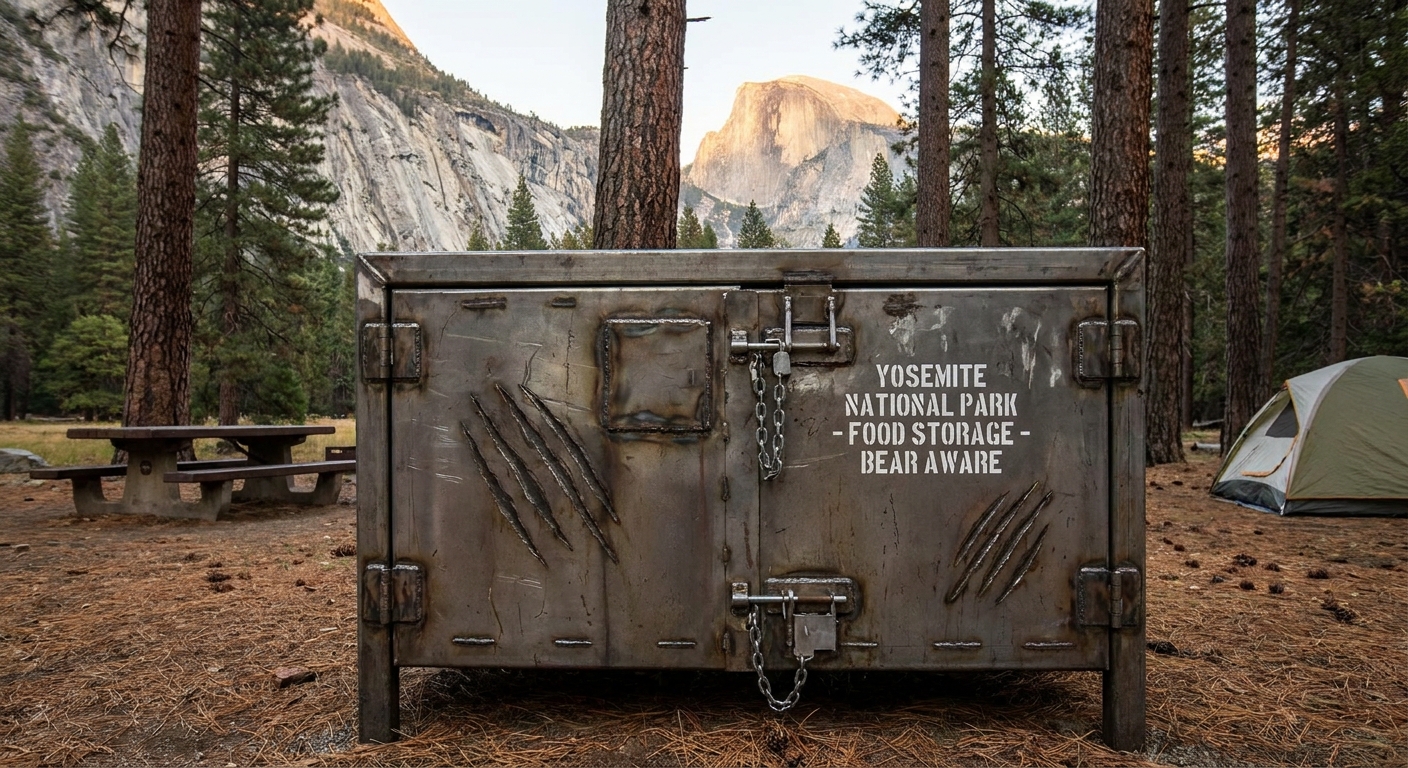
Yosemite has an active bear management program, and Camp 4 is not the place to freestyle food storage. Rangers take it seriously, and for good reason. Improper storage puts bears at risk and can wreck your trip fast.
What counts as “food”
In Yosemite, food storage rules apply to anything with an odor. That includes:
- All food and drinks (yes, even unopened items)
- Coolers
- Trash and recyclables
- Toiletries like toothpaste, deodorant, sunscreen, lip balm
- Other scented items, including some medications and anything else that smells
How to store it at Camp 4
Use the bear lockers provided and follow the posted campground rules. My default habit at Camp 4 is simple: if it is not in your hand being actively used, it goes in a locker.
Storing food or scented items in vehicles is often prohibited or unsafe in Yosemite. Bears have been known to break into cars. Always follow the current posted regulations for Camp 4 specifically, because that is what you will be held to on the ground.
Cook and eat with intention
- Keep the table clean: Wipe down surfaces and pack away crumbs.
- Never keep food in your tent: Not for a minute, not overnight, not ever.
- Make lockers easy: Put all scented items in one tote or bag so you can locker everything fast.
Facilities
Camp 4 is built to handle a lot of people, and the comfort level reflects that. In Yosemite Valley, details can change with season, maintenance, and construction, so I treat the Recreation.gov listing and posted signs as the real-time truth.
What to confirm before you go
- Restrooms: Check what is available during your season and where they are located.
- Potable water: Confirm where water is available and whether any spigots are seasonal.
- Showers: Do not assume there are showers in Camp 4. If showers matter to you, confirm your plan before you arrive.
- Campfires: Fire rules in Yosemite are seasonal and can change quickly. Confirm whether campfires are allowed in Camp 4 during your dates, and whether fire restrictions are in effect.
- Cell service: Expect it to be inconsistent and plan accordingly.
If you like having a tidy system, bring a headlamp, a small camp towel, and a way to keep your stuff contained so you are not scattering gear across shared space.
Who Camp 4 fits
Camp 4 is a fantastic choice for the right traveler. It is also a recipe for frustration if you want a private, family-style campsite experience.
Camp 4 is for you if
- You are climbing in the Valley or you want to be near climbing culture
- You do not mind sharing space and you actually like meeting people
- You are traveling solo or as a duo and can keep your footprint small
- You want to be in Yosemite Valley without paying hotel prices
- You are comfortable with simple amenities
Choose drive-in camping instead if
- You want your car at your site for easy unloading, naps, or kid logistics
- You are traveling with small children who need more predictable sleep
- You have a large group and want to control your campsite setup
- You value privacy, personal space, or a quieter atmosphere
- You prefer traditional car camping with clearly defined sites
If your ideal evening is a calm campfire dinner with your own cooler, your own table, and nobody walking through your space, Camp 4 will feel like a lively neighborhood when you wanted a cul-de-sac.
What to bring
You do not need fancy gear for Camp 4. You need streamlined gear.
- A carryable setup: Backpacking-style duffel or one large backpack, not six loose bags.
- Earplugs: Even if you are not a light sleeper, they are a solid backup.
- Headlamp: For late arrivals and early starts.
- Warm layers: Valley nights can feel chilly even when afternoons are hot.
- Food storage system: One tote or bag that makes it easy to move all scented items into the locker quickly.
- Simple footwear: Camp sandals plus something secure for walking around the Valley.
Etiquette
Camp 4 works because most people buy into the shared-space reality.
- Keep your footprint tight: Do not sprawl gear across the whole site.
- Use lockers correctly: Shut and latch them, and keep scented items out of tents.
- Be mindful of early alarms: Lots of people start moving at dawn. Prep what you can the night before.
- Ask before taking space: Need a corner of the table to sort gear? A quick “mind if I use this end?” goes a long way.
- Leave no trace: Pack out trash, pick up microtrash, and keep the site cleaner than you found it.
Alternatives
If Camp 4 does not match your travel style, you have options.
- North Pines, Upper Pines, Lower Pines: Choose these if you want drive-in camping, clearer site boundaries, and the classic “car next to tent” setup.
- Outside the Valley: If you value sleep, space, or flexibility, staying outside the Valley can be a relief. The tradeoff is a commute, possible traffic backups, and needing to think about entry timing and parking when you do drive in.
Quick FAQ
Can non-climbers stay at Camp 4?
Yes. It is not exclusive to climbers. The vibe is climbing-forward, but plenty of hikers, photographers, and budget-minded travelers stay here too.
Do you get your own campsite at Camp 4?
Do not assume you are getting a private, single-party site. Camp 4 is more communal than the drive-in campgrounds, and the exact reservation unit and what you are entitled to can change. Confirm the current details on Recreation.gov, and arrive ready to share space.
Is Camp 4 good for families?
It depends on your family. Older kids who enjoy the social aspect can do great. For toddlers, early bedtimes, and lots of gear, a drive-in campground is often easier.
Can I store food in my car?
Follow the posted Camp 4 rules. In Yosemite, bear lockers are the default for food and scented items when they are not in immediate use, and bears have been known to break into vehicles.
Is it loud?
It can be. Not party-loud in the traditional sense, but active. People come and go early for climbs and hikes. Earplugs help.
The bottom line
Camp 4 is Yosemite Valley at its most communal and classic. If you want proximity, personality, and a camp scene that feels like the trailhead and the city hostel had a very granite-forward baby, you will probably love it.
If what you really want is to park, unfold the chairs, and claim your own little rectangle of peace, choose a drive-in family campground instead and save Camp 4 for a future trip when you are craving a more social Valley experience.