Cape Town: City Break + Hikes

Maya Lin
Maya Lin is a travel journalist and outdoor enthusiast who believes the best trips combine rugged adventures with urban comforts. After spending six years backpacking across four continents, she founded Trail & Town Guide to help fellow travelers navigate both hidden mountain passes and bustling city neighborhoods with confidence.
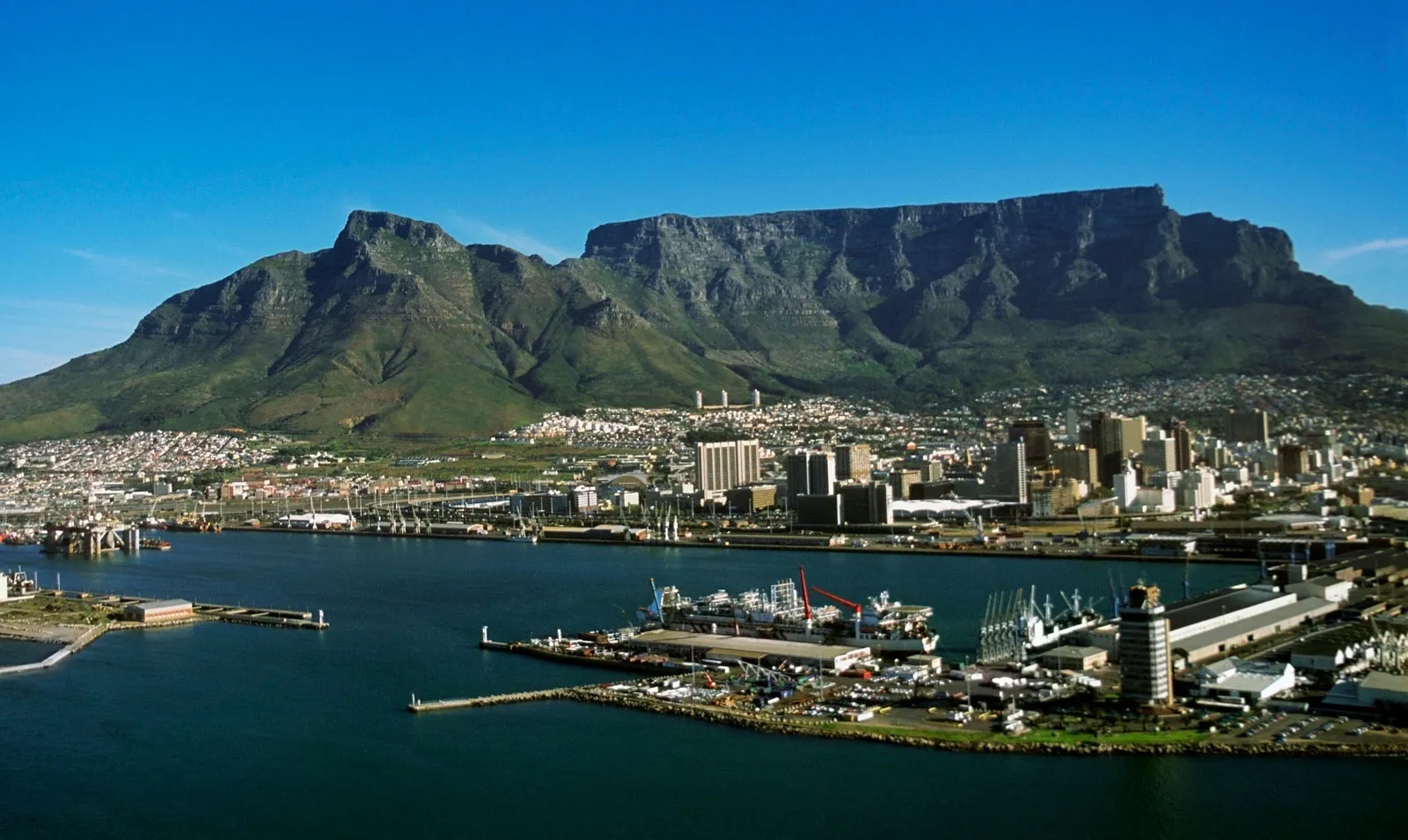
Cape Town is one of the few cities where you can sip a flat white in a design-forward café at 9 am and be on a ridgeline above the Atlantic by 11. The trick is not trying to do it all at once. Plan your hiking around the mountain’s moods, then use the city for what it does best: food, art, neighborhoods, and a little comfort that makes the early alarm feel worth it.
This guide is how I structure a Cape Town trip when I want both rugged and refined: iconic, accessible hikes like Table Mountain and Lion’s Head, plus City Bowl exploring that does not feel like an afterthought.
How to plan the city-hike split
Cape Town rewards a simple rhythm: hike early, city late. The mountain is cooler, quieter, and better-supported in the morning because there are usually more people on the trail. The city comes alive as the day warms up.
- Morning (sunrise to 11 am): Your main hike or the cableway. Pack water and a layer, then commit.
- Midday (11 am to 3 pm): Lunch, museums, markets, a beach walk, or a nap if you earned it.
- Late afternoon to evening: Neighborhood exploring and dinner. Cape Town sunsets are not subtle, so try to be somewhere with a view.
Build in flexibility. Cape Town weather can flip fast, especially on Table Mountain. The best city-break hikers keep one “swap day” in the itinerary for wind, cloud, or just tired legs.
The two headline hikes
Lion’s Head
If you only have time for one hike, do Lion’s Head. It is short, iconic, and delivers a 360-degree payoff: Table Mountain behind you, the City Bowl below, and the Atlantic stretching toward Camps Bay.
- Time: roughly 1.5 to 3 hours round trip depending on pace and summit time.
- Difficulty: moderate with a few steep, rocky sections. There are optional ladders and chains on the most direct line near the top, and conditions and signage can change. If heights are not your thing, take the easier path that avoids the exposed sections.
- Best time: sunrise for calmer trails, cooler temps, and that clean early light. Sunset is famous too, but it is busier and you must plan your descent carefully.
- Start point: the trailhead off Signal Hill Road.
My strategy: do Lion’s Head on your first clear morning. It orients you to the whole city in one climb, and it makes everything you do afterward feel more connected.
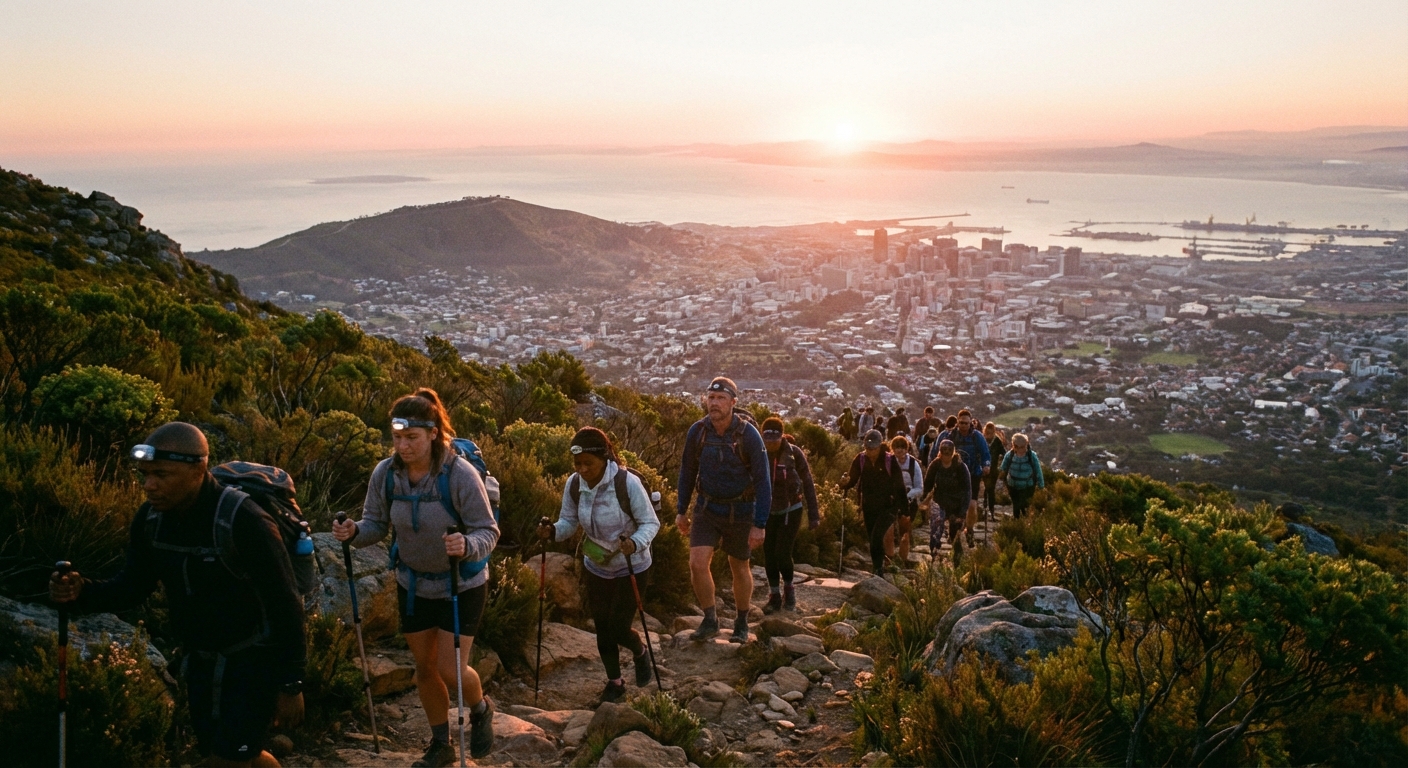
Table Mountain
Table Mountain is not one hike. It is a whole ecosystem of routes, weather patterns, and viewpoints. You have two main ways to experience it:
- Cableway up and down: perfect for a city-break day, especially if you want to combine it with museums or the Waterfront later. Still bring a layer, it can be cold and windy on top.
- Hike up (and either hike down or cable down): the full experience, best on a stable weather day when you can start early.
If you are using the Cableway, book your tickets online in advance if you can. Morning queues can be notoriously long, and pre-booking keeps your day from turning into a line-watching hobby. Also, the Cableway can close for high winds, so check the official Table Mountain Aerial Cableway site for status on the day.
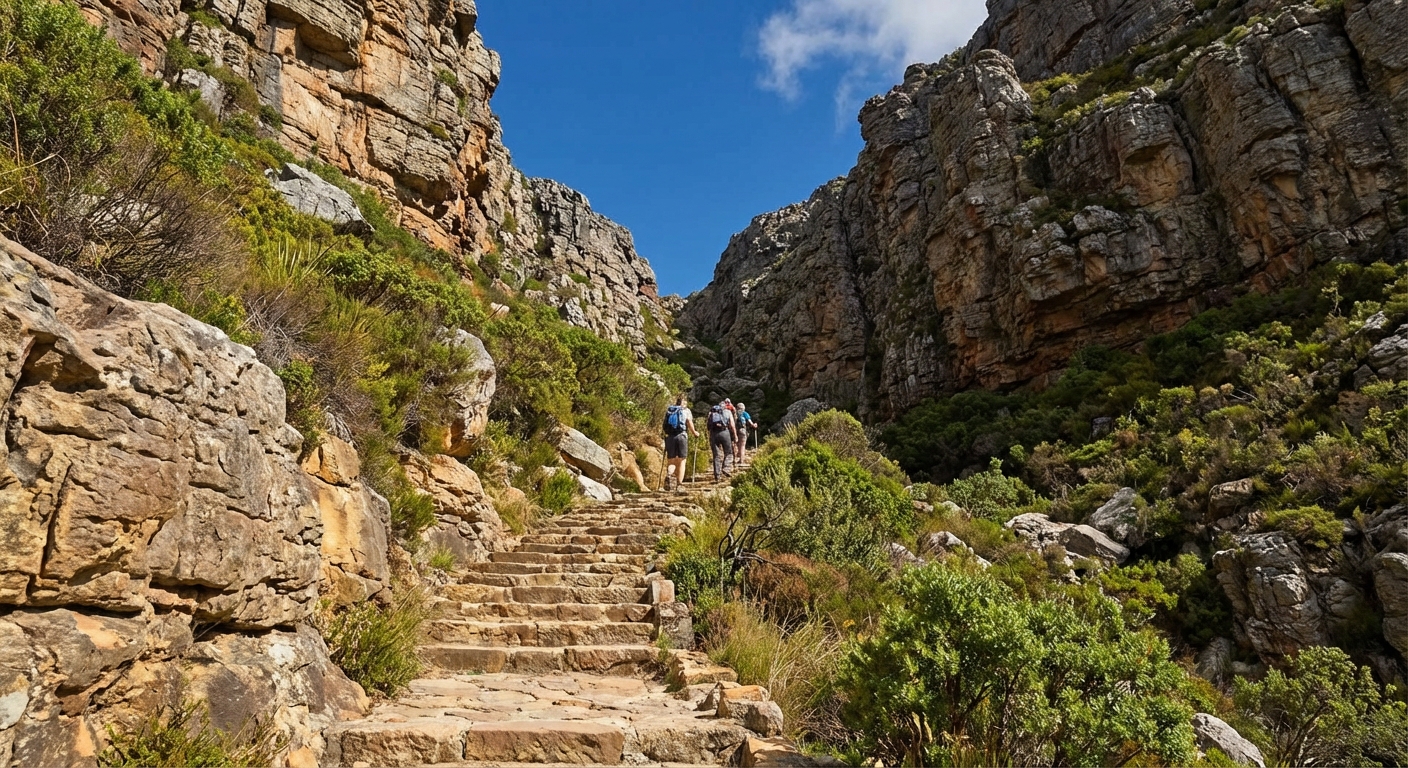
The classic walking route is Platteklip Gorge, a straightforward climb that gets you to the top efficiently. It is steep and exposed, but it is the simplest to navigate for most visitors.
- Time: roughly 2 to 3.5 hours up via Platteklip Gorge, plus time to wander the top (fitness, heat, and breaks make a big difference).
- Difficulty: moderate to challenging due to sustained uphill steps and sun exposure.
- Best time: early morning, especially in warmer months. If the “tablecloth” cloud is spilling over the edge, consider saving the summit for another day.
My strategy: if your legs feel good, hike up and take the cableway down. It gives you the satisfaction of earning the summit without turning the day into an all-day grind.
3 to 5 days: a balanced itinerary
Day 1: City Bowl + sunset
Arrive, drop your bag, and keep it light. Walk the Company’s Gardens area and nearby streets to get a feel for central Cape Town. If you want a culture anchor, this is a good day for a museum stop.
- Do: Company’s Gardens stroll, café hopping, early night if you plan a sunrise hike.
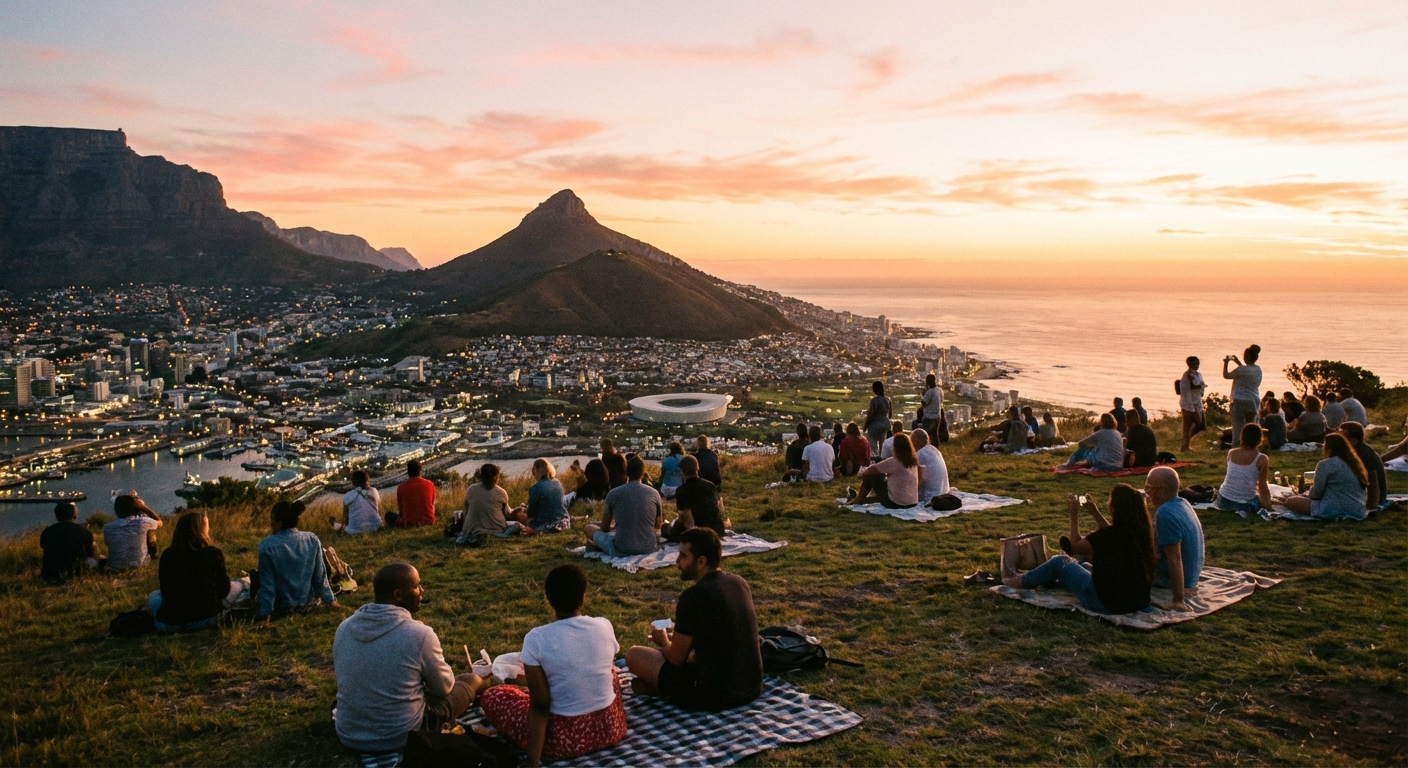
- Sunset: head up to Signal Hill for an easy, panoramic golden hour.
Day 2: Lion’s Head + food and art
Start with Lion’s Head while the city is still quiet. After, reward yourself the way Cape Town intends: brunch and a slow wander through a neighborhood with personality.
- Morning: Lion’s Head hike.
- Afternoon: explore Kloof Street and Gardens for shops, galleries, and cafés.
- Evening: book a dinner spot on Bree Street, one of the best areas for a lively, walkable night out.
Day 3: Table Mountain + Waterfront
Pick your Table Mountain plan based on conditions: cableway, hike, or a backup (more on that in a second). If the summit is clear, it is worth prioritizing.
- Morning: Table Mountain via cableway or Platteklip Gorge.
- Lunch: keep it easy and close by afterward.
- Evening: V&A Waterfront for harbor views, shopping, and a relaxed dinner.
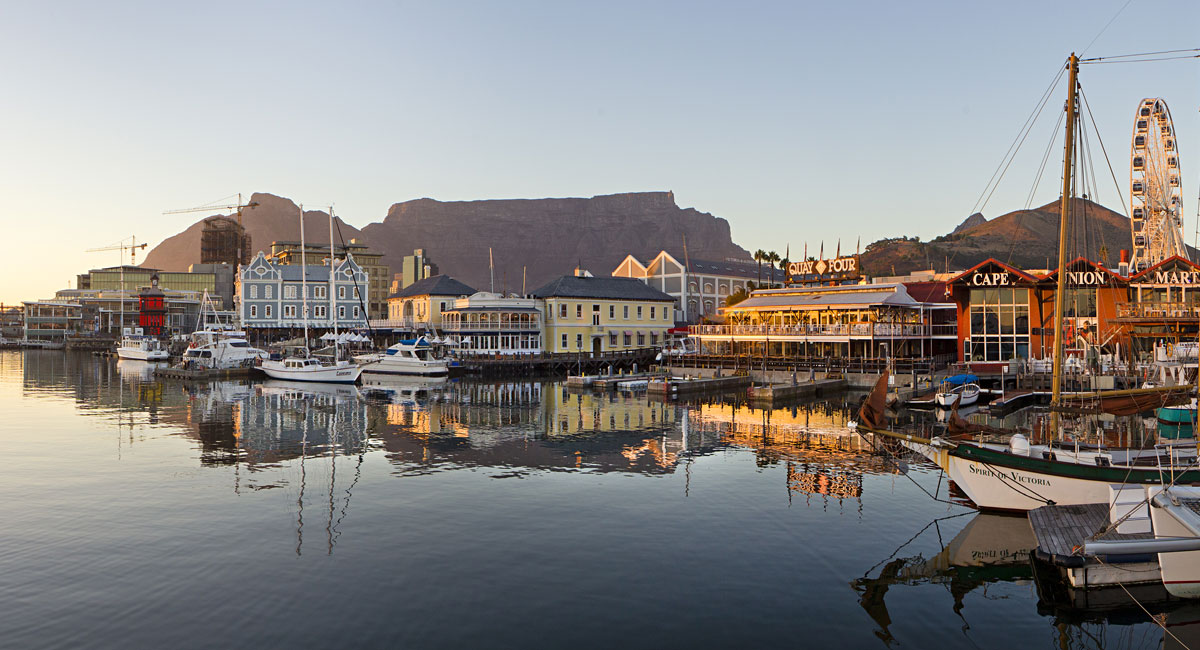
Day 4: Neighborhoods + beach
This is your “town” day. Use it to go deeper on neighborhoods and give your legs a break.
- Morning: Bo-Kaap for its steep cobbled streets and brightly painted houses. Be respectful, it is a living community, not a theme set.
- Afternoon: coastal time in Camps Bay or Clifton. Even if you do not swim, the walk is classic Cape Town.
- Optional easy hike: a shorter Signal Hill walk if you want one more viewpoint without committing to a summit.
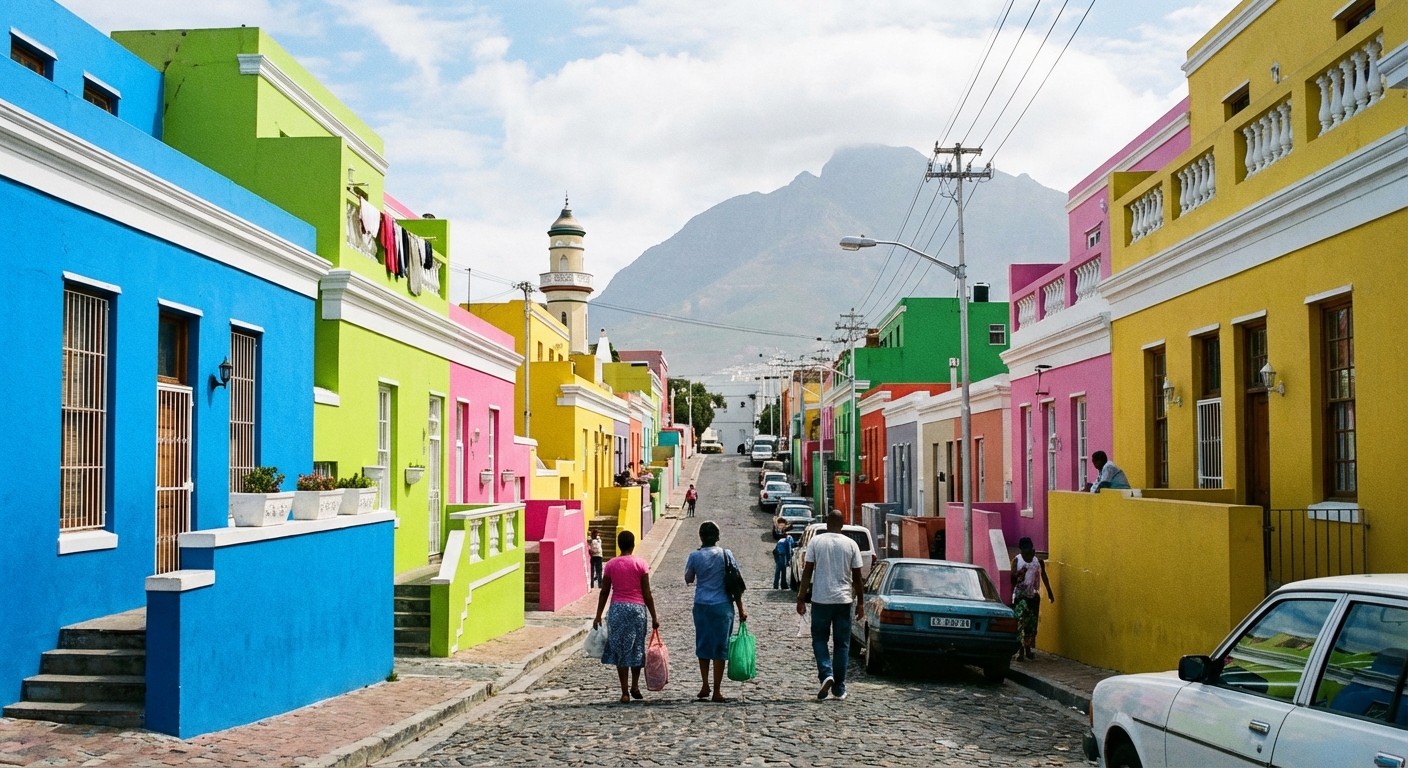
Day 5 (optional): Swap day
Keep this day flexible. If wind or cloud blocked your summit earlier, use it for Table Mountain. If you already nailed the big hikes, choose a lower-commitment outing and a long lunch.
- Backup nature: Kirstenbosch National Botanical Garden for an easy, beautiful outdoor fix that is generally less weather-dependent than the summit.
- Bonus easy trails: Pipe Track or Cecilia Forest for a lower, more sheltered walk when the top of Table Mountain is getting bullied by wind.
- City upgrade: a slow morning in a café, then an afternoon market or gallery crawl.
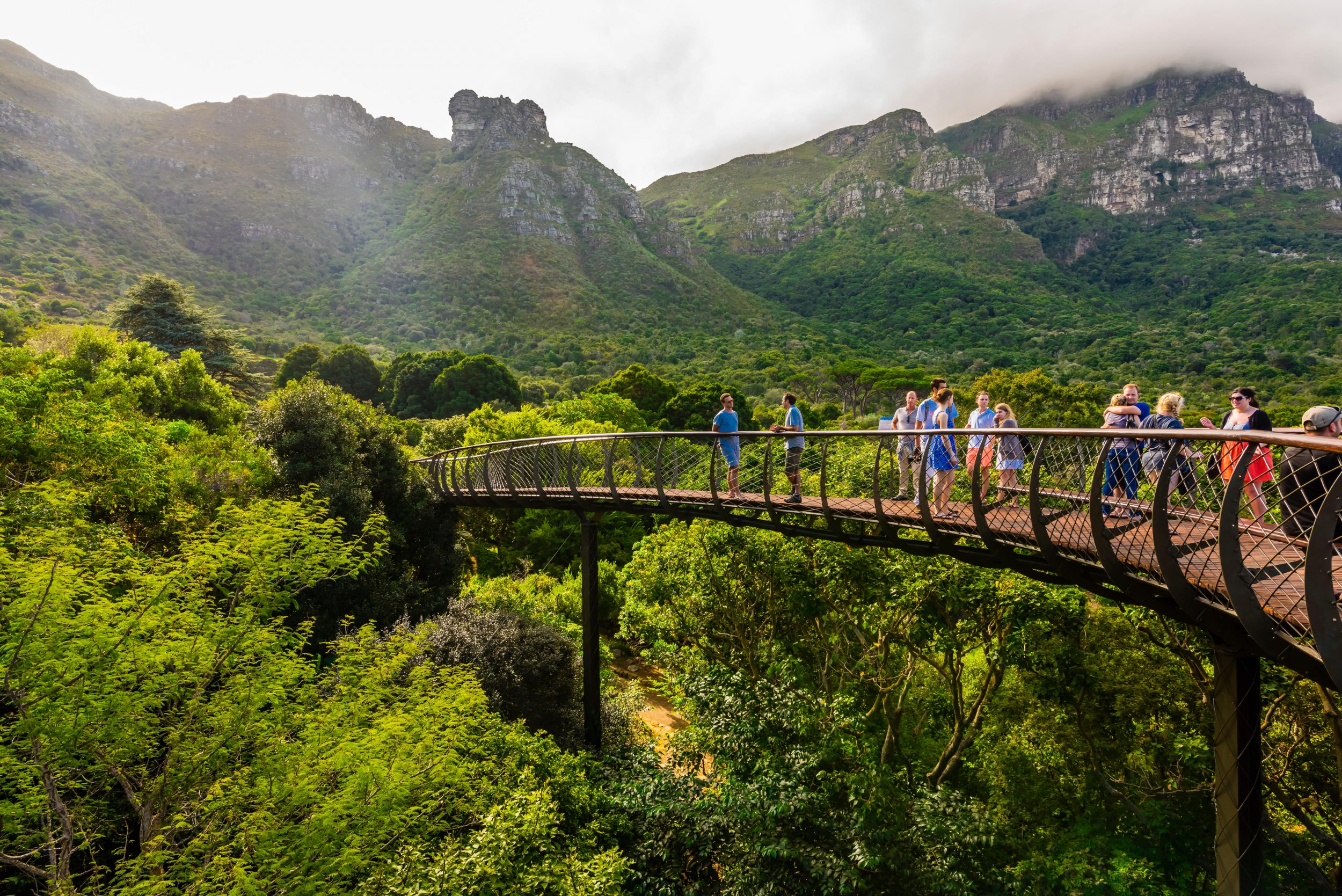
Weather and timing
Cape Town planning revolves around the mountain’s conditions. A few practical rules make everything smoother:
- Start earlier than you think. You will avoid heat, crowds, and the afternoon wind that can build fast.
- Watch for the “tablecloth.” If cloud is spilling over Table Mountain, visibility and comfort can drop quickly on top.
- Check Cableway status. High winds can shut it down, sometimes at short notice. Confirm on the official site the morning you go.
- Have a backup. If the cableway closes or the summit is socked in, pivot to Kirstenbosch, the Waterfront, museums, or neighborhood exploring. You will not waste the day.
- Pack layers. The city can feel like summer while the summit feels like a different season.
Getting around
You can do Cape Town without a car, but you will need a plan.
- Uber: the primary ride-hailing option tourists use in Cape Town, and generally the easiest way to get to trailheads and between neighborhoods, especially at night.
- MyCiTi buses: safe, cheap, and effective for key links like the City Bowl, the Waterfront, and Camps Bay.
- Guided hikes: a great option if you want local route knowledge and extra peace of mind, particularly for Table Mountain routes beyond the basics.
- Walking: great in dense areas like parts of the City Bowl, the Sea Point promenade, and around the Waterfront, but be mindful of where you are headed and at what time.
If you do rent a car, avoid leaving valuables in it at trailheads. Keep it boring and empty.
Safety and respect
Cape Town is warm and welcoming, and it also asks travelers to be switched on. A few habits go a long way.
On the trails
- Go early and avoid hiking solo when you can. Popular routes like Lion’s Head are best in the morning when there are plenty of other hikers.
- Bring more water than you think you need. Sun exposure adds up fast.
- Tell someone your plan. Even if it is just a quick message to your hotel or a friend.
- Stick to well-known routes. If you want a quieter trail, consider going with a guide.
In the city
- Do not stroll between neighborhoods at night. Even if it looks close on a map, take an Uber from Kloof Street to your hotel and call it a smart decision, not a defeat.
- Use the same city smarts you would anywhere. Keep your phone secure, do not flash valuables, and trust your gut if a street feels off.
- Support local. Choose locally owned cafés, markets, and tour operators when you can, and be mindful about water and waste.
Packing list
This is my minimalist kit that covers both summit mornings and city nights without overpacking.
- Lightweight daypack
- Refillable water bottle (or hydration bladder)
- Sun protection: hat, sunscreen, sunglasses
- Light rain shell or windbreaker
- Warm layer for the summit
- Grippy walking shoes or light hikers
- Small first-aid basics and blister care
- Portable charger for long days out
- One nicer outfit for dinner, still comfortable
If you are hiking at sunrise or sunset, add a headlamp. Your phone flashlight is a backup, not a plan.
Where to stay
Your base matters. The goal is to be close to good food and easy transport, while staying within a comfortable, walkable bubble.
- Gardens and Kloof Street area: great for cafés, quick access to hikes, and a relaxed vibe.
- Sea Point: ideal if you want a promenade walk, ocean air, and lots of casual dining.
- V&A Waterfront: convenient and polished, especially if you value ease and organized transport options.
Wherever you stay, ask your accommodation for current, neighborhood-specific advice on walking routes and timing. Local context changes, and good hosts will keep you updated.
Easy add-ons
Cape Point
If you can spare a day, the drive (or tour) along the Peninsula is a highlight: coastal scenery, short walks, and viewpoints that feel like the edge of the map.
Wine country
Stellenbosch and Franschhoek are a comfortable contrast to summit mornings. Think slow lunches, cellar doors, and a well-earned reset.
Wrap-up
The Cape Town sweet spot is simple: one big hike day, one iconic short hike, and plenty of city wandering in between. Keep your mornings for mountains, your afternoons for neighborhoods, and your schedule loose enough to respect the weather.
Do that, and you get the version of Cape Town that feels like it was designed for both trail people and town people. Because, honestly, it was.