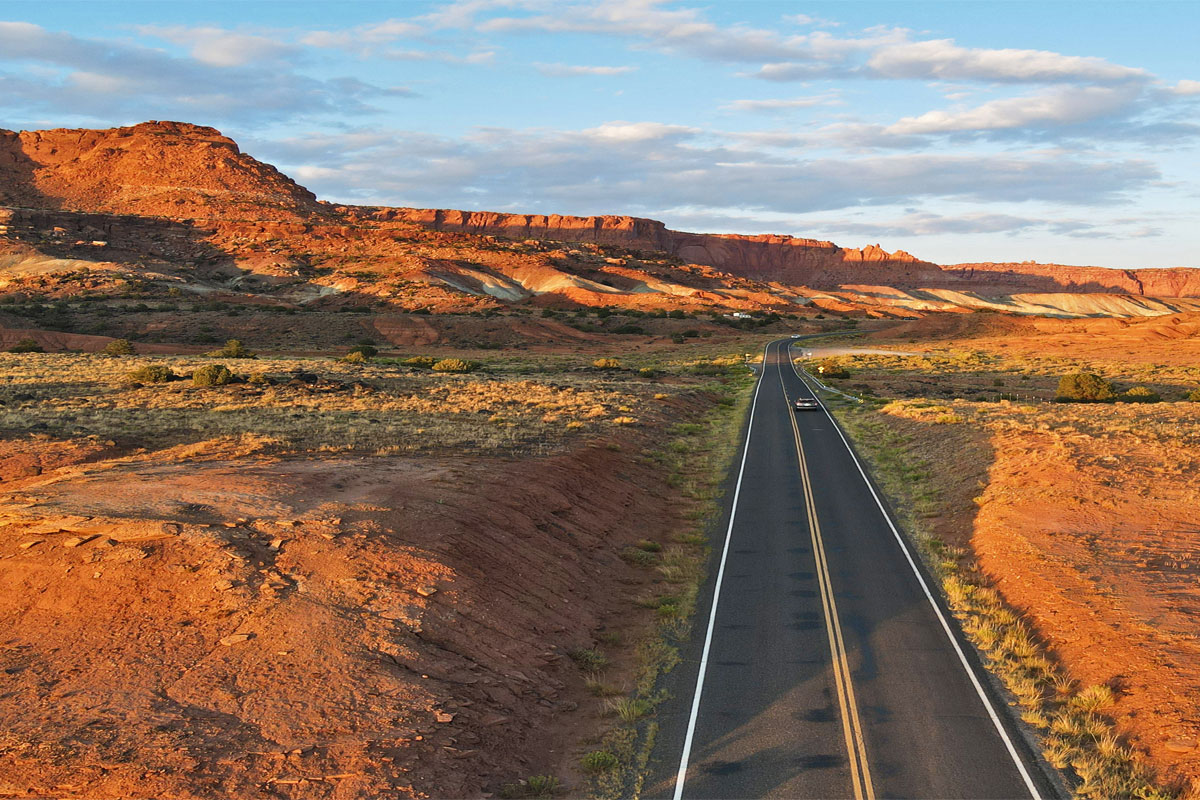
Capitol Reef and Goblin Valley in One Day
If you want the red rock wow factor and the weird little hoodoo wonderland in one day, Capitol Reef National Park + Goblin Valley State Park is doable, but only if you treat it like a drive day with two highlight stops, not two full park days crammed together.
This itinerary is built for the Torrey and Hanksville area and focuses on what matters most: realistic drive legs, the minimum stops that still feel like you did Capitol Reef, and how to time Goblin Valley so you are not baking on the sand at 3 pm.

Quick reality check
- Best for: people who like scenic driving, short walks, and high payoff viewpoints.
- Not ideal for: anyone trying to add a long Capitol Reef hike (Navajo Knobs, Chimney Rock full loop, etc.) on the same day.
- Key constraint: there are long stretches with limited services. You need to plan fuel and water, not “figure it out later.”
My rule for this combo: pick one short Capitol Reef walk, then save your wandering energy for Goblin Valley where the fun is roaming off-trail among hoodoos.
Fees and passes
- Capitol Reef: generally free to enter (always double check current NPS fee status before you go).
- Goblin Valley: this is a Utah State Park and it has its own day-use entrance fee. Your America the Beautiful National Parks pass does not cover it.
Best order: Capitol Reef first, Goblin Valley second
Do Capitol Reef in the morning, then drive to Goblin Valley for late afternoon or near-sunset light (or at least later-day shadows). Here is why:
- Capitol Reef is linear. The Fruita corridor and Scenic Drive flow better early, especially on weekends when lots fill.
- Goblin Valley is exposed. Heat and reflection off sand and rock feel brutal midday. Later in the day is often more comfortable, especially spring through fall.
- Navigation is simpler. Ending at Goblin Valley puts you closer to Hanksville and the I-70 corridors if you are continuing a Utah road trip.
The only time I flip the order is if you are staying in Hanksville and want Goblin Valley at sunrise for cool temps and fewer people, then Capitol Reef later.
Drive times (realistic legs)
These are typical drive times in good weather with normal photo stops. Add time if you are towing, driving an RV, or traveling on a holiday weekend. I am also calling out what each time is actually measuring, because labels like “end of Scenic Drive” can get confusing fast.
From Torrey (most common base)
- Torrey to Fruita (Visitor Center area): 10 to 15 minutes
- Fruita to end of paved Scenic Drive (Capitol Reef): about 25 to 35 minutes one way, not counting long stops
- End of Scenic Drive to Capitol Gorge trailhead (the spur road): about 5 to 10 minutes one way (varies, and can be rough or impassable after storms)
- Fruita to Goblin Valley State Park (main valley parking): about 1 hour 35 minutes to 2 hours via UT-24 toward Hanksville, then UT- goblin junction roads
- Goblin Valley to Hanksville: about 35 to 45 minutes
From Hanksville (easy for Goblin Valley)
- Hanksville to Goblin Valley State Park: about 35 to 45 minutes
- Hanksville to Fruita (Capitol Reef): about 55 to 70 minutes
Important: there is no gas in Goblin Valley State Park. Treat Torrey, Loa, and Hanksville as your main fuel options, but remember small-town hours can be limited. Do not rely on arriving late and finding an after-hours pump.
The one-day loop itinerary (Torrey start)
This is the version I recommend most often because it gives Capitol Reef the calm morning light, then lets Goblin Valley be the playful grand finale.
7:30 to 10:00 am: Fruita quick wins (plus the pie stop)
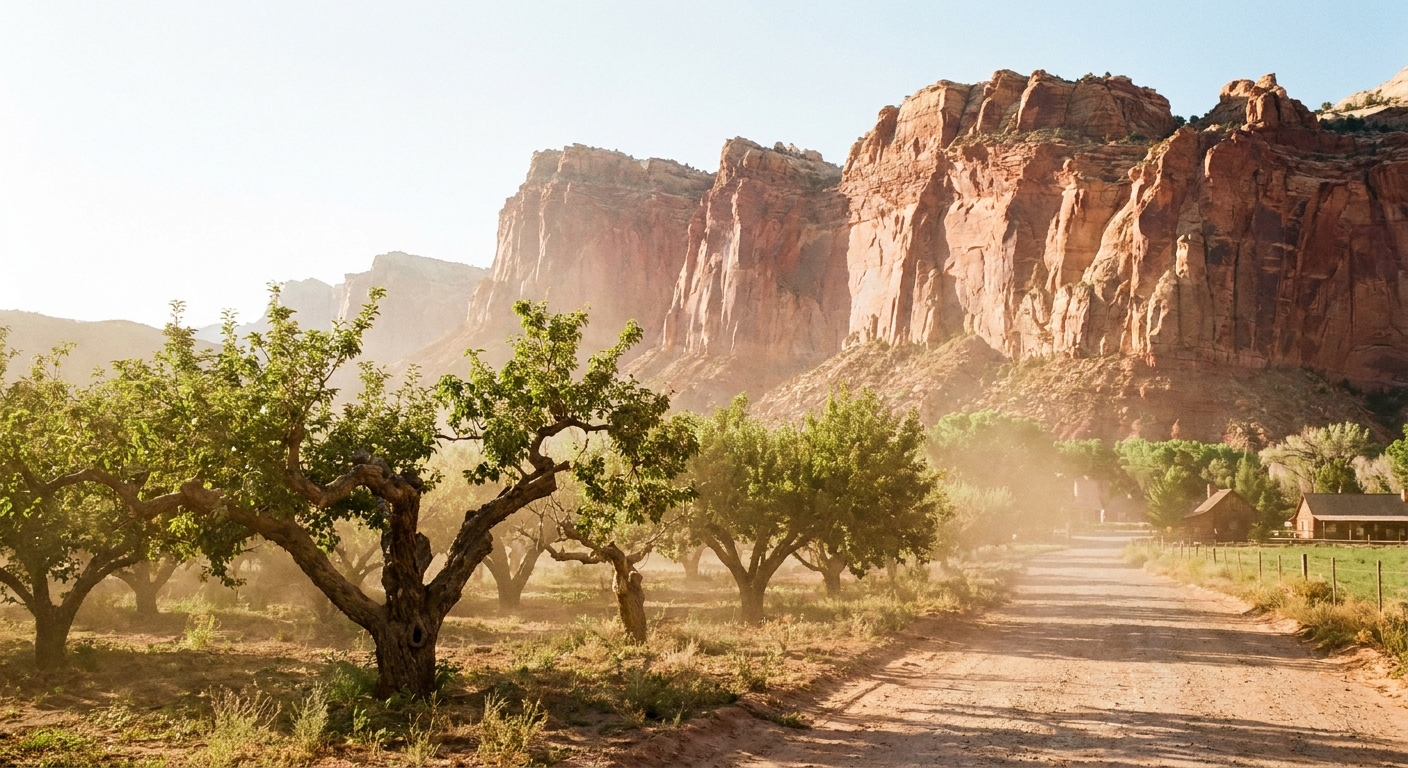
Park near the Capitol Reef Visitor Center and do a quick orientation. Then focus on the Fruita corridor, which is where Capitol Reef feels surprisingly lush and human-scaled.
- Fruita Historic District drive-through: orchards, barns, cliffs towering right behind.
- Gifford Homestead: if it is open, this is the iconic move. Grab a fresh pie (or at least check what is available) and treat it like your morning reward.
- Quick photo stops: pullouts along UT-24 in the Fruita area are easy wins with minimal time.
10:00 am to 11:30 am: Scenic Drive + your one Capitol Reef walk
Drive the Capitol Reef Scenic Drive for the big rock layers and viewpoints. This is where people accidentally lose half the day. Keep it tight, then do one short walk before you commit to the drive to Goblin Valley.
Pick one
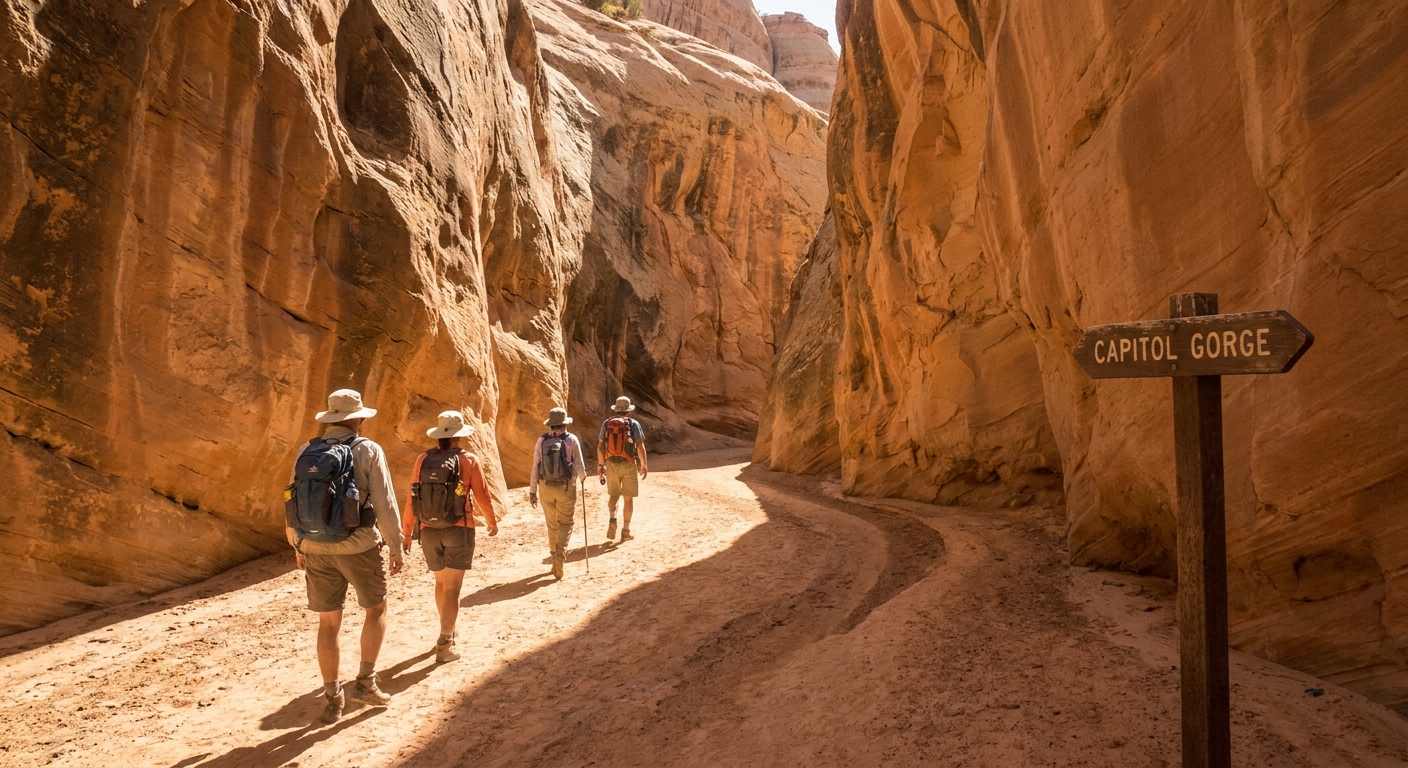
- Capitol Gorge: mostly flat, canyon walls, high payoff. Great “I saw a slot-like canyon” option. Note: the road to the trailhead is a short spur past the end of the Scenic Drive and can be rough or washed after storms.
- Hickman Bridge: moderate, popular, and the parking can fill. Do this if you want one classic hike and can handle a bit more elevation.
If you are doing this as a true combo day, I usually choose Capitol Gorge because it is less of a sweat-fest in warm months and pairs well with the roaming you will do later at Goblin Valley.
11:30 am to 1:30 pm: Drive to Goblin Valley (plan lunch first)
The drive from Capitol Reef to Goblin Valley is pretty, open, and deceptively service-light. Decide on lunch before you leave Fruita or Torrey.
Food options that actually work
- Pack a picnic: easiest and most reliable. Eat it at a scenic pullout or at Goblin Valley picnic areas.
- Torrey: best density of food and coffee before you commit to the drive.
- Hanksville: limited but useful, especially if you want a late lunch after Goblin Valley.
Water plan: in warm weather, I like to have at least 2 to 3 liters per person for a day like this, especially if you will be wandering among hoodoos with little shade.
1:30 to 4:30 pm: Goblin Valley wandering time
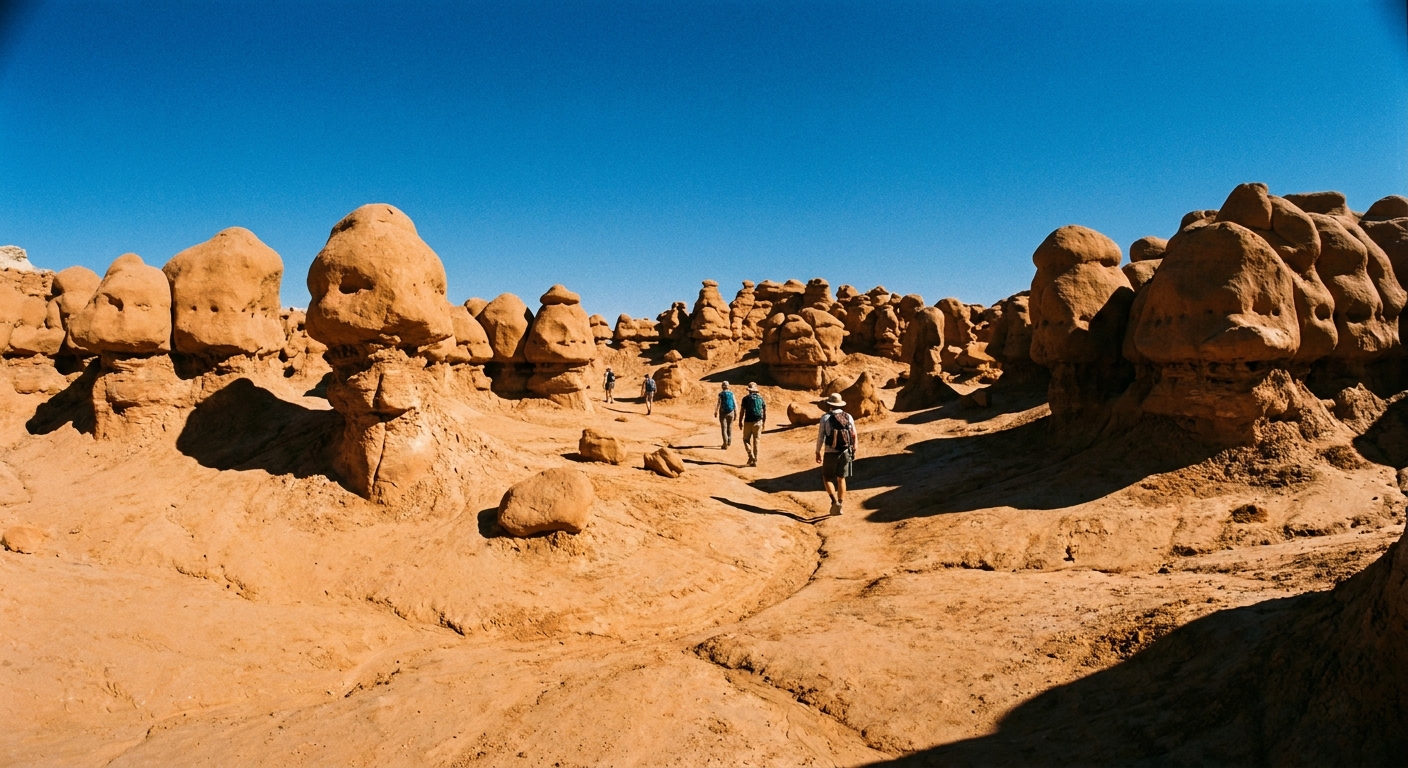
Goblin Valley is not about checking off a trail. It is about letting your inner kid roam. The “Valley of Goblins” is a broad basin full of mushroomy hoodoos and sandstone lumps that look like a sculptor got whimsical.
How to do it without overthinking
- Start at the main valley viewpoint and head down into the hoodoos.
- Set a turnaround alarm on your phone if you lose track of time. It happens fast here.
- Watch for weather. If storms threaten, avoid narrow drainages and be cautious with slickrock.
Terrain note
- Expect uneven footing. You will be walking on sand, rock, and small ledges with lots of little up and downs.
- Strollers and wheels are tough here. If you need smoother access, stick closer to viewpoints and developed areas.
Optional add-on: Little Wild Horse Canyon
If you have extra time and the forecast is clear, Little Wild Horse Canyon is the famous nearby slot. It can be incredible, but it is also the easiest way to turn a good one-day combo into an overstuffed, exhausting day.
Quick context: Little Wild Horse is on BLM land in the San Rafael Swell, and flash-flood risk can exist even if it is not raining at the trailhead.
Only add it if
- There is no rain in the forecast anywhere in the broader drainage region.
- You have at least 3 to 4 extra hours and enough daylight.
- You are comfortable turning around early if crowds or heat are intense.
Skip it if
- It is summer afternoon (heat plus monsoon risk).
- You are already behind schedule leaving Capitol Reef.
- You are traveling with anyone who hates tight spaces or scrambling.
Seasonal heat and timing strategy
Late spring to early fall
- Start early. Do Capitol Reef first so your “required” walking happens before the hottest part of the day.
- Make Goblin Valley more of a late-day stop. Shadows bring out the shapes and it feels less like an oven.
- Carry electrolytes. Goblin Valley’s wandering is sneaky exertion.
Winter and shoulder seasons
- Shorter daylight is your main constraint. Keep Capitol Reef stops minimal and avoid late starts.
- Road conditions can change after storms. Check for updates and be conservative with any dirt road ambitions.
If it is over 95°F, your best “hack” is not being tougher. It is doing less in Capitol Reef and giving Goblin Valley the cooler hours.
Fuel, food, and bathroom gaps
- Gas: fill up in Torrey or Hanksville. Do not assume you will find a convenient station mid-loop, and do not assume it will be open late.
- Cell service: expect spotty coverage. Download maps offline.
- Bathrooms: reliable in Capitol Reef’s developed Fruita area and at Goblin Valley State Park, but do not count on frequent roadside options between them.
Also, if you are doing this in a rental car, keep an eye on the fuel gauge earlier than you think you need to. Utah distances are honest, and the scenery distracts you.
End-of-day options
Decide this before you start, because it changes your “how late can we wander” math at Goblin Valley.
- Option 1: Overnight in Hanksville (easy finish, short drive after the state park).
- Option 2: Continue to I-70 (Green River area) if you are moving on with a road trip.
- Option 3: Return to Torrey (doable, but it adds a longer, darker drive after you are already tired).
Two alternate versions
Option A: Minimum Capitol Reef (best for heat)
- Fruita drive-through + quick viewpoint stops
- Scenic Drive highlights
- Capitol Gorge or another short pullout walk
- Longer afternoon in Goblin Valley
Option B: One real hike (best for cooler months)
- Hickman Bridge in the morning
- Scenic Drive highlights
- Shorter Goblin Valley wander, timed for late-day light
What to skip
Here is the honest list of things that sound reasonable on paper and usually make the day worse:
- Trying to do Cathedral Valley plus Goblin Valley. Save Cathedral Valley for a dedicated day.
- Adding a second major hike in Capitol Reef.
- Driving back and forth between Torrey and Hanksville multiple times. Commit to a loop.
- Starting after 10 am in summer. You will end up touring the parks during the hottest hours.
Sample timeline
- 7:30 am arrive Fruita area
- 7:30 to 10:00 am Fruita quick wins + Gifford Homestead pie stop (if open)
- 10:00 to 11:30 am Scenic Drive + one short walk
- 11:30 to 1:30 pm drive toward Goblin Valley (lunch packed or quick stop)
- 1:30 to 4:30 pm Goblin Valley wandering
- 4:30 to 5:15 pm drive to Hanksville (or continue toward I-70)
If you can swing it, I love ending with a simple dinner in Hanksville and an early night. This is a deceptively full day, even without big mileage.
Leave-no-trace notes
- Stay on durable surfaces where possible, especially around cryptobiotic soil in the desert.
- Be gentle with formations. Goblin Valley’s hoodoos and fins are fragile. Follow posted rules and avoid climbing where it is prohibited or clearly damaging.
- Pack out everything, including fruit peels and snack scraps.
Capitol Reef and Goblin Valley are both places where the landscape looks tough, but the ecosystem is surprisingly delicate. Treat it like a museum with no walls.
Planning checklist (fast)
- National Parks pass (if you have one) plus separate Goblin Valley entrance fee
- Full tank of gas in Torrey or Hanksville
- 2 to 3 liters of water per person (more in heat)
- Offline maps downloaded
- Sun protection that you will actually wear
- Simple lunch and salty snacks
- Headlamp if you might linger near sunset