Cathedral Lakes Overnight Permit: Yosemite Wilderness Rules

Maya Lin
Maya Lin is a travel journalist and outdoor enthusiast who believes the best trips combine rugged adventures with urban comforts. After spending six years backpacking across four continents, she founded Trail & Town Guide to help fellow travelers navigate both hidden mountain passes and bustling city neighborhoods with confidence.
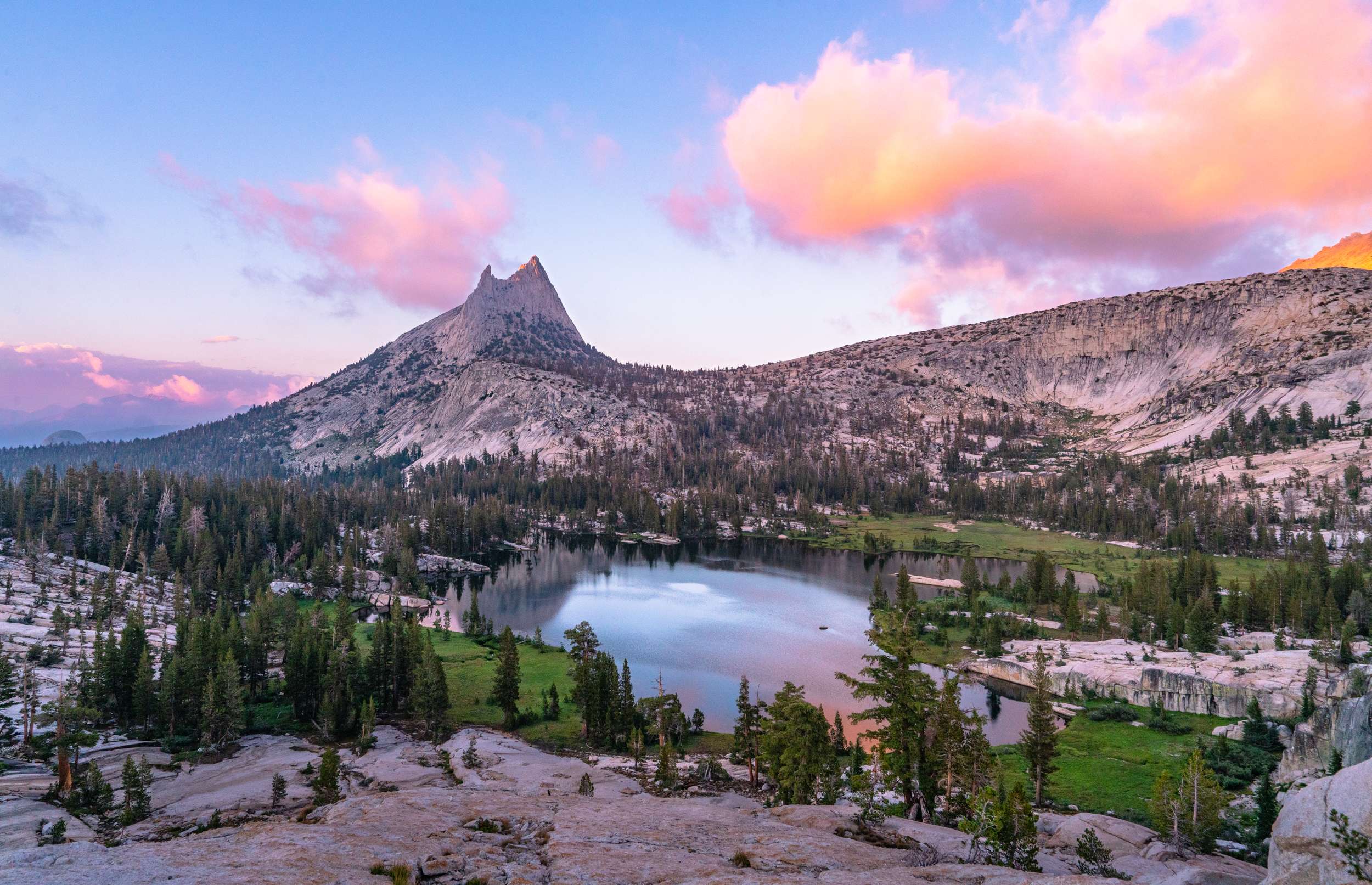
Cathedral Lakes is one of those Yosemite hikes that feels like you cheated the system: a trailhead right off Tioga Road, a climb that is honest but not soul-crushing, and then two alpine lakes sitting under Cathedral Peak like they have been staged by a cinematographer. The catch is simple. If you want to sleep out there, you need the right Yosemite wilderness permit, and the Cathedral Lakes trailhead is quota-managed.
This is the permit I use when I want a night in the high country without committing to a full-on multi-day epic. Below is exactly how the overnight permit works, what to reserve (and where), how issuance and pickup typically work, and the bear-canister rules that are non-negotiable in Yosemite.
First, the quick clarification
- Day hiking to Cathedral Lakes does not use the overnight wilderness permit. You can day hike from the Cathedral Lakes trailhead without a wilderness permit.
- Overnight trips starting from the Cathedral Lakes trailhead do require a wilderness permit with that trailhead listed as your entry point.
- Half Dome cables permits are a separate system and a separate application. Having a wilderness permit for Cathedral Lakes does not automatically allow you to hike the Half Dome cables.
Logistics snapshot
This is a permit article, but your permit plan lives or dies on a few practical realities.
- Distance and climb: Most people treat Cathedral Lakes as a half-day to full-day hike one-way with a steady climb. The exact mileage and elevation gain depend on whether you stop at Lower Cathedral Lake, continue to Upper Cathedral Lake, or push farther into the high country.
- Season: You only access this trailhead easily when Tioga Road (Highway 120 through the park) is open. That timing changes every year with snow and road work.
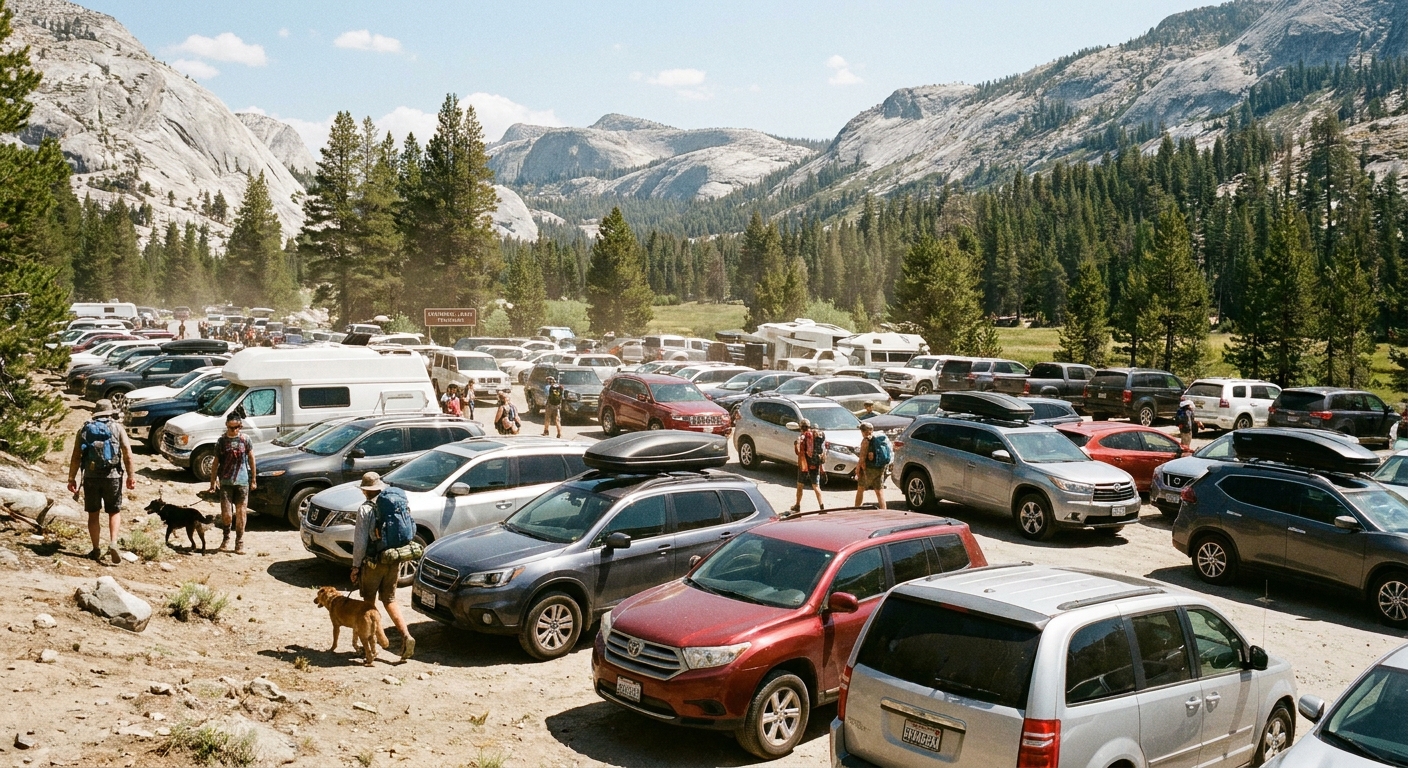
- Parking: Cathedral Lakes trailhead parking can fill early in peak summer. If you are trying to start late, have a backup plan and budget extra time for safe parking.
What the Cathedral Lakes wilderness permit covers
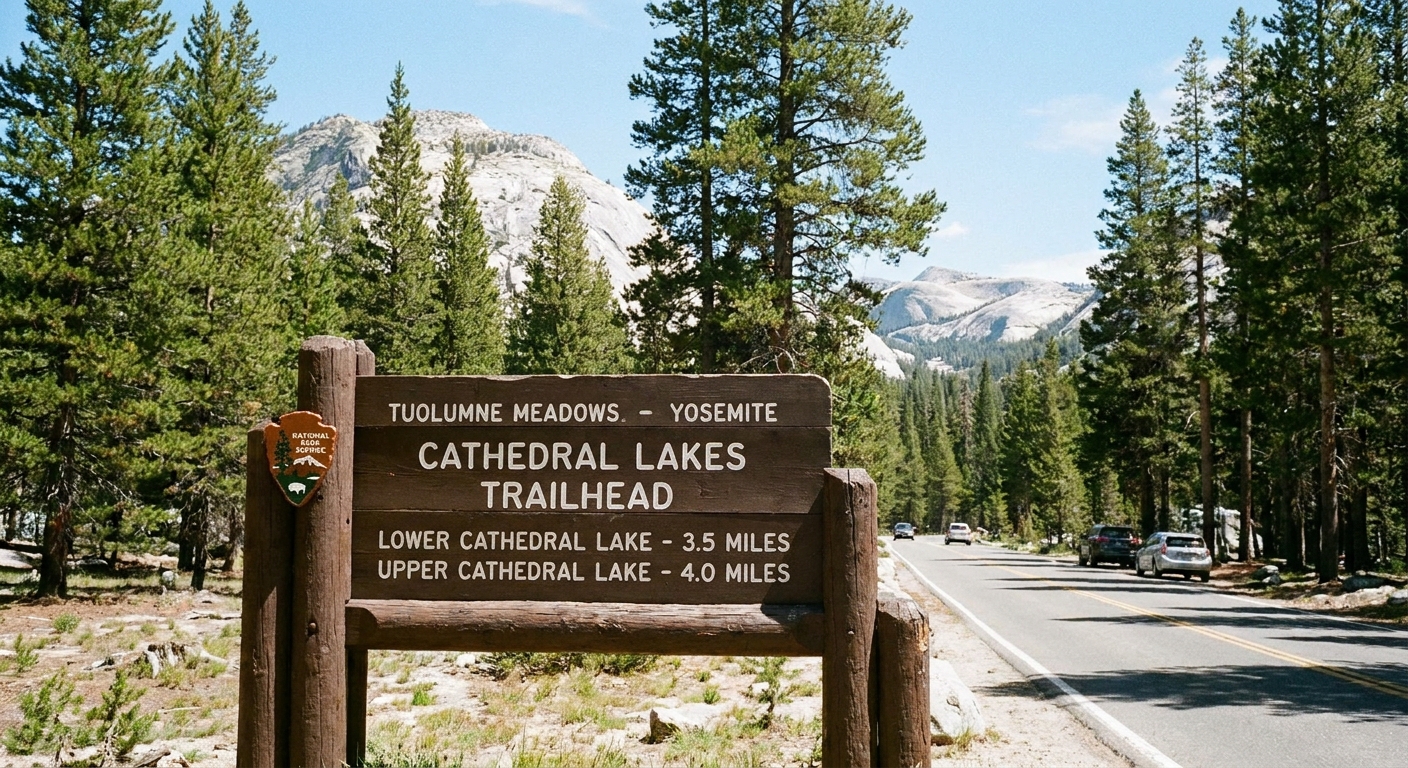
Yosemite wilderness permits are built around two key ideas: where you enter the wilderness and when you enter. For Cathedral Lakes, that means your permit is tied to the Cathedral Lakes trailhead (near Tuolumne Meadows along Tioga Road).
Your permit authorizes you to spend nights in Yosemite Wilderness and to travel within wilderness regulations after your entry. It is not a campsite reservation and it is not a guarantee of a specific lakeside spot. You are choosing an entry trailhead and then camping in legal areas according to the rules.
Reserve it: where and when
For most travelers, the starting point is Recreation.gov, which is where Yosemite typically manages wilderness permit reservations. The details can change year to year, so I treat this as the evergreen rule: use Recreation.gov, and cross-check the current rules on the official Yosemite National Park wilderness permit page before you commit to dates.
Trailhead naming tip
In the system, trailheads can be listed with slightly different labels (for example, variations that reference the John Muir Trail). The safe move is to match the official trailhead name shown in the permit system and confirm it is the Cathedral Lakes entry you intend, not just a nearby Tuolumne trailhead.
Release timing (keep this flexible)
- Apply as soon as your dates become available. Yosemite permit release windows have shifted over time. Check Recreation.gov for the current release schedule for your entry date.
- Your entry date is the date the quota applies. If you start hiking on Saturday, you need a permit for Saturday, even if you camp Saturday night and hike out Sunday.
- Have a backup entry date and a backup trailhead. Cathedral Lakes is popular for a reason. If you are trying for a weekend in July or August, flexibility makes the difference between an alpine sunset and a plan B burrito in Lee Vining.
If you miss the reservable quota, Yosemite often has some form of short-notice availability (for example, unclaimed reservations being released). The exact mechanism and timing can change, so confirm the current approach on the Yosemite wilderness permit page for your trip year.
How to get the permit
For Cathedral Lakes, the critical piece is selecting the correct entry trailhead. Everything else flows from that. Your permit is about where you start and when you start, then you camp legally once you are out there.
My practical approach
- Decide your first night area. Most people aim for the Cathedral Lakes area, but I plan with the rules in mind: camp well away from the shore and away from the main trail, on durable surfaces.
- Build a buffer into your schedule. Afternoon thunderstorms in the high country are real, and so are Tioga Road traffic delays on summer weekends.
- Keep your group size realistic. Larger groups are harder to fit into limited quotas and are harder to camp responsibly near fragile alpine terrain.
Permit issuance and pickup
This is the part that deserves a reality check every single season. Yosemite’s process has changed over time. Depending on the year and operational setup, permits may be issued digitally, require in-person pickup, or use a hybrid approach. Do not assume last year’s process is this year’s process.
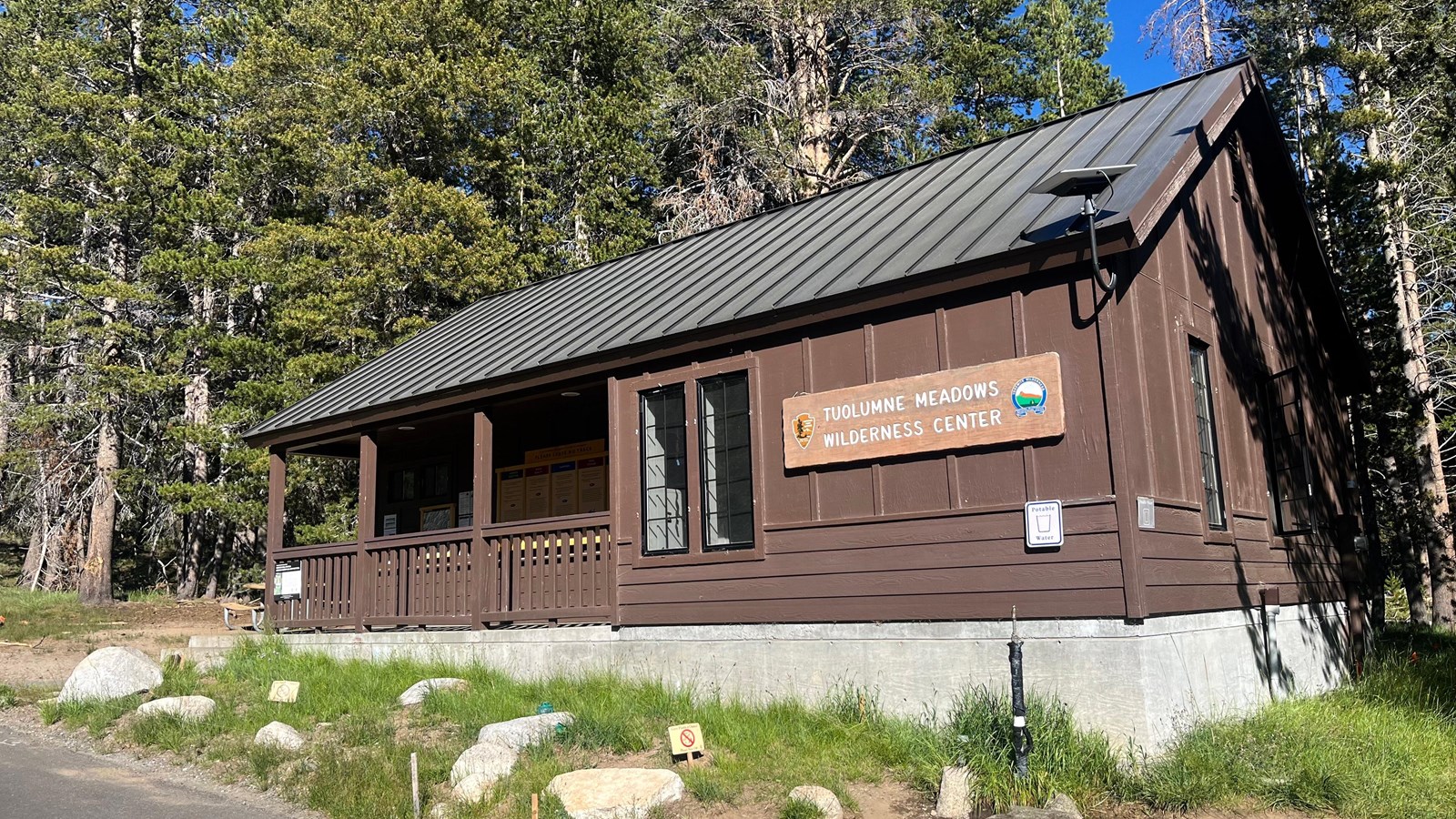
For Cathedral Lakes, the most common in-park pickup area has traditionally been Tuolumne Meadows when facilities are operating, but when Tuolumne services are reduced or closed, Yosemite may route permit holders to alternate stations or procedures.
What I do so I do not get burned
- Read the permit confirmation carefully and follow the current instructions for issuance, pickup, and timing.
- Confirm the cutoff time. Yosemite may release no-show permits after a stated deadline. That deadline can change, so I treat it as a trip-critical detail.
- Bring ID and your confirmation details. Cell service is unreliable up there. I screenshot everything before I leave a signal zone.
Bear canisters
If you are camping overnight in Yosemite wilderness, plan on a bear-resistant food storage requirement. Yosemite bears are smart, persistent, and very used to people mistakes. A proper system protects bears and keeps your trip from becoming an expensive disaster.
The basic rule
Use an approved bear canister for all food and scented items, and store it correctly. That includes:
- Food and snacks
- Trash and food wrappers
- Toiletries like toothpaste, deodorant, sunscreen, lip balm
- Anything scented that could attract wildlife
Even if you see people trying to wedge their canister behind a rock right next to camp, do not copy that behavior. Store it away from your sleeping area and cooking area, on flat ground where it cannot roll into a lake or down a slope.
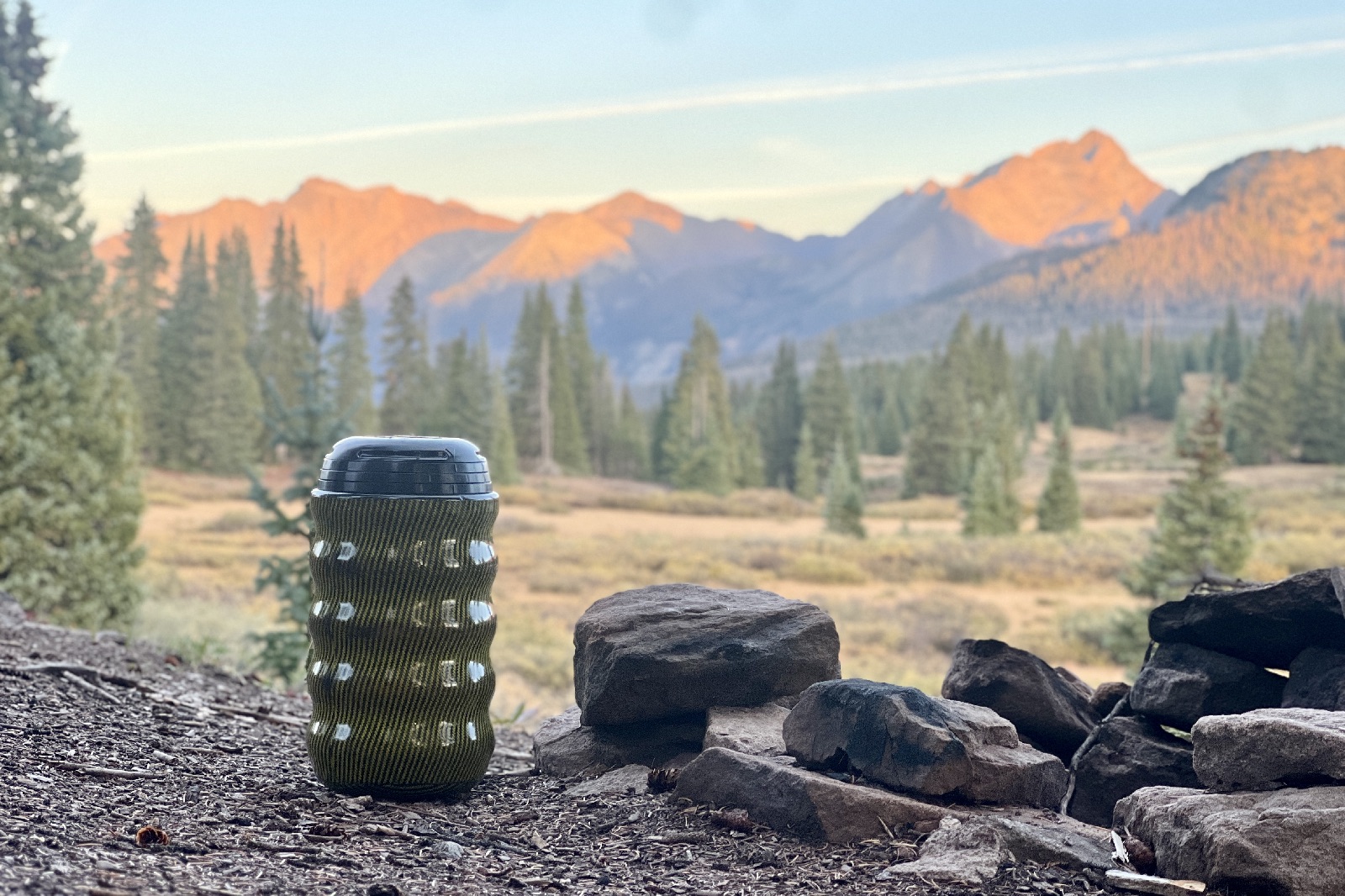
Can you rent a bear canister?
Often, yes. Yosemite has historically rented bear canisters at wilderness centers and similar facilities during the season, but rental locations and availability can vary by year. If your trip hinges on a rental, confirm the current setup before you drive up Tioga Road, or bring your own approved model.
Camping rules people miss
The lakes are stunning and also sensitive. The most common overnight permit mistake I see is people assuming they can camp right on the shoreline like it is a developed campground. Yosemite wilderness camping has rules designed to protect water sources, vegetation, and the overall experience.
- Camp away from water and away from the trail. Yosemite has specific setback requirements, and they are enforced. Instead of guessing, I recommend verifying the current distance numbers for your season on the official Yosemite wilderness regulations page and then treating that as your minimum, not your target.
- Choose durable surfaces. Granite and established durable sites are better than trampling meadow edges.
- Expect fire restrictions. In the high country, campfires are often restricted by elevation, location, and seasonal fire conditions. Plan on a stove and confirm the current rules before you go.
- Pack out everything. This includes micro-trash like corner bits of bar wrappers and tea bag tags.
Trailhead food and car safety
A quick but important note: even if you are doing everything right in the backcountry, you can still wreck your trip at the trailhead. Yosemite is serious about keeping bears from getting human food.
- Store food properly in your vehicle while you are parked. Follow Yosemite’s current food storage rules for cars and trailheads.
- Do not leave scented items visible (coolers, snacks, toiletries). If a bear breaks into your car, you lose more than a window.
Day hike vs overnight
If you are coming from a day-hike mindset, here is the decision point I use.
- Choose a day hike if you want a straightforward morning-to-afternoon outing, you are short on gear, or you are building in time for Tuolumne Meadows stops and a post-hike meal.
- Choose an overnight if you want sunset and sunrise light, quieter shores after day hikers leave, or you want to continue deeper into the high country beyond the lakes.
Either way, the scenery delivers. The overnight permit simply changes the logistics and raises the responsibility level.
Half Dome permit note
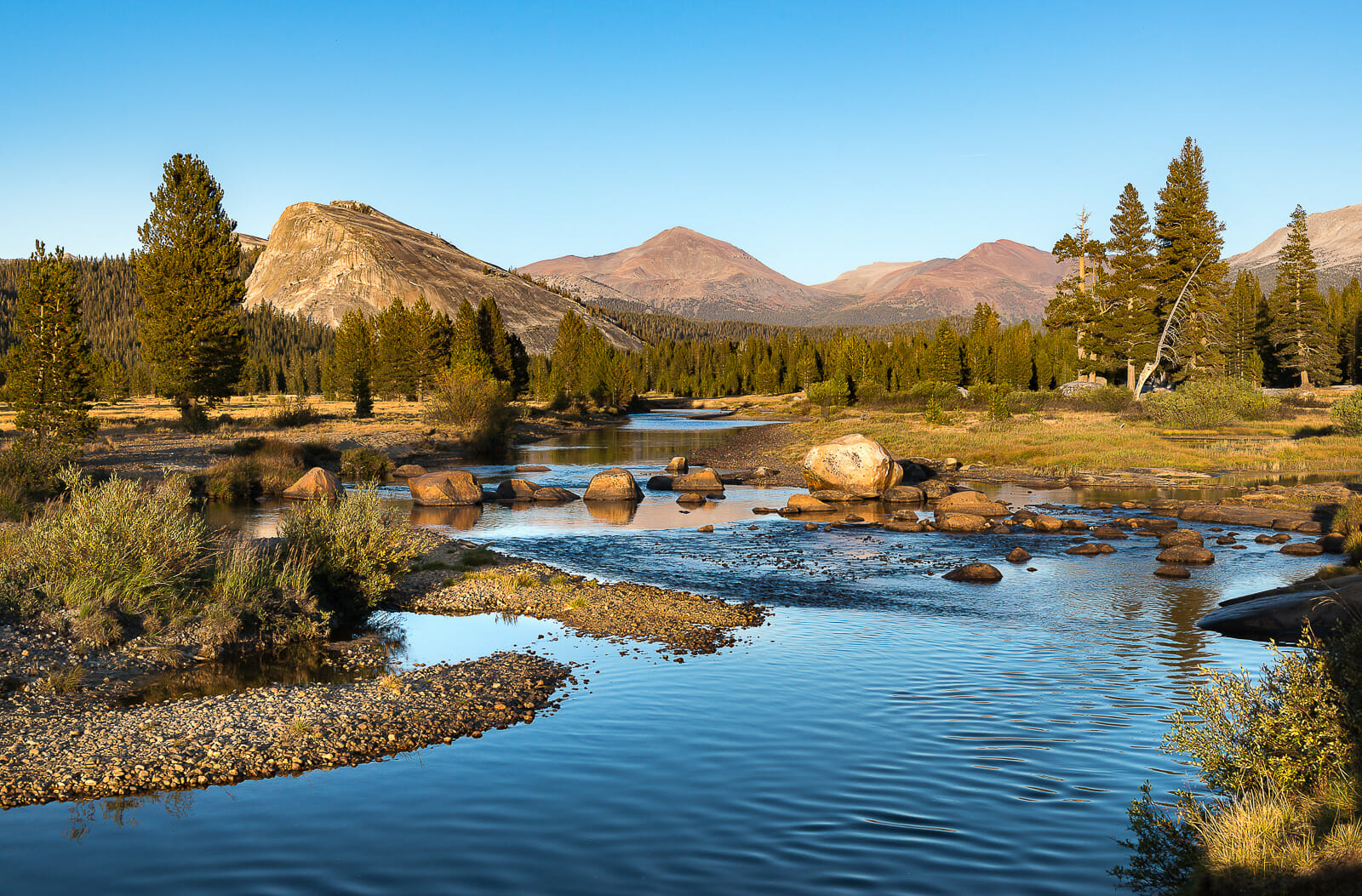
This is worth repeating because it trips people up every season: the Half Dome cables permit is handled through a separate lottery and permit system. A Cathedral Lakes wilderness permit does not grant access to the Half Dome cables.
If Half Dome is on your dream list, plan the cables permit as its own task and build your itinerary around whatever you successfully obtain.
My pre-departure checklist
- Wilderness permit confirmed with Cathedral Lakes as entry trailhead and correct entry date
- Reservation details checked on Recreation.gov and cross-checked against Yosemite’s current wilderness permit page
- Issuance and pickup plan confirmed, including location, hours, and any cutoff time
- Approved bear canister secured (rented or personal)
- Weather checked for Tuolumne Meadows and the high country
- Offline maps downloaded since cell service is spotty
- Stove packed and current fire restrictions verified
- Leave No Trace plan: camp away from water and trail, pack out all trash, keep groups low-impact
FAQ
Do I need a permit to hike to Cathedral Lakes for the day?
No. A day hike to Cathedral Lakes does not use the overnight wilderness permit.
Where do I reserve a Cathedral Lakes wilderness permit?
Typically through Recreation.gov. Always confirm the current process and rules on Yosemite National Park’s official wilderness permit page for your trip year.
Do I have to pick up the permit in person?
It depends on the season and Yosemite’s current procedures. Some years require in-person pickup at a wilderness permit station, while other setups use digital issuance or a hybrid approach. Your confirmation will tell you what applies.
Can I just camp at the lakes if I get the permit?
You still need to follow Yosemite wilderness camping rules, including camping away from water and away from trails, using durable surfaces, and following any area-specific restrictions that apply.
Is the Half Dome cables permit included with this wilderness permit?
No. Half Dome cables access is a separate permit system.