Chaco Culture: Great Houses and the One-Day Loop
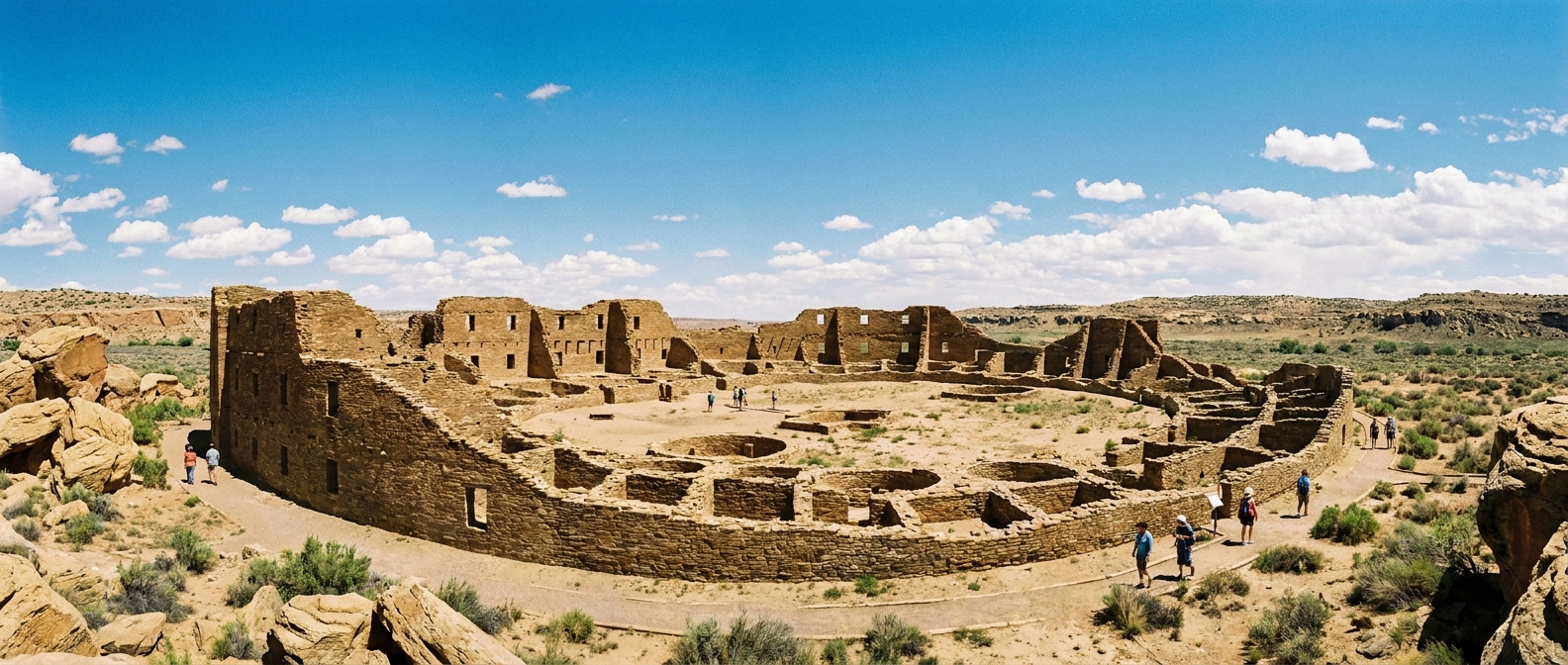
Chaco Culture National Historical Park is the kind of place that makes you feel small in the best way. The sky is enormous, the silence is real, and then you round a bend and there it is: a perfectly placed great house of sandstone blocks, built with an eye toward light, seasons, and community on a scale that still feels audacious. You can feel it at Pueblo Bonito, where the architecture seems to “know” where the sun will be.
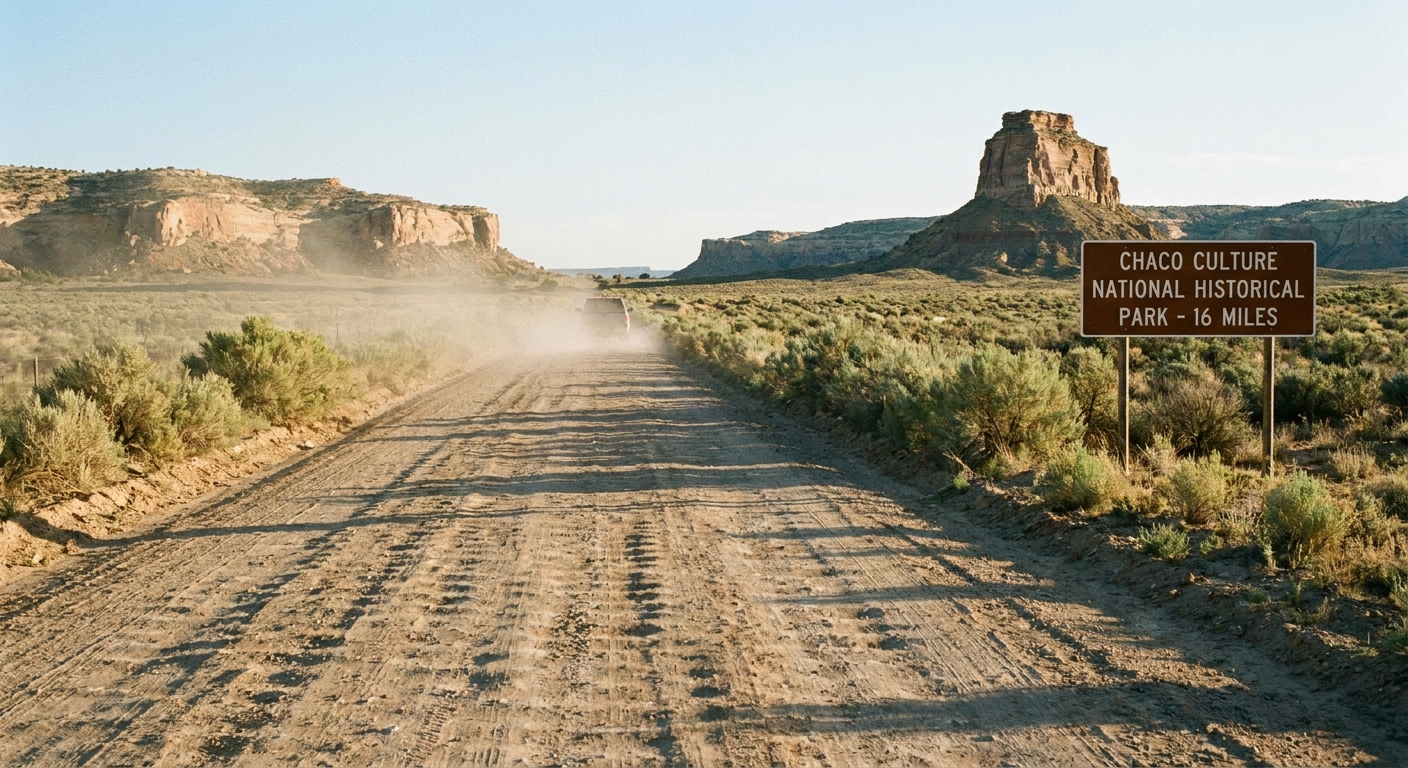
It is also not a casual drive-by. The last stretch into Chaco is famously rough and can be slow, dusty, and washboarded even when the weather is good. If you plan like a realist, you can absolutely visit as a first-timer, see the iconic great houses, and still be back in time for dinner and a shower in a town with more services.

Before you commit
Chaco is a high-desert canyon in northwestern New Mexico that preserves major ancestral Puebloan structures and roads, built primarily between about AD 850 and 1250. The great houses are massive multi-story complexes, and some features appear to align with solar and lunar cycles.
What it is not: a place with abundant services, quick paved access, or cell reception you can count on. Treat it like a backcountry day trip with an archaeology bonus.
- Services inside the park: A visitor center, restrooms, and water that is limited and not guaranteed. Bring all the water you need.
- Cell signal: Spotty to nonexistent once you are in and around the canyon.
- Road conditions: Variable. Mud after rain is the trip-ender.
Essentials at a glance
- Alerts and road status: Check the official NPS park alerts the morning you go. Also check regional weather. Rain anywhere nearby can affect the dirt sections.
- Entrance fee: Standard NPS entrance fee applies. An America the Beautiful pass works.
- Hours: Park access and visitor center hours can vary seasonally. Confirm on the NPS site before you commit to a tight schedule.
- Drones: Recreational drone use is not allowed in national parks.
- Pets: Pets are typically allowed on leash in certain areas, but are often restricted on trails and inside cultural sites. Verify current rules before you arrive.
Getting in
There are two common ways people talk about reaching Chaco: the more-used southern approach and a less common north-side approach. Both can be slow. Both are sensitive to weather. The key is picking the route that matches your vehicle and your tolerance for long, remote miles.
Southern access (most common)
Most first-timers approach from the south off US-550. A typical route is to turn onto NM-57, then continue onto the dirt access road into the park. Depending on the map and the segment, you may also see county road numbers like CR 7900 or CR 7950 referenced in directions. The name matters less than the reality: pavement early, then many miles of graded dirt that can turn into washboard, potholes, and deep mud when wet.
- Best for: First-timers who want the most straightforward, well-known route and easier navigation.
- Tradeoff: The final dirt miles can be slow and punishing on low-clearance cars, especially after storms.
- Reality check: “It’s only X miles of dirt” is not the point. It is slow dirt.
North-side routes (use caution)
People sometimes talk about coming in “from the north,” especially if they are building a bigger Four Corners loop. The problem is that north-side routes are less standardized, and GPS can cheerfully suggest extremely rough roads with long gaps between help. If you are not fully confident in your route, your tires, and the forecast, do not treat a north-side shortcut like an adventure.
- Best for: Travelers with a specific, verified route plan who are comfortable with remote driving and checking conditions carefully.
- Tradeoff: Fewer services, fewer easy outs, and more ways for weather to turn a “plan” into a problem.
- Do not: Follow GPS onto an unfamiliar dirt road network on a tight schedule.
My rule: If you are unsure, default to the most commonly used southern approach and start early. Do not experiment with alternate routes on questionable tires.
Vehicle and road reality
Chaco does not require a technical off-road rig on a perfect dry day, but it does ask for common sense and a little humility.
What typically works in dry conditions
- High-clearance SUV or crossover: The least stressful option. You will still feel the washboard, but you can crawl through rougher patches without constant scraping anxiety.
- Standard sedan: Possible in good conditions if you drive slowly and carefully, but you are gambling with potholes, ruts, and sharp rock. It is the difference between “we made it” and “we made it, but my nerves aged 10 years.”
What can make you turn around
- Rain or snow: Mud is the headline hazard. Dirt roads can become impassable quickly and stay that way.
- Fresh grading: It can leave loose gravel and ridges that quickly turn into harsh washboard.
- Low tires, no spare, or weak jack: Flats happen. Bring a real plan.
Carry this, even for a day trip:
- Full tank of gas before you leave pavement
- Full-size spare tire if you have it, plus a functional jack and lug wrench
- Extra water (at least 3 liters per person, more in summer)
- Sun protection: hat, sunscreen, lip balm
- Snacks or lunch (there are no restaurants or reliable food services in the park)
- Paper map or offline maps downloaded
- A basic first-aid kit
The one-day loop
The main scenic drive in the canyon connects several of Chaco’s biggest sites with short walks, plus a couple of longer options if you have the daylight and energy. If you have one day, your goal is to prioritize the great houses that deliver maximum awe with minimal logistics.
Best sites for a first one-day visit
- Pueblo Bonito: The icon. Its scale is immediate, and the curved wallline is unforgettable. Plan time to actually stand still and look, not just snap photos.
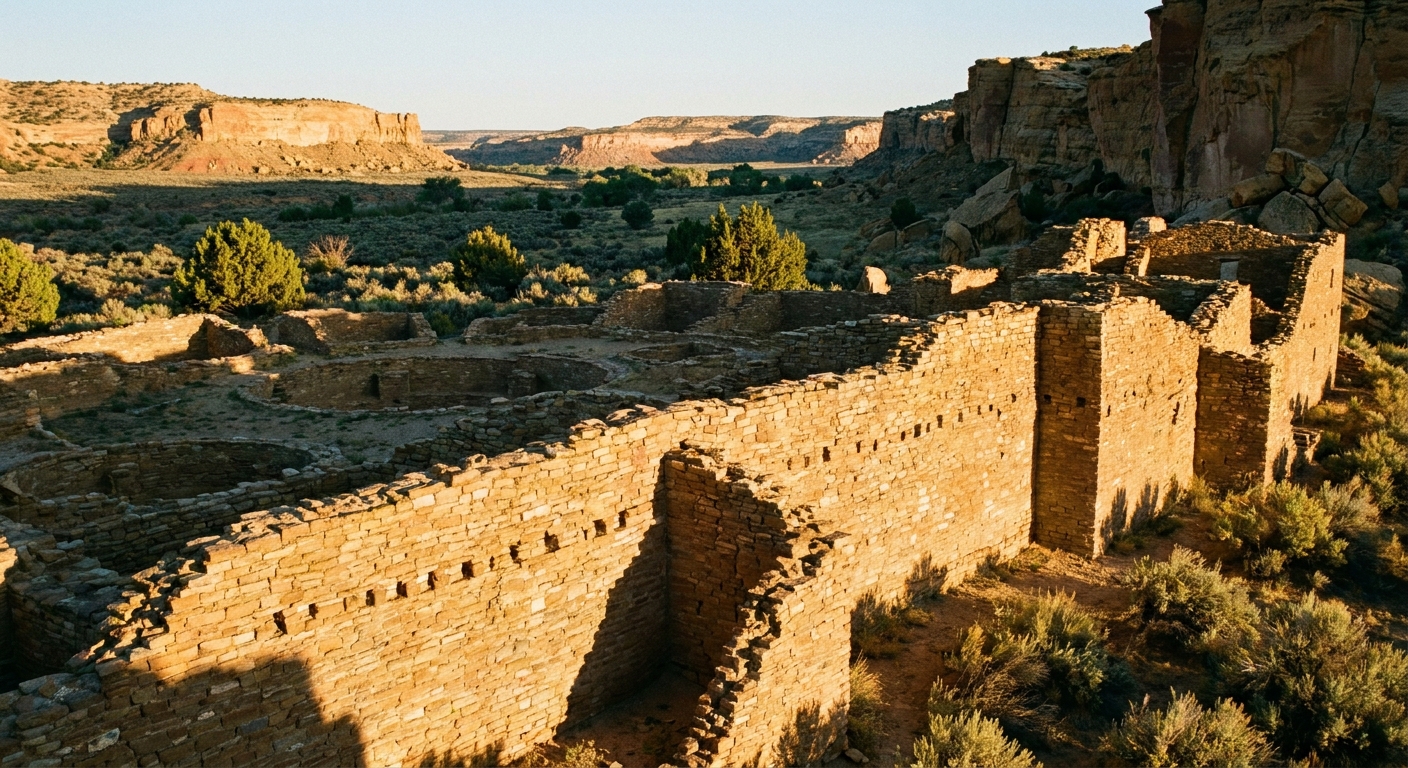
- Chetro Ketl: Close to Pueblo Bonito and a natural add-on, with a different feel and excellent context for how these complexes worked.
- Una Vida: Often quieter and fast to reach. A good “breathing space” stop that still feels substantial.
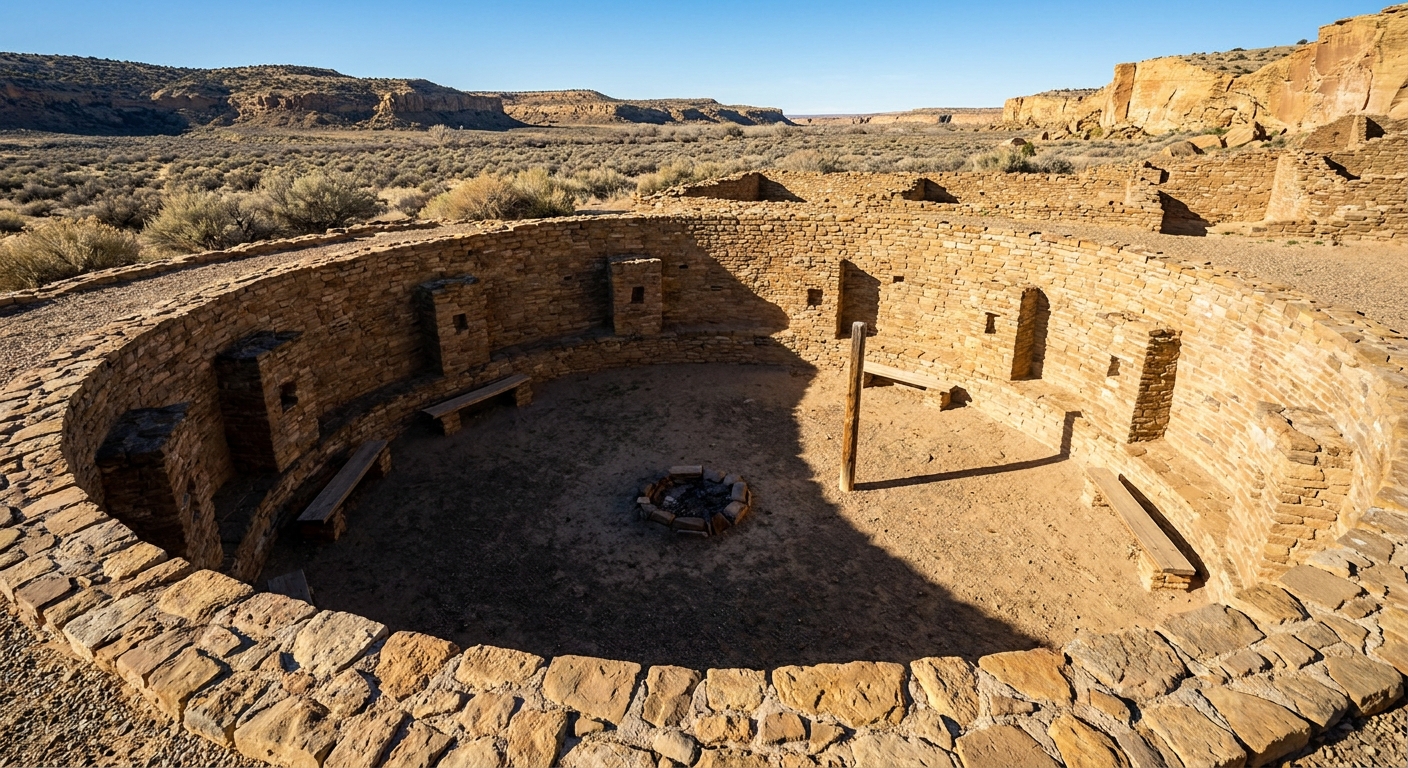
- Casa Rinconada (great kiva): Not a great house, but essential. The great kiva is one of those places where your voice instinctively drops.
Worth it if you have extra time
- Hungo Pavi: A bit farther out, with a rewarding, less crowded vibe.
- Kin Kletso: Quick walk and interesting masonry details.
- Pueblo del Arroyo: An excellent on-the-loop add that helps you understand how multiple big sites relate to each other in the canyon.
One hike to consider
- Pueblo Alto Trail: A longer, more exerting option with big-picture views that make the canyon layout click. Bring more water than you think you need.
- Wijiji: A relatively easy, pleasant walk to a more isolated great house, especially nice later in the day when the light warms up.
If you only do four stops: Pueblo Bonito, Chetro Ketl, Casa Rinconada, and one quieter site (Una Vida or Wijiji). That mix gives you scale, detail, ceremony, and solitude.
Note on Pueblo Pintado: If you see it mentioned in other Chaco itineraries, it is a real Chacoan great house, but it is not on the main Canyon Loop Drive. Pueblo Pintado sits about 16 miles east of the main park entrance on Navajo Route 9, so it is a separate side trip, not a quick add-on.
Timing
Your day will be shaped by two things: how early you leave and how fast the dirt road lets you drive. Build in buffer time, because the road always takes longer than you want it to.
Sample plan
- Early morning: Drive in, arrive near the visitor center area and use restrooms, confirm any closures.
- Late morning: Pueblo Bonito and Chetro Ketl (do these before the heat peaks).
- Midday: Casa Rinconada plus a shaded snack break in your car.
- Afternoon: Una Vida or Wijiji, then one extra stop if you feel good.
- Late afternoon: Start the drive out with plenty of daylight.
Golden rule: Do not plan to race sunset on the access road. Washboard plus low light is the exact combo that creates flats and bad decisions.
Heat and sun
Chaco’s beauty is exposed. The same open sky that makes the place feel sacred can also cook you, especially from late spring through early fall.
Heat strategy
- Start early: Aim to be walking your first big site before midday.
- Use your car as your shade hut: Plan short air-conditioned resets between stops if you have them.
- Hydrate proactively: Sip constantly, not only when thirsty.
- Dress for sun: Light long sleeves, brimmed hat, sunglasses.
Photography and comfort sweet spots
- Morning: Cleaner light and cooler air, better for longer walking loops.
- Late afternoon: Warmer tones on sandstone, fewer people, and a calmer feel across the canyon.
Road and weather safety
Chaco is remote enough that “minor inconvenience” can become “long, weird afternoon” fast.
- Check conditions before you go: Look at the forecast for the region, not just the nearest town. Check NPS alerts the morning of your visit.
- Tell someone your plan: Share your route and expected return time.
- Do not rely on cell service: Download offline maps and park info.
- Respect closures: If the park or county posts road warnings, believe them.
If you arrive and the access road looks like a chocolate milkshake after storms, the smartest Chaco trip is the one you postpone. The great houses will still be there, and you will enjoy them so much more when you are not white-knuckling the return drive.
Leave no trace
Chaco is not just ruins in the desert. It is a place of living cultural importance for many Pueblo and Indigenous communities.
- Stay on trails and behind barriers: The structures are fragile, and small damage adds up quickly.
- Do not remove anything: Not pottery shards, not rocks, not tiny souvenirs.
- Keep it quiet: Let the place be what it is. Many visitors come for reflection as much as history.
- Pack out everything: Trash included, always.
Quick FAQ
How long do I need?
You can do a satisfying visit in one full day if you start early and prioritize the core great houses. If you can add an overnight, you will have time for longer hikes and a less rushed feel.
Is it worth it if I am not an archaeology person?
Yes, especially if you like big landscapes and places that feel unlike anywhere else. The architecture is impressive even if you arrive knowing nothing. Read a little at the visitor center and you will connect the dots quickly.
Can I bring kids?
Yes, with heat planning and lots of water. Pick shorter walks and focus on two or three major sites rather than trying to complete the loop.
Where to sleep
This is very on-brand for how I travel: a rugged day out, then a real meal and a good bed.
- Camp in the park: Gallo Campground is the in-park option if you want sunrise and stars without the long drive in and out.
- Stay in a town with services: If you prefer a hot shower and easier logistics, base yourself somewhere that lets you refuel, rehydrate, and get coffee that tastes like hope the next morning.
- Keep the next day flexible: If the road was rough, you will appreciate a slower follow-up day.
Chaco rewards patience. Drive it like you mean to return with all four tires intact, walk slowly through the great houses, and let the canyon do what it does best: make modern life feel very far away for a few hours.