Chilnualna Falls Hike From Wawona

Maya Lin
Maya Lin is a travel journalist and outdoor enthusiast who believes the best trips combine rugged adventures with urban comforts. After spending six years backpacking across four continents, she founded Trail & Town Guide to help fellow travelers navigate both hidden mountain passes and bustling city neighborhoods with confidence.
If you are based near Yosemite’s South Entrance and you want a real waterfall hike without committing to the Valley crowds, Chilnualna Falls is the move. It is close to Wawona, it feels wilder than many first-timer Yosemite trails, and it gives you options: a quick, easy taste at the lower cascades near the trailhead, or a longer, sweatier climb if you want to earn the upper falls.
I love this trail because it hits my favorite balance: rugged enough to feel like a proper Sierra day, but still close to comforts like Wawona’s lodging, quick bites, and the kind of post-hike coffee stop I will absolutely plan my timing around.
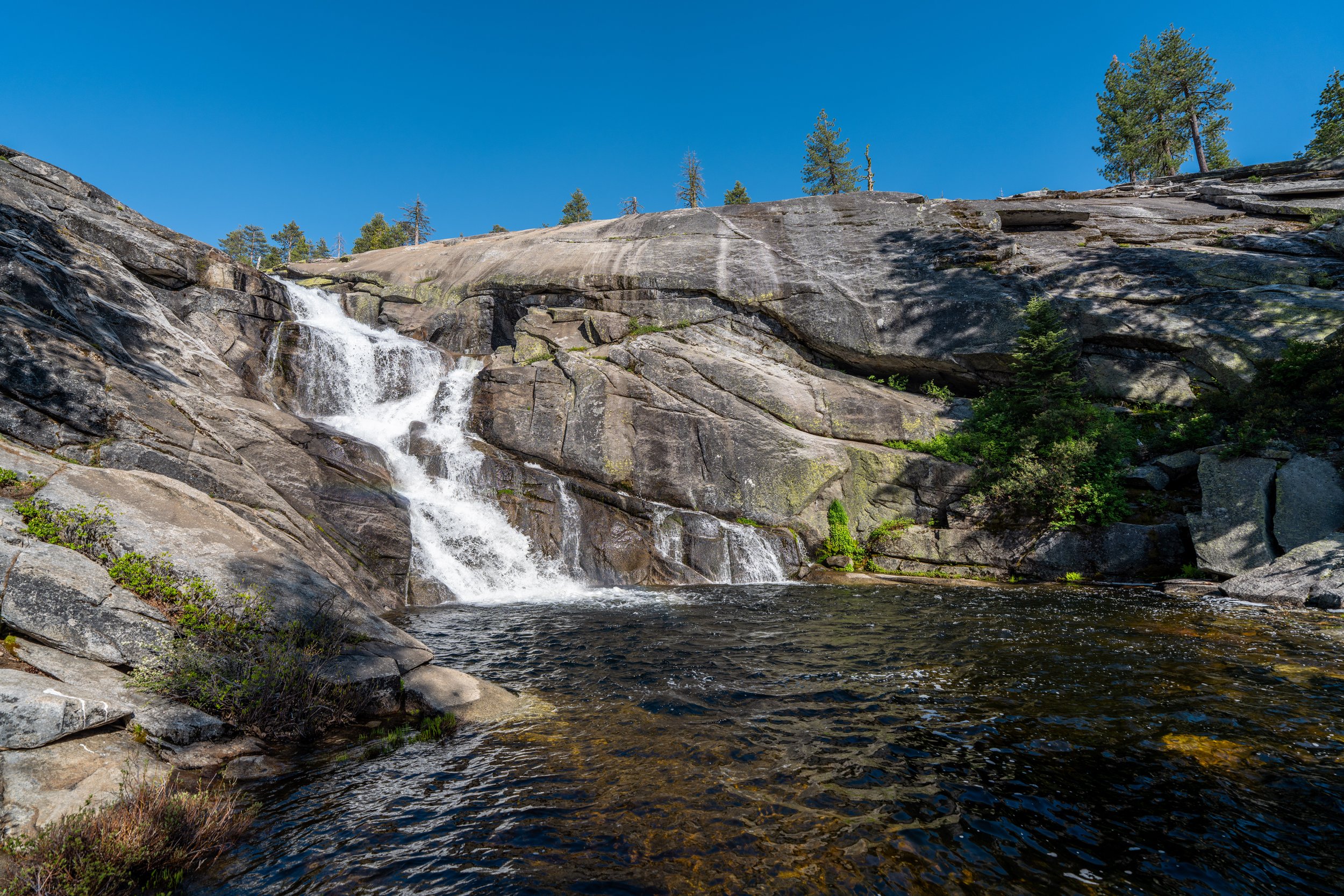
Trail snapshot
- Trailhead: Chilnualna Falls Trailhead (Wawona, Yosemite National Park)
- Route type: Out and back
- Option 1 (lower cascades): About 1 mile round trip, mostly easy, a short walk from the trailhead (exact turnaround varies with how far you roam on the granite)
- Option 2 (upper falls): Roughly 8 miles round trip with about 2,000 to 2,400 feet of elevation gain, depending on where you turn around (strenuous)
- Difficulty: Easy for the lower cascades, strenuous for the upper falls
- Best waterfall flow: Late spring into early summer, typically May through June, sometimes lingering into July depending on snowpack
- Big hazards: Slick granite near water, steep sustained climbing if you continue to the upper falls, heat exposure in summer, and loose footing on dusty switchbacks
Quick reality check: If you stop at the lower cascades, this can be a mellow leg-stretcher. If you go for the upper falls, it is a legit workout that earns its views.
Getting there and parking
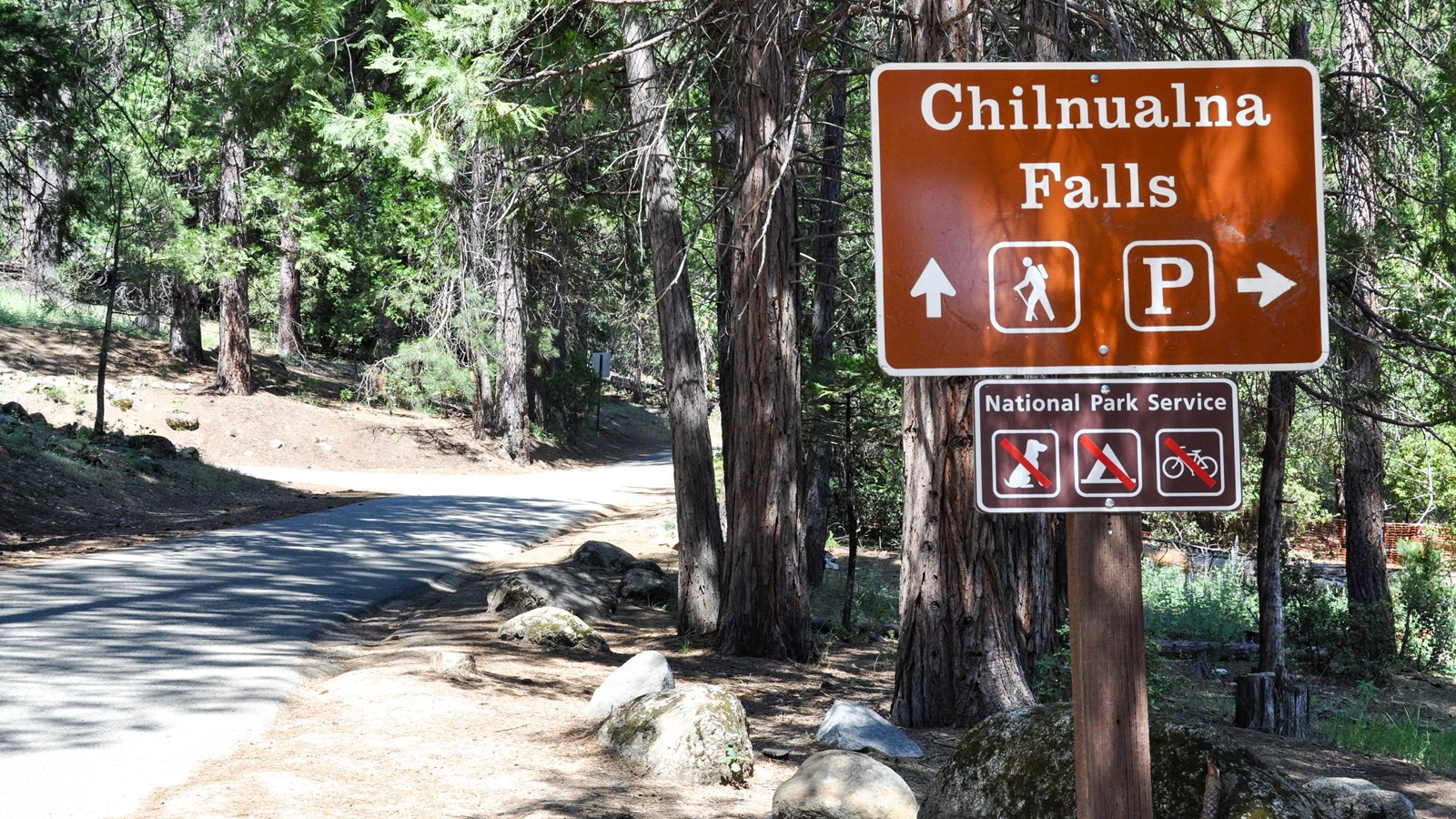
The trailhead is in the Wawona area, a convenient base if you are staying near the South Entrance, Fish Camp, or Oakhurst. The simplest plan is to use the park map or GPS for “Chilnualna Falls Trailhead” and follow posted signs once you are in Wawona.
Parking tips
- Arrive early: Trailhead parking is limited, and this hike is popular on weekends and peak season mornings. This matters a lot more if you are doing the upper falls.
- Have a backup plan: If the small lot is full, you may need to look for legal roadside parking nearby. Do not block gates, pullouts, or traffic lanes.
- Start time strategy: If you hike in warmer months, an early start is not just for parking. It is for heat and comfort on the climb.
Amenities and cell service: Do not count on reliable cell service at the trailhead. Handle your logistics before you lose signal, and plan like you may not have it during the hike.
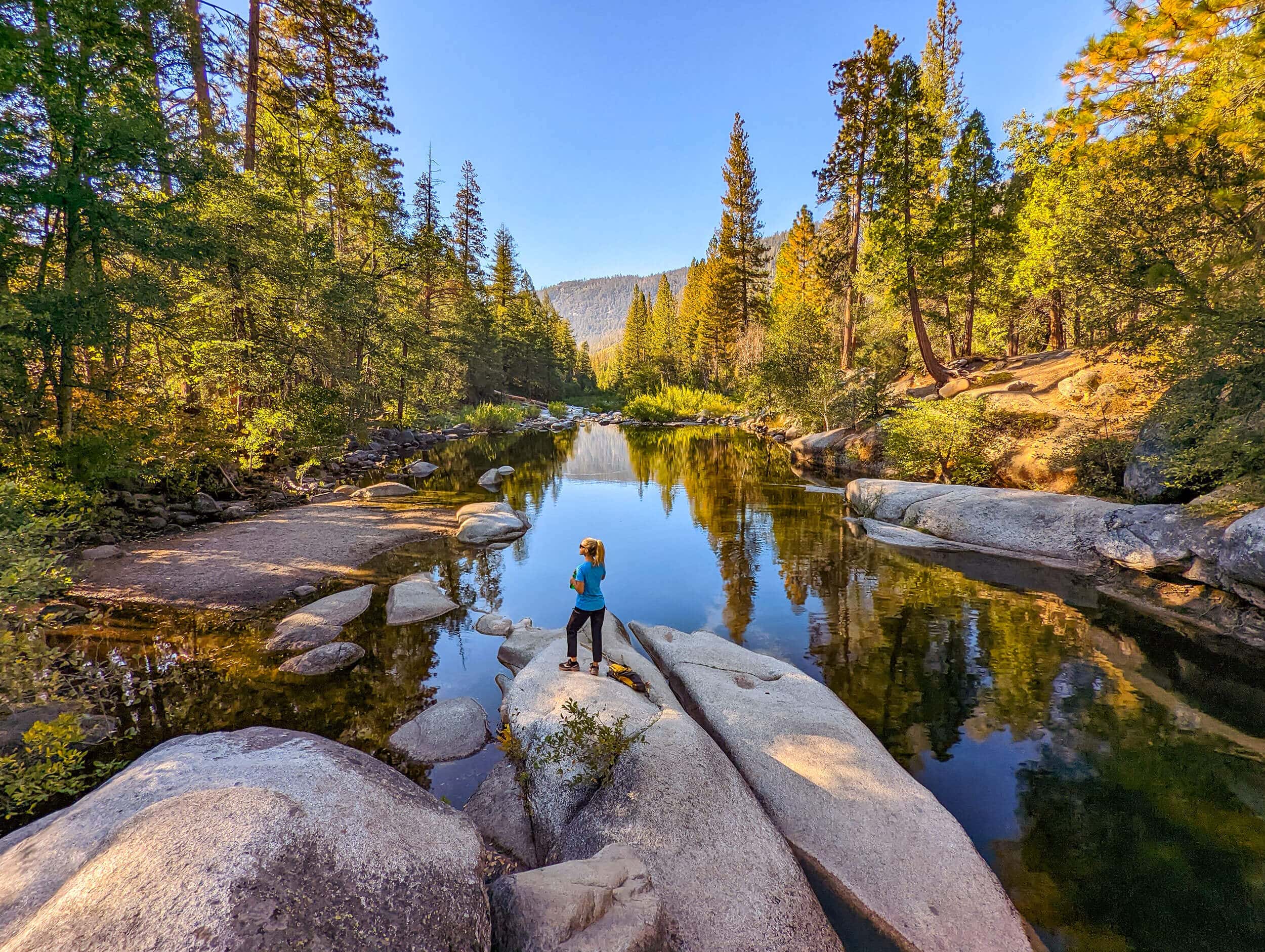
What the hike is like
Lower cascades
The lower cascades are close to the trailhead, which makes them perfect if you want waterfall sound and granite scenery without the all-day commitment. Think of it as an easy warm-up walk with a scenic reward.
This is also a great option if you rolled into Wawona late, you are traveling with mixed-energy friends, or you just want something beautiful that does not require a full strategy session.
Upper falls
If you keep going toward the upper falls, the vibe changes quickly. The climbing becomes the point. It is steep, sustained, and the kind of trail where you earn every switchback. You will still get creek and waterfall moments along the way, but this is not “walk to a waterfall” so much as “commit to a workout that happens to include a waterfall.”
My take: If you want the most waterfall for the least effort, do the lower cascades and call it a win. If you want a proper Sierra suffer day with fewer people the higher you go, commit to the upper falls.
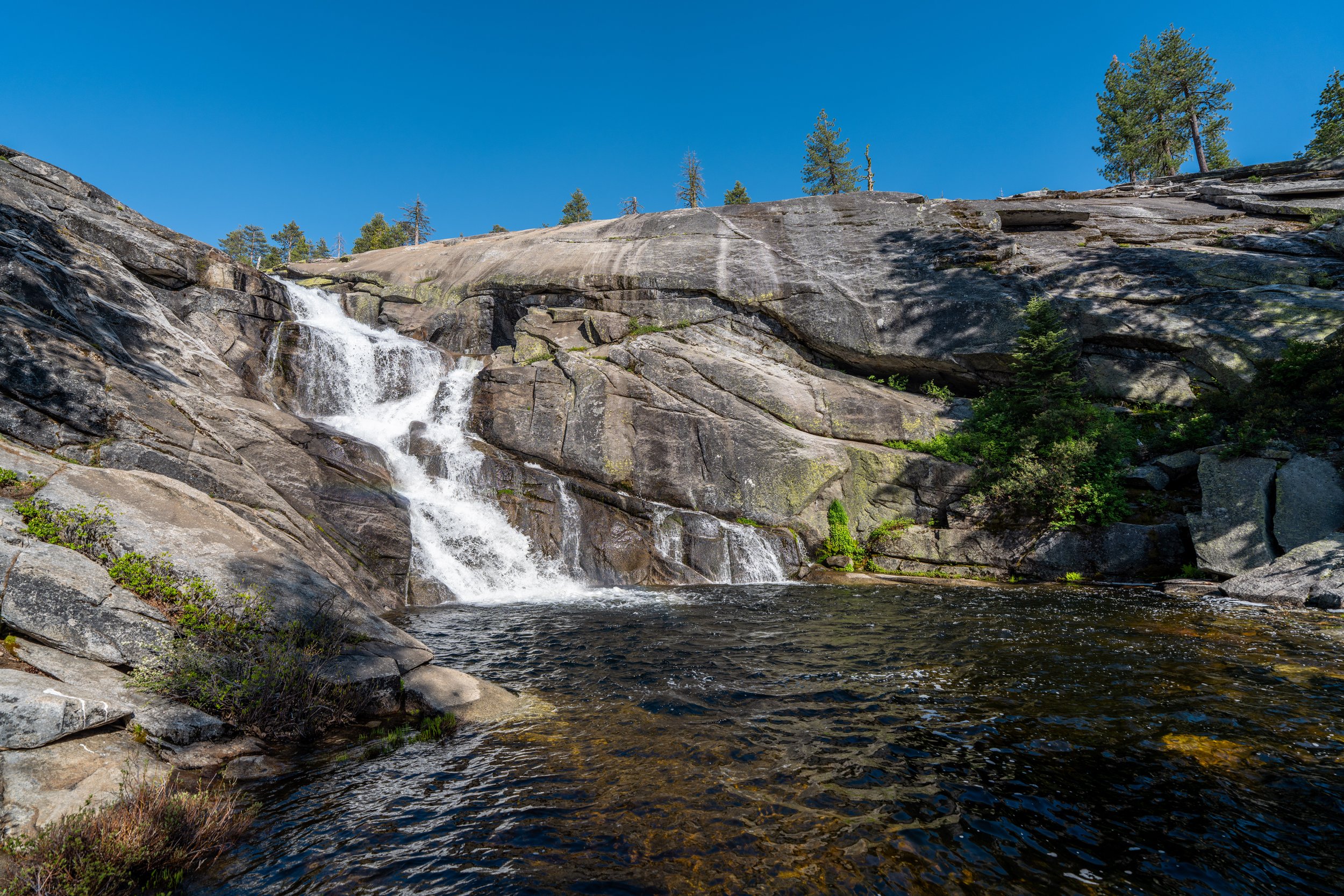
Slick rock and safety
The granite near the cascades is beautiful and also deceptively slick, especially where it is polished by water or damp from spray. Every year, parks everywhere see preventable injuries in exactly this kind of terrain.
- Stay back from fast water: The current is stronger than it looks, and footing can vanish in a single step.
- Assume wet granite is slippery: Even if it does not look glossy.
- Footwear matters: Wear shoes with solid tread. This trail is not ideal for sandals if you plan to explore on granite.
- Keep kids close: The sound and openness can make people wander without realizing the risk.
- Skip risky crossings: If you are tempted to hop around wet rock for a better photo angle, that is usually your cue to stop.
Best months for flow
Chilnualna Falls is primarily snowmelt-driven. That means the timing can change year to year, but the pattern is reliable:
- May to June: Usually the strongest, most impressive flow. Expect spray and louder falls.
- July: Often still good in bigger snow years, but it can start tapering.
- Late summer to fall: Lower flow, sometimes more of a trickle in dry years. Still a nice hike, but go for the forest, the granite, and the quiet, not maximum waterfall drama.
- Winter to early spring: Conditions vary. Snow and ice can make the upper falls route more serious than most casual visitors expect.
If you are visiting in peak summer and the falls are reduced, I still think it is worth it if you treat it like a conditioning hike or a short scenic stop, depending on which option you pick.
Simple turnarounds
If you want a clear plan, pick your turnaround based on what kind of day you are actually having.
Option 1 (easy): Turn around at the lower cascades. This is the short, near-trailhead waterfall experience. It is the right call if you want something pretty and low stress, or if you are saving your legs for another day in the park.
Option 2 (strenuous): Turn around at the upper falls. If you are doing the full upper falls hike, plan for roughly 8 miles round trip and about 2,000 to 2,400 feet of climbing, depending on your exact turnaround. Make it a morning start and bring enough water and food that you do not end up negotiating with your own energy levels on the way down.
When to turn around earlier:
- If it is hot and you are out of water or electrolytes
- If you are slipping on dusty downhill sections on the way up
- If thunderheads build in the afternoon
- If anyone in your group is already dreading the descent (downhill can be harder on knees than you expect)
If you continue higher: Make your turnaround time-based, not goal-based. Pick a hard turnaround time (for example, “we head down by 1 pm”) so you are not descending steep trail in late-day fatigue.
What to pack
- Water: Bring more than you think, especially for the upper falls. The climb is steady and sweat sneaks up on you.
- Traction-first shoes: Good tread for steep dirt and granite.
- Sun protection: Hat, sunscreen, and sunglasses. Exposed sections add up.
- Snacks with salt: This trail asks for electrolytes, not just gummies.
- Light layer: Mornings can be cool in Wawona even when afternoons heat up.
- Small first aid basics: Blister care is the most common need.
How long it takes
Time depends on fitness, heat, and how long you linger on the granite.
- Lower cascades: Plan on 30 to 60 minutes round trip if you are strolling, taking photos, and letting kids explore safely.
- Upper falls: Many hikers should plan on 5 to 7 hours round trip including breaks.
If you are staying near the South Entrance, the upper falls is an ideal “early start, late lunch” hike. I like finishing with enough daylight left to detour for a relaxed meal in Wawona rather than inhaling trail mix in the car.
Etiquette and low impact
- Stay on durable surfaces: On granite, that means rock. In the forest, stay on trail to protect fragile edges.
- Pack out everything: Including food scraps. It is bear country, and crumbs are still calories.
- Keep soundscapes wild: Let the falls be the soundtrack.
FAQ
Is Chilnualna Falls a good alternative to Valley waterfall trails?
Yes. If you are based near the South Entrance, Chilnualna is a satisfying waterfall option that does not require you to commit to Valley traffic and logistics. You can keep it short at the lower cascades or go big to the upper falls.
Is the trail kid-friendly?
The lower cascades can be kid-friendly with close supervision around granite and water. The upper falls hike is steep and sustained, so it is better for strong hiking kids and families who want a full workout day.
Can I swim at the falls?
People sometimes wade, but treat the area as slippery, cold, and unpredictable. Fast water and smooth granite are a dangerous mix. I focus on enjoying the views and cooling off with a shaded snack break instead.
What is the best time of day to hike?
Morning. You will get better parking odds, cooler temps on the climb, and a more relaxed experience at the cascades before midday crowds arrive.
Are dogs allowed?
Dogs are generally not allowed on hiking trails in Yosemite. If you are traveling with a pet, double check the current park rules before you go and plan on a different activity.