Chimney Tops Trail: Permits, Pitch, and Post-Fire Facts
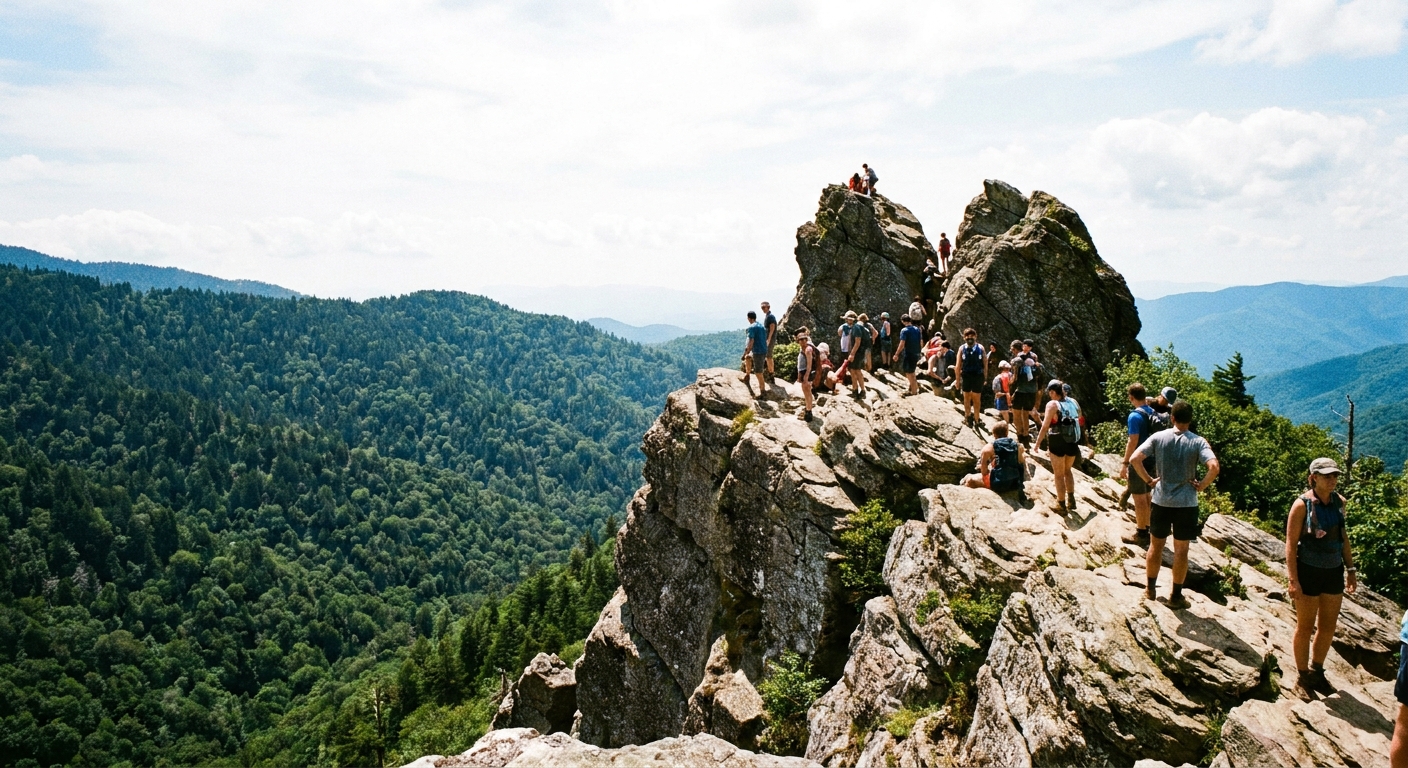
Chimney Tops is one of the Smokies’ most famous short hikes, and it earns that reputation in a very specific way: you get a punchy, leg-burning climb through lush forest to an exposed, wind-prone rocky overlook with huge-feeling views for a relatively small mileage bill.
But “short” is not the same as “easy,” and Chimney Tops has a few Smokies-specific realities that can surprise first-timers. One quick heads-up: after the 2016 fire, you do not hike onto the iconic twin rock spires anymore. You still get a dramatic overlook, but the route ends at a safer viewpoint before the pinnacles (more on that below).

Do you need a permit or reservation?
For the Chimney Tops day hike itself, there is no separate hiking permit or timed-entry reservation required. Great Smoky Mountains National Park does not charge an entrance fee at a gate, but most visits still require a paid parking tag if you park.
What you may need instead: a parking tag
The park uses a parking tag program for vehicles parked 15 minutes or longer. If you plan to park at the Chimney Tops trailhead lot (or any park lot) beyond that window, you typically need a valid parking tag displayed. Tags are available in daily, weekly, and annual options through official park channels (online, visitor centers, and other authorized points of sale).
- Best practice: Purchase your parking tag before arrival when possible. Cell service can be inconsistent along US-441.
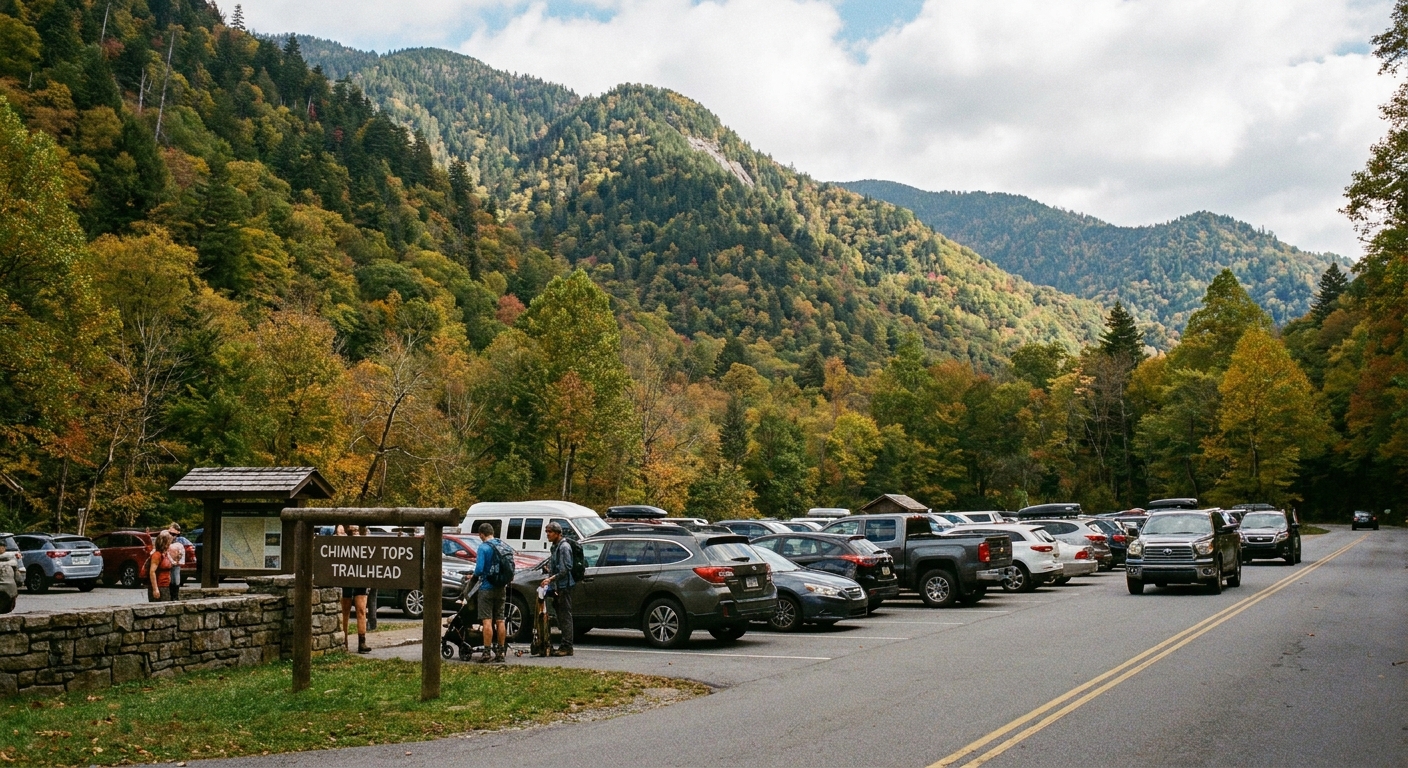
- Arrive early: This lot fills fast in peak seasons and on weekends.
Backcountry permits: only if you are camping
If you are turning Chimney Tops into part of an overnight route in the backcountry (not typical for most visitors), you would need the park’s backcountry permit and a reservation for a designated campsite. That is a different system than day hiking and has its own capacity rules and windows.
Always verify current requirements on the official National Park Service Great Smoky Mountains page before you go. Policies can shift seasonally, especially around road closures, trail work, and high-impact corridors.
The honest pitch: distance and climb
Chimney Tops is often described as “short and steep,” which is accurate but incomplete. The trail is a steady uphill that keeps asking for more, and the steepest part is late in the hike when your legs are already negotiating roots and rock steps.
Quick stats
- Distance: about 3.3 miles round trip (out and back)
- Elevation gain: roughly 1,400 feet
- Typical hiking time: 2 to 3 hours for many hikers, longer with breaks, crowds, or wet conditions
Quick note: Mileage and elevation numbers can vary slightly depending on the source and where your app starts tracking. The on-trail reality is the same: it is a short hike with a serious grade.
What the grade feels like
Expect:
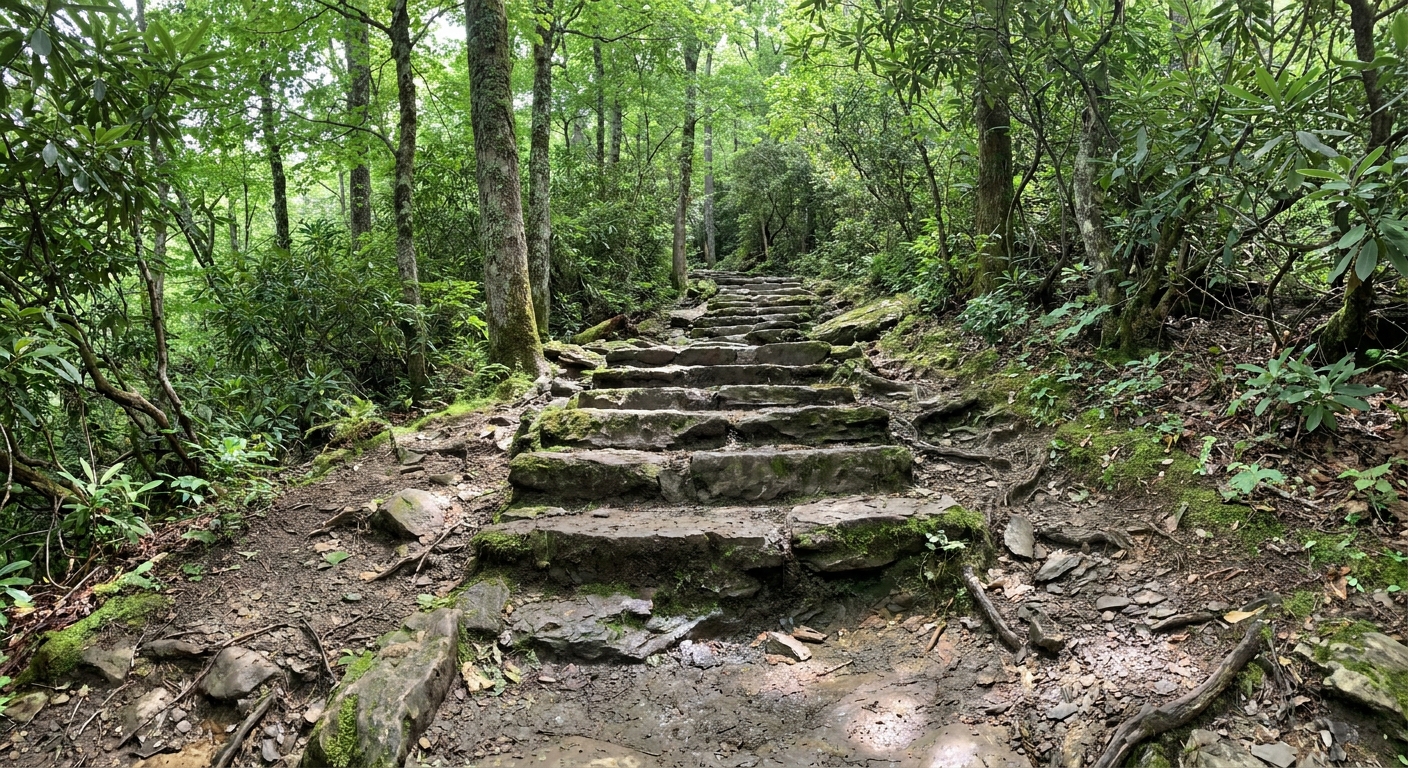
- Continuous climbing with few flat recovery sections
- Rocky, rooty footing that can be slick after rain
- Stair-step climbs near the top where you feel the burn
If you want a “morning hike” that still feels like you earned your lunch, Chimney Tops delivers.
Post-fire route facts
The 2016 Chimney Tops 2 Fire reshaped the landscape and changed how the park manages the most exposed areas near the pinnacles. The key visitor-facing change is simple:
- The trail no longer goes onto the Chimney Tops pinnacles.
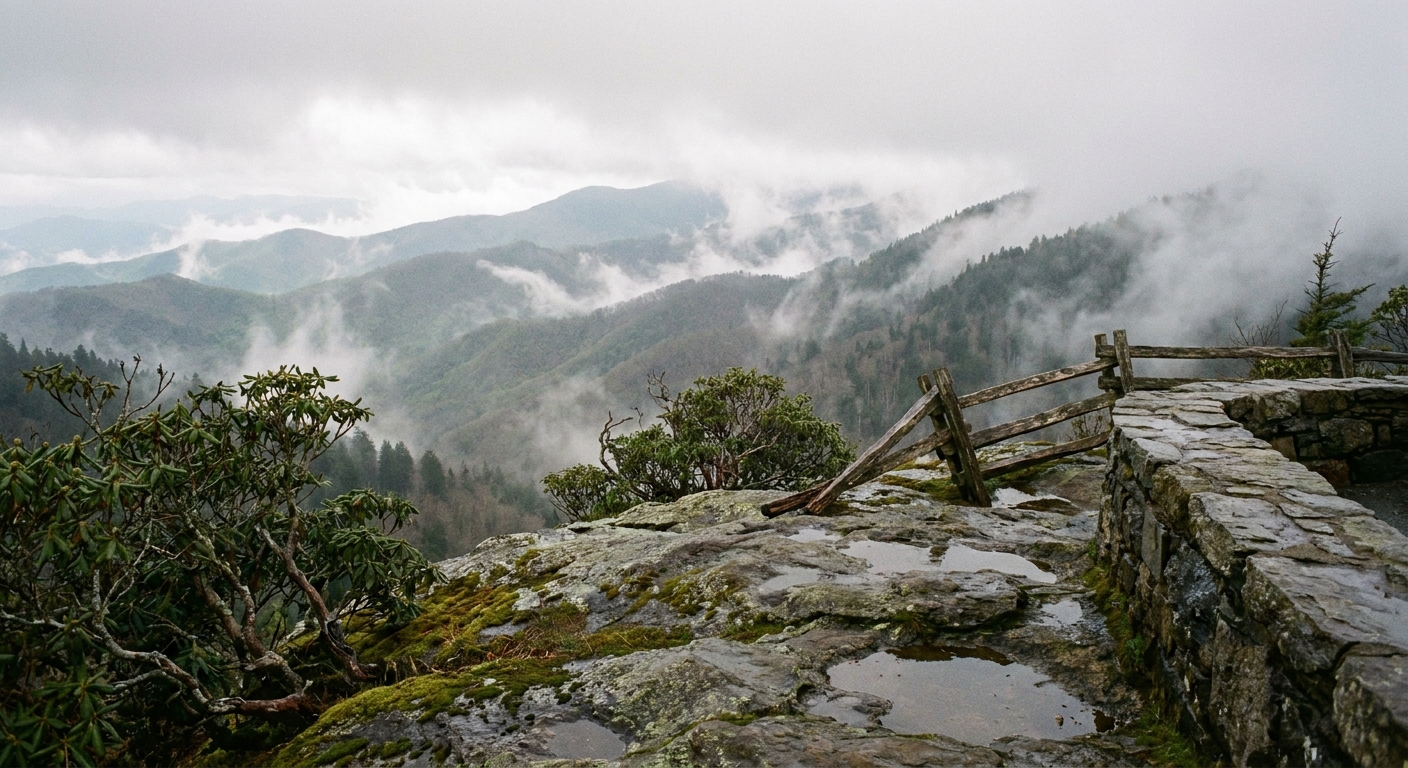
- You now hike to a designated overlook before the spires, where the park ends the route for safety.
You will still see the famous rock formations, and you still get a dramatic look across Smokies ridgelines. What you should not plan on is the old-school scramble onto the spires themselves. If you have an older blog post saved, double-check the date. Advice written pre-2016 often describes a route that is no longer allowed.
What this means
Today’s experience is less about “summit scramble photo” and more about “big overlook with wind and wide sky.” In my opinion, that is still a great trade for a trail this short, especially if you are traveling with mixed-ability friends who want a strong hike without true climbing exposure.
Best time to hike
Chimney Tops is a good year-round workout, but conditions change fast with season and time of day.
- Best time of day: Morning. You get cooler temps, better parking odds, and you are off exposed rock before typical afternoon storms.
- Fall: Big payoff for color and crisp air, plus big crowds. Start early.
- Spring: Lush and beautiful, but expect wet rock and muddy patches after rain.
- Winter: The upper trail and overlook can ice up. Traction devices can turn a sketchy descent into a calm one.
Weather pitfalls
The Smokies have a special talent for changing the forecast mid-hike. Chimney Tops amplifies that because you move quickly from sheltered forest to exposed rock where wind and lightning become the real story.
Common hazards
- Wet rock: After rain, the upper trail and overlook area can be slick. Traction matters more than speed.
- Wind: Gusts can be surprisingly strong at the overlook. Secure hats, keep kids close, and avoid edging out for a photo.
- Fast fog: Views can vanish quickly. If clouds are building, plan for a “no-view day” and decide if the workout alone is worth it.
- Thunderstorms: In warm months, afternoon storms are common. Exposed rock plus lightning is a bad equation. Start early.
- Cold snap effect: Temperatures can feel much colder up top than at the parking lot. Bring a light layer even in shoulder seasons.
Carry-on-only packing tip, Smokies edition: A compact rain shell and a thin insulating layer are the two items I am happiest to have at the overlook, even when the morning feels mild.
Gear and footwear
You do not need a complicated setup here, but a couple choices matter on a steep trail.
- Shoes: Trail runners are fine in dry conditions if they have decent grip. In wet weather, prioritize traction. In winter, consider microspikes if ice is present.
- Trekking poles: Optional on the climb, very nice on the descent if your knees complain.
- Basics: Water, a salty snack, and a headlamp if there is any chance you get delayed.
Views vs Alum Cave and LeConte
If Chimney Tops is your “quick, steep hit,” Alum Cave and Mount LeConte are your “commit to the day” options. They are not direct substitutes, but you can choose the one that fits your schedule and appetite for elevation.
Chimney Tops
- Best for: A short hike with a big payoff feel
- View style: Exposed rocky overlook, wide ridgeline panorama when clear
- Reality check: Not the pinnacle scramble of older trip reports
Alum Cave (to the bluff)
- Best for: A longer, more gradual climb with iconic geological features
- View style: The Alum Cave Bluff is dramatic and sheltered, with a different “cathedral rock” vibe versus open panorama
- Great if: You want a signature Smokies experience that is scenic even when the distant views are hazy
Mount LeConte (via Alum Cave and beyond)
- Best for: A full-day, bucket-list ascent
- View style: Multiple viewpoints, higher-elevation atmosphere, and the satisfaction of a true mountain day
- Great if: You have the daylight, fitness, and weather window to do it safely
If your group is debating “Chimney Tops vs. Alum Cave,” I usually frame it like this: Chimney Tops is steeper and shorter. Alum Cave is longer and more varied. LeConte is the all-in version.
When to turn around
Chimney Tops rewards good judgment. The trail is popular, but popularity does not make wet rock less slick or lightning less dangerous.
Turn around if
- Thunder you can hear, even if the sky above you is still blue
- Rock is shiny-wet near the top and your shoes are already slipping
- Wind gusts are pushing you off-balance in exposed sections
- Fog is thickening fast and you are losing visual reference near the overlook
- You are negotiating steep steps by pulling on branches because your legs are cooked. Save your knees for the descent.
A practical timing rule
If you are starting late in the day, set a hard turnaround time before you begin. The descent is faster than the ascent, but it still takes focus, and the drive out can be slower than expected with US-441 corridor traffic.
My go-to: if the weather looks even slightly moody, I aim to be heading down from the overlook by early afternoon, not arriving at it.
Trailhead logistics
Chimney Tops is just off US-441 (Newfound Gap Road), near the Chimney Tops Picnic Area, so it is easy to add to a Gatlinburg or Cherokee-based trip. That convenience is exactly why the trail gets crowded.
How to make it smoother
- Arrive early: Morning is cooler, safer for storms, and kinder for parking.
- Go midweek if you can: Weekends can feel like a conveyor belt near the top.
- Pack simple fuel: Water and a salty snack go a long way on a steep climb.
- Bring patience for photos: The overlook is not huge. Take your turn, then step back so others can enjoy it too.
Restrooms and pets
- Restrooms: Do not count on a restroom at the trailhead lot. If you need facilities, plan a stop at developed areas nearby (like the picnic area) when available.
- Dogs: Dogs are not allowed on most Smokies trails, including Chimney Tops. (Service animals are allowed.)
Leave No Trace
Chimney Tops gets loved hard. A few small choices make a real difference here:
- Stay on the trail to prevent erosion on steep slopes.
- Do not shortcut switchbacks, even if you see others doing it.
- Pack out everything, including food scraps. They do not “disappear” in the forest.
- Respect closures and end points. They exist because this landscape is both beautiful and fragile.
If you are building a Smokies itinerary that mixes trail time with town comforts, Chimney Tops pairs perfectly with a post-hike coffee stop in Gatlinburg or a relaxed dinner in Cherokee. Just earn it on the uphill first.