Choosing a Hybrid Travel Backpack

Maya Lin
Maya Lin is a travel journalist and outdoor enthusiast who believes the best trips combine rugged adventures with urban comforts. After spending six years backpacking across four continents, she founded Trail & Town Guide to help fellow travelers navigate both hidden mountain passes and bustling city neighborhoods with confidence.
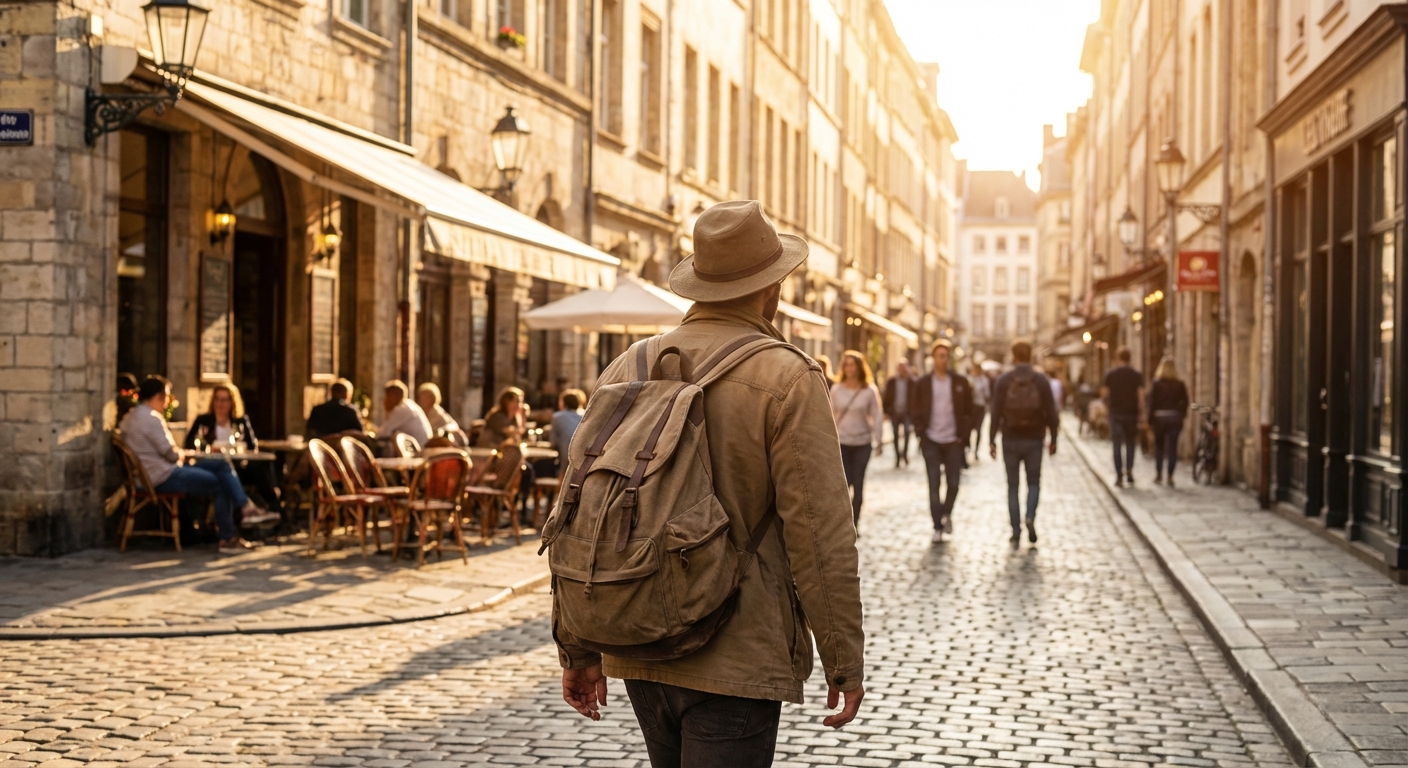
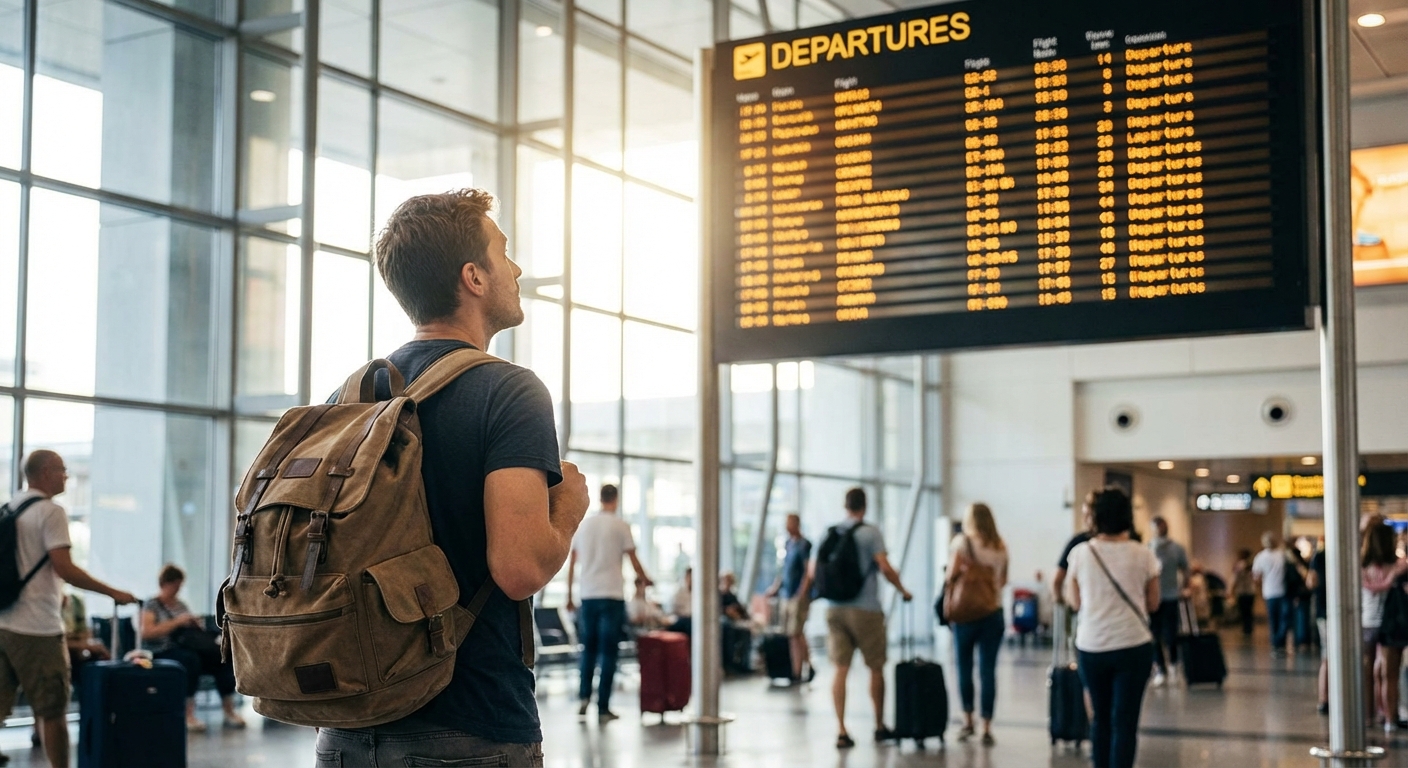
My favorite kind of trip is the one that starts with a red-eye, detours through a great coffee neighborhood, then disappears into the mountains for a few days before returning to a clean hotel shower. The hard part is finding one bag that does all of that without making you the person repacking on the hostel floor while everyone else goes out for dinner.
A hybrid travel backpack is the sweet spot between a suitcase and a hiking pack. It needs to be carry-on friendly, easy to live out of in a small room, and supportive enough to carry comfortably when you miss a bus stop and end up walking an extra two miles.
Start with your trip
Before you fall for sleek photos and shiny zippers, get specific about your itinerary. The same pack that feels perfect for Lisbon and day trips can feel like a compromise on a hut-to-hut trek.
Ask these five questions
- How many flight legs? More flights means you should prioritize carry-on dimensions, quick access, and durability.
- How much walking with all your gear? If you’ll regularly carry the pack for 60 to 120 minutes at a time, harness comfort becomes non-negotiable.
- Any technical segments? If you need trekking poles, a rain shell, or a water reservoir, you’ll want at least a few trail-ready features.
- What’s your lodging style? Small rooms and shared spaces reward clamshell openings and tidy organization.
- What’s your packing style? If you’re carry-on only, you may prefer one main compartment and packing cubes over lots of small pockets.
Write your “most common day” on this trip. That’s the day your backpack has to excel at. Not the best-case day, not the marketing photo day.
Size for airline reality
For multi-destination travel, the most versatile capacity range is usually 35 to 45 liters. It’s big enough for a week of mixed weather if you pack smart, and still plausible as a carry-on on many airlines.
Big caveat: airlines don’t enforce liters. They enforce physical dimensions and sometimes weight. A “45L” that’s tall, deep, or fully stuffed can absolutely fail a sizer.
Carry-on limits to know
Rules vary by airline, but the most common overhead-bin limit is roughly 22 × 14 × 9 in (about 55 × 35 × 22 cm). Some carriers allow a bit more, others less. Budget airlines may be stricter, and many also have a separate, smaller personal item allowance.
Use the airline’s published numbers, then check the bag’s listed dimensions and whether it stays within them when packed.
What to aim for
- Capacity: 35 to 45L for most travelers, 30 to 35L if you frequently fly strict airlines or tend to get gate-checked
- Profile: a pack that stays slim when underfilled is more likely to pass a gate glance
- Compression: side compression straps help you cinch down for stricter sizers
My rule: if you often fly carriers with tight personal-item rules, consider a two-bag system. Use a smaller personal item daypack plus a 35 to 40L overhead carry-on backpack. A single 45L can be perfect, but it’s more likely to push limits when it’s packed to the brim.
Weight matters
Some airlines care about carry-on weight as much as size. A feature-heavy pack can take a meaningful chunk of your allowance, sometimes 15 to 30% on low limits. Example: if the limit is 7 kg and your empty bag is 2 kg, you’ve spent almost 30% before you’ve packed anything.
Try to keep empty pack weight reasonable for your needs, especially if you’ll carry a laptop.
Fit and suspension
On paper, many packs look similar. On your body, they can feel wildly different. If your trip includes long walks, hikes, or lots of stairs, prioritize the harness like you’d prioritize good shoes.
What to look for
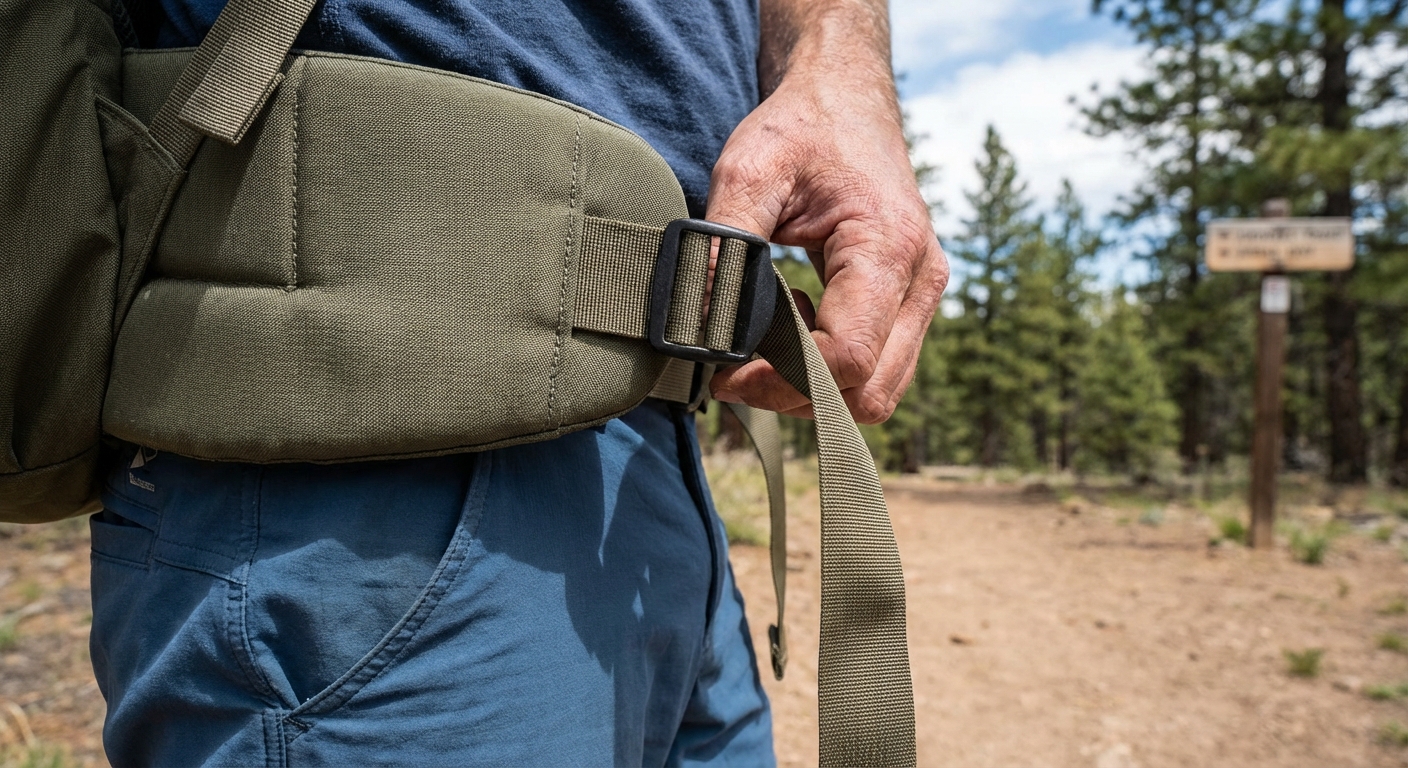
- Real hip belt: a structured hip belt that wraps your hips transfers weight off your shoulders. A thin webbing strap is better than nothing, but it’s not the same.
- Stiff back panel or framesheet: helps the load feel stable, especially with a laptop or water bladder.
- Load lifters: small straps near the shoulders that pull the load closer to your back.
- Adjustable torso length: a huge win if you’re between sizes or sharing a pack.
- Breathable contact points: mesh and ventilation channels matter more in humid cities and warm climbs.
- Stowable or removable hip belt: underrated for hybrids. It’s nice to tuck it away when you’re in cafés, trains, and museums.
Clamshell vs top-loader
This is the city versus trail debate in backpack form. The good news: hybrids exist because you can have most of both.
Clamshell opening
Best for: living out of your bag in small rooms, quick repacks, and keeping clothing organized.
- Opens like a suitcase, so you can see everything at once
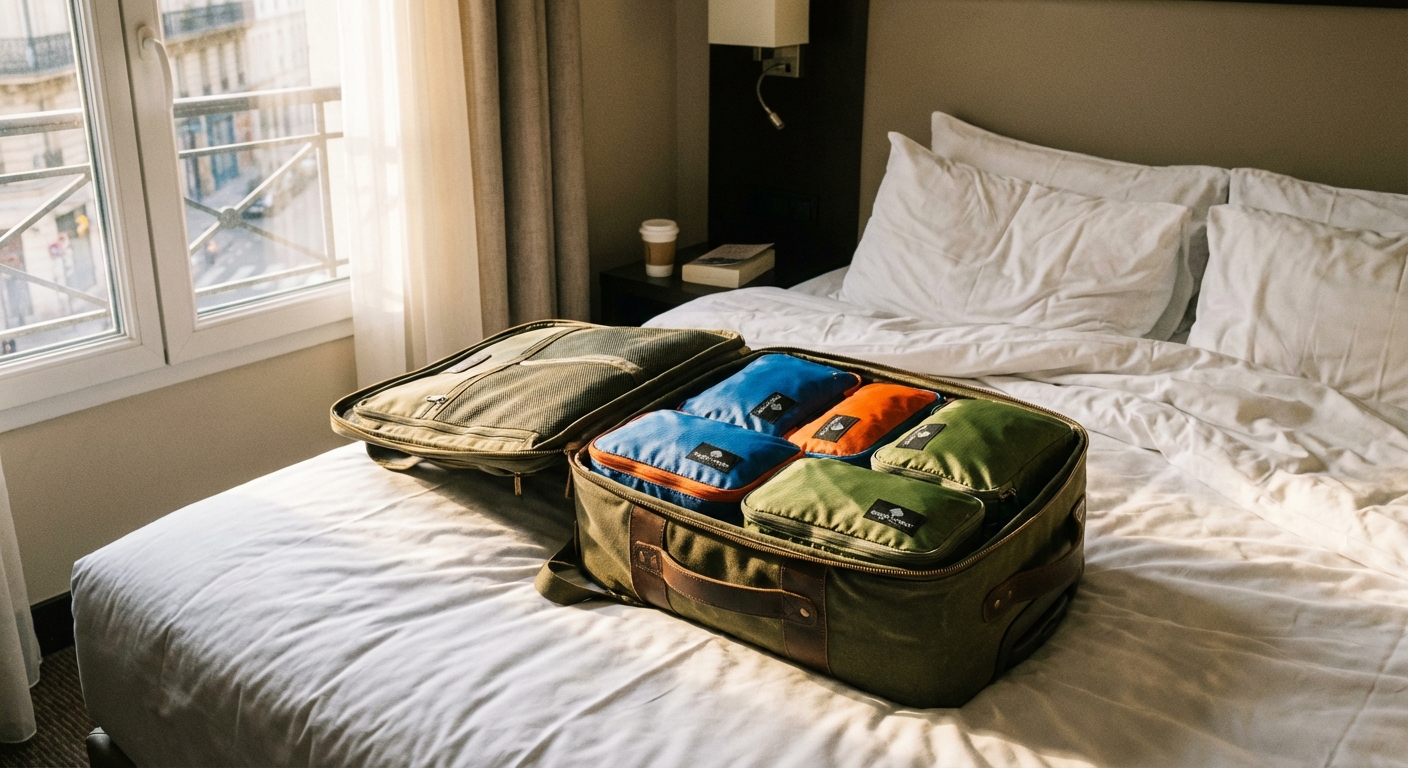
- Pairs perfectly with packing cubes
- Often includes internal compression straps
Watch for: zippers that feel flimsy or catch easily. A good zipper should glide one-handed even when the bag’s full, without feeling like you’re wrestling it.
Top-loader (or hybrid top access)
Best for: trail use, carrying bulky layers, and quick access without exposing everything.
- Easier to overstuff temporarily
- Can be better at shedding rain at the opening, depending on the zipper, flap design, and fabric
- Can be more stable for uneven loads
The hybrid sweet spot: a clamshell main compartment plus a top quick-access zipper. You get the best hotel-room access without giving up trail convenience.
Organization that works
Too little organization turns your pack into a black hole. Too much creates weight and makes it harder to pack efficiently. For multi-destination trips, look for a clean core layout with a few smart, high-use pockets.
My pocket checklist
- Quick-access top pocket: passport, earbuds, sunglasses, snack
- Front stash or shove-it pocket: rain jacket, groceries, wet layer
- Internal mesh pocket: cables, toiletries, small essentials you don’t want floating
- Laptop compartment: only if you truly need it, preferably suspended off the bottom
- Two water bottle pockets: one is never enough when you want water plus coffee, or water plus electrolytes
A couple quality-of-life checks that matter more than you think:
- Can you use the bottle pockets while wearing the pack? Some are so tight or so far back they’re basically decorative.
- Does the bag stand up on its own? Not required, but it makes hostel rooms and train platforms way less chaotic.
If you carry a laptop, consider how it affects hiking comfort. A rigid laptop sleeve can make the pack feel like a plank against your back. Also, “suspended” sleeves still hit the ground if you drop the bag hard. If you care about your device, add a padded laptop sleeve and be mindful setting the pack down.
Materials and weather
When your itinerary includes both city transit and trail weather, fabric choices become more than gear-nerd trivia.
Good signs in build
- Durable outer fabric: look for abrasion resistance, especially on the bottom panel.
- Quality zippers: smooth, sturdy zippers matter when you open and close your bag 20 times a day.
- Reinforced stitching: stress points include shoulder strap anchors, haul handles, and hip belt connections.
- Water resistance: a DWR-coated fabric helps with light rain and city splashes.
Do you need a rain cover?
If you’re trekking in consistently wet regions or shoulder seasons, a rain cover is worth it. If most of your trip is urban with occasional hikes, water-resistant fabric plus a pack liner (or even a simple trash compactor bag) is usually enough. Either way, put anything truly critical in a dry bag or zip pouch inside the pack.
Trail features, low-key look
One of my favorite hybrid bag traits is subtlety. You can walk into a nice café without looking like you’re about to summit something, then still have the basics when the trail starts.
Useful features
- Trekking pole attachment: even minimalist loops are helpful.
- Hydration compatibility: a sleeve and port can be great for long walking days.
- Side compression: stabilizes loads and helps fit carry-on sizers.
- Good grab handles: side and top handles make buses, overhead bins, and staircases easier.
- Lockable zipper pulls: not theft-proof, but useful in crowded transit.
Simple security habits
You don’t need a slash-proof, armored pack for most trips. What helps more is boring consistency: keep valuables in a harder-to-reach pocket, zip things closed, and in dense crowds consider wearing the pack on your front for a minute. In transit, a small cable lock can deter casual tampering when your bag’s out of sight, like on a bus luggage rack.
What I skip on most hybrid packs: overly complex external straps that snag, ultra-bulky padding that adds weight, and dangling features that look cool in photos but annoy you in crowded metros.
Try-on test
If you can try a backpack in person, do it with weight. Even 15 to 20 pounds will reveal a lot.
My quick routine
- Loosen all straps, put the pack on, then tighten the hip belt first so it sits on your hip bones.
- Tighten shoulder straps until the pack hugs your back without pulling down on your shoulders.
- Adjust sternum strap so it rests comfortably across your chest without restricting breathing.
- Tighten load lifters gently, bringing the weight closer to your body.
- Walk, turn, and climb a few steps. The pack should feel stable, not swingy.
Red flags: shoulder hot spots, a hip belt that rides up, a pack that arches away from your back, or a laptop compartment that makes the load feel rigid and uncomfortable.
Pack smarter
Even the best pack can’t fix chaotic packing. The goal is a stable load that sits close to your center of gravity.
Simple packing order
- Closest to your back, centered: dense/heavy items (toiletry kit, camera gear, packed electronics, a food bag). Aim for mid-back height, not sagging at the bottom.
- Around that core: clothing cubes and midweight layers to fill gaps and prevent shifting.
- Outside access: rain shell, snacks, transit essentials.
Two tools I swear by for hybrid travel: packing cubes (hotel-friendly) and a lightweight tote (for groceries, laundry, or beach days). The tote also keeps you from overstuffing the main pack on city days.
Buying checklist
If you’re comparing packs online and drowning in specs, use this list to cut through the noise. A strong hybrid backpack should hit most of these.
- 35 to 45L capacity that compresses well
- Listed dimensions that align with common carry-on limits (often around 22 × 14 × 9 in or 55 × 35 × 22 cm)
- Carry-on friendly shape and multiple grab handles
- Padded, adjustable harness with real load transfer
- Hip belt that fits your body and doesn’t slip (bonus if it stows)
- Clamshell access or wide-opening main compartment
- Two water bottle pockets that actually hold bottles securely
- Durable fabric and trustworthy zippers
- Weather strategy: water resistance plus liner or cover
- Organization that matches your packing style, not someone else’s
If your trip includes both city neighborhoods and real miles on foot, prioritize the harness first. A bag that “fits overhead bins” but doesn’t fit you will cost more in sore shoulders than it saves in convenience.
Final call
The perfect hybrid travel backpack isn’t the one with the most features. It’s the one you stop thinking about once you put it on. It carries well, opens easily in cramped rooms, and passes as a clean, low-key carry-on when you’re weaving through a station with a coffee in one hand and a boarding pass in the other.
Choose for your most common day, pack like a minimalist, and leave a little space. Your shoulders and your future self in the security line will thank you.