Craters of the Moon Scenic Loop
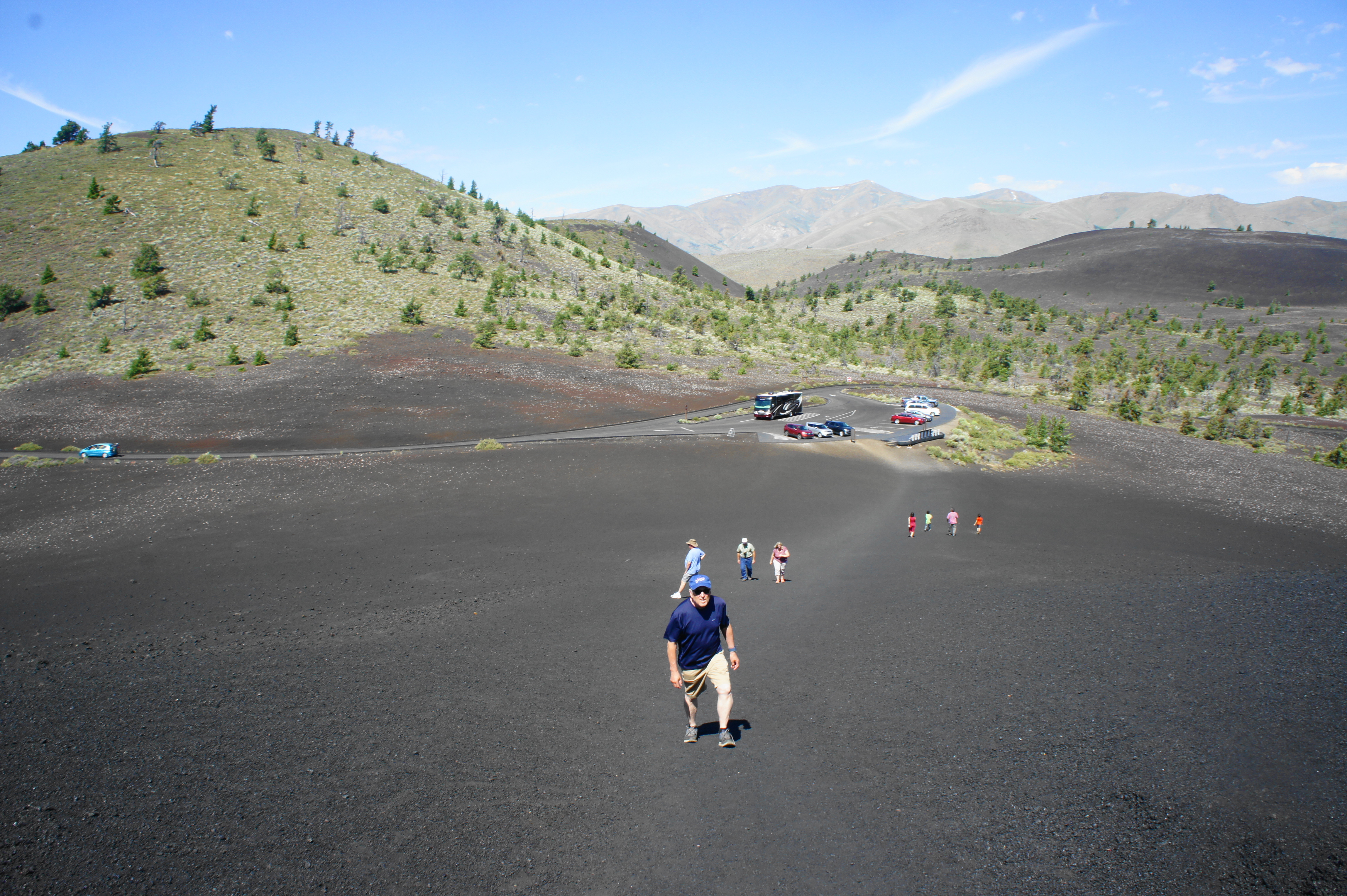
Craters of the Moon National Monument and Preserve looks like someone tipped a charcoal grill across southern Idaho and then sculpted it into cones, fissures, and frozen rivers of lava. It is also wonderfully doable in a half day, even if you are traveling with kids, limited mobility, or a tight road trip schedule. The key is not that the loop is confusing (it is nicely signed). The key is the order that helps you dodge peak wind and heat, which short walks pack the most wow, and how caves work here (hint: permits are free, but not optional).

Below is the loop flow I use, plus the short, high-reward stops: Inferno Cone, Spatter Cones, Devil’s Orchard, and a caves primer that will keep your plans smooth and your shoes grit-free.
Know before you go
- Scenic Loop Drive: a short, paved loop near the visitor center (often described as about 7 miles). Check the current posted mileage on-site if you like exact numbers.
- Heat is real: black lava absorbs sun and throws it back at you like an open oven door. Midday can feel brutal.
- Caves: a free cave permit is required for any open cave to help protect bats from white-nose syndrome. Do not plan on “just popping in” without one.
- Fees and hours: entrance fees and visitor center hours can be seasonal. Confirm on the official NPS site or at the visitor center before you build your day around it.
Loop order that works
The park’s main drive is the paved Scenic Loop Drive that begins and ends near the visitor center. You can drive it in either direction, but most people naturally follow the signed route from the visitor center. That is the simplest plan, and it pairs nicely with morning light on the lava and fewer people on the short trails.
Half-day flow
- Start: Visitor Center (10 to 20 minutes). Check cave access, closures, and any bat-protection requirements, plus get a quick lava orientation.
- Inferno Cone (30 to 60 minutes). Do this earlier if it is warm or windy.
- Spatter Cones (20 to 40 minutes). Big textures, minimal time.
- Devil’s Orchard Nature Trail (15 to 30 minutes). Fully paved, easy win.
- Optional add-on: caves (45 to 90+ minutes). Only if your permit, gear, and conditions line up.
- Finish the loop with extra pullouts, a quick picnic, then head toward your next town for fuel and food.
If you are visiting midday in summer, flip one priority: do any sun-exposed climbs early, then save paved and lower-effort stops for peak heat.
Short walks, big geology
This monument is perfect for travelers who want maximum “I cannot believe this is Idaho” with minimal mileage. The surfaces vary, so think of the stops below as short, concentrated experiences rather than traditional hikes.
Inferno Cone
Inferno Cone is a steep, straight-up cinder cone with a short trail that climbs to a panoramic view over lava flows and nearby cones. It is one of the quickest ways to understand the park’s scale.
- What it feels like: walking up a sand dune made of tiny black pebbles.
- Why it is worth it: a clean, 360-degree read of the volcanic landscape without committing to a long hike.
Wind and slip cautions
- Wind is the real hazard. Gusts can be strong enough to knock you off balance near the top. If it is already breezy at the base, expect it to be worse up high.
- Cinders slide. Tiny rocks roll underfoot, especially on the descent. Take smaller steps, keep your weight centered, and do not try to “ski” down unless you are comfortable with a controlled slide.
- Footwear matters. Closed-toe shoes with a decent tread beat slick soles. Expect gravel in your shoes either way.
- Skip it if you are unsure. There is no shame in enjoying the cone from below. The park has plenty of low-effort wow.
Spatter Cones
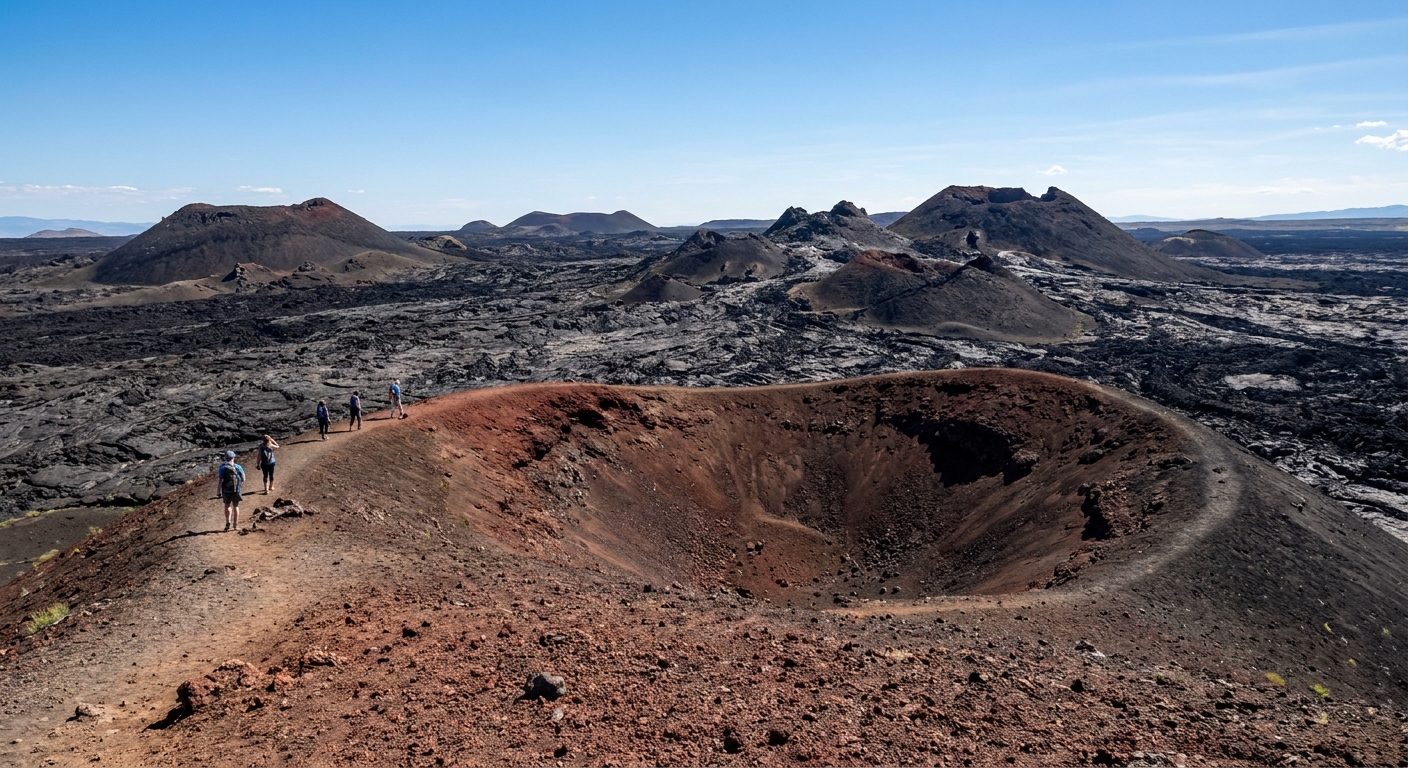
Spatter Cones is a short walk to a cluster of small cones built by blobs of lava flung into the air and piled up around vents. The payoff is fast: within minutes you are standing beside textured, bubbly rock that looks freshly poured, even though most of these eruptions are still “recent” by geology standards (many flows in this area are within the last ~15,000 years).
- What to look for: ropey lava textures, jagged vent openings, and the way the cones rise abruptly out of flat, dark ground.
- Why it works for mixed groups: short distance, big visuals, easy to pair with a quick snack break.
Devil’s Orchard
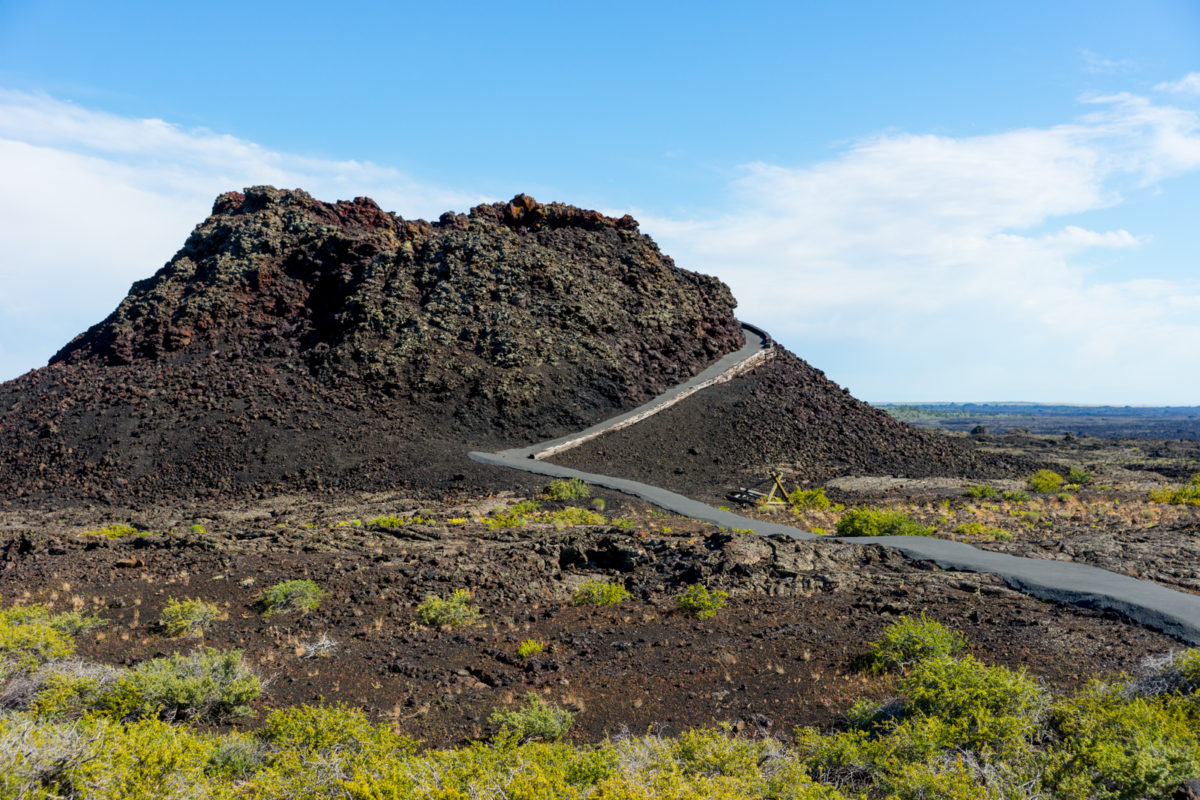
If you want a high-reward stop that is also the most straightforward for wheels and strollers, do Devil’s Orchard Nature Trail. It is a fully paved, ADA-accessible loop that drops you right into the lava story without asking your knees to prove anything.
- Why it is great: fast, scenic, and low effort.
- Good for: limited mobility, kids, and anyone who wants an easy “yes” stop during peak heat.
Minimal-walking + accessibility notes
Craters is not a fully “smooth-path” park once you leave the paved areas, and lava terrain can be uneven and sharp-edged. The best strategy is to treat the Scenic Loop like a series of short outdoor exhibits: park, step out, take in the landscape, then decide if the surface and grade feel comfortable.
- Best paved option: Devil’s Orchard Nature Trail (paved, ADA-accessible loop).
- Close-to-parking views: several pullouts give dramatic lava-field views with minimal walking.
- Visitor Center: your most reliable stop for exhibits, restrooms, and current conditions, plus the best place to ask about accessible features that day.
Cave permits: free, required
The monument has lava tube caves that can be a highlight, but access is managed to protect both people and bats. The key thing to know is simple and absolute: a free cave permit is required to enter any open cave. This is part of the park’s bat protection work, including screening for white-nose syndrome risk.
What “required” means
- No permit, no cave. Even if a cave is open, you still need the permit.
- Rules can change. Specific caves may be closed seasonally, switched to guided-only access, or have special requirements depending on conditions.
How to keep plans smooth
- Check the official NPS cave page before you go for current caves, permit steps, and any reservation platform being used.
- Confirm at the visitor center when you arrive. If anything has changed, they will know first.
- Build your day around “guaranteed” stops first (loop, cones, Devil’s Orchard), then treat caves as a bonus if timing and permits work out.
Why the park uses permits
- Safety: lava tubes can have uneven floors, low ceilings, and cold, damp air even when it is blazing outside.
- Resource protection: limiting traffic reduces damage to delicate cave features.
- Bat conservation: minimizing disturbance and reducing disease risk matters here.
What to bring for a cave stop
- Two light sources per person (headlamp plus backup is ideal).
- Warm layer even on a 90-degree day.
- Sturdy shoes you do not mind getting dusty.
- Clean gear plan: use clean, dry footwear and equipment that has not been in other caves. Follow whatever decontamination guidance the park posts.
Heat on black lava
I love a summer road trip, but Craters of the Moon is one of those places where the environment does not care about your vibe. Dark lava absorbs heat, and there is very little shade. On hot days the ground can feel like it is radiating up through your soles.
Make midday doable
- Front-load climbs. If Inferno Cone is on your list, do it early.
- Hydrate like it is a desert hike. Bring more water than you think you need for “short walks.”
- Sun protection is non-negotiable. Hat, sunscreen, sunglasses.
- Use the car strategically. Short stops, then cool down between them.
- Know your turn-around points. If anyone feels dizzy, headachy, or unusually fatigued, call it.
Town pairing
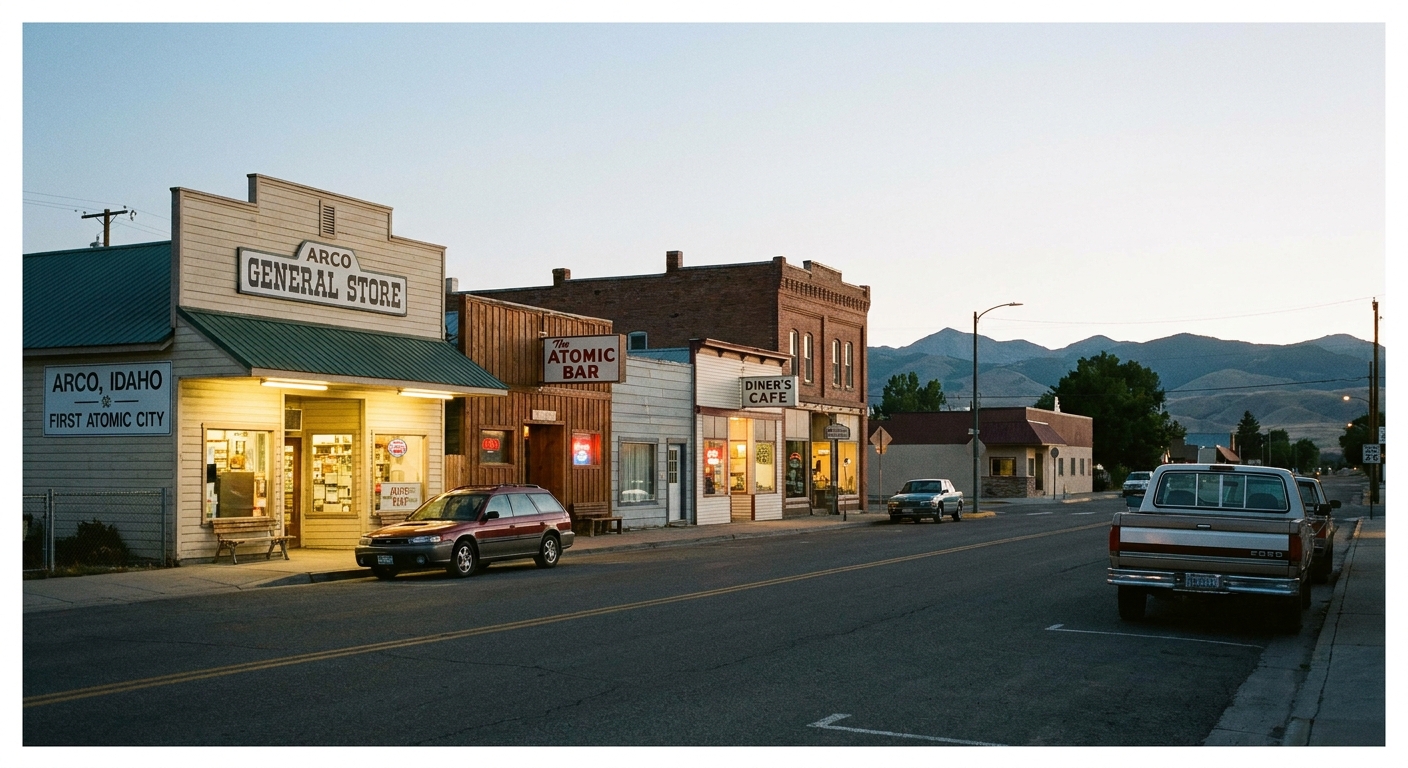
Craters of the Moon feels remote because it is, but you are not traveling to the edge of civilization. You are traveling to a part of Idaho where towns are modest and spread out, and services can be limited late in the day.
Planning that saves your day
- Fuel up before you commit to the loop. Do not assume the next pump is close or open.
- Pack snacks and a real lunch. A sandwich and something salty tastes fantastic after climbing cinders.
- Have a coffee plan. Look for it in the larger towns on your route rather than expecting it right at the monument boundary.
My favorite way to do this is a two-part day: geology and short walks at the monument, then a low-key town meal afterward. It keeps the park experience focused and keeps you from chasing a closed cafe when you are already sun-tired.
Quick checklist
- Footwear: closed-toe, decent tread, expect cinders.
- Water: more than you think for short walks.
- Wind layer: especially for Inferno Cone.
- Sun kit: hat, sunscreen, sunglasses.
- Cave kit: free permit required, two lights per person, warm layer, clean gear.
- Timing: climb early, cruise the loop midday, town food after.
If you want just three highlights, make them: Visitor Center orientation, Inferno Cone, and Spatter Cones. If you want the easiest paved add-on, fold in Devil’s Orchard. It is a compact itinerary with a huge landscape payoff, and it leaves you enough energy to enjoy the small-town Idaho end of the day too.