Dehydration Signs on the Trail

Maya Lin
Maya Lin is a travel journalist and outdoor enthusiast who believes the best trips combine rugged adventures with urban comforts. After spending six years backpacking across four continents, she founded Trail & Town Guide to help fellow travelers navigate both hidden mountain passes and bustling city neighborhoods with confidence.
Dehydration on a hike rarely announces itself with a dramatic moment. More often, it starts as a small, easy-to-ignore shift: your pace slows, your head feels tight, you stop enjoying the view, and suddenly the next mile feels like three.
The tricky part is that dehydration can look like a bunch of other common trail problems, including heat stress, altitude, low calories, or just a rough night of sleep. The fix is not always “chug water.” It is noticing the early signs and responding with the right mix of fluids, electrolytes, and a smart change of plan.
Quick symptom checklist
Use this as a fast trail check. Symptoms can stack. The more boxes you tick, the more urgent it is to stop, cool down, and rehydrate.
Early signs
- Thirst, dry mouth, sticky saliva
- Headache or a “tight” feeling in your head
- Fatigue that feels out of proportion to the terrain
- Dizziness or lightheadedness when you stand up
- Dry lips or dry eyes (eyes may look a bit sunken, especially when you are assessing someone else)
- Urine getting darker yellow and less frequent
- Irritability or feeling weirdly unmotivated
Advanced signs
- Very dark urine (amber) or no urge to pee for hours
- Muscle cramps or twitching (can happen with dehydration, electrolytes, pacing, or fatigue, so treat it as a clue, not a diagnosis)
- Nausea or vomiting
- Rapid heartbeat, feeling faint, or unsteady walking
- Confusion, poor coordination, or unusual behavior
Emergency signs
- Confusion, collapse, seizures, or inability to walk steadily
- Repeated vomiting or inability to keep fluids down
- Very hot skin, flushed skin, or minimal sweating with altered mental status (possible heat stroke)
In these cases, treat it as urgent. Get to shade, cool the person aggressively, and seek emergency help. If you are in a remote area, activate your emergency plan or satellite communicator.
What it feels like
Instead of re-listing every symptom, this section focuses on how dehydration tends to show up in the moment and what it changes in your hiking.
The “everything is harder” shift
One of the most common signs is that the effort feels wrong for the terrain. You are not just tired. You feel flat, unmotivated, and oddly irritated. Little problems feel big.
The head and balance warning
Dehydration can trigger a dull, persistent headache or pressure behind the eyes. Pair that with lightheadedness when you stand up, and you have a strong clue you are behind on fluids, electrolytes, or both.
The coordination line
This is the line you do not want to cross. If someone cannot follow simple directions, is stumbling more than the terrain justifies, or seems “out of it,” dehydration may be severe or paired with heat illness. Stop and treat it seriously.
Why hikers get dehydrated
Even experienced hikers get dehydrated because the trail stacks the deck against you.
- Constant output. Hiking is sustained, low-to-moderate intensity exercise. You can sweat for hours without noticing how much you are losing.
- Heat and sun exposure. Direct sun, reflected heat off rock, and exposed ridgelines increase sweat loss fast.
- Dry air and altitude. In dry climates and at higher elevations, you lose more moisture through breathing. It can feel cool and still dehydrate you.
- Wind. Wind evaporates sweat quickly, so you feel less sweaty, but you are still losing fluid.
- Ounce-counting mindset. Many of us ration water “just in case,” delay drinking to avoid bathroom breaks, or skip salty snacks to pack lighter. All of that adds up.
- Too much plain water for the effort. On long, sweaty hikes, drinking a lot of plain water without replacing sodium can contribute to hyponatremia (low blood sodium). You may feel weak, nauseated, or headachy. Severe hyponatremia is a medical emergency, so do not try to “fix” severe symptoms with salt alone.
How to prevent it
You do not need a complicated formula. You need a repeatable routine that fits your body and the day’s conditions.
1) Start hydrated
Most trail dehydration starts before you even lace up.
- Drink water with breakfast and sip in the hour before you start.
- Do not rely on coffee alone. Caffeine is fine for most people, but it is not a hydration plan.
- If you wake up with dark urine, plan for a slower start and more frequent sipping early on.
2) Use timing
Thirst can be a lagging indicator for some hikers, especially in cool weather or at altitude. Do not ignore thirst, but do not wait for it either. Use multiple cues.
- Default rhythm: take a few sips every 10 to 15 minutes.
- At breaks: drink a little, eat a little. Your body often retains and tolerates fluids better when you also have some sodium and calories onboard.
- After big climbs: pause and recheck your status before charging on.
3) Balance water and electrolytes
Electrolytes help you hold onto fluid and keep nerves and muscles firing normally. The big one for hikers is sodium.
- For hikes under 60 to 90 minutes: water is usually enough for most people unless it is very hot.
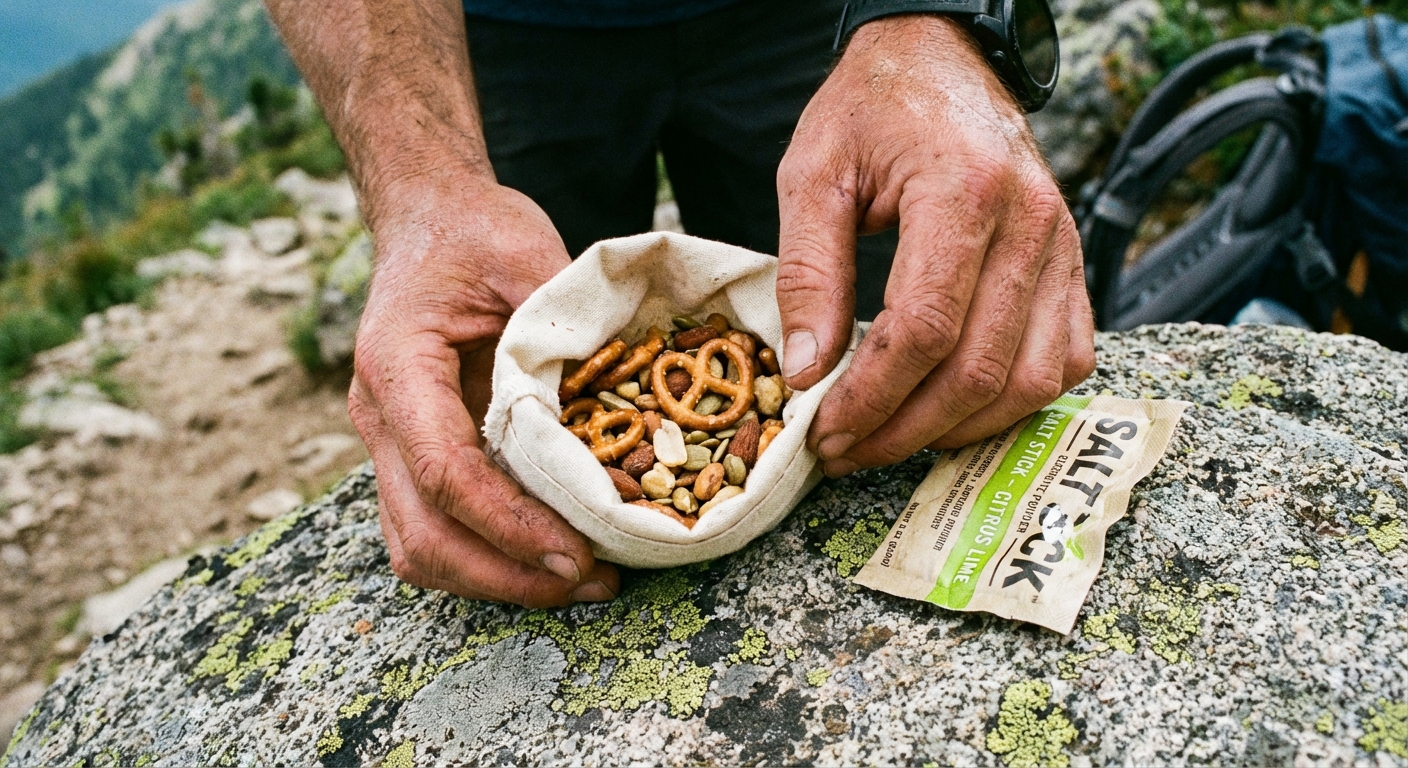
- For longer or sweaty hikes: include electrolytes through a drink mix, tablets, or salty foods (broth packets, salted nuts, jerky, pretzels, cheese, or a salty sandwich).
- If you feel crampy, headachy, or nauseated: consider that you might need sodium and calories, not just more water. If symptoms are severe or worsening, treat it as a stop-and-reassess situation, not a DIY chemistry experiment.
4) Plan water
People want a number, so here is a starting point, not a rule. Many day hikers land somewhere around 0.5 to 1 liter per hour depending on heat, sun, pace, and pack weight. In very hot conditions or on big climbs, some hikers need more.
- Research water sources, seasonality, and reliability before you go.
- Carry enough capacity to cover dry stretches with a buffer.
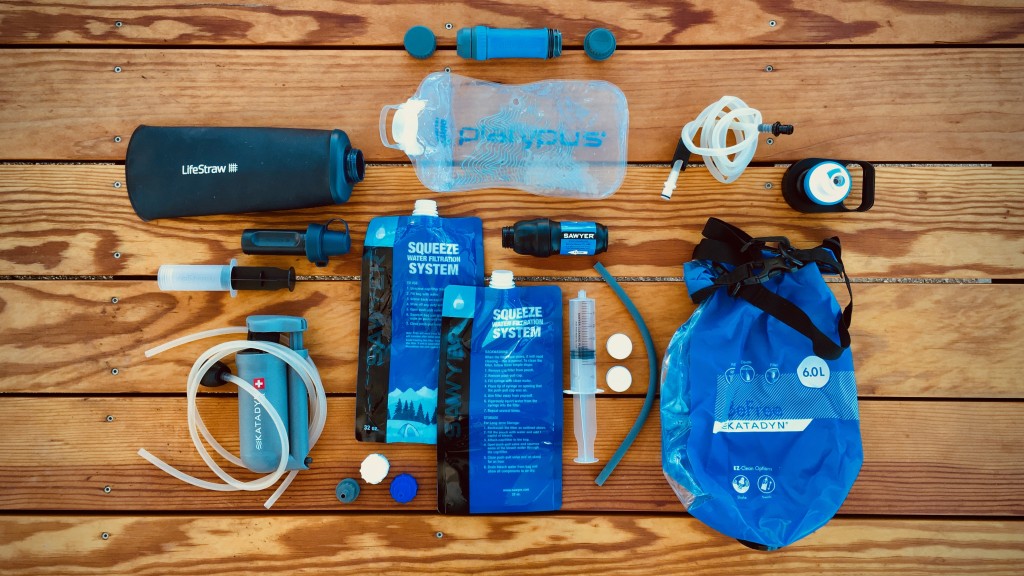
- Bring treatment (filter, tablets, or UV) and use it early, not as a last resort.
5) Match intake to conditions
Your needs swing widely based on temperature, sun exposure, humidity, altitude, pack weight, and pace. Instead of chasing a perfect number, use these cues:
- Urine trending darker
- Dry mouth and headache creeping in
- Energy dropping even though you are fueling
- Salt crust on clothing or skin
6) Eat along the way
Calories help you keep moving, but they also support hydration because many foods contain water and sodium. If you are only drinking and not eating, you can still feel shaky and foggy.
If symptoms show up
When dehydration shows up, the goal is to stop it from progressing. This is the moment to be conservative. The summit will still be there another day.
Step 1: Stop and cool
- Get out of direct sun if possible.
- Loosen clothing and vent heat. Remove your hat if it is trapping heat and you are in shade.
- If it is hot, wet a bandana or shirt and cool your neck and forearms.
Step 2: Sip steadily
Large, fast gulps can upset your stomach. Aim for small sips every minute or two for 10 to 15 minutes, as tolerated, then reassess. If the person is vomiting repeatedly or is confused, do not force fluids. Prioritize cooling and emergency help.
Step 3: Add electrolytes and a snack
If you have been sweating for a while, add an electrolyte mix or eat something salty. Pair it with easy carbs, like a bar, crackers, or dried fruit.
Step 4: Use a simple rule
- Improving within 20 to 30 minutes: continue slowly, drink and snack regularly, and shorten the route if needed.
- Not improving or getting worse: turn around, descend if altitude is a factor, and prioritize getting to help.
- Confusion, inability to walk steadily, repeated vomiting, fainting, or very hot skin: treat as an emergency. Cool aggressively and activate SOS or call emergency services as soon as you can.
Step 5: Protect your water
If you are running low on water, slow your pace, move into shade when you can, and take the safest exit route. If you have a filter or purifier, use it early rather than waiting until you are desperate.
Dehydration vs heat vs altitude
These conditions overlap, and you can have more than one at the same time.
- Dehydration: thirst, dark urine, headache, dizziness, fatigue.
- Heat exhaustion: heavy sweating, weakness, nausea, headache, clammy skin, rapid pulse. Cooling is the priority.
- Heat stroke: altered mental status plus very hot skin (sweating may be present or absent). This is an emergency. Cool aggressively and get help.
- Altitude illness: headache plus nausea, dizziness, unusual fatigue, poor sleep, symptoms that worsen with elevation. Descending is often the best move.
If you are unsure, take the conservative approach: stop, cool down, hydrate with electrolytes if the person is alert and able to drink, and consider descending or ending the hike.
Minimal hydration kit
This is my minimal, actually-used kit that covers most day hikes without turning your pack into a pharmacy.
- Enough water capacity for the route (bottles or reservoir)
- Backup treatment (filter, purification tablets, or UV device)
- Electrolyte option you will genuinely drink
- Salty snack and quick carbs
- Sun protection (hat, sunscreen) to reduce heat load
Bottom line
Dehydration is common, sneaky, and preventable. The winning strategy is not hero-level water carrying. It is a consistent sip schedule, a little sodium on longer or hotter hikes, and the confidence to slow down or turn around when symptoms show up.
If you want one takeaway to remember: sip early, salt smart, and reassess often.