Devil’s Hall vs Guadalupe Peak: One-Day Plan

Maya Lin
Maya Lin is a travel journalist and outdoor enthusiast who believes the best trips combine rugged adventures with urban comforts. After spending six years backpacking across four continents, she founded Trail & Town Guide to help fellow travelers navigate both hidden mountain passes and bustling city neighborhoods with confidence.
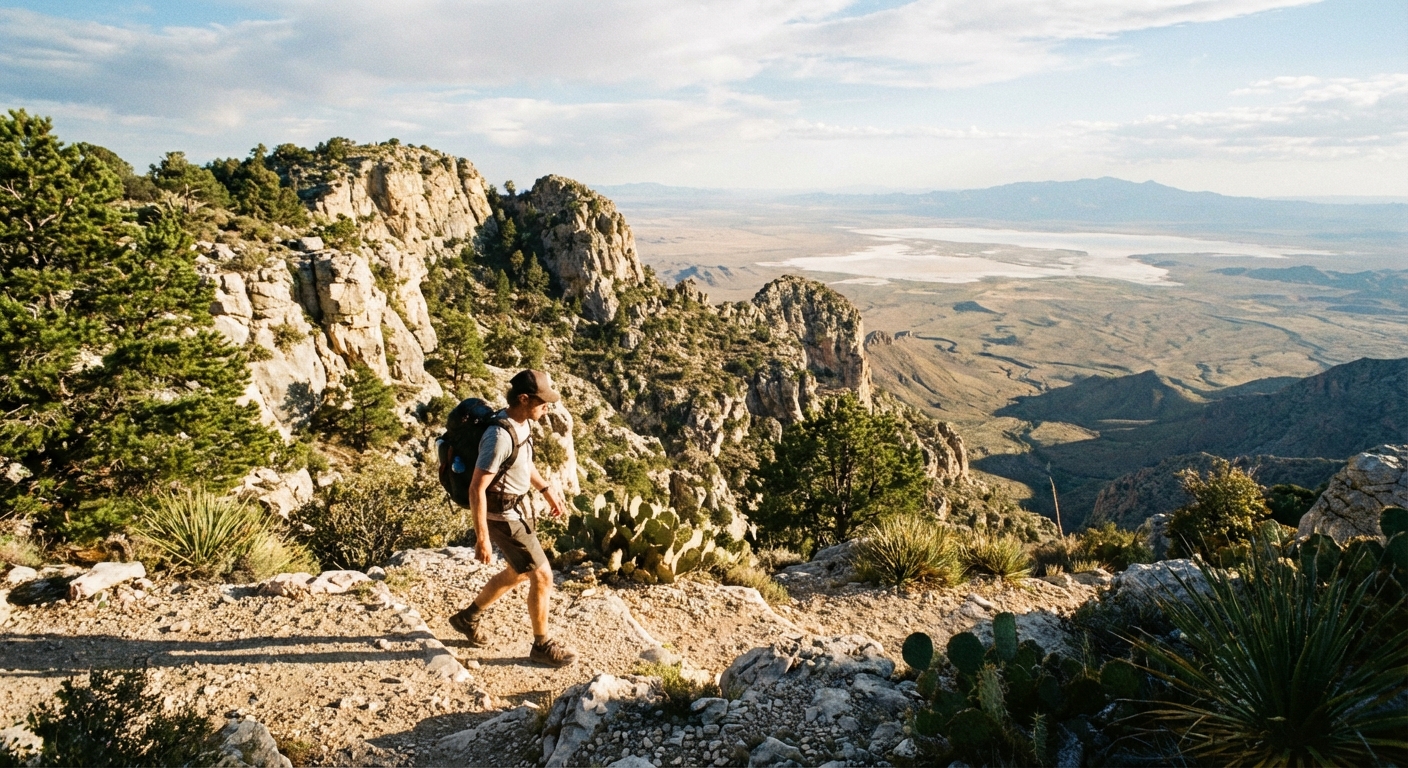
Guadalupe Mountains National Park is Texas at its most unexpected: high-country switchbacks, fossil reef limestone, and desert light that makes every ridge look sharper than it has any right to. If you have one day and you are deciding between Devil’s Hall and Guadalupe Peak, the choice is less about which hike is “better” and more about what kind of effort you want to spend your day on.
Devil’s Hall is a scrambly, narrow canyon corridor adventure that feels bigger than its mileage. Guadalupe Peak is a sustained climb to the roof of Texas with views that make the drive feel instantly worth it. Below is the honest comparison, plus realistic timing and day plans from El Paso and West Texas road trips.
Quick pick
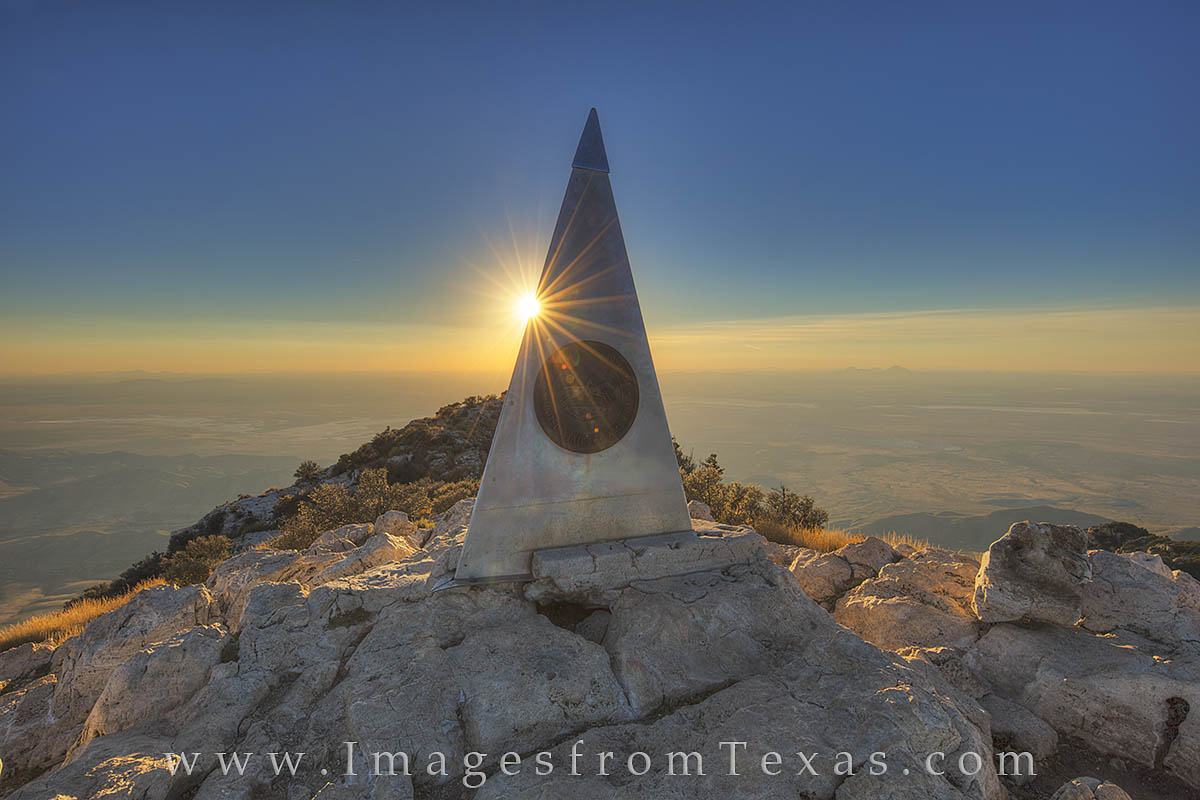
- Pick Guadalupe Peak if you want a true summit day, steady climbing, and bragging rights for Texas’ high point.
- Pick Devil’s Hall if you want variety, mild route-finding, boulder hopping, and a shorter drive-to-hike-to-lunch kind of day.
- Pick Devil’s Hall in summer if you are heat-sensitive. It can be easier to manage than an exposed summit grind, but it is still a desert hike. Start early, carry extra water, and watch the forecast closely.
- Pick Guadalupe Peak in shoulder seasons for the most comfortable temperatures and the clearest views.
Difficulty and time
Park distances and typical times are useful, but what matters is how the terrain feels underfoot. One is a consistent cardio climb. The other is a choose-your-own-adventure through wash crossings and a narrow limestone corridor where pace slows down.
| Hike | Distance (round trip) | Elevation gain | Typical time on trail | How it feels |
|---|---|---|---|---|
| Guadalupe Peak Trail | About 8.0 to 8.5 miles | About 2,900 to 3,000 ft | 6 to 8 hours (many parties) | Steady uphill on switchbacks, exposed sun and wind, big payoff at the top |
| Devil’s Hall Trail | About 4.0 to 4.5 miles | Low net gain, but repeated stepping and scrambling add effort | 2.5 to 4 hours (more if cautious) | Easy approach, then boulder hopping and short scrambles in a rocky “hall” |
Note: Mileages and elevation gain vary a bit by source and where you turn around. If you want the most current numbers, check the park’s official trail info before you go.
Fitness reality check
- Guadalupe Peak is a commitment. Even strong hikers feel the cumulative climb and the exposure. If your recent hiking has been mostly flat, plan on the longer end of the time range.
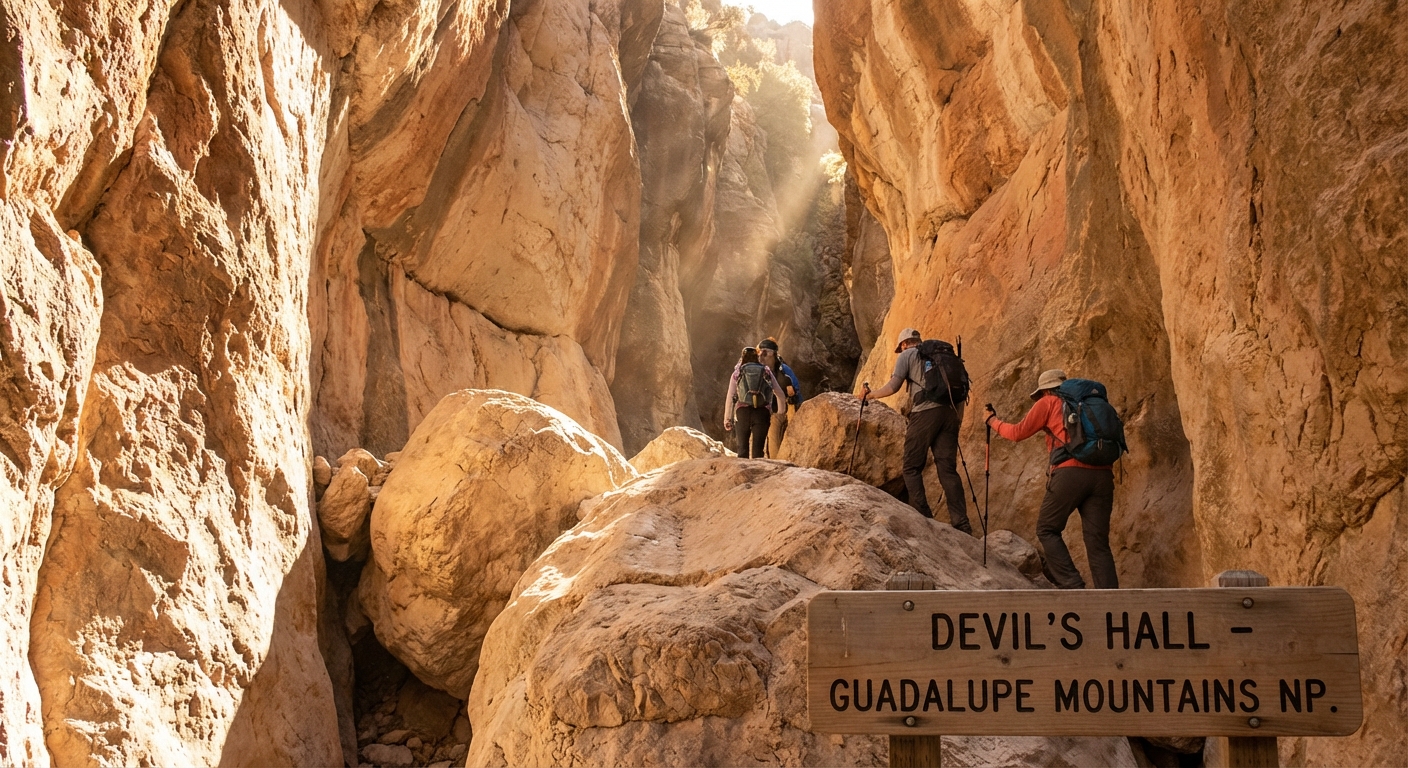
- Devil’s Hall is shorter, but the final section is slow because you are using hands, stepping between boulders, and choosing lines. If you dislike scrambling or have ankle concerns, factor in extra time.
Route-finding note: Devil’s Hall is not hard to follow, but first-timers do sometimes second-guess the wash crossings and cairns. An offline map helps.
Water and electrolytes
Guadalupe Mountains is dry, windy, and deceptively draining. Do not plan on finding reliable water on either hike. Treat both as carry-in, carry-out hydration days.
You may find seasonal water at developed areas near Pine Springs, but do not build your hike plan around it and do not expect anything on-trail.
How much water to bring
- Guadalupe Peak: Many hikers are comfortable with 3 to 4 liters per person in mild weather. In hotter conditions or if you sweat heavily, 4 to 5 liters is not unreasonable.
- Devil’s Hall: Plan 2 to 3 liters per person in mild weather. Bring more if it is warm or if you expect a slow scramble.
My desert-water rule
If you are debating whether to bring the extra liter, bring it. You will never regret the weight as much as you will regret rationing on a windy ridge or during a slow boulder section.
Electrolytes are not optional
At this elevation and dryness, plain water alone can leave you feeling oddly depleted. Pack electrolyte tabs or a powder mix and use it early, not after you start cramping.
Carry-on only tip: I travel with a slim electrolyte sleeve and buy gallon jugs in town. At the trailhead I top off a bladder and two bottles, then stash the extra water in the car for the drive back.
Best seasons and weather traps
The Guadalupe Mountains sit high enough that weather can swing fast. Wind is a year-round character here, and it can turn a pleasant forecast into a full-body effort.
Best hiking windows
- Fall (Oct to Nov): Crisp mornings, great visibility, and generally friendlier temperatures for Guadalupe Peak.
- Spring (Mar to Apr): Another sweet spot. Expect wind. Pack layers even if El Paso feels warm.
- Winter (Dec to Feb): Clear days can be perfect, but snow or ice can show up on the peak trail. Even without snow, wind and cold can push you into hypothermia territory if you are under-layered.
- Summer (Jun to Sep): Heat risk climbs fast, especially on Guadalupe Peak with its sustained exposure. Devil’s Hall can be the safer pick if you start early, carry plenty of water, avoid the hottest hours, and bail if storms threaten.
Wind is an energy tax
On Guadalupe Peak, wind can add an hour to your day because it slows pace on the ridge and makes stops colder. Bring a light shell even in shoulder season.
Trail specifics
Guadalupe Peak Trail
- Terrain: Well-defined trail with long switchbacks, rocky footing, and big exposure to sun and wind.
- Effort profile: Uphill almost the whole way out, then downhill pounding on the return.
- Safety notes: Start early, respect wind chill, and do not underestimate how much sun you get even on cool days.
- Who will love it: Summit seekers, cardio hikers, anyone who wants the iconic view moment.
- Who might not: Those with knee pain on descents, or anyone not ready for 6 to 8 hours of continuous effort.
Devil’s Hall Trail
- Terrain: Easy-to-moderate approach, then a rocky “hall” with boulder hopping and light scrambling.
- Effort profile: Less cardio grind, more balance and careful foot placement near the end.
- Safety notes: The route follows a wash. If storms are possible anywhere nearby, take flash-flood risk seriously and turn around early. In the “hall,” move one at a time on sketchy steps and do not rush the scrambles.
- Who will love it: People who like playful terrain, photos, and a sense of discovery.
- Who might not: Hikers uncomfortable using hands, or those wanting a straightforward “just follow the trail” day.
Leave No Trace reminder: Stay on durable surfaces, do not shortcut switchbacks, and pack out every scrap, including peels and wrappers.
Logistics to know
- Fees and hours: Expect an entrance fee. Visitor center hours and services can vary by season, so check current hours before you drive out.
- Limited services: Once you are in this corner of West Texas, options are thin. Fuel up and buy water and snacks before you arrive.
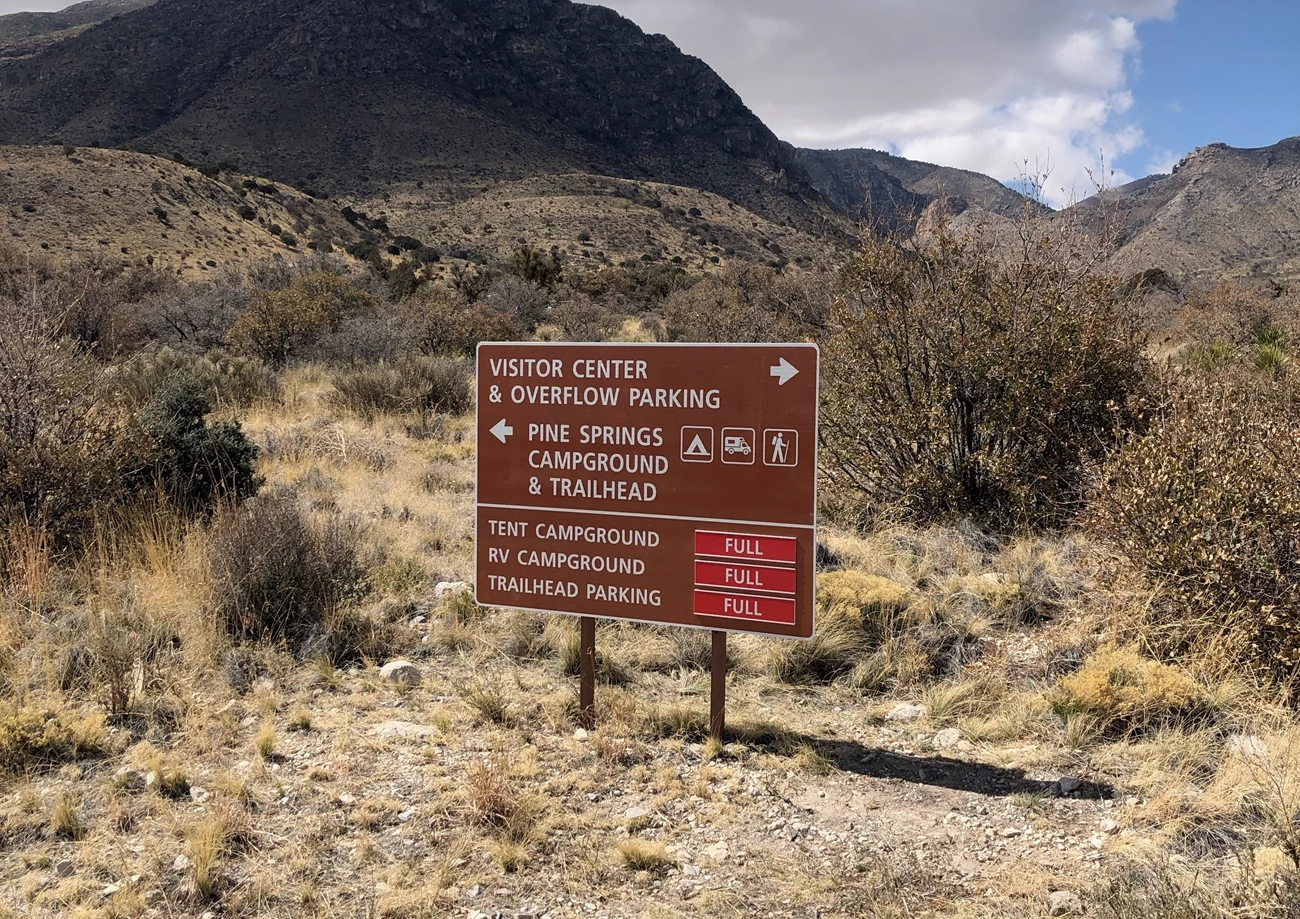
- Parking: Pine Springs is popular. On weekends and holidays, arrive early for easier parking and cooler trail time.
- Pets: Pet rules in national parks are strict and trail-specific. Check the park’s current pet policy before assuming your dog can join you on these routes.
One day from El Paso
From El Paso, you are looking at roughly a 1 hour 45 minutes to 2 hours 15 minutes drive each way to Pine Springs depending on where you start in the city and how many coffee stops you “accidentally” make.
Daylight caveat: In winter, short days tighten everything. In summer, heat becomes the limiter. Build your plan around season and sunset, not optimism.
Option A: Guadalupe Peak (main event)
- 05:00 to 06:00 Leave El Paso
- 07:00 to 07:30 Arrive, gear up, start hiking
- 13:30 to 16:00 Finish hike (varies widely)
- 16:00 to 18:30 Drive back to El Paso
What else can you add? Keep it simple. A short nature walk near Pine Springs, a quick visitor center stop (if open), or a scenic pullout. Plan dinner in El Paso, not an ambitious second hike.
Option B: Devil’s Hall plus a relaxed sampler
- 06:00 to 07:00 Leave El Paso
- 08:00 to 08:30 Start Devil’s Hall
- 11:00 to 12:30 Finish, lunch and rest
- Afternoon Add a short, easy trail or scenic overlooks
- 16:00 to 18:30 Drive back
This is my favorite “I want a real hike but also want to enjoy the park” pacing, especially if you are traveling with mixed fitness levels.
One day on a West Texas loop
Guadalupe Mountains pairs naturally with the classic West Texas triangle: El Paso, Carlsbad, Marfa, Fort Davis, and Big Bend. The trick is understanding which routes make a same-day hike realistic.
From Carlsbad
It is one of the easiest add-ons. You can do either hike as a day trip, but Guadalupe Peak still deserves an early start.
From Marfa or Fort Davis
Devil’s Hall is the more forgiving choice for a single day, especially if you also want time for Marfa food and galleries. Guadalupe Peak from this direction can feel like an all-day mission with a late return.
From Big Bend
This is the classic “Texas is huge” moment. Big Bend to Guadalupe Mountains is generally not a casual day trip. If you only have one day, choose one park and do it justice.
Can you do both in one day?
Technically, yes, in the same way you can technically eat two burritos the size of your forearm and still go for a run. Most people will not enjoy it.
When it can work
- You are very fit, comfortable with long days, and start at first light.
- Temperatures are cool and wind is reasonable.
- You treat Devil’s Hall as a quick bonus and keep breaks short.
Why I usually do not recommend it
- Safety margin: If anything runs long, you finish one or both hikes in the hottest part of the day or near dark.
- Enjoyment: Devil’s Hall is most fun when you can linger, take photos, and move carefully through the scrambles.
- Driving fatigue: If you are also doing El Paso round-trip, stacking both hikes is a long, tired drive home.
What to pack
- Water capacity: Hydration bladder plus at least one backup bottle
- Electrolytes: Tabs or powder
- Sun protection: Hat, sunglasses, sunscreen
- Wind layer: Light shell or windbreaker for Guadalupe Peak
- Warm layer: Light fleece in cooler seasons, wind can make it feel much colder up high
- Food: More than you think you need, especially salty snacks
- Footwear: Shoes with good grip for Devil’s Hall boulders
- Navigation: Offline map downloaded, even on popular trails
- Headlamp: Small, lightweight insurance
Carry-on only note: If you fly in, remember that trekking pole rules can vary by airline and TSA interpretation. If you need poles, plan to check a bag or rent or buy locally.
My recommendation
If you want the iconic Texas high point and you have the fitness, plan your whole day around Guadalupe Peak. Start early, carry more water than you think, and save your legs for the descent.
If you want a memorable adventure that leaves room for a slower afternoon, choose Devil’s Hall and pair it with a picnic, overlooks, and an unhurried drive back through West Texas light.
Either way, this park rewards commitment. Not because it is extreme, but because the desert is honest. It gives you exactly what you prepare for.