Devils Postpile Shuttle Windows + Rainbow Falls Day Plan
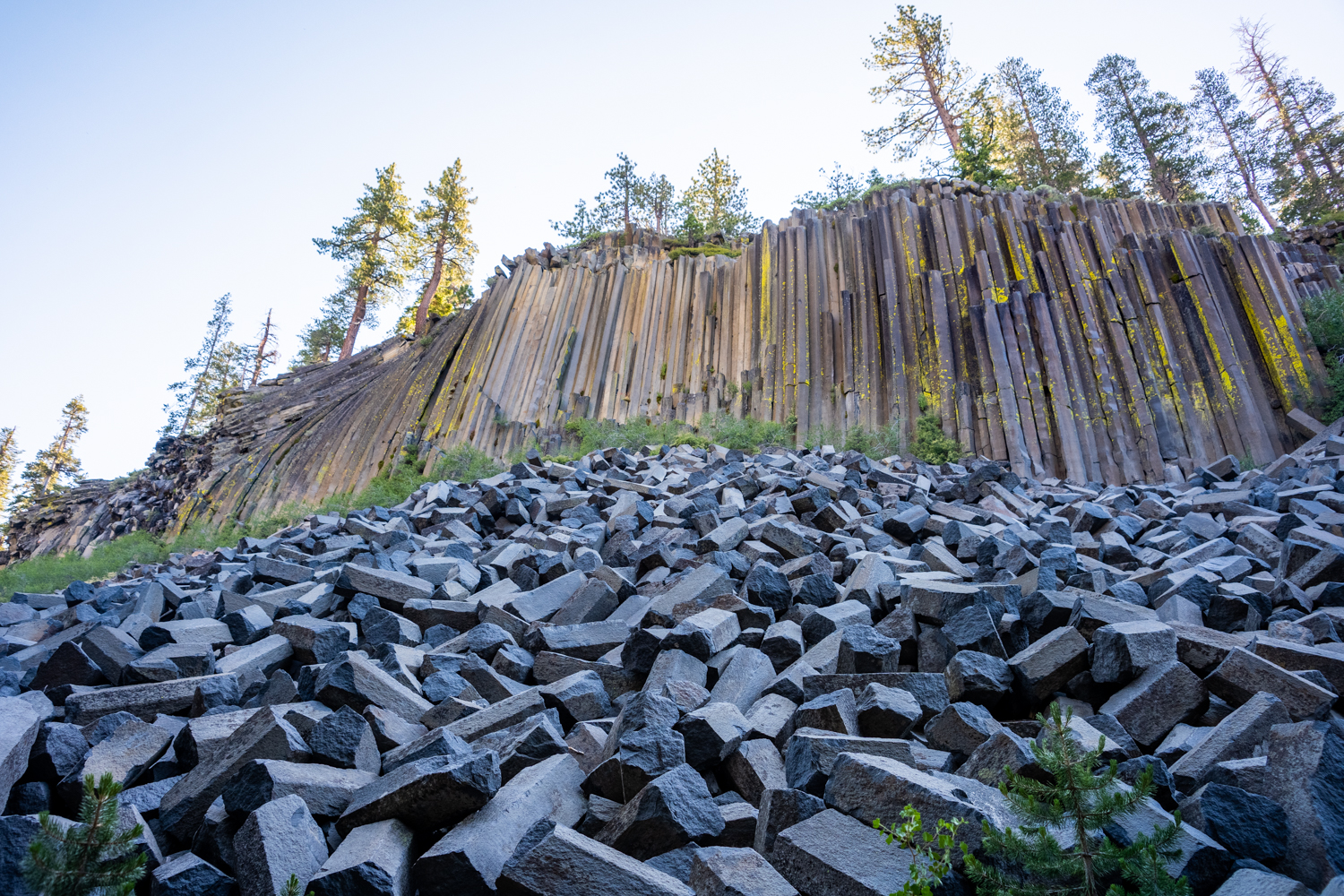
A day at Devils Postpile National Monument is one of those Eastern Sierra wins that feels like two trips in one: a quick dose of mind-bending geology, plus a forest-and-river walk to a legit waterfall. The only catch is access. In peak season, your whole day hinges on the shuttle windows and how you time Rainbow Falls before the Mammoth-area afternoon weather does its classic “bluebird to thunder” routine.
Below is the day plan I use when friends visit Mammoth Lakes and want the full Postpile and Rainbow Falls experience without stress, backtracking, or a last-minute sprint for the last bus.

Know the shuttle rules
Access to Devils Postpile is seasonal and often shuttle-based due to traffic and limited parking in the Reds Meadow Valley. If you are staying in Mammoth Lakes, assume you will need the shuttle during peak summer days unless you confirm otherwise on the official NPS and Forest Service alerts pages before you leave town. Rules can also include exceptions for certain permit holders, campers, and resort guests, so do not guess. Verify.
What “shuttle only” usually means
- Private vehicle restrictions: During mandated periods, you cannot drive your own car down to Reds Meadow and Devils Postpile during most daytime hours. There can be limited early or late drive windows depending on the year.
- Shuttle boarding: You typically park at Mammoth Mountain’s Adventure Center/Main Lodge area and ride down into the valley. Boarding locations can shift, so confirm the exact spot when you buy your ticket.
- Stops: The shuttle serves key trailheads and sites, including Devils Postpile and Rainbow Falls access points.
Important: the mandatory shuttle is a paid ticket in most peak-season setups (it is not a free park shuttle). Tickets are commonly sold at or near the Mammoth Mountain Adventure Center, but confirm current purchase details and whether timed entry applies.
My rule: plan your day around the shuttle, not around your hiking pace. The shuttle is the metronome. Everything else is flexible.
Shuttle windows
Exact dates and times vary year to year with snowpack, road work, and operating changes. In general, you will see:
- Peak summer schedule: frequent buses from morning through late afternoon.
- Shoulder season: reduced frequency, sometimes limited days per week.
- Outside shuttle season: driving may be allowed when the road is open, but services are limited and conditions can change quickly.
Do this the night before: check (1) shuttle operating dates, (2) first departure time, (3) last return time, (4) the current boarding location, and (5) whether bikes are allowed if you were hoping to ride.
Your one-day plan
This plan assumes you are starting from Mammoth Lakes or Mammoth Mountain and using the shuttle. Adjust earlier if you are visiting during short fall days.
8:00 to 9:30 AM: Coffee, layers, first shuttle
I am a “carry-on only” packer, but day hiking in the Sierra still deserves a tiny system. Mornings can be crisp, and shade lingers in the valley. Also, the Mammoth area sits at real elevation. If you are coming from sea level, hydration and pacing matter more than you think.
- Wear: light base layer, warm layer, and a shell you can actually hike in.
- Bring: 1 to 2 liters of water per person, sun protection, and shoes with grip.
- Aim for: an early shuttle so you are hiking to Rainbow Falls before midday heat and before afternoon storms build.
9:30 to 10:45 AM: Devils Postpile first
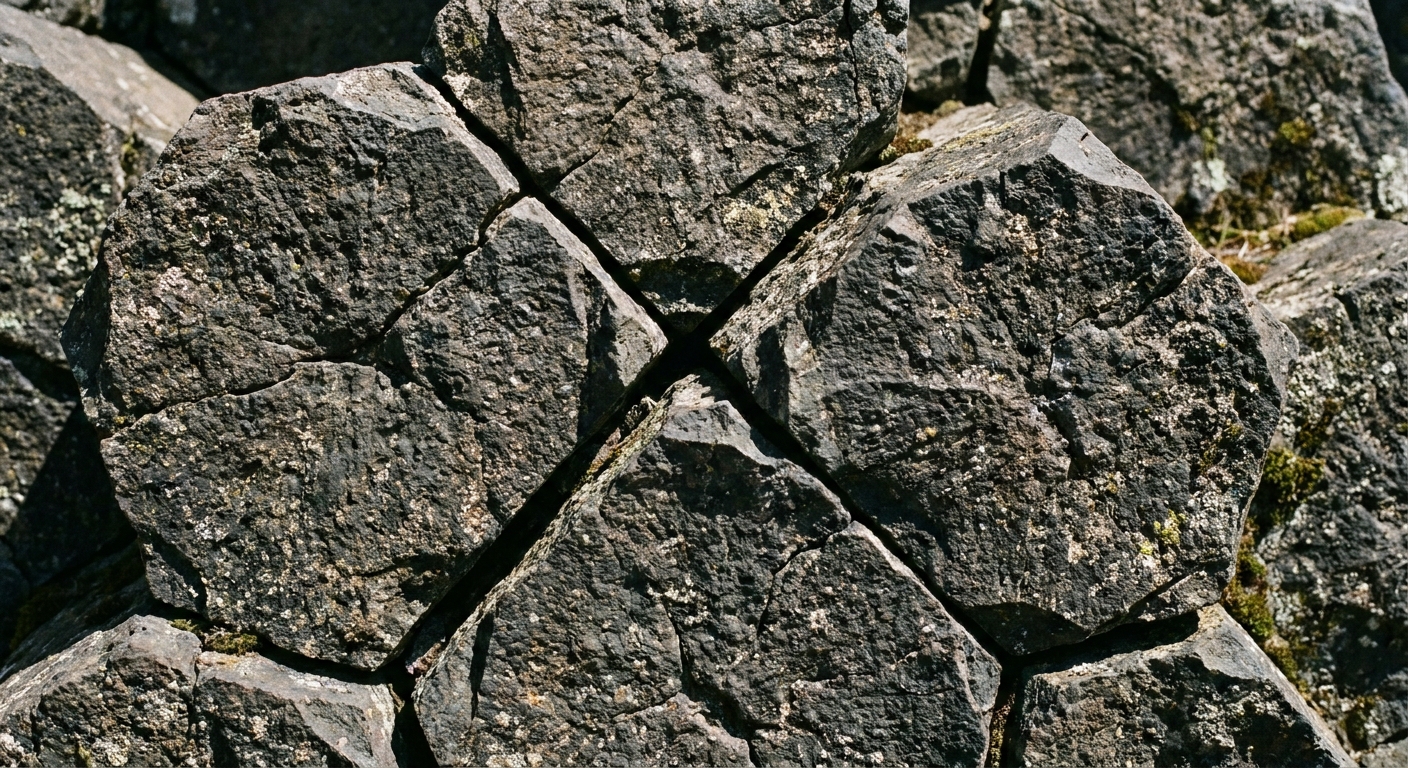
Once you hop off at the Postpile stop, you can see the formation with minimal walking. The columns are basalt, formed when a thick lava flow cooled slowly and cracked into those famous, mostly hexagonal shapes. It is like nature decided to show off its math skills.
Take your time here. The lighting is often best earlier in the day, and the crowds feel more civilized before lunch.
Do not skip the top view: take the short spur trail up to the top of the Postpile for that “tile floor” perspective. Looking down at the hexagons hits differently than looking up at the pillars.
10:45 AM to 2:00 PM: Rainbow Falls out-and-back
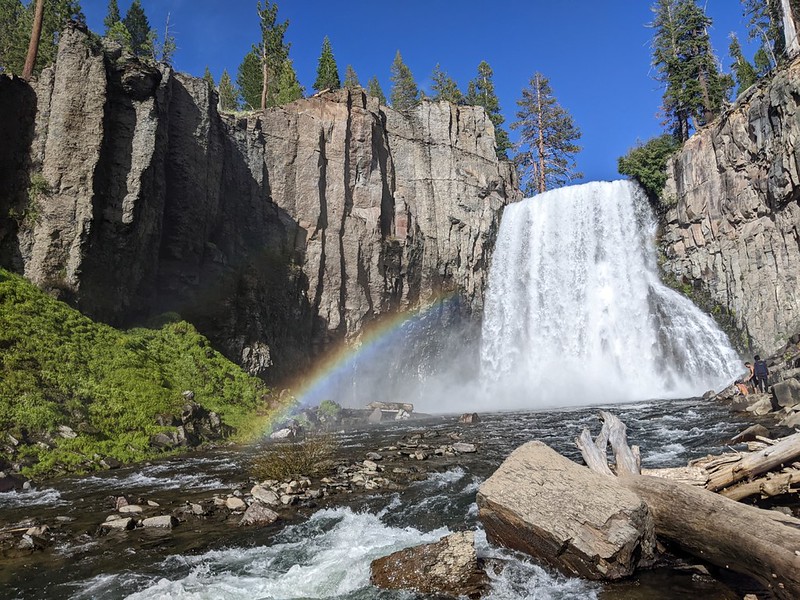
From the Devils Postpile area, continue to Rainbow Falls on the main trail. Expect a steady, moderate walk through forest with stretches near the San Joaquin River (this corridor is often described as the Middle Fork in this area, but signage and sources vary). Most visitors do Rainbow Falls as an out-and-back, which keeps navigation simple and makes shuttle timing easier.
- Distance: about 5 miles round trip from the Ranger Station area, but it can vary depending on which shuttle stop you start from and any small detours.
- Time estimate: about 2.5 to 3.5 hours round trip for most people, including waterfall time and photo stops.
- Why morning wins: you are more likely to have comfortable temps, better trail conditions, and less lightning risk.
At the falls: take a real pause
Rainbow Falls is not the tallest waterfall in California, but it is reliably dramatic, especially at higher flows. The “rainbow” effect is most likely when sunlight hits the mist at the right angle. That tends to be late morning into early afternoon, but it varies by season and cloud cover.
If you want the best chance at the rainbow without gambling on late-day thunderstorms, aim to arrive around midday and start hiking back soon after.
2:00 to 4:00 PM: Shuttle back, Mammoth reset
Once you return to the shuttle stop, build in buffer time. Lines can form in peak season, and buses can fill. Back in Mammoth Lakes, this is your moment to swap trail dust for town comforts: a shower, a late lunch, and the kind of iced coffee that tastes like victory.
Trail footing
Most of the Rainbow Falls route is straightforward, but there are a few spots where people get surprised.
Basalt steps near the Postpile
- Expect uneven rock: the basalt can form natural steps and ledges.
- Traction matters: dust, pine needles, or morning damp can make rock slick.
- Take the slow line: especially if you are carrying kids, using trekking poles, or wearing flatter-soled shoes.
If you have tender knees, trekking poles are not overkill here. They are just smart.
Afternoon storms
In summer, the Eastern Sierra often serves up a predictable arc: clear morning, building clouds after lunch, then the chance of showers or thunderstorms. Mammoth’s elevation and the surrounding terrain help storms pop even when the morning looked harmless.
How to plan around it
- Start early: be on the trail before the hottest part of the day.
- Be conservative with timing: turn around earlier than you think you need to if clouds build fast.
- Avoid exposed spots during thunder: do not linger on viewpoints or open areas if you hear thunder.
Waterfalls and lightning are both impressive. Only one is optional.
Bear-aware snacks
This is bear country. The goal is simple: you eat, you pack it out, and nothing smells like a buffet when you leave.
My simple snack kit
- Low-crumb, low-mess food: tortillas with nut butter, a dense bar, jerky, or fruit that does not explode in your pack.
- One zip bag for all trash: wrappers, peels, and used wipes.
- Skip strongly scented extras: open honey packets and powdered drink mixes can get messy fast.
On the shuttle and at stops: never leave food in an unattended bag on the ground. Keep it with you and follow posted trash and food-storage guidance.
Restrooms and water
Logistics are part of the fun, unfortunately.
- Restrooms: usually available at major shuttle stops and developed areas in the Reds Meadow corridor, but do not assume they will be open or stocked. Have a backup plan.
- Water: treat all natural water as untreated. If you plan to refill, bring a filter or treatment and confirm what is actually available near stops that day.
Accessibility notes
Devils Postpile is a place where accessibility depends on the specific segment you are doing, plus seasonal maintenance and surface conditions.
What to expect
- Connector paths can be compacted dirt: generally firm in dry weather, but rutted or soft after storms.
- Grade and cross-slope vary: some sections are manageable, others can feel steep or uneven.
- Rainbow Falls trail is more rugged: it is typically not built to ADA-accessible, paved or graded path standards. If you want the smoothest experience, focus on the Postpile viewing areas and nearby short walks.
If you are planning around a mobility device or want the most current surface updates, check official site conditions before you commit to Rainbow Falls.
Quick checklist
- Confirm whether the Reds Meadow Road is under shuttle mandate and note the first and last shuttle times.
- Confirm where to board and how to buy shuttle tickets (it is usually a paid ticket during mandatory periods).
- Remember that exceptions can exist for certain users and permits. Check official alerts the night before.
- Catch an early shuttle and see Devils Postpile first (and take the quick spur to the top).
- Budget about 5 miles round trip and 2.5 to 3.5 hours for the Rainbow Falls out-and-back with breaks.
- Wear grippy shoes for basalt steps and uneven rock.
- Plan to be heading back before afternoon storms are likely.
- Pack bear-aware snacks, carry every crumb of trash out, and hydrate like you mean it.
If you have extra time
If your shuttle timing and energy line up, consider a slower, more “Trail and Town” style finish: take a scenic drive around Mammoth Lakes Basin later in the day, or grab dinner in town and toast your waterfall miles with something warm. The best Eastern Sierra days end with tired legs and a comfortable chair.