Dog-Friendly Trails in US National Parks

Maya Lin
Maya Lin is a travel journalist and outdoor enthusiast who believes the best trips combine rugged adventures with urban comforts. After spending six years backpacking across four continents, she founded Trail & Town Guide to help fellow travelers navigate both hidden mountain passes and bustling city neighborhoods with confidence.
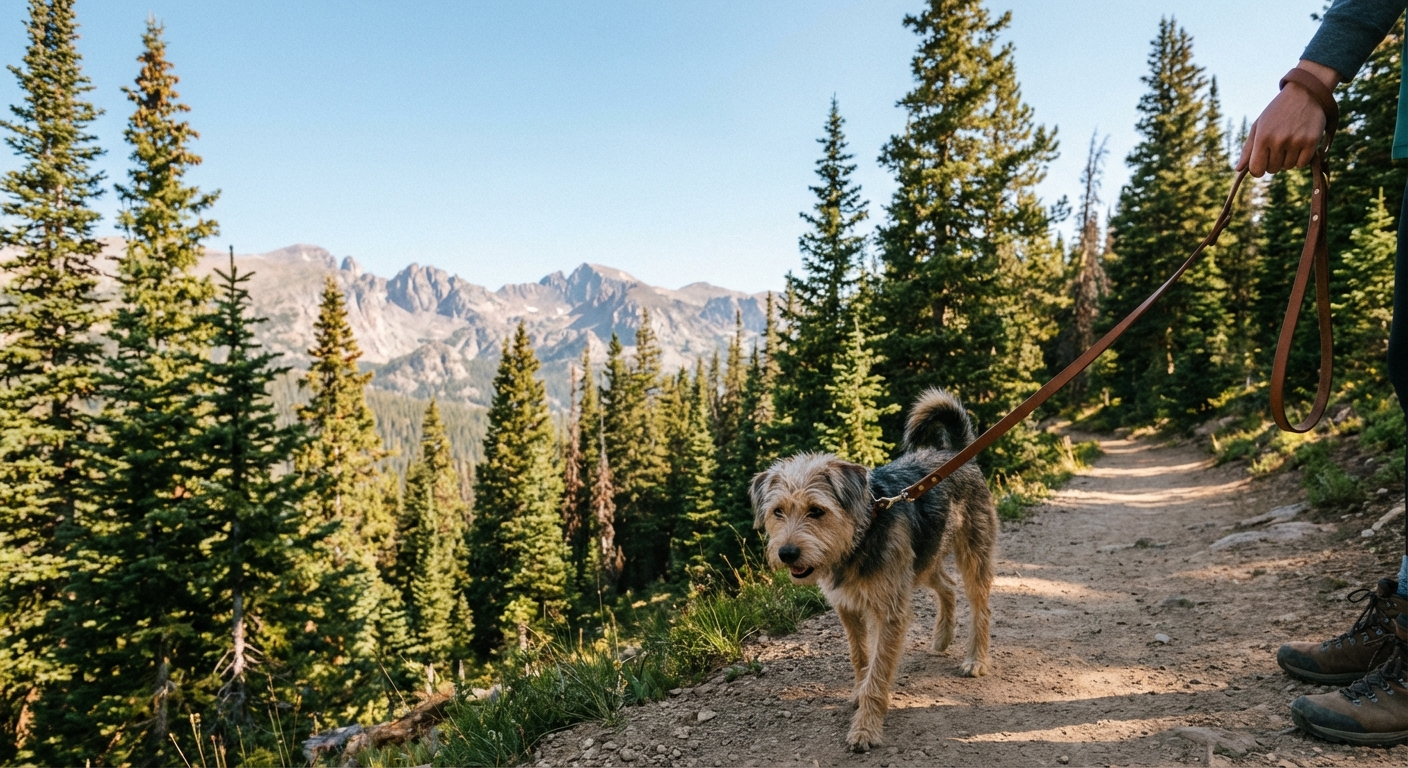
National parks and dogs can be a frustrating combo. You show up with a leash, a full poop-bag roll, and big hiking dreams, then find the sign: Pets prohibited beyond this point. The good news is a handful of parks in the US are genuinely workable for dog owners, with real mileage you can cover together, not just a parking-lot stroll.
This guide focuses on three standouts with the most dog-friendly policies overall: Acadia, Shenandoah, and Cuyahoga Valley. I will also walk you through the rules that matter, plus where to stay nearby without the dreaded “no pets” pop-up at checkout.
Before you go: rules that trip people up
Even in the most dog-friendly national parks, you are hiking on borrowed privilege. Policies vary by park and can change seasonally. Always check the park’s official pet page before you go, especially if you are traveling far.
Common park rules
- Leash required: Typically 6 feet or shorter, and it must be attached to you. Retractable leashes are often discouraged on busy trails.
- Where dogs are usually allowed: Developed areas (campgrounds, picnic areas, roads), some carriage roads or multi-use paths, and select hiking trails depending on the park.
- Where dogs are usually not allowed: Most backcountry trails, wilderness areas, park buildings, and often beaches during nesting seasons.
- Waste rules: Pack it out. Some trailheads have bins, many do not. Bring double bags and a plan.
- Hazards to plan for: Heat, slickrock, sharp granite, ticks, porcupines, and unsafe water sources. Your dog’s “trail fitness” matters as much as yours.
My personal baseline: if the trail has ladders, iron rungs, steep scrambles, or narrow cliff exposure, I do not bring a dog even if it is technically allowed. Safe and fun beats forced and stressful.
Acadia National Park, Maine
If you want a national park that actually feels designed for dog travel, start with Acadia. Dogs are welcome on most hiking trails and carriage roads, which is rare in the National Park System. You still need to be mindful of crowds, exposed granite, and the fact that some iconic routes are not dog-safe.
Top dog-friendly trails
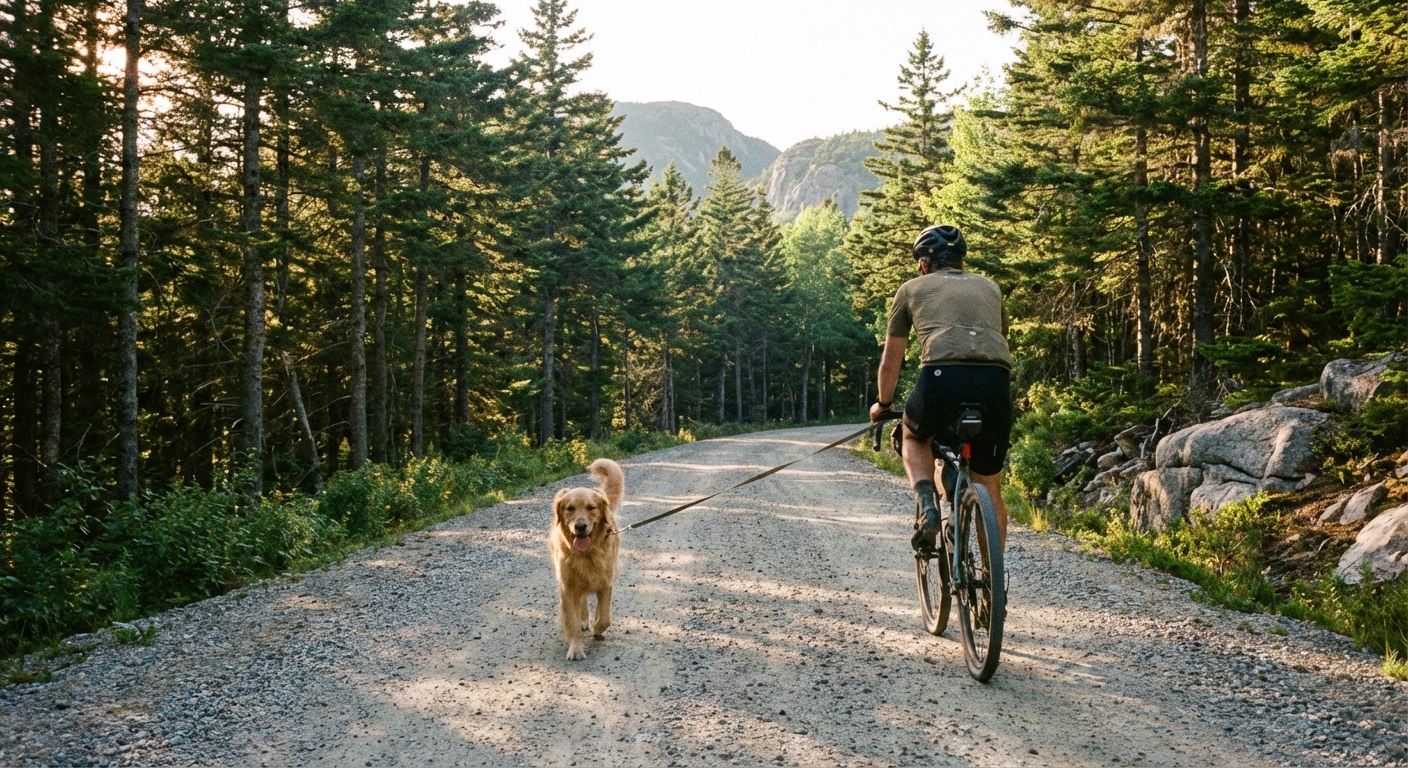
- Carriage Roads (multiple access points): The crown jewel for dogs. Wide, car-free gravel roads with gentle grades, stone bridges, and endless route options. Great for reactive pups because you can step off to the side easily.
- Jordan Pond Path (3.3 miles loop): A classic, relatively mellow loop with views the whole way. Expect roots and rocks along sections of shoreline. Go early to avoid bottlenecks.
- Great Head Trail (about 1.5 miles loop): Coastal scenery without committing to a big day. Some rocky footing and short steep bits, but generally manageable for confident dogs on leash.
- Ocean Path (easy out-and-back flexibility): More of a scenic walk than a hike, but it is one of the best “urban-comfort meets wild coast” strolls in the park. Great for sunrise when your dog wants to sniff everything and you want to watch waves crash.
Avoid with dogs
Acadia has several famous ladder and iron rung routes that are a hard no for most dogs. Skip Precipice, Beehive, and other similar steep iron-aid routes. Even if a dog could physically do sections, it is unsafe and unfair in crowded conditions.
Know before you go
- Leash: Keep it short near cliffs, bridges, and crowded trail junctions.
- Granite friction: Acadia’s bare rock can shred paw pads on long days. Consider a shorter first hike and carry a basic paw kit.
- Water: Bring plenty. Shoreline water is salty and not a hydration plan.
Nearby pet-friendly lodging
- Bar Harbor: Many inns and hotels allow dogs, especially outside peak summer weeks. Look for properties with walkable access to the Shore Path and easy parking.
- Mount Desert Island cottages: Pet-friendly vacation rentals can be a sweet spot if your dog needs downtime between hikes.
- Camping: Park campgrounds allow pets in developed areas (not on all trails from camp). Book early for summer and leaf season.
Shenandoah National Park, Virginia
Shenandoah is one of the most dog-welcoming major national parks in the country. Dogs are allowed on most trails (leashed), which makes Skyline Drive weekends feel like a moving parade of happy hikers and muddier dogs.
One important nuance: a few popular trails are closed to pets. This is where people get burned, because the “big name” hikes are not always the dog-allowed hikes.
Best dog-friendly hikes
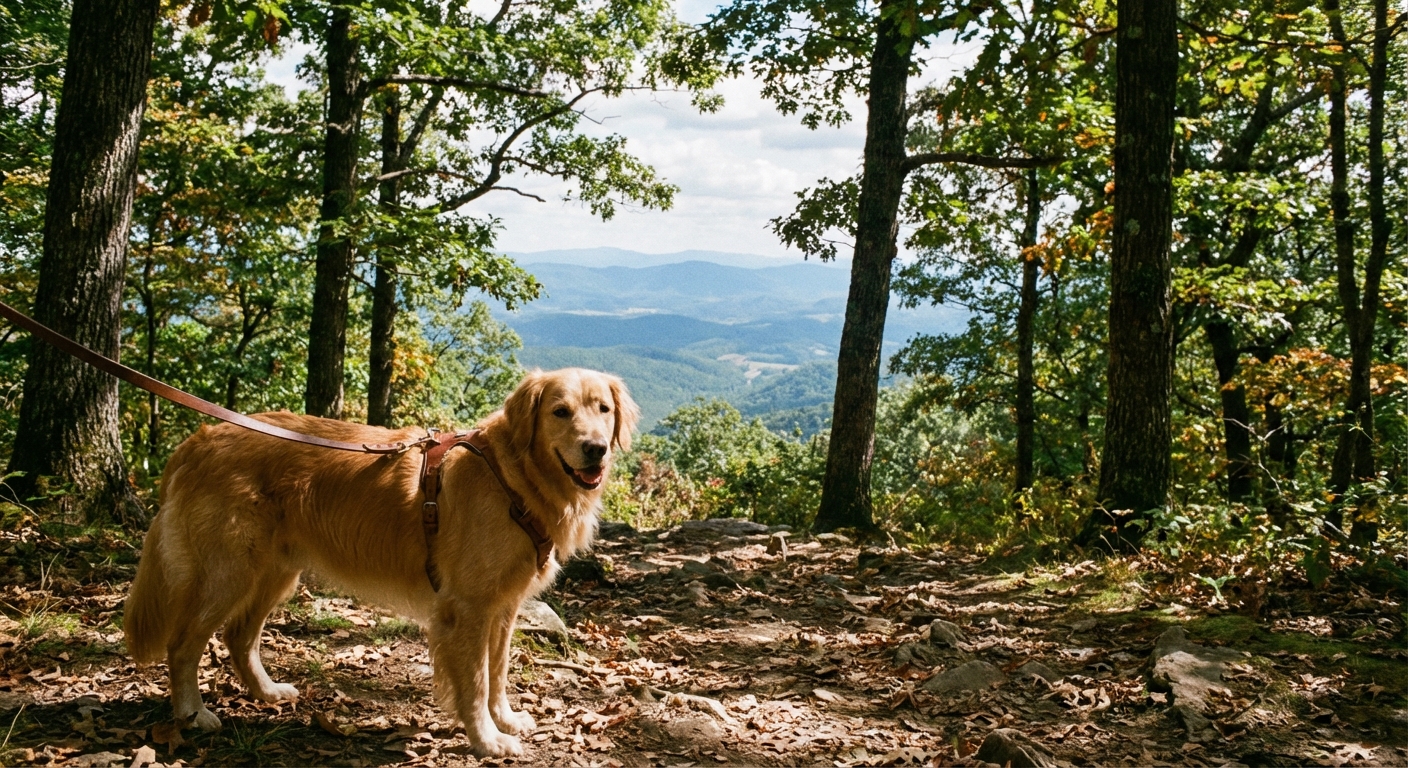
- Blackrock Summit (about 1 mile loop): Short, fun, and full of rock-hopping energy without being sketchy. Great views for minimal effort, and a solid option when you want a quick win with a dog.
- Rose River Loop (about 4 miles loop): A satisfying “little bit of everything” hike with a waterfall, creekside trail, and forest sections that stay cooler in summer. Keep your leash short near wet rock and stream edges.
- Mary’s Rock (about 3.7 miles round trip): A classic Shenandoah payoff with big views and a route that works well for trail-ready dogs. Expect rocky footing near the top and a busier vibe on weekends.
- Hawksbill Summit via the Upper Hawksbill Trail (about 2.1 miles round trip): A stronger workout with a summit payoff. Go early for calmer trail conditions.
Not dog-friendly
Three trails that regularly surprise visitors: Stony Man, Dark Hollow Falls, and Limberlost. Despite being famous and heavily trafficked (and in Limberlost’s case, designed for accessibility), pets are prohibited on all three. If those were on your must-do list, swap in Blackrock Summit for a short view hike, Mary’s Rock for a bigger summit day, or Rose River Loop for a waterfall hike that you and your dog can actually enjoy.
What to watch for
- Heat and humidity: Summer in Virginia can be deceptively intense. Choose morning hikes and shaded trails.
- Wildlife: Black bears live here. A leashed dog helps you avoid a stressful encounter. Make noise on blind corners.
- Ticks: High-priority. Use vet-approved prevention and do a full tick check after every hike.
Nearby pet-friendly lodging
- Front Royal (north entrance): Convenient for quick weekends and often has pet-friendly chain hotels plus cabins outside town.
- Luray and Page Valley: A great base if you want small-town comforts, wineries, and easy access to central park trailheads.
- Waynesboro (south entrance): Solid for road-trippers connecting to the Blue Ridge Parkway and looking for pet-friendly rooms with straightforward parking.
Cuyahoga Valley National Park, Ohio
Cuyahoga Valley is a gift for dog owners who want easy logistics, varied scenery, and a “hike now, coffee later” kind of day. Dogs are allowed on over 100 miles of hiking trails (leashed), which is why this park punches way above its weight for pet-friendly travel.
Best dog-friendly trails
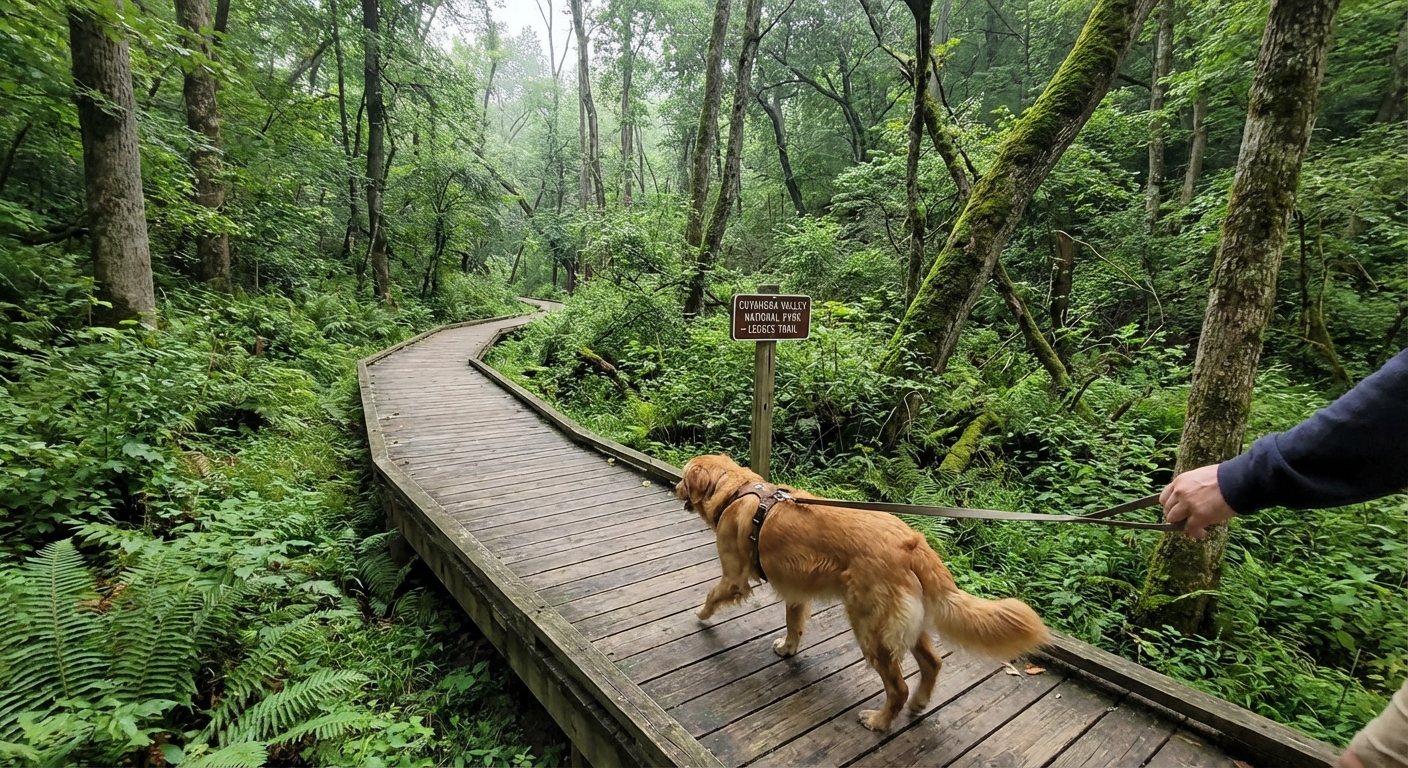
- Brandywine Falls (boardwalk and viewing areas): One of the park’s headline stops. Keep your dog close on the boardwalk and around viewing platforms where footing and crowds can get tricky.
- Ledges Trail (about 2.2 miles loop): A favorite for mossy rock formations and shady forest. Some stone steps and uneven surfaces, but a fun sensory hike for curious pups.
- Boston Run Trail (about 3.8 miles one way): A longer, quieter option for dogs who want mileage. You can do an out-and-back or pair it with other segments for a bigger day.
- Ohio & Erie Canal Towpath Trail (choose your distance): Flat, flexible, and perfect for a mellow day. Great for senior dogs or if you are mixing a hike with brewery and patio time in the afternoon.
Know before you go
- Muddy seasons: Spring and after rain can mean thick mud. Bring a towel, a paw rinse plan, and maybe a car seat cover.
- Shared-use awareness: Some trails see bikes. Keep your dog on the right and practice quick “step aside” pauses.
- Water: Streams are common, but do not rely on them. Pack water and a collapsible bowl.
Nearby pet-friendly lodging
- Peninsula and Boston Mill area: Close to major trailheads and a good base if you want a quieter, small-town feel.
- Downtown Cleveland: A surprisingly good “town and trail” combo. Stay in the city for restaurants and museums, then drive down for hikes.
- Akron: Practical for budget-friendly pet stays and quick access to the southern portion of the park.
Quick checklist
I am a carry-on-only person in cities, but on dog hikes I happily overpack the basics. These are the items that prevent the most common problems.
- 6-foot leash (plus a backup if you have room)
- Waste bags and a sealable bag for carrying them out when bins are missing
- Collapsible bowl and more water than you think you need
- Treats for recall practice and passing distractions politely
- Paw care (balm or booties if your dog tolerates them, plus a small first aid kit)
- Tick remover in tick-heavy regions like Shenandoah
- Towel for muddy paws and wet dogs before getting back in the car
How to plan without surprises
- Start with the park’s pet page and note exactly where dogs are allowed. Screenshot it in case service is spotty.
- Pick one anchor trail that you know is dog-friendly, then build a flexible loop of nearby options.
- Plan town breaks like patios, coffee shops, and quiet parks so your dog gets rest between hikes. This is where trips get easy and fun.
- Choose lodging with a real pet policy, not vague wording. Confirm fees, size limits, and whether dogs can be left alone in the room.
- Have a backup for storms, heat, or crowded weekends. Carriage roads, towpaths, and accessible loops are your best Plan B.
If you want one simple takeaway: Acadia for epic scenery and real trail variety, Shenandoah for classic mountain hiking with dogs, and Cuyahoga Valley for easy, flexible trail days that pair perfectly with city comforts.