Drone and Filming Rules in US National Parks

Maya Lin
Maya Lin is a travel journalist and outdoor enthusiast who believes the best trips combine rugged adventures with urban comforts. After spending six years backpacking across four continents, she founded Trail & Town Guide to help fellow travelers navigate both hidden mountain passes and bustling city neighborhoods with confidence.
I love a good “city coffee, sunrise trail” kind of trip. I also love coming home with footage that actually captures the scale of a place. The problem is, US national parks (and other National Park Service sites) aren’t a free-for-all for drones and filming. The National Park Service (NPS) has clear rules, and the most common advice floating around online is either outdated, half true, or missing the details that matter.
This guide breaks down what’s actually allowed, what’s almost always prohibited, and how to plan your shoot without risking a citation, losing your drone, or having a bad day for the wildlife and everyone else on the trail.
The core rule
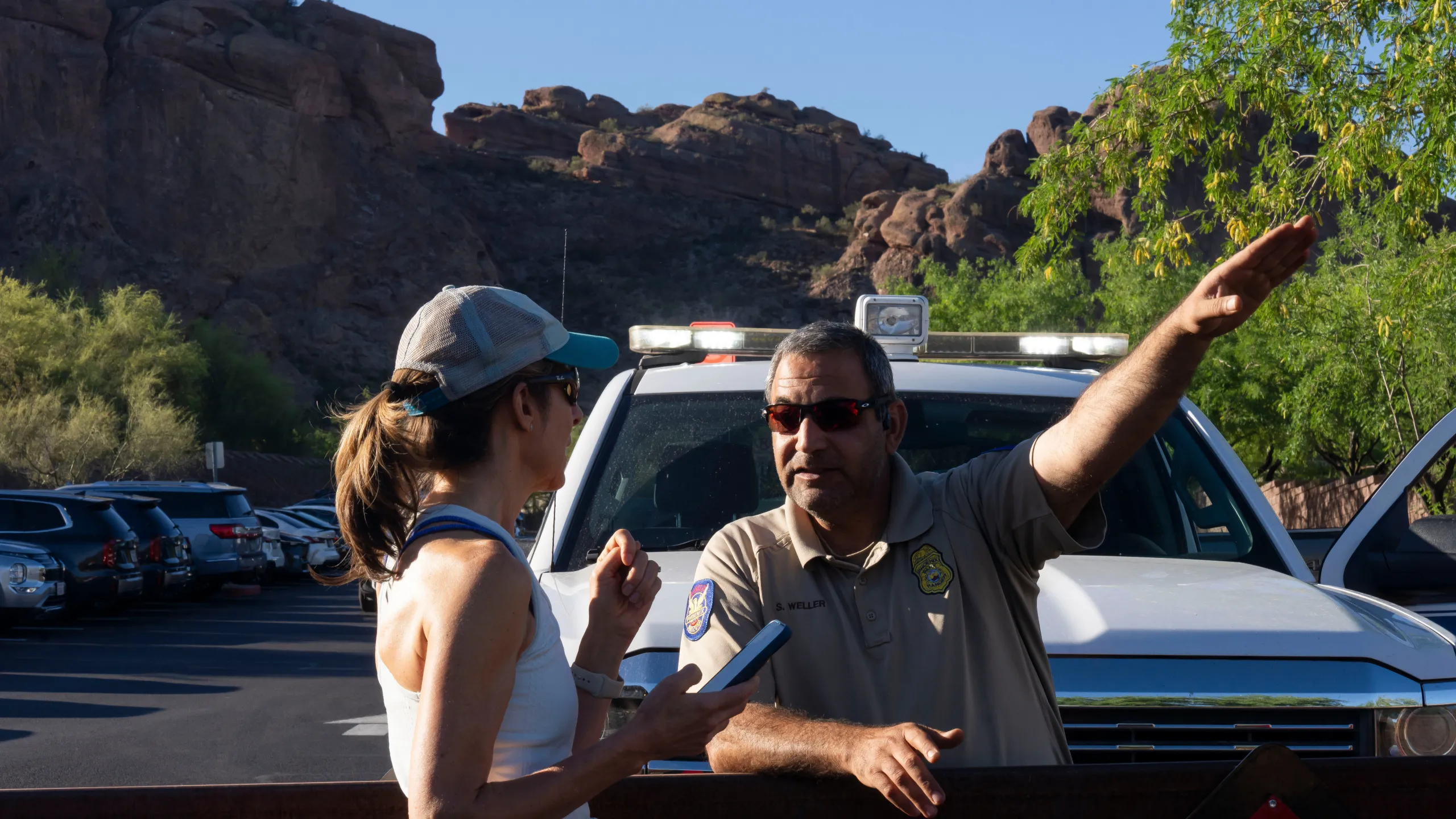
In plain terms: most national parks prohibit launching, landing, or operating a drone from lands and waters they administer. The legal mechanics matter here. In 2014, the NPS issued a policy memo directing superintendents to restrict drones, and most parks implemented that via closures listed in the Superintendent’s Compendium (often under 36 CFR closure authority).
Because each park (and each NPS unit) can implement rules through its own compendium and closures, don’t assume a single blanket rule covers every NPS site the same way. But if you’re visiting a major national park, the safe assumption is still: the drone stays in your bag.
What people miss
- It’s not just “flying.” The prohibited action typically includes launching, landing, and operating on NPS-managed land or water.
- “But I saw one on Instagram” isn’t a defense. Plenty of illegal flights happen. That doesn’t make them permitted.
- “I’ll be careful” doesn’t change the rule. The restriction is about cumulative impact and safety, not just individual skill.
Bottom line: In most national parks, drones are a no.
Common myths
Myth 1: “If it’s under 250g, it’s allowed.”
Weight matters for some FAA registration rules, but it doesn’t override NPS restrictions. A micro drone can still disturb wildlife and visitors, and it’s still typically prohibited in the park.
Myth 2: “I can take off outside the park and fly over it.”
This is where it gets tricky, and the internet loves to oversimplify it.
NPS generally controls what happens on NPS land and water (like launching and landing there). The FAA controls the airspace. In theory, an overflight might be legal under FAA rules if you launch and land from non-NPS land where drones are allowed and you’re not violating any other restrictions.
In practice, it’s often a bad plan for creators because:
- It’s easy to misjudge boundaries and drift over the wrong place.
- You may hit TFRs, controlled airspace, or other FAA limits (especially near fires or busy airports).
- You can still run into other issues like wildlife disturbance concerns, “harassing wildlife” rules, local ordinances, or complaints that end your shoot fast.
So yes, the “outside the boundary” idea isn’t automatically illegal, but it’s not the clean loophole people think it is, and it’s hard to do responsibly.
Myth 3: “I’m not making money, so I don’t need a permit.”
Permits aren’t only about money. They’re usually about impact: crew size, props, sets, models, exclusive use, traffic control, or potential resource damage. You can be a hobbyist and still need a permit if your activity crosses those lines.
Myth 4: “Photography is always fine anywhere.”
Generally, casual still photography is allowed, but there are exceptions. Certain areas can be closed for resource protection, cultural sensitivity, safety, or wildlife management. Some parks may restrict tripod use in tight or crowded spots for safety and flow. Always check the specific park’s “permits” or “filming” page and current closures.
Filming without a drone
If you’re filming as a typical visitor with handheld gear, the good news is you can usually capture a lot legally with minimal friction.
Usually OK
- Handheld video on trails and overlooks that are open to the public
- Phones, action cameras, and small mirrorless cameras
- Normal use of established overlooks and pullouts without blocking traffic
- Audio recorded incidentally in public spaces (be mindful of state laws and ethics)
Can trigger a permit or coordination
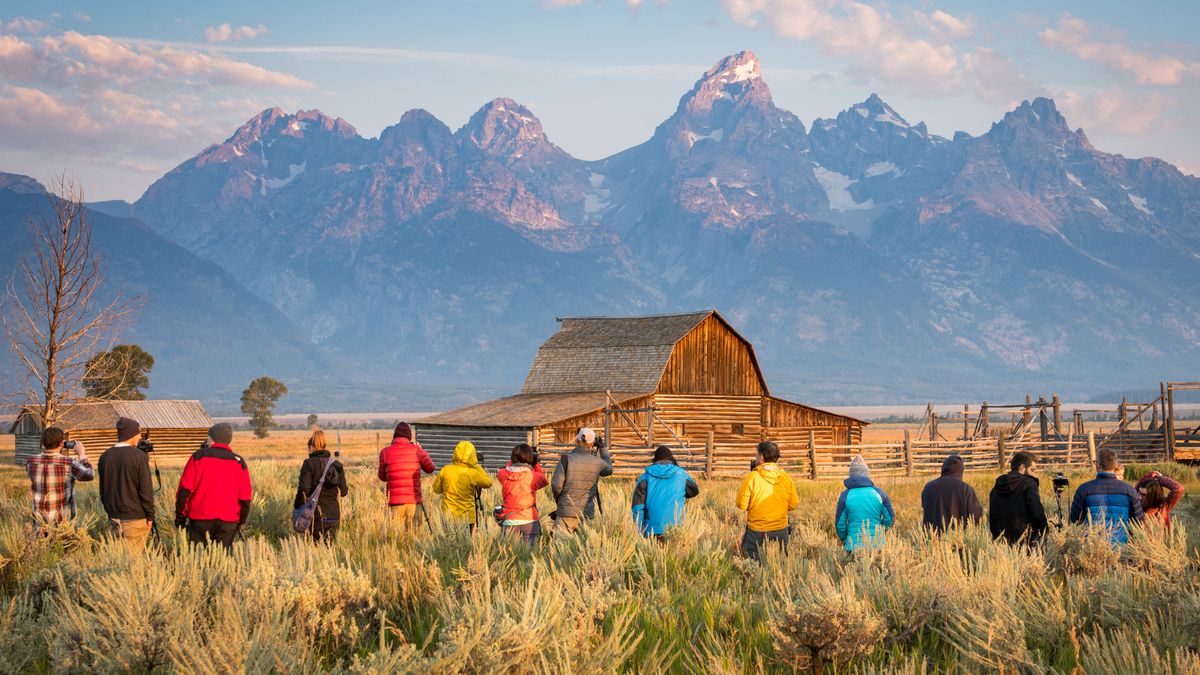
- Large setups like multiple tripods, light stands, backdrops, or sliders on busy boardwalks
- Controlling space (directing people, staging scenes, holding a spot)
- Props and models that change how the area is used
- Filming in areas not open to the general public
Think of it this way: if you look like a normal visitor taking video, you’re usually fine. If your setup changes the experience for everyone else or creates a safety or resource issue, the park will want a conversation and possibly a permit.
When permits come up
NPS filming policy has evolved in recent years, and details can vary by park. The current reality in many parks is: a lot of low-impact filming doesn’t require a permit, even if it’s for a brand or monetized channel, as long as you’re not creating impacts or needing the park to manage the public for you.
That said, the most reliable plan is to check the specific park’s official “Filming and Photography Permits” page and email the permit office if your shoot is even slightly complicated.
Situations that commonly require permits
- Sets, props, or models (anything staged that changes normal visitor use)
- Special equipment beyond typical visitor use, especially in congested areas
- Exclusive use or managing visitor movement
- Restricted areas or filming in places not open to the general public
- Potential impacts to natural or cultural resources
Fees and insurance
Permits can involve application fees, location fees, monitoring costs, and proof of insurance depending on scope. If you’re on a tight budget, design your shoot to look and behave like normal visitor use.
What to include in your email
Keep it short and specific. For example:
“Hi, I’m planning a small shoot on [date range] at [locations]. Crew: 2 people. Gear: handheld mirrorless, 1 tripod, 1 small gimbal, no lights, no props, no models, no exclusive use. Can you confirm whether a permit is needed and if any area closures apply?”
How far ahead to plan
Give yourself time. Some parks process quickly. Others are dealing with seasonal staffing and high demand. If your shoot is tied to a specific date like fall color or a permit-only road entry window, reach out early.
FAA basics (quick)
If you’re flying anywhere near parks (or anywhere at all), don’t skip the basics:
- Part 107 vs recreational: know which set of rules you’re operating under
- Remote ID: many drones must broadcast it (and you must comply)
- VLOS: keep the drone within visual line of sight
- Airspace checks: use an FAA-authorized tool for controlled airspace and LAANC where available
- TFRs: especially common around wildfires and major events
Privacy and ethics
Even when filming is legal, it isn’t always considerate. National parks are shared space, and crowded trails amplify every tripod leg and every “Can you walk through that shot again?” moment.
Best practices I actually use
- Don’t block the trail. Step to durable surfaces like rock or established pullouts.
- Keep audio respectful. Skip blasting music for “vibes.” Sound carries.
- Avoid filming kids up close. If families are prominent in your frame, pick a different angle or wait.
- Ask before close-up shots. A quick “Mind if you’re in the background?” goes a long way.
- Skip sensitive moments. People grieve, celebrate, and propose in parks. You don’t need to capture that.
Legality aside, your best content usually comes from patience: dawn starts, shoulder-season days, and choosing lesser-known viewpoints where you’re not filming in someone else’s personal space.
Why drones are a big deal
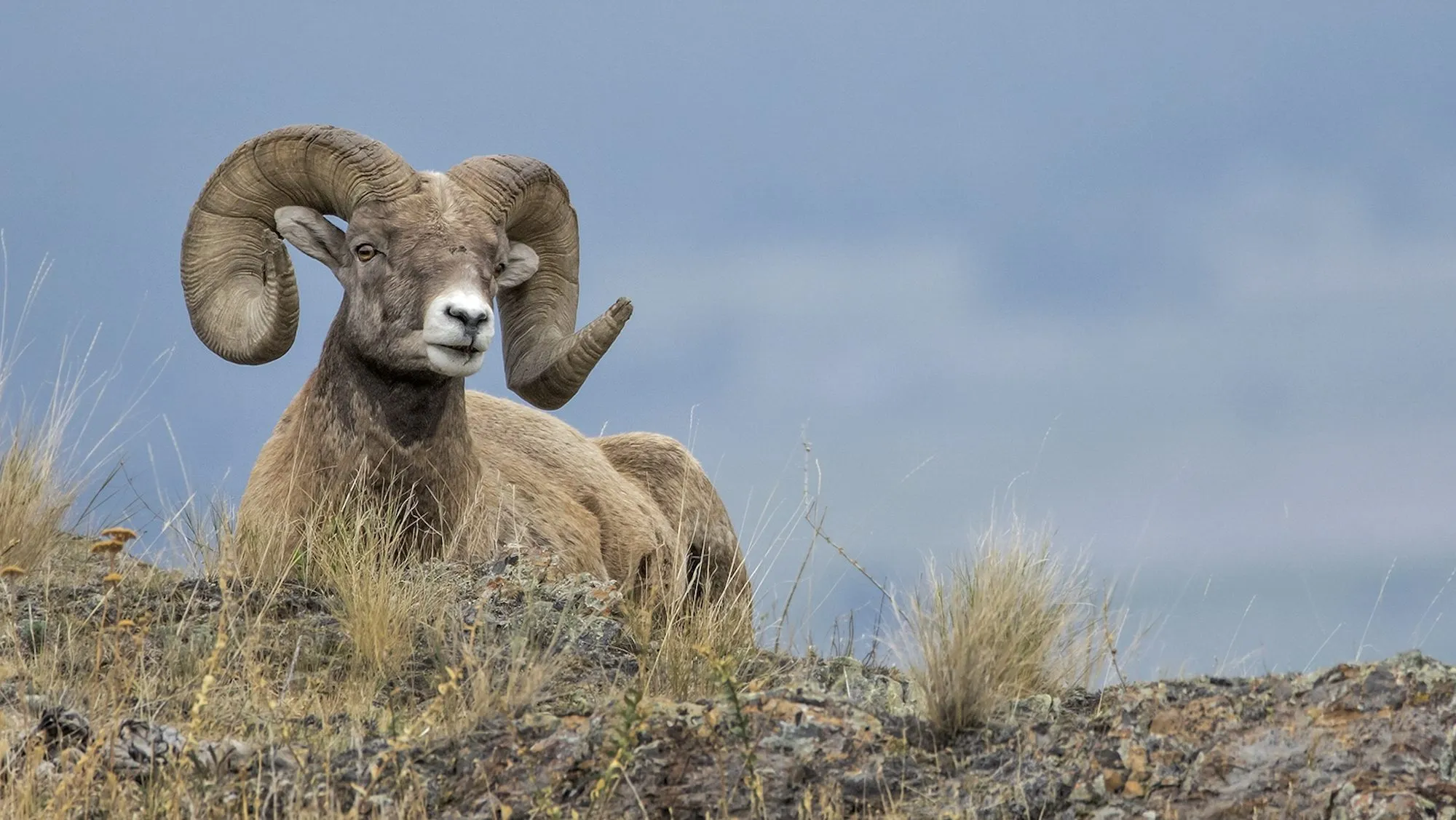
Drones aren’t just a nuisance. They can cause stress responses in wildlife, disrupt nesting and feeding, and lead animals to change behavior in ways that are hard to see from your viewfinder. Add the safety risks of crashes, battery fires, and midair conflicts, and you get why the NPS took a strong stance.
If your brand is “leave no trace,” treating parks like a quiet place to walk, listen, and observe is part of the whole point.
If your drone crashes
This is the part nobody puts in their viral “drone hack” reels. If you illegally fly and the drone goes down in the park, your options get worse fast.
- Don’t go off-trail or into closed areas to retrieve it. That can stack violations and cause real resource damage.
- Don’t climb fences or enter sensitive zones (thermal areas, nesting closures, cultural sites) because “it’s just over there.”
- Get a ranger involved. Report the location and let the park advise the least-damaging option. Retrieval might not be immediate, and sometimes it might not be allowed.
Basically: losing a drone is cheaper than trampling a fragile area or escalating into a bigger incident.
Aerial-looking alternatives
If you’re building a video story, you can still get that cinematic sense of place without a drone.
Creator-friendly options inside the park
- High viewpoints: hike to overlooks for a natural “aerial” perspective
- Timelapses: clouds, shadows, traffic, and tides add scale fast
- Telephoto compression: a longer lens makes landscapes feel massive
- Gimbal walking shots: smooth movement that feels intentional
- In-car footage: iconic roads can be cinematic with safe mounting and safer driving
Where drones may be possible nearby
Many national parks are surrounded by public lands that aren’t NPS-managed, like some national forests or Bureau of Land Management areas, where drone rules can be different. “Different” doesn’t mean “anything goes,” but it can open options.
- Check the land manager’s drone rules for that specific area
- Confirm FAA airspace and any TFRs
- Watch for designated Wilderness areas, which can have additional restrictions depending on the land manager
- Respect wildlife, people, and noise even when it’s technically legal
How to check rules fast
If you only remember one workflow, make it this one:
- Start with the park’s official NPS site. Search the park name plus “drone” and “filming permit.”
- Find the Superintendent’s Compendium. Many parks publish it, and it usually lists closures and special restrictions.
- Check FAA airspace and TFRs. Use an FAA-authorized tool (commonly LAANC-enabled apps) to confirm controlled airspace and advisories.
- If your shoot has any complexity, email the permit office. Describe location, dates, crew size, gear, and whether you need exclusive use.
Rules can also change seasonally due to wildlife closures, fire activity, or visitor management. Recheck the week of your trip.
If you want official starting points, look up the NPS drone (UAS) guidance page, your park’s compendium page, and the FAA’s B4UFLY and LAANC resources.
If you break the rules
Enforcement varies, but consequences can include citations and fines, being told to stop, and in some situations equipment may be seized as evidence depending on circumstances.
If a ranger asks you to stop filming or move along, be polite and comply. You can always follow up with the permit office later if you genuinely think you were within the rules.
Quick takeaways
- Most national parks prohibit drones through superintendent closures following NPS policy. Don’t assume you can launch, land, or operate on NPS lands and waters.
- Airspace is FAA, but “launch outside and fly over” is often impractical and can still trigger other restrictions.
- Most casual filming is fine if you don’t block access, stage scenes, or create impacts.
- Permits are about impact more than whether you personally make money, and many simple shoots won’t need one.
- Ethics matter on crowded trails, even when filming is legal.
- You can still get cinematic shots using overlooks, timelapses, long lenses, and smart story planning.
Creator checklist
If your goal is to tell a story that honors a place, the best “rule” is simple: leave the scene better than you found it. Parks aren’t a studio lot. They’re living ecosystems and shared public spaces.
Build your shot list around low-impact techniques, choose quieter times, and when in doubt, ask the park. Your footage will be better for it, and you’ll sleep better too.