Eco-Friendly Travel Gear

Maya Lin
Maya Lin is a travel journalist and outdoor enthusiast who believes the best trips combine rugged adventures with urban comforts. After spending six years backpacking across four continents, she founded Trail & Town Guide to help fellow travelers navigate both hidden mountain passes and bustling city neighborhoods with confidence.
I used to treat “eco-friendly” gear like a nice bonus. Then I started tallying the little things that pile up on the road: flimsy travel bottles that crack on day three, cheap charging cords that fray mid-trip, single-use mini toiletries that somehow multiply in every hotel bathroom. The greenest gear choice is rarely the trendiest one. It is usually the item you buy once, keep for years, and can repair when life (or a baggage belt) gets rough.
This list is built for the real world: early flights, muddy trailheads, city rainstorms, hostel laundry, and coffee walks that turn into “we should just keep going” days. These sustainable swaps can help cut waste and, in many cases, shrink the footprint of your trips, especially when you travel often and keep your gear in rotation for years. The impact will vary based on where you go (refill access, laundry options, tap water safety) and how long your stuff actually lasts.
Buy fewer, better things
Before we talk materials, the most eco-friendly move is to slow down and ask two questions:
- Will I use this on most trips? If it only makes sense for one niche itinerary, borrow or rent instead.
- Can I keep this for at least five years? Longevity beats “compostable” gimmicks every time.
When you do buy, prioritize gear that is repairable, has replaceable parts (wheels, straps, batteries), and comes with a real warranty that does not require a ten-step email chain.
My personal filter: if I would not trust it on a wet sidewalk in a new city and a dusty trail in the same week, it is not coming with me.
Eco-friendly swaps that matter
1) Refillable toiletries kit
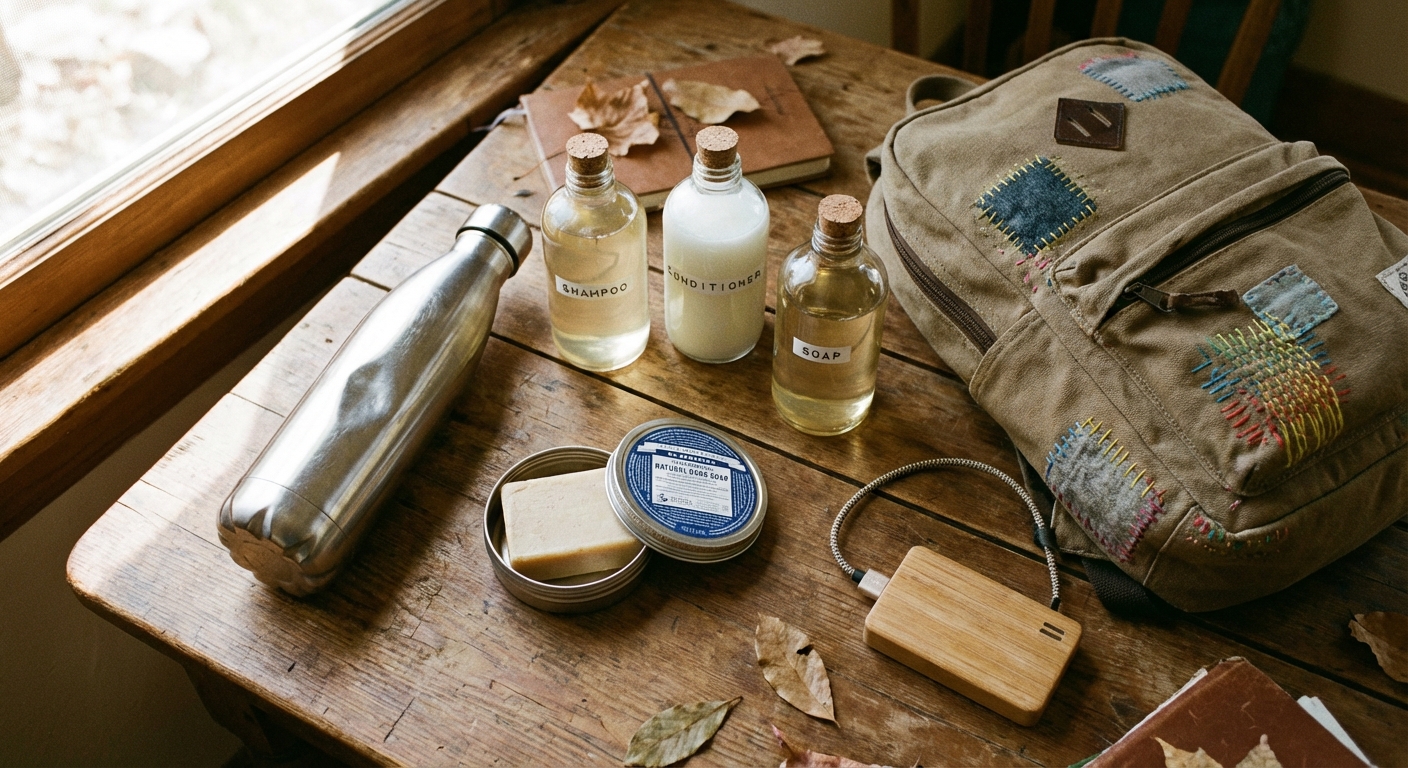
Those tiny “travel size” bottles are the sneakiest waste generator in most packing lists. A refillable kit helps reduce single-use plastic and keeps your carry-on consistent from trip to trip.
- Swap to: refillable silicone or durable plastic travel bottles, plus a small leakproof jar for thicker products.
- Look for: wide-mouth openings (easier refilling and cleaning), simple caps (fewer failure points), and bottles that stand upright in a clear bag.
- Bonus low-waste move: refill from larger containers at home or use refill stations when available.

2) Solid bars (with one important caveat)
Solid shampoo and soap bars are not just “crunchy” anymore. Many modern bars are formulated to perform better than older soap-based bars, including in hard water, but it varies a lot by formula. If you deal with hard water at home or on the road, check reviews that mention it specifically.
- Swap to: shampoo bar, body soap bar, and optionally a solid conditioner.
- Look for: minimal packaging (paper over plastic), formulas that match your hair type, and a vented travel case so the bar can dry.
- TSA note: solids usually simplify liquid limits, though very soft pastes or gels can still be a gray area.
Quick bar checklist: If a “shampoo bar” reads like traditional soap (oils + lye, or lots of saponified oils), it may leave buildup for some hair types and hard-water situations. Surfactant-based bars often behave more like liquid shampoo. Your mileage may vary, but reading ingredient lists and reviews saves a lot of disappointment.

3) A water bottle you want to carry
Reusable bottles only help if you want them in your hand all day. For me, that means one that fits in a pack side pocket, will not sweat all over my notebook, and can survive getting dropped on concrete.
- Swap to: insulated stainless steel bottle for daily use, or a lightweight bottle plus a filter for hiking-heavy trips.
- Look for: replaceable lids, standard mouth sizes (easier to find compatible caps), and insulation if you are walking cities for hours.
- Reality check: check whether tap water is safe where you are going. In some destinations, buying water may be necessary. A filter can help in many places, but it does not solve every water safety issue.
Small transition worth saying out loud: you do not need to do all of this at once. Pick the swap that fixes your most common travel annoyance first, then stack the next one later.
4) Repairable luggage and backpacks
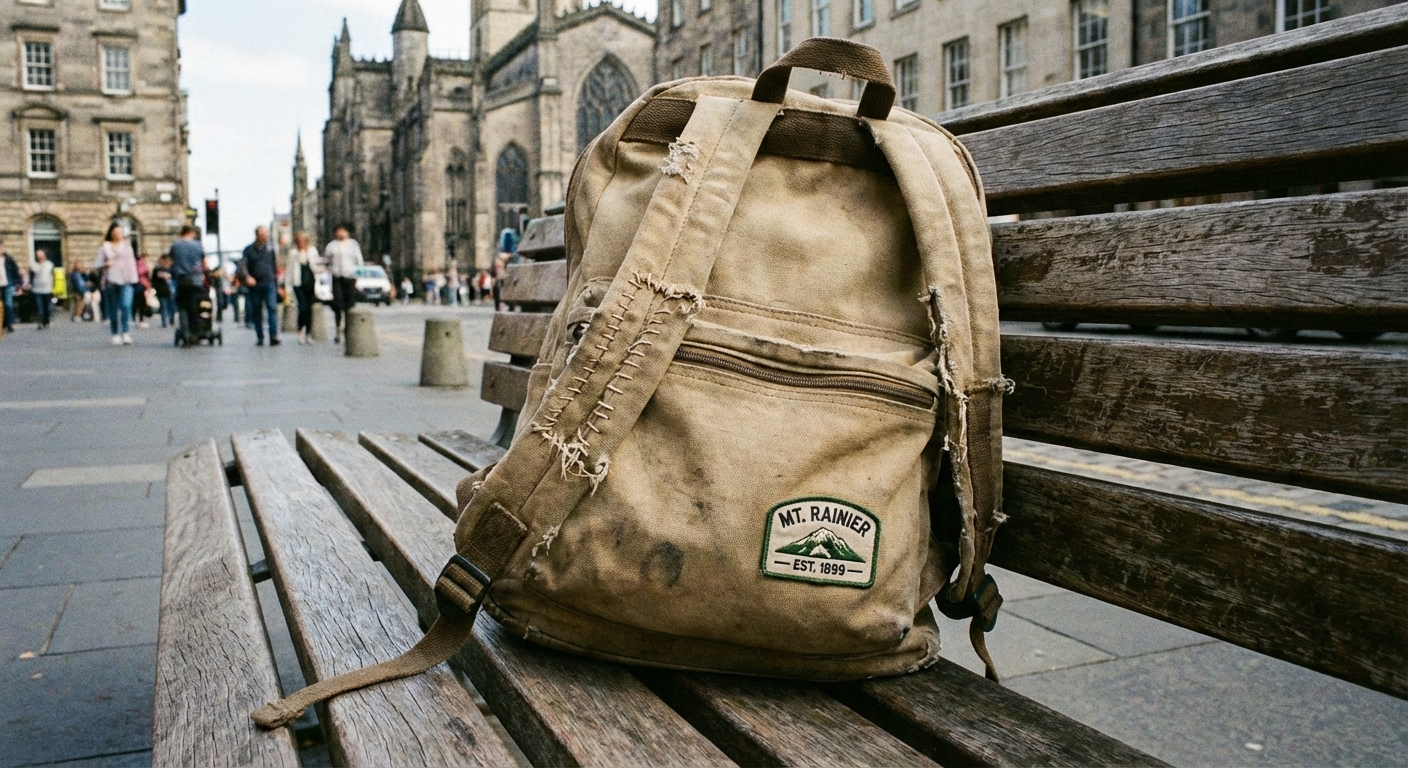
Hard truth: the “sustainable” suitcase that breaks after three trips is not sustainable. A repairable pack or carry-on can last a decade with basic maintenance.
- Swap to: a carry-on with replaceable wheels and handles, or a backpack with durable zippers and reinforced seams.
- Look for: strong warranties, common hardware (so a local repair shop can fix it), and fabrics known for abrasion resistance.
- Trail and town tip: neutral colors hide scuffs and keep you from replacing something just because it “looks tired.”
Quick luggage checklist: Can you buy replacement wheels online? Are the zippers a common type (like YKK)? Are straps and buckles standard sizes? If the answers are “no,” you might be shopping for a disposable suitcase with better marketing.
5) High-wear capsule clothing
Clothing is where “sustainable” gets complicated fast, so I keep it practical: buy fewer pieces, wear them more, and pick fabrics that hold up to sink-washing and repeat use.
- Go for: a small capsule of mix-and-match layers you can re-wear.
- Look for: durable stitching, reinforced stress points, and fabrics that do not pill after a few wears.
- Material notes: responsibly sourced merino can be great for odor resistance; recycled synthetics can reduce virgin plastic use but may still shed microfibers. If you wear synthetics, a microfiber-capturing wash bag or filter can help reduce (not eliminate) microfiber release.
6) Reusable cup and utensils
This is the easiest everyday swap and one of the most satisfying, especially if you are also on a quest for the perfect local coffee shop.
- Swap to: a lightweight reusable cup, a spork, and a small cloth napkin or handkerchief.
- Look for: something that seals well, fits under cafe espresso machines, and is easy to rinse in a public restroom sink.
- Reality check: only pack what you will truly use. One good cup beats a whole drawer of “eco gadgets.”

7) Rechargeable power and fewer cables
Electronics waste adds up quickly when we buy cheap adapters and power banks that die young. A streamlined, higher-quality setup reduces replacements.
- Swap to: one reliable multi-port wall charger and one durable cable, plus a power bank sized to your real needs.
- Look for: safety certifications, reputable manufacturers with clear warranty support, and modern charging standards (USB-C and USB-C PD if your devices support it).
- Travel detail that matters: power banks are typically limited by airline watt-hours. Check your airline rules and choose a size you can actually fly with.
8) A small “no-freebies” pouch
If you have ever come home with a pile of tiny plastic bottles and a guilt spiral, this swap is for you. Keep a small pouch pre-packed so you are not tempted by “just this once.”
- Pack: your own toothbrush, razor, and refillable containers, plus a small bar soap and laundry sheets or powder.
- Look for: items with replaceable heads (toothbrush) and sturdy handles.
- Small habit, big payoff: put your kit back together immediately after a trip. Future-you, sleepy at the airport, will thank you.
Reading “sustainable” labels
Marketing can be noisy. Here is what I pay attention to when I am deciding whether something is genuinely better.
Durability and repairability first
- Repair programs: brands that offer repairs or sell spare parts.
- Long-term support: fewer seasonal updates, more consistent replacement parts.
- Sturdy construction: quality zippers, reinforced seams, abrasion-resistant fabrics.
Materials that can be better
- Recycled fabrics: can reduce reliance on virgin materials, especially in bags and outerwear.
- Natural fibers: organic cotton, hemp, linen, and responsibly sourced wool can be good options depending on water use and supply chain.
- Low packaging: minimal or plastic-free packaging is a quiet win.
Certifications to recognize (not worship)
Certifications are helpful signals, not magical guarantees. Still, they can reduce guesswork.
- bluesign and OEKO-TEX: often used for textiles and chemical management.
- Fair Trade: indicates labor and sourcing standards for certain products.
- FSC: relevant for paper-based packaging.
How to shop sustainably
Buy used first (with a safety note)
Secondhand gear is, in many cases, one of the most climate-friendly options because it keeps existing items in use. Check local gear swaps, consignment shops, and reputable resale platforms.
Safety note: be cautious buying used safety-critical items (helmets, climbing gear, car seats) or anything where material fatigue is hard to verify. If you cannot confirm its history, buy new.
Rent for one-off trips
If you only need trekking poles, a winter jacket, or a specialty backpack once, rent it. Many outdoor shops and destination operators offer rentals, and some cities now have gear libraries.
Repair before you replace
Ten minutes of maintenance can add years to an item.
- Re-waterproof rain jackets when they stop beading water.
- Replace suitcase wheels or backpack buckles instead of buying new.
- Patch small holes early before they grow.
Pack for multi-use
My favorite sustainable packing trick is also my favorite carry-on-only trick: choose items that do double duty.
- A light insulated layer that works on a windy overlook and inside a chilly museum.
- Shoes that can handle cobblestones and a short trail without looking like you are headed to Everest.
- A tote that works for groceries, laundry, and beach days.
End-of-life: what to do when gear is done
Even the best gear eventually reaches the end. A little planning keeps it out of the trash pile when there are better options.
- Textiles: look for brand take-back programs or local textile recycling where available.
- Electronics: recycle cables, chargers, and power banks through e-waste drop-offs, not curbside bins.
- Razor blades: use a blade bank or a metal sharps container system and recycle metal where accepted.
- Luggage and bags: salvage hardware (buckles, straps) if you are handy, or donate to repair groups for parts.
A simple packing list
If you want an easy starting point, here is a core kit that covers most trips and reduces disposable use fast.
Daily reusables
- Reusable water bottle
- Reusable coffee cup (optional but lovely)
- Compact utensil or spork
- Small tote bag
- Cloth napkin or handkerchief
Toiletries
- Refillable travel bottles and a small jar
- Solid shampoo or soap bar in a vented case
- Razor with replaceable blades or heads
- Toothbrush with replaceable head
Gear that lasts
- Repairable carry-on or durable backpack
- One reliable charger, one good cable, one power bank
- Versatile layers built for repeat wear
Closing thought
If a swap makes you feel deprived, it will not stick. The best eco-friendly gear choices are the ones that quietly improve your trip: fewer leaks, fewer last-minute purchases, fewer broken zippers, fewer “why did I pack this?” items.
Start with one category, upgrade it well, and let the rest happen over time. That is the slow-travel mindset, applied to your packing list.