El Portal Motels on Highway 140: What They’re Really Like

Maya Lin
Maya Lin is a travel journalist and outdoor enthusiast who believes the best trips combine rugged adventures with urban comforts. After spending six years backpacking across four continents, she founded Trail & Town Guide to help fellow travelers navigate both hidden mountain passes and bustling city neighborhoods with confidence.
I have a soft spot for El Portal because it’s the place where you can do a predawn Yosemite day like a dirtbag and still end it with a hot shower, a real bed, and a not terrible cup of coffee. The tradeoff is obvious the moment you pull in: this is a small motel strip squeezed between the Merced River and Highway 140. You’re here for proximity and practicality, not pine-scented silence.
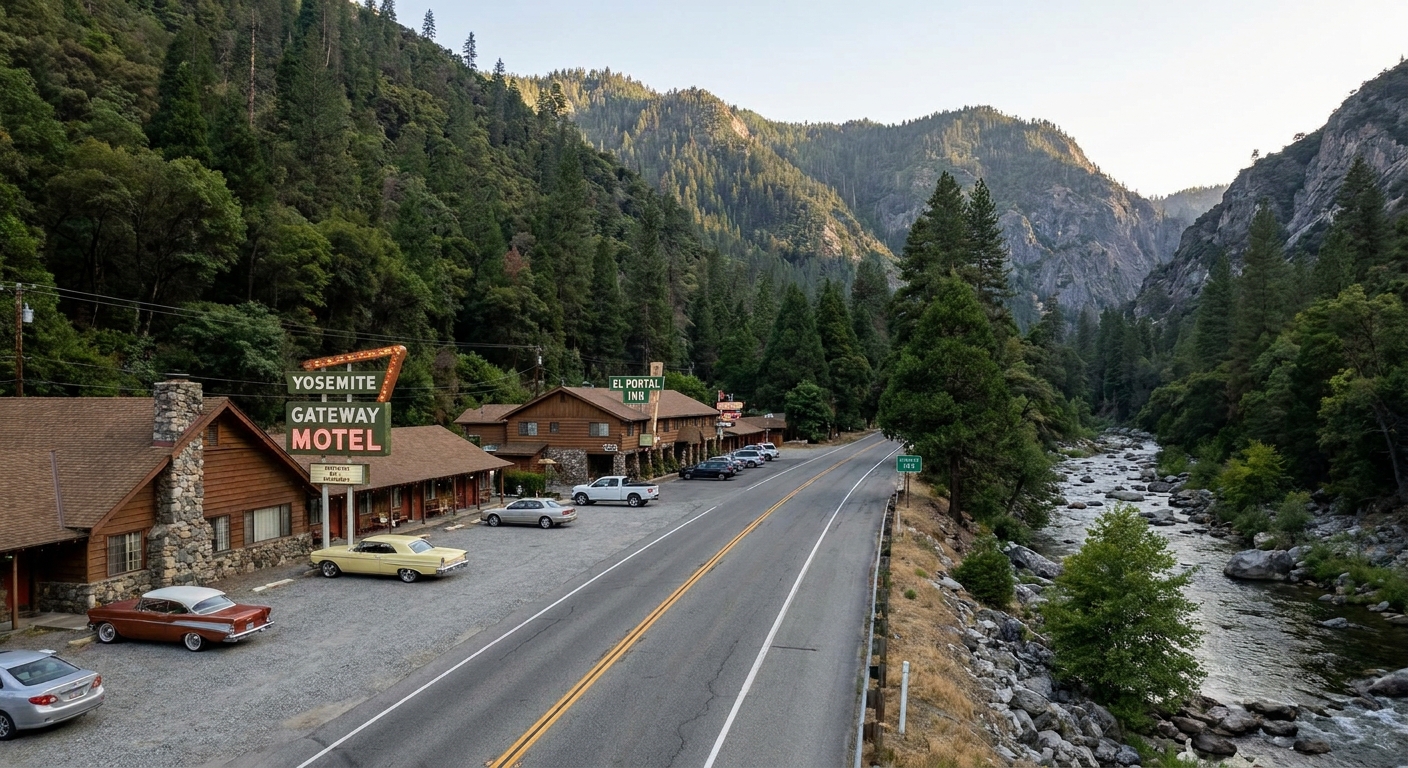
If you’ve already decided El Portal is your Yosemite base, here’s what the two big names, Yosemite View Lodge and Cedar Lodge, are actually like in day-to-day traveler terms: rooms, pools, food, noise, and how your mornings tend to go.
The vibe
El Portal is the community right outside Yosemite’s Arch Rock Entrance on Highway 140. Close enough that you still feel like you’re in Yosemite country, developed enough that it reads motel-first. Most buildings are low-rise, parking-lot-forward, and designed for people who are waking up early, driving into the Valley, and returning tired.
The best part is the setting. The Merced River is right there, and when you snag a river-facing room or a riverside balcony, the canyon can feel surprisingly restorative after a day of crowds and granite.
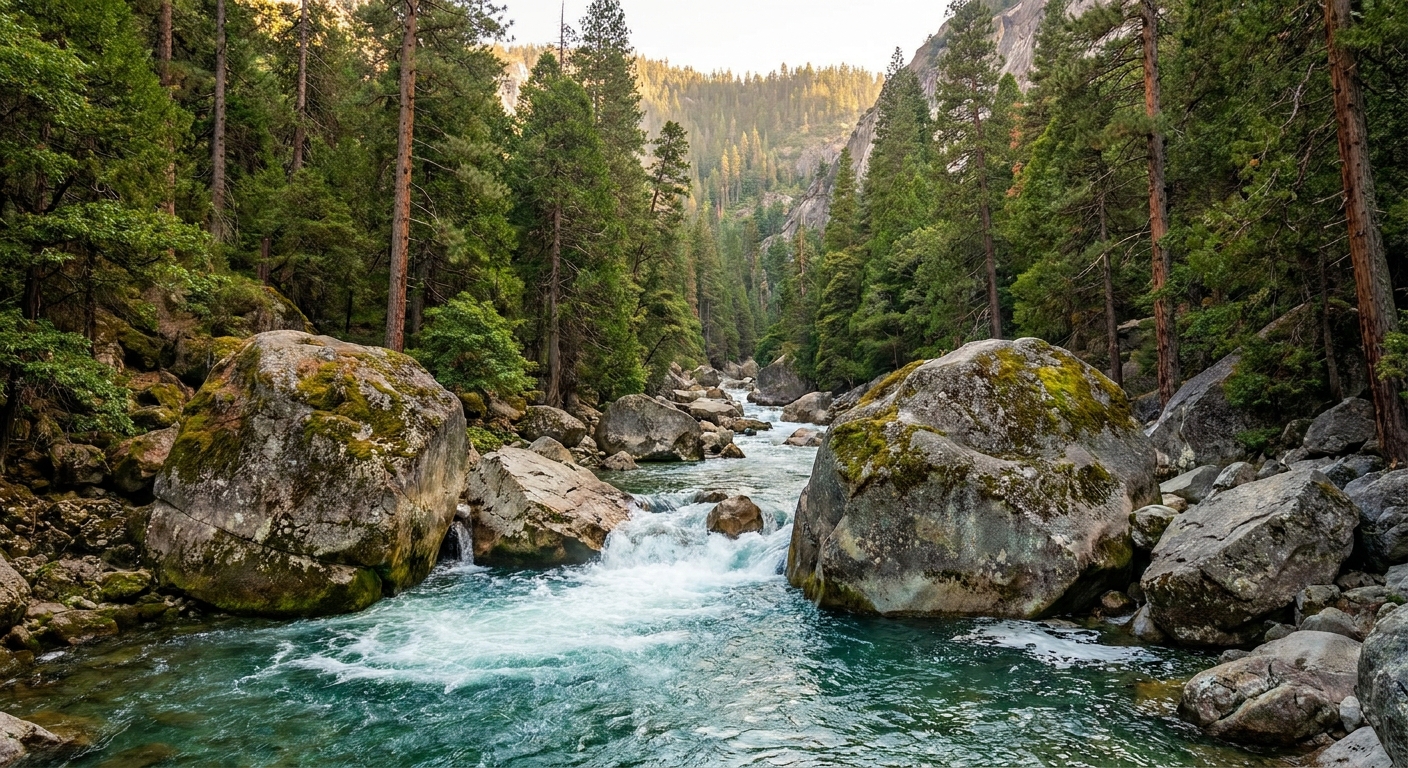
- What it feels like: convenient, outdoorsy, a little utilitarian
- Who it suits: hikers, families, and anyone prioritizing early starts over nightlife
- What surprises people: how much the highway presence shapes the experience
Yosemite View Lodge
Yosemite View Lodge is the larger, more sprawling option. It’s the one most people picture when they say “the El Portal motels,” and it has that busy, everyone’s-here-for-Yosemite energy.
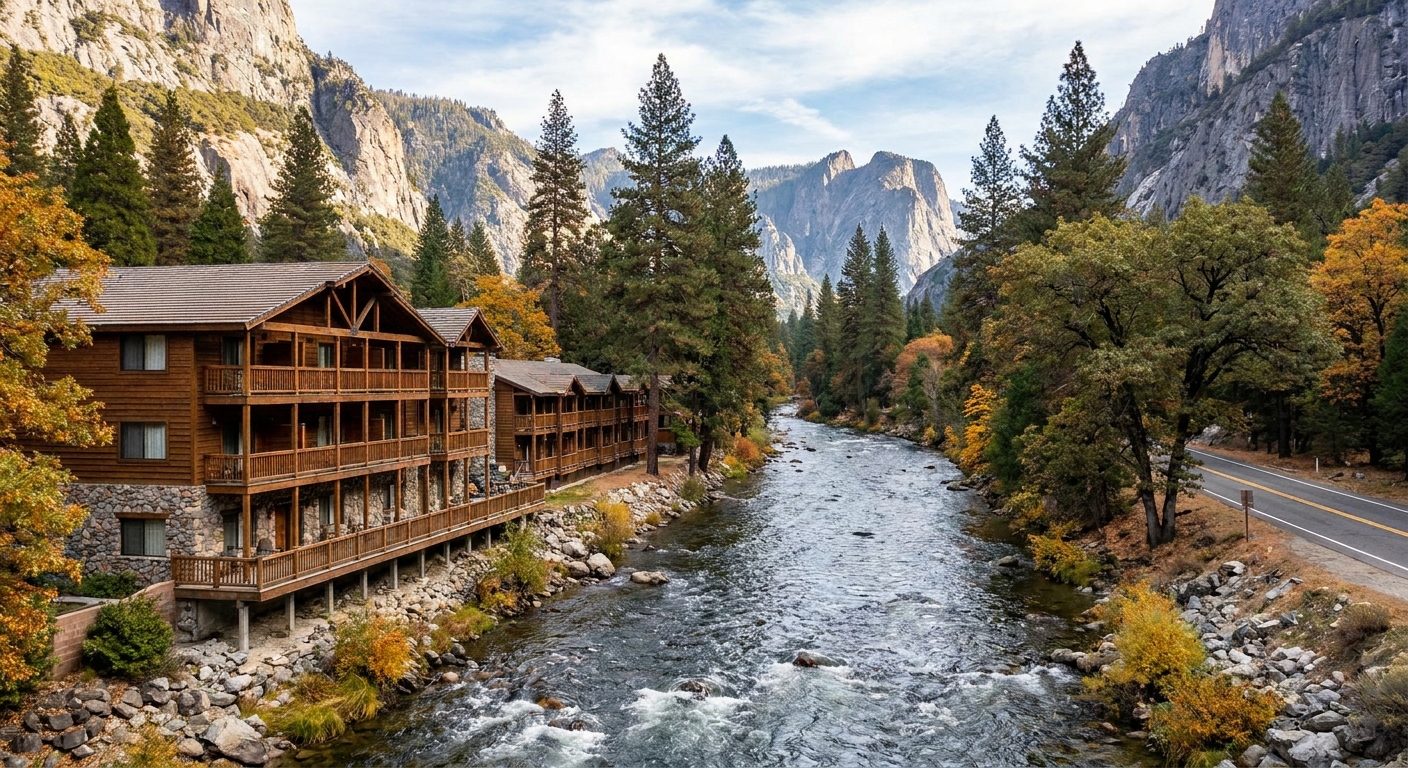
Rooms
Room styles vary by building, and you’ll see everything from standard motel layouts to more lodge-like setups. My main advice is simple: if your budget allows, prioritize river-facing over “bigger” or “newer.” A riverside balcony can make the property feel like a retreat instead of a parking lot stop.
- Best pick: a room with a Merced River view or balcony
- Realistic expectation: this is a hardworking Yosemite base, not a boutique stay
- Pack tip: bring earplugs anyway, even for river rooms
Pools and downtime
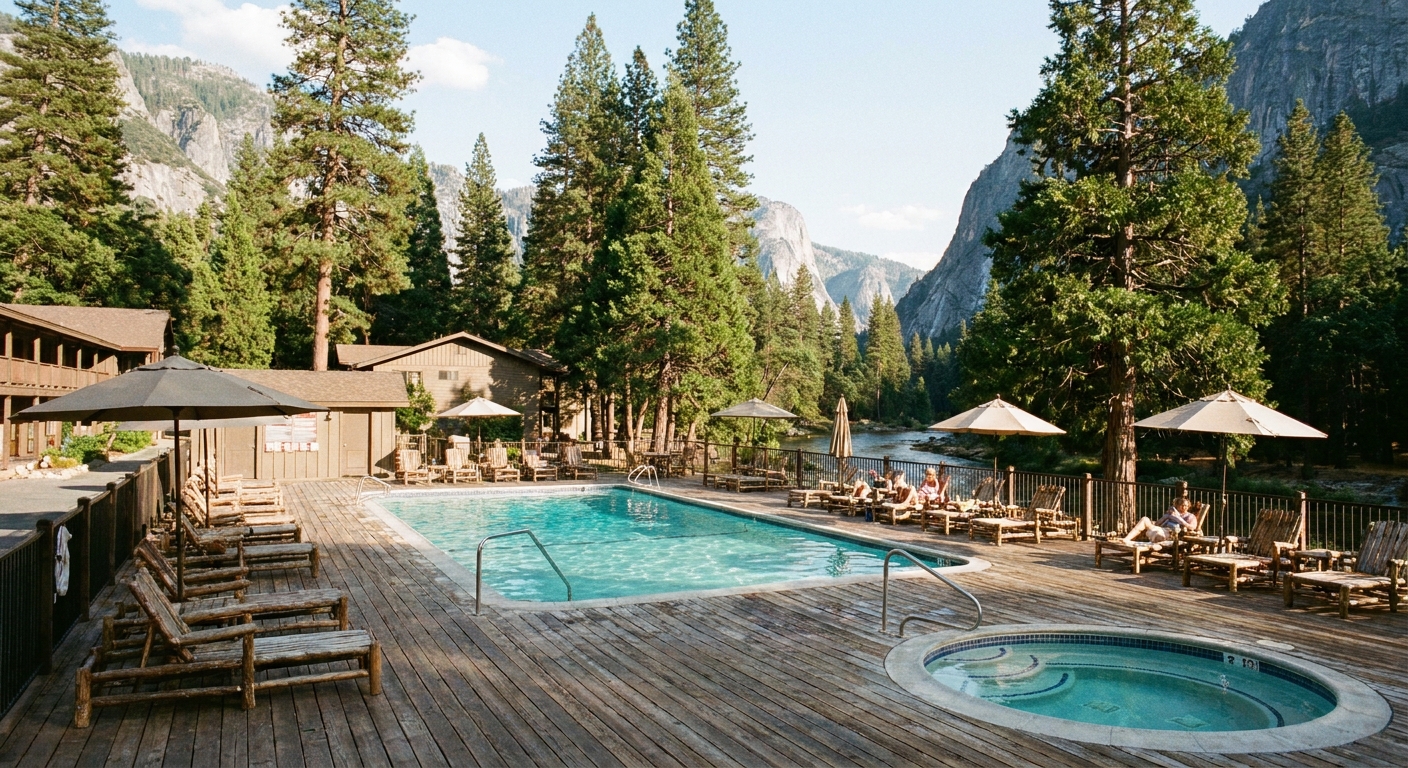
One reason Yosemite View Lodge works well for families is the pool setup. The property is known for having multiple pool and hot tub areas, but openings and hours can be seasonal and can change year to year. In peak season, the vibe is lively, especially mid-afternoon when everyone is back from the Valley.
Food on-site
You’re not staying here for a destination meal, but you can usually find something without getting back in the car. Expect resort-style convenience: quick breakfast options, casual dinners, and the general relief of not having to chase a table after a long day. (As always in Yosemite orbit, hours and offerings can vary by season.)
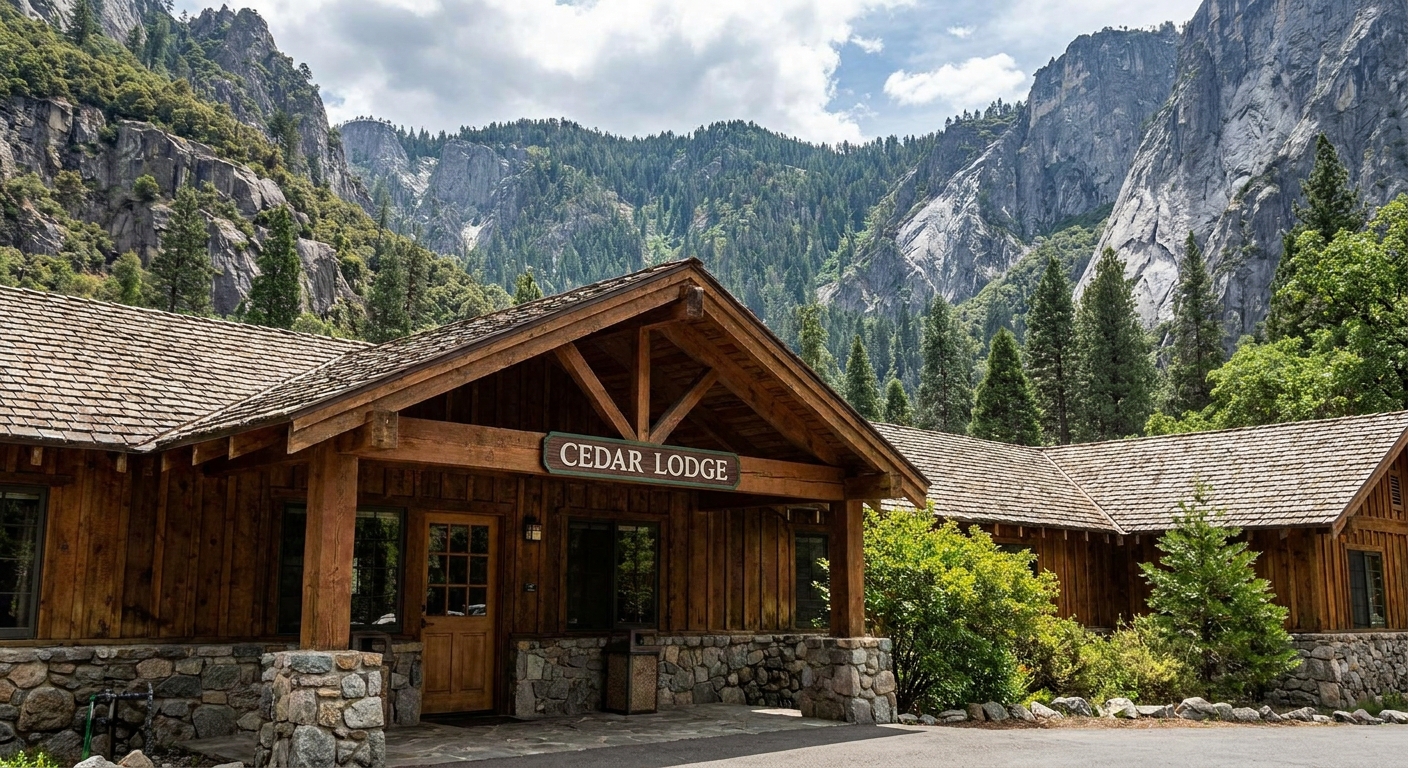
Cedar Lodge
Cedar Lodge is typically the calmer-feeling neighbor. It’s still a large property and still right off Highway 140, but the overall pace often feels less hectic.
Rooms
Think: a clean, functional place to sleep between early mornings and late returns. As with Yosemite View Lodge, where your room faces can matter as much as what category you book. If you’re sensitive to sound, ask about room placement away from the road side when you reserve and again at check-in.
- Best for: travelers who want fewer moving parts and a more low-key property feel
- Expectation check: comfortable, not luxurious
Pool time
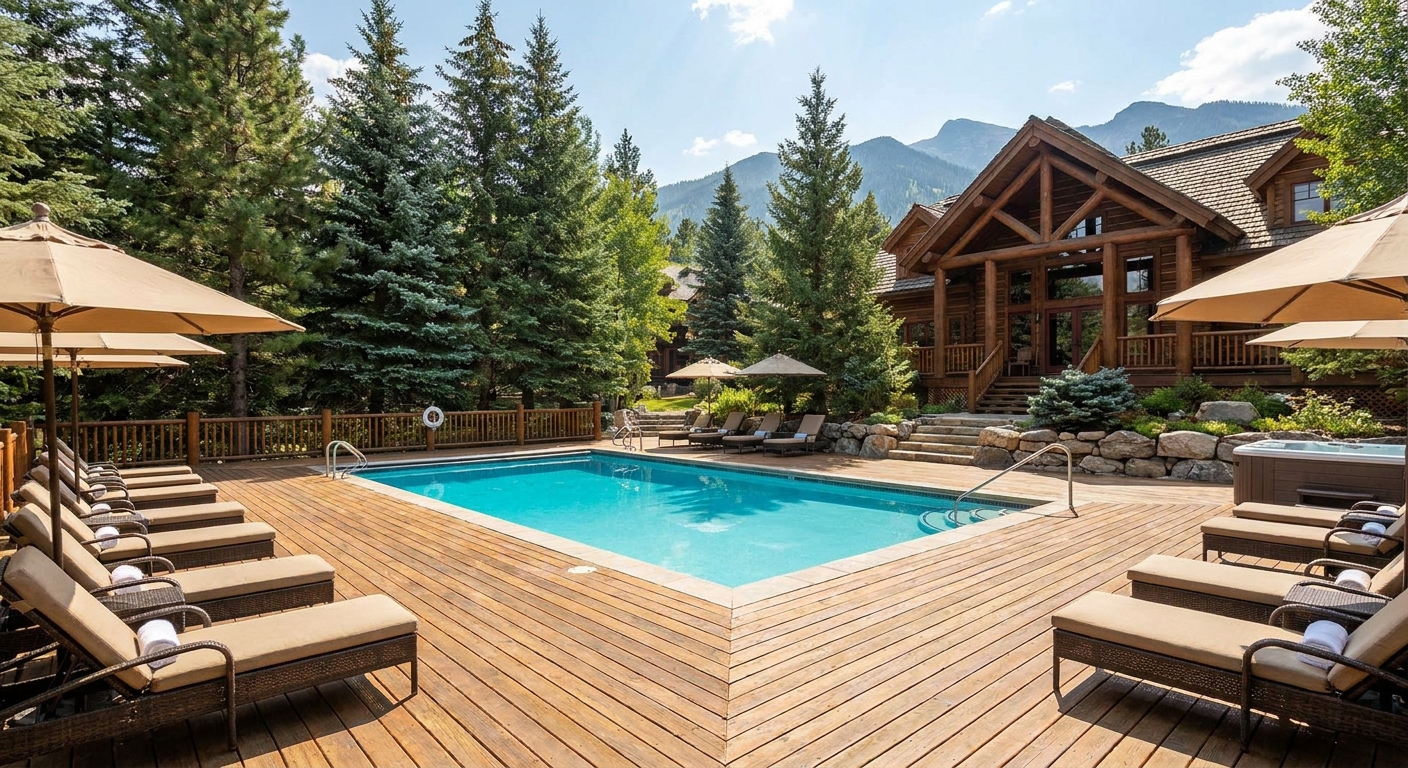
Cedar Lodge’s pool is a major sanity-saver in hot weather. It’s the kind of feature that doesn’t seem important until you hike all day and realize you’d happily pay in cash for five minutes of floating. Like anywhere around Yosemite, pool hours and seasonal closures are a thing, so don’t plan your whole trip around it without checking current details.
Food on-site
Same story: the big value is convenience. You can usually count on something to keep you going, but hours and menus vary by season, and late-night options are not something I’d bet my hunger on.
Highway 140 noise
Let’s talk about the thing people try to be polite about in reviews: you are sleeping next to a highway in a narrow canyon. Traffic noise is real, and it’s not just cars. You’ll occasionally hear louder vehicles that cut through the whole valley like a zipper.
That said, plenty of travelers sleep fine here, especially after a full Yosemite day. The noise tends to be most noticeable if you’re a light sleeper, you go to bed early, or you’re trying to sleep in with the window open.
- Noise-mitigating strategies that actually help: request a river-facing room, pack earplugs or a small white-noise app, keep the fan or AC running for consistent background sound
- What not to assume: that “riverside” means “silent.” The river can mask some sound, but it does not erase it.
Happy Isles timing
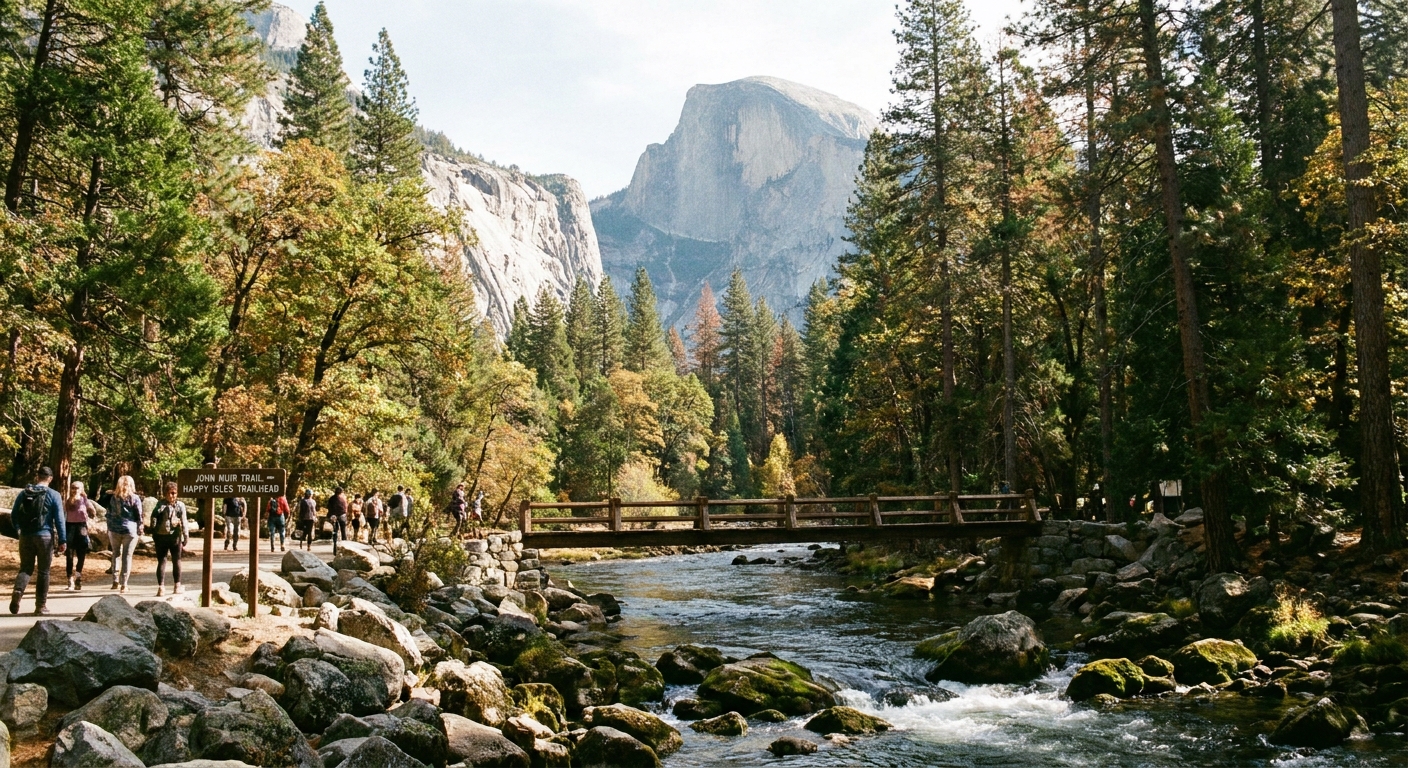
If your goal is an early start at Happy Isles, El Portal is a solid base because you’re already near the Valley. Under light traffic, you can sometimes reach the Happy Isles area in about 35 to 50 minutes from El Portal. In peak season, construction periods, winter conditions, or parking crunch, it can be closer to 60 minutes or more.
What moves that number around is not the mileage. It’s the reality of Yosemite mornings: entrance flow, wildlife slowdowns, construction or closures, and how quickly parking fills once the Valley wakes up.
- For sunrise-minded hikers: leaving El Portal in the dark is common, especially in peak season
- For families: you still get a reasonable morning without the heavy cost of sleeping in the Valley
- For shuttle users: plan for parking and transit logistics once you arrive in the Valley
If you have a permit, a timed entry requirement, or a must-hit trailhead time, build buffer. Rules change year to year, so I always double-check the current details on the official NPS site. I treat Yosemite morning timing the way I treat airports: I would rather be early with coffee than late with regret.
What El Portal does well
It sounds backwards, but El Portal can be more comfortable in a very specific way. You’re outside the Valley bustle, parking is typically easier at the property, and you have classic motel conveniences that are underrated after a big hiking day.
- More space per dollar compared with many in-park options
- Pools that feel made for summer recovery
- Easy car access for day trips, groceries, and flexible dinners
- River proximity that can be genuinely soothing if you book the right side
One practical thing that helps: bring a few breakfast basics and car snacks so you’re not forced into a last-minute food scramble at 6 a.m. when you’d rather be driving.
When to stay in the Valley
El Portal is a smart compromise, but it is still a compromise. Some trips are better when you bite the bullet and sleep in the Valley.
Pay for a Valley bed if you want to:
- Maximize car-free time: If you want to park once and rely on shuttles, walking, and biking, staying in the Valley is the smoother experience.
- Photograph golden hour without a drive: Sunset and sunrise are easier when “home” is minutes away, not a canyon drive away.
- Hike early, then rest mid-day: For big hikes, being able to nap, refuel, or reset at your lodging is a game-changer.
- Avoid highway noise altogether: If quiet is essential for sleep, El Portal’s location can be a dealbreaker.
- Keep logistics simple for multi-day plans: If you have several early trailheads, ranger programs, or multiple days of Valley-specific goals, staying in-park can reduce friction.
In other words: if Yosemite itself is the point and you want the whole day to feel like you are living inside it, the Valley is hard to beat.
Quick checklist
If you are choosing between the two, I’d make the call based on the kind of trip you are having, not on tiny differences in room decor.
- Choose Yosemite View Lodge if: you want more on-property activity, you are traveling with kids who will love pool time, or you like having more on-site options and a busier resort feel.
- Choose Cedar Lodge if: you want a simpler, calmer base that still keeps you close to the Valley, and you are prioritizing sleep and ease over amenities sprawl.
Either way, the best upgrade is usually the same: a room placement that leans riverward and away from the road side, plus a plan for an early start.
What I pack
My carry-on-only brain loves El Portal because it’s predictable. You do not need a ton, but a few small items change the quality of your nights.
- Earplugs or soft silicone earplugs
- A sleep mask if you are sensitive to exterior lights
- A refillable water bottle for early starts
- Swimsuit and flip-flops for pool recovery
- A simple breakfast backup (protein bars, instant oats) for the days you want to roll out fast
Bottom line
El Portal’s motel strip on Highway 140 is not trying to be a romantic mountain hideaway. It’s trying to be close, convenient, and comfortable enough to support long Yosemite days, and it succeeds at that, especially if you book with intention.
If you can handle some road presence in exchange for river access, pools, and a shorter morning commute into the Valley, Yosemite View Lodge and Cedar Lodge are exactly what they look like on the tin. If your dream Yosemite trip involves wandering at dawn and dusk with zero driving and maximum quiet, you’ll be happier paying for a bed in Yosemite Valley.