Elk, Moose, and Bison Safety

Maya Lin
Maya Lin is a travel journalist and outdoor enthusiast who believes the best trips combine rugged adventures with urban comforts. After spending six years backpacking across four continents, she founded Trail & Town Guide to help fellow travelers navigate both hidden mountain passes and bustling city neighborhoods with confidence.
In the Mountain West, the animals most likely to ruin your day are not the ones with claws. Elk, moose, and bison are huge, fast, and moody, and they often live right where we like to hike, picnic, and pull over for photos. The tricky part is that their body language can look “calm” right up until it is not.
This page is specifically for ungulates (hoofed mammals) and how to give them space in places like Yellowstone, Grand Teton, and Rocky Mountain National Park. Bear spray and predator tactics have their own pages for a reason. With elk, moose, and bison, the safety skill is distance, patience, and knowing the seasons when they are most reactive.
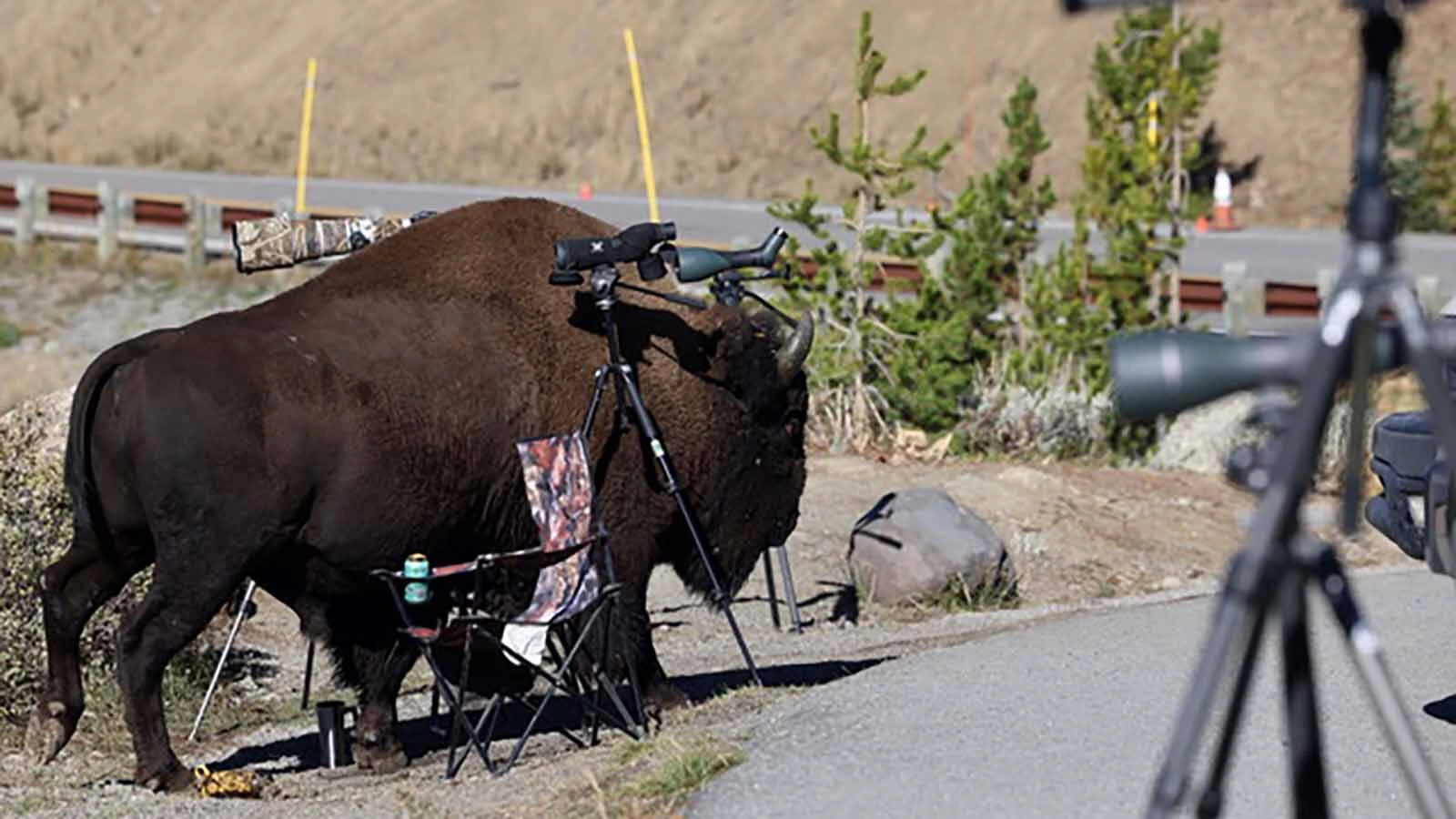
Why elk, moose, and bison cause so many injuries
These animals are not hunting you. They are defending personal space, calves, food, or a mate. That makes their reactions feel sudden to people who are used to predator advice like “make yourself big” or “do not run.” With ungulates, the safest move is almost always to increase distance early and avoid forcing them to choose between you and the direction they want to go.
- They are faster than they look. Moose and elk can sprint and pivot quickly, even on uneven ground.
- They tolerate people until they do not. In busy parks, habituation can make them hold their ground longer, then explode into a charge when the line is crossed.
- They share our corridors. Boardwalks, narrow trails, river edges, and parking pullouts create surprise close encounters.
- Rutting and calving seasons change the rules. A calm animal in July can be unrecognizable in September.
How far to stay back
Minimum distances vary by park, species, location, and posted signs. Many national parks commonly recommend at least 25 yards from large animals like elk, moose, and bison (and 100 yards from bears and wolves). Some places use feet instead of yards, and certain areas may be stricter. The only rule that always wins is this: follow posted guidance where you are.
Also, the numbers are minimums. In practice, hikers and photographers should think in terms of: “Can I leave immediately if it changes its mind?”
Quick distance targets
- Elk: aim for 30 to 50 yards when possible, especially during the rut.
- Moose: aim for 50 yards+. If it notices you and does not move away, you are likely too close.
- Bison: aim for 50 yards+. If you are on a road or boardwalk and it is within roughly 10 to 15 yards, treat it as a close encounter and start planning your exit.
Rule I use in the field: if you need to whisper, tiptoe, or “just scoot by,” you are already in their comfort bubble.
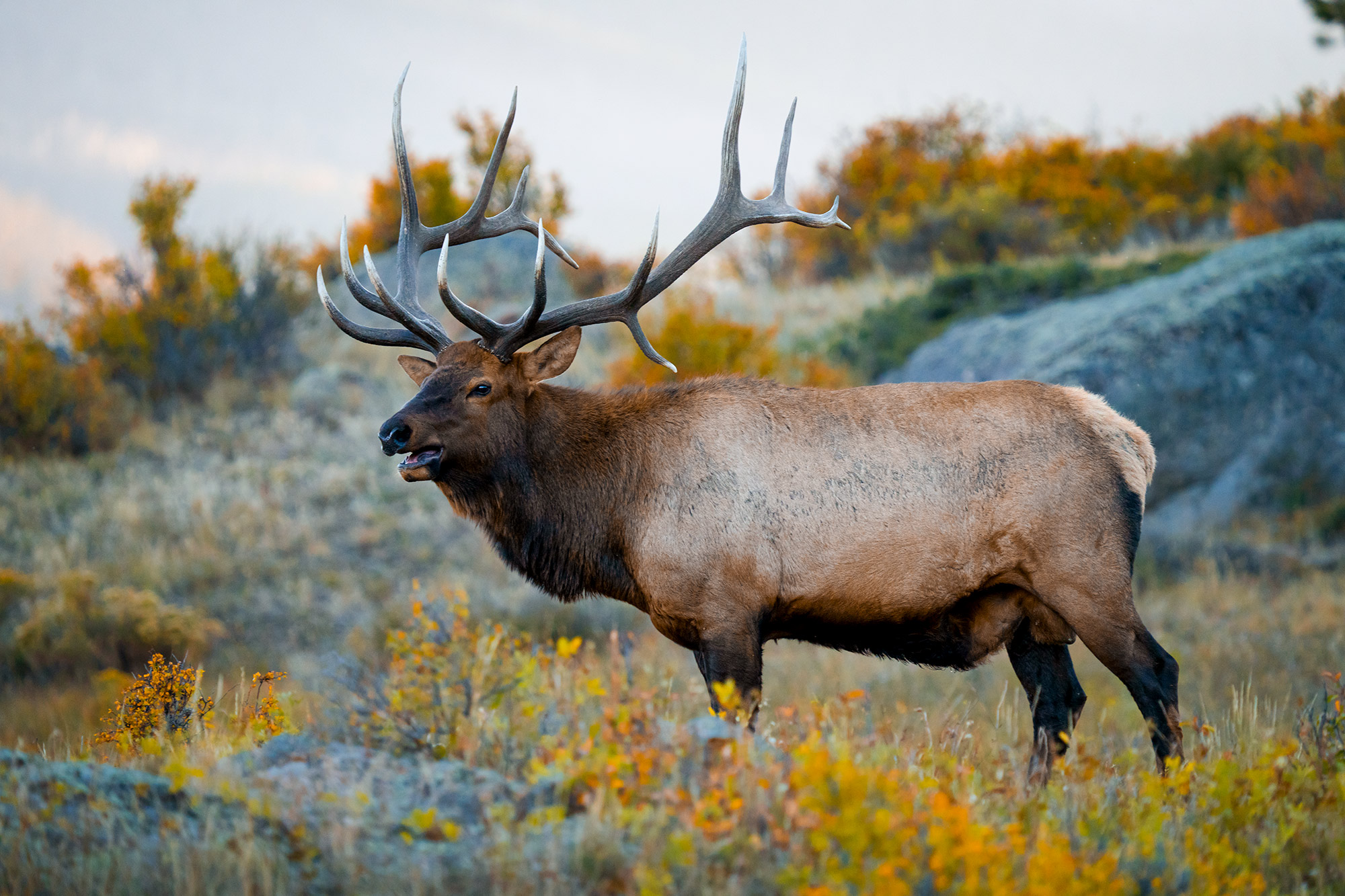
Seasonal behavior
Ungulate safety gets easier when you treat the calendar like a trail map. Here is what changes through the year in the northern Rockies and Colorado high country.
Spring: calving
Spring is when quiet animals become intensely defensive. Mothers do not need to look aggressive to be dangerous. If you see a calf, assume the mother is close even if you cannot spot her.
- Moose cows with calves are among the most unpredictable combinations you will encounter.
- Elk cows may hold ground and then rush you if you drift closer.
- Bison calves (the small reddish “red dogs” in Yellowstone) draw crowds, which is exactly when bison get pushy.
Summer: feeding and choke points
Summer encounters often happen because everyone wants the same things: water, shade, and easy terrain. Watch riverbanks, willow flats (classic moose habitat), and narrow trails between lakes and parking areas.
Fall: the rut
Fall is prime time for wildlife photos and also the season when a large animal can act keyed up and unpredictable. Bulls and bulls-in-training are more reactive, less tolerant, and more likely to charge when pressured.
- Elk rut: bugling, herding, posturing, sudden lunges, and chasing.
- Moose rut: increased movement, more road crossings, and bulls that seem fixated on other moose, not on you.
- Bison rut: bulls shadowing cows, wallowing, and short aggressive rushes if you are too close.
Winter: conservation mode
In deep winter, animals are saving energy. That does not make them safer. It means they may be less willing to move off a packed trail or road. Give them extra space so they do not waste calories avoiding you.
Species cues
Body language is not a perfect decoder ring, but there are patterns that show up again and again. Treat these as common warning signs, not a checklist you must “confirm” before backing off.
Elk
Elk are common near towns and trailheads, which is why people underestimate them. A cow protecting a calf can be just as dangerous as a rutting bull.
- Red flags may include: ears pinned back, head lowered, stiff-legged steps, hard stare, short “bluff” steps toward you.
- Extra caution areas: meadows at dawn and dusk, forest edges, and anywhere bulls are gathering in September and October.
- Photographer note: if your presence stops natural behavior like grazing or moving the herd, you are influencing the scene and increasing stress.
Moose
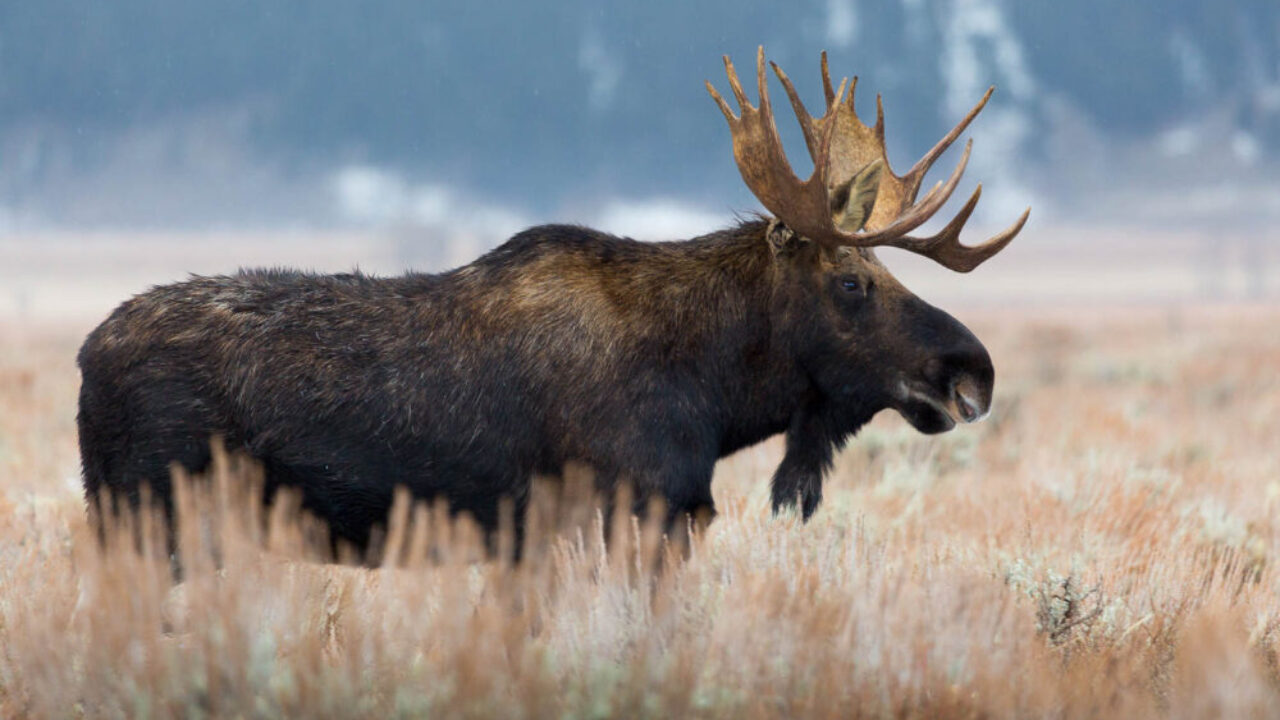
Moose are the animal I give the biggest buffer to. They can look like a swampy statue and then cover ground in a heartbeat. They also like willows and stream corridors, which often means limited escape routes for hikers.
- Red flags may include: ears laid back, raised hackles, head bobbing, slow purposeful walking toward you.
- Common scenario: you round a bend and find a moose on the trail. It does not move because it does not want to.
- What it wants: a clear path and more space, not a standoff.
Bison
Bison can weigh up to around 2,000 pounds, accelerate quickly, and turn sharply. Many charges are short and defensive, which is still plenty to break bones. They also have a habit of looking placid while they decide you are too close.
- Red flags may include: tail held up or swishing hard, pawing, head shaking, snorting, head lowered, facing you and holding the stare.
- Common scenario: bison on boardwalks, roads, or pullouts where people get boxed in.
- Group danger: one person walking close can push the animal toward everyone else. Do not be that person.
What to do in a close encounter
If you remember one thing, make it this: do not let the encounter become a narrow hallway. Give the animal room to go where it wants, and give yourself room to exit.
If you see them first
- Stop early. Put a big buffer between you and the animal before it decides you are a problem.
- Assess the terrain. Identify your backtrack route and any safe “islands” like a stand of trees, a wide shoulder, or a sturdy vehicle.
- Let them pass. If the animal is moving along the trail, step off far enough that it does not have to detour around you.
- Turn around if needed. The best wildlife story is the one where everyone walks away.
If they are already close
- Do not run in panic. Sudden movement can trigger pursuit. Back away steadily, keeping your body angled rather than squared off.
- Move decisively to safety. If you need to reach cover, do it quickly and calmly. Think “controlled retreat,” not “sprint and flail.”
- Put something between you and them. A big tree, a boulder, a vehicle, a riverbank cut, or even a dense thicket can break line of sight.
- Make yourself predictable. Speak in a calm voice so you do not startle it with sudden noise. Avoid waving arms.
- Do not crouch for photos. Crouching can look like stalking and also makes you slower to move.
If an animal charges
Some charges are bluff charges. Some are not. Either way, treat it as real.
- Get behind cover immediately if there is anything solid nearby.
- If you are in open ground: move quickly at an angle to increase distance and reach cover. Avoid a straight-line sprint unless that is the only option.
- Do not approach again. A charge is the animal telling you the boundary.
Ungulate safety is a distance game. The earlier you back off, the less dramatic the encounter needs to become.
Boardwalks and roadside rules
In places like Yellowstone, boardwalks add two constraints at once: you cannot step off in many areas, and you often cannot widen the gap. If an animal is on a boardwalk or right beside it:
- Do not step off the boardwalk in thermal areas. The ground can be dangerously thin, and it is also a resource protection issue.
- Do not try to squeeze past. Wait at a safe distance if you can do so without being forced closer.
- Turn back if the wait is tightening the crowd. A jammed boardwalk is a classic “narrow hallway.”
- In vehicles: if bison are near the road, stay in the vehicle unless you have a clear, safe buffer and a legal place to be.
Photography etiquette
Good wildlife photography is basically respectful people-watching with a long lens. If you want images that feel intimate without being invasive, lean into tools and patience instead of proximity.
- Use the lens you already have. If the animal looks small, that is a composition problem, not a distance problem.
- Stay off the animal’s travel line. Do not stand between a bison and the rest of the herd, or between an elk and cover.
- Never surround an animal. If other photographers are already there, do not add pressure from a new angle.
- Avoid crowd cues. If cars are stacking up or people are bunching together, it is time to leave. Crowds trigger bad decisions and block escape routes.
- Skip calls and bait. Do not make noises to get head turns. Do not place food. Besides being unethical, it can create aggressive expectations.
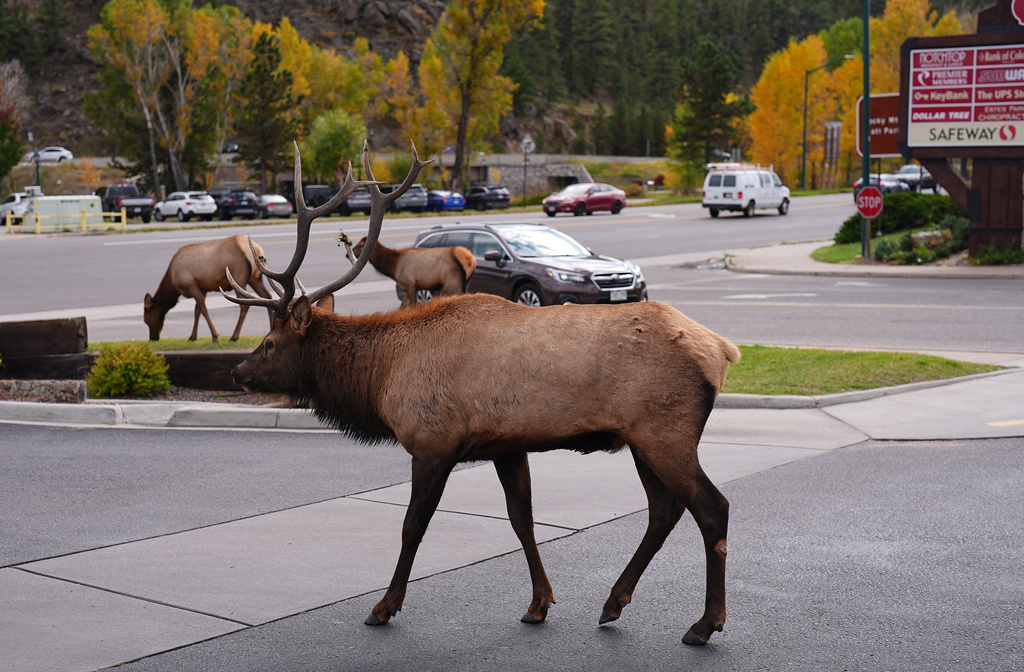
Common mistakes
- “Just one quick photo” drift. People take a step, then another, until they are inside the danger zone.
- Turning your back to back up. You lose awareness and trip. Back away facing the animal, glancing at your footing.
- Letting kids run ahead. Fast, squeaky movement can trigger a defensive response. Keep children close and calm.
- Dogs off leash. A dog can provoke a chase and then lead the animal straight back to you. Leash up, always, and give extra space.
- Getting out of the car near bison. If bison are near the road, stay in the vehicle unless you have a clear, safe buffer.
Mini checklist
- Know what season you are in: spring calves, fall rut, winter energy conservation.
- Pack optics: binoculars or a zoom lens reduce the urge to creep closer.
- Plan your wide spots: on narrow trails, note where you can step off safely.
- Keep your group tight: especially with kids.
- Commit to turning around: if a moose or bison is on the trail and will not move.
Fast FAQs
Are the minimum distances actually enforced?
They can be. Minimum distances and harassment rules are enforceable in many parks, and rangers do issue citations. More importantly, the posted distances are there because people get hurt when they treat big animals like props. Follow signs and ranger instructions where you are.
Should I use bear spray for elk, moose, or bison?
Bear spray is designed for close-range defense and can work as a last resort against many large mammals, but it is not a substitute for distance and smart positioning. In most ungulate incidents, the safer choice is to back away early and use cover. If you carry bear spray in bear country, keep it accessible and know how to use it, but do not let it tempt you into getting closer.
What if an elk or bison is blocking the trail?
Do not try to squeeze by. Wait from a safe distance if you can do so without being forced closer. Otherwise, turn around and come back later. Blocking a trail is normal animal behavior. Your job is to not make it your problem.
What if I see someone getting too close?
Do not add to the crowd. Keep your own distance, avoid escalating the situation, and consider notifying rangers if it is safe and appropriate to do so. If you are in a park, the visitor center or a ranger station can tell you the best way to report wildlife harassment.
Are moose more dangerous than bears?
They can be, in terms of surprise encounters and defensive aggression. Moose incidents are often triggered by people getting too close, especially around calves or in tight trail corridors.
Where this applies
You will see these three in many ungulate-heavy destinations across the US and Canada, but the classic hotspots are Yellowstone, Grand Teton, and Rocky Mountain National Park, plus nearby towns where wildlife wanders right up to sidewalks and patios.
If you take anything from this page, let it be this: you can have your rugged wildlife moment and still keep it civilized. Give them space, bring patience, and let the best shot be the one you took from far enough away that nobody had to tense up.