Essential Day Hiking Gear List

Maya Lin
Maya Lin is a travel journalist and outdoor enthusiast who believes the best trips combine rugged adventures with urban comforts. After spending six years backpacking across four continents, she founded Trail & Town Guide to help fellow travelers navigate both hidden mountain passes and bustling city neighborhoods with confidence.
I love a big day hike that ends with dusty boots and a clean coffee shop restroom. The trick to enjoying both is packing like an optimist but planning like a realist. On a “simple” day hike, weather turns, wrong turns, dead phone batteries, and surprise blisters happen fast. A dialed day-hike kit keeps those problems annoying instead of dangerous.
Below is my no-drama day hiking gear list built around the classic Ten Essentials, plus a handful of highly recommended add-ons that make a long day on the trail more comfortable.
Quick travel note: If you are flying to a hike, most of this is carry-on friendly, but not all of it. Knives and multi-tools usually have to go in checked luggage, trekking poles can be questioned, bear spray is typically prohibited, and liquids (like sunscreen) have limits. When in doubt, check your airline and local security rules.
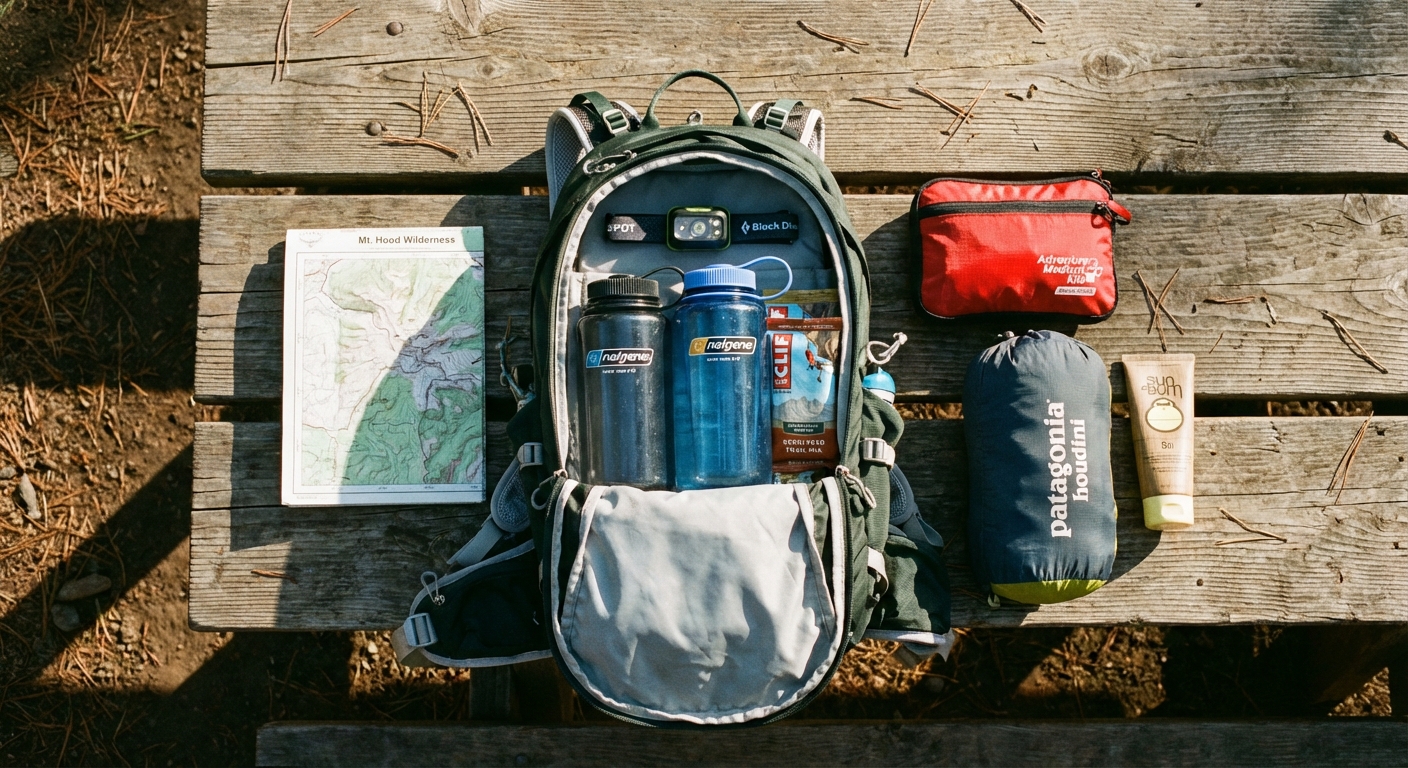
The Ten Essentials (real life version)
The original Ten Essentials list is a safety system, not a shopping list. Think of it as ten categories. Your exact items can be minimalist or deluxe, as long as they solve the same problem.
1) Navigation
Goal: You can find your way if the trail is confusing, unmarked, snow-covered, or you take a wrong turn.
- Carry: Offline map on your phone (downloaded before you lose signal) plus a paper map as backup.
- Consider: A compass, especially on less-trafficked routes, desert terrain, or foggy coastal trails.
- Pro tip: Save screenshots of the route, key junctions, and your parked location (GPS pin). Phones die at the worst moments.
2) Sun protection
Goal: Prevent sunburn and heat stress, even on cloudy days or in winter snow glare.
- Carry: Sunscreen (SPF 30+), lip balm with SPF, sunglasses, and a hat.
- Consider: A lightweight sun hoodie for exposed hikes. It is often cooler than reapplying sunscreen all day.
3) Insulation (extra layers)
Goal: You can stay warm if you stop moving, weather shifts, or your hike runs long.
- Carry: One warm layer (fleece or light puffy).
- Add in cooler seasons: An extra dry base layer or a second warm layer, depending on conditions.
- Avoid: Cotton as a main layer. It holds moisture and chills you fast.
- Trail reality: The “warmest” part of your day is often the climb. The coldest is the snack break.
4) Illumination
Goal: You can see and be seen if you are out later than expected.
- Carry: A headlamp with fresh batteries or a fully charged rechargeable headlamp.
- Why headlamp over phone light: Hands-free matters on uneven terrain.
5) First-aid supplies
Goal: You can treat common trail issues and stabilize bigger ones until you get help.
- Carry: Blister care (moleskin or blister pads), assorted bandages, antiseptic wipes, gauze, tape, and any personal meds.
- Consider: A small elastic wrap for ankle tweaks.
- Personal add: A tiny tube of anti-chafe balm saves my day more often than I want to admit.
6) Fire
Goal: Emergency warmth and signaling if you are stuck out longer than planned.
- Carry: Waterproof matches or a lighter in a small plastic bag.
- Optional: A compact fire starter. Not glamorous, but very effective when everything is damp.
- Note: Follow local fire restrictions. In extreme fire bans, even possession or use can be regulated. “Carry” does not always mean “use.”
7) Repair kit and tools
Goal: Fix small gear failures that can become big problems.
- Carry: A small multi-tool or knife (or pack a blade-free alternative if you are traveling carry-on only).
- Consider: A few feet of duct tape wrapped around a trekking pole or water bottle, plus a couple of zip ties.
- Useful for: Broken pack buckles, torn shoe soles, ripped rain shells, or a loose trekking pole basket.
8) Nutrition (extra food)
Goal: Enough calories for the hike plus extra in case you are delayed.
- Carry: Your planned lunch and snacks, plus one extra “emergency” snack you do not touch unless needed.
- My easy formula: Something salty, something sweet, and something you can eat when you are tired and grumpy.
- Don’t forget: If it is hot, electrolytes are also important, not just calories.
9) Hydration (extra water)
Goal: Enough water for the day and a way to make more safe if plans change.
- Carry: Water bottles or a hydration reservoir.
- Also carry: A water filter, purification tablets, or a UV purifier, especially on longer hikes or in dry regions.
- Rule of thumb: Needs vary wildly, but many hikers do well starting with 2 liters for moderate conditions. In hot, dry weather, that can be nowhere near enough. Some people plan roughly 0.5 to 1 liter per hour in heat, plus extra if you sweat heavily.
- Quick nuance: Filters are great for protozoa and bacteria but can clog in silty water, so pre-filter if needed. Tablets and UV are light backups, but know local water risks and what your method covers.
10) Emergency shelter
Goal: A basic layer of protection if you are stuck due to injury, weather, or darkness.
- Carry: A lightweight emergency bivy, space blanket, or small tarp.
- Why it matters: Even mild conditions can become dangerous if you stop moving and get wet or windy.
Bonus: Whistle (tiny, huge value)
Goal: Signal for help without burning your voice or your phone battery.
- Carry: A small emergency whistle. Many daypacks have one built into the sternum strap buckle, but check before you count on it.
- Why it matters: Sound carries, and it works in the dark, in fog, and when you are tired.
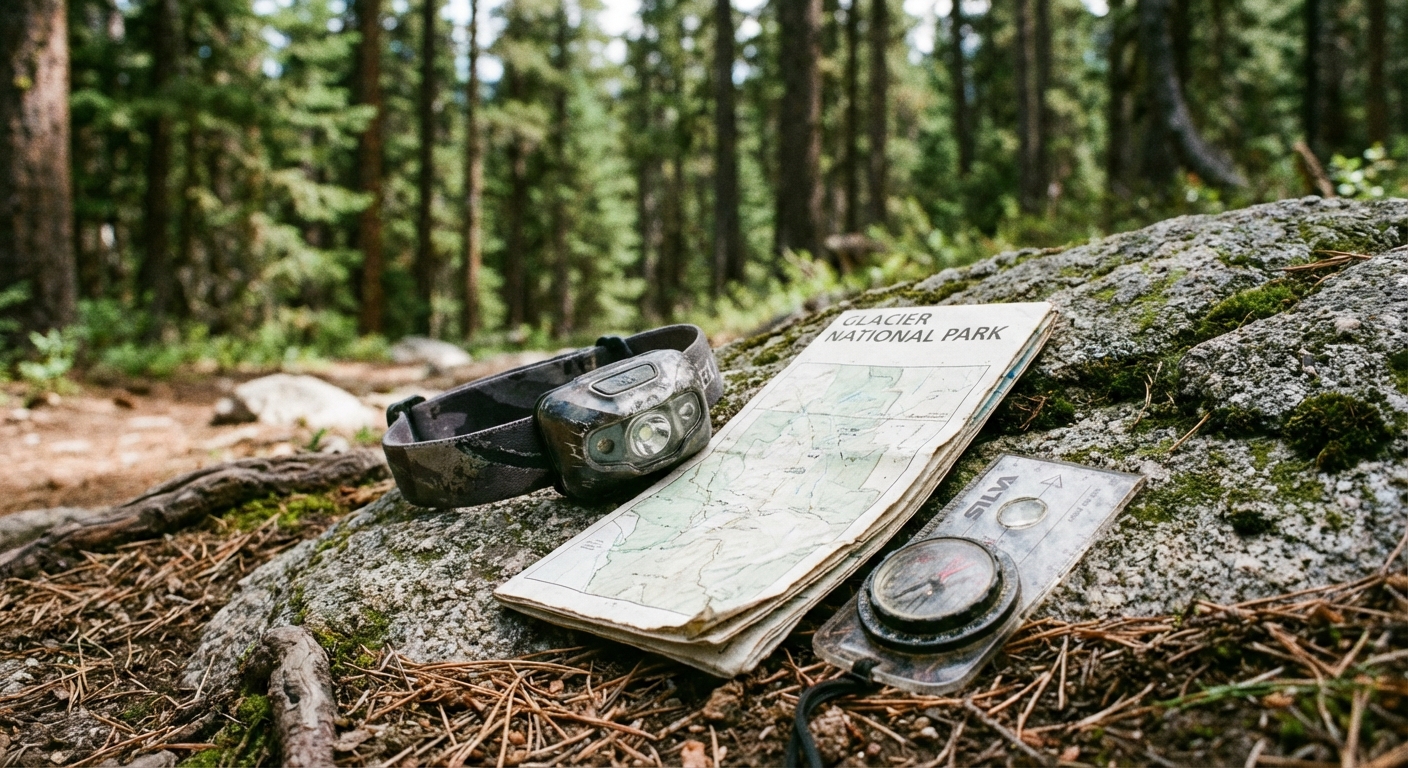
Recommended gear (comfort + confidence)
The Ten Essentials keep you safe. These extras keep you happy. Pick the ones that match your terrain, season, and tolerance for discomfort.
A proper daypack (15 to 30L)
Look for a pack that fits your torso, has comfortable shoulder straps, and carries water well. Hip belts matter more as the day gets longer and your load gets heavier.
Rain protection you will wear
A compact rain jacket is a classic. In warm climates, a breathable shell is your best friend. In colder places, prioritize wind protection too.
If the forecast is truly wet, add rain pants for you. For your pack, use a pack liner (trash compactor bag works) and or a pack cover to keep your insulation and electronics dry.
Trekking poles
Pole fans sound like a niche club until your knees meet a steep downhill with a full pack. They help with balance in mud, scree, creek crossings, and snow patches.
Bug protection
On mosquito-heavy trails, bug spray can be the difference between “peaceful alpine lake” and “why did we do this.” A head net weighs almost nothing and is a lifesaver when the air is thick with bugs.
Toilet kit
- Toilet paper in a sealed bag (plus a separate bag to pack out used paper where required)
- Wipes (packed out, always, even if they say “flushable”)
- Hand sanitizer
- Small trowel where required or appropriate
- Waste bag if you are in areas that require pack-out
Yes, it is awkward to talk about. It is also part of being a good trail neighbor. Leave No Trace is not just for backpackers.
Phone battery backup
If your phone is your camera, map, emergency contact device, and “where did I park” memory, bring a small power bank and a short cable. Bonus tip: airplane mode saves battery fast when you do not have service.
Small sit pad
This is my favorite luxury item. It turns wet logs into thrones and makes snack breaks longer, which usually means happier hikers.
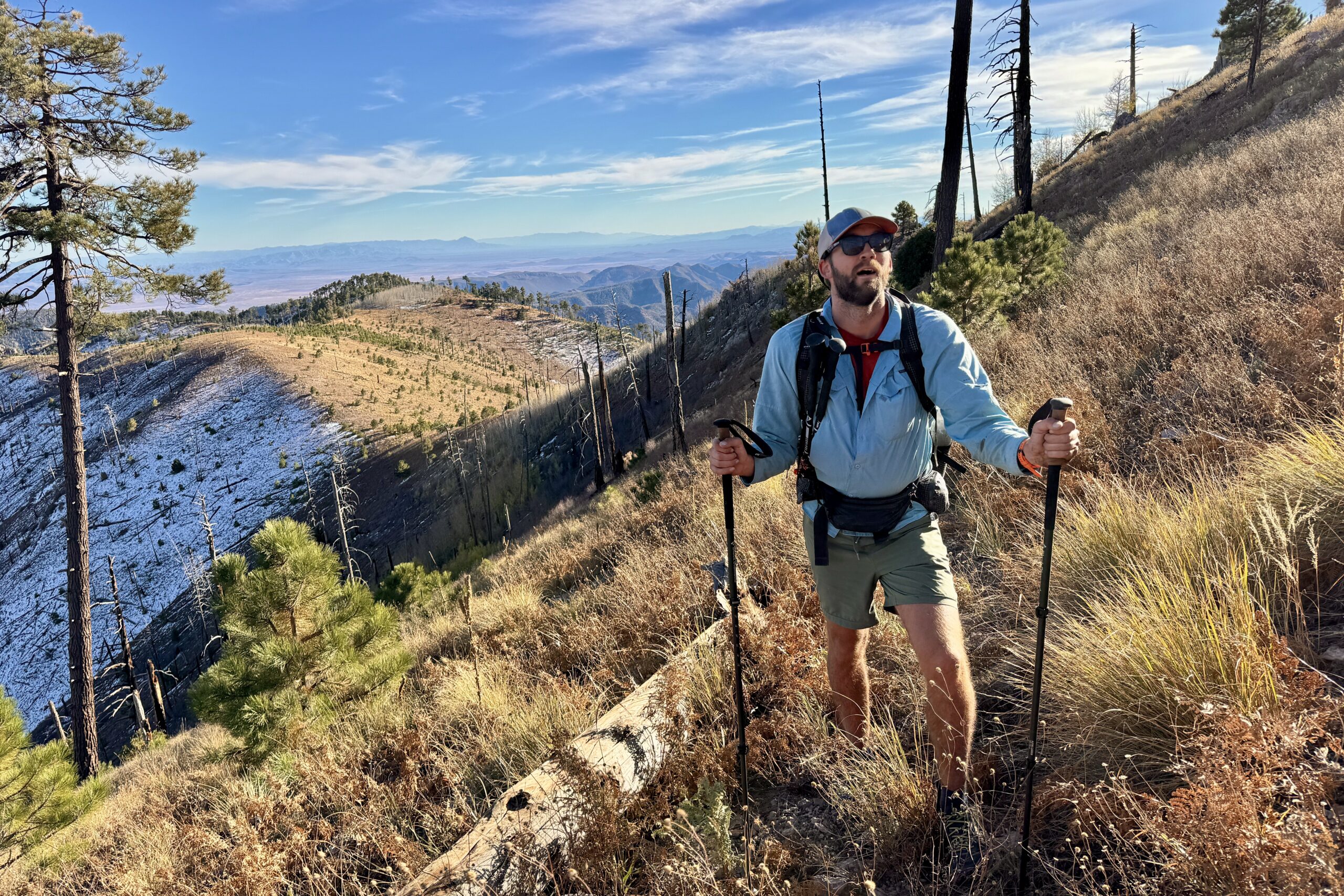
Clothing and footwear
If you want to pack light and avoid the classic “too hot, too cold, too sweaty” cycle, think in three parts.
- Base layer: Moisture-wicking tee or long sleeve (synthetic or merino).
- Mid layer: Fleece or light puffy for stops and summits.
- Shell: Wind and rain protection.
Bottoms: Choose what lets you move and what matches the brush, bugs, and sun exposure. Shorts are great until the trail turns into scratchy shrubs. Lightweight hiking pants are a quiet upgrade.
Socks: Comfortable hiking socks are not a luxury. They are blister prevention. Bring an extra pair on longer hikes or in wet seasons.
Footwear: Trail runners are lightweight and comfortable for many hikers, especially on well-maintained trails and big mileage days. Hiking boots can add ankle support, warmth, and durability in rough terrain or cold, wet seasons. Either way, prioritize fit and traction, and do not debut brand-new shoes on a long hike. Your feet have opinions.
Food and water planning
When I see people bonk on a trail, it is almost always one of two things: they did not eat enough, or they did not drink enough. Both are easy to fix if you start early.
My full-day snack strategy
- Start hydrated: Drink water before you hit the trail.
- Eat early: A snack in the first hour keeps energy steady.
- Small and often: A few bites every 45 to 60 minutes beats one massive lunch that makes you sleepy.
- Pack an emergency snack: One bar or gel that stays untouched unless you need it.
Water: have a backup plan
Even if you think there is a reliable stream, treat it like a “maybe.” Seasonal creeks dry up, and snowmelt streams can be silty. Carry enough to get you through, and bring a purification method for flexibility.
Safety extras by hike
Not every day hike is the same. Here are add-ons worth considering depending on conditions.
- Cold or shoulder season: Warm hat, lightweight gloves, microspikes if ice is possible.
- High altitude: Extra layers, more water, and an earlier start to avoid afternoon storms.
- Desert: Sun umbrella or sun hoodie, extra water capacity, electrolyte mix.
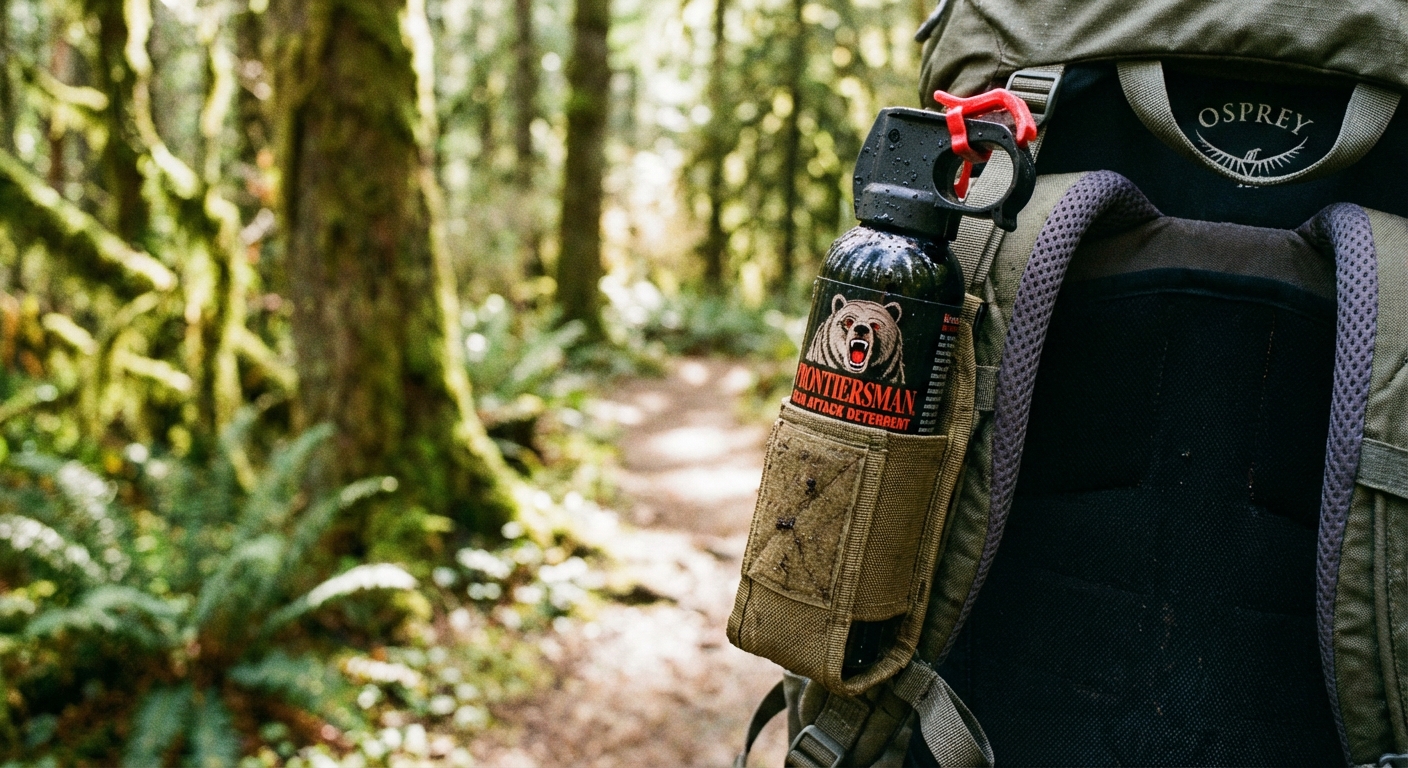
- Bear country: Bear spray where recommended, stored accessibly, plus know how to use it (and how to travel with it, because flying with it is usually a no).
- Off-trail or remote: Satellite messenger or personal locator beacon.
Quick checklist
If you want the fastest possible packing list, copy this into your notes app and check items off at the trailhead.
The Ten Essentials
- Navigation: offline map + paper map, compass optional
- Sun protection: sunscreen, SPF lip balm, sunglasses, hat
- Insulation: warm layer, add extra dry base or warm layer as needed
- Illumination: headlamp + batteries
- First aid: blister care, bandages, meds
- Fire: lighter or waterproof matches (per local regulations)
- Repair/tools: small knife or multi-tool, tape, zip ties
- Nutrition: lunch + snacks + emergency snack
- Hydration: water + filter or purification
- Emergency shelter: bivy, space blanket, or tarp
- Whistle: small emergency whistle (or confirm pack buckle whistle works)
Recommended
- Daypack (15 to 30L)
- Rain jacket, plus pack liner or cover
- Trekking poles
- Bug spray or head net
- Toilet kit (TP, sanitizer, trowel or waste bag as needed)
- Power bank + cable
- Sit pad
Nice-to-have
- Camera or binoculars
- Small thermos for tea or coffee
- Lightweight camp towel
- Extra socks
Packing tips
- Pack for the stop, not the stride. You can feel warm while hiking and still get cold the second you pause.
- Check the weather like you mean it. Look at hourly temps, wind, and storm timing, not just the cute little sun icon.
- Set a turnaround time. The summit is optional. Getting back safely is not.
- Put essentials where you can reach them. Rain jacket, snacks, and headlamp should not be buried at the bottom.
- Test at home. Turn your headlamp on, confirm your offline maps load, and check your filter works.
- Save phone battery. Airplane mode helps, and sharing your plan (or location when possible) adds a nice layer of backup.
- Leave an itinerary. Tell someone where you are going and when you plan to be back.
With the right kit, a full day on the trail feels like freedom, not a gamble. Pack smart, start early, and save a little time at the end for the best part of my kind of adventure: a local coffee shop stop on the way home.