Estes Park: Where to Stay and Eat Near Rocky Mountain National Park

Maya Lin
Maya Lin is a travel journalist and outdoor enthusiast who believes the best trips combine rugged adventures with urban comforts. After spending six years backpacking across four continents, she founded Trail & Town Guide to help fellow travelers navigate both hidden mountain passes and bustling city neighborhoods with confidence.
Estes Park is the kind of mountain town that knows what it is here to do. You can be on a ridgeline in the morning, dry your socks over lunch, and still make it to a cozy booth for trout and a local beer by dinner. It is the front porch of Rocky Mountain National Park (RMNP), and choosing the right neighborhood, the right meal stops, and the right park entry plan makes your whole trip feel smoother.
This guide is built for that sweet spot I love: big days outside, zero chaos at night. Below you will find where to stay (by vibe and by location), where to eat (from coffee to celebratory dinners), an easy downtown walking loop, reliable elk viewing spots, and the logistics for RMNP timed entry permits.
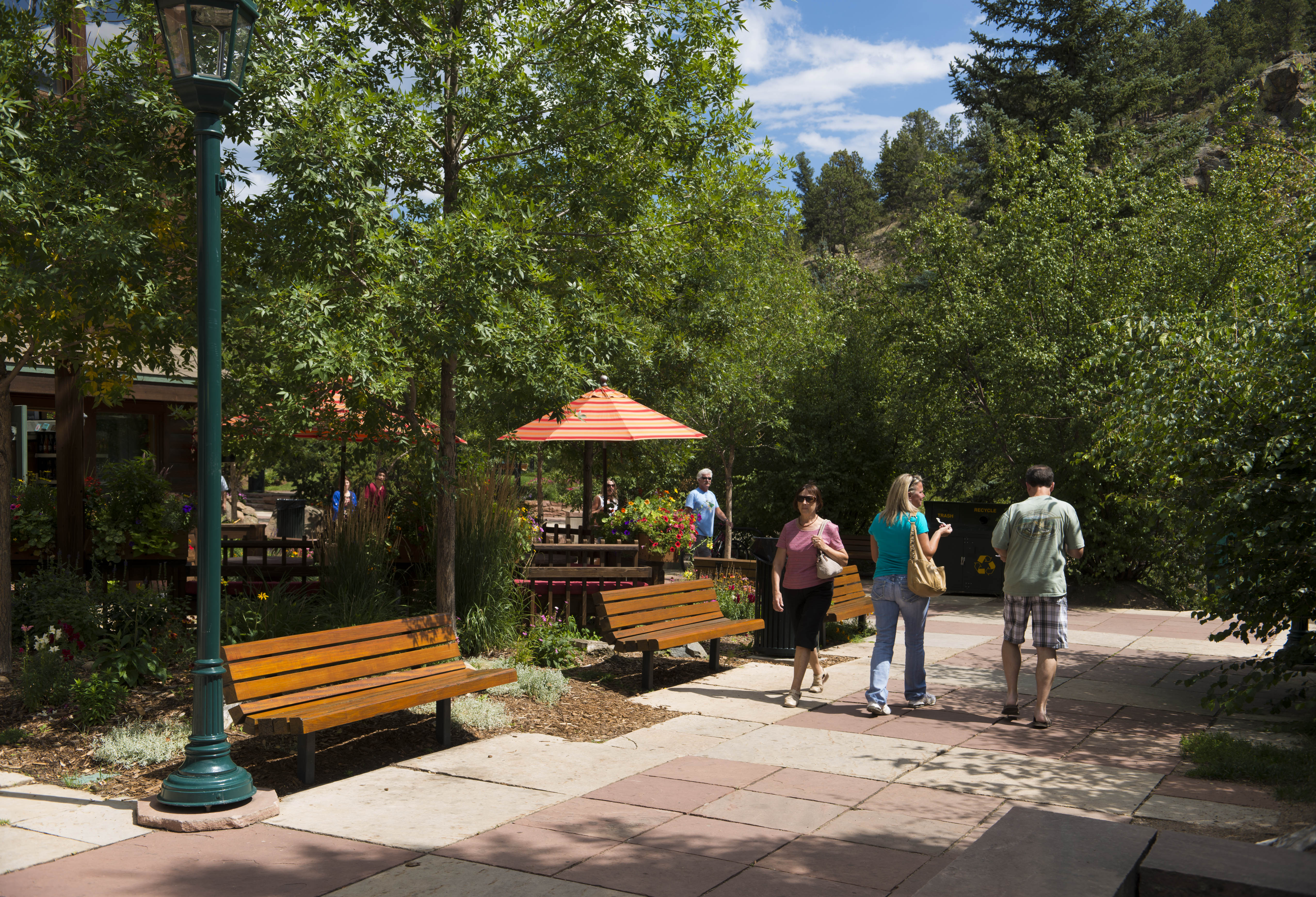
Know Estes Park’s layout
Estes Park is compact, but where you base yourself changes the feel of your trip. Think of the town in four simple zones.
- Downtown and the Riverwalk: Walkable restaurants, shops, and evening strolls. Best if you want to park once and relax.
- Highway 36 corridor (toward RMNP’s Beaver Meadows Entrance): Convenient for early park starts and timed entry windows.
- Highway 34 corridor (toward the Fall River Entrance): Great access to the Fall River side of the park and a slightly quieter feel in spots. Quick seasonal note: Fall River Road itself is typically summer-only and closes in winter and often in shoulder seasons.
- South and west edges (near Marys Lake and into the hills): Cabin vibes, more space, better dark skies, and often more wildlife wandering through.
Quick drive-time reality check
- Downtown to Beaver Meadows Entrance: About 5 to 15 minutes, depending on where you start and traffic.
- Downtown to Fall River Entrance: About 10 to 20 minutes.
- Marys Lake area to downtown: Often 10 to 15 minutes.
Where to stay in Estes Park
Estes Park does lodging in a very Colorado way: historic hotels, family-run motels, riverfront condos, and cabins that make you want to cancel your Wi-Fi plan. Here is how to pick what fits your trip.
Best for walkability: Downtown and Riverwalk
If your ideal evening includes a quick change, a short walk to dinner, and dessert happening on the Riverwalk, stay downtown.
- Who it is for: First-timers, couples, friends who want bars and coffee within a few minutes on foot.
- Why it works: You can keep your car parked and still have a full night out.
- Watch for: Summer weekends can be lively and parking can be tight depending on the property.
Best for early park mornings: Near Beaver Meadows (Highway 36)
Want to be at a trailhead before the parking lots fill? Staying closer to the Beaver Meadows Entrance can save time, especially if you are working around timed entry.
- Who it is for: Hikers, photographers, families who want to maximize park hours.
- Why it works: Quicker access to Moraine Park, the Bear Lake Road corridor, and the main visitor services.
- Watch for: You will likely drive into town for dinner and strolling.
Best cabin energy: Marys Lake and the south side
This area leans quieter, with more “wake up, make coffee, watch the light hit the peaks” moments.
- Who it is for: Slow travelers, remote workers, anyone craving space and quiet.
- Why it works: Easy access to scenic drives and a higher chance of wildlife right outside.
- Watch for: You will drive for most meals and errands.
Best for river sounds: Big Thompson or Fall River properties
Riverfront stays are classic Estes. If you are the kind of person who sleeps better with white noise, this is your category.
- Who it is for: Couples, families, light sleepers who do not want total silence.
- Why it works: Rivers cool things down in summer and give that instant mountain-town mood.
- Watch for: In peak runoff season, the river can be loud. Some people love it. Some people do not.
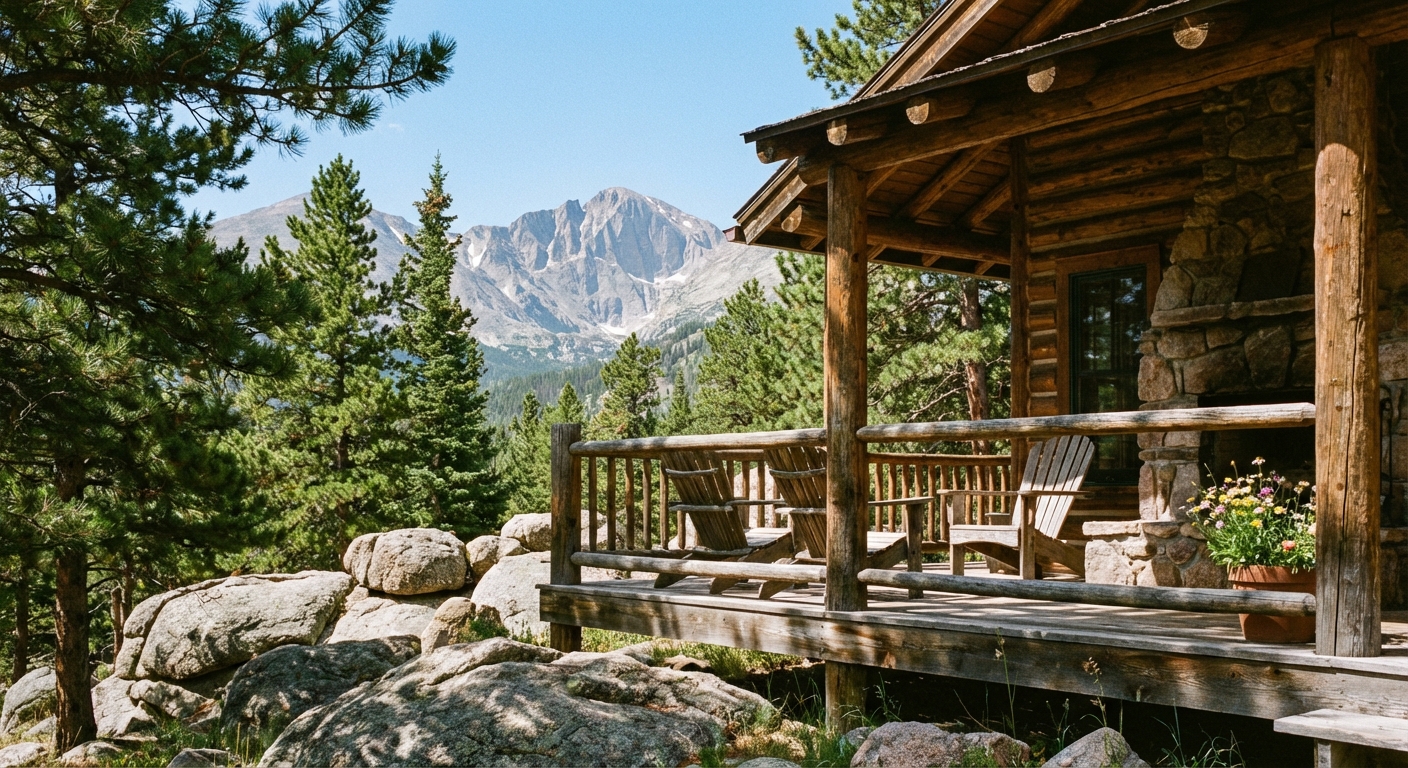
Where to eat and drink
Estes Park’s food scene is built for post-hike hunger. You will find casual spots that welcome dusty boots, plus a few nicer restaurants for the night you want to toast surviving elevation.
Coffee and breakfast
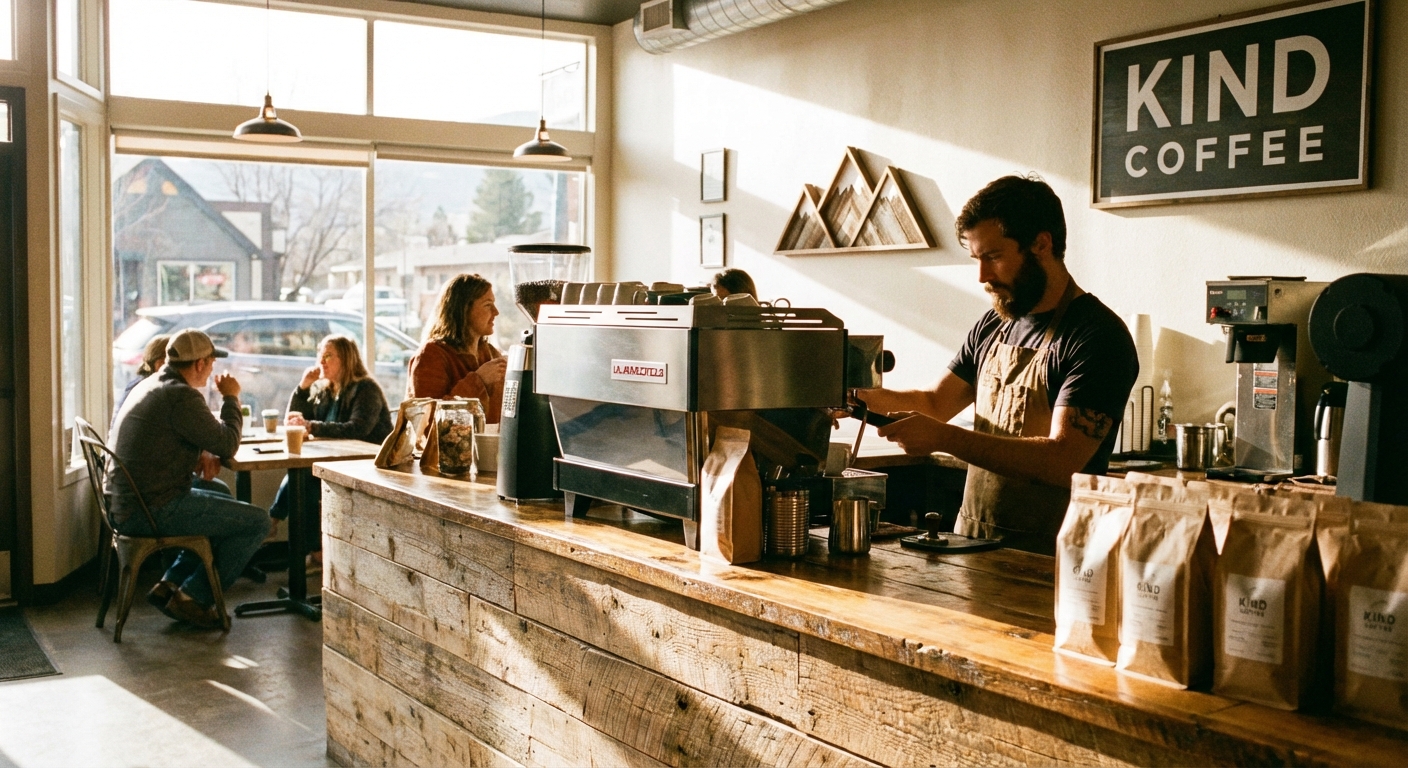
- Kind Coffee (downtown): Excellent espresso and a calm, community feel. This is my default “plot the day’s hikes” stop.
- Notchtop Bakery & Cafe (downtown): Big breakfast energy and baked goods that travel well for a trail snack.
- Estes Park Pie Shop & Restaurant (downtown): A classic sit-down breakfast option, plus slices of pie for later, which is just responsible planning.
Post-hike lunch
- Smokin’ Dave’s BBQ & Taphouse: Hearty, messy, and exactly what you want after miles on your feet.
- Bird & Jim: Higher-end comfort food with Colorado ingredients. Great when you want something thoughtful but still filling.
- Ed’s Cantina: Margaritas and tacos that hit the spot after a sunny day in the park.
Dinner worth changing out of your fleece for
- The Rock Inn Mountain Tavern (south of town on CO-7): Cozy, mountainy, and popular for a reason. Go early or be patient.
- Bird & Jim: Also earns a repeat here for dinner, especially if your group has mixed tastes.
- Twin Owls Steakhouse: A classic special-occasion splurge if you want steakhouse vibes in a historic setting.
Beer and a relaxed evening
- Avant Garde Aleworks (downtown): Easygoing taproom feel, good place to debrief your day.
- Rock Cut Brewing Company: A solid pick for a casual pint and conversation.
Sustainable travel nudge: In busy months, choose one or two restaurants you can walk to from your lodging. It reduces traffic stress downtown and makes the whole evening feel more like a vacation and less like a parking competition.
A simple downtown walking loop
If you have two hours between hikes and dinner, this is a low-effort way to get a feel for Estes Park without turning it into a project.
- Start at Elkhorn Avenue: Browse locally owned shops and galleries. This is the main strip and it is easy to dip in and out.
- Hop onto the Riverwalk: Follow the Big Thompson River. You will get bridges, benches, and the sound of moving water.
- Detour to Bond Park: A good place to rest, especially for families. In peak season, you might catch a local event.
- Finish with coffee or dessert: Grab a drink downtown, then walk back along the river as the light changes.

Best elk viewing spots
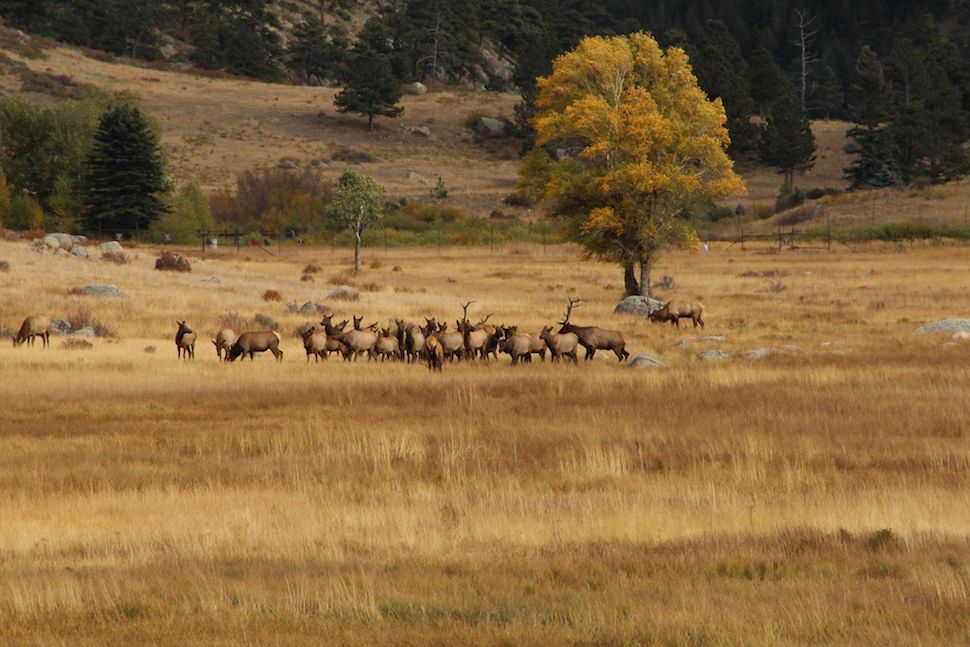
Estes Park is one of the easiest places in the U.S. to see elk without trying very hard. The trade-off is that it is also one of the easiest places to see people get too close. Elk are not props, and during the fall rut they can be unpredictable.
Where to look
- Moraine Park (inside RMNP): A classic open meadow where elk often graze. Early morning and evening are prime.
- Horseshoe Park (inside RMNP): Another reliable meadow zone for viewing from a distance.
- Golf course area and meadows around town: Elk regularly wander through Estes Park itself, especially in cooler hours.
- Sprague Lake (inside RMNP): Not guaranteed, but a beautiful, accessible spot where you might catch elk nearby, especially at quieter times.
Responsible wildlife rules
- Give space: As a baseline, the National Park Service commonly cites staying at least 75 feet (23 m) from elk and other wildlife, and at least 120 feet (36 m) from bears and moose. Verify current guidance for RMNP before you go.
- Never approach for photos: If an animal looks up and changes behavior because of you, you are too close.
- Keep dogs controlled: Follow local rules and do not let pets chase wildlife.
- Be extra cautious in September and October: The rut can bring aggressive behavior, especially from bulls.
RMNP timed entry permits
RMNP uses a timed entry permit system during peak season to manage congestion. The details can change year to year and by season, so always confirm on the official National Park Service site. The evergreen starting point is the RMNP “Timed Entry Permit System” page on NPS.gov.
The basics
- You may need two things: A park entrance pass (or annual pass) and a timed entry permit during designated dates and hours.
- There can be different permit types: RMNP commonly separates general park access from permits that include the Bear Lake Road corridor (the busiest zone for classic hikes). Verify which one you need for your plan.
- Permits can sell out: Especially for mid-morning arrivals and Bear Lake access in summer and early fall.
My low-stress strategy
- Aim early: If you are happy starting your day early, you can often avoid the biggest crowds and parking headaches.
- Match your lodging to your plan: If Bear Lake is a priority, staying closer to the Beaver Meadows Entrance makes early entry less painful.
- Use shuttles when they run: In peak season, shuttles can be a sanity saver for Bear Lake Road. Routes, hours, and seasons vary, and shuttles generally do not replace timed entry requirements when those are in effect, so plan both pieces.
- Build in a town day: If you do not get the permit you want, do a downtown morning, a scenic drive outside the permit window, or a lower-demand hike, then try again the next day.
Good to know: Even with a timed entry permit, popular trailheads can fill. Have a Plan B hike that starts from a less-competitive area or at a less-competitive time.
Shuttles and getting around
There are a couple different “shuttle” conversations in Estes, and it helps to keep them straight.
- RMNP shuttles: Seasonal and route-specific, most relevant for popular corridors like Bear Lake Road when they are operating. Always verify current routes and hours.
- Town shuttles: Estes Park has local options in peak season that can help with downtown parking and short hops. Availability and routes vary, so check local info when you arrive.
Getting there and practical notes
Driving in
- From Denver: Estes Park is a straightforward road trip, but summer weekends can bring slowdowns. Start early if you can.
- From Boulder: The drive is beautiful and popular. Expect traffic in peak leaf season.
Parking
- Downtown: Use public lots and plan to walk. It is easier than circling endlessly on Elkhorn.
- At RMNP trailheads: Arrive early, especially for Bear Lake Road destinations.
Altitude, water, and day-one pacing
- Take day 1 a little easier: Altitude can sneak up on you. Headache, nausea, dizziness, and unusual fatigue are common signs you need to slow down, hydrate, and rest.
- Hydrate and eat: The air is dry, hikes are effortful, and “I forgot lunch” hits harder up here.
- Go light on alcohol the first night: Your sleep and your next morning will thank you.
Cell service and fuel
- Cell service: It can be spotty in and around the park. Download offline maps and save reservations before you lose signal.
- Gas and charging: Estes Park has services, but do not roll into the park on fumes. Top off in town, especially if you are stacking scenic drives.
When to visit
- Summer: Best for high-alpine hiking, busiest for town and park logistics.
- Fall: Crisp days, golden aspens, and elk rut. Also very busy on weekends.
- Winter: Quieter town, snowy trails, and a cozy base for snowshoeing. Pack traction and layers.
- Spring: Shoulder season with variable conditions and lingering snow at higher elevations.
Sample 2-day plan
If you want a starting point that balances trail time with town time, here is a simple itinerary you can adjust.
Day 1: Classic hike and a downtown evening
- Morning: Enter RMNP early and tackle a main hike (especially if Bear Lake Road is on your list).
- Midday: Picnic lunch or quick bite back in town.
- Afternoon: Easy scenic stop like Sprague Lake or a short nature walk.
- Evening: Riverwalk loop, then dinner downtown.
Day 2: Wildlife and a slower finish
- Morning: Elk viewing in Moraine Park or Horseshoe Park.
- Late morning: Coffee stop and bakery run for the road.
- Afternoon: One last short hike or a scenic drive, then head out before the evening traffic stack-up.
Plan B ideas if your first choice is packed
- Stay flexible by area: If Bear Lake is full, pivot to a lower-elevation walk, a meadow-viewing drive, or another park region with less competition for parking.
- Do a “town plus nature” split: Downtown loop and lunch, then an easier trail or scenic stop later in the day.
- Try again early tomorrow: Many Estes trips get better the moment you stop fighting mid-morning crowds.
Verify before you go
Five minutes of checking the right pages can save you hours later.
- RMNP timed entry permits: Start with the RMNP “Timed Entry Permit System” page on NPS.gov.
- Road status: Check current conditions for Trail Ridge Road and Fall River Road (both are seasonal and weather-dependent).
- Shuttles: Confirm whether RMNP shuttles are running, plus routes and hours, for your travel dates.
- Alerts: Scan for wildfire, smoke, and air quality updates, plus any trail or area closures.
Quick tips for first-timers
- Pack a car snack: Even if you are dining out, hunger hits hard after elevation.
- Carry layers: Estes can go from sunny to wind-chill fast, especially near meadows and lakes.
- Refill a water bottle often: Dry air plus hiking is sneaky.
- Choose one splurge meal: You will remember it more than your third average burger.
Estes Park is at its best when you let it be both things at once: a gateway to big wilderness and a small town built for relaxing afterward. Dial in your stay, lock in your park plan, and leave room for the kind of spontaneous moments that happen when you are not rushing, like spotting elk at dusk on your way to dinner.