Flash Flood and Monsoon Safety in Desert Slot Canyons

Maya Lin
Maya Lin is a travel journalist and outdoor enthusiast who believes the best trips combine rugged adventures with urban comforts. After spending six years backpacking across four continents, she founded Trail & Town Guide to help fellow travelers navigate both hidden mountain passes and bustling city neighborhoods with confidence.
In the desert Southwest, “blue skies over my head” is not a safety plan. Slot canyons and dry washes can flood from storms you never see, sometimes from rain falling miles away on higher ground. If you are building a Page or Moab style itinerary with a mix of iconic viewpoints, quick hikes, and a couple of narrow canyon adventures, this is the skill that keeps your trip fun instead of frantic.
This page is about flash flood and monsoon safety for desert and slot canyon hikers: how to read forecasts, recognize terrain red flags, set turnaround rules you can actually follow, and avoid the sneaky hazards that linger after the storm passes. (Stream crossing technique is its own topic and belongs elsewhere.)
Why slots flood fast
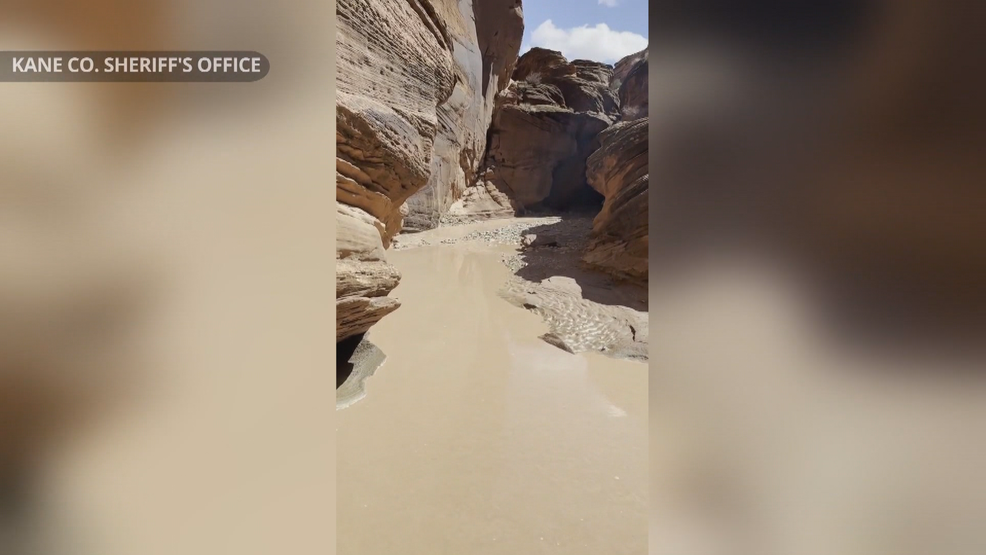
Slot canyons act like natural storm drains. Their walls funnel runoff into a tight corridor with almost no room for the water to spread out. That means a small amount of rain over a large drainage area can turn into a sudden, powerful surge in the slot.
Two quick definitions
- Headwaters: the higher ground where a drainage starts collecting water.
- Upstream basin (watershed): all the terrain that drains into the canyon or wash you are hiking, including side canyons you might not even notice on a map.
Misconceptions that get people in trouble
- “It’s sunny here.” Storms can be over the headwaters, not the canyon.
- “It’s just a short hike.” Short slots can still be deadly if the exit is downstream or requires scrambling.
- “There’s only a small chance of rain.” In monsoon season, the bigger question is where storms form and where the drainage flows, not just the percentage over town.
- “We’ll hear it coming.” Sometimes you do, sometimes you don’t. Curves, wind, and other hikers can mask the sound.
Forecast reading that works
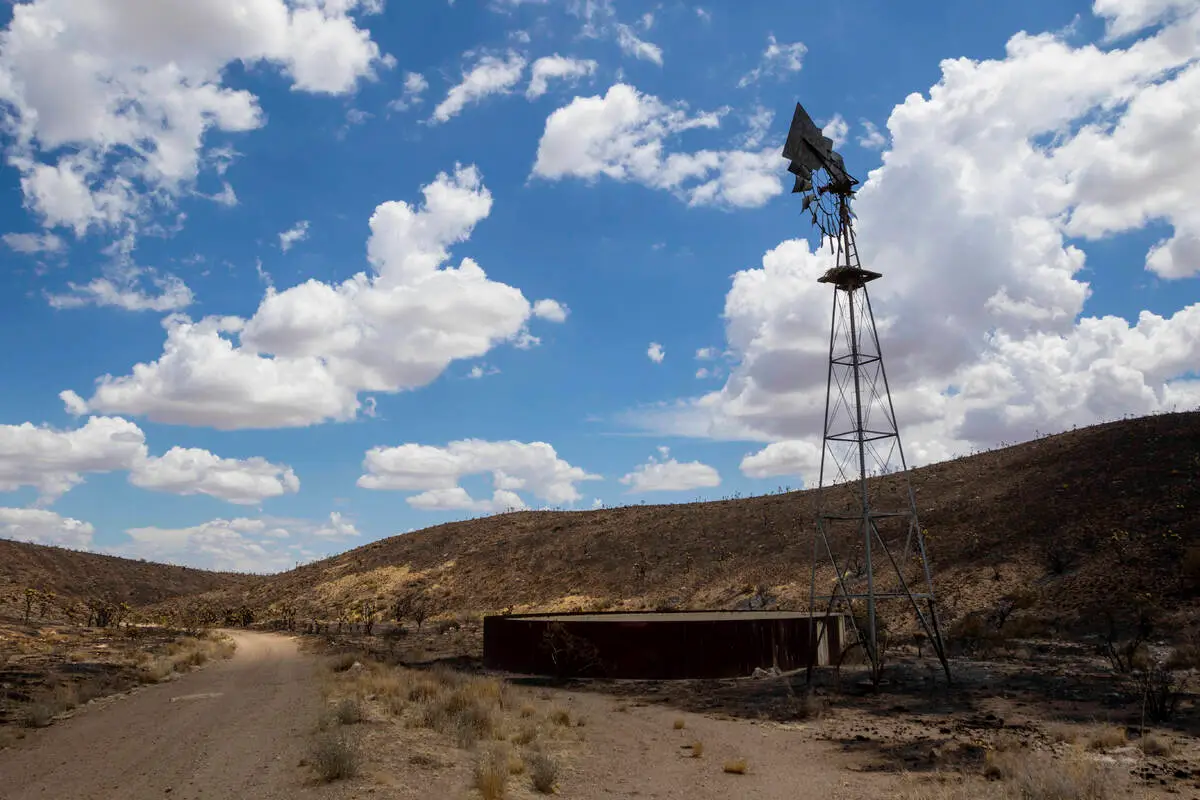
I love a coffee shop forecast check as much as anyone, but for slots and washes you need a more specific approach than “rain in Page” or “storms near Moab.” Use at least two sources, and prioritize tools that show timing, storm movement, and rainfall intensity.
What to check the day before
- NWS point forecast (weather.gov): click your exact location, then also check nearby higher terrain feeding your route. Look for words like “thunderstorms,” “heavy rain,” “localized flooding,” and “monsoon moisture.”
- Flash Flood Watch: a watch is not “optional caution” in a slot. My rule for most hikers is to treat a Watch as a no go for slot canyons and narrow drainages, especially if you are not with a professional guide making route specific calls.
- Hourly timing: many monsoon storms hit in the afternoon and early evening. If your only slot window is 2 pm to 6 pm, you’re aiming at the bullseye.
What to check the morning of
- Radar loop: movement matters more than a single snapshot. Track storms upstream of your drainage, not just over the trailhead.
- Short term alerts: Flash Flood Warning, Special Weather Statement, and any local flood products for your zone. If there is a warning for your area or an upstream basin, do not enter a slot.
- Trailhead cues: increasing gusts, sudden temperature drops, and building anvil clouds can mean storms are organizing.
How to interpret the risk words
In slot country, your decision threshold should be conservative:
- Flash Flood Warning: active flooding is expected or happening. Get out of drainages immediately.
- Flash Flood Watch: conditions are favorable for flooding. For most hikers, it’s the day to choose a different objective that isn’t a slot or wash.
- “Isolated thunderstorms”: fewer storms, but still capable of intense downpours. You need extra margin and a clear exit plan.
- “Scattered thunderstorms”: more coverage. In practice, many drainages are “upstream of something.” Avoid slots.
Carry-on only mindset, applied to safety: if the forecast feels complicated, that is your clue to simplify the plan. Don’t overpack the day with commitments that force you to negotiate with weather. Swap the slot for a viewpoint, museum, ranger program, or a sunrise hike in open terrain.
Signal reality check: cell coverage is inconsistent in canyon country. Do your radar and alert checks before you commit, download offline maps, and set a conservative cutoff time so you’re not relying on a last minute refresh that never loads.
Terrain cues
Desert terrain gives honest feedback if you know what to look for. Before committing to any narrow canyon, take five minutes to read the drainage like a local.
Red flags at the trailhead
- Water smoothed debris lines on walls or bushes above your head. That is a high water mark, not decoration.
- Piles of fresh driftwood wedged in cracks or against boulders.
- Recent mud coating on rocks or a strong earthy smell in the air. That can signal recent runoff even if the channel looks dry now.
- Undercut banks and collapsed sand edges in a wash.
- Sculpted sand with ripples and mini channels. Water has been moving recently.
Red flags inside a canyon or wash
- Darkening sky plus rising wind, especially if the canyon starts to feel like a wind tunnel.
- Sudden trickles appearing from side cracks or pours off rock shelves.
- Water turns cloudy or starts carrying twigs and grit. Debris often arrives before a larger surge.
- Distant roaring that comes and goes.
Turnaround rules
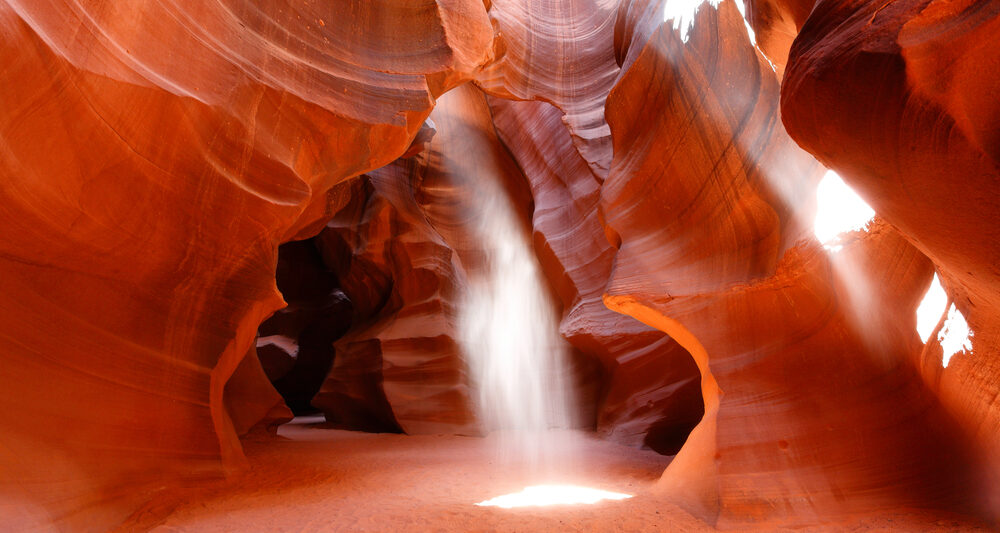
The hard part is not knowing the rules. It’s following them when the canyon is beautiful and you are “almost there.” Set your rules before you step in, and make them simple enough that your future self can’t negotiate.
My non negotiables
- No slot canyon entry if a Flash Flood Warning covers your area or the upstream basin.
- For most hikers: no slot canyon entry if a Flash Flood Watch covers your area or the upstream basin. (Yes, some commercial operations may operate under a Watch with route specific controls and active monitoring. If you are hiking on your own, treat a Watch as a hard stop.)
- No slot canyon entry if you can’t identify a fast exit route that gains elevation and doesn’t require downclimbing unknown obstacles.
- Turn around immediately if you see water begin to flow where it was dry, or debris starts moving with the water.
- Turn around immediately if thunder is audible. Partly for lightning, partly because storm distance is hard to judge in complex terrain, and partly because any storm in the wrong basin can become your problem.
Time and plan rules for Page and Moab trips
- Go early. In monsoon season, prioritize sunrise to late morning for any narrow drainage hike. Save town exploring and scenic drives for afternoons.
- Limit commitment. Pick routes where you can reverse course quickly. If your plan involves entering a slot with a one way exit, your risk goes up.
- Build buffer time. If you must be back for a tour or dinner reservation, you are more likely to push a bad decision. Give yourself room to bail.
If you feel even slightly rushed in a drainage, you are already in decision debt. That’s when you start trading safety for schedule. Pay it off by turning around while the terrain is still easy.
If weather changes
When you’re already hiking and the sky turns dramatic, your goal is to get out of places where water funnels and into places where water can spread out.
Quick decision tree
- In a slot canyon: move toward the nearest exit that gains elevation out of the channel. Don’t wait to “see if it rains.”
- In a wash or drainage: get up and out to higher ground that is not a pour off zone.
- On open slickrock: avoid low bowls and drainage seams. Lightning becomes the bigger threat. Spread out from partners and move away from high points.
If water arrives and you can’t exit fast
- Get to the highest available ground immediately, even if it’s awkward, and stay out of the channel.
- Avoid chokepoints where the canyon narrows and water rises fastest.
- Don’t enter moving water to “cross” or “make a run for it.” In a slot, it doesn’t take much flow to knock you down, pin you, or trap you against a wall.
- Stay together and account for everyone. Panic splits groups.
- Call for help when safe. If you have satellite messaging, use it early. If you only have cell service, try high points and be ready to send location, canyon name, and the nature of the emergency.
What not to do
- Don’t try to outrun water downstream. Flood waves move fast, and exits can be blocked by chokestones or drop offs.
- Don’t shelter in the channel under overhangs that sit above the drainage. Overhangs can become waterfalls, and falling rock is a real hazard.
- Don’t “test” a narrowing section. If you can’t see around the bend and you can’t climb out, you’re committing without information.
Lightning notes
Slots are not the only monsoon hazard. Lightning deserves its own mental sticky note, especially on slickrock and open viewpoints.
- Avoid the obvious magnets: isolated trees, exposed ridgelines, lone high points, and metal fences or railings.
- Skip shallow caves and overhangs if they are directly above wet streaks or drainage lines.
- Spread out from partners so a single strike does not hit everyone.
- If thunder is audible, act like you are already in range. In the backcountry there is no perfect “indoors,” so your best move is getting off high points and away from exposed edges sooner rather than later.
Post storm hazards
One of the most common “we thought it was over” mistakes happens the next morning. Desert storms reshape terrain quickly, and the hazards shift from rising water to unstable ground and hidden damage.
What changes after heavy rain
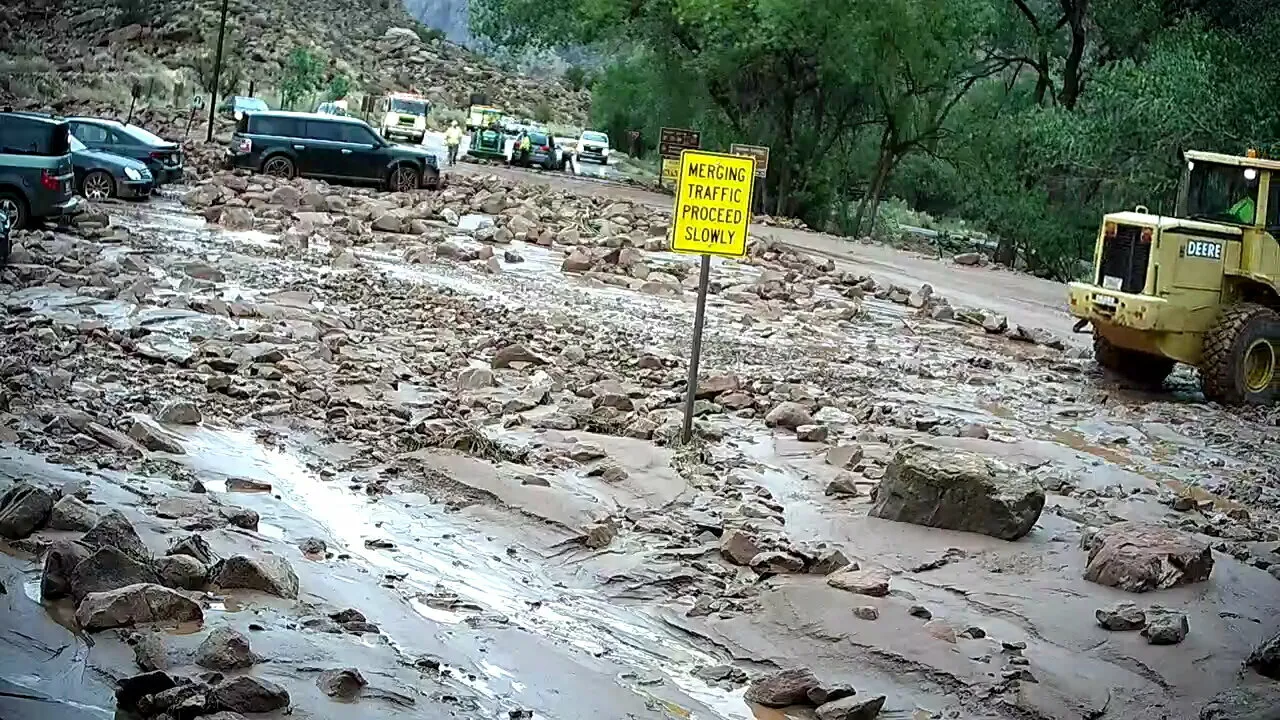
- Deep mud and saturated sand in washes. It’s not movie quicksand, but it can trap shoes, wreck ankles, and slow you down when you need steady footing.
- Undermined sand ledges along wash edges. A firm looking lip can collapse under body weight.
- Fresh rockfall in narrow canyons. Saturation and runoff can pry blocks loose.
- New pour offs and debris jams that were not there last week. Your guidebook photos might be outdated after a big storm.
- Muddy pooled water that may contain high sediment, bacteria, and runoff from animals or upstream use. Treat it as questionable unless you can properly filter and disinfect, and even then prefer better sources.
How to adjust after a storm day
- Choose wider canyons and open trails with multiple exit options.
- Budget more time for slower footing and detours.
- Ask locally at visitor centers, outfitters, or rangers about recent conditions and closures. In places like the Moab area and Glen Canyon region near Page, locals often know which drainages took a hit.
Route research
Not all slots are created equal. Some have frequent escape ramps and quick exits. Others are long, continuous narrows with sections where climbing out is unrealistic.
- Read a route description before you go, not just the highlights. Look specifically for phrases like “no escape,” “commitment,” “deep narrows,” “keeper potholes,” “one way,” and “rappel.”
- Know who manages the area and check for permits, closures, and recent flood damage.
- If you are unsure, ask locally. A five minute conversation with a ranger desk or reputable outfitter can save you from walking into a trap.
Safer monsoon itineraries
Monsoon season doesn’t have to cancel your trip. It just changes the order of operations. For Page and Moab style travel, think in daily layers: open terrain early, flexible town time late, and always a backup.
A simple day structure
- Sunrise to late morning: higher ground viewpoints, open trails, short hikes on benches and rims.
- Midday: museums, cafes, shaded stops, scenic drives, visitor center intel checks.
- Afternoon: only commit to narrow terrain if radar is quiet and the upstream basin is clear. Otherwise, keep plans modular.
Backups that still feel like a trip
- Scenic overlooks and rim walks that stay out of drainages
- Geology stops and short interpretive trails
- Local food and coffee crawls that turn weather into a feature, not a failure
- Sunset from a safe, open viewpoint that is not in a wash
Gear and habits
This is not about carrying a mountaineering closet. It’s about having the few items that buy you clarity and time.
- Weather app plus a radar source set up before you lose signal
- Offline map that shows drainages and trail junctions
- Headlamp even for day hikes since storms and rescues delay exits
- Extra water and a salty snack so you don’t push on because you’re depleted
- Light rain layer for temperature drops and wind
- Emergency communication if you’re remote, especially on less traveled routes
The habit that matters most
Tell someone your plan with a specific trail or drainage name and a hard check in time. If you change plans, update them. Monsoon weather rewards people who make boring logistics feel normal.
Quick slot checklist
- Have I checked NWS (weather.gov) and radar for my area and the upstream basin?
- Is there any Flash Flood Watch or Warning nearby?
- Do I have a fast exit that gains elevation out of the channel?
- Do I see high water marks, fresh debris, or recent mud?
- Is it early enough that I’m not racing afternoon storm timing?
- Do I feel any pressure to “make it work” because of time or money?
- If I lose signal, do I still have enough information to stick to a conservative plan?
If any answer makes you hesitate, pick a different hike. The desert will still be there tomorrow, and your trip should be too.